News
This constantly updated list features the latest and most important news articles, ranked in order of significance. The top stories highlight major developments, breaking news, and critical updates across various topics, ensuring you stay informed about the most pressing issues. As new articles are added, the list adapts to reflect the latest priorities, keeping the most impactful stories at the forefront. Whether it’s global events, technology breakthroughs, or industry trends, this dynamic list ensures you always have access to the most relevant and timely information.
-

Picture from ichef.bbci.co.uk
Rank 17001 -

Picture from ichef.bbci.co.uk
Rank 17002 -

Picture from ichef.bbci.co.uk
Rank 17003 -

Picture from cdn.mos.cms.futurecdn.net
Rank 17004gTLDs enhance brand identity, trust, engagement, SEO and control over online presence53% of businesses want to stand out from competitors – gTLDs can helpSome marketers didn't know they could register gTLDsNew research from ICANN has revealed that generic top-level domains (gTLDs) have been likened to digital storefronts, noting that unique online addresses are becoming critical for branding and customer engagement.ICANN's global survey of more than 2,000 marketers from 14 global markets found that gTLDs like .microsoft or .brazil offer untapped branding and operational opportunities.The study also found that brands can enhance their identity, improve trust and control their online presence more effectively when using a gTLD.Businesses are missing out on generic TLD benefitsAn overwhelming majority (92%) of the marketers surveyed agreed that gTLDs offer benefits, including enhanced brand differentiation/identity (46%), improved customer trust and engagement (45%), better control over online presence (44%) and improved SEO (44%).Although gTLDs might be new additions to companies' roadmaps, they can also form part of existing strategies. For example, 53% noted wanting to stand out from competitors as a top priority in the next 12 months. One in two (52%) also noted wanting to attract and engage the right audience, while a similar number (47%) declared keeping up with digital trends to be a top priority.However, as with any change in technology, some are finding that there are certain hurdles preventing them from going all-in on gTLDs, including high costs (31%), a lack of knowledge (27%) and insufficient time, unclear ROI or security concerns (24% each).ICANN also observed misconceptions, with 16% of marketers believing gTLDs were government-only and 9% thinking they were part of trade agreements.With gTLDs offering a transformational opportunity for brands willing to spend the time setting them up, ICANN is urging brands to start preparing now in order to arm themselves with the knowledge and power.You might also likeWe've listed the best domain registrarsTake your store online with the best web hosting servicesGoogle search ditches country-specific domains, directs all users to google.com
-

Picture from ichef.bbci.co.uk
Rank 17005 -

Picture from ichef.bbci.co.uk
Rank 17006 -

Picture from cdn.mos.cms.futurecdn.net
Rank 17007Sony is shutting down its PlayStation Stars loyalty program after three yearsThe program will no longer accept new members, but current members have until July 23 to earn Digital Collectibles, Points, and level up their statusSony says "this version" of the PlayStation Stars will fully end on November 2, 2026Sony has announced that it's shutting down its PlayStation Stars loyalty program after three years.In a new PlayStation Blog post, the company confirmed that PlayStation Stars will be closing down and will no longer accept new members as of today.Those who choose to cancel their membership won't be able to rejoin and will lose all earned Points."Since launching the program, we’ve learned a lot from evaluating the types of activities our players respond best to, and as a company, we are always evolving with player and industry trends," Sony said."Through this evaluation, we have decided to refocus our efforts and will be winding down the current version of PlayStation Stars. We will continue to evaluate our key findings from this program, and are looking into ways to build upon these learnings."Although the rewards program is shutting down, members can still earn Digital Collectibles, Points, and level up their status until July 23, 2025 at 7:59AM PDT / 3:59PM BST / 11:59PM JST.After this date, no new PlayStation Stars Campaigns will be available, or additional rewards or status benefits to earn.Sony said that "this version" of PlayStation Stars will fully end on November 2, 2026, but it's unclear if the company is planning on releasing another version of the loyalty program.It also said that current PlayStation Stars members can continue to redeem Points as long as their Points don’t expire before that date, and that members can still access their Digital Collectibles, even after these changes go into effect.The program was made available for PS5 and PS4 in 2022 and rewards players with earnable loyalty points that can be redeemed for various digital goodies after completing various challenges, like unlocking a specific trophy or playing a game on your system.You might also like...Best PS5 games 2025 - top PlayStation 5 titles to play right nowThe Last of Us director Neil Druckmann confirms another game is in development at Naughty Dog besides Intergalactic: The Heretic ProphetGhost of Yotei pre-orders live: Collector's Edition up in the US, Standard Edition retailers, and where to buy in the UK
-

Picture from ichef.bbci.co.uk
Rank 17008 -

Picture from ichef.bbci.co.uk
Rank 17009 -

Picture from cdn.mos.cms.futurecdn.net
Rank 17010Apple has marked the iPhone 7 Plus and iPhone 8 as ‘vintage’This means there are fewer repair options should you need themThe next step is to declare them ‘obsolete,’ but that’s not happened yetIf you’re still rocking an iPhone 7 Plus or an iPhone 8, we’ve got some bad news: Apple has just added them to its list of “vintage” products, meaning your repair options have just become a little more limited.Apple declares a product to be vintage when the company stopped selling it more than five but less than seven years ago. Apple does this from time to time with older devices – after all, it can’t offer ongoing support for every device it's ever produced on an indefinite basis. But the news will still come as a disappointment to anyone still using one of these phones.What does this mean in practice? Well, when Apple classifies a product as 'vintage', it cuts back on the support it will offer to owners. In theory, you’ll still be able to get one of these products repaired by Apple or an Apple Authorized Service Provider (AASP), but it depends on whether the parts are still available. If they aren’t, you won’t be able to get genuine components when it’s time to repair your phone.After a product has been classed as vintage, the next step is for Apple to label it 'obsolete', and this usually occurs when more than seven years have passed since Apple last offered the device for sale. The iPhone 7 Plus and iPhone 8 were discontinued in 2019 and 2020, respectively, which means you’ve still got another year or two until they're classed as obsolete.Old-school charm(Image credit: Future)Launched in 2016, the iPhone 7 Plus was the larger version of the iPhone 7, and it came with water and dust resistance, a solid-state Home button, new color options, and revised antenna bands. It also controversially marked the removal of the 3.5mm headphone jack once and for all.The iPhone 8, meanwhile, was released in 2017 and came with wireless charging, True Tone technology, a better chip, and improved cameras. It launched alongside the iPhone X, which was the first all-screen iPhone and consigned the Home button to history.This is the second time in recent months that Apple has added devices to its vintage products list. In mid-April, the iPhone 6S was marked as vintage, alongside the 2018 Mac mini. Don’t be surprised to see further products added to Apple’s list over the next year.You might also likeFarewell, iPhone 6S – Apple marks classic phone as 'vintage' alongside this Mac miniNew iOS feature can help prepare your iPhone for repairs without disabling functionalitySony Xperia 1 VI could be the last holdout for flagship phones with headphone jacks
-

Picture from cdn.mos.cms.futurecdn.net
Rank 17011Signal has a new option for its Windows 11 app to block RecallThe developer had to fudge a way of preventing screenshots of the messaging app being takenUnfortunately this has side-effects such as interfering with screen reading tools, but Signal says Microsoft has left it no choiceSignal, a messaging app that majors in security and privacy (and has been in the limelight recently), has introduced a measure to defend content sent via the platform from the prying eyes of Microsoft’s Recall feature.In case you forgot – unlikely, I know – Recall is the controversial feature for Copilot+ PCs that provides an AI-powered deep search in Windows 11. It does this by taking regular screen grabs of the activity on your PC, and you can see where the conflict comes in if the feature screenshots messages sent via a privacy-focused app like Signal.As a counter to this, Signal announced in a blog post (picked up by The Verge) that it’s introducing a new ‘screen security’ setting for its Windows 11 app, and this will be turned on by default for users of the desktop OS. This functionality is rolling out now.What the developer has done here is activate a DRM flag on the Signal app window as a fudge to stop Recall from capturing screenshots. It’s using that workaround because Microsoft failed to offer “granular settings for app developers that would enable Signal to easily protect privacy” with Recall, the blog post observes.Signal notes: “We are enabling an extra layer of protection by default on Windows 11 in order to help maintain the security of Signal Desktop on that platform even though it introduces some usability trade-offs. Microsoft has simply given us no other option.”What’s the usability trade-off? Blocking screenshots from every angle using this DRM fudge means legitimate use of screen grabbing is ruled out, and also some screen reading tools (like Narrator in Windows 11) or other accessibility features may not work properly. So, that’s far from ideal, but Signal argues that Microsoft has left it no choice.Analysis: Clear Signal(Image credit: Signal)This does seem to be an important part of the equation that’s missing with Recall. Famously, Microsoft pulled the feature after it was first revealed a year ago, and took it back to the drawing board, tightening up security and privacy in numerous ways. But that was a case of fixing and smoothing over weaknesses, rather than strengthening measures – Recall was launched way too early, and without enough thought, worryingly.And still after all that time, there are software developers out there like the maker of Signal pointing out a basic flaw in Recall that Microsoft should have addressed at this point.Remember that this doesn’t apply to you if you don’t have a Copilot+ PC, though, as only those devices get Recall (it requires a beefy NPU for locally accelerating AI workloads to ensure the feature works smoothly enough).While the new setting is enabled by default for Signal in Windows 11, you can turn it off by going to Signal Settings > Privacy > Screen security (you’ll be warned that you’re about to disable the ability).It’ll certainly be worth watching this space going forward, and I’m hoping Microsoft will implement a proper way to let developers control how Recall interacts with their apps, as this only makes sense – particularly for privacy-related software.You might also like...Windows 11 is getting more AI shortcuts, but is Microsoft in danger of cluttering up the OS with AI creep?Can’t upgrade to Windows 11? This Linux project wants to save your old PC from the scrapheap when Windows 10 support endsBeen hiding from Windows 11 24H2 due to the fuss about all the bugs? There’s nowhere to run now as Microsoft’s made the update compulsory
-
Picture from cdn.mos.cms.futurecdn.net
Rank 17012Google Cloud operates across 42 regions and 127 zones, supported by 33 subsea cablesThe US government trusts Google Cloud Air-Gapped with top-secret informationEurope has a number of local tools, and Germany is nextAmid ongoing US-China tensions over tech dominance, Google has recognized that some countries are concerned about the US' tech dominance, thus it has announced some updates to its sovereign cloud services to ensure optimal privacy.In a blog post, Google Cloud President of Customer Experience Hayete Gallot boasted that the company now has more than 42 cloud regions, 127 zones, 202 network edge locations and 33 subsea cable investments supporting its global cloud services.Once niche and limited to highly regulated sectors like defense and intelligence, sovereignty is now a mainstream concern for many sectors and most governments, and Google has responded with a handful of updates.Google upgrades its sovereign cloud portfolio for customersKey to the announcement is Google Cloud's air-gapped cloud service, which operates as a standalone cloud with no external network connectivity requirements. It's designed specially for sectors with strict data residency and security, and is build on open-source components which Google believes can enhance resilience and therefore business continuity.The company even got authorization to store US government Top Secret and Secret-level data on Google Cloud Air-Gapped in 2024 – a sign of its strong privacy credentials.The second of Google's three key announcements, Google Cloud Dedicated, is a partner-operated regional platform that meets local sovereignty standards. The company already partnered with Thales in 2021 to make its first-ever Trusted Cloud by S3NS for Europe, but now it's confirmed it'll be targeting Germany next.Finally, Google Cloud Data Boundary gives users further control over where their data is stored and processed, with enhanced protection via external key management and confidential computing. For example, Workspace users can select to restrict processing to the US or EU, while also choosing local data storage countries.A Mandiant-backed tool called User Data Shield is being added to this to ensure the ongoing verification of sovereignty postures.Gallot expressed a commitment to "empowering organizations globally to navigate the complex landscape of digital sovereignty with confidence," while also noting how advanced security measure like a zero-trust posture, post-quantum cryptography and AI-powered defenses form part of the broader strategy.You might also likeWe've listed the best cloud hosting providersKeep your data online with the best cloud storage and best cloud backup toolsGoogle Cloud unveils new AI Protection security tools, no matter which model you use
-
Picture from cdn.mos.cms.futurecdn.net
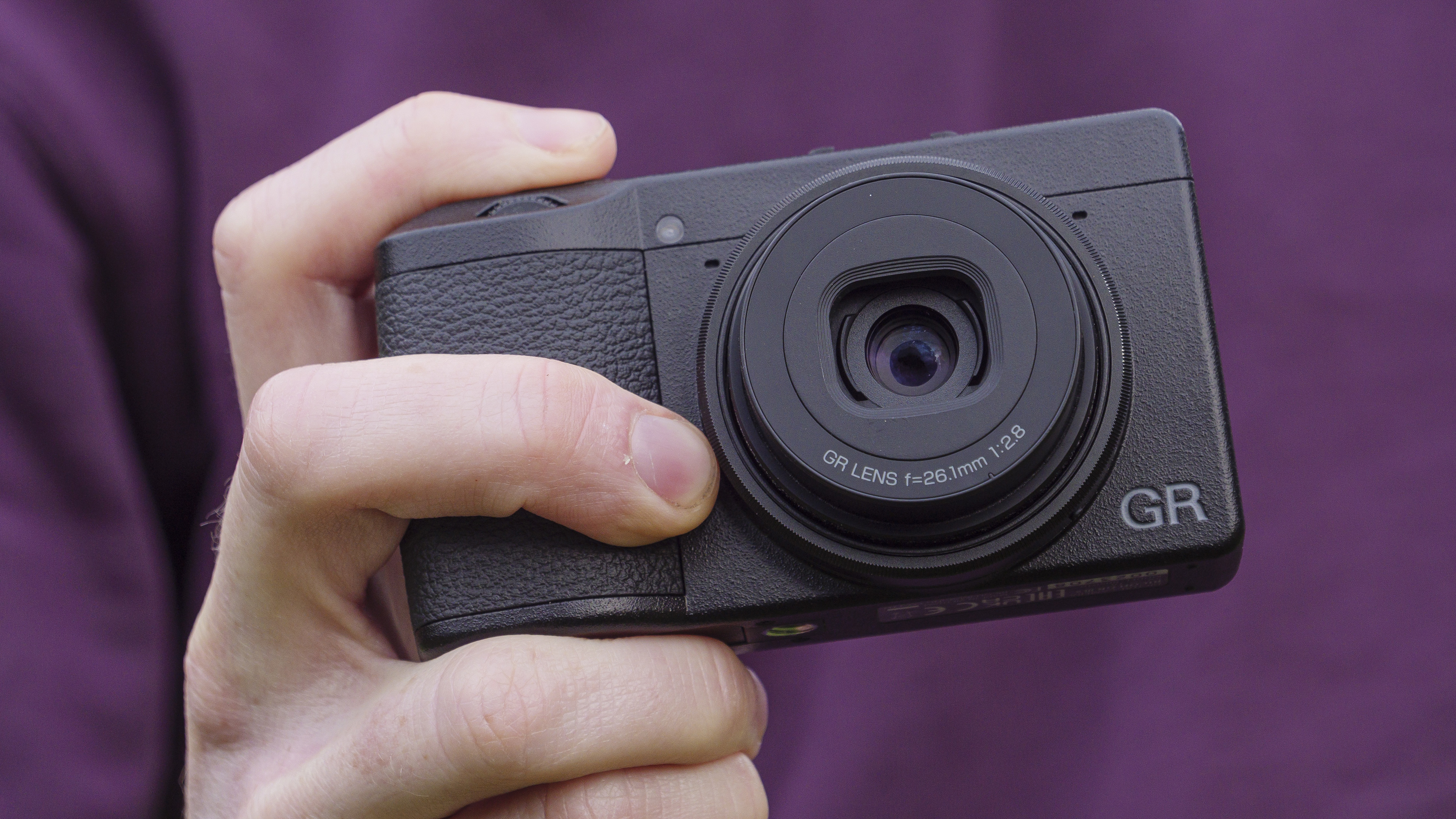
Rank 17013Ricoh confirms GR IV is in development and 'autumn 2025' launchA variation with highlight diffusion filter will follow in 'winter 2025'The compacts will pack a newly designed lens, sensor and processorRicoh has announced the development of the Ricoh GR IV, the next generation of one of the best compact cameras. As a longtime GR IIIx user, I couldn't be more excited for what's in store.We've been speculating for months if not years about when and if a GR IV would be unveiled. Along the way, leaks have given us false hope as further iterations of the GR III have been launched instead, such as the GR III HDF.Now, finally, we know (roughly) when the GR IV will launch – a press release says we can expect the GR IV in "autumn 2025", while a niche highlight diffusion filter (HDF) version is set to follow in "winter 2025". There's no word yet on an 'x' iteration.In the build-up to those launches the GR III will be discontinued, although production of the GR IIIx is set to continue for now.I have already written about the upgrades I hope to see in the Ricoh GR IV, and now the press release has teased a few things that we can look forward to.I loved the Ricoh GR IIIx concept so much that I personally forked out for one instead of upgrading to the latest iPhone, and I can't wait to see what improvements are made in the overdue next-gen model. (Image credit: Future)How big an upgrade will the Ricoh GR IV be?Ricoh says the "GR IV inherits the basic GR-series concept, while also incorporating totally new components, including a newly designed lens, a new image sensor and a new imaging engine, to further upgrade image quality."It also features more advanced communications functions and is compatible with a new application designed for smart devices to improve operability and functionality."Those improvements could indeed make the GR IV, in Ricoh's words, "the ultimate snapshot camera in the history of the GR series"; but as an actual user of the GR IIIx there are some less headline-worthy upgrades that I'd also like to see.Image quality from the GR III series is already stellar, but I hope we see some design improvements, particularly better build quality, a built-in flash and, provided the truly compact dimensions remain, a tilt LCD screen.Performance-wise, the GR IV needs better autofocus, and the mention of a new processor and sensor gives me hope that'll be the case.Ricoh says GR IV prototypes will be showcased at the GR SPACE in Tokyo, Beijing, and Shanghai from May 31. That should give us further clues as to any design changes, including the new lens.The Ricoh GR IV is a camera I've been looking forward to for a long time, and with premium compacts particularly popular right now it can't come soon enough, and is set to be one of 2025's most popular cameras.You might also likeCamera rumors for 2025: new gear we're expecting soon from DJI, Sony, Canon and moreRicoh GR IV: 5 things I want to seeThe best compact camera for 2025: top pocket choices to take anywhere
-

Picture from ichef.bbci.co.uk
Rank 17014 -

Picture from ichef.bbci.co.uk
Rank 17015 -
Picture from cdn.mos.cms.futurecdn.net
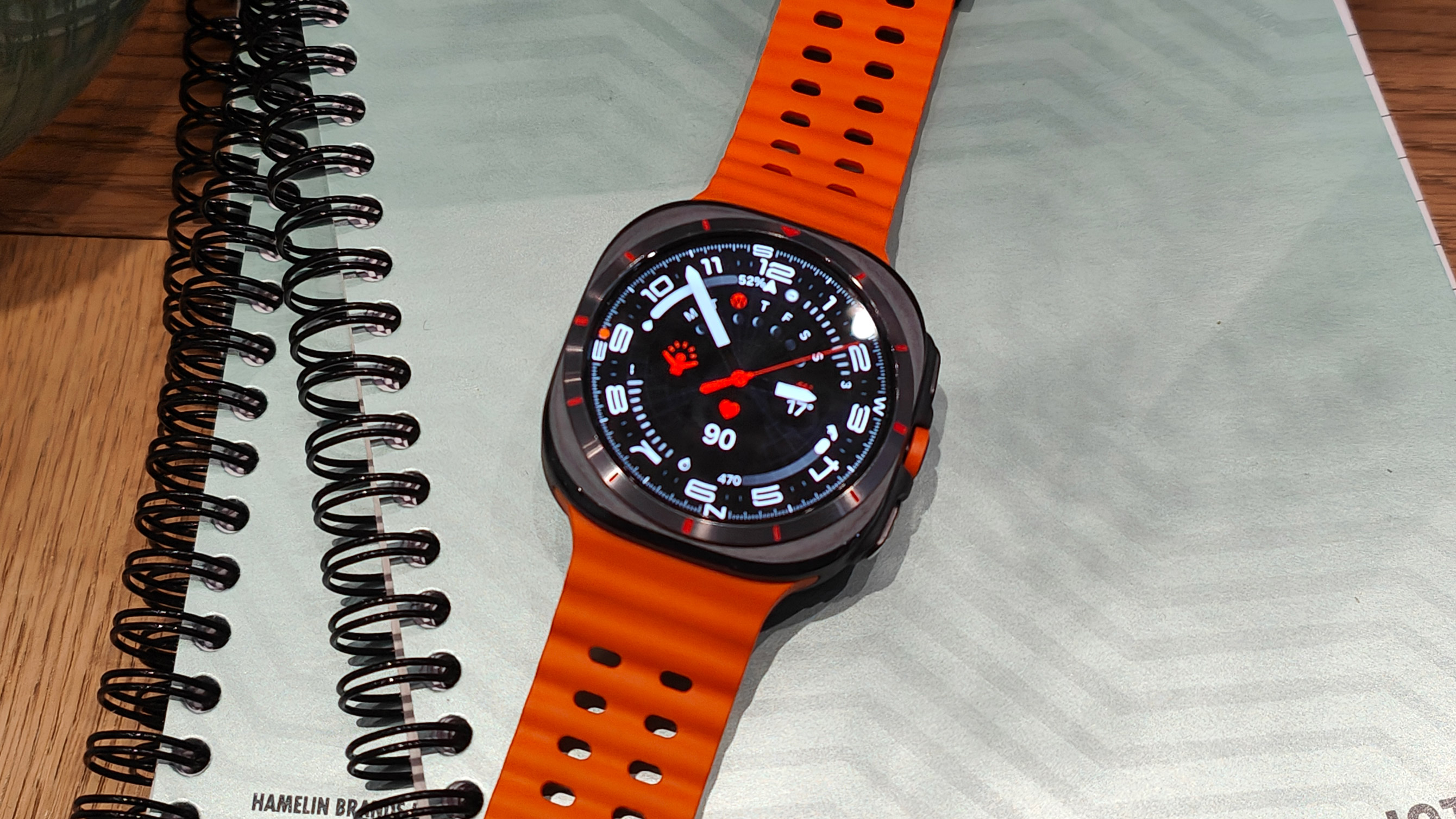
Rank 17016Renders of the Galaxy Watch 8 Classic have been spottedThey combine Classic and Ultra aestheticsThe upcoming watch should arrive sometime in JulyWith just a couple of months to go until the expected launch of the Samsung Galaxy Watch 8, some freshly leaked renders of the Classic version of the smartwatch have emerged online, showing the return of the device's rotating bezel.These renders come from well-known tipster @OnLeaks and SammyGuru, and are based on schematic information leaked from the supply chain. We get to see the watch from all angles, and it looks like a stylish, polished gadget.This particular tipster has a strong track record when it comes to revealing device designs ahead of time, but bear in mind that this is still just a leak – we won't know the final design of the Galaxy Watch 8 Classic until Samsung makes it official.We didn't get a Classic model last year, but the upcoming watch looks to be combining elements from the Galaxy Watch 6 Classic from 2023 and the Galaxy Watch Ultra, which made its debut in 2024.Rumored dimensionsIt seems we're getting a slightly squircle-shaped frame, as on the Galaxy Watch Ultra, though here it looks to be a little more rounded. It might actually be that the Galaxy Watch 8 Classic takes the place of the Samsung Galaxy Watch Ultra 2 this year.Then there's that rotating bezel, which is always present on the Classic model, and which makes operating the watch easier. In recent years we've had Classic models every other year, so we're due another in 2025.This same leak mentions a 1.5-inch display, and dimensions of "roughly" 46 x 46.5 x 14.2mm – which actually sound rather precise. The indications are that this will be the only size available when it comes to the Galaxy Watch 8 Classic.If Samsung sticks to the same schedule it followed in 2024 we'll see this watch unveiled at an Unpacked launch event sometime in July, alongside the Galaxy Watch 8, the Galaxy Z Fold 7, the Galaxy Z Flip 7, and perhaps the tri-fold Samsung Galaxy G Fold.You might also likeWe may get a design revamp for the Galaxy Watch 83 new features coming to your wrist with One UI 8 WatchGalaxy Watch 8 leak hints at a return for the Classic model
-

Picture from cdn.mos.cms.futurecdn.net
Rank 17017Sam Altman and Jony Ive called the announcement of io, an AI device startup purchased by OpenAI, an "extraordinary moment."After watching the nine-minute video where the two "friends" talk about their future business endeavours in a busy San Francisco Café bustling with paid actors, I was left intrigued by the promise of "a new generation of technology that can make us our better selves," but confused by the lack of details.Nine minutes later and anyone that watched the weird corporate romcom of Sam and Jony, has more questions than they have answers. We already knew Ive was working with Altman, yet the announcement that OpenAI is purchasing the startup for $6.5 billion makes it all feel that little bit more real.OpenAI wants whatever io creates to be its magnum opus, and honestly, considering Ive's track record, I wouldn't be surprised in the slightest if it is. But still, I'm left more confused at the prospect of what it could be than what it won't be.Following the reveal, the WSJ, Bloomberg, and other outlets published articles that give further insight into what io's first product could look like. I've read the piece, I've scoured past rumors and articles, and I've come up with five clues that give us an idea of what to expect from this upcoming ChatGPT-powered hardware.Here are the top five clues that hint at what Sam and Jony could be working on.1. An AI device like we've never seen before?(Image credit: Humane)It's hard to even fathom what a dedicated piece of AI hardware could look like if it's not similar to those that have come before it. Last year, we saw the market flooded with products like the Humane AI Pin and the Rabbit R1, which both failed to make an impact.After the announcement of io, Ive spoke to Bloomberg, where he said Humane and Rabbit 'were very poor products,' he added, 'There has been an absence of new ways of thinking expressed in products.'Following the announcement, Altman gave his OpenAI staff a preview of what's to come, and according to Bloomberg, 'The product will be capable of being fully aware of a user’s surroundings and life, will be unobtrusive, able to rest in one’s pocket or on one’s desk.'I'm no genius, I definitely couldn't have come up with the concept of the iPhone, but to me this sounds like a Jony Ive-ification of a dedicated ChatGPT smart pin.2. It won't be a wearable (in the traditional sense)(Image credit: Google)If io's first product can sit on your desk or get thrown in a pocket, then it's not going to be competing with the Apple Watches of the world. Instead, the duo told the WSJ its intent is to "wean users from screens."It's also not a pair of glasses like the Ray-Ban Meta glasses and "Ive is skeptical about building something to wear on the body."That doesn't really whittle it down, but it does continue to paint a picture similar to the form factor of the Humane AI Pin. I can't help but envision a small AI-powered device that can be placed anywhere, and is able to interact with a user in the same way we would interact with ChatGPT Advanced Voice Mode or Gemini Live.Another hint Altman and Ive gave the WSJ is that the product will be "capable of being fully aware of a user’s surroundings and life," and "unobtrusive.'"Again, painting the picture of a small smart pin that you can place anywhere.3. It will sit alongside your iPhone and MacThe io AI device "will be a third core device a person would put on a desk after a MacBook Pro and an iPhone", according to Ive and Altman, providing an experience that's not really been possible up until this point.In the nine-minute conversation between the two, Altman explains how we currently interact with ChatGPT. He says, "I would need to reach down into my bag, get out my laptop, open it up, launch a browser, I'd start typing, and then explain that thing, then hit enter, then I would wait for a response. That is the limit of what a laptop can do, and I think this technology [ChatGPT] deserves much better."Now, there's likely a lot of marketing speak here, but the duo seems convinced that whatever they are working on will redefine modern technology and give us the best way to interact with the capabilities of ChatGPT.In February I wrote about this rumored device, and I said, "I’m not totally convinced of the idea of a dedicated AI device, but if OpenAI’s product connects via Bluetooth, adding some kind of bracelet or pin that directly interacts with ChatGPT and all its power on your smartphone, then this could be the next step in the evolution of smart wearables. I’d love to be able to quickly transcribe audio directly from a ChatGPT-powered pin, for example, and then read back the information on my iPhone. The device wouldn't need a screen in this scenario, because your smartphone ultimately functions as the user interface."Three months later, and while this quote from Ive and Altman hints at a standalone device rather than one that connects to your smartphone, I think that idea of what the user experience could be is pretty spot on. Then again, as I said above, I'm not the inventor of the iPhone, I can barely understand why the clocks change twice a year.4. It won't be a smartphone(Image credit: Daniel Romero / Unsplash)OpenAI plans to ship over 100 million units of this device that Altman hopes is the beginning of a "family of devices." He sees Ive's hardware credentials at Apple as a blueprint towards creating a successful new genre of product that captures the AI hardware market.If the previous entries hadn't made it somewhat clear, this ChatGPT-powered device will not be a smartphone. Whether that means it won't be a smartphone, yet, and io could work on a device to compete with the iPhone and Android smartphones in the future, we don't know. But the first product that comes out of this company will not try to compete with Apple's best-selling device.5. No one knows, and that's excitingListen, I know the marketing video was as cheesy as it comes. I know, we've been burned by tech companies time and time again. Heck, even Apple, with its fantastic track record, was unable to ship Apple Intelligence like it promised.That said, there's something incredibly exciting about the promise of innovation. Obviously, just because Jony Ive is working on a product doesn't confirm a good one. I'll die on a hill saying the iPhone 5C sucked.However, you've got one of the most powerful companies in the world, which is creating, love it or hate it, the most impressive software we've ever seen, and it's teaming up with the man who designed the biggest consumer tech innovation of the 21st century.Whether io's product itself is a success or not is anyone's guess, but the prospect of a new way of interacting with technology and AI is something that's definitely got me interested.io's first product is expected to launch in 2026, who knows how far AI will have come by then.You might also likeCan you use ChatGPT to create a dream life? Why you should think before trying this viral TikTok trendI tried the new Meta AI app and it's like ChatGPT for people who like to overshareWatch The Rock being turned into unrecognizable abstract art as viral ChatGPT trend goes wrong
-
Picture from cdn.mos.cms.futurecdn.net
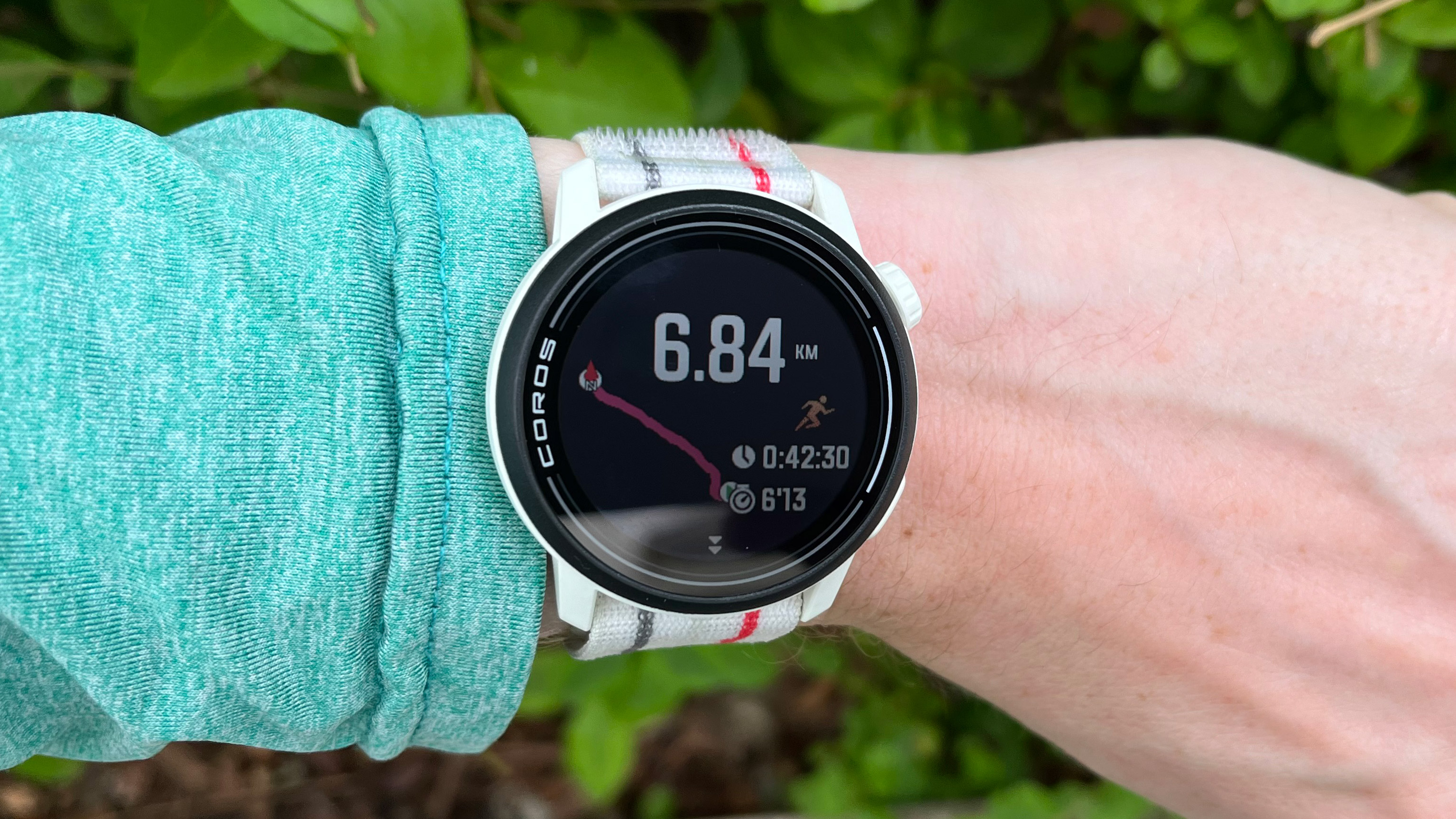
Rank 17018Coros has launched a new repair program for its fitness trackersYou can send off your device and get a replacement within a weekYou won’t receive your original device, but a refurbished product insteadCoros wearables are popular with fitness fans, but when you’re mountain-biking or trail-running there’s always a chance you’ll end up damaging even the best running watch or fitness tracker – and Coros has just announced a new repair program to get your wearable fixed, fast.The Coros Repair Service will offer repairs with the aim of getting you back in action as quickly as possible. To that end, Coros says “users can send in a damaged device, pay a nominal repair fee, and receive a refurbished replacement within a week.”The repairs will cover a variety of issues that you might face with your wearable, including replacing broken displays, buttons, and digital dials. Battery replacements are also covered, Coros says.The repair fees involved vary depending on the product being repaired and what needs fixing. The cheapest option is to get a replacement battery for the Pace 3 or Pace Pro smartwatches, which costs $59. The most expensive repair is for the screen, dial or button on the Vertix 2S, which will set you back $119.How does the repair process work?(Image credit: Future)To get started with a repair you’ll need to go to coros.com/repairs, then fill out your device details and submit a request using the online form. You’ll then be sent an email with a prepaid return label, after which you’ll need to select your device on the Coros website, pay the repair fee, then ship the defective product to the company.Coros says that once it has received your faulty device, it will send you a refurbished replacement, which comes with a one-year warranty. Interestingly, that means your original device will not be returned to you – it will instead be refurbished and be made available for other users to purchase. In its place, you’ll be given an already-repaired device from Coros’s refurbished stock.Coros says it's taking this approach in order to get you up and running sooner than would be possible if your original device was repaired and sent back to you, which could take up to 30 days.The company also says that shipping products in bulk to its repair factory is more affordable and sustainable than sending each device individually, which presumably would happen if you were to get your original device back.So, this new repair program could be helpful if you want to get back in action as soon as possible. Any fitness tracker can break, but if minimizing downtime is important to you, Coros’s program might be worth considering.You might also likeCoros Pace Pro watch review: bright display and bursting battery performerThe best running watch 2025: Top GPS watches for runners of every levelThe best fitness trackers 2025: from Fitbit-style bands to smartwatches and more
-

Picture from cdn.mos.cms.futurecdn.net
Rank 1701975% of UK public sector orgs use GenAI compared with 64% globallyDefense, healthcare and security sectors use it the mostOrgs are on the lookout for Chief Data and AI OfficersAccording to new research from Capgemini, Britain could actually be leading the AI adoption wave among European governments, with 75% of public sector organizations in the UK exploring or actively working with GenAI.However, the same number of UK public sector orgs are also worried about generative AI's environmental impacts, with even more worried about data security and data sovereignty (78% each) and almost as many constrained by costs (68%).Still, despite remaining apprehension, the UK is 11 percentage points ahead of the global average, where 64% of public sector organizations are exploring or using GenAI.UK public sector is leading in GenAI adoptionAlthough the UK is currently ahead, it doesn't mean that the trend won't be challenged in the near future. As many as nine in 10 global public sector orgs plan to explore, pilot or implement agentic AI in the next two to three years.With agentic AI marking the AI of tomorrow, Capgemini explored where today's AI, generative AI, is impacting most. Defense agencies (82%), healthcare (75%) and security sectors (70%) were among the highest adopters.However, with such strict data privacy and security measures in place across the public sector, organizations are struggling to refine their own AI and are instead being forced to use off-the-shelf solutions. Only one-fifth (21%) say they have the necessary data to train and fine-tune AI models.Moreover, just 12% feel very mature in activating data, and even fewer (7%) report maturity in data and AI skills. Capgemini Public Sector Global Industry Leader Marc Reinhardt summarized: "With rising citizen demands and stretched resources, public sector organizations recognize the ways in which AI can help them do more with less."Looking ahead, 24% plan to appoint a Chief Data Officer and 41% plan to introduce a Chief AI Officer, on top of the 64% and 27% (respectively) that already have, bringing the number of public sector orgs with CDOs and CAIOs up to 88% and 68%.Highlighting the importance of "the right data infrastructure," Reinhardt added: "Looking ahead, governments can be more agile and effective as AI augments the work of government employees to source information, conduct policy analysis, make decisions, and answer citizen queries."You might also likeThese are the best AI tools and best AI writersDevelop new skills with the best online learning platformsWhite House demands all government agencies must appoint an AI officer to help mitigate risks
-

Picture from ichef.bbci.co.uk
Rank 17020 -

Picture from cdn.mos.cms.futurecdn.net
Rank 17021The first Skullcandy Crusher headphones made for the gymSweat and water resistance, plus a nano-coating and silicone bandLots of bass promised, but no active noise cancellationSkullcandy's new Crusher 540 Active headphones look like nearly perfect over-ears for the gym: they're sweat-resistant, they've got great battery life, and they promise to deliver pumping and motivational sound, too. But there's one big feature missing: active noise cancellation.That's an odd choice for headphones when many gyms have a pretty loud soundtrack, and given the price tag – £169.99 / $199.99 (about AU$353) – that means the lack of ANC is all the more apparent; our list of the best headphones has options half the price that come with very good ANC.That's a shame, because the rest of the specifications are very good.He's got a serious face because his headphones don't have ANC (Image credit: Skullcandy)Skullcandy Crusher 540 Active headphones: key featuresThe key features here are focused more on comfort and longevity: the headphones are sweat and water resistant with a nano-coating and silicone TPU band to cope with even the heaviest workouts.The ear cushions are made from a breathable fabric and have enhanced clamping so they'll stay in place. Skullcandy says the cups feature a "noise-isolating over-ear design" to reduce distractions even without ANC.Sound-wise the big feature is Skullcandy's own Crusher technology, which enables you to drive the bass up to match the intensity of your activity, and there's built-in Tile finding so you won't lose them if you leave them in the locker room. Drivers are 40mm with dual bass drivers, and there's Bluetooth 5.0 with integrated controls on the headphones as well as full Skullcandy app integration – including the ability to dial back the bass if you prefer.Battery life is 40 hours, with 10-minute rapid charging delivering four hours of playback from flat.It all sounds great, but other great headphones at this price offer ANC, such as the Sony ULT Wear headphones or the Sennheiser Accentum Plus. It's true that Beats' gym-focused headphones, the Beats Solo 4, are a similar price and don't have ANC either – but we also slammed those for the omission.There might be lots of people who don't want to use ANC in the gym, to keep more aware of their surroundings – but you'd want to use these headphones at other times, and wouldn't you want ANC when on public transport or in the office? There's a reason the best noise cancelling headphones are so popular.Still, if the comfort and sound are good, these could be very popular – sweat-resistant over-ears aren't that common. The new Skullcandy Crusher 540 Active headphones are available worldwide from Skullcandy and the usual retailers.You might also likeThe best running headphones 2025: top audio for runningThe best workout headphones for 2025The best open ear headphones in 2025
-
Picture from cdn.mos.cms.futurecdn.net
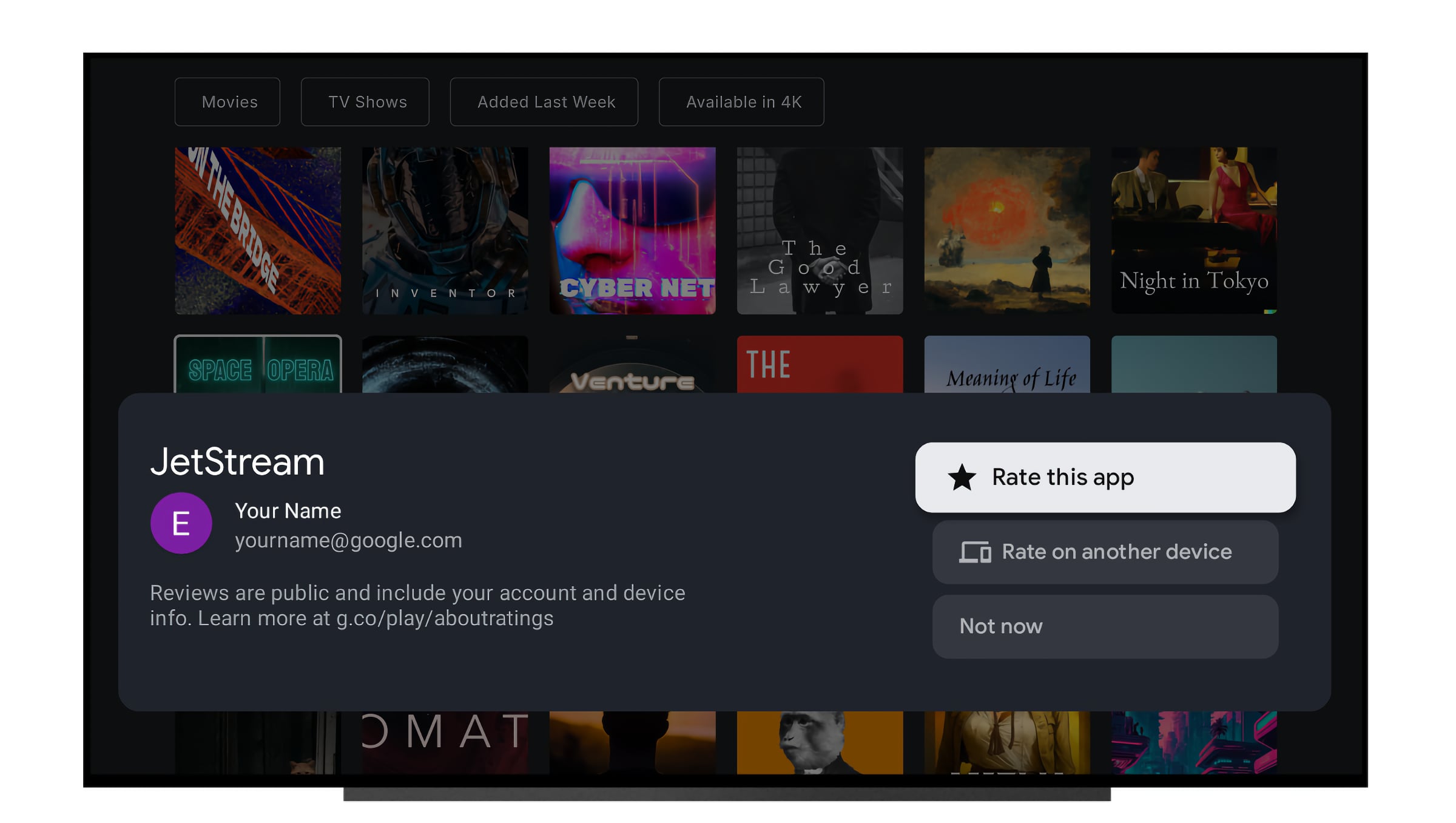
Rank 17022Android TV 16 will bring a few nice changes to Google TV devicesEclipsa Audio support, auto viewing mode optimization, better streaming, and HDMI-CEC improvementsNo launch date as yet; different manufacturers will have different timelinesGetting a TV operating system update sometimes feels like going to a restaurant where the chef is a psychopath: your dish will come with the finest ingredients cooked to perfection but there'll be something unspeakable on top of your steak. The Android 16 update for Google TV seems a bit like that.The update, coming to Google TV this year, will bring Android 16 to supported TVs and will include some really useful improvements. It'll also include what could be quite the irritant.Android 16 TV apps will also be available for Android XR headsets (Image credit: Google)What to expect from the Google TV Android updateOne of the most important new features is support for Eclipsa Audio, the much-anticipated rival to Dolby Atmos being promoted by Google and Samsung. It'll be coming to YouTube to begin with, and the firms hope it's going to be embraced by the wider industry as another immersive audio option.Another useful new addition is the MediaQualityManager, which is designed to give streaming apps the ability to tweak your TV's settings. This is a system-wide equivalent to app-specific features such as Prime Video Calibrated Mode, which currently enables owners of some Sony Bravia TVs to automatically optimize their TV settings for the Prime Video show or movie they're about to watch – so it'll tweak the brightness, color temperature and motion smoothing.Having it available in the operating system should mean more streaming apps offering a calibration option, and calibration being available on more TVs.Google's Gemini AI assistant will be rolling out to Google TVs in the fall, enabling you to ask for movie recommendations or get information about things from your TV.There's a visual refresh coming too, with the update delivering the latest iteration of Google's interface, called Material 3 Expressive. It's not a huge redesign but it's a clearer, more modern look.Those are the top four, and Google says there will also be various improvements to media handling including playback speed, consistency and efficiency, and there will be improved HDMI-CEC reliability too. And it'll be bringing Google TV to Android XR, it's virtual/augmented reality platform, so app developers will be able to bring their apps to the platform effortlessly (although some, like Netflix, are likely to opt out).The chocolate bar in the swimming pool of Android TV updates is the arrival of pop-up rating requests. You know those annoying "Rate this app" popups on your phone? Google is enabling app makers to bring them to your TV too.There's no release date for Android TV 16 yet, and as ever with this kind of update some manufacturers are likely to roll it out more quickly than others.As soon as we know likely launch dates we'll let you know. You can see the full list of features and changes on the Android developers website. (via FlatpanelsHD)You might also likeThe next-generation of Google TV is on the way All new Google TV devices will have a Free TV button for super-easy access to 150 free channelsRIP Chromecast, hello Google TV Streamer
-
Picture from cdn.mos.cms.futurecdn.net
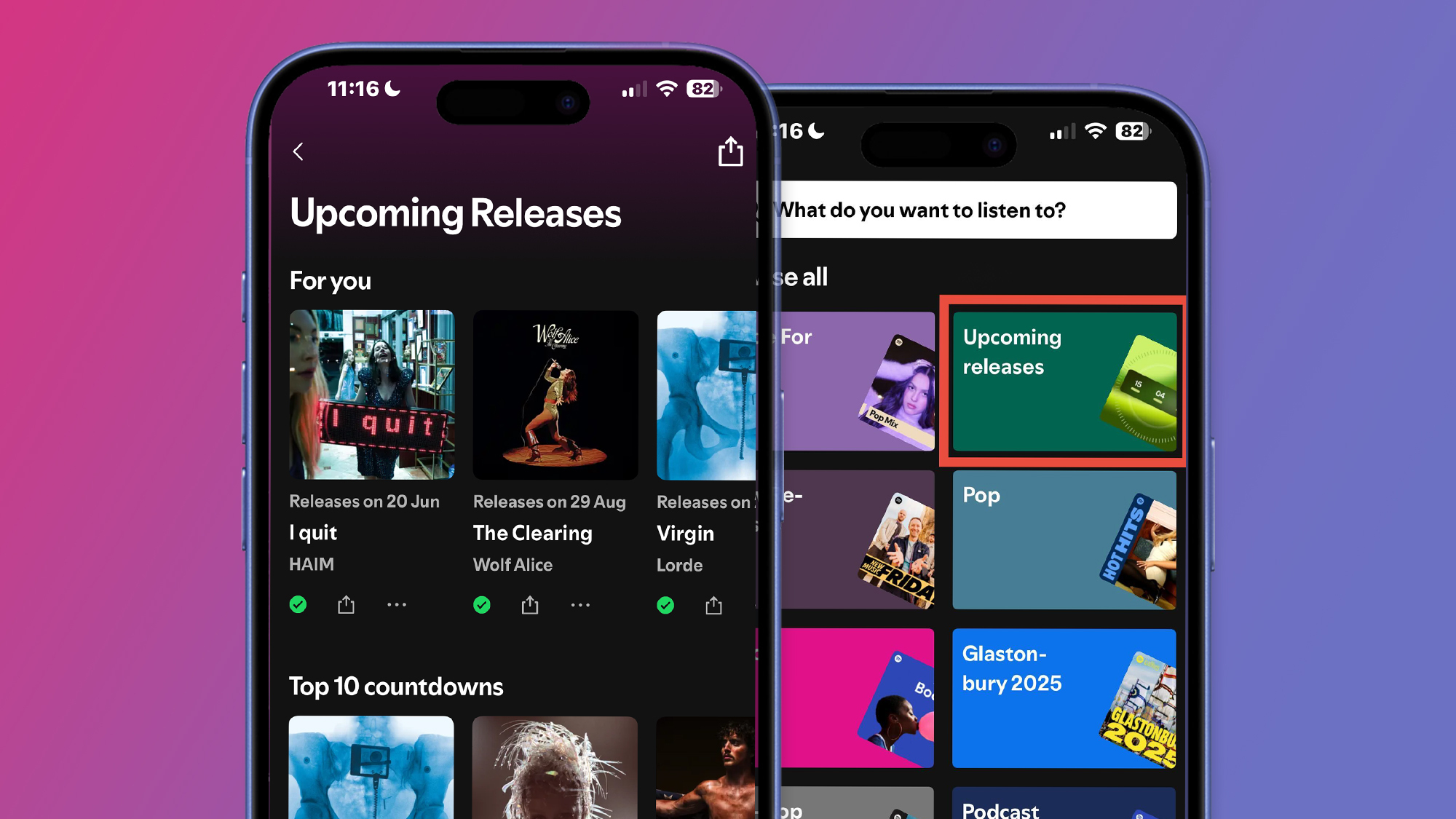
Rank 17023Spotify has launched a new feature in its search hub called Upcoming ReleasesUsers can now view and pre-save upcoming albums from two lists based on their listening history and the most pre-saved albums globally Upcoming Releases also provides listeners with a space to access Countdown Pages, merch, and more Spotify is really doing its bit to prove that it’s still the best music streaming service, and its freshly-launched Upcoming Releases hub does just that. The platform has just rolled out the new feature, creating an in-app space dedicated to keeping tabs on new album releases.Yesterday Spotify announced the feature in a blog post and, as the name suggests, it will allow you to view and pre-save recommended soon-to-be-released albums based on your personal listening habits all from one place. Additionally, you’ll also be able to view the top 10 anticipated new releases based on the number of global pre-saves.One of the better parts of the Upcoming Releases hub is that it’s very easy to find in the Spotify app. Head to the main search hub and scroll down to ‘Browse all’, and there you’ll find the brand new Upcoming Releases section next to your ‘Made For You’ hub. From there, you can pre-save upcoming albums hassle-free, and can quickly access album Countdown Pages to view the tracklist, listen to singles, check out merch, and watch clips.(Image credit: Spotify)Upcoming Releases marks a first for Spotify and significantly enhances the music streamer’s approach to giving fans more ways of staying in the loop with new music. Last year Spotify introduced Countdown Pages for artists which not only breathed new life into album release strategies, but gave fans a new way of engaging with the pre-release hype.Now that Spotify has launched the Upcoming Releases hub powered by Countdown Pages, it could give the platform a leg-up for bringing you closer to new music - and I’m already warming up to it.I like what I see, I like it a lotLike any music obsessive, having my ear to the ground with new music releases is in my nature, however it can be quite the task when it comes to keeping tabs on new albums especially if you listen to a lot of different genres and artists like myself.But Spotify’s Upcoming Releases hub could be the answer to all my new music questions, and I don’t think I’ve taken to a new feature this quickly since Daylists landed in 2023.So far Upcoming Releases is limited to two different categories, ‘For you’ and ‘Top 10 countdowns’, which is the only downside to the new feature but I’m hoping this is intentional.It would make sense for Spotify to start small and then build on the feature as users get used to it, so with that said I’d like to see Spotify add genre-specific recommendations for example ‘Most popular indie upcoming releases’, or even a section that groups soon-to-be-released albums from artists touring your local area.I think there's a lot of room for this new feature to evolve, but it’s still early days and at the moment, I’m just excited to test the waters with it and see how often the recommendations are updated. Besides, it will save me bags of time scrolling through Metacritic’s list of new releases to find out who's bringing out new material.You might also like Spotify has secretly added a new way to disable one of its most disliked features, and I’m fully on boardSpotify HiFi: release date rumors, price predictions, and everything we know so farSpotify’s new ‘snooze’ button will let you blacklist unwanted songs for a month – and I wish it had existed earlier
-

Picture from ichef.bbci.co.uk
Rank 17024 -

Picture from cdn.mos.cms.futurecdn.net
Rank 17025The Ninja Luxe Café comes in two new colors: Trace Blue and Gunmetal GrayTrace Blue has proved particularly popular, and has already sold outThey follow the launch of the updated Ninja Luxe Café Pro earlier this monthThe Ninja Luxe Café is one of the best coffee makers we've tested in recent months, and it just got even better with two limited edition soft colorways to add a touch of class to your kitchen.The Ninja Luxe Café is an unusual coffee maker, capable of making espresso, filter coffee, and cold-brew – and doing all three well (see our full Ninja Luxe Café review for more details). It was available in a sharp stainless steel finish when it launched last year, and now you can also pick it up in a subtle hue called Trace Blue, and a darker shade called Gunmetal Gray.The two new colors are available in the US, but Trace Blue has proved particularly popular and is currently sold out in Ninja's online store, but Gunmetal Gray is still in stock, and you can register for email updates to be informed when Trace Blue is back.(Image credit: SharkNinja)These new shades follow a bigger trend for kitchen appliances in soft, muted colors rather than the usual black and silver. For example, Breville recently gave its best espresso machine, the Barista Touch Impress, a new look in shades of cream, navy, and olive green with brass accents.Meanwhile, KitchenAid toned down its coffee makers with a creamy colorway called Porcelain White, and unveiled the Design Series Evergreen stand mixer with a matt green body and walnut wood bowl.Tidy tampingThe designers at Ninja have been busy, and earlier this month the company unveiled a new version of the Luxe Café with a lever-operated tamping system that takes the effort and skill out of pressing ground coffee into the perfect puck.The system also makes coffee-brewing tidier, because there's no need to move a portafilter full of loose grounds and risk spilling them on your kitchen counter.The Ninja Luxe Café Pro is available now from Ninja for $749.99 / £699.99 (about AU$1,200).You might also likeBreville's new premium drip coffee maker promises quick cold-brew, more flavor, and less messI'm a certified barista, and Fellow has just launched the most exciting home espresso machine I've seen this yearDe'Longhi's smart espresso machine learns what type of coffee you enjoy, and when you want to drink it
-

Picture from ichef.bbci.co.uk
Rank 17026 -

Picture from ichef.bbci.co.uk
Rank 17027 -

Picture from ichef.bbci.co.uk
Rank 17028 -

Picture from cdn.mos.cms.futurecdn.net
Rank 17029Project Starline becomes Google Beam, and will be for enterprises onlyAI turns feed from six cameras into 3D video, while AI translates from supported languagesWe'll see the first HP hardware to support Google Beam at next month's InfoComm conferenceAfter around four years of very few apparent developments, Google confirmed that its Project Starline is still going ahead at its annual developer conference, I/O, in 2025.This time under the new and public-facing name of Beam, the concept revolves around life-like video calls that use advanced hardware, computer vision and machine learning to create 3D video conferencing experiences with no glasses or headsets needed.Rather than gathering data from tens of cameras (it still uses six), Beam will use a state-of-the-art AI volumetric video model to convert 2D video into a realistic 3D feed.Google's Project Starline becomes BeamBesides six cameras, Google has confirmed that Beam will use a light field display for true depth and a sense of dimension. The AI merges the six video streams, tracking head movements and rendering the video call at 60fps. Beam can also support natural eye contact and subtle expression recognition to make the video call hyper realistic.Being a flagship video conferencing tool, it should come as no surprise that this 3D holographic platform will get the same real-time speech translation that Meet gets, with the system able to maintain voice, tone and facial expressions for natural multilingual communication.However, there's a big catch, and it's not the price (which is unconfirmed). It's that general consumers won't get to experience the tech unless they work for one of Google's enterprise clients. It'll launch to select customers later this year, with the first HP hardware devices being showcased at InfoComm next month.For context, Logitech's Project Ghost, a similar pod-based system that aims to curb Zoom fatigue with a slightly less advanced 2D system, costs around $15,000-$20,000 per booth.Google confirmed that Deloitte, Salesforce, Citadel, NEC, Hackensack Meridian Health, Duolingo and Recruit have all already registered their interest in Beam. Google Beam General Manager Andrew Nartker added: "We’re working with industry leading partners like Zoom and HP to bring Google Beam to enterprises."You might also likeLook your best with the best business webcamsNeed an upgrade? Consider one of the best business laptopsGoogle Meet will now use Gemini to suggest "next steps" after your team meetings
-
Picture from cdn.mos.cms.futurecdn.net
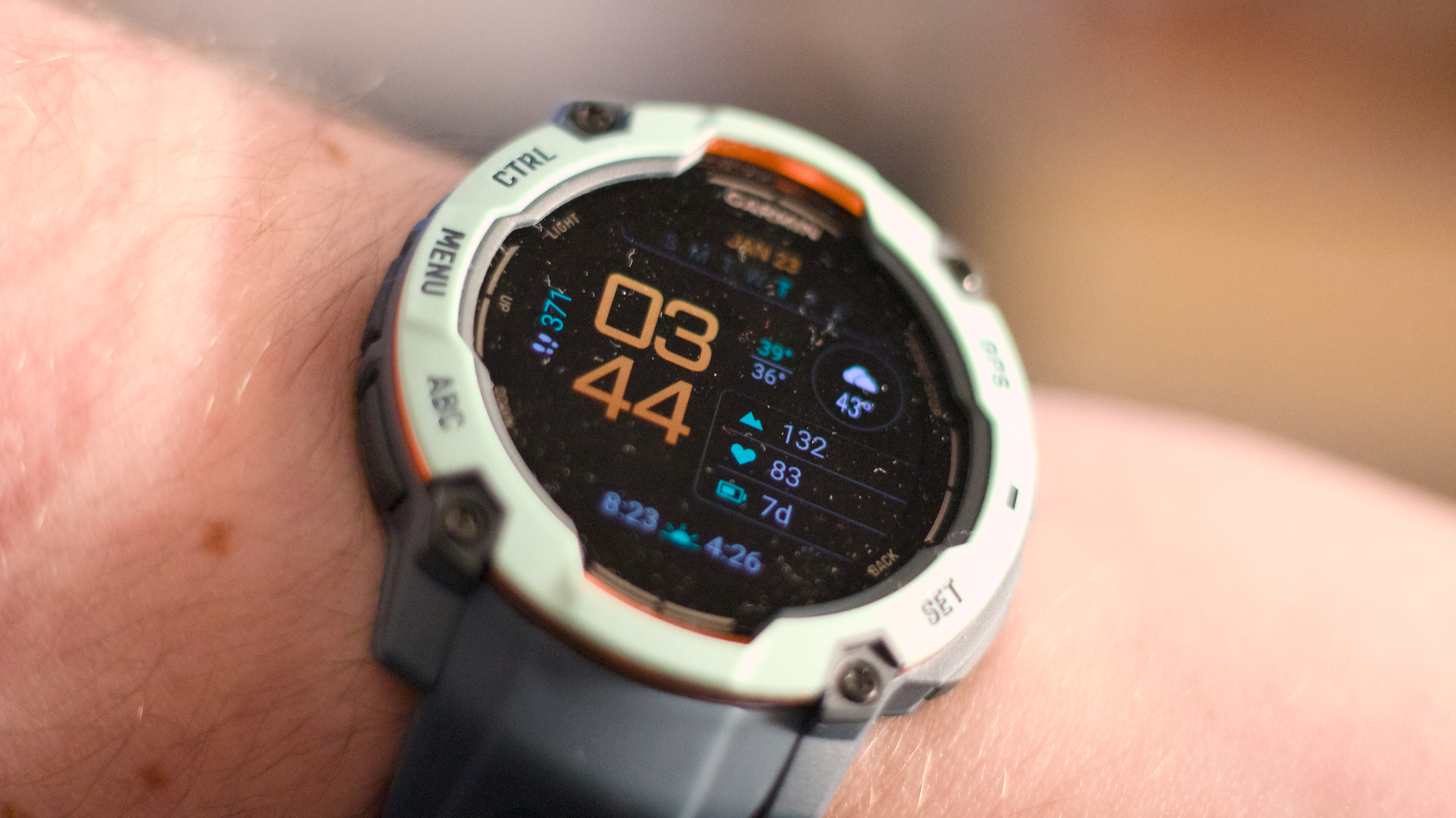
Rank 17030Google Health Connect will soon support GarminMi Fitness and Runna will also be supported from JuneA few other updates are coming to Google Health Connect for developers Google I/O always kicks off with an opening keynote, but the developer conference features big software announcements across its various talks and events – and one such reveal at Google I/O 2025 is that Google’s Health Connect will soon be compatible with Runna, Mi Fitness, and Garmin.Google Health Connect, which launched back in 2022, is Android’s Apple Health equivalent. It allows you to easily share health metrics and fitness data across devices and between apps, while privacy controls allow you to choose what data is and isn’t shared.Starting in June, Mi Fitness (Xiaomi’s fitness wearable app), Runna (the excellent running coach app that Strava recently acquired) and Garmin will be able to share data with Health Connect, as revealed on its Android Stage, and spotted by Android Central.Google Health Connect can interface with many apps (Image credit: Google)That’s not the only change coming to Health Connect. As is the case with most I/O announcements, these are app developer-focused, but there are some features we wanted to highlight.First, Health Connect will support new medical records APIs. Users will be able to directly enter details into apps to highlight their allergies and immunizations, and apps can be designed to interface with clinics and practices to use a person’s medical records as a source for informationHistory reads should allow apps to more easily spot health trends over time, to keep users better informed.These features will require app updates before they can be implemented, and will in most cases require you to grant permission for your data to be shared, but they mark a solid upgrade to Google’s Health Connect services.They should help us squeeze more usefulness out of the best smartwatches, best smart rings, and perhaps soon (thanks to Android XR) best smart glasses that many of us are now wearing to help us monitor our health a little better.You might also likeWear OS 6: Everything we know, including new Gemini featuresUnofficial Samsung Galaxy Watch 8 renders may have given us our best look yet at the wearable – and its rotating bezelBroken your fitness tracker? Coros will now repair your wearable to get you up and running faster
-
Picture from cdn.mos.cms.futurecdn.net
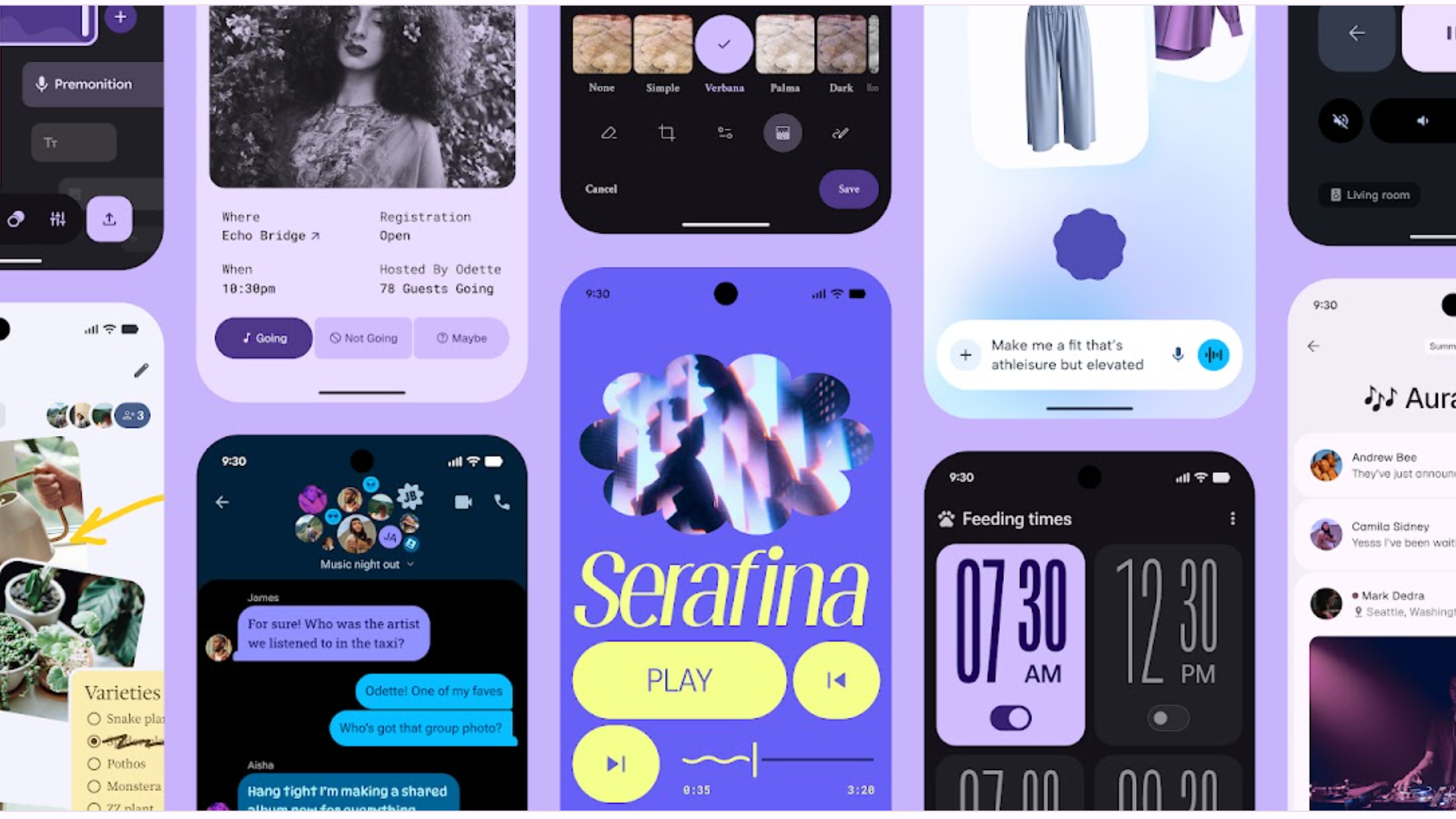
Rank 17031Android 16 QPR1 Beta 1 is out nowThis includes Android's big Material 3 Expressive redesignHowever, these changes won't roll out with the first version of Android 16Hot on the heels of Google’s Android Show, the company has now rolled out its new look Android in beta form.If you have a compatible handset (meaning a Pixel phone from the Google Pixel 6 onwards), you can now download Android QPR1 (quarterly platform release 1) Beta 1, the headline feature of which is the new Material 3 Expressive redesign.This gives Android a whole new look, with major visual changes to the lock screen, the launcher, the quick settings screen, and notifications. And these aren’t just static visuals, as Material 3 Expressive also includes new motion effects.Examples of Material 3 Expressive (Image credit: Google)More sizes, more tiles, and new effectsBeyond that, this beta also features various other changes, many of which have been dug up by 9to5Google. These include things like new grid size options for the home screen, a reduction in the size of the At a Glance widget, the option to add more quick settings tiles, and the ability to add various effects – such as animated weather effects – to any wallpaper.So there’s quite a lot here, though the main thing you’ll likely notice is just how different everything looks to on Android 15.If you’ve signed up for the Android 16 beta program and have a Pixel 6 or newer then you should automatically gain access to this beta. If not, you can opt in on the Android beta page.That said, this being a beta it won’t be as stable as a finished release, so unless you’re desperate to try out Android’s new look, we’d suggest waiting.Android 16 is expected to roll out in finished form in the second quarter of the year – so by the end of June, but the Material 3 Expressive redesign seen in this beta won’t land until the first QPR update, which should land later this year.You might also likeAndroid 16 is coming soon – here are 5 new features you may have missediPhones just got Google’s best AI feature for free – and it could genuinely make me switch back from Android'A breakthrough moment for real-world XR,' Xreal is making Android XR glasses and I couldn't be more excited
-

Picture from ichef.bbci.co.uk
Rank 17032 -
Picture from o.aolcdn.com
Rank 17033Fujifilm has already released one unusual camera this year in the GFX100 RF medium format compact, but it's latest model may be the most offbeat yet. The $850 X Half is an 18-megapixel digital compact camera, but it uses half of a 1-inch sensor to shoot 3:4 vertical photos. To drive home the retro vibe, it has a rear screen dedicated to displaying the camera's 13 film simulation modes and can only shoot JPEG and not RAW images.
The name comes from "half-frame" cameras popular in the '60s, like the famous Olympus Pen F, that use a 35mm film frame sawed in half (18mm x 24mm in size). The backside-illuminated sensor on Fujifilm's X Half is, well, half that size in both dimensions (8.8mm x 13.3mm) or a quarter the area. It's also the smallest sensor on any recent Fujifilm digital camera, as the X-series uses the APS-C format and GFX models medium format. In fact, the X Half has the same 3:4 vertical ratio as Fuji's Instax Mini instant cameras — so you can make prints using an Instax Mini printer via the new dedicated X Half smartphone app.
Fujifilm
The X Half naturally uses Fujifilm's film simulation and grain effect modes. Among the new ones are "light leak" for a blown-out quality that happens when film get exposed to light inadvertently, "expired film" and "halation," an effect caused by light bouncing off film emulsion layers. To really get you into that analog film mood, you can switch to the new Film Camera Mode that limits your view to the optical viewfinder, makes you pull a frame advance lever for each new shot and only lets you see the photos once they're "developed" through the X Half app. It even produces a "contact sheet" layout for 36, 54 or 72 images.
Another feature is 2-in-1 images that let you combine two still images or movies into one composition in-camera for extra artistic possibilities (using the film advance lever again). That also means the X Half can shoot video as well as photos, with a vertical or square size (up to 2,160 x 2,160) that looks ideal for social media — especially with film simulations applied. Also exuding nostalgic vibes is the "Date Stamp" function that lets you imprint dates in the bottom right of images, just like on old-school Kodak-style film camera.
On top of the main rear 2.40inch LCD 3:4 monitor, the X Half has an optical rather than an electronic viewfinder, adding another analog touch (and the accompanying parallax distortion errors). The camera itself is small enough to slide into a pocket and weighs just 210 grams (7.4 ounces). Other features include a built-in flash, massive 880 frame battery life and SD UHS-I card slot.
The X Half looks like it could be coveted by social media users or anyone looking for a fun party or vacation camera. However, it's expensive considering that you can just get an Instax (or regular film camera and a lot of film) for a lot less. Fujifilm has definitely captured the photography zeitgeist before with models like the X100 VI, though, so I wouldn't be surprised if it becomes a hit. The X Half is now on preorder for $850 (in black, charcoal silver and silver) with shipping set to start on June 12.
This article originally appeared on Engadget at https://www.engadget.com/cameras/fujifilms-x-half-is-an-850-digital-camera-with-an-analog-film-aesthetic-120013873.html?src=rss
-

Picture from ichef.bbci.co.uk
Rank 17034 -

Picture from ichef.bbci.co.uk
Rank 17035 -

Picture from ichef.bbci.co.uk
Rank 17036 -

Picture from ichef.bbci.co.uk
Rank 17037 -

Picture from ichef.bbci.co.uk
Rank 17038 -

Picture from ichef.bbci.co.uk
Rank 17039 -

Picture from ichef.bbci.co.uk
Rank 17040 -

Picture from ichef.bbci.co.uk
Rank 17041 -

Picture from ichef.bbci.co.uk
Rank 17042 -

Picture from ichef.bbci.co.uk
Rank 17043 -

Picture from ichef.bbci.co.uk
Rank 17044 -

Picture from cdn.mos.cms.futurecdn.net
Rank 17045Vertagear announces new collaboration with Audi to launch a gaming chair collectionThree chairs, including the SL3800 Audi Edition, SL5800 RS Edition, and PL4800 Audi Sport Edition, are now available for pre-orderThe gaming chairs are fitted with Vertagear’s patented ergonomic innovations and are expected to ship by July 15Vertagear, the ergonomic gaming chair specialist, has announced a new partnership with Audi to launch a gaming chair collection.This new collaboration is said to combine Audi’s precision craftsmanship with Vertagear’s industry-leading expertise in adaptive seating design for both gamers and professionals.Right now, there are three gaming chairs available to pre-order. There's the black and red SL3800 Audi Edition for $499, designed for everyday comfort, featuring plush microsuede and Audi's signature aesthetic.The white and black SL5800 RS Edition for $599 for high-performance seating enhanced by HygennX technology for lasting freshness and comfort, and finally, the black and red PL4800 Audi Sport Edition priced at $699. This chair is designed specifically for tall users and offers durable microsuede and Audi Sport’s iconic design elements for maximum support and style.Each chair is fitted with Vertagear’s patented ergonomic innovations to ensure superior comfort and support for extended gaming or work sessions.These include ContourMax Lumbar support for the user's posture, which reduces tension and promotes natural spine alignment.A VertaAir Seat system with air cushioning technology to enhance breathability, improve circulation, and provide optimal weight distribution, as well as the aforementioned HygennX Technology, for odor control and quick-drying, combined with antimicrobial silver-coated embroidery for long-lasting freshness.All the gaming chairs are expected to ship out by July 15, 2025.You might also like...Best PC games 2025: the must-play titles you don’t want to missWe've been testing the best gaming chairs for years and these are our top picks for work and playThe best gaming PC in 2025: top prebuilt gaming PCs for serious gaming
-
Picture from o.aolcdn.com
Rank 17046Another great streaming deal has hit the internet: one year of Peacock Premium is only $25 right now. Just use the code SPRINGSAVINGS at checkout to get $55 off the standard annual price of the Premium plan. Just note that this tier does include ads, and the deal runs through May 30.
Peacock is a decent platform and made our list of the best streaming services. It doesn't get the attention of Netflix or Disney+, but it's home to several nifty original shows. There's the AI-adjacent tomfoolery of Mrs. Davis and the Rian Johnson-made whodunnit Poker Face. It also airs several video game adaptations, like Knuckles and the surprisingly-decent Twisted Metal.
The big draw here, however, is likely the long-awaited spinoff of The Office, which is called The Paper. That one premieres in September and is a Peacock exclusive. The platform also signed an 11-year agreement with the NBA and that goes into effect this fall. The mobile app could be getting minigames and short-form vertical videos (like TikTok) in the near future.
There's one caveat. This subscription will automatically renew for $80 after the year runs out. Stay on top of scheduling if you want to cancel before then.
The Scranton documentary crew is heading to Toledo. #ThePaper arrives this September on Peacock. pic.twitter.com/Mzmbw7TBzF— Peacock (@peacock) May 12, 2025
Check out our coverage of the best streaming deals for more discounts, and follow @EngadgetDeals on X for the latest tech deals and buying advice.This article originally appeared on Engadget at https://www.engadget.com/deals/peacock-premium-deal-get-one-year-for-only-25-163231856.html?src=rss
-

Picture from ichef.bbci.co.uk
Rank 17047 -

Picture from cdn.mos.cms.futurecdn.net
Rank 17048Doctor Who season 2 – or season 15 for anyone who's watched the show since its 2005 revival – is almost over. With two episodes left before the legendary sci-fi series departs our screens once more, you'll want to know when this season's penultimate chapter will be released.Below, I'll tell you when season 2 episode 7, titled 'Wish World', will be available to watch. You'll also find a full release schedule for Doctor Who's latest season, which includes details on when its finale will arrive.What time can I watch Doctor Who season 2 episode 7?Doctor Who season 2's second-to-last episode will be available to stream on BBC One and BBC iPlayer (UK) and Disney+ (internationally) on Saturday, May 24.Depending on where you live, 'Wish World' will be released at different times. Here's a rundown on when you can watch via the BBC on British shores and Disney+, aka one of the world's best streaming services, if you live outside of the UK (NB: if you live in a country that isn't listed below, use one of the following times to work out when you can watch it).US – 12am PT / 3am ETUK – 8am BST (BBC iPlayer) / 7:10pm BST (BBC One)Australia – 5pm AESTCanada – 12am PT / 3am ETBrazil – 4am BRTIndia – 12:30pm ISTNew Zealand – 7pm NZSTJapan – 4pm JSTSingapore – 3pm SGTWhere can I stream Doctor Who season 2 episode 7?A post shared by Doctor Who (@bbcdoctorwho)A photo posted by on As I mentioned above, UK viewers can tune into BBC iPlayer or BBC One to catch 'Wish World'. If you want to avoid any major spoilers, I'd recommend watching it as soon as it's released on iPlayer. Otherwise, stay off social media so you don't have any big surprises ruined before you catch it in the evening on BBC One.As for the rest of the world, Disney+ is the only place you can stream Doctor Who's next episode. So, no matter whether you live in the US, Australia, or any other nation that's not the UK, you can watch the penultimate chapter of one of the best Disney+ shows' latest season on that platform.Doctor Who season 2 full episodic release scheduleMeet the Unholy Trinity.... Archie Panjabi joins #DoctorWho as legendary character the Rani! pic.twitter.com/byGN0vC1keMay 17, 2025Unless you've skipped to the end of this article, you'll know that 'Wish World' is the second-to-last episode of Doctor Who season 2.So, with only one chapter, titled 'The Reality War' left after this week's entry, when will episode 8 be available to watch? Read on to find out more:Doctor Who season 2 episode 1 – out nowDoctor Who season 2 episode 2 – out nowDoctor Who season 2 episode 3 – out nowDoctor Who season 2 episode 4 – out nowDoctor Who season 2 episode 5 – out nowDoctor Who season 2 episode 6 – out nowDoctor Who season 2 episode 7 – Saturday, May 24Doctor Who season 2 episode 8 – Saturday, May 31You might also like'What on earth? – Doctor Who fans react to confusing teaser image after Mrs Flood's identity was finally revealedThese are the best Disney+ movies to watch todayOr read more about all of the new Disney+ movies that have been released recently
-

Picture from cdn.mos.cms.futurecdn.net
Rank 17049Thales surveyed more than 3,000 IT experts about Generative AIThe researchers found plenty of concern about security Despite the worries, businesses are accelerating adoptionDespite seeing it as a major innovation driver, businesses are overwhelmingly concerned about the security threats of artificial intelligence (AI). This is according to the 2025 Thales Data Threat Report, the company’s annual report on the latest data security threats, trends, and emerging topics.Based on a survey of more than 3,100 IT and security professionals in 20 countries and across 15 industries, the Thales report found that nearly 70% of organizations view the rapid advancement of AI as their biggest security risk. Generative AI, which can create text and images from simple text prompts, is a particular concern.Drilling deeper into these ideas, integrity and trustworthiness issues emerge as major challenges. Almost two-thirds (64%) of the respondents worry about AI’s lack of integrity, while 57% cited ‘trustworthiness’ as a major challenge. Also, since different GenAI functions like training, inference, or content generation, depend on user-provided data, the respondents expressed their concerns about increasing exposure to data security risks.60% off for Techradar readersWith Aura's parental control software, you can filter, block, and monitor websites and apps, set screen time limits. Parents will also receive breach alerts, Dark Web monitoring, VPN protection, and antivirus.Preferred partner (What does this mean?)View DealCISA added the flaws to KEVRegardless of these worries, organizations are still accelerating their AI adoption, the report further explains, hinting that this puts them at unnecessary risk. In fact, a third of businesses are actively integrating GenAI into operations despite not ensuring full security of their systems. Spending on GenAI has become one of the key priorities for organizations, second only to cloud security.“The fast-evolving GenAI landscape is pressuring enterprises to move quickly, sometimes at the cost of caution, as they race to stay ahead of the adoption curve,” Eric Hanselman, Chief Analyst at S&P Global Market Intelligence 451 Research, said. “Many enterprises are deploying GenAI faster than they can fully understand their application architectures, compounded by the rapid spread of SaaS tools embedding GenAI capabilities, adding layers of complexity and risk.”Almost three-quarters (73%) of professionals reported investing in AI-specific security tools with either new or existing budgets, Thales’ report concluded.You might also likeThe dual face of AI security - are you ready?Take a look at our guide to the best authenticator appWe've rounded up the best password managers
-

Picture from ichef.bbci.co.uk
Rank 17050

