News
This constantly updated list features the latest and most important news articles, ranked in order of significance. The top stories highlight major developments, breaking news, and critical updates across various topics, ensuring you stay informed about the most pressing issues. As new articles are added, the list adapts to reflect the latest priorities, keeping the most impactful stories at the forefront. Whether it’s global events, technology breakthroughs, or industry trends, this dynamic list ensures you always have access to the most relevant and timely information.
-
Picture from o.aolcdn.com
Rank 14951Nintendo will include an optional battery preservation mode with the Switch 2, which the company revealed via its Nintendo Today! news app. This will cap the console's charge as it approaches 90 percent and then maintain it at that amount.
Why do this? It's to keep the battery in tip-top shape. Rechargeable lithium batteries can degrade if kept in a fully-charged state. So the feature will let users sacrifice 10 percent of playtime for ongoing battery maintenance. That seems like a fair tradeoff to me.
Nintendo Switch 2 has an option to stop charging the battery at ~90% 🎮This is to reduce battery deterioration 🔋 pic.twitter.com/ytqPfl5dKO— Culture Crave 🍿 (@CultureCrave) May 12, 2025
Nintendo didn't invent this concept. Many smartphones have been offering something like this for years. Valve has also been testing a similar feature for the Steam Deck.
When you unbox that shiny, new Switch 2, just head into system settings and look for a toggle that reads "Stop Charging Around 90%." Tap it and you'll be all set. Of course, you have to secure a Switch 2 pre-order to do this, and that's easier said than done. The console will be released on June 5.This article originally appeared on Engadget at https://www.engadget.com/gaming/nintendo/the-switch-2-has-a-mode-that-caps-battery-charge-at-90-percent-185219689.html?src=rss
-

Picture from techcrunch.com
Rank 14952 -

Picture from ichef.bbci.co.uk
Rank 14953 -

Picture from ichef.bbci.co.uk
Rank 14954 -

Picture from techcrunch.com
Rank 14955 -

Picture from techcrunch.com
Rank 14956 -

Picture from ichef.bbci.co.uk
Rank 14957 -
Picture from o.aolcdn.com
Rank 14958Ticketmaster wants you to know it's "all in" on up-front pricing. In a blog post published on Monday, the company triumphantly declared that it's "putting fans first" and including fees in the first price you see for a ticket. Not mentioned in Ticketmaster's announcement: An FTC rule requiring that exact change just so happened to take effect today.
The FTC's bipartisan junk fees rule was finalized in December. It requires live event ticket vendors, hotels and rentals to "tell consumers the whole truth up front about prices and fees." Starting on Monday, they must display the full price (minus taxes) more prominently than other pricing information. Astonishing how Ticketmaster's consumer-friendly policy arrived on the very day Live Nation was required by law to do so. (The Lord works in mysterious ways.)
Ticketmaster
The company added another handy feature on Monday that wasn't mandated by law. The new Ticketmaster queue should, at least in theory, make buying in-demand tickets less frustrating. When an event goes on sale, you'll be placed in a queue and told your exact place in line. The idea is to prevent bots from snatching everything up before you can even get the dang page to load.
Once you're in line, there's no need to mash F5 or Cmd-R. The page will automatically refresh as you move up in line. For the biggest shows, availability and pricing will update in real time as you wait.
When it's your turn, you'll get a notification. If you're on a mobile device, it will be an app alert. If you're using a browser, you'll hear a chime. So, crank that volume up if you have to step away.
Waiting rooms typically open 15 minutes before tickets go on sale, so check in early. For the smoothest process, the company recommends saving your payment info ahead of time with a current email, phone number and billing info.This article originally appeared on Engadget at https://www.engadget.com/entertainment/ticketmaster-proudly-announces-it-will-follow-the-law-and-show-prices-up-front-194624489.html?src=rss
-

Picture from cdn.mos.cms.futurecdn.net
Rank 14959Google is debuting an AI-powered image-to-video tool on smartphones built by the Chinese firm HonorHonor’s new 400 series phones are getting the Google Veo-powered tool even before Google Pixel phones.The feature produced five-second animated videos in portrait or landscape orientation from a single image.
Google is showing off a new AI image-to-video feature using its Veo 2 model, but Google Pixel owners won't be able to use it just yet. Instead, Chinese phone company Honor, spun out of Huawei, is beating Pixel to the punch by incorporating the feature into its upcoming Honor 400 series of smartphones.The feature processes still images straight from your photo gallery into five-second animated clips. You don't need a Gemini subscription or even a cloud connection to make the videos. Honor 400 owners will be able to feed the tool any image, whether a new photo, an AI-generated cartoon, or even a classic painting. After about a minute, you'll see a video of some kind of motion based on the initial upload. The AI can simulate camera moves, make subjects breathe or blink, or otherwise imbue life into the pixels.Honor's place as the first home of the feature is born out of a deal with Google Cloud. It marks the first time the Veo 2 AI video model has been integrated directly into a smartphone. And while Gemini Advanced users can access a web-based version of Veo, Pixel owners don't have any special access to the video maker.
Beyond a snapshot. HONOR 400 Series can effortlessly transform your images into captivating videos with AI Image to Video - breathing new life into your stills. Spark Daily Wonder with HONOR 400 Series - coming 22nd May, 2025. #HONOR400 #SparkDailyWonder pic.twitter.com/ddRPYohGitMay 12, 2025
Honor before Pixel
Honor has pitched a lot of AI plans for the 500 series of phones. Google is providing several AI tools beyond the video generator. Google's Magic Eraser, AI Outpainting, and other creative flourishes are also baked into the smartphone's native camera and gallery apps. Of course, even the most magical AI gimmick won’t mean much if the phone itself is junk. But by the looks of it, the Honor 400 and 400 Pro are coming in hot with some decent mid- to upper-tier specs and a starting cost of around $550.The Honor 400 phones will debut in China and Europe and are likely to appear in India too, but may not be seen much in the U.S. The ability to shoot, edit, and animate all from the same device without hopping between different apps might entice a lot of content creators and AI fans to pick the phone.Honor getting early access to Veo 2, when even Pixel phones don’t have it yet, hints at a broader shift in how Google is approaching AI distribution. Rather than hoarding features for its own devices, it seems more interested in becoming an AI platform for the whole Android ecosystem, and potentially grabbing a little more influence in China while it’s at it.
You might also like
Stability AI’s new virtual camera turns any image into a cool 3D video and I’m blown away by how good it isCharacter.AI's newest feature can bring a picture to uncanny lifeI turned my dog into a plushie using AI and it was super easy
-
Picture from cdn.mos.cms.futurecdn.net
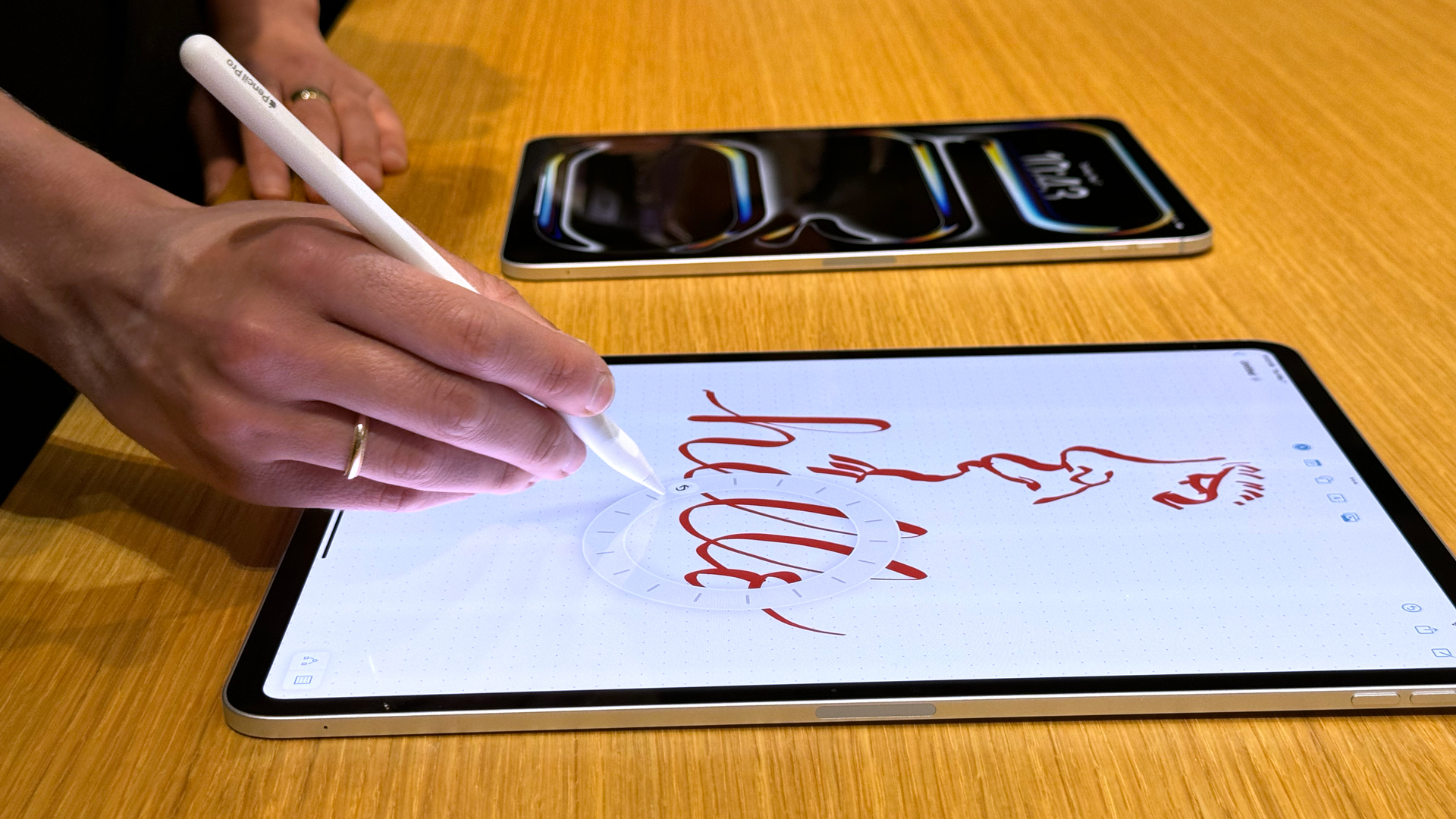
Rank 14960Part of what makes Apple’s iPad experience so compelling is the sheer versatility of the tablet. Back when I reviewed the new iPad Air with M3, I called out the multiple ways of using it: touch, Apple Pencil, or via a Magic Keyboard. It’s a pretty winning formula.Here in the States, it was Small Business Week last week, and I had the chance to chat with Mandy Corcoran, a surface designer whose work has been used on products sold at Home Goods, TJMaxx, and Nordstrom Rack, to name a few.Now, I love a good design in its own right, but the tech angle here lies deep as Corcoran – who goes by Amanda Grace Design – uses an iPad Pro, Apple Pencil, and Procreate to do it all.It all started in 2018 on Christmas morning, when her husband gave her an iPad Pro and Apple Pencil, and as Corcoran says, “it changed everything.”“I downloaded Procreate that day, and something just clicked,” she explained, noting that the Apple Pencil felt natural. After sketching digitally within Procreate, she had a realization that this would be a larger part of her life.
A drawing by TechRadar's own Lance Ulanoff on an iPad mini (2024) and Procreate (Image credit: Future / Lance Ulanoff)
Before jumping into design work, Corcoran was rooted in tech; she was a programmer, which she described as very logic-based – “it’s structure, flow, and problem-solving, which always appealed to my brain. When I found seamless pattern design in Procreate, it felt like a creative extension of that mindset.” And she got her start with drawing – pre iPad – using a Wacom Cintiq and Adobe Photoshop.When she designs patterns with Procreate, Corcoran says it lets her use her “tech-brain” creatively. She explains that there is a mathematical precision to the creative and design process, as she needs to fit various designs together, figure out the right flow, and ultimately end up with something meaningful.“For me, it’s all about giving people tools to unlock their creativity faster,” explains Corcoran on creating templates and patterns. She noted that when she first started, there weren’t many templates or charts to help with layout and eyeflow.So, when she first began designing, she went on a deep dive within the app and ecosystem, learning every part of it. This helped her create her first course and become one of the first educators offering customizable pattern templates in 2023.And her focus, or special sauce, is really all around surface design – creating the tools herself, but also offering courses to let others create with these tools and design their own.It’s sort of an iPad ecosystem for design, and a well-brewing one at that. She explains it as, “I run a design business, create online courses, build templates, test brushes,” all on the iPad, and it’s one device where she can have everything live without worrying about if there’s enough power or speed.
The iPad Pro M4 with Apple Pencil (Image credit: Future)
Corcoran uses an iPad Pro, a 13-inch one with the M4 chip under the hood. In TechRadar’s testing, it performed incredibly well, letting you blaze through almost any task you’d want to on an iPad and running more intensive creative workflows without a hitch.She has been a fan of the Apple Pencil, describing it as “an extension of your thinking.” Corcoran’s been using the Apple Pencil Pro with her iPad Pro, which offers a bit more functionality, including barrel roll support and squeeze functionality.“As someone who loves creating systems, I really appreciate how hover, double tap, and now squeeze with Apple Pencil Pro give me shortcuts at my fingertips – without ever putting my pencil down. That’s huge,” explains Corcoran.Using it all together within Procreate and other creative apps, it allows for more precision when creating a design, and when Corcoran is teaching, it’s an easier way to explain “how to move faster” and with more confidence.It’s clear that iPad and Apple Pencil have been a key part of Corcoran’s career, allowing her to create her own business but also encouraging other folks to create and design on their own. “iPad and Apple Pencil have allowed me to build a creative career on my own terms – and that’s not something I take for granted.”Further, she says that you don’t need to be an expert to get started with being creative on iPad, encouraging folks and TechRadar readers to “just open an app like Procreate, tap around, and start playing.”
Corcoran giving her Today at Apple Session in April 2025 (Image credit: Paul Corcoran)
A few weeks back, on April 26, 2025, at the Apple Carnegie store in Washington, DC, Corcoran hosted a Today at Apple Session for 30 participants on creating within Procreate using patterns around a fruit theme. She described it as a full-circle moment, ultimately allowing her to teach what has been a life-changing process for her.After creating countless patterns and designs – some now featured on products in major retailers – she left the crowd feeling inspired and confident.“A few people told me afterward they’d never even realized how many things in their lives had patterns – and that this opened their eyes in a completely new way,” noted Corcoran.
(Image credit: Paul Corcoran)
You might also like
I compared Google Gemini's new image editing feature to ChatGPT's, and it's much better at sticking to the originalThe best steak I've ever had was made by an AI robot grill – too bad it's so expensiveI've used a Samsung The Frame TV for years, and here's why The Frame Pro is a huge upgrade
-
Picture from o.aolcdn.com
Rank 14961We've still got about a month until Apple's WWDC 2025 event, but that hasn't stopped the rumors from flying about potential iOS 19 announcements. Today brings a new one from Bloomberg's Mark Gurman, who reports that Apple is working on a new AI-driven battery management feature for its next operating system update.
According to his sources, Apple will use AI to analyze iPhone usage trends and make adjustments to the power draw of different apps to better conserve battery on the device. iOS 19 will reportedly also add a battery indicator to the lock screen detailing how long it will take the phone to fully charge up.
A more personalized improvement to battery life further points toward the speculation that this year will see Apple unveil an iPhone Air. As with its laptop counterpart, a slimmer chassis means a much smaller battery, so any path to eking out more performance will be key to making that new smartphone land with potential buyers.
This new battery management feature would be part of the company's Apple Intelligence suite, which has been slowly rolling out since last fall to mid and meh reactions. We likely won't know until WWDC whether the iOS 19 overhaul will include the features we really, really want.This article originally appeared on Engadget at https://www.engadget.com/ai/apples-ios-19-will-reportedly-have-ai-powered-battery-management-200127723.html?src=rss
-

Picture from ichef.bbci.co.uk
Rank 14962 -
Picture from o.aolcdn.com
Rank 14963The Galaxy Z Flip 7 might feature a cover screen that looks very similar to the Razr Ultra, according to animation files dug up by Android Authority from a leaked version of One UI 8. Up until now, the biggest difference between Samsung's foldable flip phones and Razr's is that Razr has offered a cover screen that's edge-to-edge, without the notch on Samsung's Galaxy Z Flip 6.
The images Android Authority found show a cover screen that wraps around the Galaxy Z Flip 7's two back cameras instead of nestling them in a display-free cutout. This seemingly confirms renders shared by Android Headlines of the Galaxy Z Flip 7 in March. Samsung has taken a very conservative approach to the year-over-year updates its made to the Flip, so changing the cover screen would be big. The Galaxy Z Flip 6 looks nearly identical to the Galaxy Z Flip 5.
Android Headlines / OnLeaks
Changing the front screen would also be a pretty obvious example of Samsung playing catchup to Motorola, who's long offered a larger and more useful cover screen on the Razr. The entry-level 2023 Moto Razr only had a small sliver of a cover screen, but since then, all of the company's foldables have a cover that can run full-on Android apps.
Besides the visual change, how meaningful a Galaxy Z Flip 7 with a larger cover screen is will really hinge on what Samsung lets you do with it. So far the company has limited the screen to acting as a tool for checking notifications and using select apps. You have to download extra apps and fuss with settings to do anything else.
We'll have to wait until the summer — when Samsung typically announces it's new Galaxy Z Flips and Folds — to know more, but it certainly seems like the updates could be a lot bigger than some new colors this year.This article originally appeared on Engadget at https://www.engadget.com/mobile/smartphones/samsung-may-finally-give-the-galaxy-z-flip-a-larger-cover-screen-202258392.html?src=rss
-

Picture from techcrunch.com
Rank 14964 -

Picture from ichef.bbci.co.uk
Rank 14965 -

Picture from ichef.bbci.co.uk
Rank 14966 -

Picture from techcrunch.com
Rank 14967 -
Picture from ichef.bbci.co.uk
Rank 14968 -

Picture from ichef.bbci.co.uk
Rank 14969 -

Picture from ichef.bbci.co.uk
Rank 14970 -

Picture from ichef.bbci.co.uk
Rank 14971 -

Picture from ichef.bbci.co.uk
Rank 14972 -
Picture from o.aolcdn.com
Rank 14973Over the past few days, eagle-eyed Google users may have noticed that in some instances, the capital G logo for the company now sports a gradient softening the transitions between the four solid-color sections. The branding has been changed for the Google app on both Android and iOS devices as of this writing. However, there are still several places that continue to sport the classic color block look, including browser favicons. It's also not included in Google's official collection of images for press; the classic version is still being used as the entry for the Google app logo.
None of the logos for other Google smartphone apps appear to have adopted a new gradient look. But perhaps notably, the branding for Google's Gemini AI assistant does have a slight gradient on its star symbol. Maybe AI is leading the way for aesthetics as well as for technical choices at Google? Or maybe this is a trial run to gauge reactions before rolling out a full brand redesign?
Whatever the reason, the biggest surprise isn't that Google may be rolling out a logo refresh, but that the change seems to be happening with zero fanfare. When the company last redesigned its branding in 2015, there was a whole campaign explaining every last detail of the new look. Branding is a big deal for a corporation as big as Google. Even changes that seem minor would go through many iterations and committees and vetting before they go live. And any marketing exec knows that consistency is key, so it's especially strange that, if this is a permanent change, it's happening in a piecemeal approach.
We've reached out to the company for more information about whether gradients will be the hot style trend for all Google products in 2025.This article originally appeared on Engadget at https://www.engadget.com/big-tech/g-is-for-gradient-google-has-redesigned-its-app-logo-220437771.html?src=rss
-

Picture from techcrunch.com
Rank 14974 -
Picture from cdn.mos.cms.futurecdn.net
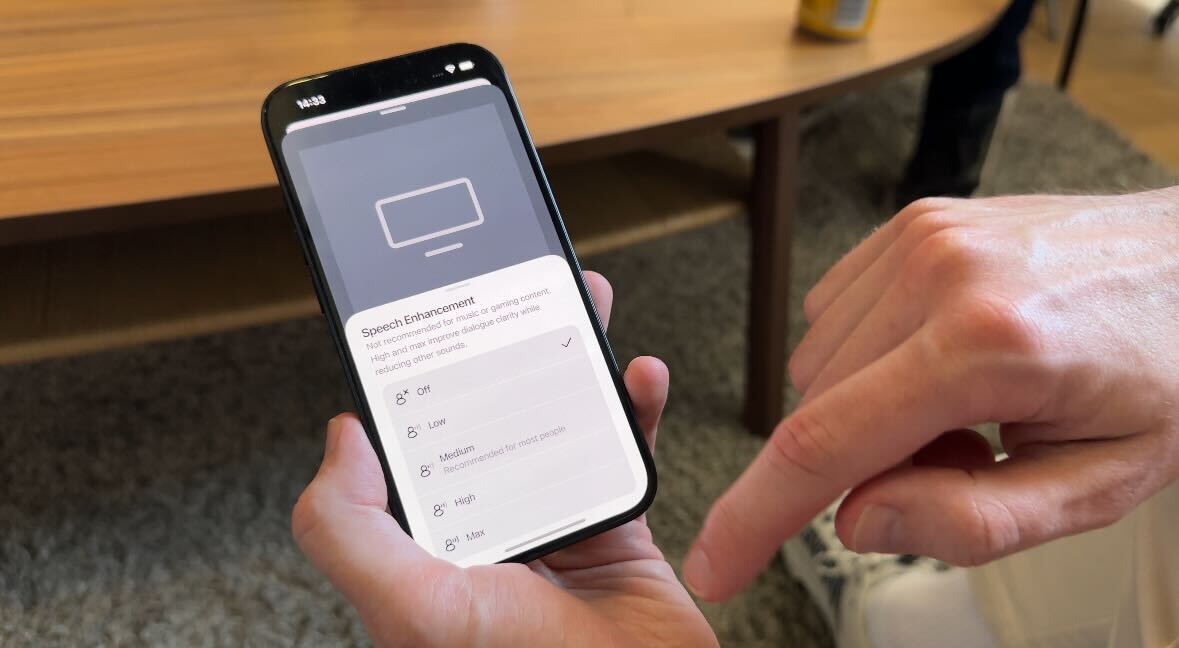
Rank 14975Sonos adds AI Speech Enhancement option to the Arc UltraIt's Sonos' first AI sound feature, with four levels of speech boostIt's been developed with a hearing charity to help people with hearing loss
Sonos has launched a new version of its Speech Enhancement tools for the Sonos Arc Ultra, which we rate as one of the best soundbars available.You'll still find these tools on the Now Playing screen in the Sonos app, but instead of having just a couple of options, you'll now have four new modes (Low, Medium, High and Max), all powered by the company's first use of an AI sound-processing tool. They should be available today (May 12th) to all users.These modes were developed in a year-long partnership with the Royal National Institute for the Deaf (RNID), the UK's leading charity for people with hearing loss. I spoke to Sonos and the RNID to get the inside story on its development here – but you can read on here for more of the details.The update launches today on Sonos Arc Ultra soundbars, but won't be available on any other Sonos soundbars because it requires a higher level of processing power, which the chip inside the Arc Ultra can provide, but the older soundbars can't.The AI element is used to analyze the sound passing through the soundbar in real time, and separate out the 'speech' elements from the sound so they can be made more prominent in the mix without affecting the rest of the sound too much. I've heard it in action during a demo at Sonos' UK product development facility, and it's very impressive.If you've used speech enhancement tools before, you're probably familiar with hearing the dynamic range of the sound, and especially the bass, suddenly get massively reduced in exchange for the speech elements getting pushed more forward.That's not the case with Sonos' new mode – powerful bass, the overall soundscape, and the more immersive Dolby Atmos elements are all maintained far better. That's for two reasons: one is that the speech is being enhanced separately to other parts, and the other is that it's a dynamic system that only activates when it detects that speech is likely to be drowned out by background noise.It won't activate if dialogue is happening against a quiet background, or if there's no dialogue in the scene. And it's a system that works by degrees – it applies more processing in the busiest scenes, and less when the audio is not as chaotic.
(Image credit: Future)
How does it sound?
On the two lowest modes, dialogue is picked out more clearly with no major harm to the rest of the soundtrack, based on my demo.On the High mode, the background was still maintained really well, but the speech started to sound a little more processed, and on Max I could hear the background getting its wings clipped a little, and some more artificiality to the speech – but the speech was extremely well picked out, and this mode is only really designed for the hard of hearing.I mentioned that the mode was developed with the RNID, which involved Sonos consulting with sound research experts at the RNID, but also getting people with different types and levels of hearing loss to test the modes at different stages of development and provide feedback.I spoke at length to the Sonos audio and AI architects who developed the new modes, as well as the RNID, but the key takeaway is that the collaboration led to Sonos putting more emphasis on retaining the immersive sound effects, and adding four levels of enhancement instead of the originally planned three.Despite the RNID's involvement, the new mode isn't designed to be solely for the hard of hearing. It's still just called Speech Enhancement, as it is now, and it's not hidden away like an accessibility tool – sound is improved for everyone, and 'everyone' now better includes people with mild to moderate hearing loss. The Low and Medium modes can also just function for those of us who need a bit of extra clarity in busy scenes.This isn't the first use of AI-powered speech separation I've seen – I've experienced it on Samsung TVs, and in a fun showcase from Philips TVs, where it was used to disable the commentary during sports but preserve the crowd sounds.
@techradar
♬ original sound - TechRadar
But it's interesting that this is the first use of AI sound processing from Sonos, and the four-year development process, including a year of refinement with the RNID, shows that Sonos has taken a thoughtful approach to how it's best used that isn't always apparent in other AI sound processing applications. Here's my piece interviewing Sonos' AI and audio developers with researchers from the RNID.It's just a shame that it's exclusive to the Sonos Arc Ultra for now – though I'm sure that new versions of the Sonos Ray and Sonos Beam Gen 2 will be along before too long with the same upgraded chip to support the feature.
You might also like…
I tested two mid-range Dolby Atmos soundbars side-by-side, and the battle for your money has never been more competitiveI just upgraded my Dolby Atmos TV sound system – here are the first 5 movies I watched to give it a workoutSony's new soundbars have a genuinely great party music mode that I wish Sonos would steal
-
Picture from o.aolcdn.com
Rank 14976Jamie Lee Curtis is the latest celebrity to call attention to scam ads on Facebook and Instagram that use AI-manipulated video to hawk sketchy products. Curtis also appears to have encountered another issue familiar to many Facebook users: struggling to get the company's attention.
In posts on Facebook and Instagram, the actress asked Mark Zuckerberg to intervene to stop the spread of a "totally AI fake commercial" of her. "My name is Jamie Lee Curtis and I have gone through every proper channel to ask you and your team to take down this totally AI fake commercial for some bullshit that I didn't authorize, agree to or endorse," she wrote. The post also included screenshots of the Meta CEO's Instagram — Zuckerberg apparently doesn't follow Curtis — and a screenshot from the scam ad.
"If I have a brand besides being an actor and author it is that I am known for telling the truth and saying it like it is and for having integrity and this use of my images … with new, fake words put in my mouth, diminishes my opportunities to actually speak my truth," she wrote. "I've been told that if I ask you directly, maybe you will encourage your team to police it and remove it."
It's not clear what the video, which seemed to rely on manipulated footage from an interview Curtis did with MSNBC, was intended to promote. Curtis shared a screen grab with text that said "I'd want everyone suffering from." But Curtis is far from the first celebrity to get caught up in such a scam.
Earlier this year, Engadget reported that dozens of Facebook pages were using AI tech to manipulate videos of Elon Musk and other celebrities in order to promote fake cures for diabetes. Many of those clips used similar phrasing, such as "If I were to die tomorrow, I'd want every diabetic, including you, to know this."
The rise of cheap and readily available AI tools have made it relatively easy for scammers to impersonate celebrities to sell sketchy products or promote other schemes. Last year, Tom Hanks warned his followers about ads "promoting miracle cures and wonder drugs" using his name and voice. He said the ads were made "fraudulently" with the help of AI.
Johnny Depp also warned his fans about AI-enabled impersonators. "Today, AI can create the illusion of my face and voice," he wrote. "Scammers may look and sound just like the real me."
A spokesperson for Meta said the company was removing the video flagged by Curtis for violating its policies but declined to comment further. The company said last year it was cracking down on "celeb bait" scams, but hasn't disclosed how many celebrities or public figures are participating in the program which relies on facial recognition technology.
In a comment on her Instagram post, Curtis confirmed that she did eventually get Meta's attention. "IT WORKED! YAY INTERNET! SHAME HAS IT'S VALUE! THANKS ALL WHO CHIMED IN AND HELPED RECTIFY!"This article originally appeared on Engadget at https://www.engadget.com/social-media/jamie-lee-curtis-publicly-shamed-mark-zuckerberg-to-remove-a-deepfaked-ad-225448916.html?src=rss
-

Picture from ichef.bbci.co.uk
Rank 14977 -

Picture from ichef.bbci.co.uk
Rank 14978 -
Picture from o.aolcdn.com
Rank 14979Philips is launching a new program called Fixables, where it will make plans available so that customers can 3D print replacement parts for the company's personal care products. The video introducing the initiative touts it as a simpler and easier way to extend the lifetimes of functional items rather than throwing them out because a single part or attachment is broken. Philips has partnered with Prusa Research and LePub on this endeavor, and Printables is hosting the plans.
There are some caveats and limitations to this concept. The quality of the replacement part will depend on the materials used to create it, and not every customer has a 3D printer at home. (Although some public library systems, universities and local maker communities may have equipment that can be used or rented on site.)
It's also still a project in its early stages. Fixables is initially launching in the Czech Republic. On the website for the Fixables program (which is in Czech), Philips explains that it's starting with the home country for Prusa Research and it is reaching out to the 3D printing company's existing maker community for this project. Another sign that the initiative is still in the early stages is that there's only one part plan available: a comb attachment for the OneBlade trimmer. But per Google Translate, two more plans are labeled as "We are working on it" and there are three different icons with no descriptions that point to additional plans. The Fixables website also has an option for customers to submit a request for parts they want to be able to 3D print.
So while Fixables is a long way from making a real dent in waste from personal care products, it's exciting to see a major brand making a serious effort to explore the potential of 3D printing for better sustainability.This article originally appeared on Engadget at https://www.engadget.com/home/philips-fixables-will-let-you-3d-print-replacement-parts-for-your-electric-razors-and-trimmers-233025245.html?src=rss
-
Picture from cdn.mos.cms.futurecdn.net
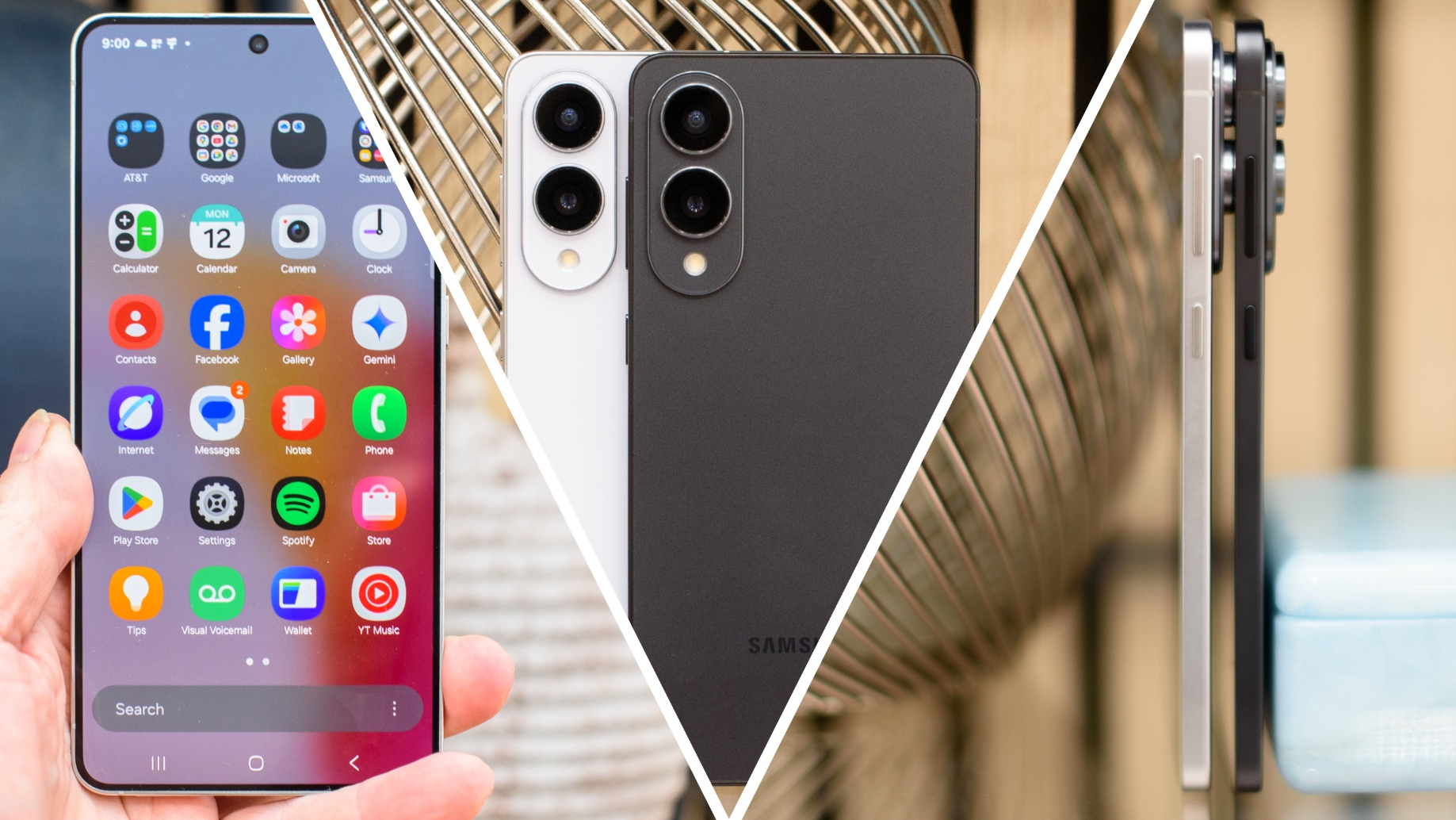
Rank 14980The Samsung Galaxy S25 Edge is unusual in a lot of ways – not only is this a new addition to the Galaxy S line and a return of the long dormant ‘Edge’ name, it’s also a phone that Samsung actually showed off months before it was fully announced.We first got an official look at the Samsung Galaxy S25 Edge back at the Samsung Galaxy S25 launch in January, but only now – in May – has Samsung revealed the actual specs and pricing of the device.Below, you’ll find everything you need to know about the Samsung Galaxy S25 Edge, including how much it costs, when you’ll be able to buy it, what its specs are, and just how thin it really is.
Key information
Just 5.8mm thickHas a 200MP main camera and a 12MP ultra-wideQualcomm Snapdragon 8 Elite for Galaxy chipsetComes with 12GB of RAMA 6.7-inch 120Hz screenJust a 3,900mAh batteryStarts at $1,099 / £1,099Ships on May 30
Samsung Galaxy S25 Edge: price and release date
(Image credit: Philip Berne / Future)
Ships on May 30Starts at $1,099 / £1,099
Following a tease in January, the Samsung Galaxy S25 Edge was fully unveiled on May 12, and the phone will ship on May 30.As for what it costs, the Galaxy S25 Edge starts at $1,099 / £1,099, for which you get 256GB of storage. Prices rise to $1,219 / £1,199 for 512GB.
Samsung Galaxy S25 Edge: specs
Samsung Galaxy S25 Edge specsDisplay:6.7-inch AMOLEDResolution: TBCRefresh rate:120HzChipset:Snapdragon 8 EliteRear cameras: 200MP wide, 12MP ultra-wideFront camera: 12MPRAM:12GBStorage:256GB / 512GBBattery:3,900mAh
Samsung Galaxy S25 Edge: design and display
Image 1 of 4(Image credit: Philip Berne / Future)Image 2 of 4(Image credit: Philip Berne / Future)Image 3 of 4(Image credit: Philip Berne / Future)Image 4 of 4(Image credit: Philip Berne / Future)
Just 5.8mm thick and 163gHas a 6.7-inch screenProtected with Gorilla Glass Ceramic 2
We’ve broadly known what the Samsung Galaxy S25 Edge looks like for a long time, with Samsung’s January tease showing off a slim build, a flat screen, a punch-hole camera on the front, and a dual-lens camera on the back.Now we know the rest. For starters, the Samsung Galaxy S25 Edge is just 5.8mm thick and weighs 163g. For comparison, the Samsung Galaxy S25 Plus (which has the same size display) is 7.3mm thick and weighs 190g.The Samsung Galaxy S25 Edge also has an IP68 rating for dust and water resistance, and its screen is protected by Gorilla Glass Ceramic 2, which is designed to be both thin and durable.It has a titanium frame, and it comes in a choice of Titanium Icyblue, Titanium Silver, and Titanium Jetblack shades.As for the screen, that’s 6.7 inches, which – as noted above – makes it the same size as the Samsung Galaxy S25 Plus’s display.
Samsung Galaxy S25 Edge: cameras
(Image credit: Philip Berne / Future)
200MP main camera12MP ultra-wide12MP front-facing camera
One of the potential compromises with the Samsung Galaxy S25 Edge is its cameras, as it only has two on the back. But their specs aren’t compromised, with the main sensor being 200MP. As well as wide-angle shots, this is also capable of 2x optical quality zoom.There’s also a 12MP ultra-wide, a 12MP front-facing camera, and support for recording video in up to 8K quality.As with other recent Samsung Galaxy S models, you’ll also find all sorts of AI tools here to help you take and edit photos. These include the likes of Generative Edit, which lets you make sweeping changes to images, and Audio Eraser, which lets you remove unwanted background noise from videos.The Galaxy S25 Edge also benefits from Samsung’s ProVisual Engine, which can help boost the image quality.Still, while there’s a lot here, the Edge lacks a dedicated telephoto camera, which is something you’d usually get with a phone of this price.
Samsung Galaxy S25 Edge: performance and software
(Image credit: Philip Berne / Future)
Snapdragon 8 Elite for Galaxy chipset12GB of RAMA 3,900mAh battery with 25W charging
Unsurprisingly, the Samsung Galaxy S25 Edge is equipped with a Snapdragon 8 Elite for Galaxy chipset, just like the rest of the Samsung Galaxy S25 series. That’s no bad thing, though, as it's a top-end chipset.That’s joined by 12GB of RAM and a choice of 256GB or 512GB of storage.The Samsung Galaxy S25 Edge also has a 3,900mAh battery, which is quite small for a phone of this size, and is likely one of the compromises made to get it so thin. For comparison, the Samsung Galaxy S25 has a slightly larger 4,000mAh battery, but that has a much smaller screen. The equivalently sized Samsung Galaxy S25 Plus, on the other hand, has a 4,900mAh cell.Despite this, Samsung claims the Galaxy S25 Edge will deliver all-day life, but it will be interesting to see how well that claim holds up when we put the phone through its paces for a full review.
(Image credit: Philip Berne / Future)
Capacity aside, the Samsung Galaxy S25 Edge charges at 25W, which is a match for the standard Samsung Galaxy S25 but not as fast as the 45W Samsung Galaxy S25 Ultra and S25 Plus. There’s also 15W wireless charging and 7.5W reverse wireless charging.On the software front, the Samsung Galaxy S25 Edge of course runs Android with Samsung’s One UI overlay, which includes features such as Now Brief – which provides personalized briefings throughout the day. For example, your morning briefing might include things like the weather, and how well you slept (if you tracked your sleep).Finally, Samsung promises that the Galaxy S25 Edge will get seven years of security and operating system updates.
Samsung Galaxy S25 Edge: early verdict
(Image credit: Philip Berne / Future)
Going purely by the specs, the Samsung Galaxy S25 Edge certainly sounds intriguing. Our main concern here is the battery life, as despite Samsung’s assurances, it’s hard to believe it will truly deliver all-day life with such a small capacity.Even if it does, it’s unlikely to be competitive with other phones on this front. But it’s not impossible that through some software wizardry Samsung has delivered genuinely good endurance – we’ll find out once we’ve tested the phone ourselves.Beyond that, the lack of a telephoto camera is a slight disappointment, but expected, and at least the 200MP main sensor sounds promising.Elsewhere the Galaxy S25 Edge sounds every bit as good as the rest of the S25 series, just a lot thinner. Whether that slimness will translate into sales remains to be seen.
Also consider
Samsung Galaxy S25 review: the fastest small phone we’ve testedSamsung Galaxy S25 Plus review: the sweet spot for the Galaxy familySamsung Galaxy S25 Ultra review: the ultimate Android
-
Picture from cdn.mos.cms.futurecdn.net
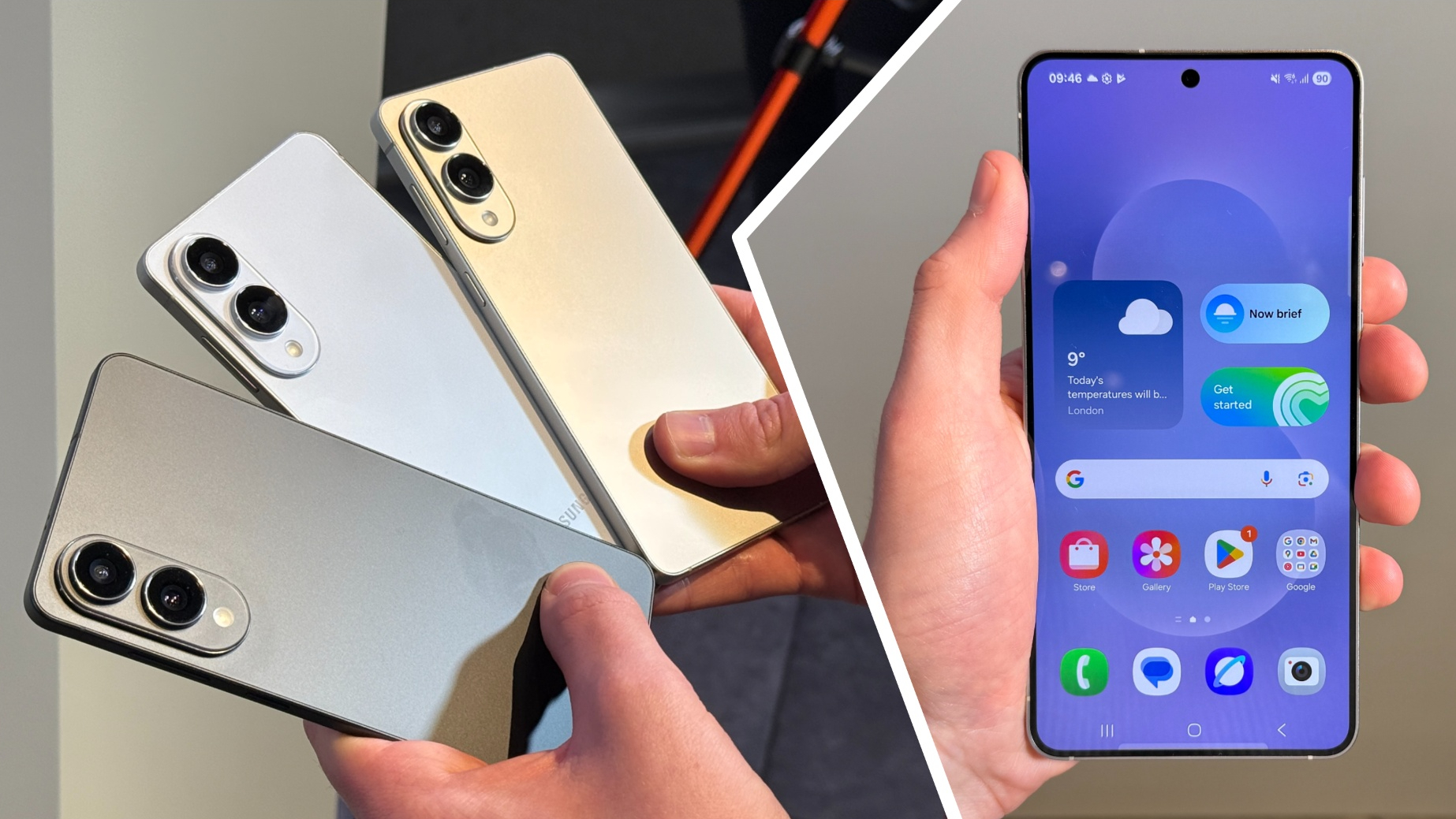
Rank 14981At long last, the Samsung Galaxy S25 Edge has arrived. The super-slim flagship was first teased at Galaxy Unpacked in January, but it’s now been officially revealed in a launch video posted to Samsung’s YouTube channel.The Galaxy S25 Edge joins the Samsung Galaxy S25, Samsung Galaxy S25 Plus, and Samsung Galaxy S25 Ultra in the wider S25 family, and it looks set to rank among the best Android phones for aesthetic value alone.We’re reacting to the phone’s announcement in our Samsung Galaxy S25 Edge live blog, but below we’ve rounded up five things you need to know about the Galaxy S25 Edge, from its design specs to its durability credentials.
Surprise! It’s super slim
Image 1 of 3The Galaxy S25 Edge measures just 5.8mm at its thinnest point (Image credit: Future)Image 2 of 3(Image credit: Future)Image 3 of 3The Galaxy S25 Edge (left) and Galaxy S25 Ultra (right) (Image credit: Future)
Naturally, given both its name and the official dummy units Samsung teased at Unpacked and Mobile World Congress, we knew the Edge was going to be slim – and now we know just how thin and light the phone really is.The Galaxy S25 Edge measures just 5.8mm at its thinnest point, making it far and away the thinnest Galaxy S phone yet. The standard Galaxy S25 measures 7.2 mm, while the S25 Ultra is a comparatively chunky 8.2mm, so the Edge really does mark a step up in terms of design.Even more impressive, though, is the phone’s weight. The S25 Edge weighs just 163g, which is almost identical to the standard Galaxy S25, but here you’re getting a much larger 6.7-inch AMOLED display. That’s the same size screen as you’ll find on the Galaxy S25 Plus, but the Edge is 14% lighter and 21% thinner than that particular model.
It doesn’t skimp on durability
The Galaxy S25 Edge is made of titanium and Corning Gorilla Glass Ceramic 2 (Image credit: Future)
The thinner you make a phone, the less durable it becomes, but Samsung has kitted out the S25 Edge with a slew of impressive durability specs.Like the S25 Ultra, the phone gets a titanium frame, but unlike the rest of the Galaxy S25 line, the Edge uses Corning Gorilla Glass Ceramic 2 (rather than Victus 2) on its rear panel. This is essentially Samsung’s answer to Apple’s Ceramic Shield on the iPhone, with ceramic crystals embedded into the glass itself to improve resistance against cracks and scratches.Given its size and weight, this doesn’t necessarily mean the Edge will be more durable than its siblings, but it’s safe to expect comparable drop resistance across the S25 line.As for water resistance, the Edge gets an IP68 rating, and the phone is available in three titanium-themed colors: Titanium Icyblue, Titanium Silver, and Titanium Jetblack.
Camera compromises
The Galaxy S25 Edge gets a 200MP wide lens and a 12MP ultra-wide on the back (Image credit: Future)
When it comes to cameras, the Edge gets a 200MP wide lens, a 12MP ultra-wide lens, and a 12MP selfie camera.The elephant in the room here is that there’s no telephoto camera to speak of, which is something you’ll find on every other S25 model. But by equipping the Edge with the same main camera as the S25 Ultra, Samsung has ensured that its latest flagship will still be a versatile shooter, offering a 2x optical-quality zoom (via sensor crop) and strong low-light performance.The Edge also gets 8K video recording capabilities, and Samsung’s AI-powered ProVisual Engine is on hand to improve image quality, optimize the zoom, and provide various photo-editing features.
The same great power
The Galaxy S25 Edge (left) uses the same chipset as the Galaxy S25 Ultra (right) (Image credit: Future)
Onto performance, and the S25 Edge boasts the same chipset and RAM specs as the rest of the Galaxy S25 line. That means a For Galaxy version of the powerful Snapdragon 8 Elite chipset, 12GB of RAM, and the full suite of Galaxy AI tools.You’ll get Audio Eraser, Generative Edit, and Now Brief straight out of the box, and as we’ve come to expect, Samsung is committing to a market-leading seven years of OS and security updates for the Galaxy S25 Edge.
All-day battery life?
The USB-C port on the Samsung Galaxy S25 Edge (Image credit: Future)
The big question around the Galaxy S25 Edge was whether a super-slim design would come at the expense of battery life, and it’s hard to say at this stage whether that’s the case.The Galaxy S25 Edge sports a 3,900mAh battery, which is pretty much identical to the battery in the standard S25. In testing, that phone lasted us well over a full day, but the battery in the Edge has to power a much larger 6.7-inch display.Even so, Samsung is still promising all-day battery life from its new super-slim flagship, so we’ll need to put that claim to the test in our full review of the device.As for charging, the Edge gets 25W wired, 15W wireless, and 7.5W reverse charging capabilities. Those are identical charging specs to the S25 and S25 Plus, so even if the phone’s battery is a touch smaller than we’d like, Samsung hasn’t compromised when it comes to charging speed.
With a starting price of $1,099.99 / £1,099, the Galaxy S25 Edge is far from a cheap phone, but it's certainly an attractive proposition for those who value style and portability above all else. Are you convinced by the Edge's unique mix of style and substance? Let us know in the comments.
You might also like
The best Samsung phones 2025: top Galaxy handsets rankediPhone 17 Air – 5 key rumored features, from an ultra-thin frame to so-so battery lifeI'm excited for the Samsung Galaxy S25 Edge and iPhone 17 Air, but I'm worried they'll make too many compromises
-
Picture from o.aolcdn.com
Rank 14982The super slim Galaxy S25 Edge, which Samsung teased at the tail end of its January Unpacked event, has been officially revealed. During tonight's Unpacked, we got full specs, pricing and shipping dates for Samsung's latest phone, as well as a chance to put our hands on the new handset.
Pricing is set at $1,100 for 256GB of storage or $1,220 for the 512GB model and the phones ship May 30. Pre-orders are open at Amazon, Best Buy and directly from Samsung, which is offering a $50 pre-order store credit and a no-charge upgrade to the 512GB model.
The Edge's headline features include its thin build and AI-supported photography chops — both of which we'd suspected from various leaks, only to have the rumors confirmed by Samsung's own press release last week. And indeed, when Engadget's Mat Smith got his hands on an Edge, he immediately felt how much lighter the device was — yet, he noted, it still felt premium.
We now know for sure that the Galaxy S25 Edge has a 6.7-inch screen but measures just 5.8mm (0.22 inches) thick. That's slightly less surface area than the 6.9-inch Ultra, but a full 2.4mm thinner. It weighs 163 grams, nearly the same as the standard Galaxy S25, but the Edge measures more than 10mm taller and 5mm wider than its base-model sibling.
To shave off the grams and trim the width, Samsung developed a broader yet slimmer vapor chamber and a new Thermal Interface Material (TIM) for better heat dissipation. It uses Corning Gorilla Glass Ceramic 2 on the front display. It's the first phone to use the material, which Corning says offers "enhanced drop performance on rough surfaces," allowing for a thinner glass layer. The frame is made from titanium, like the Ultra model, a material many phone manufactures have put in higher-end models for its lightweight strength.
As for camera power, the Edge has the same 200MP sensor as the S25 Ultra, which Samsung claims captures 40 percent brighter images in low light situations compared with the standard S25. There's also a 12MP ultra-wide lens and a 12MP selfie cam up front. Those two rear cameras do protrude noticeably from the thin frame of the phone, but Mat was impressed how well-balanced the phone felt — it's not lopsided at all.
Of course, the phone also packs plenty of AI-powered tricks, including Pro Scaler, Audio Eraser and Drawing Assist. To support all the AI, Samsung is using the same Qualcomm Snapdragon 8 Elite chip as the other S25 phones and comes with 12GB of memory and either 256 or 512GB of storage. It packs a 3,900mAh battery, which is smaller than both the 4,000mAh one found in the standard S25 and the 5,000mAH power supply in the Ultra. Though Samsung claims the Edge can run for 24 hours on a charge.
You can get the Samsung Galaxy S25 Edge in three color options: Titanium Silver, Titanium Jet Black, and Titanium Icy Blue. Samsung is promising seven years of security and software updates. We only spent a short time with the phone so far, but our full review will be out shortly. This article originally appeared on Engadget at https://www.engadget.com/mobile/smartphones/how-to-pre-order-the-samsung-galaxy-s25-edge-000029138.html?src=rss
-
Picture from o.aolcdn.com
Rank 14983After teasing us for months, Samsung has formally revealed the Galaxy S25 Edge. At just 5.8 millimeters (0.22 inches) thick, it’s the slimmest member of the S25 family — and its slimmest smartphone ever. It’s available to preorder now and launches on 30 May, starting at $1,100.
Samsung said that S25 Edge “unlocks a new era of growth for the mobile industry" — and it’s easy (too easy!) to cynically see this as a way of hawking another Samsung phone into a thinner — and yet similar — slice of hardware, with familiar cameras, technical specs and AI software. This isn’t an Ultra, nor is it a new foldable. However, it could be a new direction for Samsung’s flagship S series.
What’s the difference between the S25 and S25 Edge?
Image by Mat Smith for Engadget
Surprise! The Edge is thinner. While the S25 Edge measures in at less than the base S25, which is 6.4mm (0.25 inches) thin, it weighs almost the same. In fact, there’s only a gram’s difference between the two, despite the S25 Edge packing a much bigger 6.7-inch screen than the S25’s 6.2-inch one.
And boy, can you tell the difference. The most contemporary comparison I can make is when Apple switched to a titanium frame for the iPhone 15 Pro. Spec sheets and numbers be damned: I could sense how much lighter the device was. Despite having a much bigger screen than my iPhone 16 Pro, the thinner S25 Edge felt light yet premium. I easily slipped it in and out of my pants pockets, because, well, how else am I going to assess the biggest selling point for Samsung’s latest phone?
Image by Mat Smith for Engadget
The thing is: Device thickness isn’t an issue I have with flagship smartphones — it’s the screen size. The base Galaxy S25 (or the Pixel 9 Pro) hit the sweet spot for my hands. While this new S25 Edge may be easier to hold than similar-sized phones, a 6.7-inch screen isn’t for everyone.
Like most phones (the Pixel 9a is a curious outlier), the S25 Edge still has a substantial camera unit derailing otherwise clean hardware lines. The dual-camera setup protrudes a good 4.5mm (0.17 inches), although it features the same 200-megapixel sensor packed into the pricier S25 Ultra.
Samsung says it re-engineered the camera unit to ensure it could fit on the Edge, but it still sticks out — a lot. Before I got to handle the phone, I thought this would lead to the new phone being oddly unbalanced and top-heavy. But whatever Samsung has done to arrange the component furniture inside the S25 Edge, it worked. The phone doesn’t feel lopsided or fragile at all, but like any other premium flagship smartphone.
The Galaxy S25 Edge’s cameras
Image by Mat Smith for Engadget
Alongside the primary 200MP sensor, Samsung included a 12MP ultrawide camera with autofocus and macro photography support. And… that’s it. There’s no dedicated telephoto system, which typically takes up more space however you position the camera. The two lenses are stacked in a vertical arrangement, which I think looks cleaner than the camera cornucopias found on other devices — but many folks are going to miss the versatility of a true telephoto. Sure, you can digitally zoom by cropping in on that huge 200MP sensor, but it’s not the same.
The S25 Edge can also capture up to 8K video and packs all the other photography tricks you’d expect in an S-Series phone, like night photography and lossless zoom. Of cours,e it also handles post-capture AI tools like generative editing (removing photobombers and unwanted objects from your photos) and Audio Eraser for cleaning up video in loud environments.
And when it comes to AI — or Galaxy AI — you’re getting the same array of features that we saw in the base S25 and S25 Ultra, powered by a custom Snapdragon 8 Elite chip and 12GB of RAM. Those AI tools include the Now Brief and Now Bar which takes contextual clues from your apps and smartphone to lay out a plan for your day, remind you of the weather and more. Samsung’s integration of Google’s Gemini now includes Gemini Live, so you can tap into your camera feed to ask questions about your photos and things in your surroundings.
It’ll likely pick up any future Gemini and Android upgrades, too: The Galaxy S25 Edge will receive seven generations of OS updates and seven years of security updates.
Image by Mat Smith for Engadget
At a media briefing, Samsung also outlined how it’s trying to ensure the S25 Edge runs cool despite all the packed-in hardware, using a new Thermal Interface Material (TIM) for better heat dissipation within that limited space. I didn’t really get the time to push the device to its limits during the briefing, so we’ll wait for a review to assess whether it works well enough.
The company did have to make compromises to fit all the S25 Edge’s features into this svelte profile. It has a 3,900mAh battery, which is small for a phone with a 6.7-inch display that costs more than $1,000. In comparison, the base S25 has a 4,000mAh cell — that's a bigger battery on a cheaper phone with a smaller screen. Then, there's the S25+, which has a 4,900mAh battery with the same screen size as the S25 Edge.
In its defence, Samsung has made considerable progress on the battery life of its devices (particularly with this year’s crop of Galaxy S phones). The company claims the S25 Edge can run video for up to 24 hours. However, with a bigger screen inside a thinner device, battery life may be the biggest compromise—and it’s something we will have to test when we review the Edge properly.
The Galaxy S25 Edge is priced at $1,100 (£1,100) with 256GB of storage. It will launch on May 30 in three colors: Silver, Jet Black and Icy Blue. It’s hard to draw any concrete conclusions on whether the S25 Edge’s compromises for a smaller device footprint are worth it, but expect our review in the next few weeks.
This article originally appeared on Engadget at https://www.engadget.com/mobile/smartphones/samsung-galaxy-s25-edge-hands-on-release-date-price-000022902.html?src=rss
-

Picture from ichef.bbci.co.uk
Rank 14984 -

Picture from ichef.bbci.co.uk
Rank 14985 -
Picture from ichef.bbci.co.uk
Rank 14986 -
Picture from cdn.mos.cms.futurecdn.net
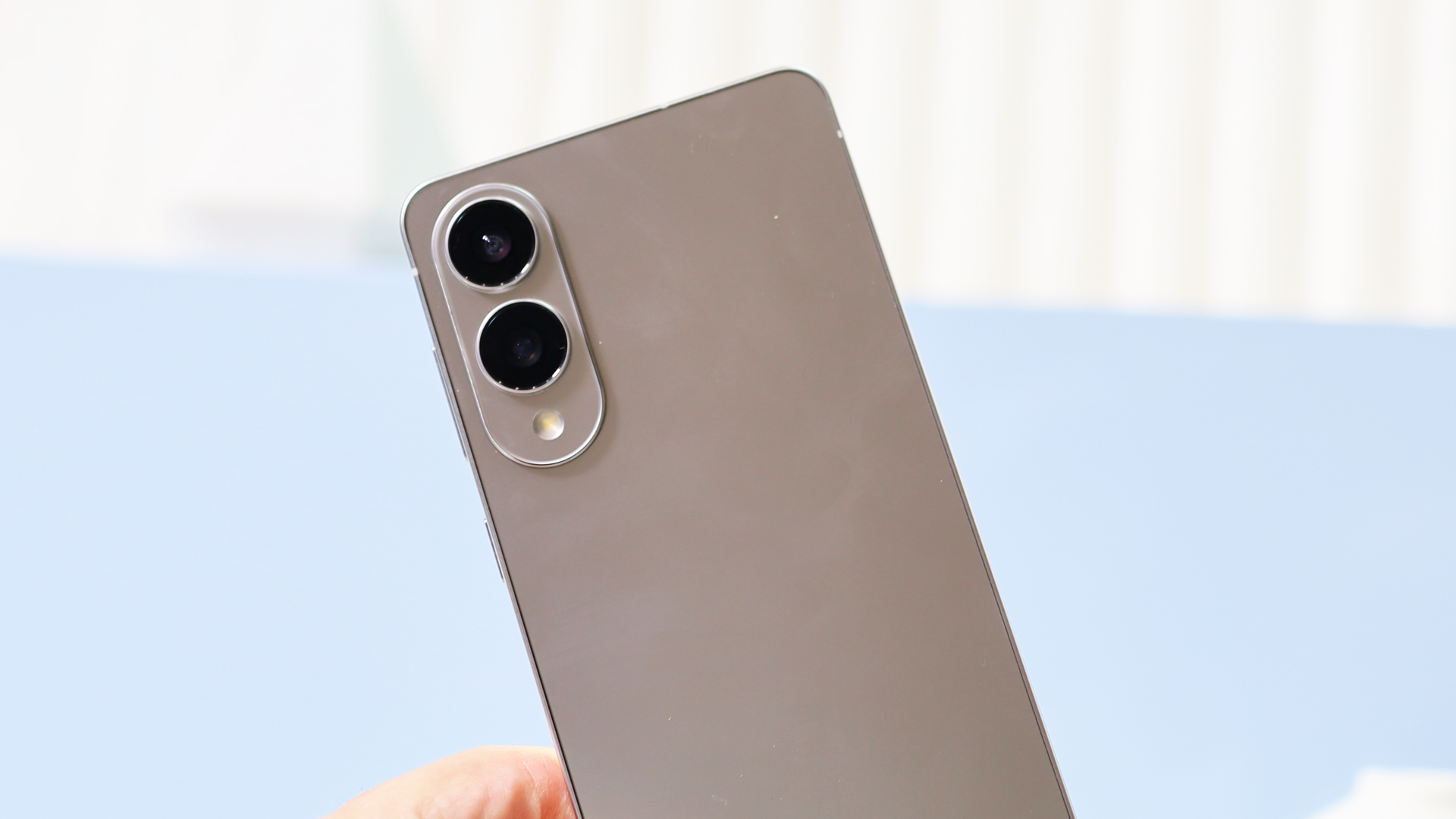
Rank 14987Let's start with the obvious: the Samsung Galaxy S25 Edge is an impressively thin phone. I've held its 5.8mm chassis in my hand and marveled at its svelte titanium frame, but if I'm being honest, its allure was somewhat dampened for me by what I thought at first was a glaring deficit: the lack of a true telephoto lens.Now, though, after spending a little time with the new Android handset and assessing its unusual set of features, I see things a little differently, and I believe that ultimately consumers will, too.First of all, here's what you get camera-wise in the Samsung Galaxy S25 Edge:On the front is a 12MP wide-angle selfie camera that, somewhat surprisingly, features a 5-degree wider field of view than any other Galaxy S25 phone (85 degrees as opposed to 80 degrees FoV). Have more friends who want to gather 'round and ogle your ultra-skinny phone? Now you can get them all into the frame.It's the rear camera array where things get interesting. First, you have the 12MP ultrawide camera (120 FoV). This lens will accommodate dramatic wide-angle shots and macro photography and is, as I see it, table stakes for any good flagship camera system.The remaining lens is the S25 Edge's most impressive. It's essentially the same 200MP sensor you find on the $1,299.99 Samsung Galaxy S25 Ultra. Stuffing that lens into a phone that shares many of its specs with the base Galaxy S25 Plus is unexpected and quite an accomplishment when you consider this is a 5.8mm, 163-gram smartphone.
Not surprised then relieved
Image 1 of 5(Image credit: Lance Ulanoff / Future)Image 2 of 5Shooting a 1x (Image credit: Lance Ulanoff / Future)Image 3 of 5Shooting at 2x on the main sensor (Image credit: Lance Ulanoff / Future)Image 4 of 510x digital zoom (Image credit: Lance Ulanoff / Future)Image 5 of 5The selfie camera (Image credit: Lance Ulanoff / Future)
Even before I first saw the S25 Edge in person and long before I learned the full spec sheet, I assumed the phone would not include a decent telephoto lens. After all, there's surely not enough space for a pericope, which needs a prism, a right angle, and enough space to accommodate the optical zoom technology. However, when I learned the Galaxy S25 Edge would start at $1,099.99 without any kind of telephoto lens, I was disappointed.The 200MP sensor has changed my perspective, not only because it's an excellent camera that you'll use to shoot mostly high-quality binned photos (usually in the 12MP or 50MP range) but because of what you can do with that sensor to create a zoom effect."2x optical zoom quality" is how Samsung describes what you'll get with the S25 Edge. What it means is that in 2x zoom mode, the phone shoots at the full 200MP resolution of the main camera sensor, and then it crops into the best pixels for a "zoom". The nice thing about this is that Samsung isn't manipulating pixels as it does with the 10X digital zoom. This is all pure artisanal pixels that will essentially make it feel like you were twice as close to your subject.
Zoom versus useful compromise
I'm not gonna lie. I will always prefer more optical zoom. I loved the old 10x optical in the Galaxy S23 Ultra even though it was just 10MP and I rely heavily on the 5X optical zoom lens on the iPhone 16 Pro Max. It's also worth noting that Apple does a similar bit of sensor cropping for the 2X zoom range on its Pro cameras.What the 6.7-inch Samsung Galaxy S25 Edge offers, though, is a good compromise. The phone is not just a stretched and squished Galaxy S25. It's a hybrid that melds a beautiful thin design with the best sensor in the S25 lineup, one shared only by the pricier Ultra.So while I miss the bigger zoom, I think the Samsung Galaxy S25 Edge may have found a photography sweet spot. Of course, I'll know for certain when we get to test the phone.
You might also like
The iPhone 16 Pro Max helped me see – with a little ...Samsung Galaxy S25 Ultra review: the ultimate AndroidSamsung Galaxy S25 Plus review: I used it for two weeks ...
-

Picture from ichef.bbci.co.uk
Rank 14988 -

Picture from ichef.bbci.co.uk
Rank 14989 -
Picture from ichef.bbci.co.uk
Rank 14990 -
Picture from ichef.bbci.co.uk
Rank 14991 -

Picture from ichef.bbci.co.uk
Rank 14992 -

Picture from ichef.bbci.co.uk
Rank 14993 -

Picture from ichef.bbci.co.uk
Rank 14994 -

Picture from techcrunch.com
Rank 14995 -

Picture from ichef.bbci.co.uk
Rank 14996 -

Picture from ichef.bbci.co.uk
Rank 14997 -
Picture from cdn.mos.cms.futurecdn.net
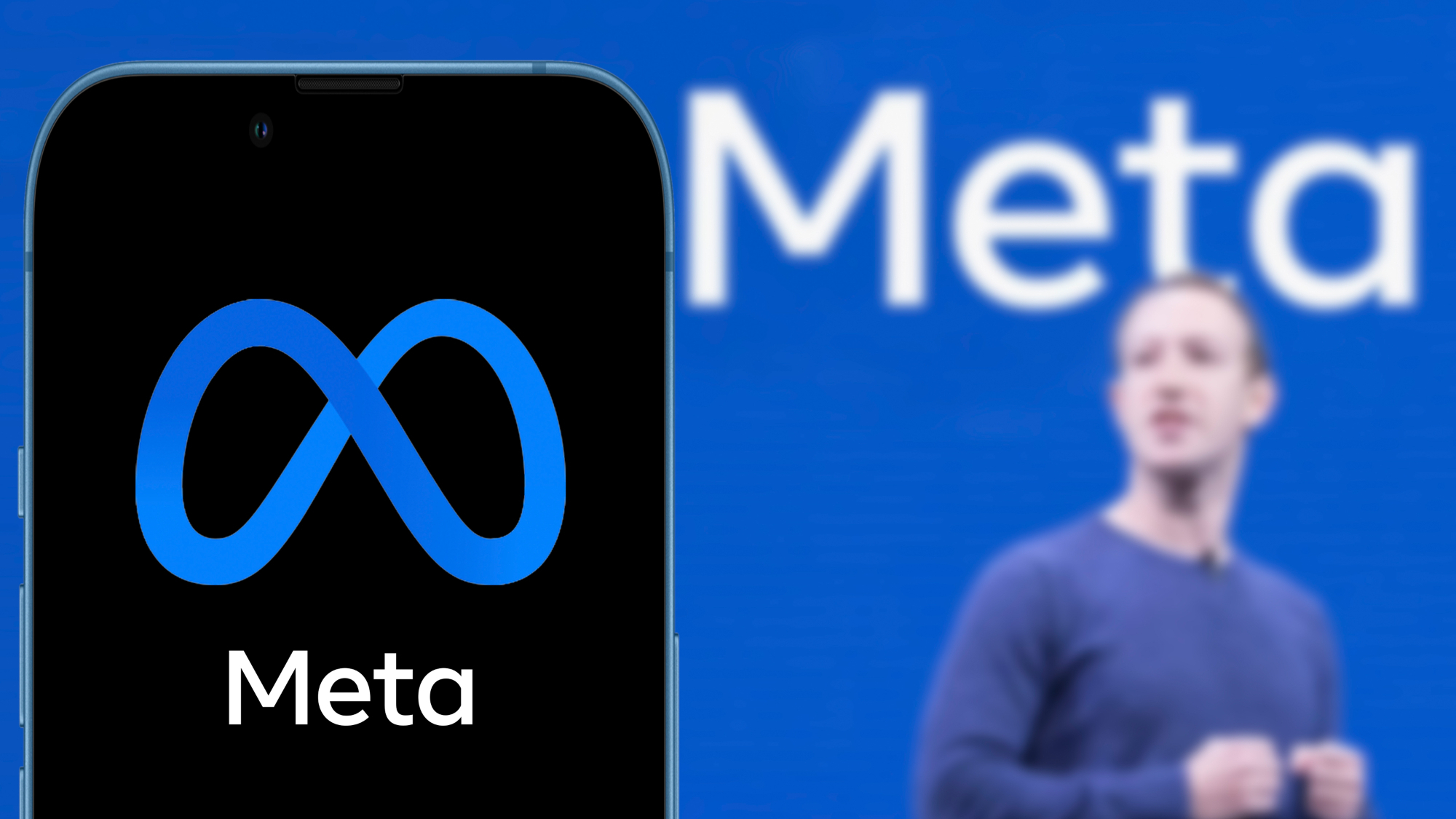
Rank 14998Friendships are a vital part of most people's lives. They can be complicated and messy, but a good friendship is worth it, since, as Aristotle said, "without friends no one would choose to live, though he had all other goods."Mark Zuckerberg has a potential solution for those seeking to build new friendships: building new friends using AI. That’s only a slight rewording of the viewpoint the Meta CEO is famous for, among other things, popularizing the term "friending" as a verb. With caveats about the ways human friendships offer things no AI currently can, Zuckerberg explained on a podcast hosted by Dwarkesh Patel that people like to engage with AI chatbots like Meta AI about their personal lives.And since most Americans have far fewer friends than they'd like, there's space for AI as an alternative. "As the personalization loop kicks in and the AI starts to get to know you better and better, that will just be really compelling," Zuckerberg said.But compelling conversation doesn't mean real friendship. AI isn’t your friend. It can’t be. And the more we try to make it one, the more we end up misunderstanding both AI and actual friendship. AI is a tool. An amazing, occasionally dazzling, often frustrating tool, but a tool no different than your text message autocomplete or your handy Swiss Army knife. It's designed to assist you and make your life easier.It’s not a being. It has no inner monologue. It’s all surface and syntax. A robotic parrot that reads the internet instead of mimicking your catchphrases. Mimicry and scripted empathy are not real connections. They're just performance without sentience.Real friendship is not just about someone helping you all the time, selflessly, without ever asking for something in return. If you text your friend and they respond based on a probability matrix, they're not really being your friend. While I love a clean UI as much as the next person, I don’t confuse it with love.At best, an AI friend is a pet. But not even a warm, wiggly dog or a judgmental cat. More like a beta fish or a Tamagotchi. A reactive presence you can project feelings onto. It’s always there, sure. But it doesn’t care about you. And deep down, you know it.
AI Therapy
Meanwhile, on another podcast with Ben Thompson, Zuckerberg suggested that even if you don’t have a human therapist, you should at least have an AI. Therapy is expensive, and there’s a mental health crisis with more demand than supply. If an AI chatbot can step in and offer comfort to someone who’s struggling, it's hard to argue that's a bad thing. And it's not a bad idea in isolation, but the details can be tricky.While some chatbot-based wellness apps have shown promise, they’re only necessary because of the enormous resource gap in providing mental health services. After all, a trained therapist does more than rely on your words or big, obvious emotional tone. They pick up on the unsaid. They recognize when a smile hides your spiral. They make judgment calls that algorithms can’t.Most importantly, they’re bound by ethics in a way no program can match. They’re licensed. No matter how stringent an AI's rules are now, all it takes is a change in programming for them to upload your emotional baggage to a server farm. That's before mentioning the irony of a social media company wanting to offer mental health services when their products are often linked to worsening teen mental health and a digital addiction that can isolate people from actual friends.I talk to AI tools every day. I think AI can be very useful. I think my automatic coffeemaker can be very useful too, even if I'm more likely to be yelling at it to go faster than to bare my soul to it. And AI can support therapists, enhance education, and offer customer service at 3 a.m. without the usual hold music. But it’s not a surrogate for human connection.We're not at a point where I fear everyone will retreat from messy, inconvenient, flawed human relationships and opt for the sanitized, low-stakes comfort of a chatbot who always agrees with us. But that doesn't mean it's something to look forward to. You can't scale friendship, and you shouldn't encourage people to choose software over doing the work of real friendship. An AI will treat you just like it treats everyone, and, as Aristotle also said, "A friend to all is a friend to none."
You might also like...
SocialAI makes you the most important – and only – person on social mediaMeta wants to fill your social media feeds with bots – here's why I think it's wrongI tried the new Meta AI app and it's like ChatGPT for people who like to overshare
-

Picture from ichef.bbci.co.uk
Rank 14999 -

Picture from ichef.bbci.co.uk
Rank 15000