News
This constantly updated list features the latest and most important news articles, ranked in order of significance. The top stories highlight major developments, breaking news, and critical updates across various topics, ensuring you stay informed about the most pressing issues. As new articles are added, the list adapts to reflect the latest priorities, keeping the most impactful stories at the forefront. Whether it’s global events, technology breakthroughs, or industry trends, this dynamic list ensures you always have access to the most relevant and timely information.
-
Picture from o.aolcdn.com
Rank 14251Google just announced an upgrade to Chrome’s Enhanced Protection feature. On desktop, the browser now uses Gemini Nano to protect users against remote tech support scams. According to Google, the on-device large language model allows Chrome to protect people against scams the company hasn’t seen before.
“[Gemini Nano] is perfect for this use because of its ability to distill the varied, complex nature of websites, helping us adapt to new scam tactics more quickly,” Google says, adding it hopes to this bring the feature to Android devices soon. The company plans to use this same AI approach against a greater variety of scams in the future as well.
In the meantime, Android users can look forward to stronger protection against scams that use Chrome notifications as an attack vector. Google is once again turning to machine learning to offer this feature. “When Chrome’s on-device machine learning model flags a notification, you’ll receive a warning with the option to either unsubscribe or view the content that was blocked,” Google explains. “And if you decide the warning was shown incorrectly, you can choose to allow future notifications from that website.”
Fighting scams was a major focus for Google last year. In May, for instance, the company previewed a system for delivering real-time scam alerts during phone calls. More recently, the company introduced a suite of safety features for Messages. As a result of its efforts, Google says it’s preventing hundreds of millions of scam-related results from reaching its users.This article originally appeared on Engadget at https://www.engadget.com/ai/chrome-will-now-use-gemini-nano-to-catch-scams-170057893.html?src=rss
-
Picture from cdn.mos.cms.futurecdn.net
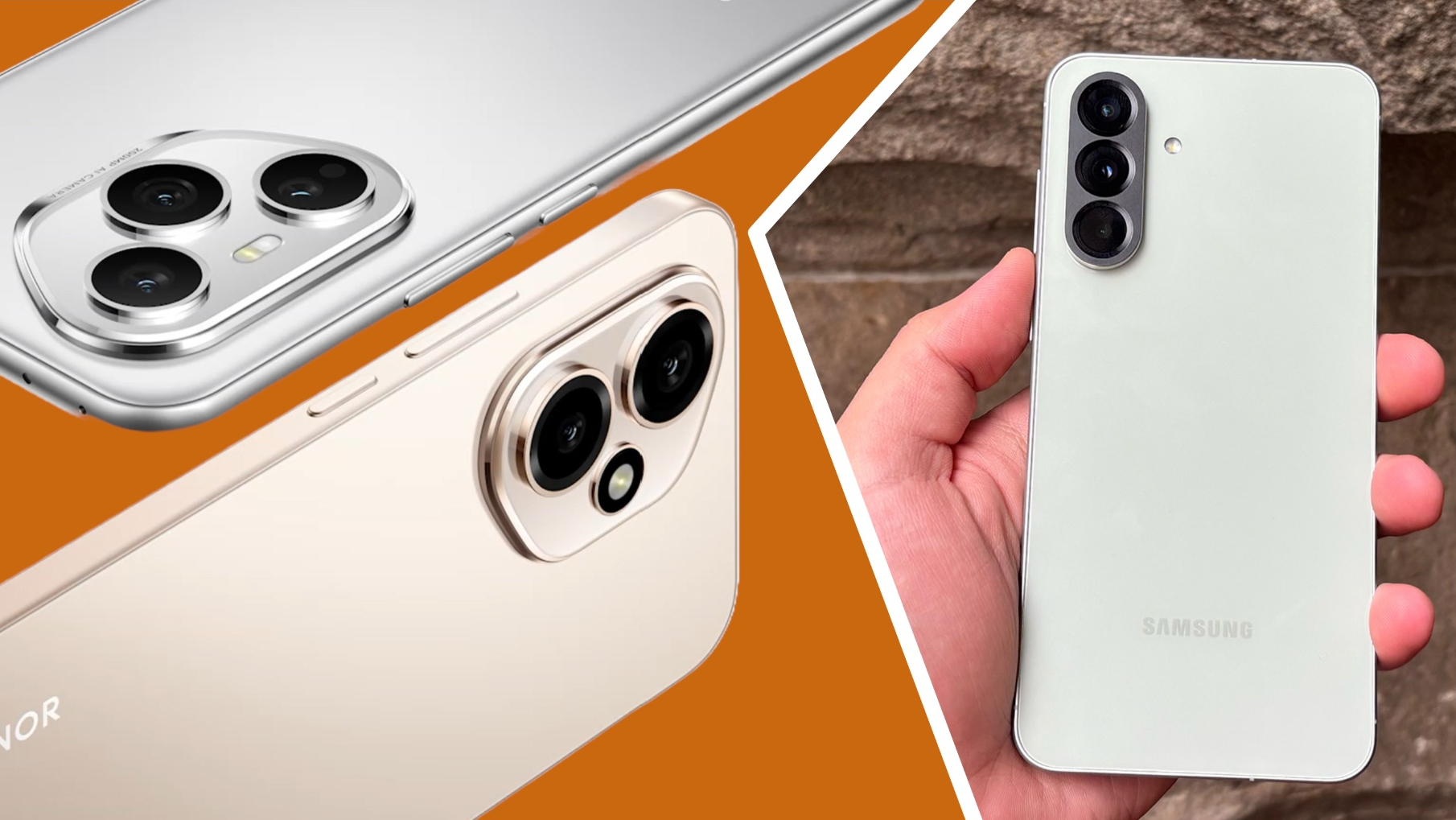
Rank 14252Honor has referenced Samsung in a new promotional image for the Honor 400 seriesThe Honor 400 Pro is expected to rival the Samsung Galaxy A56The Honor 400 series will be announced on May 22
It’s always fun to see smartphone manufacturers taking playful jabs at one another, and the latest put-down from Honor targets its longtime rival Samsung.In a promotional image announcing the May 22 release date for the Honor 400 series, Honor has included a suite of clues to excite fans about the phones’ most exciting features. Among these hidden pointers is a message reading “Not the same,” with ‘sam’ appearing in bold blue letters – clearly a reference to Honor’s competitor.This is the same typeface Honor used to poke fun at Samsung for the Galaxy S25 Ultra’s supposed lack of innovation back in January, so the brand clearly has a bee in its bonnet with Samsung, specifically. The Honor 400 is expected to rival the midrange Samsung Galaxy A56, so “not the same” could be a reference to the uniqueness of Honor’s phone, or indeed an outright jab at the perceived recent sameness of Samsung’s affordable smartphone lineup.
Spark Daily Wonder with HONOR 400 Series | Coming 05.22We've hidden some clues about our upcoming new device in this poster. Quote-rt this post - using the hashtag #HONOR400 - with what you think they are for a chance to WIN a new HONOR 400 device.#SparkDailyWonder… pic.twitter.com/0KcycsqaJAMay 7, 2025
Sure, that’s big talk for a company of Honor’s size, but the brand’s confidence in its own product could be well-founded. In a separate teaser image (below), Honor has confirmed that both the Honor 400 and Honor 400 Pro will boast a 200MP “ultra-clear AI camera”, which sounds like more than a match for the 50MP main camera on the Galaxy A56.
Both the Honor 400 and Honor 400 Pro will have a 200MP main camera (Image credit: Honor)
The Honor 400 Pro could also have a dedicated telephoto lens, with rumors hinting at a 50MP sensor paired with the zoom – the Galaxy A56, meanwhile, has a 12MP ultra-wide lens and a 5MP macro lens.We haven’t heard much else about Honor’s next mid-rangers, but the aforementioned teaser image does strongly suggest that one or both phones will feature some unique AI software and impressive water resistance.The May 22 release date for the Honor 400 and Honor 400 Pro will come a month after the Honor 400 Lite hit shelves. We described that budget-friendly model as a “solid handset with some appealing features” in our Honor 400 Lite review, but Honor’s upcoming phones will have their work cut out if they hope to compete with Galaxy A56, which we praised for being an “impressive jack-of-all-trades” and one of the best cheap phones around.
You might also like
Honor Magic 7 Pro review: the Android endurance kingHonor matches Apple, Samsung, and Google with new update promise for its flagship phones‘You deserve better’: Honor apologizes to Samsung Galaxy Z Fold 6 owners who feel ‘let down’ by their ‘chunky’ folding phone
-

Picture from cdn.mos.cms.futurecdn.net
Rank 14253As we recently reported here at TechRadar, the Samsung Galaxy Z Fold 7 could become the world’s thinnest booklet-style folding phone at launch – the latest rumors suggest an unfolded thickness of just 3.9mm.The previous record-holder, the Oppo Find N5, boasted an impressive unfolded thickness of 4.2mm – and as I noted in my full Oppo Find N5 review, this formed a massive part of the phone’s wow factor.And across all phone makers, the progress of folding phone designs has been a pretty marvelous thing to witness. Samsung certainly deserves due credit for taking the first step way back in 2019 with the original Samsung Galaxy Fold – the difference between that early model and modern folding phones is simply night and day.However, I’m not so sure that Samsung should make a priority of releasing the thinnest folding phone possible – in fact, I’d go so far to say that there’s another crucial aspect of the Galaxy Z Fold design that needs attending to first.
Cover screen compromises
The OnePlus Open sports an unusually wide cover screen for a folding phone (Image credit: Future / Philip Berne)
It goes without saying that a folding phone’s cover display will probably never look quite the same as the display found on a slab phone.To achieve a roughly square inner display, folding phones sport narrower, taller-looking cover displays intended for answering messages quickly and taking calls.With that said, phone makers have tended towards widening the cover display of folding phones as much as possible – apart from Samsung, which equips the current-gen Galaxy Z Fold 6 with a tall display that has a 22:9 aspect ratio. For comparison, the Galaxy S25 and most modern smartphones have a 19.5:9 aspect ratio.Let me quickly add that I’ve never used the Galaxy Z Fold 6 for any substantial length of time – but I have briefly gotten hands-on with Samsung’s booklet-style foldable.I’ve also used the aforementioned Oppo Find N5, which has a 20.7:9 cover screen, and its older cousin the OnePlus Open, which has a 20:9 cover screen. Having used these phones as daily drivers, I can confidently say that I wouldn’t want to use a phone with an even narrower cover display.Though the key selling point and most technically impressive aspect of folding phones are their large inner displays, the experience of using the cover screen still matters.After all, there are plenty of use cases where opening the inner display doesn’t quite make sense – on a cramped train, at the gym, or checking something quickly on Google.I definitely noticed that articles, social media feeds, and games felt more cramped when using the aforementioned foldable phones, so I’m not convinced the experience would be much better on the Galaxy Z Fold 7’s expected 22:9 display. However, the Galaxy Z Fold 7 has been tipped to get a larger cover display – a 6.5-inch panel, up from 6.2 inches on the current Galaxy Z Fold 6 – I’m certainly keen to see whether a larger panel at the same aspect ratio would be a satisfactory fix.
The thin phone revolution
The Samsung Galaxy S25 Edge could usher in a new era of thin phones (Image credit: Lance Ulanoff / Future)
As hopeful as I am for a wider cover screen on the Galaxy Z Fold 7, it’s far more likely that Samsung will push ahead and release a thinner, lighter version of its iconic folding phone with few other design updates.And if the product strategy Samsung hinted at last year is anything to go by, we could be in for a few years focused on thin designs.The Samsung Galaxy S25 Edge is set to release on May 12, and as I wrote in a previous feature, I think Samsung is likely to keep this new product line running for at least a few years as phone makers split their product offerings into heavier performance and camera-centric handsets and ergonomic thin phones.I am a bit surprised that the Galaxy Z Fold 7 would land in the latter camp, given Samsung’s framing of the Z Fold line as focused on productivity, but if the Z Fold is to play a part in the thin phone revolution, I reckon we’ll see most of Samsung’s design prowess spent on ergonomics, ie. thinness, with the next few iterations.So, that’s me sticking with OnePlus and Oppo when it comes to book-style folding phones – at least for now. Most of the above is based on rumors, and the Galaxy Z Fold 7 isn’t expected to release until later this year, so be sure to keep an eye on our Samsung Galaxy phones coverage for the latest updates.
You might also like
I love my iPhone too much to give it up in 10 years, even if Eddy Cue says that might be the futureI tested the Samsung 45W 20000mAh Battery Pack and it’s got plenty of juice, but it's still too expensive for what you getSony will finally launch its first ‘Alpha’ camera phone soon – here’s what that could mean for the Xperia 1 VII
-
Picture from o.aolcdn.com
Rank 14254Razer just started selling a unique speaker called the Clio. It attaches to a gaming chair and doubles as a head cushion. It boasts some nifty tech and is based on a concept design dating back to early 2023. The company promises "headset-like immersive audio without the constraints of wearing one." To that end, the speaker integrates with THX spatial audio and uses two 43mm full-range drivers.
These drivers are angled so they hit the ears "for an intimate listening experience." The Clio works on its own, but can be paired with other audio devices for even more immersion. Razer says it works great when integrated with pre-existing front speakers. This allows for a 5.1 surround sound experience, with the Clio acting as the rear speaker.
The speaker connects wirelessly and reduces latency via proprietary software called Razer HyperSpeed. It also works with Bluetooth for compatibility with Android and iOS devices. The battery lasts for around 14 hours per charge, though it doesn’t come with the required USB-C cable.
As for the head cushion part of the equation, the Clio boasts memory foam that "cradles the head and neck for a comfortable listening experience.” It also has nylon straps for adjustments. It’s compatible with most high-back gaming chairs.
Now for the bad news. This is an expensive speaker. The Razer Clio costs a whopping $230. It’s available to order right now, with shipments going out on May 16.This article originally appeared on Engadget at https://www.engadget.com/gaming/razer-will-sell-you-a-230-head-cushion-speaker-in-this-economy-171726271.html?src=rss
-

Picture from cdn.mos.cms.futurecdn.net
Rank 14255VSORA raises $46 million to build Europe's alternative to AI giantsJotunn8 chip targets inference with lower power and higher throughput French startup challenges Nvidia’s lead in a training-focused chip market
French chip designer VSORA has raised $46 million in new funding as it aims to offer Europe’s main alternative to AI processors from the likes of Nvidia, AMD, Intel, and Google.The Paris-based startup is betting big on a custom-built inference processor called Jotunn8, which it plans to bring to silicon in the second half of 2025 using 5nm production at TSMC.While Nvidia’s GPUs dominate training workloads, VSORA is targeting inference with its chip which it says is faster and more efficient where it matters.
Ensuring Europe’s technological AI sovereignty
The funding round was led by Otium and a French family office, with additional backing from Omnes Capital, Adélie Capital, and the European Innovation Council Fund.The investors are backing VSORA’s goal to carve out a space in a crowded and mostly non-European market.“In a market dominated by global giants like Nvidia, VSORA is a unique opportunity for France and Europe, home to world-class engineering talent,” said Gaspard de Veyrac, Principal at Otium."With this funding, VSORA has the necessary tools to reshape the future of AI computation and secure a significant position in the global AI chip market.”VSORA’s chip isn’t trying to be everything for everyone. Unlike GPUs, which are built mainly for training models, Jotunn8 is designed just for inference so focuses on performance per watt, latency, and cost per query.The company claims Jotunn8 delivers more than three times the performance of current solutions while using less than half the power.It’s aiming for 3,200 teraflops of compute power and will target workloads like ChatGPT-style generative AI, autonomous driving, and edge devices.“This funding marks a pivotal moment for VSORA as we accelerate our mission to revolutionize AI chips and ensure Europe’s technological sovereignty in AI computing,” said VSORA founder and CEO Khaled Maalej.“It will drive the finalization of our technology and the launch of our production, enabling VSORA to play a crucial role as the sole alternative to non-European chip designers. We are grateful for our investors’ trust and look forward to continuing our collaboration with industry leaders to bring our chip to market.”
You might also like
These are the 10 hottest AI hardware companies to follow right nowHuawei launches its fastest AI chip as US bans export of China-only Nvidia H20This universal processor combines CPU, GPU, DSP and FPGA in one chip
-
Picture from o.aolcdn.com
Rank 14256So a professional dominatrix specializing in foot worship signs into her YouTube account for the first time in seventeen years and compiles over 900 playlists, including the debut LP of progressive math-rock band 90 Day Men, an album from hyperpop/chiptune darling Saoirse Dream and portions of the original soundtrack from early 2000s anime Chobits. There's no punchline to that one. Let me explain.
Despite an entirely separate paid product — YouTube Music — vanilla YouTube's sometimes spotty enforcement of copyright has made it a goldmine for music, especially the kind that's niche, and possibly unavailable on legal streamers. Dedicated channels for screamo, doom metal or acid jazz, for instance, are regularly uploading rare releases, and searching for nearly any artist and "full album" will typically return the desired result no matter how obscure. In some cases, albums are uploaded as a single, lengthy video with timestamps indicating where one track ends and the next begins; in others, individual tracks are uploaded and compiled as playlists.
In recent months, however, countless tainted playlists have cropped up in YouTube search results. Engadget compiled a sample of 100 channels (there are undoubtedly many, many more) engaged in what we'll refer to as playlist stuffing. These had between 30 and 1,987 playlists each — 58,191 in total. The overwhelming majority of these stuffed playlists contain an irrelevant, nearly hour-long video simply titled "More."
Engadget
The robotic narration of "More" begins: "Cryptocurrency investing, when approached with a long-term perspective, can be a powerful way to build wealth." You'd be forgiven for assuming its aim is to direct unwitting listeners to a shitcoin pump-and-dump. But over the next 57 minutes and 55 seconds, it meanders incoherently between a variety of topics like affiliate marketing, making a website and search engine optimization. (Here's the entire transcript if you find yourself pathologically curious.) What's odd is there's no link to any scam page, no specific business the video directs a listener to patronize. Its description simply reads "Other stuff I've recorded and edited that I hadn't released until now, a special for my biggest fans with footage never seen before!"
For all its supposed advice on making easy money online, its best example isn't anything said in the video, it's that "More" has amassed nearly 7.5 million views at the time of this writing — and it's monetized.
It's far from the only video of its kind. Many longer albums, like Mal Blum's You Look A Lot Like Me, Titus Andronicus's The Most Lamentable Tragedy and Slugdge's The Cosmic Cornucopia are appear as stuffed playlists with "More," "Unreleased" and "Full Album." Both are similar marketing slop; they have 3.7 and 3.5 million views, respectively.
Unscrupulous artists also seem to engage, on a smaller scale, in a less obtuse sort of playlist stuffing. The channel Ultra Sounds has garnered 4.1 million views on its song "The Pause," after inserting it into — among other places — the Nine Inch Nails album Add Violence. Anastasia Coope's Darning Woman and 1991, an album by shoegaze pioneers Drop Nineteens, are not made better for the inclusion of Murat Başkaya, an apparent Turkish rapper. Electronic dance group The Daring Ones have added a few hundred thousand views to several of their tracks by stuffing them into a variety of playlists, including one of last month's new Viagra Boys record. Engadget attempted to contact these musicians on their content strategy but has not heard back.
"More" takes advantage of a very simple UI quirk. Besides there being no easy way to tell how many playlists a YouTube account has made (it loads them 30 at a time on scroll), search results show only the first two tracks of a given playlist. "More" is almost invariably inserted as track three. Unwitting listeners who click and tab away are greeted with irrelevant marketing jargon around seven minutes later — a scenario reflected in the often bewildered comments beneath the video.
Playlist stuffing would seem to contravene YouTube's policies on playlists and deceptive practices, which proscribe "playlists with titles or descriptions that mislead viewers into thinking they’re about to view videos different than what the playlist contains." A glance at the channel to which "More" was uploaded provides a hint that something more insidious is at play than just playlist stuffing for ad revenue.
"More" is not the only video on the channel Hangmeas. The channel description states "I produce my own custom music videos with footage I record around East Asia where me and the locals sing and dance to traditional music from their cultures," and sure enough its other two uploads are songs from Cambodian musicians — uploaded 18 years ago. The army of channels posting stuffed playlists containing "More" are all similarly ancient. One, kcnmttcnn, was created on December 26, 2005, only a few months after YouTube itself first launched. It now hosts over 900 playlists. The vast majority of channels engaged in this activity were created in 2006, and the youngest was claimed in February of 2009. In all likelihood, these accounts were abandoned long ago and have since been compromised, either by whoever is behind "More" or by a third party which sold access to these accounts to them.
Just like Hangmeas, several of these possibly compromised accounts have their channel descriptions, links — like the Myspace account for the aforementioned dominatrix — and old uploads intact. Viewing them in aggregate triggers a strange kind of melancholy, like finding the photo album of someone else's family in a thrift store. Here's two friends go-karting down a stretch of farmland; here's a girl sledding down a very short hill; here's 11 minutes off an online game of Uno; here's two girls trying on hats in a department store; here's Muse playing "Time Is Running Out" in Paris, 2006, rendered in such poor quality it could be literally any show at all. This one's just called "David." Its description reads "I'm cool."
Unfortunately none of these channels had extant contact information. It's impossible to know how the subjects of these videos feel about their old digital selves being leveraged for playlist stuffing. We can't even know how many of these people are still alive.
Somehow, a raft of accounts old enough to vote logged back in, probably from very different parts of the world than where they originated, and churned out playlists at a rate no human being could possibly hope to achieve. YouTube, it seems, did not find this suspicious. We reached out to YouTube for comment and did not receive comment by time of publication.
Yes, amateurish, nearly two decade-old footage harkens to a simpler time, when being able to upload a video that the whole world could see — though much more likely it would be viewed by a couple of your friends, and then one reporter 18 years later — was still exciting. But the history of the internet seems to be contained here: The simple joy of connection, neglected on a megacorp's servers, slowly co-opted by anyone trying to make a quick and dishonest buck.
Author's note: I've included a list of the potentially compromised accounts here; if you happen to be the owner of one of them, I'd love to hear from you.This article originally appeared on Engadget at https://www.engadget.com/entertainment/youtube/the-enshitification-of-youtubes-full-album-playlists-172934629.html?src=rss
-

Picture from ichef.bbci.co.uk
Rank 14257 -

Picture from ichef.bbci.co.uk
Rank 14258 -

Picture from ichef.bbci.co.uk
Rank 14259 -

Picture from ichef.bbci.co.uk
Rank 14260 -

Picture from techcrunch.com
Rank 14261 -

Picture from cdn.mos.cms.futurecdn.net
Rank 14262Far Cry 4 and Revenge of the Savage Planet director Alex Hutchinson thinks Nintendo's Game Key Cards are "sort of lame"The director thinks Nintendo will "get away with it" because of "the power of nostalgia in our business"He believes "we’re losing some of what made the business special"
Alex Hutchinson, the director of Far Cry 4 and Assassin's Creed 3, has said that the Nintendo Switch 2's controversial Game Key Cards are "sort of lame".Speaking in an interview with VideoGamer following the release of his new game, Revenge of the Savage Planet, Hutchinson said he sees the appeal of digital downloads as someone who has released both physical and digital games, but that he isn't a fan of Nintendo's new system."It’s funny that Nintendo is going to get away with it," Hutchinson said. "It just shows you the power of nostalgia in our business that the way they will beat up Microsoft versus Nintendo is just not the same, especially in Europe. It’s like, 'oh, Nintendo’s doing it, alright we’re not gonna say much.'"I hate it," he continued. "I think it’s sort of lame. I don’t know, I just feel like it’s getting away… we’re losing some of what made the business special. Trading Game Boy cartridges at school, or, you know, DS for the modern audience. There’s something nice about that."Game key Cards are physical Switch 2 games that will contain a download "key" on the cartridge, but don't include the full game data.While new Switch 2 titles like Mario Kart World and Donkey Kong Bananza will offer standard physical game cards like the original Switch, some third-party titles like Star Wars Outlaws, Bravely Default: Flying Fairy HD Remaster, and more will be Game Key Card only releases.There are also rumors that Elden Ring Tarnished Edition will be a Game Key Card, as well as The Duskbloods, but we'll have to wait and see.In case you missed it, the Nintendo Switch 2 launches on June 5, 2025, for $449.99 / £395.99 or $499.99 / £429.99 for the Mario Kart World bundle. UK pre-orders and US pre-orders are now live.
You might also like...
Nintendo Switch 2 pre-orders live: latest UK stock updates as My Nintendo Store's pre-order date arrives, while US pre-orders remain delayedHere are the Nintendo Switch 2 launch games that you'll be able to pick up and play on June 5Rockstar confirms the latest Grand Theft Auto 6 trailer was all 'gameplay and cutscenes' captured 'entirely in-game' on the PS5
-
Picture from o.aolcdn.com
Rank 14263The Wikimedia Foundation, hosts of the free online encyclopedia Wikipedia, is challenging an aspect of the United Kingdom’s Online Safety Act (OSA). The law aims to protect users from harmful online content by imposing restrictions and fines on large internet platforms such as social media companies. While the law was originally passed in 2023, enforcement and categorization of companies subject to the law are only taking shape now.
The law sorts online platforms into categories that are then met with varying levels of restrictions and enforcement. Wikimedia is specifically challenging the “categorisation regulations” under the law, arguing that Ofcom, the UK’s communications regulator, is using a flawed and vague system of metrics to judge what category a platform falls into.
Under the current definition, metrics like number of UK users and the ability to forward or share content make it more likely that Wikipedia would be considered a higher-risk “Category 1” platform. This would put Wikipedia in the same bucket as Facebook, X, YouTube and other enormous social platforms.
The Wikimedia Foundation’s lead counsel Phil Bradley-Schmieg shared in a blog post that the foundation had been working with UK regulators for years in an attempt to clarify the rules in a manner the foundation felt would be more fair.
Platforms that are recognized as Category 1 are held to more stringent requirements governing how quickly they remove harmful content, ensuring proper age verification, preventing cyberbullying and more. The Wikimedia Foundation is arguing that Wikipedia should not be lumped into Category 1, as it is a nonprofit, ad-free and mostly volunteer-operated service.
In another blog post, the Wikimedia Foundation lays out its concerns, saying that these restrictions “would be a substantial challenge to our resources to meet the strict reporting and compliance obligations,” and that the fines threatened by Category 1 classification could lead to “disempowering users who wish to keep their identity private.”
The foundation made clear that they ultimately support regulations that could improve online safety. “Given that the OSA intends to make the UK a safer place to be online,"Bradley-Schmieg wrote "it is particularly unfortunate that we must now defend the privacy and safety of Wikipedia’s volunteer editors from flawed legislation.”This article originally appeared on Engadget at https://www.engadget.com/big-tech/wikipedias-owner-challenges-categorization-rules-under-uks-online-safety-act-175128560.html?src=rss
-

Picture from cdn.mos.cms.futurecdn.net
Rank 14264New details about Death Stranding 2: On the Beach have been revealed ahead of the game's release next monthThe story, which is set 11 months after the first game, finds Sam in Mexico and Australia and "unfolds at a faster pace"New features like a day and night cycle, an aerial view camera, and environmental hazards that affect gameplay have also been added
New details about Death Stranding 2: On the Beach have been revealed ahead of the game's release next month.The latest comes from PlayStation Blog's hands-on impressions, which offers fresh insight into Death Stranding 2, including information about the game's story, gameplay, and newly added features.In terms of narrative, the sequel is set 11 months after Death Stranding and finds Sam Bridges living in Mexico in a quiet life with his BB Lou, until he gets caught up in an incident that brings him to Australia where he is once again tasked with traveling across the map to "re-connect a fractured society".Compared to the first game, Death Stranding 2's story "unfolds at a faster pace" and will give players access to new equipment and structures earlier on.The story will start in Mexico, but new footage of the Australia map showcases the expansive terrain. During travel, players will be able to switch to an "aerial camera" that will show Sam from a bird's-eye view, allowing a further look at the environment surrounding them.It's also said that the game will offer "more choice and freedom in terms of strategy and decision-making", which applies to the new equipment, as well as transportation, infrastructure, weapons, smoke grenades to avoid combat altogether, and more.Alongside new enemy types, like a new BT called "the Watcher" that detects and attacks through sight, gameplay appears to be much more reactive this time around, with the addition of a new day and night cycle.For instance, terrain and enemies are more visible during the day, but threats can locate the player more easily. Meanwhile, night-time offers more opportunities for stealth at the cost of visibility.Environmental hazards, like earthquakes, flash floods, and heavy rain, will also impact the world around Sam, meaning players will need to find alternate routes from time to time.Death Stranding 2: On the Beach is set to launch on June 26, 2025, for PlayStation 5. Sony has also revealed a new limited edition DualSense Wireless Controller inspired by Death Stranding 2, which will release alongside the game.
You might also like...
Ghost of Yotei pre-orders live: Collector's Edition up in the US, Standard Edition retailers, and where to buy in the UKGrand Theft Auto 6 looks mind-blowingly beautiful in latest screenshotsRockstar confirms the latest Grand Theft Auto 6 trailer was all 'gameplay and cutscenes' captured 'entirely in-game' on the PS5
-
Picture from cdn.mos.cms.futurecdn.net
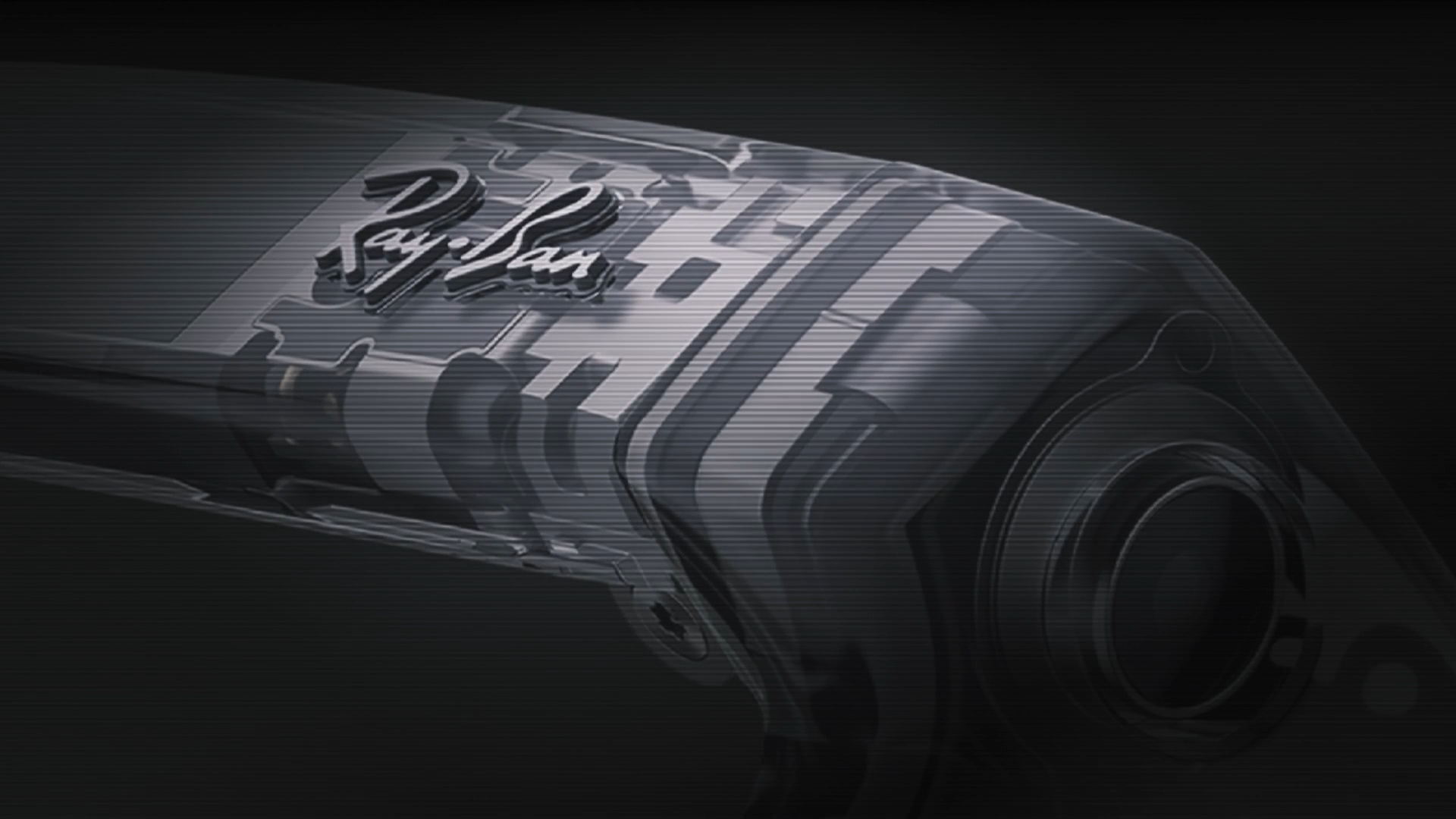
Rank 14265Meta is apparently working on glasses with always-on AIIt can recognize people's faces and remind you of things you forgetExisting glasses apparently have all the same sensors, but too small a battery for the feature to be worthwhile
Meta’s next smart glasses might always be watching with a new AI that can track everything you do.That’s according to a leak from The Information (behind a paywall), which details two pairs of specs the company is working on, according to insiders.Internally codenamed Aperol and Bellini, the two pairs of specs would feature a new live AI. You start it with a command phrase, like “Hey Meta, start live AI,” and the glasses would start recording your every move.This includes being able to recognize people with facial recognition, and to remind you of things like your house keys if the glasses saw you forgot them.
(Image credit: Meta)
The current Ray-Ban Meta smart glasses models are apparently already packed with the sensors they’d need to pull off this same feat of AI.Unfortunately, those familiar with Meta’s tests with the existing glasses have said the feature cuts their battery life to only 30 minutes, which isn’t ideal.Meta’s current focus is reportedly to have its in-development glasses – and a pair of Meta earbuds that will supposedly also boast cameras and super sensing software – run for hours on a single charge with this feature switched on.
(Image credit: Ray-Ban / Meta)
Always watching
In many ways, I can see the advantage of this always-live AI assistant. Anyone who has locked themselves out wishes they’d had a little software assistant reminding them to pick up their keys before they leave home.At the same time, it sounds like a privacy nightmare.People who point somewhat nervously at my Meta Ray-Ban glasses and ask, “Are those recording us right now?” always seem to relax when I show them they’re switched off or explain they only record when instructed, like if I say, “Hey Meta, take a picture.”Now, imagine I instead say, “Yeah, they’ve been recording you the whole time.” I imagine I’d lose a few teeth.The Information's report also suggests Meta has reworked its privacy and safety policy to speed up innovation, which, in conjunction with the huge amounts of data this live AI will collect, isn’t something that fills me with joy. Personally, this seems like the time to tighten your privacy policies to ensure sensitive data isn’t shared in a way it shouldn’t be.
I love my Ray-Ban smart glasses, but I'm not keen on an always-on AI (Image credit: Future)
I expect this AI would come with some of Meta’s existing safety features, such as the light on the glasses being on while you’re recording, and it is at least a feature you have to manually activate, but (call me old fashioned) I can’t imagine ever wanting a camera to record my every move.Others will probably feel similarly about these potential new always-on AI glasses. Just look at the backlash against Microsoft’s always-on AI feature, Recall – and that was an app that just took computer screenshots.As with all rumors, we’ll have to wait and see what Meta announces officially, but I’m hoping the final product isn’t anything as scary as it sounds right now.
You might also like
Meta announces a big change to its Quest 3 game subscription – but it remains as great a deal as everI took my Meta Quest 3 on a 3,000-mile flight so you don’t have to – here's what I learnedMark Zuckerberg confirms new Ray-Ban smart glasses are coming ‘later this year’ – here are the 3 pairs I think we’ll see
-

Picture from ichef.bbci.co.uk
Rank 14266 -

Picture from techcrunch.com
Rank 14267 -

Picture from techcrunch.com
Rank 14268 -

Picture from ichef.bbci.co.uk
Rank 14269 -
Picture from cdn.mos.cms.futurecdn.net
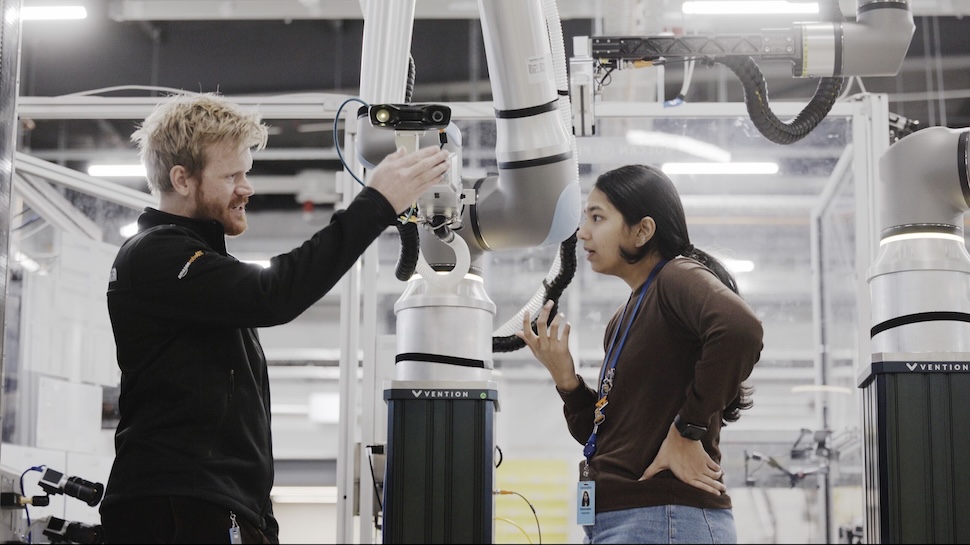
Rank 14270Amazon's latest warehouse robot can feel items that it handlesVulcan has already processed 500,000 orders in pilotsIt'll work alongside workers to boot efficiency and safety
Amazon has unveiled a brand-new warehouse robot that it's calling Vulcan, and it's a step closer to being human than many humans might feel comfortable with, but for good reason.Vulcan has the ability to 'feel' the objects it interacts with using force sensors and tactile feedback, which means Amazon can improve precision and reduce errors in its warehouses.The (thankfully not humanoid) robot uses two separate arms, one for rearranging items in compartments and another, equipped with a camera and suction cup, to be used for item retrieval.
Amazon Vulcan robot can "feel" objects
The company noted Vulcan was trained using physical data, including force and touch feedback, and it's already capable of picking about three-quarters of the ecommerce giant's inventory, having already processed over 500,000 orders in pilot deployments across Spokane, Washington and Hamburg, Germany.Vulcan is also capable of self-improvement, learning from experiences much like a human child would do.Because of this ability to learn combined with touch sensors and tactility, Amazon says Vulcan mimics human dexterity, allowing it to manipulate tightly packed compartments without damaging items.It's also able to identify when it cannot currently handle an item, calling on a human for assistance.Notably, in highly-stacked shelves and taller warehouses, Vulcan is able to access items more quickly than humans because it doesn't need to use a ladder, improving safety and efficiency. It's also said to work at speeds comparable to humans."Vulcan works alongside our employees, and the combination is better than either on their own," Amazon Robotics Director of Applied Science Aaron Parness explained.Amazon now has more than 750,000 robots already in use across its warehouses, which it stresses are there to support and collaborate with human workers rather than replace them. Other projects include Sparrow, Robin, Cardinal and Proteus – the company's first autonomous robot."Our vision is to scale this technology across our network, enhancing operational efficiency, improving workplace safety, and supporting our employees by reducing physically demanding tasks," Parness concluded.
You might also like
We've listed the best free website buildersTake payments online with the best payment gatewaysAmazon is spending billions to expand its delivery network across rural America
-

Picture from ichef.bbci.co.uk
Rank 14271 -
Picture from o.aolcdn.com
Rank 14272Nintendo is throwing some cold water on Switch 2 sales estimates even though launch demand seems to be off the charts. In its latest earnings report, the company projected sales of 15 million Switch 2 units in its first year on sale to March 2026, fewer than analyst predictions of 16.8 million. It didn't explain the number but it's likely due to uncertainty around US tariffs and the fact that Nintendo is usually cautious with its forecasts.
Switch 2 sales opened with a bang as resellers immediately sold out and the company said Nintendo Switch 2 pre orders may not arrive until after the June 5th launch. That shows there's a lot of pent-up demand for the new model following the Switch's eight year run, but last month Nintendo delayed pre-orders due to concerns over Trump's tariffs on electronic goods. Despite its fears (and buyer complaints about the $450 price tag), the company received 2.2 million applications for pre-orders in Japan alone, a number that Nintendo said "far exceeds our expectations."
Speaking to investors after the earnings report was released, Nintendo president Shuntaro Furakawa cautioned that US tariffs are one area the company does not have control over. According to Yahoo Japan, Furakawa explained that Nintendo's current policy is to recognize the tariffs as a cost, but if additional tariffs necessitate a price increase in the US then demand in the country may fall. He also highlighted that rising prices of daily expenses and food could negatively impact customers' budgets for games. At present, the company expects 45 million Switch 2 games to be sold through the financial year.
Nintendo has sold over 150 million Switch consoles to date, including 17.79 million in the first 13 months — so the Switch 2 is on a similar pace, even with the conservative estimates. In any case, it needs to have a great year as sales have fallen off a cliff (down 30.3 percent over last year), as one would expect with a new console imminent.
Update, May 8, 2:30PM ET: This story was updated after publish to include comments from Nintendo president Shuntaro Furakawa on the potential future impacts of tariffs on Switch sales.This article originally appeared on Engadget at https://www.engadget.com/gaming/nintendo/nintendos-switch-2-sales-forecast-predicts-15-million-consoles-in-its-first-fiscal-year-120044034.html?src=rss
-

Picture from techcrunch.com
Rank 14273 -

Picture from ichef.bbci.co.uk
Rank 14274 -

Picture from ichef.bbci.co.uk
Rank 14275 -

Picture from techcrunch.com
Rank 14276 -
Picture from techcrunch.com
Rank 14277 -
Picture from o.aolcdn.com
Rank 14278Instagram's Threads app began testing advertisements for its users at the start of this year, and the social platform is already ramping up its monetization efforts. Meta announced at IAB NewFronts that it will start testing video ads on Threads. The company didn't get specific about the size or scale of this preliminary test, but said that a "small number" of advertisers will trial 19:9 or 1:1 video ad creatives placed between typical posts in users' feeds.
At the NewFronts event, where social media companies can pitch themselves to advertisers, Meta also said that it is trying out a new ad option centered around Instagram Reels. It is developing Reels trending ads that will be shown next to some of the service's most popular videos.
Basically, Meta is following the same trajectory with its Instagram networks that it did with Facebook: making it less and less enjoyable to actually socialize with your connections.This article originally appeared on Engadget at https://www.engadget.com/social-media/meta-will-test-video-ads-on-threads-192213050.html?src=rss
-

Picture from ichef.bbci.co.uk
Rank 14279 -

Picture from ichef.bbci.co.uk
Rank 14280 -

Picture from ichef.bbci.co.uk
Rank 14281 -

Picture from ichef.bbci.co.uk
Rank 14282 -
Picture from o.aolcdn.com
Rank 14283It's getting down to the wire to snag a Mother's Day gift that will arrive on time. But luckily, as of this writing, more than a few of these gifts will arrive before Sunday for Amazon Prime members. Below, you'll find gift ideas we at Engadget think moms will appreciate long after a bouquet of flowers would have died. We've tried these gadgets and subscriptions ourselves, reviewing them for guides or otherwise using them in our everyday lives — so we know they're worthwhile. Be sure to double check shipping windows if you want something to arrive by Sunday. And for truly last-minute shopping, we also included a couple of subscriptions.
This article originally appeared on Engadget at https://www.engadget.com/the-best-last-minute-mothers-day-gift-gadgets-and-subscriptions-mom-will-love-131533691.html?src=rss
-

Picture from ichef.bbci.co.uk
Rank 14284 -

Picture from cdn.mos.cms.futurecdn.net
Rank 14285SZBOX S9 tablet handles 4K video and runs Windows 11 like a proIt looks small but packs some serious heat for work and multitaskingWith eight ports, this rugged tablet might outconnect your office desktop setup
A device with a tiny screen, small battery, and eight ports isn’t what you’d typically expect from a Windows 11 Pro machine, but here is the SZBOX S9, a rugged tablet that doubles as a fully functional mini PC.With its 7-inch touchscreen and modest 1280x800 resolution, the SZBOX S9 clearly isn’t aiming to be a media powerhouse.Instead, this business tablet finds its niche in utility, industrial, and mobile computing scenarios where space is limited but versatility is essential.
SZBOX offers both tablet and mini PC features
The internal specs are as surprising as the layout. It runs on an Intel N200 processor, built on a 10nm process, with four cores and a 3.7GHz boost clock.It comes with 16GB of LPDDR5 RAM and up to 1TB of SSD storage via M.2 2242 SATA or NVMe, impressive for such a small footprint.Integrated Intel UHD Graphics allow 4K video playback at up to 60fps, making it capable of media streaming and light editing tasks, and a rear kickstand makes tabletop use convenient.The 3400mAh battery doesn’t promise all-day life, rather the Windows tablet is designed for short bursts of productivity or continuous operation while plugged in.For connectivity, the SZBOX S9 offers a surprisingly rich selection: three USB-A 3.2 ports, one USB-A 2.0, two USB-C (one for charging and one full-function), HDMI 2.0, Gigabit Ethernet, and a 3.5mm headphone jack.This puts it in a unique category, rivaling some of the best AIO PC units in terms of I/O, despite being handheld. With Bluetooth 5.2 and Wi-Fi 6, it also meets modern wireless expectations.Although it ships with Windows 11 Pro out of the box, users are free to switch to Linux if needed.This peculiar but intriguing device is now available for $341 on Amazon.
You might also like
These are the best business laptops available to buy right nowAnd you should take a look at the best office chairs we've triedMajor US PC vendor hints at unannounced AMD EPYC 4005 mini PC being used in huge 35-units 42U racks
-

Picture from ichef.bbci.co.uk
Rank 14286 -
Picture from cdn.mos.cms.futurecdn.net
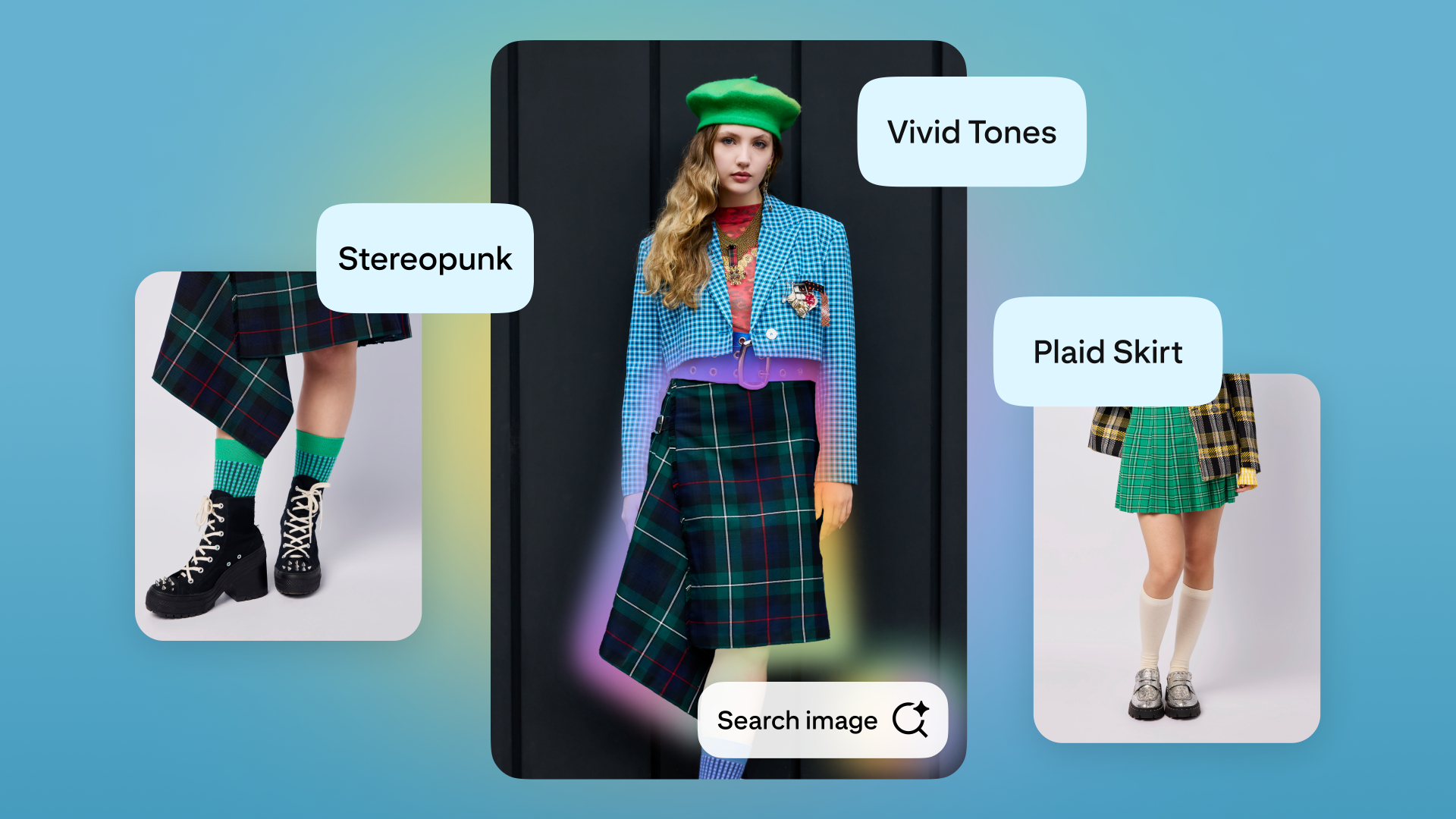
Rank 14287Pinterest has debuted a set of new AI-powered visual search toolsThe AI tools enable users to explore fashion by vibe, mood, or aestheticThe results are aimed at helping produce personalized shopping ideas
Pinterest has always been about visuals over text. Now, with the help of AI, you can figure out how to describe those visual inspirations and even get a chance to buy your favorite items, starting with women’s fashion.A growing number of Pins on Pinterest will have specific pieces of an outfit or aesthetic highlighted with a shimmering animated glow. Click on, say, the plaid skirt or the blue jacket, and Pinterest will show you some of the words to describe the item and help you find more like it without you needing a fashion dictionary.Pinterest is using generative AI and Visual Language Models (VLMs) for the new features. The VLMs essentially translate images into searchable terms, decoding your taste from an image and helping you shop for it. It's like a more nuanced reverse image search tool, one that can converse with you about your interest in vivid tones and stereopunk plaid.You’re not expected to describe your dream outfit with perfect vocabulary. You’re not expected to know what kind of tailoring makes a jacket “structured casual.” You just have to know that you liked that one look for its vibe. Pinterest takes it from there.“Our visual search technology represents a shift in how users interact with and discover inspiration,” Pinterest vice president of design Dana Cho said in a statement. “We're not simply delivering search results – we're curating a personalized journey of discovery that empowers individuals to find their unique style, and shop it too."
Pin AI
There are other new AI features as well, including a new refinement bar that lets you tweak results on the fly. For instance, if you like a look but want to change its color or styling, you can use the refinement bar to filter for them or other elements like fabric.And if you spot something you want to use to start a visual search from within the app, you just need to long-press on it. Pinterest says it plans to expand the AI tools beyond women’s fashion eventually, but it makes sense that it would start there when it's such a major facet of the platform.Pinterest's new tools don't mean it's entirely trusting of AI. The company has also begun adding new labels for AI-modified or AI-generated images and giving users the option to see fewer of them via topic filters. It’s a small but smart nod to the fact that inspiration is great, but that reality still matters when you're shopping for actual clothing.Still, it's an interesting approach to online shopping, and one that fits the way people shop in person by looking at clothes, not just describing them. The AI is like a personal shopper who understands most people rely on visual impressions and gut feelings to decide what to buy, rather than knowing stitch patterns and trend terms.
You might also like
Google’s AI Mode can explain what you’re seeing even if you can’tAmazon's new AI guides know what you want to buy before you doPerplexity AI's Comet browser will streak across the web this month
-
Picture from o.aolcdn.com
Rank 14288Nintendo's lawyers have killed another Palworld gameplay mechanic. Pocketpair issued a patch on Thursday that changes how gliding works in the cheeky "Pokémon with guns" satire.
You can still glide in Palworld, but you can no longer use your Pal to do so. Starting with patch v0.5.5, you can only soar with a boring, inanimate glider in your inventory. Although Glider Pals can still passively buff gliding, it's no longer as fun as flinging out the creature and using their aerodynamics to cross a ravine.
As you'd expect, Pocketpair's decision traces back to its legal defense. Nintendo and The Pokémon Company sued the developer in Japan last year, claiming Palworld infringes on multiple patents. Since then, Nintendo has filed a flurry of patent applications in the US in an apparent scheme to go global with its legal assault.
"We understand that this will be disappointing for many, just as it is for us," Pocketpair wrote. "But we hope our fans understand that these changes are necessary in order to prevent further disruptions to the development of Palworld."
Pocketpair
Today's update isn't the first to bork the game to try to stave off the Mario maker's legal barrage. In November, Palworld removed the ability to summon Pals by throwing Spheres, one of the game's more Pokémon-esque details. But gliding is a much less established Pokémon gameplay mechanic. On top of that, it's a common one in the industry, found in franchises as diverse as Far Cry, Fortnite and Batman: Arkham.
The lawsuit sparks fears that industry behemoths using the courts to snuff out smaller competitors will become more widespread. "Video game patent mechanics has to utterly die given how it's either abused by major companies to cripple any competition or utterly wasted like with the Nemesis system from Middle-earth games," u/DenseCalligrapher219 opined on Reddit.
Another way to view Nintendo's move is that it masks the stench of a stagnant franchise. "If Nintendo is going to sabotage other Pokémon-like games, the least they could do is get Game Freak to develop a Pokémon game that isn't garbage," wrote u/VacantThoughts. "The world's biggest franchise with the world's laziest half-ass devs."This article originally appeared on Engadget at https://www.engadget.com/gaming/nintendo/palworld-removes-pal-gliding-as-it-continues-its-legal-battle-with-nintendo-200644597.html?src=rss
-

Picture from cdn.mos.cms.futurecdn.net
Rank 14289Nearly 40% of IT workers admit to secretly using unauthorized generative AI toolsShadow AI is growing as training gaps and fear of layoffs fuel covert useAI tools used without oversight can leak sensitive data and bypass existing security protocols
As artificial intelligence becomes increasingly embedded in the workplace, organizations are struggling to manage its adoption responsibly, new research has said.A report by Ivanti has claimed the growing use of unauthorized AI tools in workplaces is raising concerns about deepening skill gaps and increasing security risks.Among IT workers, over a third (38%) admit to using unauthorized generative AI tools, while nearly half of office workers (46%) say some or all of the AI tools they rely on were not provided by their employers.
Some companies allow the use of AI
Interestingly, 44% of companies have integrated AI across departments, yet a large portion of employees are secretly using unauthorized tools due to insufficient training.One in three workers say they conceal their AI usage from management, often citing the “secret advantage” it provides.Some employees avoid disclosing their use of AI because they don’t want to be perceived as incompetent.With 27% reporting AI-fueled impostor syndrome and 30% worried their roles may be replaced, the disconnect is also contributing to anxiety and burnout.These behaviors point to a lack of trust and transparency, emphasizing the need for organizations to establish clear and inclusive AI usage policies.“Organizations should consider building a sustainable AI governance model, prioritizing transparency and tackling the complex challenge of AI-fueled imposter syndrome through reinvention,” said Ivanti’s Chief Legal Counsel, Brooke Johnson.The covert use of AI also poses a serious risk. Without proper oversight, unauthorized tools can leak data, bypass security protocols, and expose systems to attack, especially when used by administrators with elevated access.Organizations must respond not by cracking down, but by modernizing. This includes establishing inclusive AI policies and deploying secure infrastructure - starting with strong endpoint protection to detect rogue applications and ZTNA solutions to enforce strict access controls in distributed environments.Ivanti notes AI isn’t the problem; the real issues are unclear policies, weak security, and a lack of trust. If left unchecked, shadow AI could widen the skills gap, strain mental health, and compromise critical systems.
You might also like
Check out the best AI phones on the marketHere is our list of the best AI website builders on the webAfter AI, Nvidia wants to own a slice of that sweet trillion-dollar cybersecurity pie
-

Picture from techcrunch.com
Rank 14290 -
Picture from o.aolcdn.com
Rank 14291Threads will finally start giving users more visibility into when their accounts are penalized for breaking its rules. Meta is bringing its “Account Status” feature to Threads, which will enable people to see when the company has removed or demoted posts or handed out other penalties.
The change adds a layer of much-needed transparency to Threads, which already has a recommendation algorithm that can be hard for creators to understand. Earlier this year, Meta reversed course on whether it would recommend political content to Threads users after it tried to limit posts about elections and other “social” topics last year.
As on Instagram (and Facebook), Account Status allows Threads users to view “actions” Meta has taken against their account. It will indicate if a post has been removed, made less visible in other users’ feeds or deemed un-recommendable by Meta. It will also show if a user has been blocked from using certain features for breaking the platform’s rules.
If Meta has “actioned” your account for some reason, Account Status is also where you can request an appeal. The company says it will alert users once their report has been reviewed.
Account Status is starting to roll out now and is accessible from the “account” section in Threads’ settings menu.This article originally appeared on Engadget at https://www.engadget.com/social-media/threads-will-start-telling-users-when-their-posts-are-demoted-204628224.html?src=rss
-

Picture from techcrunch.com
Rank 14292 -

Picture from techcrunch.com
Rank 14293 -
Picture from cdn.mos.cms.futurecdn.net
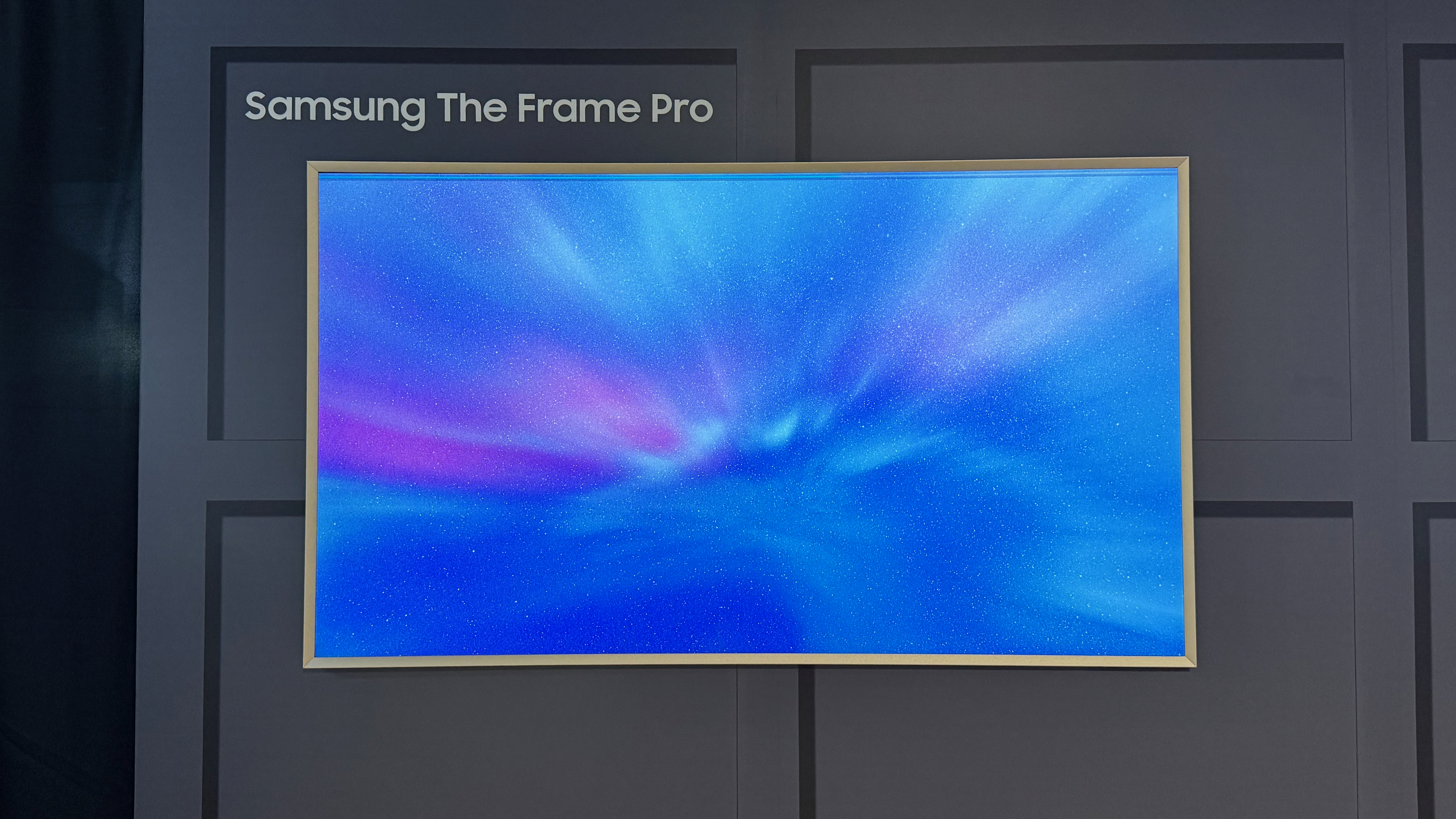
Rank 14294Samsung’s The Frame has long stood out from the list of the best TVs available for you to spend your hard-earned money on, basically since its inception. Not necessarily for its picture quality or the tech onboard, but more so due to the fact that it’s extremely aesthetically pleasing.When it’s off, it’s not a big, black rectangle on your wall or propped up on a cabinet – instead, it displays artwork or photos, and rather than a thick bezel around the screen, it’s wrapped in a bezel that makes it look like a picture frame.It’s been a winning combo, and with the screen gaining the same matte finish as the flagship Samsung S95D OLED TV in recent generations, works of art now look even more realistic as screen reflections are blocked.And that’s what makes The Frame Pro such an interesting addition to Samsung’s lineup – it replaces the larger-screen sizes of the standard Frame with much of the same feature set, plus offers two key upgrades.
The standard QLED screen is replaced with NeoQLED, which features Mini-LED backlighting, and there's now a Wireless One Connect box for wirelessly connecting sources. It’s an especially appealing upgrade for folks who already have a standard Frame TV and are after a better quality picture or those who have always been interested, but were waiting for the image quality to be kicked into a higher gear.It also keeps a premium price tag. Here’s how the Frame Pro breaks down by size:
65-inch The Frame Pro for $2,599.98 / £2,099 / AU$3,49975-inch The Frame Pro for $3,599.98 / £2,999 / AU$4,49985-inch The Frame Pro for $4,699.98 / £3,999 / AU$5,999
Even so, in typical Samsung fashion, it’s already discounted. The 65-inch is $2,199, the 75-inch is $3,199.99, and the 85-inch is $4,299.99.I’ve been using a 55-inch The Frame with the matte finish and a Disney metallic silver frame bezel for a few years as my bedroom TV, and after spending some time with the Frame Pro, here’s why I think it’s a significant upgrade over the original.
Disconnecting the One Connect Box is a bigger deal than it sounds
(Image credit: Jacob Krol/Future)
Part of the appeal of the Frame TV was that one cable connected to the TV itself, and it came from the external One Connect Box, which serves as a central hub for the HDMI, optical, and other ports, allowing you to more effortlessly, and effectively, cable manage your home entertainment setup.While the Frame Pro still requires a power cable, albeit a thinner one, that’s the only connection you’ll make anywhere near the TV. The One Connect Box is wireless, and a good bit slimmer, and can be placed up to 30 feet away from the TV itself. This infinitely frees up placement options for the Frame Pro – either on the included stand or mounted using the included bracket – and it doesn’t mean any shortcoming for picture quality. It can stream up to a 4K resolution picture at up to 120Hz refresh rate as long as it’s within 30 feet of the Frame Pro.
(Image credit: Future/Jacob Krol)
The new box itself takes up considerably less space than the previous One Connect Box, as well, meaning it should be easier to find a spot, and you get the freedom of placement. I have a feeling many folks with a current Frame TV will be jealous of the wireless box, though Samsung has made it clear that it is exclusive to the Pro.
The jump to NeoQLED should be a big one, and it looked sharp in early testing
(Image credit: Jacob Krol/Future)
Now, I only spent about an hour with the Frame Pro, and unfortunately, it wasn’t alongside the standard Frame but instead a competing model – likely Hisense’s Art TV. Even though I couldn’t do any side-by-side comparisons, the NeoQLED upgrade is noticeable on its own, just as it was when I saw it at CES 2025.The Frame Pro delivered excellent picture quality with high brightness and popping colors in some tests. Future Labs also conducted some early benchmarking and found that it reached 1,000 nits of brightness at its peak, which is 400 nits over the standard Frame’s brightness.Samsung’s testing room was pretty dim, and the Frame Pro got quite bright. It was great for some test content, ranging from YouTube videos of varying quality levels to Netflix shows.It’s a much more solid TV overall, with better hardware to deliver stronger contrast and more vivid color. I really look forward to spending more time with the Frame Pro, which also provides a bit more value within the Frame lineup.The Frame, now Frame Pro, has always cost more than Samsung’s core QLED TVs and was priced at the same level or more than some NeoQLED models, so having a much-improved display type is a delight here.
It’s still a great-looking TV that does the not-a-TV trick
(Image credit: Jacob Krol/Future)
The Frame has always been the most aesthetically pleasing TV, and the Frame Pro takes this up a notch. It still displays art very well with great detail and realism. Especially if you pay extra to wrap the Frame Pro in the frame bezel, which completes the look.I ran through more than a dozen pieces of artwork, all available from Samsung’s Art Store, which is built into the TV and costs extra ($4.99 a month or $49.99 a year in the United States). All looked particularly sharp and vivid… well, at least if that’s how the artist intended it.And to keep the realistic approach, so you might do a double-take, Samsung switches off local dimming and 120Hz display so as not to up the brightness too much when in Art Mode. This can also help with energy consumption.All in all, the Samsung Frame Pro is still one to watch. If you’ve been waiting for a substantial upgrade to the Frame, this is the tech giant’s answer. It’s more than the equivalent leapfrog of when Samsung added the matte, anti-reflection coating.Plus, that Wireless One Connect Box will make finding a home for the Frame Pro a little less challenging. The only downside would be the limited sizing for the Frame Pro – anything smaller than a 65-inch, and to get the Frame effect, you'll need to be alright with the standard QLED picture and a hardwired One Connect Box, but at least you'll get a boosted refresh rate as well.
You might also like
I'm very impressed with the Samsung S95F's anti-glare technology, but I'm far more excited for the other TVs of 2025 – here's whySamsung’s Ballie robot companion still comes in yellow, but has more AI and a promised 2025 launchIs the Galaxy S25 Edge ready for its debut? Samsung sets May 12 for virtual Galaxy Unpacked
-
Picture from o.aolcdn.com
Rank 14295CEO and founder of Celsius Network Alex Mashinsky has been sentenced to 12 years in prison by a US District Court. Celsius Network held about $25 billion in assets at its height, but was one of the many cryptocurrency operations to fail during 2022. Prosecutors were seeking two decades for Mashinsky, claiming he defrauded and misled customers about the status of his company's CEL token.
"His crimes were not the product of negligence, naivete, or bad luck," the attorneys said. "They were the result of deliberate, calculated decisions to lie, deceive, and steal in pursuit of personal fortune."
After an initial not-guilty plea to seven criminal counts, the former cryptocurrency leader pled guilty to two of the fraud charges in December. As part of his plea deal, Mashinsky agreed not to appeal any sentence of 30 years or less.This article originally appeared on Engadget at https://www.engadget.com/big-tech/celsius-ceo-alex-mashinsky-sentenced-to-12-years-for-crypto-fraud-210415388.html?src=rss
-

Picture from ichef.bbci.co.uk
Rank 14296 -

Picture from ichef.bbci.co.uk
Rank 14297 -

Picture from techcrunch.com
Rank 14298 -
Picture from o.aolcdn.com
Rank 14299If you purchased an Apple device in the last 10 years, you might be able to receive some of the money from the company's recently settled spying lawsuit. The original lawsuit claimed Apple was capturing sensitive information with its Siri voice assistant without users' consent, and sending it to third-party contractors. The company agreed to settle the case for $95 million in January 2025, and thanks to the new landing page for the settlement, there's now a way to file a claim on your own.
To file a claim, you you need to have bought an "iPhone, iPad, Apple Watch, MacBook, iMac, HomePod, iPod touch or Apple TV" between September 17, 2014 and December 31, 2024, and believe Siri accidentally activated on your device during a private conversation. From the $95 million Apple is paying out, you can receive up to $20 per device you believe called up Siri, provided you swear under oath it happened.
You have until July 2, 2025 to file your claim. If you qualify for the settlement, you may have already been notified with information on your Claim Identification Number and Claim Confirmation Code. If you haven't received either but believe the settlement applies, you're free to submit a claim on your own.
Apple claims that Siri was designed with protecting users' privacy in mind, and agreeing to share data to improve the voice assistant — through your device's Privacy & Security settings — never uses audio recordings or transcripts for anything other than training. In the case of newer devices, voice data is processed locally anyway, so agreeing to share your data is supposed to be the only way Apple could ever access it.
Given the growing focus on AI, and the large amounts of data needed to train it, there's good reason to be skeptical about where companies are getting their training material. Apple prefers to get its customers consent, but the company has turned to new sources to help its AI research along. For example, Apple recently disclosed that it will start using the images captured for its Street View-esque feature in Apple Maps to train its models.This article originally appeared on Engadget at https://www.engadget.com/big-tech/you-can-now-claim-your-piece-of-apples-95-million-siri-privacy-settlement-213020351.html?src=rss
-

Picture from techcrunch.com
Rank 14300