News
This constantly updated list features the latest and most important news articles, ranked in order of significance. The top stories highlight major developments, breaking news, and critical updates across various topics, ensuring you stay informed about the most pressing issues. As new articles are added, the list adapts to reflect the latest priorities, keeping the most impactful stories at the forefront. Whether it’s global events, technology breakthroughs, or industry trends, this dynamic list ensures you always have access to the most relevant and timely information.
-

Picture from ichef.bbci.co.uk
Rank 12551 -
Picture from cdn.mos.cms.futurecdn.net
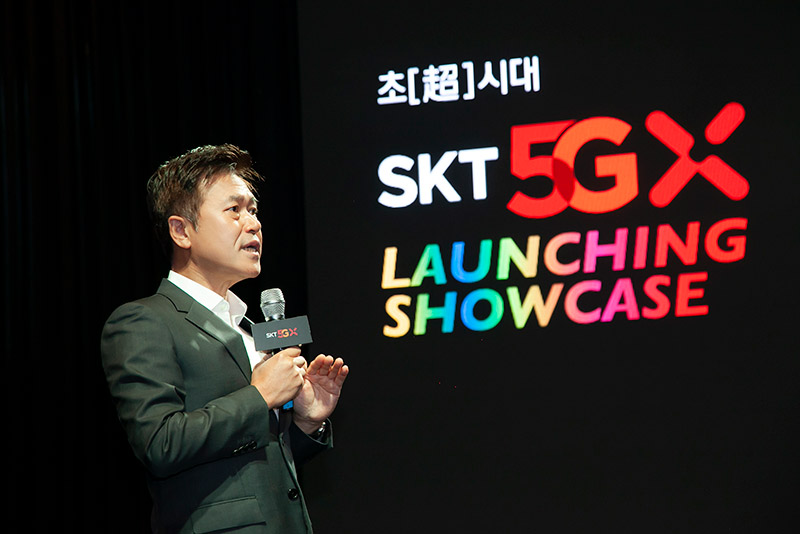
Rank 12552SK Telecom is now giving away replacement SIM cardsEarlier in April, it suffered a malware infection in which crooks stole USIM data25 million customers are eligible, but just 6 million will be serviced in May
South Korea’s number one telecommunications provider, SK Telecom, is giving away free SIM cards to 25 million of its customers, after the recent USIM cyberattack. However, due to logistics challenges, it won’t be able to service everyone that fast.Earlier in April, news broke that SK Telecom suffered a malware infection through which threat actors tried to grab customer USIM information. The attack allegedly happened in mid-April 2025, at night between Saturday and Sunday, when most employees were away for the weekend.A USIM (Universal Subscriber Identity Module) is the successor of the old SIM card. It’s used in 3G, 4G, and 5G mobile networks and is found in most devices with cellular connectivity.
Booking a slot online
At its core, a USIM authenticates the device’s identity on a network, stores subscriber data (International Mobile Subscriber Identity, authentication keys, contacts, and sometimes text messages), encrypts the information passing through, and enables secure access to mobile services such as calls, data, or texts.A cybercriminal could use the data to clone the SIM, track people’s location, bypass app security, or eavesdrop on communications.While the investigation is still ongoing and the number of affected individuals is yet to be determined, SK Telecom announced offering replacement SIM cards to 25 million mobile subscribers, including some two million spilled over from budget carriers. However, it won’t have more than six million units throughout May 2025, which is why the company urged users to book a slot online:“SK Telecom has blocked the misuse of SIM information with its FDS and SIM protection services, but it still offers a free service for customers who want to replace their SIM card,” reads the machine-translated announcement. “Currently, we have 1 million USIMs, and we plan to secure an additional 5 million SIMs by the end of May. However, it is expected that there will be a large number of customers at once, so please check in advance through the online reservation application system.”Via BleepingComputer
You might also like
SK Telecom reveals cyberattack, customer USIM data stolen could be used in attacksTake a look at our guide to the best authenticator appWe've rounded up the best password managers
-
Picture from cdn.mos.cms.futurecdn.net
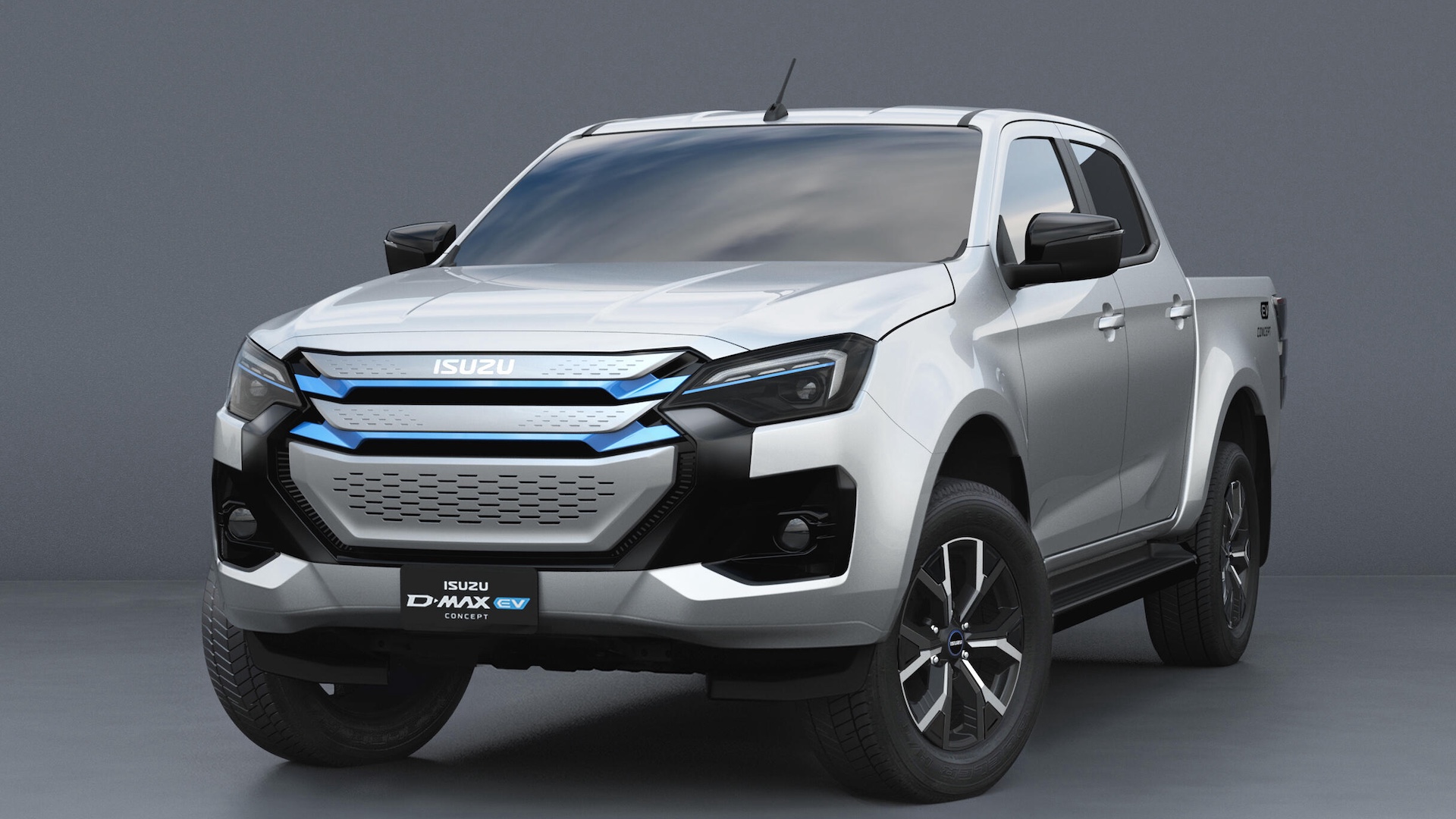
Rank 12553Last week, news broke that the Amazon-backed Slate Auto project would begin production of its cut-price electric pick-up next year, but the company isn’t alone.While pricing is still to be determined, Isuzu – arguably one of the most iconic names in commercial vehicles – has said that it will release an electric version of its D-Max pick-up truck in 2026.Although its range is startlingly sparse in some markets (only the D-Max is now sold in the UK, for example), the company enjoys success in Asia, including its domestic market of Japan, Thailand and others, where solid, reliable trucks are essential to daily life.The D-Max EV joins the likes of KGM’s (formerly SsangYong) electrified Musso, the Maxus eTerron 9, the upcoming BYD Shark and a raft of cheap electrified pick-up trucks that could soon make their way from China.While the likes of Ford and Chevrolet experienced relatively slow sales of electric pick-ups, the market could soon become the next hotly-contested EV battleground for global manufacturers.Towing, hauling and off-road performance have typically proven barriers to entry for this body style, but Isuzu claims its EV is on a par with the diesel option it also offers: it can carry more than 1,000kg in the bed, tow 3,500kg and accelerate from 0-62mph in 10.1 seconds.The 66.9kWh battery pack is located under the floor and the EV version uses the same ladder chassis as the existing truck. Although here, Isuzu adds permanent four-wheel drive with a motor at the front and rear axles.According to the marque, off-road performance isn’t affected by the electrified powertrain, with a hefty 210mm of ground clearance and a wading depth of up to 600mm. There are also steep approach and departure angles for when the terrain gets tough.
Pick up a bargain
(Image credit: Slate Auto)
Isuzu hasn’t revealed an official price for the D-Max EV, but we would expect it to be substantially more than the circa $53,000 / £40,000 / AU$84,000 it currently charges for a diesel-powered version.This puts it in the firing line of the Ford F-150 Lightning, which offers an EV range of 230 miles in the most basic variants. Isuzu, on the other hand, says its truck manages around 163 miles on a single charge.As we have seen with various electric pick-ups, including the Tesla Cybertruck, hauling or towing loads has a big impact on electric range which, for many, is already too tight for daily use cases.Slate Auto has been honest about battery range and the very basic nature of its upcoming model, but the upshot is that it looks set to be truly affordable. Those trucks offered by Ford, Chevrolet, Rivian, Tesla and now Isuzu are still likely too expensive for many, given the compromises.But electric commercial vehicles are rapidly growing in popularity, as the technology is improving and many governments continue to incentivize their use for environmental reasons.According to one report, the global electric truck market is set to reach a valuation of $78 billion by the end of 2033, up from a $19.5 billion valuation in 2023.With a host of cheaper, electric models due to arrive from China in the coming years, as well as those from more established Western brands, the electric pick-up market could well be the next hotly-contested battleground for sales.
You might also like
Mercedes' new steer-by-wire tech is the next big EV trend – and I'll begrudgingly accept that it's the futureThe Citroen Ami sheds its doors and roof for one of the simplest and cheapest EV experiences aroundFord slams the brakes on its pure EV plans – and is taking the hybrid road instead
-

Picture from techcrunch.com
Rank 12554 -

Picture from ichef.bbci.co.uk
Rank 12555 -
Picture from cdn.mos.cms.futurecdn.net
Rank 12556YouTube has rolled out some new improvements for smart TVs and consolesThey include several new sections to help you find videos and musicThis follows news of a bigger redesign due to roll out "this summer"
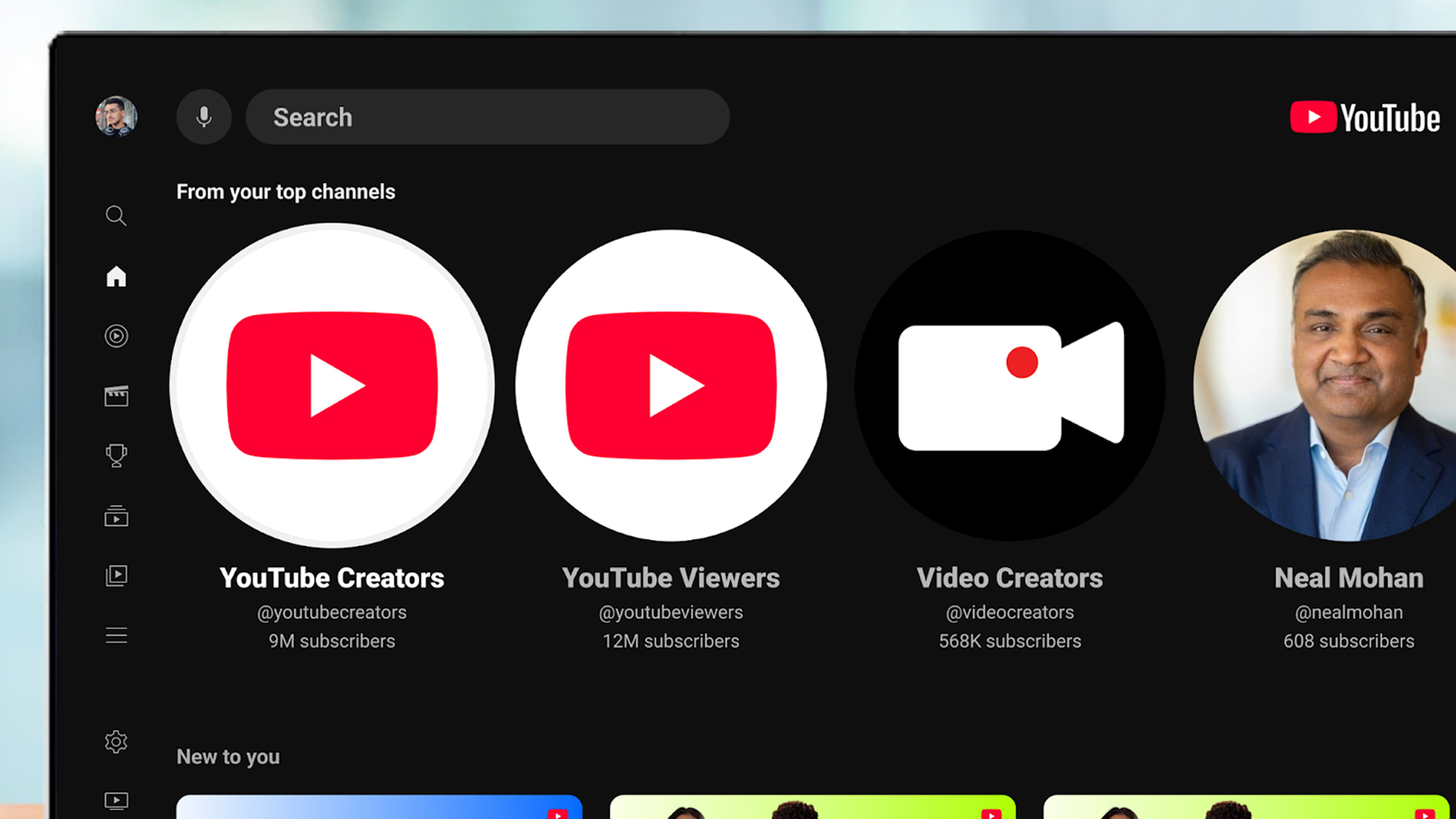
YouTube is committed to polishing its smart TV experience in a big way this year – and the first signs of its efforts are rolling out now for its app on both TVs and game consoles.As Google announced in a new YouTube support post, there are nine new UI tweaks that are designed to help you find shows, podcasts, and live music. While they're not quite as big as the promised redesign of YouTube's TV experience, they should help save you time and effort when navigating the slightly dated app.Firstly, there's a new 'Continue your search' section on the home screen, which will apparently display your top three searches. That sounds handy considering the search experience on TVs can be pretty inconsistent and laborious.Other new home screen sections (which YouTube refers to as 'shelves', for some reason) include 'Listen again' (showing you the top songs you've searched for) and a handy new one called 'Live performances, remixes and covers'.As someone who regularly digs into YouTube's treasure trove of obscure live performances, I can see myself using that quite a bit.Another new section includes one for 'Primetime channels', where you can see the channels you've subscribed to, like Paramount+, Showtime, Starz, or DAZN in one place. It seems the lines between YouTube and YouTube TV, its cable replacement service in the US, could soon start to blur further.The final new 'shelf' (or section) might be the most useful, as you can see in the image above, the 'From your top channels' section provides some shortcuts to your most-watched YouTube channels. That should mean less time hunting in the slightly annoying subscriptions section.
(Image credit: YouTube / Google)
Outside of those new sections, arguably the biggest arrival is a new Podcasts tab. In February, YouTube noted that it is now the most popular service for listening to podcasts in the US (according to Edison Research), so this feature certainly makes sense.Another promising upgrade is that YouTube has now split its more mobile-friendly Shorts from its longer-form videos. There'll now be a 'Shorts Row' in your 'Watch Next' feed, plus a dedicated Shorts section in your Subscriptions tab.It isn't yet clear if this means you'll now never see Shorts in your subscriptions feed (something I'd be happy with), but either way, it should make the experience feel cleaner.If you like your videos to play on repeat, it's also now possible to loop all on-demand videos on YouTube – a feature that was previously only available for playlists. To do that, head into the Playback Settings menu and choose the 'loop' setting.The final UI tweak in this round of updates is that 'inline previews' (the little video teasers you see when hovering over a video thumbnail) have now been expanded to pages for channels, subscriptions, and topics.That feature will likely divide opinion, so it could prove the most controversial of this otherwise positive step forward for YouTube's TV experience.This update should roll out soon for the YouTube app on your Smart TV or gaming console, or by the end of this quarter in June. I haven't received it on my Apple TV box yet, but it will hopefully be available on streaming boxes soon as well.
What else is coming?
(Image credit: Google)
Last week, YouTube celebrated its 20th birthday by teasing a redesign of its TV experience, which is apparently coming "this summer" (or by the end of September).It didn't expand much on specifics, but released the preview image above and promised "easier navigation" alongside "streamlined access to comments, channel info, and subscribing."These upgrades appear to be focused more on the playback experience than the new homescreen improvements, but are certainly welcome too. The big question is whether we'll also see other 'upgrades' like 'pause ads' sneakily added to the mix alongside the broader redesign.We'll have to wait until later in the year to see, but with a new "second screen experience" that lets you use your smartphone to interact with the videos you're watching, also coming later this year, it's clear that YouTube on smart TVs is changing – and mostly for the better.
You might also like
YouTube’s new TV app redesign looks promising, but I hope it fixes this annoying subscriptions problem20 years of YouTube - here are 20 of our all-time favorite memes and momentsYou are the way you are because of YouTube – 20 years of a life-altering platform
-

Picture from techcrunch.com
Rank 12557 -

Picture from techcrunch.com
Rank 12558 -
Picture from o.aolcdn.com
Rank 12559With the Nintendo Switch 2 Direct showcase behind us, we now know more about the console than ever before, including its release date (June 5) and price ($450). We're also keeping a close eye on how the recently-announced tariffs in the United States are affecting Nintendo's launch plans. Pre-orders in the US and Canada are now set to start on April 24.
Thanks to Nintendo's January 16 teaser trailer, we've long known what the Switch 2 will look like, and that it will arrive in 2025 — over eight years after its predecessor. The Nintendo Switch 2 looks very similar to the original system, albeit with a larger display, magnetic Joy-Cons and a sleeker design. The upcoming console will be backwards compatible with Switch games.
Looking to catch up on everything we know about the Switch 2? Read on.
What are the key new features of the Nintendo Switch 2?
Display and dock
The Nintendo Switch 2 has a 1080p 7.9-inch display with a 120Hz refresh and HDR compatibility. It also supports up to 4K output at 120Hz (with variable refresh rates) when docked.
Joy-Con and Pro Controller
The new Joy-Con 2 for Nintendo Switch 2 attaches magnetically with a button to release them. They have larger SL and SR buttons (the ones hidden when the Joy-Con are attached) to make playing multiplayer games on individual Joy-Cons more feasible. These buttons are also made of steel and attach to the Switch 2's magnets.
The analog sticks are no longer tiny nubs, and are closer in size to the ones you might find on a PS5 or Xbox controller. However, they do not have Hall effect sensors, the use of which can minimize the risk of the "stick drift" issue that plagued the original Joy-Cons.
The Joy-Con 2 have what Nintendo is calling “HD Rumble 2” built in, which seems to be a refinement of the original (and still very good) vibration function. Finally, each Joy-Con 2 has an optical sensor that allows you to use it as a mouse, and a C button, which we’ll get to in a minute.
Nintendo
The new Pro Controller for the Nintendo Switch 2 comes with everything you’d expect based on the refreshed Joy-Con 2: Namely HD Rumble 2 and the C button. There are also remappable GL/GR buttons around the back and a standard audio jack for connecting a headset.
Both options come with Amiibo support built in. The Switch 2 comes with two Joy-Con 2, as you’d expect, and additional pairs are priced at $95. The Pro Controller will cost $85.
The C button stands for "chat"
The new C button is a dedicated way to enter a chat session with friends. As well as the standard features you’d expect from voice chat, Nintendo has built a Discord-like video-sharing feature, which lets you show your gameplay to others and see other people’s screens while you’re playing.
The GameChat function works with a mic built into the console, though headsets are also supported. Nintendo will also sell a $55 camera that plugs into the USB-C port on the top of the console, which will allow you to stream your face along with your game.
Nintendo
GameCube support
The Switch 2 will work with GameCube games via the Nintendo Switch Online Expansion Pack. The three titles available at launch will be F-Zero GX, The Legend of Zelda: The Wind Waker and Soul Calibur II.
Improved specs
Perhaps the biggest feature, though, is one you can’t see: The Switch 2 has an all-new processor and GPU and significantly more storage (256GB vs 64GB in the Switch OLED), along with support for faster and more capacious microSD cards. This will obviously lead to better first-party games and upgraded Switch experiences, but more importantly it will mean multi-platform games that had to skip the original, underpowered Switch will be able to be ported over. With games like Cyberpunk 2077 coming to the Switch 2 at launch, it seems like far more ports will be feasible than on the original console.
Another major improvement comes in the form of networking — the Switch 2 supports Wi-Fi 6, which will improve the original's often glacial download speeds. Similarly, the new dock sports an Ethernet port for a rock-solid connection.
What's it like to play?
Nintendo gave the press a chance to check out the Switch 2 and a few of the games it highlighted. You can read our impressions of Mario Kart World as well as more general thoughts on how the Switch 2 feels in person. Right off the bat, Mario Kart World feels like an outstanding launch title, with more depth and better visuals than we've ever seen from a Mario Kart game. The core formula is intact, but there are a lot of new features and play styles to dig into.
As for the Switch 2 hardware, it feels like a major step forward from the original Switch — it has grown up a lot and feels far more polished and refined. And while it may not have an OLED screen, the 7.9-inch LED display Nintendo did use is outstanding.
When will the Nintendo Switch 2 come out?
June 5, 2025.
When do pre-orders open for Nintendo Switch 2?
Switch 2 pre-orders were initially set to begin on April 9, but the following week, Nintendo said it was suspending pre-order plans in the US "indefinitely" in reaction to a slate of tariffs imposed by President Trump.
Finally, when pre-orders opened on April 24, a hot mess ensued. Those who stayed up late trying to snag a Switch 2 were often left empty-handed as Walmart, Best Buy and Target’s websites weren’t fully equipped for the demand. Many customers were left with unmoving queues and error messages — a familiar process for many who’ve tried to pre-order a hot gaming or tech product in recent years. (Folks who pre-ordered a PS5 during the pandemic caught the nastiest case of deja vu.)
No retailers are currently taking Switch 2 pre-orders. Although there’s always the chance one will drop an unexpected stock refresh, your best option right now is to register your interest with Nintendo. That may not lead to a launch-day console, as Nintendo has warned, but it won’t likely be a crazy delay like those familiar to GPU buyers. And if your Nintendo cred ticks the right boxes (you have been subscribed to Switch Online for at least 12 months, have opted in to share gameplay data, and have at least 50 total gameplay hours), your odds will improve.
Costco is a dark-horse candidate for day-one availability. The retailer doesn’t appear to have taken any Switch 2 pre-orders, but a product listing claims it will have Mario Kart World console bundles in stock on launch day.
In any case, Nintendo says the console’s June 5 release date is unchanged.
How much will the Nintendo Switch 2 cost?
On April 2, Nintendo announced that the Switch 2 would cost $450 standalone, or $500 with a bundled digital copy of the new Mario Kart game, Mario Kart World. That’s significantly more expensive than the original Switch, which launched at $300, and has remained at that price ever since. It’s also more expensive than the entry-level current-gen consoles from Sony and Microsoft.
The comparison looks a little better up against Valve’s Steam Deck, which costs $400 for the LCD model or $550 for the basic OLED model. The Steam Deck is more affordable than most PC handhelds.
When Nintendo delayed the pre-orders from the original date of April 9, it said it was doing so "in order to assess the potential impact of tariffs and evolving market conditions." With heavy US tariffs levied on Nintendo's Asian production centers, the implication was that would have little choice but to pass at least some of those costs on to American consumers. But Trump's April 9 tariff pivot — reverting to 10 percent across the board for 90 days for all countries except China, which now gets a triple-digit hit — further muddied the waters. That's because it's unclear how much, if any, of the components and assembly of US-bound Switch 2 consoles will originate in China.
The administration exempted some electronics from reciprocal tariffs, but they'll soon be subject to new levies on semiconductors. Some analysts suggest that Nintendo will be selling consoles at a loss in the US with even a 10 percent tariff.
Nevertheless, the company is keeping the price of the Switch 2 at $450 and the Mario Kart World bundle at $450. However, it noted that it had to increase the prices of Switch 2 accessories "due to changing market conditions" and added that other price modifications may occur in the future for a similar reason.
How much do the Nintendo Switch 2 accessories cost?
When Nintendo announced the rescheduled Switch 2 pre-order date for the US and Canada, it confirmed price increases for many of the console's accessories. The current US prices for the accessories are as follows:
Nintendo Switch 2 Pro Controller — $85
Joy-Con 2 Pair — $95
Joy-Con 2 Charging Grip — $40
Joy-Con 2 Strap — $14
Joy-Con 2 Wheel Set — $25
Nintendo Switch 2 Camera — $55
Nintendo Switch 2 Dock Set — $120
Nintendo Switch 2 Carrying Case & Screen Protector — $40
Nintendo Switch 2 All-In-One Carrying Case — $85
Nintendo Switch 2 AC Adapter — $35
Samsung microSD Express Card – 256GB for Nintendo Switch 2 — $60
The price of the Joy-Con 2 strap has gone up by $1, but the prices of other products have risen by between $5 and $10, with the dock set getting the larger increase. Thankfully, your Nintendo Switch 2 will come with a dock. Nintendo also released a list of accessory prices for Canada.
How long will the Switch 2's battery last?
Nintendo says that the Switch 2 will last between 2 and 6.5 hours on a single charge. This is similar to the original Switch, which was rated for 2.5-6.5 hours, though later revisions upped that figure significantly. The company cautions that "this time is an estimate ... battery life will depend on the games you play and usage conditions."
When can I try the Nintendo Switch 2?
Nintendo is hosting a worldwide roadshow to let gamers go hands-on with the console. These events started in New York and Paris on April 4-6, with others taking place throughout the following two months.
Ticket registration for many of the Nintendo Switch 2 Experience events has closed, but waitlists are available. However, given that Nintendo is taking a first come, first served approach, your chances of attending the roadshow if you don't already have a ticket (or unless you signed up for the waitlist immediately) seem very small at this point.
The full list of Nintendo Switch 2 Experience dates is as follows:
North America:
New York, April 4-6, 2025
Los Angeles, April 11-13, 2025
Dallas, April 25-27, 2025
Toronto, April 25-27, 2025
Europe:
Paris, April 4-6, 2025
London, April 11-13, 2025
Milan, April 25-27, 2025
Berlin, April 25-27, 2025
Madrid, May 9-11, 2025
Amsterdam, May 9-11, 2025
Oceania:
Melbourne, May 10-11, 2025
Asia:
Tokyo (Makuhari), April 26-27, 2025
Seoul, May 31-June 1, 2025
Hong Kong, To be announced
Taipei, To be announced
Is the Nintendo Switch 2 backwards compatible?
Nintendo confirmed in November 2024 that the Nintendo Switch 2 will be backwards compatible. It will also feature access to Nintendo Online, so users will be able to play all of those old retro titles.
In the initial Nintendo Switch 2 press release, Nintendo reiterated that physical and digital Switch games will work on the new system. However, it noted that "certain Nintendo Switch games may not be supported on or fully compatible with Nintendo Switch 2." We now have more information on which games are working thanks to a guide Nintendo put together.
Nintendo's software compatibility chart on April 2, 2025.Nintendo
As of April 1, the vast majority of Switch 2 games are marked as compatible, but many popular games are said to have some issues. Nintendo has marked most of these as “under investigation,” suggesting a fix may be on the way in time for launch. Nintendo says it is manually testing every Switch game for compatibility.
Only one title is marked as incompatible: Nintendo Labo Toy-Con 04: VR Kit. This was part of Nintendo’s Labo range of games that worked with Cardboard accessories, and is incompatible as the Switch 2 doesn’t physically fit in the VR headset.
Will old games be enhanced in any way?
The original Switch has, to put it mildly, struggled to run some of the late-generation software that's come down the pike. Could these games be enhanced to take advantage of the increased horsepower of the Switch 2? That’s unclear. In an “Ask the Developer” page on its site, Nintendo says that old games are working through a real-time translation system, which sounds similar to how Rosetta allows modern Macs to run old software. With that said, the new and old Switch are much closer in hardware than that.
In the same developer interview, it’s said that in its testing of old games for compatibility, there were some occasions “where loading times became faster, or game performance became more stable,” but we don’t have any detail beyond that.
As well as backward compatibility, Nintendo is also offering up premium "Switch 2 Edition" upgrades for a select few games. These have improved resolutions and frame rates, and (in some cases) bonus features and content. What exactly that means will vary, but Nintendo did confirm that Metroid Prime 4: Beyond will have 4K/60 fps and 1080p/120 fps options on the Switch 2.
Games confirmed to have a Switch 2 Edition to date include:
Super Mario Party Jamboree
The Legend of Zelda: Breath of the Wild
The Legend of Zelda: Tears of the Kingdom
Kirby and the Forgotten Land
Pokémon Legends: Z-A
Metroid Prime 4: Beyond
In the case of the two mainline Zelda games, those upgrades will be included with a Switch Online + Expansion Pack membership or cost $10 each. Upgrades for the other games are also paid, but Nintendo has not said how much those will cost.
What will the cartridges taste like?
You may remember that the original Switch cartridges taste absolutely awful. This was on purpose, to discourage folks from putting the games in their mouth.
Similarly, the Switch 2 carts are also said to taste terrible, in large part to stop children or pets from accidentally ingesting them. It is not yet clear what substance Nintendo has coated the Switch 2 cartridges in to make them taste foul, but Nintendo's Takuhiro Dohta advised against licking them all the same.
"We don't want anybody to be at risk of any unwanted consumption," he told GameSpot. "We have indeed made it so that if it enters your mouth, you'll spit it out."
What are the launch games?
We expect this list to change substantially over the coming weeks and months, but the titles currently confirmed to be available on day one follow:
Arcade Archives 2 Ridge Racer
Bravely Default: Flying Fairy HD Remaster
Cyberpunk 2077
Deltarune
Fast Fusion
Fortnite
Hitman: World of Assassination
Hogwarts Legacy
Kunitsu-Gami: Path of the Goddess
Mario Kart World
Nintendo Switch 2 Welcome Tour
Puyo Puyo Tetris 2S
Split Fiction
Street Fighter 6
Survival Kids
Yakuza 0: Director's Cut
That's everything we know about the Nintendo Switch 2 today. We'll update this article with any information we can gather directly from sources. Any changes made to the article after its initial publishing will be listed below.
Update, January 24, 2025, 12:36 PM ET: This story has been updated to include speculation about price, potential game enhancements and the taste of cartridges.
Update, February 5, 2025, 9:30AM ET: This story has been updated to note the time when the April 2 Nintendo Direct starts.
Update, February 24, 2025, 12:30 PM ET: This story has been updated to include speculation about storage and information about the new microSD Express standard.
Update, March 6, 2025, 2:30PM ET: This story has been updated to note recent FCC filings to indicate the presence of Wi-Fi 6 and NFC support.
Update, March 14, 2025, 12:15PM ET: This story has been updated to include pricing and sales speculation from analysts.
Update, March 20, 2025, 12:45PM ET: Updated to include a note about the Seattle Mariners new jersey patches featuring Nintendo and the Switch 2.
Update, March 27, 2025, 3:50PM ET: Updated to add details about the C button, Nintendo Today! and Virtual Game Cards.
Update, April 1, 2025, 10:16AM ET: Updated to add link to livestream and details on its length.
Update, April 2, 2025, 4:40PM ET: Added details from the April 2 Nintendo Direct event, including specifications, price, release date and launch titles.
Update, April 4, 2025, 11:17AM ET: Added details about pre-orders being put on hold.
Update, April 7, 2025, 1:56PM ET: Added details about the Switch 2 cartridges still (reportedly) tasting terrible, the lack of Hall effect sensors in the controllers and game upgrade pricing.
Update, April 9, 2025, 5:41PM ET: Added context on how the changing rules on the Trump tariffs may or may not affect Switch 2 pricing in the US.
Update, April 11, 2025, 7:11PM ET: Re-affirmed that May 8 is when Nintendo is confirming the first batch of pre-orders through its site, after a faulty report online suggested otherwise.
Update, April 18, 2025, 10:33AM ET: Added details about the new pre-order date for the US and Canada, as well as accessory pricing.
Jeff Dunn contributed to this report.This article originally appeared on Engadget at https://www.engadget.com/gaming/nintendo/nintendo-switch-2-the-new-system-update-sold-out-pre-orders-and-everything-else-you-need-to-know-143310479.html?src=rss
-

Picture from ichef.bbci.co.uk
Rank 12560 -

Picture from ichef.bbci.co.uk
Rank 12561 -

Picture from techcrunch.com
Rank 12562 -

Picture from techcrunch.com
Rank 12563 -

Picture from ichef.bbci.co.uk
Rank 12564 -
Picture from cdn.mos.cms.futurecdn.net
Rank 12565Google will roll out a version of Gemini AI for kids under 13The app will include parental controls and safety features via Family LinkGoogle is pitching Gemini to parents as a way for kids to learn, be creative, and get help with homework
Google is keen to widen the usage of its Gemini AI assistant and is creating a version of the Gemini app for children, including parental controls on content. The company sent an email to parents about its plans for a Gemini designed for children under 13, first spotted by 9to5Google.Google's email cites comments encouraging managed access to AI from parents, teachers, and experts on kids as the reason for the new app. The child-friendly AI assistant will supposedly help kids with homework, answer idle questions, and help them with creative writing. Parents will be able to set Gemini as the child’s default assistant on Android devices.Of course, as Google is often quick to point out, Gemini can make mistakes. Any kid using Gemini should check with their parents about any facts (and frankly, adults should confirm anything Gemini tells them as well). So if Gemini tells your child that Abe Lincoln invented peanut butter, hopefully they will ask you before they turn in their essay on how the Gettysburg Address was so short because Lincoln had a mouthful of peanut butter and nothing to wash it down.The idea is that if AI tools are going to shape the future of learning, kids should be introduced to them under controlled circumstances. Those digital training wheels will help kids learn how to use AI safely before the parental limits are removed when they're older.The Gemini for Kids app will come with many extra safety and parental control features, powered by Google's Family Link, which provides tools for parents to limit their children's activities online. Parents will be able to monitor their child's Gemini activity and be alerted if their kid starts using it for less-than-pure purposes, asking questions like, “Can you do my science fair project?” or “How can I start betting on football games?"Schools will also have protections in place. If kids access Gemini through school-issued accounts, administrators can set usage policies and supervise interactions using the Google Admin Console.
Gemini kids
This is arguably much more than just another checkmark in Google's plans for Gemini. It marks a real push by Google to normalize AI for the whole family, specifically Gemini. Google is planting a flag with the app. If Gemini is a child's first AI app, the one they grow up with, they're more likely to trust it and keep using it in their adult lives too.There are serious questions about deploying AI to kids. Making sure Gemini doesn't mislead kids or mess with their critical thinking development is critical. And Gemini is not where kids should find answers to their deepest emotional questions, but it's hard to imagine a child not at least trying to ask Gemini about drama with their friends.To assuage some of those concerns, Google told parents there will be no ads or data harvested from the kids version of Gemini. Instead, the focus will be on learning and creative expression. That it might conveniently train a generation to be comfortable using Google's AI tools is not brought up by the company, but it feels a lot like a very elaborate and high-tech version of a college giving out branded pens to second graders to get them thinking about applying in a decade every time they reach for a pen.
You might also like
I tried Google's new AI mode powered by Gemini, and it might be the end of Search as we know itGoogle’s AI Mode can explain what you’re seeing even if you can’tGoogle Gemini could soon get a super-useful 'Power up' button – here's what it does
-

Picture from techcrunch.com
Rank 12566 -

Picture from techcrunch.com
Rank 12567 -
Picture from o.aolcdn.com
Rank 12568YouTube is testing a new feature that will blur the thumbnails of videos that appear in search results that "frequently include sexual themes," the platform announced in the Community section of the YouTube Help Center. The experimental feature is currently being tested on a small percentage of users, Youtube says.
The hope is that by blurring thumbnails, YouTube can provide search results that include videos that technically abide by its Community Guidelines, but protect users from seeing content that's possibly "sensitive in nature." YouTube's post doesn't get into specifics of what will trigger a blurred thumbnail, but does note that "the video title, channel name, and description will remain visible" even if a thumbnail is obscured. Users who have the feature will also be able to disable thumbnail blurring if they want.
YouTube offers a Restricted Mode for screening out mature content, but a more apt comparison for this experimental feature might be the SafeSearch settings in Google Search. SafeSearch lets you completely filter out "explicit images, text, and links," show all relevant results or blur explicit images, while allowing explicit text and links through. Considering YouTube's position 20 years in as both a backbone of the internet and a de facto television replacement, this seems like a common sense feature to have.This article originally appeared on Engadget at https://www.engadget.com/big-tech/youtube-will-blur-the-thumbnails-of-mature-videos-as-part-of-a-new-test-202546425.html?src=rss
-

Picture from cdn.mos.cms.futurecdn.net
Rank 12569Amazon's flagship Fire TV Omni with Mini-LED is getting two new featuresInteractive Art adds some motion-triggered movement to your ambient screenDual-Audio arrives and lets the TV send out audio to a hearing aid and its speakers simultaneously
Amazon only entered the Mini-LED TV market with its own Fire TV Omni brand last year, yet its first entry into a crowded market proved to be not just the best in its line-up, but a compelling budget option.Now Amazon’s rolling out two upgrades to its best TV, and you won’t need to pay anything extra to use either of them. As we’ve seen from the likes of Roku to Amazon in the past, this is a free upgrade for the platform that powers the television.Up until now, you’ve been able to set a static scene for the Fire TV Omni Mini-LED to display when not in active use. These came in the form of works of art, photographs – akin to Samsung’s Frame TV or Hisense’s Art TV – or even stack widgets to make the TV into a giant smart display. But with the new update, Amazon is injecting some motion into the artwork.
(Image credit: Amazon)
There are now 12 pieces of ‘Interactive Art’ that Amazon promises will make the Fire TV into a "dynamic art piece." These will interact with movement in the space where the TV is, as it tracks motion using a high-fidelity radar sensor built into the unit. Meaning that if you select a koi fish scene, these creatures might swim across the screen, or a butterfly might flutter in via another choice.It seems pretty neat and lives within the Fire TV’s Ambient Experience, and as with anything on the Fire TV, you can ask Alexa to open it up and then select an Interactive Art option. You can also use the remote and, via ‘Quick Settings’, suggest a new Art type to choose from one of the 12.Interactive Art isn’t replacing the pre-existing options either – you can still pick from works of art and photographs, but you can also ask the TV to whip up a work of art through “AI Art.”
(Image credit: Amazon)
The second upgrade is one that Amazon first announced back in December of 2024, and it’s that the Fire TV Omni Mini-LED can send out two streams of sound.One stream of sound can be outputted from the TV’s built-in speakers, while another can be streamed to hearing aids via the 'Dual-Audio' feature. This is a long-awaited, customer-requested addition to the Fire TV’s Accessibility feature set.It’s nice to see Amazon now rolling this out to the Fire TV Omni Mini-LED, and it will work with any compatible hearing aid.First, you’ll connect the hearing aid to the TV, but to turn on Dual Audio, you can do it in Quick Settings or the main Settings panel under Accessibility and select the feature.To find Dual Audio or Interactive Art, ensure your Fire TV Omni Mini-LED is running the latest version of the operating system. Amazon has recently rolled out a software update, so check for it and trigger an update if available. From there, you’ll find these two new features that make Amazon’s best TV even better.
You might also like
Amazon Fire TV Omni Mini-LED TV review: the best Fire TV yet, and a solid option for sports and gamingI spent a month testing the affordable, feature-packed TCL QM6K mini-LED TV, and the picture is great for the priceAmazon Fire TV devices get two big hearing aid upgrades for family streaming
-

Picture from ichef.bbci.co.uk
Rank 12570 -

Picture from ichef.bbci.co.uk
Rank 12571 -

Picture from ichef.bbci.co.uk
Rank 12572 -

Picture from ichef.bbci.co.uk
Rank 12573 -

Picture from techcrunch.com
Rank 12574 -

Picture from ichef.bbci.co.uk
Rank 12575 -

Picture from ichef.bbci.co.uk
Rank 12576 -
Picture from o.aolcdn.com
Rank 12577Mark Zuckerberg says he believes most of the Meta's code will be written by AI agents sometime within the next year-and-a-half. Zuckerberg made the prediction during an hour-long interview with podcaster Dwarkesh Patel.
"I would guess sometime in the next 12 to 18 months, we'll reach the point where most of the code that's going towards these efforts is written by AI," said Zuckerberg, referring to the company's efforts to build internal AI agents. "And I don't mean like autocomplete... I'm talking more like you give it a goal, it can run tests, it can improve things, it can find issues, it writes higher quality code than the average very good person on the team already."
Meta CEO, Mark Zuckerberg:"within 12-18 months, most of the code is written by AI"It won’t just be autocomplete.AI agents will set goals, run tests, find problems, and write better code than top engineers. pic.twitter.com/2del08UA45— Haider. (@slow_developer) April 29, 2025
This is not the first time Zuckerberg has made this type of prediction. During his awkward appearance on The Joe Rogan Experience earlier this year, he said, "Probably in 2025, we at Meta, as well as the other companies that are basically working on this, are going to have an AI that can effectively be a sort of mid-level engineer that you have at your company that can write code."
Notice how the goal posts have moved. Less than five months ago, Zuckerberg said coding agents that could effectively replace most human programmers were within reach. Now, those same systems will not arrive by mid-2026 at the earliest.
The changing timelines underscore exactly why we should be critical of the AI industry and its many promises. AI agents may very well one day replace mid-level programmers, but right now predictions like the one made by Zuckerberg and many others are, at best, advertisements for technologies that don't yet exist and may never perform at the level their advocates say they will. This article originally appeared on Engadget at https://www.engadget.com/ai/mark-zuckerberg-predicts-ai-will-write-most-of-metas-code-within-12-to-18-months-213851646.html?src=rss
-

Picture from techcrunch.com
Rank 12578 -

Picture from ichef.bbci.co.uk
Rank 12579 -

Picture from ichef.bbci.co.uk
Rank 12580 -
Picture from cdn.mos.cms.futurecdn.net
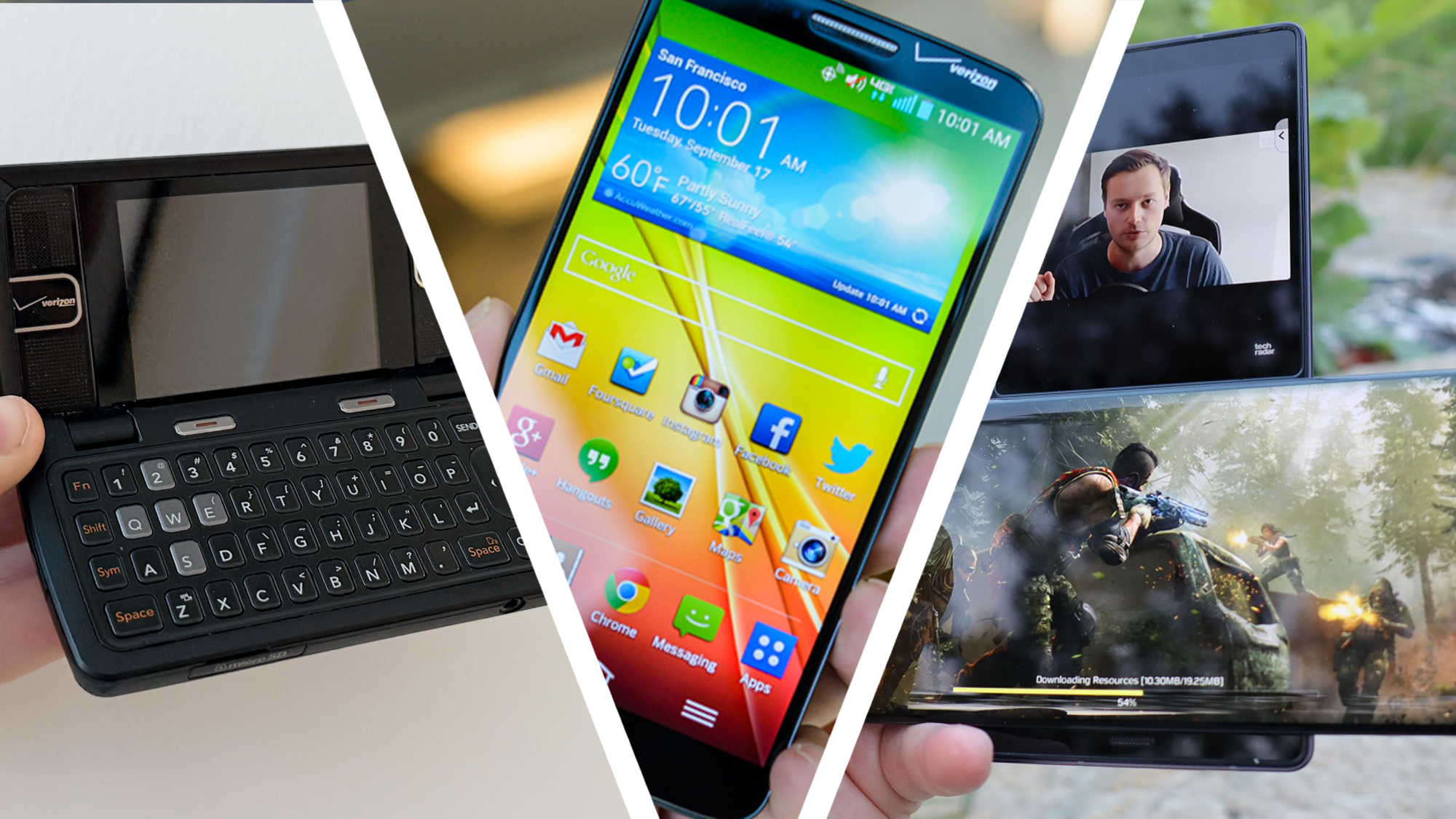
Rank 12581LG is finally shutting down the update servers for its phones in June This will mark the final end of LG's phones, a market it quit in 2021We've ranked our favorite LG phones from the last 25 years
Remember LG phones? Not too long ago, the Korean tech giant was one of the most exciting phone makers around, dazzling us innovators like the LG Chocolate 'slider' phone and the swivel-screened LG Wing.But sadly, no more – as spotted by Android Authority, LG plans to finally shut down the update servers for its phones on June 30. On a practical level, this means that if you still own an LG phone (a gold star for your commitment, if so), you have exactly two months left to download a final Android update on it before the cord is cut.Yet, the news is arguably more symbolic than practical. It's now four years since LG confirmed that it would stop making smartphones, after an impressive 25-year run of doing so.Indeed, LG was one of the first tech giants to step into the phone space in the 1990s, alongside Samsung and Sony, when it took on Nokia and Motorola and became a big player in the 'feature phones' space.So what exactly were LG's biggest phone hits, and the ones we look back on most fondly? Here's our list – let us know which ones you think are missing in the comments below.
7. LG G Flex (2013)
Image 1 of 3(Image credit: Future)Image 2 of 3(Image credit: Future)Image 3 of 3(Image credit: Future)
The most human phone ever. That was LG’s slogan for the wonderfully crazy LG G Flex - a handset that featured a ‘flexible’ display and ‘self-healing’ back.The device itself was also ‘flexible’. The G Flex had a natural curvature, which LG said allowed it to sit more comfortably against your face, and position the microphone closer to your mouth – who remembers the Nokia 8110 ‘banana phone?However, as I said in my review of the phone, “don't get too excited about its flexible abilities...you can't actually go about folding it up.“Lay the LG G Flex face down on a flat surface and at its most curved point the screen is still just a few millimeters above the surface. But then comes the fun part. Apply a decent amount of pressure to the rear of the G Flex and you can flatten the handset out.”And the reaction it got when I showed people this flexible feat? “I was met - without fail – by a sea of wincing faces as the G Flex made seriously concerning creaking and crunching sounds. Sure the handset does flex, slightly, but it never sounds like it's enjoying the workout.”Then there was the ‘self-healing’ back, which was able to soak up minor bumps and knocks, but it certainly wasn’t immune to a scratch or two.The LG G Flex wasn’t the best phone, and it was extremely expensive, but it did what LG did best – something different, something unique, something wild. And that’s what I love.By John McCann
6. LG KU990 Viewty (2007)
(Image credit: Mobile Phone Museum)
The very fact that I refuse to throw this phone away – 18 years after its release – shows the love I have for it. This phone had a 5MP camera, Xenon flash, DVD(ish) quality video recording, a manual zoom button – and a touchscreen.For all you kids out there, you don’t know how exciting this was to use when you’d been only used to tapping away at keys. A keyboard that could move and become a movie screen? Amazing! (Skipping past the fact that there was very little video content out there to actually watch).There was a stylus that you could attach with a little cord (although that quickly got annoying) and I’m certain that if I fired up the phone now, the resistive touchscreen would drive me up the wall (where it senses pressure over spotting the electrical conduct in your fingertips) by inaccurately guessing which part of the screen I wanted to prod.It was rumored that this phone actually outsold the initial iPhone, thanks to the higher spec, lower price (and the fact Apple wasn’t officially reporting sales figures…), and while that lead didn’t last long, it was entirely deserved in my eyes.By Gareth Beavis
5. LG Cookie (2008)
(Image credit: Destructive Dan)
When the LG Cookie launched in 2008, it took youngsters by storm. I know that, because I was one, and it marked the first phone I could actually call my own. In hindsight, the Cookie wasn’t all that spectacular, and in fact, LG used it to target the entry-level touchscreen market by keeping the cost of the device as low as possible.That scrimping resulted in a 3-inch, 240 x 400 pixel touchscreen powered by an ARM9E CPU with a clock rate of 175 MHz. It also had a 3.15MP camera capable of capturing videos at 12 frame/s, and no flash option.Pretty impressive, right? No, not really, but the combination of super cool looks (yes, I had the white version) and a neat little stylus hidden away in the phone’s body meant the LG Cookie was, for me, the height of style and innovation during my formative years.By Axel Metz
4. LG enV2 (2008)
Image 1 of 2(Image credit: Future)Image 2 of 2(Image credit: Future)
It may not have been my first phone, but the enV2 was definitely one of the first – and one I still have in a closet somewhere.The LG enV2 wasn't the original clamshell, but it did have a large number pad with a tiny screen on the front and the ability to fold open to a bigger screen (well, big by non-smartphone standards). With speakers on either side and a closer to full-size QWERTY keyboard, it was a real BlackBerry rival.The LG enV2 offered some smartphone-esque, BlackBerry-esque flair without the smarts, and it was quite fun to use and served me well, even with a removable battery on the back. It also has a decent camera, though not with shots I’d want to share now. But I remember getting pretty good at typing on the inside keys and had a lot of fun responding to text messages on it.In the years since, I reviewed a number of other LG phones. In my early blogging days, I fondly remember chatting with Mr. Mobile – aka Michael Fisher – at LG G3 Day. But the LG enV2 offered a lot of features, even some mini mobile games, in a durable, not-so-smart package.By Jacob Krol
3. LG Wing (2020)
(Image credit: Future)
The LG Wing was supposed to be unlike any other smartphone the world had ever seen. It was the first device in LG’s 'Explorer' series of devices, which would have been a series of products meant to explore unconventional form-factors – such as the LG Rollable.The LG Wing broke every rule of the textbook, with a big and bulky design, far too many moving parts, and at a premium price point for mid-range specs. While it was not really the best phone for the price, it was among the most enjoyable devices that I ever laid my hands on.It was a cool party trick to reveal the second display with just a swipe, in what was probably the most polarizing design of its time. Notably, even for a first-gen product with an unfamiliar form factor, it was surprisingly not bad, with a decent number of features and third-party apps optimized to make use of the dual-screen approach.The Wing is a fitting swansong for LG’s smartphone journey, cementing its place in the history books as one of the most innovative brands in this space, being unafraid of experimenting and going against the norms; while serving as a reminder of how unforgiving the smartphone market can be.By Aakash Jhaveri
2. Google Nexus 5 (2013)
(Image credit: TechRadar)
2013 was a big year for LG in the smartphone world. Alongside its G2 flagship and its first bendy phone, it was invited to make the next iteration of Google's Nexus line of smartphones.Nexus was a project from Google that brought in Android phone manufacturers to make hardware designed to show off what the software can do in its purest form. The Nexus 5 was one of the best handsets in the series, and a big part of that is down to LG's impact.The Nexus 5 had a lot of similarities with the LG G2 we've mentioned below (spoiler alert), but this used Android software in a way that Google intended. It felt even sleeker than the LG G2, and it had an affordable price, too.As one of the first smartphones I used as a technology journalist, I began to see what Google was aiming for with its Nexus line on the Nexus 5. I also spotted what LG was capable of in one of the best time periods for LG smartphones, and I'll always have a fondness for this specific phone because of that.By James Peckham
1. LG G2 (2013)
(Image credit: TechRadar)
There have been a few smartphones over the years that have almost exquisitely got the blend of features, hardware, and price right, and the LG G2 (or Optimus G2 in some regions, as the company inexplicably kept jamming a clunky extra word into the title) was just that.This was just a great handset. A 5.2-inch screen was huge at the time, and the 13MP camera was right in the race for the best out there, with loads of great features to tweak and some top snaps being possible. The shiny, rounded plastic shell felt robust in the hand, and the overall interface was brimming with clever little tweaks to improve the basic Android experience.But the main star was the placement of the rear buttons – a power key that was flanked above and below by the volume buttons on the back of the phone!The idea was that this would be more of a natural, ergonomic fit in the hand, given its ‘huge’ size, and therefore you’d be less likely to drop it. Some reviewers found that it was too hard to reprogram the brain to look for the unlock key there, but they weren’t using it for long enough. I sometimes still yearn for it now, and keep wondering why phone brands aren’t using the rear of the phone for some kind of touch interface.Of course, I’m pretty sure the annals of time are making me remember this phone with a rosy hue – Android overlays were often buggy back then, the fiddly camera settings probably irked, and the buttons probably fell off or something. But I remember this phone with true fondness – for a time, it looked like the success of this phone was going to keep LG at the top table of the smartphone world for years to come, but sadly, that never materialized.By Gareth Beavis
You might also like
50 years of the cell phone: the best mobile phones of all timeI loved LG phones because they were affordable, risky, and weird – and the smartphone world could use more of thatRanked: the best iMacs ever, as the iconic all-in-one turns 25
-

Picture from ichef.bbci.co.uk
Rank 12582 -
Picture from o.aolcdn.com
Rank 12583Google has announced that it's helping to financially support the electrical training ALLIANCe (etA), an organization formed by the National Electrical Contractors Association and the International Brotherhood of Electricians. The goal is to train "100,000 electrical workers and 30,000 new apprentices in the United States" to meet the growing power demands of AI.
Using AI will unlock unspecified, but positive economic opportunities, Google's new white paper, "Powering a New Era of American Innovation," claims. In order to take advantage of them, though, the US power grid needs to become more capable and efficient. That's largely because the data centers used to run and train AI models require vast amounts of energy. The white paper claims that new data centers could demand an additional "15-90 GW" of energy by 2030, something that more efficient chips and model training can't account for. For a sense of the scale, the US Department of Energy says 1 Gigawatt is the equivalent to 103 offshore wind turbines.
Google's paper calls for investments in alternative energy sources like nuclear power, but also notes that expanding the electrical workforce is necessary. "McKinsey estimates that 130,000 additional electricians will be needed by 2030 to build out data centers and manufacturing facilities," the company writes. Currently, though, retiring electricians outnumber newly trained ones. "Nearly 10,000 American electricians either retire or change careers each year, while only about 7,000 new entrants join the field."
Investing in electrical training is Google's attempt to help change that. It would be nice if it was paired with a clearer explanation around what that AI will be doing with all that extra power — Google notes that there's a "causal relationship between energy consumption and economic growth" — but skilled job training isn't a bad thing.This article originally appeared on Engadget at https://www.engadget.com/big-tech/google-is-funding-electrician-training-to-help-meet-the-power-demands-of-ai-221320678.html?src=rss
-

Picture from ichef.bbci.co.uk
Rank 12584 -

Picture from techcrunch.com
Rank 12585 -

Picture from ichef.bbci.co.uk
Rank 12586 -
Rank 12587
-
Picture from o.aolcdn.com
Rank 12588One day after Meta rolled out its standalone AI app, Mark Zuckerberg has shared more about how the company plans to eventually monetize its generative AI assistant. During the company’s first quarter earnings call, Zuckerberg said Meta AI could one day show ads and product recommendations. He also hinted at plans for a subscription component for those who want a more “premium” version of the assistant.
"I think that there will be a large opportunity to show product recommendations or ads, as well as a premium service for people who want to unlock more compute for additional functionality or intelligence,” Zuckerberg said.
He added that for now the company is more focused on growing Meta AI’s usage. (He announced yesterday that Meta Ai had reached “almost” 1 billion monthly users.) “I expect that we're going to be largely focused on scaling and deepening engagement for at least the next year before we'll really be ready to start building out the business here,” he said.
Zuckerberg’s comments — just one day after Meta introduced its standalone AI app — underscores how important the assistant is to the company. The Facebook founder has repeatedly said he wants Meta AI to be the most used AI assistant in the world, and he said on Wednesday’s call that a standalone app would be particularly important for attracting US users.
Meta’s strategy for monetizing the assistant in many ways mirrors its approach to Threads, which only just began expanding its early experiments with ads this month long after it reached hundreds of millions of users. Speaking of Threads, Zuckerberg also shared some new milestones for Threads, saying that text-based app now has 350 million monthly active users and that time spent on the platform has increased 35 percent over the last six months thanks to improvements to the company’s recommendations systems.
Later in the call, Meta’s CFO Susan Li shared that the company has also been testing its Llama model to power Threads’ recommendations and that the addition of the large language model has led to a 4 percent increase in time spent. “It remains early here, but a big focus this year will be on exploring how we can deploy this for other content types, including photos and videos,” she said.This article originally appeared on Engadget at https://www.engadget.com/social-media/meta-is-a-mulling-ads-and-a-premium-version-of-its-ai-assistant-mark-zuckerberg-says-225202560.html?src=rss
-

Picture from ichef.bbci.co.uk
Rank 12589 -

Picture from ichef.bbci.co.uk
Rank 12590 -
Picture from ichef.bbci.co.uk
Rank 12591 -

Picture from ichef.bbci.co.uk
Rank 12592 -

Picture from techcrunch.com
Rank 12593 -

Picture from ichef.bbci.co.uk
Rank 12594 -

Picture from ichef.bbci.co.uk
Rank 12595 -

Picture from ichef.bbci.co.uk
Rank 12596 -

Picture from ichef.bbci.co.uk
Rank 12597 -

Picture from ichef.bbci.co.uk
Rank 12598 -

Picture from ichef.bbci.co.uk
Rank 12599 -

Picture from ichef.bbci.co.uk
Rank 12600