The best self-improvement books
Remember that the best self-improvement book for you may depend on your specific goals and interests. It's a good idea to explore different books and authors to find the ones that resonate most with you and align with your personal development journey.
-

Picture from m.media-amazon.com
Rank 1The term "atomic" in this context refers to the idea that habits are like the building blocks of behavior, and by making small, consistent changes, individuals can build a strong foundation for positive habits. The book emphasizes the power of compounding effects and the role of environment, behavior cues, rewards, and mindset in shaping habits.
"Atomic Habits" offers a framework for understanding how habits work, how they can be effectively changed, and how individuals can align their actions with their desired outcomes. The book draws on scientific research, real-life examples, and practical advice to help readers identify and modify their habits to achieve personal and professional success.
It's worth noting that the book has gained widespread popularity for its actionable insights and practical approach to habit change. It's considered a valuable resource for anyone interested in personal development, behavior change, and self-improvement.
-

Picture from m.media-amazon.com
Rank 2Peale offers practical strategies, including affirmations and visualization, to cultivate positivity and resilience. Emphasizing the importance of faith and proactive mindset, the book encourages readers to harness the power of positive thinking to overcome challenges and achieve their goals. Through anecdotes and practical advice, Peale inspires readers to adopt a positive outlook and transform their lives for the better.
-

Picture from m.media-amazon.com
Rank 3The Hard Thing About Hard Things is a book for people trying to build businesses. It tells stories and gives useful advice for dealing with tough problems in business. It's like a guide to help you make good decisions even when they're not easy to make.
-

Picture from upload.wikimedia.org
Rank 4In the book, Mark Manson challenges conventional self-help advice and encourages readers to embrace the realities of life, including its struggles and limitations. He emphasizes the importance of focusing on what truly matters and letting go of the need for constant positivity and validation. The central message is that by accepting life's challenges and acknowledging our limitations, we can cultivate a more authentic and meaningful sense of well-being.
Manson introduces concepts such as choosing meaningful values, embracing discomfort, taking responsibility for one's choices, and understanding that happiness comes from solving problems rather than avoiding them. He also delves into the idea that not everything in life needs to be given equal attention or "f*cks", and that focusing on what truly matters can lead to a more fulfilling and contented life.
"The Subtle Art of Not Giving a F*ck" combines humor, personal anecdotes, and practical advice to provide readers with a refreshing perspective on personal growth and happiness. While the title might seem irreverent, the content delves into deep and thought-provoking concepts related to psychology, philosophy, and human behavior. The book has resonated with many readers who appreciate its straightforward and honest approach to self-improvement.
-

Picture from m.media-amazon.com
Rank 5Robert Greene's book is structured around 48 laws or strategies for achieving and maintaining power. Each law is accompanied by historical anecdotes, examples, and lessons drawn from history, literature, and philosophy. These laws cover a wide range of topics related to power dynamics, influence, and manipulation.
Some of the key laws in the book include:
Law 1: Never Outshine the Master: Avoid drawing attention to your abilities and talents, especially in front of those in power.
Law 3: Conceal Your Intentions: Keep your true thoughts and motives hidden to maintain an advantage.
Law 6: Court Attention at All Costs: Act in ways that draw attention and keep people focused on you.
Law 15: Crush Your Enemy Totally: When you must confront an adversary, ensure they are defeated decisively.
Law 33: Discover Each Man's Thumbscrew: Find the weaknesses and vulnerabilities of others to gain an advantage.
Law 48: Assume Formlessness: Be adaptable and flexible, changing your approach as circumstances demand.
Throughout the book, Greene uses historical figures, events, and examples to illustrate how these laws have been applied successfully or disastrously in various situations. He also emphasizes the importance of understanding and recognizing power dynamics in everyday life.
"The 48 Laws of Power" is a controversial and thought-provoking book that explores the complexities of human interactions and the pursuit of power. It is often seen as a guide to understanding the darker aspects of power and influence, and it has been both praised and criticized for its insights into human behavior and manipulation. Readers are encouraged to approach the book critically and consider its lessons in the context of their own values and ethical principles.
-

Picture from images-na.ssl-images-amazon.com
Rank 6In "Never Finished", David Goggins invites readers into his Mental Lab, where he crafted a philosophy, psychology, and set of strategies that propelled him beyond perceived limits. The memoir unfolds with raw honesty, revealing Goggins' journey and the lessons he learned. He challenges the notion that one's limits are fixed, asserting that greatness has no endpoint. The book serves as a blueprint for readers to elevate themselves from the depths, providing insights for those feeling off-course, seeking to maximize their potential, or shatter their perceived limitations. Goggins' unflinching narrative offers a guide to break through personal barriers and reach new heights, making it an essential read for anyone on a quest for greatness.
-

Picture from i.gr-assets.com
Rank 7In this book, they're on a mission to debunk the popular lies about happiness that everyone's been swallowing. They're gonna uncover where these lies come from, dig into the reasons they stick around, and swap them out for some practical, science-backed, and out-of-the-box ideas. The end game? Helping readers live a life that's truly fulfilling—overflowing with the love they're looking for and the success they've earned.
-
Picture from upload.wikimedia.org
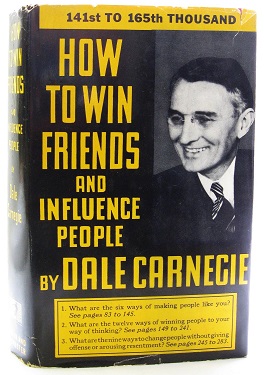
Rank 8The book provides practical advice and principles for effectively interacting with others, building positive relationships, and achieving personal and professional goals. It is organized into several sections, each addressing different aspects of human interaction:
Fundamental Techniques in Handling People: This section focuses on basic principles for creating positive interactions, such as avoiding criticism and condemnation and giving sincere appreciation.
Six Ways to Make People Like You: Carnegie offers insights on how to create genuine connections, including techniques for showing interest in others, being a good listener, and making people feel important.
How to Win People to Your Way of Thinking: This section covers strategies for persuading others and gaining cooperation through empathy, seeing things from their perspective, and avoiding arguments.
Be a Leader: How to Change People Without Giving Offense or Arousing Resentment: Carnegie discusses effective leadership and communication techniques that inspire others to take positive actions without causing resistance.
The book is filled with real-life examples, anecdotes, and practical advice that can be applied to various personal and professional situations. Its principles emphasize treating others with respect, showing genuine interest in their concerns, and focusing on shared benefits.
"How to Win Friends and Influence People" has stood the test of time due to its enduring relevance and the universal nature of its principles. It's recommended for anyone seeking to improve their communication skills, build stronger relationships, and enhance their ability to positively impact others.
-
Picture from qph.cf2.quoracdn.net
Rank 9In the book, Dweck introduces two main types of mindsets:
Fixed Mindset: In a fixed mindset, individuals believe that their abilities, intelligence, and talents are fixed traits that cannot be changed. They tend to avoid challenges that might reveal their limitations and often view effort as a sign of inadequacy.
Growth Mindset: A growth mindset, on the other hand, is characterized by the belief that abilities and intelligence can be developed through effort, practice, and learning. Individuals with a growth mindset embrace challenges, persevere through setbacks, and see failures as opportunities for growth and learning.
Dweck explores how these mindsets can impact various areas of life, such as education, relationships, business, and sports. She provides real-world examples and research findings to illustrate the power of adopting a growth mindset. The book also offers insights into how parents, educators, coaches, and individuals can cultivate a growth mindset in themselves and others.
Overall, "Mindset" has become a widely influential book in the fields of psychology, education, and personal development. It highlights the importance of our beliefs about our abilities and how those beliefs can shape our behavior, achievements, and overall potential.
-

Picture from gregory.ph
Rank 10Belief in Yourself: Dr. Schwartz emphasizes the importance of developing a strong belief in your abilities and potential. He argues that believing in yourself is the first step to achieving success.
Set High Goals: The book encourages readers to set ambitious and meaningful goals. It suggests that setting high goals can inspire you to take action and accomplish more than you initially thought possible.
Overcome Fear: Dr. Schwartz addresses the common fear of failure and provides techniques to overcome it. He emphasizes that taking calculated risks is often necessary for personal and professional growth.
Think Big: "The Magic of Thinking Big" promotes the idea of thinking on a larger scale. It suggests that thinking big can lead to innovative solutions and greater achievements.
Positive Thinking: The book advocates for positive thinking as a powerful force for personal transformation. It advises readers to replace negative thoughts with positive affirmations and constructive self-talk.
Manage Your Time: Dr. Schwartz provides guidance on effective time management. He stresses the importance of setting priorities and allocating time to activities that align with your goals.
Build Confidence: Confidence is a recurring theme in the book. It offers strategies to boost self-confidence, such as dressing well, maintaining good posture, and practicing assertiveness.
Develop People Skills: The book underscores the significance of interpersonal skills and effective communication in personal and professional relationships. It provides tips on how to connect with others and build strong networks.
Stay Enthusiastic: Dr. Schwartz suggests that enthusiasm is contagious and can inspire others. He advises maintaining a positive and enthusiastic attitude in all endeavors.
Continuous Learning: "The Magic of Thinking Big" encourages lifelong learning and self-improvement. It recommends reading, seeking knowledge, and staying curious about the world.
Overall, the book's central message is that by adopting a positive mindset, setting ambitious goals, and taking action, individuals can achieve their dreams and create a more fulfilling and successful life. It remains a popular and influential work in the field of personal development and self-improvement.
-

Picture from m.media-amazon.com
Rank 11The book is considered one of the greatest works of philosophy in the Stoic tradition. In "Meditations", Marcus Aurelius reflects on various aspects of life, ethics, virtue, leadership, and the human condition. He offers insights into how to live a life of wisdom, inner peace, and virtue.
While "Meditations" was not written for publication and was intended as a form of self-examination and self-improvement, it has become a widely read and influential philosophical text. The book's enduring appeal lies in its timeless wisdom and practical guidance on living a meaningful and ethical life.
"Meditations" is often categorized as a philosophical and contemplative work rather than a novel or narrative story. It has had a profound impact on philosophy, ethics, and the study of Stoicism and continues to be studied and appreciated by readers seeking wisdom and guidance in their lives.
-

Picture from m.media-amazon.com
Rank 12Key themes and concepts from "The Art of Happiness" include:
The Nature of Happiness: The book delves into the nature of happiness, exploring what it means to be truly happy and fulfilled.
The Role of Mind and Emotions: The Dalai Lama and Dr. Cutler discuss the significance of the mind and emotions in the pursuit of happiness and well-being.
Compassion and Altruism: The Dalai Lama emphasizes the importance of compassion and altruism in promoting happiness, both for oneself and for others.
Overcoming Negative Emotions: Strategies for managing and transcending negative emotions such as anger, fear, and anxiety are explored.
Mindfulness and Meditation: The book introduces mindfulness and meditation practices as tools for cultivating inner peace and happiness.
Finding Purpose and Meaning: It discusses how having a sense of purpose and meaning in life contributes to overall happiness.
Relationships and Connection: The importance of healthy relationships and human connection in achieving happiness is a central theme.
"The Art of Happiness" combines insights from Tibetan Buddhism with Western psychology to provide a holistic approach to happiness and well-being. It offers practical advice and exercises to help readers enhance their emotional and mental states, ultimately leading to a more joyful and meaningful life. The book's genre can be described as self-help, psychology, and spiritual philosophy.
-

Picture from media.shortform.com
Rank 13In the book, the five rings match up with five "books" or sections of the text. It's like saying there are different aspects in a fight, just like there are different parts to life. Musashi gave them names like Earth, Water, Fire, Wind, and Emptiness to represent these elements.
-

Picture from m.media-amazon.com
Rank 14"Think and Grow Rich" is a personal development and self-help book written by Napoleon Hill and was published in 1937. The book is widely regarded as a classic in the field of success literature and has had a significant influence on the self-improvement genre.
The central theme of the book revolves around the idea that success starts with one's mindset and beliefs. Hill emphasizes the power of positive thinking, visualization, goal-setting, and taking persistent action toward achieving one's goals. He introduces the concept of a "mastermind," which refers to the collaboration and collective wisdom of a group of individuals working together for mutual success.
"Think and Grow Rich" outlines 13 principles that Hill believed were essential for achieving financial and personal success. These principles include desire, faith, autosuggestion, specialized knowledge, imagination, organized planning, decision, persistence, the mastermind, the subconscious mind, the brain, the sixth sense, and overcoming fear.
While the book's title might suggest a focus solely on financial wealth, its teachings are broader and encompass various aspects of personal achievement and fulfillment. It has been widely read and recommended by individuals seeking to improve their mindset, achieve their goals, and live a more successful and purposeful life.
Keep in mind that the book was written in the 1930s, so some of the language and cultural references may differ from modern times. However, its core principles and ideas on success and personal development continue to be relevant and influential.
-
Picture from media.licdn.com
Rank 15Key themes and concepts from "You Are a Badass" include:
Self-Confidence: Sincero encourages readers to believe in themselves and their abilities, emphasizing the importance of self-confidence in achieving personal goals.
Overcoming Self-Limiting Beliefs: The book addresses common self-limiting beliefs and offers strategies for challenging and changing them.
Embracing Change: Sincero advocates for embracing change and taking risks as a way to lead a more fulfilling life.
Mindset and Positive Thinking: She discusses the power of positive thinking and how it can shape one's reality.
Taking Action: "You Are a Badass" emphasizes the importance of taking action and making tangible steps toward one's goals and dreams.
Law of Attraction: The book explores the concept of the law of attraction, which suggests that positive thoughts and intentions can attract positive outcomes.
Personal Responsibility: Sincero encourages readers to take responsibility for their lives and choices, rather than playing the role of a victim.
Living Authentically: The book promotes authenticity and being true to oneself as a key to happiness and success.
Jen Sincero's writing style is often humorous and relatable, making the book engaging and accessible to a wide range of readers. "You Are a Badass" has been praised for its motivational content and practical advice, and it has inspired many individuals to pursue their goals and live a more confident and purposeful life.
-

Picture from m.media-amazon.com
Rank 16Key themes and concepts from "Start with Why" include:
The Golden Circle: Sinek introduces the concept of the Golden Circle, which consists of three layers—Why (the core), How (the process), and What (the result). He argues that truly successful and inspirational leaders and organizations start with "Why."
The Importance of Purpose: The book emphasizes the significance of having a clear sense of purpose or "Why" in guiding decision-making and inspiring action.
Leadership and Vision: Sinek discusses how leaders who understand and communicate their "Why" can inspire loyalty, trust, and commitment among their followers.
The Law of Diffusion of Innovation: The book explores the diffusion of innovation and how the "early adopters" and "early majority" are influenced by a sense of purpose.
Case Studies: Sinek provides numerous real-world examples of organizations and individuals who have successfully applied the "Start with Why" concept, including Apple, Martin Luther King Jr., and the Wright brothers.
Communicating the Why: Sinek offers guidance on how leaders can effectively communicate their "Why" to inspire action and loyalty.
"Start with Why" has had a significant impact in the fields of leadership, business, and personal development. It encourages readers to think deeply about their own sense of purpose and how it can drive their actions and decisions. The book's genre is often described as leadership and personal development, as it provides valuable insights into the power of starting with a clear sense of "Why" in all aspects of life and work.
-
Picture from m.media-amazon.com
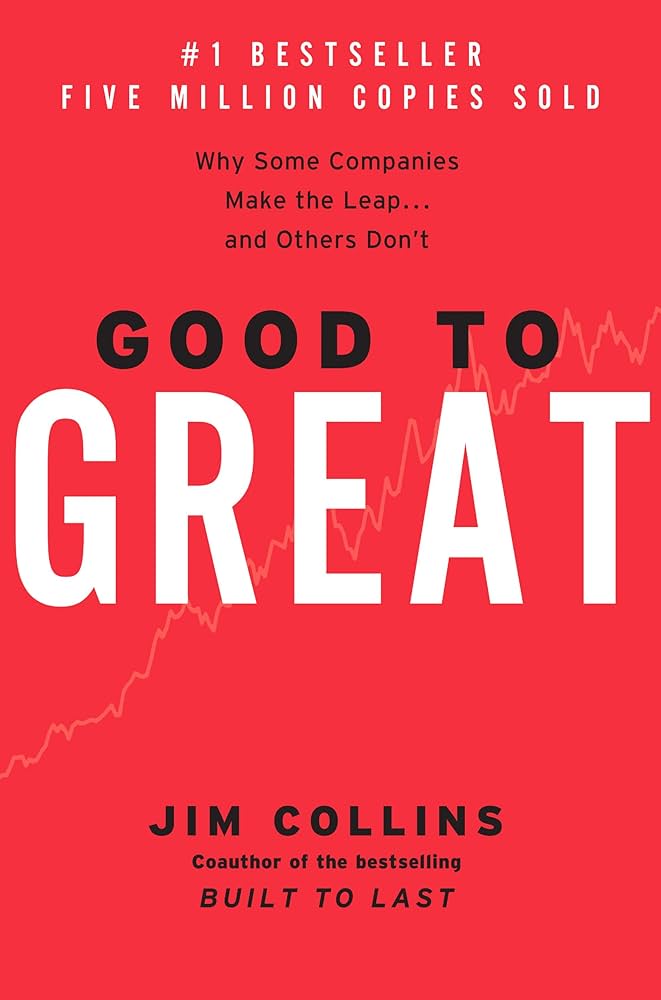
Rank 17"Why Some Companies Make the Leap... and Others Don't" is a compelling book that delves into the world of business and leadership. It investigates why certain companies achieve remarkable success and transformation while others fall short. This book provides valuable insights into the key factors and strategies that enable businesses to thrive in the face of challenges and competition. It's an insightful exploration of the dynamics that separate successful companies from those that struggle, offering valuable lessons for both aspiring and established business leaders.
-

Picture from davidgoggins.com
Rank 18In "Can't Hurt Me", David Goggins recounts his harrowing childhood marked by poverty, prejudice, and abuse. Despite the adversities, Goggins transformed himself from a depressed and overweight young man with a bleak future into a U.S. Armed Forces icon and elite endurance athlete. As the only person to complete training as a Navy SEAL, Army Ranger, and Air Force Tactical Air Controller, Goggins set records in various endurance events, earning him the title of "The Fittest (Real) Man in America" by Outside magazine. The book unveils his extraordinary life story and introduces the concept of The 40% Rule, suggesting that most people only tap into a fraction of their capabilities. Goggins shares a compelling path that anyone can follow to overcome pain, conquer fear, and unlock their full potential. With over 5 million copies sold and recognized as a New York Times Best Seller, "Can't Hurt Me" is an inspiring journey of self-discipline, mental toughness, and resilience.
-

Picture from synergycreationnigeria.files.wordpress.com
Rank 19Personal Transformation: The book is centered around the idea that individuals have the power to transform their lives by taking control of their thoughts, emotions, and behaviors.
Neuro-Linguistic Programming (NLP): Tony Robbins introduces NLP techniques and strategies for changing one's thought patterns and behavior.
Goal Setting: The book emphasizes the importance of setting clear and compelling goals and provides a framework for achieving them.
Emotions and Beliefs: Robbins discusses how our emotions and beliefs shape our actions and offers strategies for changing unhelpful beliefs and managing emotions effectively.
Creating Change: He provides practical tools and exercises to help readers create lasting change in various areas of their lives, including relationships, finances, and health.
The Six Human Needs: Robbins introduces the concept of the six fundamental human needs—certainty, variety, significance, love and connection, growth, and contribution—and how understanding and fulfilling these needs can lead to a fulfilling life.
Strategies for Success: The book includes insights and strategies from Tony Robbins' years of experience as a coach and motivator, aimed at helping readers unlock their potential.
"Awaken the Giant Within" is known for its energetic and motivational style, and it encourages readers to take proactive steps toward achieving their goals and living a more fulfilling life. It offers practical advice and exercises that can be applied to various aspects of personal and professional development.
-

Picture from upload.wikimedia.org
Rank 20The central theme of the book revolves around the concept of transcending one's identification with the mind and ego in order to connect with a deeper state of consciousness. Tolle emphasizes that much of human suffering is caused by dwelling on past regrets or worrying about the future, rather than fully experiencing and embracing the present moment.
Tolle offers practical guidance and insights on how to achieve this state of mindfulness and presence, and he discusses how it can lead to greater peace, fulfillment, and a more profound understanding of life. The book draws on a mix of spiritual traditions, psychology, and personal experiences to convey its teachings.
"The Power of Now" has resonated with many readers and has been praised for its simple yet profound messages. It has been influential in the fields of self-help, spirituality, and personal development. However, as with any book, its impact can vary from person to person, and some readers might resonate more with its ideas than others. If you're interested in the topics of mindfulness, consciousness, and personal growth, you might find "The Power of Now" to be an insightful read.
-

Picture from i0.wp.com
Rank 21In Japan, folks believe that everyone's got an ikigai - a reason to get up in the morning. And if you ask the people of Okinawa, who happen to be the world's longest - living bunch, they say finding that reason is the key to a longer and more fulfilling life. Now, this book is here to inspire and comfort you, handing over some life-changing tools. It's all about helping you discover your personal ikigai, teaching you to ditch the rush, figure out your purpose, build strong friendships, and dive headfirst into the stuff you're passionate about.
-

Picture from m.media-amazon.com
Rank 22In the captivating book "Outliers", Malcolm Gladwell takes us on a thought-provoking journey into the lives of high-achievers, those who are incredibly successful. He poses a crucial question: What sets these exceptional individuals apart?
Gladwell's answer challenges our conventional thinking. He suggests that we often focus too much on the personal traits of successful people and not enough on their backgrounds—specifically, their culture, family, the era they grew up in, and the unique experiences that shaped them. Throughout the book, he unravels the mysteries behind software billionaires success, the path to becoming a top-notch soccer player, why Asians excel in mathematics, and what propelled the Beatles to legendary status.
With its brilliance and engaging storytelling, "Outliers" stands as a significant work that both captivates and enlightens its readers.
-
Picture from m.media-amazon.com
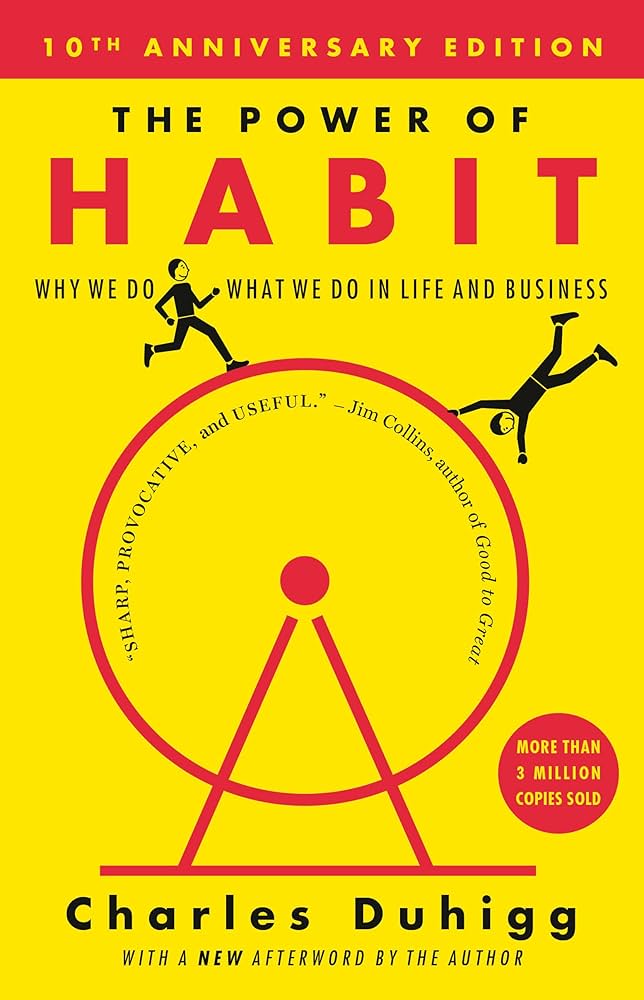
Rank 23Is a book that delves into the fascinating world of human behavior and why we do the things we do. It explores the concept of habits and how they shape our lives, both personally and in the business world. The book uncovers the science behind habits and offers valuable insights into how we can change our habits to improve our lives and achieve success. It's an engaging read that sheds light on the hidden forces that drive our actions and decisions, making it a must-read for those curious about human behavior and personal growth.
-
Picture from m.media-amazon.com
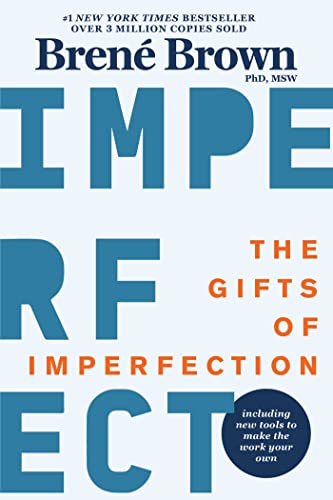
Rank 24Key themes and concepts from "The Gifts of Imperfection" include:
Wholehearted Living: Brown introduces the concept of wholehearted living, which involves embracing vulnerability, authenticity, and self-compassion.
Courage and Vulnerability: The book emphasizes the importance of courage in being vulnerable and authentic in our relationships and life pursuits.
Shame Resilience: Brown discusses strategies for building resilience against shame, which often arises from feelings of inadequacy or unworthiness.
Letting Go of Perfectionism: "The Gifts of Imperfection" encourages readers to let go of the need for perfection and to accept themselves as they are.
Cultivating Self-Compassion: Brown explores the role of self-compassion in fostering a sense of belonging and worthiness.
Creativity and Play: The book highlights the significance of creativity and playfulness in leading a joyful and authentic life.
Connection and Belonging: Brown discusses the importance of cultivating authentic connections with others and a sense of belonging.
"The Gifts of Imperfection" is often described as a guide to living a more authentic and meaningful life by embracing imperfections, vulnerability, and authenticity. Brené Brown's writing is grounded in her extensive research on shame and vulnerability, and she offers practical advice and exercises for readers to apply in their own lives. The book's genre is self-help and personal development, with a focus on emotional well-being and personal growth.
-
Picture from jamesclear.com
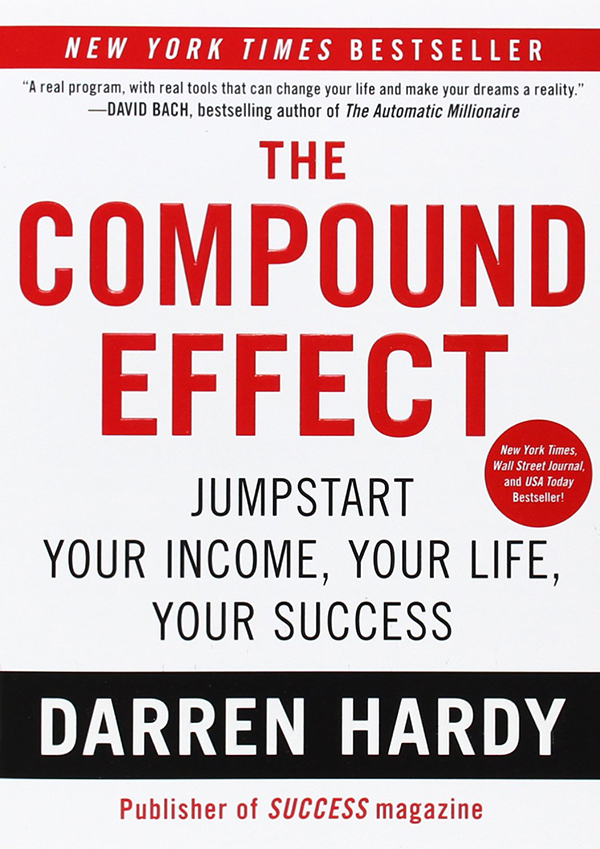
Rank 25Key themes and concepts from "The Compound Effect" include:
Small Steps Matter: The book emphasizes the importance of taking small, consistent actions toward your goals, as even minor changes can lead to significant results over time.
The Power of Consistency: Darren Hardy discusses the profound impact of maintaining consistent habits and routines in various areas of life, including health, finances, and relationships.
Tracking Progress: The book encourages readers to track their behaviors and results to gain insight into their habits and areas for improvement.
Accountability: Hardy discusses the value of accountability and how having someone to support and challenge you can help you stay on track.
Time and Patience: "The Compound Effect" highlights the need for patience and a long-term perspective when working toward your goals.
The Impact of Choices: The book explores how daily choices and decisions, no matter how small, can influence your overall success and happiness.
Momentum: Hardy discusses how positive habits can create momentum in your life, making it easier to achieve your desired outcomes.
"The Compound Effect" offers practical advice and real-life examples to illustrate the power of consistent action in achieving personal and professional success. It provides readers with a blueprint for making positive changes in various aspects of their lives by focusing on incremental progress. The book's genre is self-help and personal development, with a particular emphasis on the benefits of small, consistent actions.
-

Picture from m.media-amazon.com
Rank 26The author hones in on five important parts of a balanced life: purpose, people, place, personal health, and provision. They really get into the nitty-gritty of each one, guiding you to figure out your peace index. It's like a scorecard that tells you where you're feeling fulfilled and where you might need a bit more peace in your life.
-

Picture from classicalconversationsbooks.com
Rank 27This manual on style provides useful tips for enhancing your writing abilities. It consistently emphasizes the importance of using clear and straightforward English. By following the guidance in this concise book, you can become a more effective communicator and learn how to make your sentences more engaging.
-
Picture from images-na.ssl-images-amazon.com
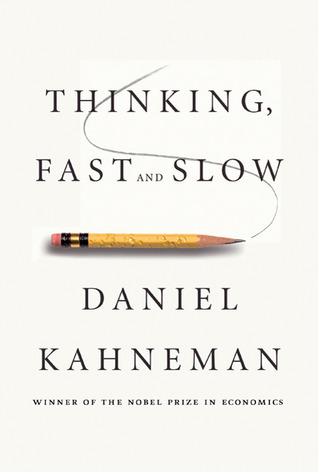
Rank 28"Thinking, Fast and Slow" is a thought-provoking book that explores how our minds work. It discusses the two systems of thinking: one that is fast and intuitive, and the other that is slow and deliberate. The book delves into the biases and quirks of human thinking, shedding light on decision-making processes and why we sometimes make irrational choices. It's a captivating exploration of the human mind that offers valuable insights into how we think, decide, and navigate the complexities of life.
-
Picture from imgv2-1-f.scribdassets.com
Rank 29Benevolence (Ren) and Humanity: Central to Confucius' philosophy is the concept of benevolence or ren, emphasizing kindness, compassion, and empathy toward others. It underscores the importance of treating people with care and respect.
Propriety (Li) and Ritual: Li refers to adhering to social rituals, customs, and proper conduct. Following these rituals is seen as a means to maintain social harmony, respect tradition, and ensure orderly interactions within society.
Filial Piety (Xiao): Filial piety is the virtue of showing reverence and devotion to one's parents and ancestors. Confucius regarded it as a fundamental duty, believing that it forms the basis for broader ethical behavior and social stability.
Righteousness (Yi) and Justice: Confucius advocated for acting with integrity and upholding principles of justice. Yi involves doing what is morally right, even when faced with personal interests or societal pressures.
The Noble Person (Junzi): The junzi is an ideal individual who embodies Confucian virtues like ren, li, and yi. Confucius encouraged people to strive toward becoming junzi through self-improvement and moral development.
Lifelong Learning and Self-Cultivation: Education and self-improvement were highly valued by Confucius. He believed in continuous learning and the development of one's moral character throughout life.
Leadership and Governance: Confucius offered insights into effective leadership and governance. He emphasized that leaders should lead by virtuous example, rule with benevolence, and prioritize the well-being of their subjects.
Promoting Social Harmony: The teachings in "The Analects" emphasize that ethical principles and the cultivation of virtuous behavior are key to achieving social harmony and a well-ordered society.
"The Analects" serves as a foundational text of Confucianism, exerting a profound and lasting influence on Chinese culture, ethics, and philosophy. It offers valuable guidance on leading morally upright lives, contributing to a harmonious society, and upholding values such as kindness, righteousness, and proper conduct.
-

Picture from m.media-amazon.com
Rank 30Planning and Strategy: Sun Tzu emphasizes the importance of careful planning and strategy before engaging in any conflict. He argues that a well-thought-out plan is essential for victory.
Deception and Intelligence: The book discusses the use of deception as a tactic, such as feigning weakness to lure an opponent into a trap. Gathering intelligence about the enemy is also crucial.
Flexibility and Adaptation: Sun Tzu advises that a successful commander must be flexible and able to adapt to changing circumstances. He emphasizes the need to adjust strategies based on the terrain, weather, and the enemy's movements.
The Importance of Speed: The treatise emphasizes the importance of acting quickly and decisively in warfare. Swift movements can surprise and disorient the enemy.
The Use of Terrain: Sun Tzu discusses the significance of understanding and utilizing the terrain to one's advantage. He stresses the importance of positioning and maneuvering forces effectively.
Leadership and Discipline: The book underscores the role of strong leadership and discipline in maintaining an effective military force. A well-disciplined army is more likely to follow orders and succeed in battle.
Economy of Force: Sun Tzu advocates for the efficient use of resources and avoiding wastefulness. He believes that a commander should use the minimum necessary force to achieve objectives.
The Art of War as a Means to Peace: While the book primarily deals with warfare, Sun Tzu also emphasizes that the ultimate goal is to achieve victory without resorting to battle. The best generals are those who win without fighting.
"The Art of War" is renowned for its strategic insights, and its principles have been applied in various fields beyond the military, including business, leadership, and competitive sports. It remains a classic and influential work on the art of strategy and remains relevant in the modern world.
-
Picture from www.lostbookofsales.com
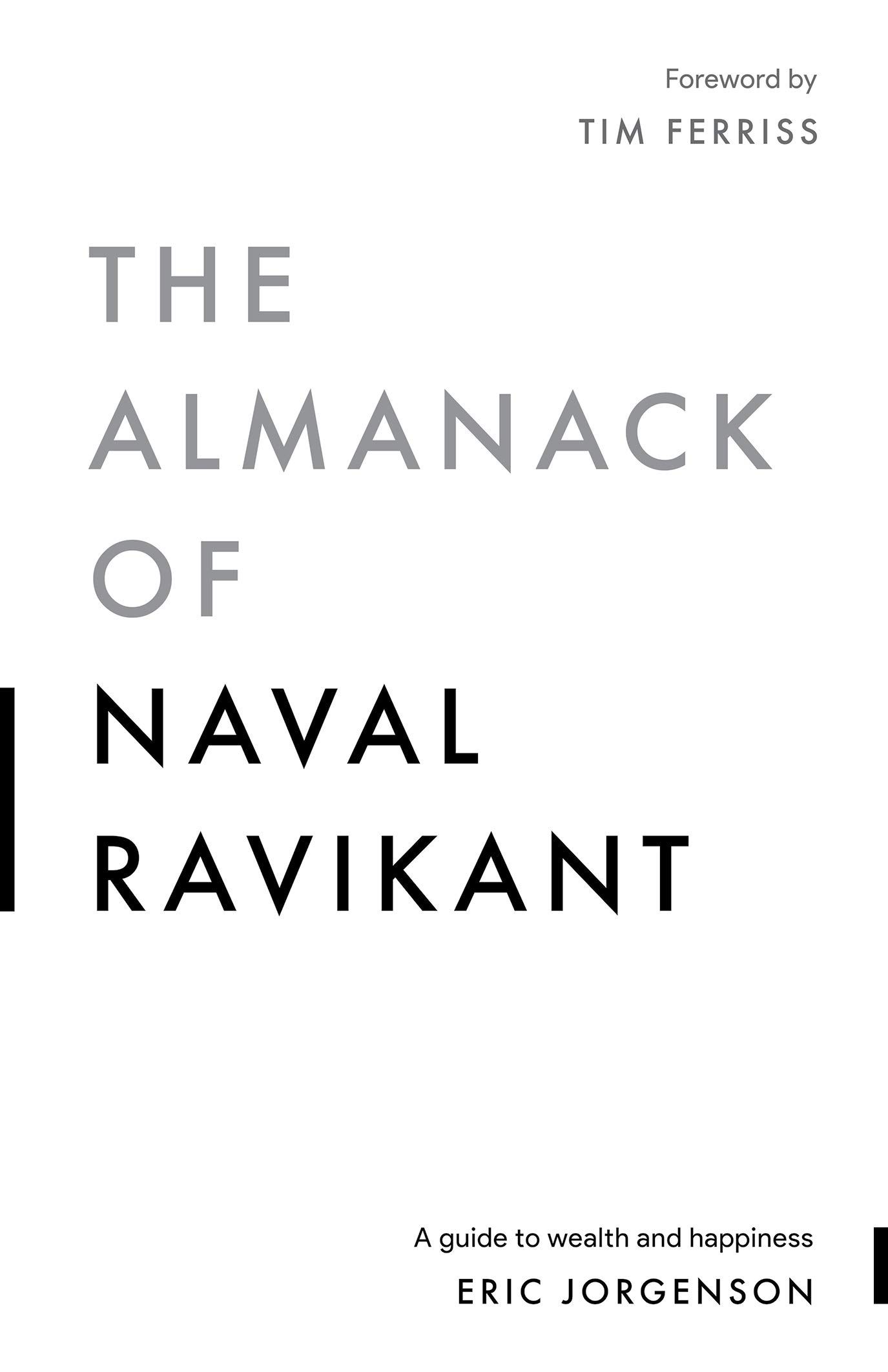
Rank 31Getting rich isn't just about luck, and happiness isn't something you're born with—it's all about learning the right skills. So, what are these skills, and how do you pick them up? What principles should guide your efforts, and what does true progress really look like? Meet Naval Ravikant, an entrepreneur and philosopher who's got some valuable insights on making money and finding lasting happiness.
Now, The Almanack of Naval Ravikant? It's like a compilation of his wisdom and experiences over the past decade, drawn from his most meaningful interviews and reflections. It's not a step-by-step manual or a quick fix—instead, you get to learn, straight from Naval's words, how to navigate your unique path to a happier, wealthier life.
-

Picture from m.media-amazon.com
Rank 32The "Enneads" is a collection of philosophical writings by the ancient philosopher Plotinus, who was a prominent figure in the Neoplatonic school of thought. This collection consists of six groups of writings, each referred to as an "Ennead", and together they form a comprehensive exploration of various philosophical and metaphysical topics.
-

Picture from m.media-amazon.com
Rank 33Is a book that shares the author's experiences and lessons on how to become really good at something. It's about mastering skills and improving yourself through dedication, practice, and the right mindset. The book offers insights into the learning process and achieving excellence in various fields.
-

Picture from upload.wikimedia.org
Rank 34Key themes and concepts from "Man's Search for Meaning" include:
Finding Meaning in Suffering: Frankl emphasizes that even in the most extreme and painful circumstances, individuals can find meaning by choosing their attitude toward suffering and adversity.
The Search for Purpose: He argues that a primary human drive is the search for purpose and meaning in life, and this search is essential for mental and emotional well-being.
Three Sources of Meaning: Frankl identifies three sources of meaning: creating a work or doing a deed, experiencing something or encountering someone, and the attitude we take toward unavoidable suffering.
The Freedom to Choose: Frankl introduces the idea that individuals have the freedom to choose their responses to external circumstances, giving them control over their inner lives.
Existential Vacuum: He discusses the concept of an "existential vacuum," a sense of emptiness and meaninglessness that can arise when people lack a clear sense of purpose in life.
Logotherapy: Frankl's logotherapy is a form of psychotherapy that focuses on helping individuals discover their unique life purpose and live in accordance with it.
"Man's Search for Meaning" is a deeply moving and philosophical exploration of the human spirit and the capacity for resilience in the face of immense suffering. It has had a profound impact on readers worldwide and continues to be regarded as a classic in the fields of psychology, philosophy, and self-help. The book's message is timeless, emphasizing the importance of finding meaning in one's life, even in the most challenging circumstances.
-

Picture from external.webstorage.gr
Rank 35"The Lean Startup" is a book that offers a smart approach to starting a business. It focuses on being efficient and minimizing waste while building a company. The book provides practical advice for entrepreneurs on how to test ideas, learn from mistakes, and adapt quickly, all while keeping costs down. It's a guide to running a business in a smart and efficient way.
-
Picture from m.media-amazon.com
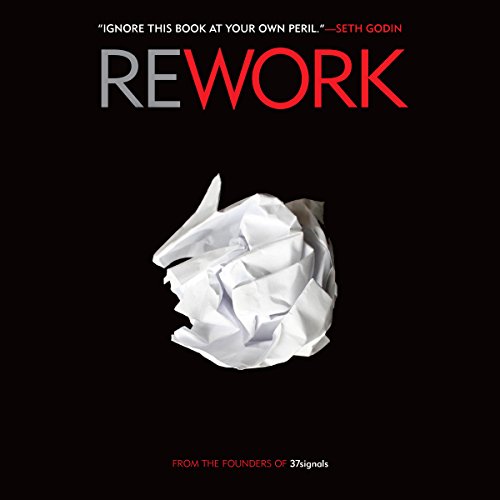
Rank 36The book is a treasure trove of practical insights that encourage readers to rethink their approach to work. It steers away from the traditional, often cumbersome, rules of business, emphasizing the value of streamlined processes and direct action. Instead of getting bogged down by excessive planning and overthinking, "Rework" urges readers to embrace a more agile and adaptable mindset.
Through a series of bite-sized chapters, the authors tackle various aspects of work, covering topics such as productivity, communication, and the pursuit of meaningful results. The book is an accessible guide, offering actionable advice that is applicable to a broad audience, from entrepreneurs to employees seeking to enhance their work methods.
In essence, "Rework" is a roadmap for those looking to navigate the complex landscape of work with a simpler, more effective compass. It invites readers to reconsider traditional approaches and adopt a mindset that values efficiency, practicality, and tangible outcomes. Whether you're an aspiring entrepreneur or someone striving for better productivity, "Rework" provides a roadmap for achieving success in the ever-evolving world of work.


That is the end of the list.