News
This constantly updated list features the latest and most important news articles, ranked in order of significance. The top stories highlight major developments, breaking news, and critical updates across various topics, ensuring you stay informed about the most pressing issues. As new articles are added, the list adapts to reflect the latest priorities, keeping the most impactful stories at the forefront. Whether it’s global events, technology breakthroughs, or industry trends, this dynamic list ensures you always have access to the most relevant and timely information.
-
Picture from cdn.mos.cms.futurecdn.net
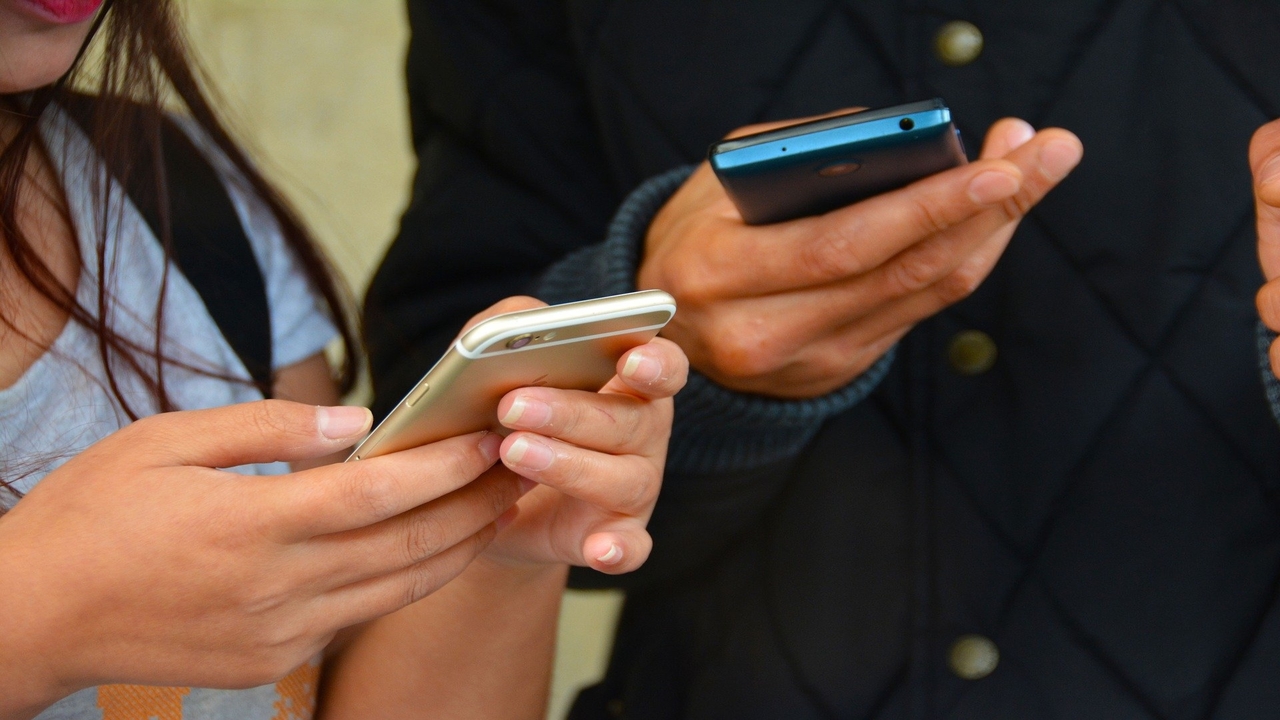
Rank 40601Why do we instinctively reach for brand-new devices when refurbished alternatives deliver comparable quality at a fraction of the financial and environmental cost? We've created a paradox in our digital lives: while our drawers overflow with discarded devices, we eagerly await the next product launch. The $485 billion mobile device market, growing steadily at 3.7% annually through 2029, thrives on this contradiction.With an estimated 10 billion unused devices, such as smartphones, sitting idle in homes worldwide, we're simultaneously hoarding technology and demanding more. Despite consumers keeping their devices longer, with global upgrade cycles slowing to around 3.5 years according to GSMA data, the secondary market is yet to be embraced at scale.The same study suggests that 70% of consumers would be willing to pay a premium for a more environmentally friendly device, yet only a small fraction are actually purchasing a refurbished device. This isn't just wasteful - it's unsustainable. Yet despite advancements in refurbishment technology, consumer skepticism persists. What if this reluctance isn't about quality or performance, but about perception?The hidden life of dormant devices Why do we hold onto our outdated mobile devices? The reasoning is more complex than you might think and offers a curious blend of emotional and practical reasoning. Many people worry about data security - fearing that their personal information could be compromised if they relinquish old devices. But equally compelling are the ‘just in case’ scenarios people construct: emergency backups, potential hand-me-downs, or nostalgic attachments to devices that once served as our digital companions.This system and behavior creates what’s called a ‘materials paradox’ - precious resources are simultaneously considered scarce in supply chains yet abundant in hibernating products. Those 10 billion dormant devices worldwide are said to contain an estimated $57 billion worth of recoverable materials - a virtual urban mine of gold, silver, copper, and rare earth elements - growing ever more valuable as virgin sources become harder to extract.Consider this: you would never purchase a new car while leaving a perfectly functional model gathering dust and losing value in your garage, would you? Yet with phones, tablets, and laptops this behavior has become normalized. Not only are consumers leaving devices in drawers when they could be selling them and redeeming hundreds of pounds, but this represents a missed business opportunity for the industry. They could be recouping that value of encouraging customers to sell or trade in these devices.But why are we seeing this missed opportunity? Because we’ve disconnected the device in our hand from its environmental footprint, whilst leaving the valuable materials contained in the device, in the process. Our current consumption patterns demand resources equivalent to 1.75 Earths - a planetary balance sheet showing us deeply in ecological debt. This isn't just environmentally unsustainable; it's economically short-sighted for consumers and businesses alike.The perception problemAt the core of our e-waste crisis lies not a technological limitation but a fundamental trust deficit. Despite remarkable advancements in refurbishment technologies and processes, many of us continue to view secondhand devices with skepticism, assuming they're inherently inferior to new products.Research from ID Mobile suggests the psychological barriers: 61% of consumers worry about poor battery life, 55% question the physical condition, and 48% fear limited or non-existent warranties. Together, these concerns create a perception barrier that prevents over half of British consumers from considering refurbished options. But how much of this skepticism is warranted?When we examine today's professional refurbishment ecosystem, we find a sophisticated industry that bears little resemblance to the informal secondhand markets of the past. Modern refurbishment facilities conduct comprehensive diagnostic testing across dozens of parameters - examining everything from camera functionality and screen responsiveness to processing performance and battery efficiency.Devices undergo professional cleaning, component replacement when necessary, and rigorous quality assurance before receiving certification. The result? Refurbished devices that are visually identical and often perform indistinguishably from new ones, at a fraction of the environmental and financial cost. Why, then, does the perception gap persist?Part of the answer lies in what behavioral economists call ‘status quo bias’. This is our tendency to prefer existing conditions even when alternatives offer clear advantages. This thinking - equating new with better - remains deeply ingrained in people’s psychology, particularly around products marketed as cutting-edge. This creates a fascinating paradox: while many consumers express environmental concerns, these values often disconnect from purchasing behaviors.As Christiana Figueres, former Executive Secretary of the UN Framework Convention on Climate Change, put it in her 2020 book ‘The Future we Choose’: "The gap between what we know and what we do remains one of the greatest challenges in addressing climate change."Closing the Trust GapSo, how do we close this perception gap? The path forward requires reimagining how we communicate the true value of refurbished devices to skeptical consumers. By clearly demonstrating that these devices meet rigorous quality benchmarks, whilst offering significant cost savings, we can help overcome the lingering doubts that keep consumers reaching for new products.First, the industry must embrace radical transparency through standardized grading systems and comprehensive health assessments that give consumers clear visibility into a device's history and condition. This information should be presented in a straightforward, consumer-friendly format that highlights what matters most to users—such as actual battery life expectancy and use of original manufacturer parts in prior repairs. These aren't merely technical specifications - they are trust-building mechanisms that have the power to transform uncertainty into confidence.Second, we need collective communication efforts across the technology ecosystem. Telcos, manufacturers, retailers, and sustainability organizations must expand the discourse around refurbished technology's environmental benefits. While specific impact figures vary by device type and refurbishment process, the consensus among lifecycle analysts is unequivocal: keeping devices in circulation longer substantially reduces resource extraction, manufacturing emissions, and e-waste generation.Recent Vodafone research reveals this communication opportunity clearly: while 45% of consumers consider environmental impacts before purchasing new technology, seven in ten are actively seeking easier ways to protect the planet. This gap between intention and action represents a significant opportunity for better messaging around refurbished options.Creating pathways to circular consumptionFor refurbished technology to gain mainstream acceptance, consumers need convenient, trustworthy pathways to transition between devices. Trade-in programs represent one promising avenue, allowing consumers to capture residual value from older technology while ensuring devices re-enter the circular economy rather than ending up in landfills.Device protection plans that prioritize repair over replacement play an equally crucial role in extending product lifespans. By making repairs accessible and affordable, these plans help combat the throwaway culture that has dominated consumer electronics.Equally important is offering comprehensive insurance for refurbished devices, which significantly increases customer confidence and trust in these products. When consumers know their refurbished purchase carries the same protection as a new device, the perceived risk gap narrows substantially.Education remains another powerful pathway. When consumers understand the environmental impact of device manufacturing - that 80% of a smartphone's carbon footprint occurs during production before it's ever powered on - the value proposition of refurbished devices becomes considerably more compelling.The next time you consider a technology upgrade, I challenge you to consider refurbished options with fresh eyes. Research retailer reputations and consumer experiences. Support brands that prioritize repairability and circular principles. These seemingly small decisions, when multiplied by millions of people, have the potential to transform our relationship with technology from extractive to regenerative.We've compiled a list of the best business tablets.This article was produced as part of TechRadarPro's Expert Insights channel where we feature the best and brightest minds in the technology industry today. The views expressed here are those of the author and are not necessarily those of TechRadarPro or Future plc. If you are interested in contributing find out more here: https://www.techradar.com/news/submit-your-story-to-techradar-pro
-

Picture from static.independent.co.uk
Rank 40602 -

Picture from static.independent.co.uk
Rank 40603 -

Picture from static.independent.co.uk
Rank 40604 -
Picture from static.independent.co.uk
Rank 40605 -

Picture from static.independent.co.uk
Rank 40606 -
Picture from o.aolcdn.com
Rank 40607There’s a good chance you own a couple of gadgets that support wireless charging now, be it your iPhone or Android phone, wireless earbuds or smartwatch. Multi-device wireless chargers can help power them all up in one place, without the need for a bunch of cords messing up your space. There are dozens of these accessories out there today, and we’ve tested a bunch of the most popular models. You’ll find out top picks below for the best wireless charging pads, plus some advice on how to choose the right one for your needs.
Table of contents
Best wireless charging pads
Do wireless charging pads work with any phone or device?
How to pick the best wireless charging pad for your needs
Wireless charging speed and performance
Best wireless charging pads
Do wireless charging pads work with any phone or device?
The short answer is no, but the long and more detailed answer starts with it depends. Regular old wireless charging pucks should work with any device that’s compatible with the same wireless charging standard that the charger supports. Smartphones and other mobile devices that support wireless charging nowadays are likely to support the Qi standard, so double check that your phone or gadget fits that bill and it should work with any Qi wireless charging pad (all of our top picks fall into this category).
When it comes to multi-device chargers, things can get a little tricky. Rather than starting your search looking for the most universally adaptable accessory, consider the devices you have and aspire to own in the future. If you’re an iPhone user with an Apple Watch, you may want to look for a wireless charger that has a Watch pad built in. Ditto if you’re a Samsung phone owner and use a Galaxy Watch. Some earbuds support wireless charging, but you’ll only need an open pad or space on your multi-device charger where you can sit the earbuds in their case down for a power-up.
Those with iPhone 12s and newer Apple smartphones can take advantage of MagSafe chargers, which magnetically attach to their handsets. Android devices don’t support Apple’s proprietary MagSafe technology, but you can buy a magnetic adapter for pretty cheap that will allow your Samsung or Pixel phone to work with MagSafe multi-device chargers. You’ll also need that to get full Qi2 goodness with newer Android phones like the Galaxy S25 series, which are “Qi2 ready,” but since they do not have magnets built in, aren’t precisely Qi2 compliant.
How to pick the best wireless charging pad for your needs
Even without a charging cable to worry about, you’re probably buying a multi-device wireless charger with one location in mind. It might sit on your nightstand or on your desk. Not everyone buys a charger just for themselves, though; you might want to use one as a shared station for you and a partner.
If the charger will sit on your nightstand, you’ll likely want a compact, stable unit that won’t swallow all your free space or tumble to the floor (and if it does fall, one with enough durability to survive). Some may prefer a lay-flat design if your phone screen has a tendency to keep you awake at night. Others might use their phone as their alarm clock, in which case you may want a stand that keeps the screen within reach and eyeshot. This is also the preferred design if you use Standby Mode on iPhones.
A vertical orientation may be best for a charger that lives on your desk so you can more easily check notifications throughout the day. Will the charger sit on a low table? Horizontal charger pads may make it easier to grab your devices in a hurry. Travel chargers should fold up or otherwise protect the pads while they’re in your bag. And, yes, aesthetics count. You may want something pretty if it’s likely to sit in a posh room where guests will see it.
For vehicles, consider a wireless car charger if you frequently need to top off your device on the go. These chargers combine convenience with functionality, ensuring your phone stays powered while you’re navigating and taking calls at the same time. We also heavily recommend a magnetic charger so there’s less of a chance your phone will go flying into the passenger’s seat the next time you hit a pothole.
Wireless charging speed and performance
It’s no secret that wireless charging is slower than wired, and powering multiple devices adds a new wrinkle. As these chargers often have to support a wide range of hardware, you’ll have to forget about the fastest, device-specific options from brands like Google, OnePlus and Samsung.
That’s not to say these will be slow, but there just isn’t much separating them on the charging speed front. As a general rule, the quickest multi-device chargers tend to top out at 15W for phones. It’s rare that you’ll find a truly slow-as-molasses example, mind you. Even some of the most affordable options we’ve seen will recharge your phone at a reasonable 7.5W or 10W, and the 5W for other devices like wireless earbuds is more than enough.
If you’re only docking overnight or while you work, speed won’t make a huge difference. Just be sure that whatever you buy is powerful enough for a phone in a case. Some chargers may also include an AC adapter in the box. If not, make sure you’re using one with the right power level to get the fastest charge.This article originally appeared on Engadget at https://www.engadget.com/computing/accessories/best-multi-device-wireless-charging-pads-120557582.html?src=rss
-

Picture from static.independent.co.uk
Rank 40608 -

Picture from static.independent.co.uk
Rank 40609 -

Picture from static.independent.co.uk
Rank 40610 -

Picture from static.independent.co.uk
Rank 40611 -

Picture from static.independent.co.uk
Rank 40612 -

Picture from static.independent.co.uk
Rank 40613 -

Picture from cdn.mos.cms.futurecdn.net
Rank 40614The world of Apple analysts and leakers is torn on whether we should expect AirPods Pro 3 to arrive this year or not. Some say they will appear, and some say they're coming next year with AI-assisting cameras on them.Well, there's more smoke coming from the "launching in 2025" fire, because there's a reference to "AirPods Pro 3" by name hidden in some audio interface elements of iOS 26's code.This was spotted by a contributor from MacRumors, and comes hot on the heels of a reference in iOS 18 to a feature supporting "AirPods Pro 2 or later", even though there is nothing later than AirPods Pro 2… so far.(If the iOS naming above seems confusing, it's because Apple is switching from naming its operating systems based on the version number to based on the year, except they're named for the year after the software will actually be released in. Come on, keep up, it's all super-clear!)The strong hint for a 2025 launch yetApple tends to launch new AirPods at the end of the year, most likely during a September event, at which it'll also launch the iPhone 17. Or maybe that'll be become the iPhone 26 too, who knows.In any case, if there are references in iOS 26's code, that's a strong indicator that AirPods Pro 3 are coming this year, because if they were coming next year, we might be more likely to first see references in next year's code.None of this is guaranteed, of course – Apple could be working over a year ahead with these code references… but I suspect not.I think there's a good chance that more references in the code will be spotted as developers dig into it, and that we'll probably see AirPods Pro 3 later this year.Don't worry if you recently bought AirPods Pro 2, AirPods 4 or AirPods 4 with ANC – you're not being left behind. Apple unveiled two useful new features coming to those models in iOS 26 during its WWDC 2025 keynote.If you want to read more about Apple's development processes, check out our interview with Apple's Senior Vice President of Software Engineering Craig Federighi and Apple Global VP of Marketing Greg Joswiak – including what really happened with the stumbled Apple Intelligence and AI Siri launch.You might also like…iOS 26 is official – here are the 5 biggest new features coming to your iPhoneiOS 26 compatibility – does your iPhone support it? Here's the full list of supported devicesWWDC 2025 as it happened: all the iOS 26, MacOS Tahoe, and iPadOS news, with live video from Apple Park
-

Picture from ichef.bbci.co.uk
Rank 40615 -

Picture from static.independent.co.uk
Rank 40616 -

Picture from static.independent.co.uk
Rank 40617 -

Picture from static.independent.co.uk
Rank 40618 -

Picture from ichef.bbci.co.uk
Rank 40619 -

Picture from static.independent.co.uk
Rank 40620 -
Picture from static.independent.co.uk
Rank 40621 -

Picture from static.independent.co.uk
Rank 40622 -

Picture from static.independent.co.uk
Rank 40623 -

Picture from cdn.mos.cms.futurecdn.net
Rank 40624Android 16 is out now, with new features like live updates and security toolsMany other Android 16 features – along with its visual overhaul – aren't present, and are rumored to be landing on September 3This initial rollout is just for Pixel phones, with other brands set to roll out Android 16 later this yearAndroid 16 has now landed, and if that seems unusually early to you, you’re right, as the last few versions of Android have all landed towards the end of their release years, with Android 15 only launching back in October.So this is a quick turnaround for Google’s latest Android version – which perhaps explains why the most anticipated and substantial feature is absent.Specifically, Android’s visual overhaul – dubbed Material 3 Expressive – which Google showed off not so long ago, isn’t here yet. That will be landing as part of Android 16’s QPR1 (quarterly platform release 1), which according to a source speaking to Android Authority will roll out to Pixel devices on September 3 – that's around the time we’d typically expect to see new numbered versions of Android.Android's Material 3 Expressive overhaul isn't here yet (Image credit: Google)September 3 is reportedly also when we'll see Android 16's desktop mode, which lets you connect your phone to a monitor and interact with a desktop interface, much like Samsung has been offering for years with its DeX mode.And we'll probably also see smaller updates then, like a more organized sound settings screen, which has been spotted by Android Authority in the latest Android 16 QPR1 beta.Still, that doesn’t mean this first version of Android 16 isn’t worth downloading. It includes various new features, such as live updates that give you real-time updates on things like food deliveries and Uber requests on your lock screen.You can also activate Advanced Protection mode to help keep your phone protected from unsafe websites, scam calls, harmful apps, and other threats. Not all of the features within Advanced Protection are new, but now you can activate all of these safeguards with a single tap.(Image credit: Google)Grouped notifications and accessibility improvementsAndroid 16 will also group notifications from a single app to keep things organized, and there are improvements for users of hearing aids, as you can now choose to use your phone’s microphone for audio input during calls (rather than the hearing aid’s microphone), and natively control your hearing aid’s volume from your phone.There are also smaller updates, like a trade-in mode that provides quicker access to key device details, thereby speeding up the trade-in process when you're selling your phone.These features and others are rolling out now to supported Pixel phones (meaning the Google Pixel 6 and up). If you’re using another phone brand then you’ll have to wait a bit longer, with Google saying updates for handsets from other brands will arrive “later this year”.You might also likeGoogle Pixel 10 rumors – 5 things we think we know and 3 we don'tBest Google Pixel phones: our reviews help you choose the Google phone that's right for youGoogle Pixel 9 Pro review: the AI phone is here, but the future is not
-

Picture from static.independent.co.uk
Rank 40625 -

Picture from static.independent.co.uk
Rank 40626 -

Picture from static.independent.co.uk
Rank 40627 -

Picture from image.cnbcfm.com
Rank 40628 -

Picture from ichef.bbci.co.uk
Rank 40629 -

Picture from static.independent.co.uk
Rank 40630 -

Picture from assets2.cbsnewsstatic.com
Rank 40631 -

Picture from image.cnbcfm.com
Rank 40632 -

Picture from ichef.bbci.co.uk
Rank 40633 -

Picture from static.independent.co.uk
Rank 40634 -

Picture from static.independent.co.uk
Rank 40635 -

Picture from static.independent.co.uk
Rank 40636 -

Picture from ichef.bbci.co.uk
Rank 40637 -

Picture from static.independent.co.uk
Rank 40638 -

Picture from cdn.mos.cms.futurecdn.net
Rank 40639Three in five organizations are adopting GenAI faster than workers are happy with66% of leaders say taking risks adopting AI is an important stepFew workers will actually need retraining or upskillingIBM's latest research supports the notion that companies are shifting from AI experimentation to implementation, with two in three (65%) UK & Ireland CEOs actively adopting AI agents at scale.However, growth could be outpacing worker readiness, with 58% pushing their organizations to adopt GenAI faster than some are comfortable with.It's a tricky one to balance, though, with many leaders believing their organizations' competitive edge could rely on how they approach artificial intelligence.Organizations are going all-in on AITwo-thirds (66%) say they must take more risks than their competitors to stay ahead, with nearly as many (62%) admitting to investing in technology before fully understanding its value, simply to avoid falling behind. A further 64% of the 2,000 CEOs surveyed from 33 countries believe the productivity gains they could unlock from AI justify the potentially significant risks.The success of generative AI has spurred on a whole new era of agentic AI – proactive non-human agents are said to be highly effective in decision-making, delivering predictive insights, and other automation and productivity metrics across HR, finance, IT, and customer service in particular."As expectations around AI shift towards competitive advantage and quantifiable ROI, CEOs are embracing risk as an opportunity to drive business performance," IBM Consulting's UK&I Managing Partner Rahul Kalia said.While speed is important – both in terms of adoption rates and AI performance – IBM says that companies should also emphasize trust by using explainable AI models, forming strong data privacy and security principles, and adhering to ethical guidelines.However, AI's effects on the workforce might not be as drastic as some had previously anticipated. Only 30% of the current workforce will require retraining or upskilling over the next three years, the CEOs said.Dun & Bradstreet's UK&I Managing Director, Edgar Randall, added: "Organisations that build responsible AI practices from the start, based on solid data strategies and ethical use, will be best positioned to boost productivity, make smarter decisions, and sustain growth."You might also likeCheck out the best AI tools and best AI writersPrepare for the future with the best online learning platformsDevelopers aren't thrilled about having to add AI into everything they build, study shows
-

Picture from cdn.mos.cms.futurecdn.net
Rank 40640Nine in ten workers handle spreadsheets daily, says CanvaFormulas and complex sheets are the biggest hurdlesData visualization is important for storytellingNew research from Canva has highlighted how much data companies are using, however workers' competence and confidence are lagging behind, with "data dread" becoming increasingly common.Most workers (89%) now handle spreadsheets daily, yet more than one in four (27%) would go as far as avoiding them if they could, with Canva's research accusing training efforts of being ineffective.Nearly half (44%) of UK organizations already provide data literacy training, however four in five (78%) professionals still claim to experience data anxiety that relates to incompetence, not just a dislike.Canva says most workers feel "data dread"Three-quarters (77%) of the 2,400 marketing and sales professionals surveyed stated that their reliance on data has increased over the past two years, with a similar number (74%) wanting to be more effective with data in their day-to-day work.Although there appears to be some confidence with analyzing data, some key areas were highlighted as lacking, including formulas (46%) and understanding overly complex spreadsheets (42%).Canva Head of EMEA Duncan Clark said: "Working with data shouldn't be confined to specialists. When you give teams the right tools and training to turn numbers into narratives, you can unlock so much potential in an organisation."Although data can be powerful, Canva highlighted the importance of framing it correctly with effective storytelling. Four in five (82%) said they feel more confident when they're presenting with visualized data, with even more workers (89%) believing visualizations boost the credibility of their presentations."The goal isn't to make everyone a data scientist, but to empower teams to confidently make sense of the data at their disposal and turn it into compelling, engaging stories," Clark added.Looking ahead, it's clear that training efforts have failed workers to date. Canva advocates for the provision of more intuitive tools that make handling data slicker and more user friendly.You might also likeWe've listed the best data visualization softwareNeed to show the figures to an audience? Check out the best presentation softwareSome employers won't like this: the most productive staff are working shorter sprints and taking longer breaks
-

Picture from static.independent.co.uk
Rank 40641 -

Picture from cdn.mos.cms.futurecdn.net
Rank 40642Vivo says its next foldable will offer Apple Watch supportThe syncing seems to work through an iCloud connectionIt's not clear if Apple will ultimately allow this to functionWe didn't have Apple Watch support for Android phones on our tech bingo card for 2025 – or for any year, for that matter – but Vivo has announced that the upcoming Vivo X Fold 5 is going to be the first Android phone to work with Apple's wearable.As per an official post on Weibo (via 9to5Google), you'll be able to answer calls and read texts on your Apple Watch when it's connected to your X Fold 5, as well as sync health data between the two devices.Based on subsequent posts from Vivo, it sounds as though this is going to work through some kind of iCloud connection through the web. I'm relying on Google Translate, but there are mentions of syncing data to and from an iPhone as well.It's going to be interesting to see how this works, when it arrives – because presumably it could be set up on other Android phones too. As you might already know, Apple executives did consider adding Android support to the Apple Watch, but abandoned the effort because of "technical limitations".I hope this happens, but I'm not convincedThe X Fold 5 is following on from the X Fold 3, shown here (Image credit: Vivo)The obstacle to trying to add Apple Watch support to an Android phone is similar to the problem of trying to build a third-party app to access your iMessages: Apple won't let you do it, which is a pretty big stumbling block.For now at least, Apple wants its smartwatches to be accessories to its iPhones, and so doesn't want a device like the Apple Watch 10 lowering itself to connecting to an Android phone – even if it might sell more wearables as a result.Whatever the hack is though, Apple will inevitably block it with a software update. If the Apple Watch ever gets Android support, it'll be because Apple allows it (perhaps as a result of the continuing antitrust pressure it's under).While I'm a dedicated Android user when it comes to my primary phone of choice, I'd like the option to use an Apple Watch on my wrist – it certainly compares well to the best Garmins and the best Android watches out there.However, that's not a choice Apple wants to give me right now, and I'm not sure Vivo is going to be able to do much about it.You might also likeDoes your Apple Watch support watchOS 26?These are the best foldables you can buyI switched to a folding phone – and I'm not going back
-

Picture from static.independent.co.uk
Rank 40643 -

Picture from cdn.mos.cms.futurecdn.net
Rank 40644T-Mobile is introducing satellite coverage to its plans in JulyThe T-Satellite service is now in beta and free to tryMost modern phones are compatibleT-Mobile has launched a nationwide beta for its new satellite phone service, allowing users to stay connected in areas without traditional cell coverage.Called T-Satellite, the feature connects automatically when you're out of range of cellular networks, enabling basic connectivity in remote locations. The beta is currently free to join and open to anyone, regardless of carrier, through the end of July.During the beta, users will be able to send and receive texts, make calls, and access data via satellite. You can sign up for the beta now by providing an email address with no special hardware required - according to the T&C's, most modern smartphones will be eligible.T-Mobile is planning on rolling out the T-Satellite service at no extra cost with the carrier's high-end Experience Beyond and Go5G Next plans at some point in July this year. Customers who opt into the Experience More plan now will receive satellite coverage for free through the end of the year.Also available on other carriers(Image credit: T-Mobile)Interestingly, the carrier's T-Satellite service will also be available to customers on other networks, including both Verizon and AT&T.While the initial beta period is free to all, the service will be available at an introductory price of $10 per month. According to the FAQ, that will equate to a $5/mo saving in total. Note, as of writing, the carrier has not confirmed how long the introductory pricing will be available.You might also likeWhat is Starlink? How to get the satellite service for free on your phoneNo, iOS 18.3 doesn't install Starlink on your iPhoneThe best T-Mobile deals for June 2025
-

Picture from ichef.bbci.co.uk
Rank 40645 -

Picture from ichef.bbci.co.uk
Rank 40646 -

Picture from static.independent.co.uk
Rank 40647 -

Picture from static.independent.co.uk
Rank 40648 -
Picture from static.independent.co.uk
Rank 40649 -

Picture from image.cnbcfm.com
Rank 40650
