News
This constantly updated list features the latest and most important news articles, ranked in order of significance. The top stories highlight major developments, breaking news, and critical updates across various topics, ensuring you stay informed about the most pressing issues. As new articles are added, the list adapts to reflect the latest priorities, keeping the most impactful stories at the forefront. Whether it’s global events, technology breakthroughs, or industry trends, this dynamic list ensures you always have access to the most relevant and timely information.
-

Picture from assets3.cbsnewsstatic.com
Rank 37551 -

Picture from assets3.cbsnewsstatic.com
Rank 37552 -

Picture from assets1.cbsnewsstatic.com
Rank 37553 -

Picture from assets2.cbsnewsstatic.com
Rank 37554 -

Picture from image.cnbcfm.com
Rank 37555 -
Picture from cdn.mos.cms.futurecdn.net
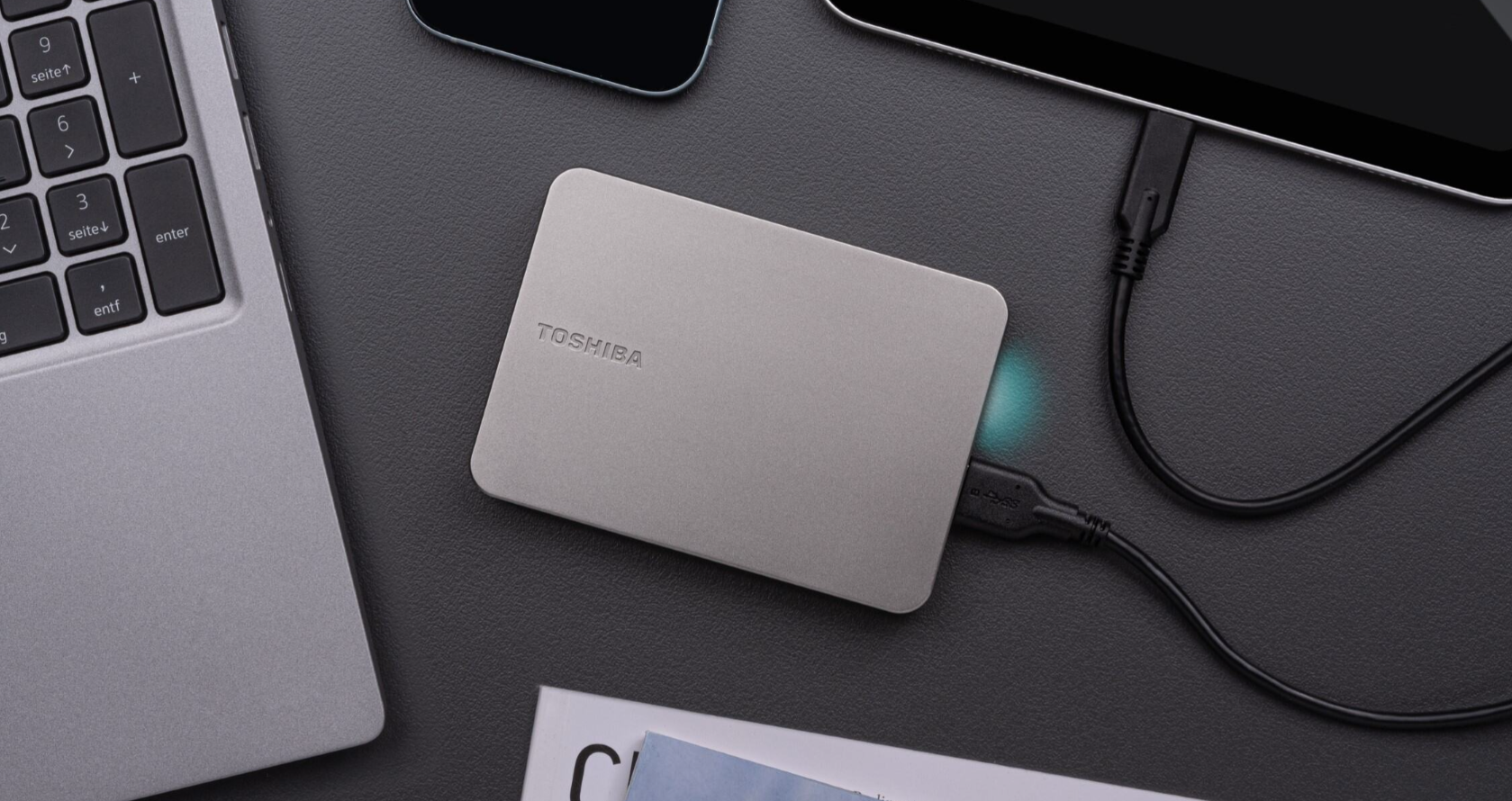
Rank 37556Report claims small drives face 4x the failure risk compared to their high-capacity counterpartsUnsafe eject practices raise data loss risk by a staggering 75%, according to researchersFrequent transfers and careless use leave tiny drives vulnerable to serious file system damageNew research has revealed a concerning trend in external storage reliability: small-capacity external hard drives are reportedly significantly more prone to failure than their high-capacity counterparts.Based on data gathered from over three million storage devices in the first quarter of 2025, the report from the EaseUS Data Recovery Lab claims disks under 64GB are approximately four times more likely to suffer data loss compared to drives exceeding 4TB.The reasons behind this disparity lie in both usage patterns and hardware limitations. Smaller drives are often used for quick file transfers or as temporary backups, making them subject to frequent plugging and unplugging.Usage habits heighten vulnerability“Frequent plugging and unplugging, high temperature and high humidity, and sudden power failure during data transmission may lead to file system errors, partition table damage, and data loss,” the report explains.Users who neglect safe eject practices further compound the issue. The data indicates that logical errors from unsafe removal exceed the average risk by 75%.From a hardware standpoint, cost-cutting measures in smaller drives can result in lower-quality components.“Some manufacturers compromise in manufacturing processes and materials to cut costs, such as using low-quality controller chips,” EaseUS warns.These weaknesses naturally translate into higher failure rates, particularly under prolonged or intensive use.The file system is another contributing factor. While high-capacity drives often use more robust systems like GPT, NTFS, or exFAT, which are better suited to managing large volumes of data, small-capacity disks still frequently rely on FAT32."When storing a large number of small files, the partition table needs to be updated frequently, and the risk of metadata overwriting is high,” the report notes.Interestingly, SSDs show similar trends, though the failure rate gap is less dramatic. External SSDs under 256GB are about twice as likely to fail as those over 4TB.This is attributed to similar factors: frequent use, fewer flash chips, and less advanced controllers.“Small-capacity SSDs have fewer chips. Once they are damaged, the risk of data loss is higher,” the findings state.Although SSDs are generally more resilient and lack moving components, the report cautions against rough usage and advises careful management.Users are encouraged to stick to safe handling practices and consider purchasing high-capacity storage from reputable brands to lower their risk.Using a high-quality portable SSD or external HDD will reduce the chance of data loss, but no solution is perfect. Therefore, having access to the best data recovery software is a wise precaution, especially when dealing with logical errors or accidental deletions.You might also likeThese are the fastest external HDDs you can buy right nowAnd these are the best business laptops available todayBeyond AI-powered cybersecurity: why context and visibility are still a CISO’s top priority
-

Picture from static.independent.co.uk
Rank 37557 -

Picture from assets2.cbsnewsstatic.com
Rank 37558 -

Picture from assets1.cbsnewsstatic.com
Rank 37559 -

Picture from assets1.cbsnewsstatic.com
Rank 37560 -

Picture from assets2.cbsnewsstatic.com
Rank 37561 -

Picture from assets3.cbsnewsstatic.com
Rank 37562 -

Picture from assets3.cbsnewsstatic.com
Rank 37563 -

Picture from assets1.cbsnewsstatic.com
Rank 37564 -
Picture from assets2.cbsnewsstatic.com
Rank 37565 -

Picture from assets3.cbsnewsstatic.com
Rank 37566 -

Picture from assets3.cbsnewsstatic.com
Rank 37567 -

Picture from assets3.cbsnewsstatic.com
Rank 37568 -
Picture from assets1.cbsnewsstatic.com
Rank 37569 -

Picture from image.cnbcfm.com
Rank 37570 -

Picture from cdn.mos.cms.futurecdn.net
Rank 37571I might spend most of my time writing about Apple – I was following along with the WWDC show today, in fact – but my first computing experiences were of a decidedly Windows flavor. In fact, I’ve used Windows since Windows 95, but the first edition that I truly fell in love with was Windows 7.But it wasn’t any of the new features or functionality that captured my attention at the time – it was the design. Windows 7 took Microsoft’s operating system from a staid, grey platform that could give itself boredom into one that was modern, sleek and classy, all in a single OS update.The key element in this was Aero, Windows 7’s glass-like transparency effect. With this in place, colors subtly refracted through windows and title bars, and it all shimmered and shone in real time as you dragged your apps around your screen. For my design-obsessed young brain, it was a graphical marvel.It was, to borrow a phrase from Steve Jobs, so good you wanted to lick it.Naturally, I was devastated when Microsoft did away with this design, and I still don’t think the company has been able to match it in the decade and a half since.Yet watching Apple unveil its new Liquid Glass design language during the company’s WWDC keynote today, I felt a sudden jolt of nostalgia. Here was a glassy, translucent interface that used light and colour to create gorgeous effects on your desktop. It was everything I loved from those halcyon Windows 7 days, back with new twists for a new era.Who would have thought that Apple would bring back a Microsoft design with such aplomb?More than just fashion(Image credit: Apple)Of course, Liquid Glass is likely to provide plenty of fuel for those critics who allege that all Apple does is copy other people’s work. Yet not only does Liquid Glass show what a braindead take this is, it also highlights exactly the kind of thinking that goes into all of Apple’s designs – and showcase a key difference between its mindset and that of Microsoft.Because as much as I absolutely adored Windows 7’s look and feel, Aero was essentially a cosmetic coat of paint. It was about looking great – and sure, it sumptuously smashed it in that department – but it didn’t go much beyond that.Liquid Glass, on the other hand, is about form and function. It’s not just a pretty face (although it is that too in spades) but offers much more on closer inspection.For instance, Apple made a point of showing the responsiveness of its new interface. Swipe up or down and your iPhone’s floating menu panels automatically adjust their size. Resizing something will prompt it to flex with your mouse or finger. It’s all designed to impact the way you use your device, not just how you look at it.(Image credit: Apple)This hits a core principle that has driven Apple since the days of Steve Jobs: “design is how it works.” Many people think that “design” just means making something pretty, and that’s all there is to it. But design should never exist just to serve itself – it must serve the user, and that means you have to create something that works amazingly well. Design is what makes that happen.Steve Jobs summed it up when he launched the original iMac. In response to Microsoft’s Bill Gates claiming Apple had merely put a new lick of paint on its old devices, Jobs shot back: “The thing that our competitors are missing is that they think it’s about fashion, and they think it’s about surface appearance. They say, ‘We’ll slap a little color on this piece of junk computer, and we’ll have one too’.”In other words, you can’t put lipstick on a pig. Dress up an awful device and you still have an awful device underneath. Something must work brilliantly and look great in order to be designed well.This idea is what makes me so excited about Liquid Glass. Not only is it a revival of the elegant transparency effects of Windows 7’s Aero, but it actually adds extra functionality. It gives you new ways to use your Mac or your iPhone, and it looks stunning while doing it.Design is how it works. Liquid Glass just proved it.
-

Picture from static.independent.co.uk
Rank 37572 -
Picture from assets1.cbsnewsstatic.com
Rank 37573 -
Picture from assets2.cbsnewsstatic.com
Rank 37574 -

Picture from assets3.cbsnewsstatic.com
Rank 37575 -

Picture from assets1.cbsnewsstatic.com
Rank 37576 -
Picture from assets3.cbsnewsstatic.com
Rank 37577 -

Picture from assets3.cbsnewsstatic.com
Rank 37578 -

Picture from assets1.cbsnewsstatic.com
Rank 37579 -

Picture from image.cnbcfm.com
Rank 37580 -

Picture from static.independent.co.uk
Rank 37581 -

Picture from assets1.cbsnewsstatic.com
Rank 37582 -

Picture from assets1.cbsnewsstatic.com
Rank 37583 -

Picture from assets3.cbsnewsstatic.com
Rank 37584 -

Picture from assets1.cbsnewsstatic.com
Rank 37585 -
Picture from assets1.cbsnewsstatic.com
Rank 37586 -
Picture from assets1.cbsnewsstatic.com
Rank 37587 -

Picture from assets3.cbsnewsstatic.com
Rank 37588 -
Picture from assets3.cbsnewsstatic.com
Rank 37589 -

Picture from assets3.cbsnewsstatic.com
Rank 37590 -

Picture from assets2.cbsnewsstatic.com
Rank 37591 -

Picture from assets2.cbsnewsstatic.com
Rank 37592 -

Picture from assets3.cbsnewsstatic.com
Rank 37593 -

Picture from assets1.cbsnewsstatic.com
Rank 37594 -

Picture from assets2.cbsnewsstatic.com
Rank 37595 -

Picture from assets3.cbsnewsstatic.com
Rank 37596 -

Picture from assets1.cbsnewsstatic.com
Rank 37597British runner Roger Bannister, the first person to break the 4-minute barrier in the mile, died Saturday at age 88. In this "Sunday Morning" report that originally aired May 2, 2004, Mark Phillips talks with Bannister about his monumental feat fifty years earlier, as well as with American runner Wes Santee and Australian John Landy (who were also chasing the 4:00 mile at the time) and with Neal Bascomb, author of "The Perfect Mile." Phillips also recounts the subsequent matchup between Bannister and Landy at the 1954 British Empire Games, an epic race that was called "the Mile of the Century."
-

Picture from assets3.cbsnewsstatic.com
Rank 37598 -

Picture from assets1.cbsnewsstatic.com
Rank 37599 -

Picture from assets3.cbsnewsstatic.com
Rank 37600