News
This constantly updated list features the latest and most important news articles, ranked in order of significance. The top stories highlight major developments, breaking news, and critical updates across various topics, ensuring you stay informed about the most pressing issues. As new articles are added, the list adapts to reflect the latest priorities, keeping the most impactful stories at the forefront. Whether it’s global events, technology breakthroughs, or industry trends, this dynamic list ensures you always have access to the most relevant and timely information.
-

Picture from image.cnbcfm.com
Rank 35551 -

Picture from static.independent.co.uk
Rank 35552 -

Picture from static.independent.co.uk
Rank 35553 -

Picture from static.independent.co.uk
Rank 35554 -

Picture from static.independent.co.uk
Rank 35555 -

Picture from static.independent.co.uk
Rank 35556 -

Picture from ichef.bbci.co.uk
Rank 35557 -

Picture from image.cnbcfm.com
Rank 35558 -

Picture from ichef.bbci.co.uk
Rank 35559 -

Picture from ichef.bbci.co.uk
Rank 35560 -

Picture from ichef.bbci.co.uk
Rank 35561 -

Picture from static.independent.co.uk
Rank 35562 -
Picture from cdn.mos.cms.futurecdn.net
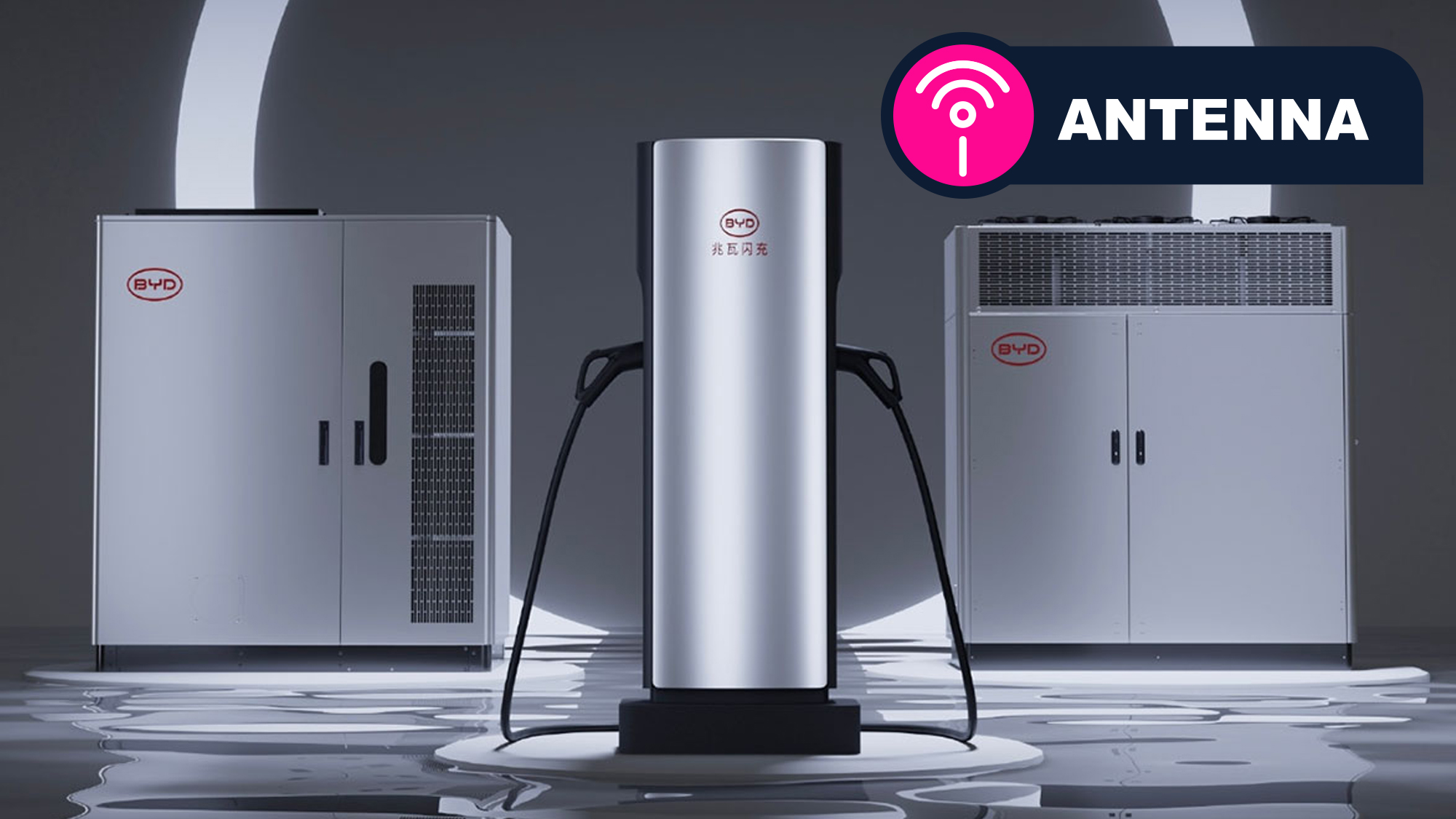
Rank 35563While the battle for EVs with the longest range may well have tapered off, a new arms race has begun in its place – and it's all about charging speeds.In China, some of the world’s most recognizable automotive and tech brands are dueling it out to see who can force electrons into a battery pack at the most impressive rates.After all, if said giants of industry can consistently bring charging times in line with fueling up an internal combustion engine vehicle, range anxiety is essentially banished to the history books and the extra weight, resources and financial penalties of larger battery packs are no longer an issue.But while the so-called Megawatt ultra-fast charging (anything above 1,000kW) has tongues wagging with the sheer physics-bending nature of it all, some believe that the road towards two-minute top-ups won't be so smooth.During a recent electric vehicle battery technology workshop at Porsche’s R&D facility in Weissach, the company spoke frankly and at length about its own road to electrification, marking the huge leaps it has made with the current generation Taycan and what the future holds.(Image credit: BYD)When asked about the current trend for Megawatt charging, Porsche’s development lead in high-voltage lithium-ion batteries, Carlos Alberto Cordova Tineo, said that while it is impressive, he doesn’t think it is the future for everyone."It is relatively easy to demonstrate this sort of level of ultra-fast charging on a test bench, but making it work in the real world is a much more difficult task. There are just so many factors to consider when charging at these rates,” he told me.One of the key issues for Porsche is battery longevity, as the company wants its cars to offer the same sort of driving thrills in 20 to 30 years time as they do when they roll off the production line.Current residual values of Porsche's EVs aside, the company's cars generally remain hugely sought after items, with many going on to become collectable objects.“All lithium-ion batteries suffer an initial 2-5% capacity drop in the first few years, but it is our job to manage battery health for the remainder of the vehicle’s life,” Cordova Tineo adds.One of the factors that can lead to “sudden death” in a battery – or the point where its performance rapidly drops below what is deemed normal – is consistently charging at extreme rates, which Cordova Tineo says can lead to lithium plating and a massive reduction in battery performance.“It is why we use stepped charging, where power is gradually ramped up as the battery reaches the optimum state of charge, tapering off as it hits the 70 or 80 per cent mark and then slowing right down towards the end,” he explains.Real-world results(Image credit: Porsche)While Porsche wouldn’t rule out any new innovations in electric vehicle charging, it isn’t hastily jumping on the Megawatt bandwagon for now.Otmar Bitsche, senior consultant in battery development and one of the longest-standing EV engineers at the company, says that the charging figures coming out of China are "good for PR but not always practical in the real world"."The physics of it all is complex and this is before we even consider the infrastructure required to make it work," he added.During one real-world demonstration in China, Inside EVs reported that BYD’s Han L, which is the first to use its Super e-platform with the latest Flash Battery, would draw 767kW of power until it reached a 40% State of Charge (SoC), holding steady at 633kW until it reached 50% and then dropping to 463 kW as it reached 60%.Overall, the car gained 262 miles in around five minutes. Impressive stuff.(Image credit: Porsche)But despite BYD’s claims that fast-charging the battery doesn’t affect the warranty, the technology hasn’t been around long enough for us to know what state it will be in after five or ten years, long after the warranty has run out.Plus, most of these next-generation, ultra-fast Chinese packs use a lithium-ion phosphate (LFP) chemical make-up, rather than the nickel manganese cobalt (NMC) that is used by Porsche in its Taycan and Macan models.Right now, Porsche is working to recover around 90% of the raw materials used in its NMC battery packs in order to drastically reduce the reliance on mining.Recycling fast-charging LFP batteries, on the other hand, is widely considered a more complicated task and presents a weaker business case due to lower economic value of their content.Driving dynamics matter(Image credit: Porsche)The other key factor for Porsche is driving dynamics, arguably one of the most important pillars of the brand.Even its everyday electric SUV, the formidable Macan, is an absolute hoot to drive and will give many modern sports cars a run for their money on the race circuit.Otmar Bitsche, senior consultant in battery development, says that there is a delicate balancing act to be had with overall weight, energy density and charging speeds, the perfect concoction of which will go into the marque’s long-awaited electric sports cars.Both the upcoming 718 Boxster and Cayman are due to feature the next generation of Porsche’s EV powertrains, with Bitsche claiming that a range of around 370 miles on a single charge would be "enough" for most sports cars.The company’s current 800V architecture allows for a max charging speed of 270kW, which is enough to brim the Taycan’s larger battery pack from 5% to 80% in just 22.5 minutes.Expect the Boxster and Cayman to feature smaller packs and new onboard charging tech, which in turn will likely see them charge even faster.It is this notion of “being enough” for most users that Bitsche reiterates when confronted with the subject of Megawatt charging speeds, as he feels the additional technology and hardware required to make it work, not just from the manufacturer but the charging networks, has potential negative effects on the way a vehicle drives and a company’s bottom line.An ultra-fast future(Image credit: BYD)Just this week, the Society of Automotive Engineers in the US just released a new SAE J3400/2 standard that defines the way a 1,000kW-capable North American Charging Standard connector and vehicle charge port will look like, proving its confidence in the technology.However, as some critics have pointed out, even the Chinese real-world demonstrations only ever creep up to 1,000kW for a matter of seconds during charging sessions, before tapering off to a steady 600-odd kilowatts and then dropping back further.As a result, some industry insiders believe it would be more beneficial (and cheaper) to build out a reliable network of 500kW chargers that can deliver those kind of speeds for a larger proportion of the charging session.This would equate to 8 to 10-minute stops for many, which is the equivalent to the time spent at most gas stations, according to one white paper.Finally, and perhaps most importantly for a marque like Porsche, Megawatt charging is still a relative unknown, with little research available on the longevity of the battery technology after many years or the reliability of it in extreme weather conditions."Increasing the charging efficiency and decreasing charge times is one of our priorities," explains Dr. Matthias Goldsche, a physicist and battery expert at Porsche."But this isn't the only thing, as we think the next generation of cars can hit a sweet spot of acceptable daily range for the majority of our customers, fast charging speeds, driving dynamics and the ability to create long-lasting, reliable and recyclable batteries," he adds.You might also likeI’ve driven the Porsche Macan EV – and it shows why the classic brand should stick to its electric gunsMercedes-AMG just teased its 1,000bhp Porsche Taycan Turbo GT rival – and it'll need to dip deep into its performance past to beat itPorsche hits the brakes on its electric-only plan – and it’s not the only major manufacturer keeping gas engines running
-
Picture from ichef.bbci.co.uk
Rank 35564 -

Picture from static.independent.co.uk
Rank 35565 -

Picture from static.independent.co.uk
Rank 35566 -

Picture from assets1.cbsnewsstatic.com
Rank 35567 -

Picture from image.cnbcfm.com
Rank 35568 -

Picture from ichef.bbci.co.uk
Rank 35569 -

Picture from image.cnbcfm.com
Rank 35570 -

Picture from image.cnbcfm.com
Rank 35571 -

Picture from static.independent.co.uk
Rank 35572 -
Picture from static.independent.co.uk
Rank 35573 -

Picture from static.independent.co.uk
Rank 35574 -

Picture from image.cnbcfm.com
Rank 35575 -

Picture from static.independent.co.uk
Rank 35576 -

Picture from static.independent.co.uk
Rank 35577 -

Picture from static.independent.co.uk
Rank 35578 -

Picture from static.independent.co.uk
Rank 35579 -
Picture from cdn.mos.cms.futurecdn.net
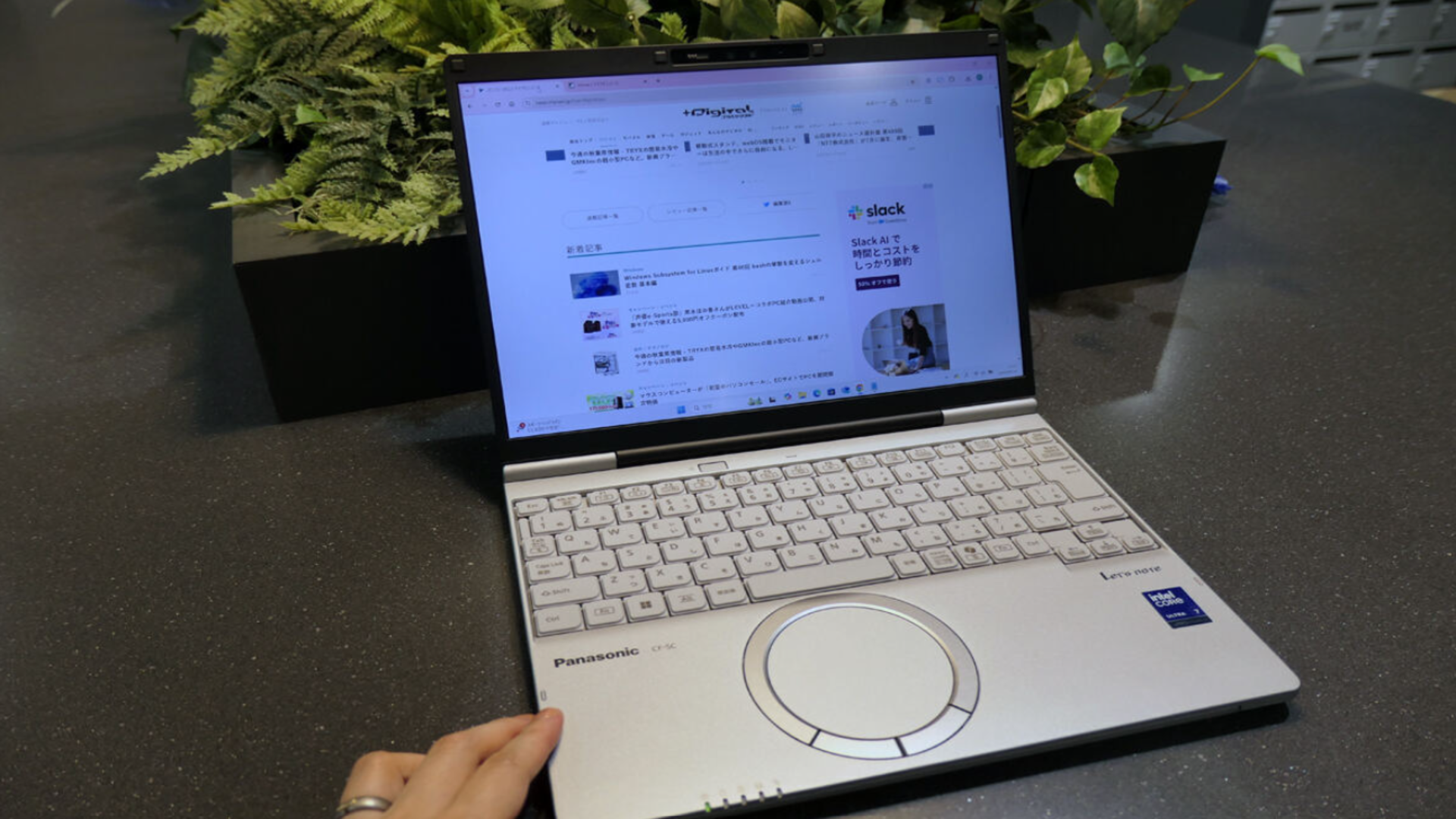
Rank 35580Panasonic’s Let’s Note SC weighs under a kilo, yet packs a removable battery and Gigabit LAN portIncludes a 56Wh battery held by screws, lasting up to 34.6 hours idleUnusual round touchpad returns, now larger and borrowed from a 14-inch sibling modelPanasonic has introduced the Let’s Note SC, a 12.4-inch notebook designed for business users, with a focus on portability, long battery life, and usability enhancements.According to MyNavi (originally reported in Japanese), the device features a 12.4-inch LCD display with a 3:2 aspect ratio and a resolution of 1920 x 1280 pixels.The screen opens to 180 degrees without touching the surface beneath it, aided by a hinge design that keeps it slightly elevated.Weighs less than a kilo and still has Ethernet and HDMIThe chassis features a pressure-resistant bonnet structure and has been tested to meet MIL standards.Panasonic emphasizes the notebook’s durability, including resistance to both impact and vibration.Available in Calm Gray and Black, the SC is powered by Intel’s Core Ultra Series 2 processors, either the Ultra 7 255H or Ultra 5 255U, depending on the configuration.Panasonic claims the notebook weighs 919g, though an independently tested unit reportedly came in at 901g, placing the SC among the lightest laptops in its class.The device includes a 56Wh removable battery, now fastened with screws rather than the tool-less sliding lock used in previous models. While this improves structural integrity, it may make field maintenance less convenient.Battery performance is rated at up to 12.7 hours of video playback and approximately 34.6 hours of idle time, according to JEITA 3.0 standards. In real-world usage, a 50% charge remained after 90+ minutes of light use and a 30-minute video call.The keyboard retains a Japanese layout but introduces a notable change: the Ctrl key is now on the far left, having swapped positions with the Fn key. Users can revert to the previous configuration via BIOS settings.The power button, now located behind the keyboard, is less prone to accidental presses and also functions as a fingerprint sensor.The SC also includes a round touchpad, larger than in earlier models and borrowed from the 14-inch FC line. While still unconventional, this circular design remains a distinguishing feature of the series.Connectivity includes a Gigabit Ethernet LAN port, a rare inclusion in modern laptops and potentially appealing to those seeking robust mobile workstation capabilities.However, the D-Sub and SD card slots have been removed, reflecting user trends toward HDMI and enhanced data security standards.Most ports, including USB Type-A, dual Thunderbolt 4-compatible USB Type-C, and HDMI, are now positioned on the left side, helping to reduce cable clutter when using a mouse.The starting price is approximately 295,000 yen (approx $1,880), with general sales expected to begin on June 20.You might also likeTake a look at our picks for the best business laptops aroundCheck out our recommendations for the best laptops for working from homeA new 'Wikipedia for extensions' wants to make your web browser far more secure by exposing dangerous tools
-

Picture from static.independent.co.uk
Rank 35581 -

Picture from ichef.bbci.co.uk
Rank 35582 -

Picture from ichef.bbci.co.uk
Rank 35583 -

Picture from ichef.bbci.co.uk
Rank 35584 -

Picture from static.independent.co.uk
Rank 35585 -

Picture from static.independent.co.uk
Rank 35586 -

Picture from ichef.bbci.co.uk
Rank 35587 -
Picture from static.independent.co.uk
Rank 35588 -

Picture from static.independent.co.uk
Rank 35589 -

Picture from static.independent.co.uk
Rank 35590 -

Picture from static.independent.co.uk
Rank 35591 -
Picture from o.aolcdn.com
Rank 35592Ask me what I’m reading at any given moment and I’ll probably rattle off at least three titles, not to mention comics and the occasional textbook I may also be chipping away at in the background. Reading multiple books simultaneously might sound chaotic (at least, people always tell me it is), but there is a degree of organization to it all: each book in my pile of current reads is in a different format. I'll have one physical, paper book, an ebook and an audiobook in progress at a time, so I always have something on hand to read no matter where I am.
While I used to carry around a dedicated ereader, I've shifted more toward using my phone for the job these days, especially since getting a foldable. Consequently, I've tried out a bunch of different apps for reading and logging my books. These are the ones I like most.
Libro.fm
Audiobooks have really grown on me over the last few years, almost entirely replacing podcasts as the thing I'll throw on when I'm cleaning, taking a walk or going for a long drive. While I tried to make do at first by only borrowing audiobooks from the library, I quickly found that the extremely limited selection from my library system coupled with really long wait times just wouldn't cut it if I wanted to stay up on new releases. After researching all the options, I settled on Libro.fm, an audiobook platform that shares a portion of profits (about half, according to a 2022 interview) with independent bookstores. And even better, you get to pick which bookstore to support with your purchases.
I wasn't expecting to find my favorite local bookstore — a tiny shop in a small town in New York's Hudson Valley — on Libro.fm, so I was pleasantly surprised when it turned up in the search. With that, and the fact that all audiobooks from Libro.fm are Digital Rights Management (DRM) free, so you can actually download the files and do with them as you please, I was sold. You have a few options for buying audiobooks through Libro.fm: you can subscribe for $15 per month, which gives you one audiobook credit and a 30 percent discount on all purchases; you can buy credit bundles to save on purchases without a subscription; and you can purchase individual titles at their full, non-member price. There are also plenty of free books to choose from.
Bookshop.org app
The moment I found out that Bookshop.org had launched ebooks and an app to read them on, I made the site my sole destination for buying digital books and haven't looked back. Just like Libro.fm, Bookshop.org lets you choose a local bookseller to support with your purchases. It's been doing this for physical book sales for the last five years — and according to its tally has raised over $38 million for independent bookstores in that time — but until now, there hasn't been a similar option for ebooks. The new app is a no-frills ereader app where you can browse the Bookshop.org catalog to save titles to your wishlist (purchases have to be made on the site) and read all the ebooks you've bought. There are some things I'd love to see it gain in the future, like comics and the option to display pages side by side for reading book-style on a foldable, but it's a great start as it is, especially if your primary concern is supporting small businesses.
Right now Bookshop.org's ebook service doesn't sync with any of the mainstream ereader devices, so you're locked into reading on Android, iOS or a web browser, but the company said it's working on Kobo integration and we could see that happen before the end of this year.
Libby
Libby, aka the library app, is my app of choice for older, less in-demand ebooks and audiobooks, or for when I don't have anything particular in mind and just want to browse the catalog to see what jumps out at me. It lets you link multiple library cards, meaning you potentially have a huge pool to pull from, and since you're borrowing books rather than buying them, it's entirely free. Libby also connects with Kindle, and you can have your titles automatically sent to your ereader. Some Kobo devices support OverDrive (the distributor behind Libby) too.
While using an app may not be quite as satisfying as perusing the stacks IRL, I really like Libby's tag system, which lets you organize your borrowed books and To Be Read titles in whatever way works best for you. You can have a dedicated TBR tag, or create several different tags to group things by genre, mood, etc. Libby is also a great place to find magazines.
Moon+ Reader (Android only)
Moon+ Reader is the best app I've used yet for instances where I have the actual file for a book or document. It supports a ton of different file types — including ePUB, PDF, AZW3, MOBI and many more — and allows you to highlight and annotate text, in addition to offering auto scroll and text-to-speech so the text can be read aloud to you. It's really customizable, too. You can choose things like font, font color, background, margin width, line spacing and more for each document, and save the final build as a theme so you can use it again later. Designwise, the app feels almost like a relic of a bygone digital era, organizing all of your books in a skeuomorphic virtual bookshelf, and I love it. There are a few style options for the bookshelf too, or you can turn off the bookshelf and just see your books in a standard grid.
There's both a free and paid version of the Moon+ Reader, and this is a situation where getting the paid version (Moon+ Reader Pro) is actually worth it. It's a one-time purchase of $10, and going that route will get rid of ads and open up more customization options. In addition to importing your own files into the app, Moon+ Reader has Project Gutenberg integrated so you can directly access that library of over 75,000 free books.
The Storygraph
Naturally, I need a way to keep up with all the reading I'm doing, and that's where The StoryGraph comes in. The StoryGraph is a data-focused app for keeping track of everything you're currently reading, everything you've read and the ever-growing list of titles you want to read. It even allows you to mark books as "did not finish." I love that I can have five in-progress books logged at a time, and can even update each entry to note how far along I am, which is nice for those I'm dragging my feet on completing.
When you leave a review, you have the option to be really detailed about it, going beyond a star rating and a blurb. Reviewers can indicate whether the book would appeal to readers who like a particular mood, with over a dozen options. You rate the pace and answer basic questions about the plot and characters, like whether there's character development or if the characters are even likeable. There's also the option to add content warnings.
Where The StoryGraph really shines, though, is in the stats. There are tons of actual graphs built into the experience to show you a comprehensive breakdown of your reading habits, from the genres, moods and pacing you prefer, to how much fiction you've read versus nonfiction. You can set challenges for yourself, like a yearly reading goal, and you'll be shown a Reading Wrap-up at the end of the year. It'll tell you how long it takes you to finish a book on average, and compare your reading stats to previous years.
There is a mild social component to the app, but it's tucked away in its own tab and not shoved in your face, which I appreciate as someone who tends to shy away from those things. If you want, though, you can participate in or create readalongs, start buddy reads and book clubs (and even write out a code of conduct for the latter) or just see what other people with similar interests to yours are reading. The StoryGraph team also really seems to take users' feedback into consideration, and is constantly adding new things to the app and tweaking existing ones to improve the experience, which is always nice to see.This article originally appeared on Engadget at https://www.engadget.com/entertainment/the-best-apps-for-reading-tracking-and-listening-to-books-120047705.html?src=rss
-

Picture from ichef.bbci.co.uk
Rank 35593 -

Picture from static.independent.co.uk
Rank 35594 -

Picture from assets1.cbsnewsstatic.com
Rank 35595 -

Picture from image.cnbcfm.com
Rank 35596 -

Picture from image.cnbcfm.com
Rank 35597 -

Picture from ichef.bbci.co.uk
Rank 35598 -

Picture from static.independent.co.uk
Rank 35599 -

Picture from ichef.bbci.co.uk
Rank 35600
