News
This constantly updated list features the latest and most important news articles, ranked in order of significance. The top stories highlight major developments, breaking news, and critical updates across various topics, ensuring you stay informed about the most pressing issues. As new articles are added, the list adapts to reflect the latest priorities, keeping the most impactful stories at the forefront. Whether it’s global events, technology breakthroughs, or industry trends, this dynamic list ensures you always have access to the most relevant and timely information.
-

Picture from static.independent.co.uk
Rank 33601 -

Picture from static.independent.co.uk
Rank 33602 -

Picture from ichef.bbci.co.uk
Rank 33603 -

Picture from static.independent.co.uk
Rank 33604 -

Picture from static.independent.co.uk
Rank 33605 -

Picture from static.independent.co.uk
Rank 33606 -
Picture from o.aolcdn.com
Rank 33607Dead smartphones aren’t so smart. If you travel, stay away from home for extended periods of time or simply forget to charge your phone occasionally, it might be wise to keep a portable charger in your bag. Over the past few years, I’ve tested over fifty different models to find the best power banks for different life situations. I looked at price, capacity, design and wattage to pick the candidates, then used each one to charge up a slew of different devices to see how they compare. This guide also includes info on what to look for in a battery as well the latest regulations on flying with a power bank. Here are the best portable chargers you can buy right now.
Table of contents
Best power banks for 2025
How we test best power banks
What to look for in a portable battery pack
Other power banks we tested
Power bank FAQs
Best power banks for 2025
What to look for in a portable battery pack
Battery type
Nearly every rechargeable power bank you can buy (and most portable devices) contain a lithium-ion battery. These beat other current battery types in terms of size-to-charge capacity, and have even increased in energy density by eight fold in the past 14 years. They also don’t suffer from a memory effect (where a battery's lifespan deteriorates due to partial charges).
Flying with portable batteries
You may have heard about lithium ion batteries overheating and catching fire — a recent Hong Kong flight was grounded after just such a thing happened in an overhead bin. Current restrictions implemented by the TSA still allow external batteries rated at 100Wh or less (which all of our recommendations are) to fly with you, but only in your carry-on luggage — they can’t be checked.
Recently, Southwest Airlines was the first in the industry to take that rule one step further. Now, flyers on that airline must keep power banks in clear view when using them to recharge a device. If the portable charger isn’t actively in use, however, it can stay in your carry-on bag in the overhead bin.
Capacity
Power bank manufacturers almost always list a battery’s capacity in milliamp hours, or mAh. Smaller batteries with a 5,000mAh capacity make good phone chargers and can fill a smartphone to between 50 and 75 percent. Larger batteries that can recharge laptops and tablets, or give phones multiple charges, can exceed 25,000mAh and we have a separate guide that covers that entire category.
Unsurprisingly, the prices on most batteries goes up as mAh capacity increases, and since batteries are physical storage units, size and weight go up with capacity as well. If you want more power, be prepared to spend more and carry around a heavier brick.
You might think that a 10,000mAh power bank could charge a 5,000mAh phone to 100 percent twice, but that’s not the case. In addition to simple energy loss through heat dissipation, factors like voltage conversion also bring down the amount of juice that makes it into your phone. Most manufacturers list how many charges a battery can give a certain smartphone. In our tests, 10,000mAh of battery pack capacity translated to roughly 5,800mAh of device charge. 20,000mAh chargers delivered around 11,250mAh to a device, and 25,000mAh banks translated to about 16,200mAh of charge. That’s an average efficiency rate of around 60 percent.
Wireless
More manufacturers are making power banks with wireless charging. Not hassling with cables is nice, but it’s important to note that wireless charging is less efficient than plugging in your phone. Outside of MagSafe options, wireless portable chargers historically didn’t make the cut for our top picks for this guide for that reason. The Qi2 wireless charging standard arrived last year and improves performance for wireless charging, including for portable banks. Currently, iPhones are the only handsets that support the new tech, but as it’s an open standard, expect Google, Samsung and others to adopt it for future phones. In my testing, I’ve noticed an uptick in the performance of non-Qi2-enabled batteries as well, so you'll now see wireless options on this list.
Ports
Since Apple ditched the Lightning cable and adopted USB-C, we’re getting closer to a standard for charging connections — and all of our picks have at least one such port. But plenty of other devices use older interfaces, like USB-A and microUSB ports, plus Lightning for older iPhones. You can find cables with just about any combination of those connections, so when you’re picking out a battery, just check that one end of your preferred cord will fit.
Most battery packs have more than one charging port, which gives you different charging options. You’ll typically see at least one port labeled “in/out,” which means you can use it to both charge the bank and charge your gadget. While USB-A output ports can power up cell phones and other small devices, they can’t charge larger devices. Plus, they aren’t as fast as USB-C ports overall. That’s something to keep in mind when you’re deciding which ports and charging cables to use to connect your phone to the pack.
There’s even more variation among USB-C ports themselves, with different ports on the same device supporting different power transfer rates. What that means in practical terms is an iPhone will charge just fine plugged into a power bank’s 18W port. But to properly charge, say, a MacBook or similar laptop, it’ll need the extra juice supplied by a 100W port (which larger power banks can offer). Power banks with more than one port can also charge multiple devices at the same time, but speeds and the overall charge delivered will be lower.
You’ll also want to consider your charging cable. For anything larger than a smartphone (and to access fast-charging capabilities) you’ll want to use USB-C ports and cables. But not all cables are created equal, even when they have the same USB-C plugs on the end. If you want power delivery from a 100W USB-C power bank port, you’ll need a 100W-rated USB-C cable. Luckily, power banks capable of delivering 100W tend to include a compatible cable. For any devices that don’t, we’ve tried and liked Anker’s 100W USB-C cable. For smaller devices, we used this 60W cable from Nimble and we don’t recommend bothering with cables under 60W. For around $20, higher-capacity charging cables will make sure you’re not wasting time with connections that limit your potential power transfer.
Design
For the most part, these rechargeable batteries have a squared-off, brick-like design, though many nod towards aesthetics with attractive finishes and detailing. While that doesn’t affect how they perform, it’s a consideration for something you’ll interact with regularly. Some portable power stations include extra features like MagSafe compatibility, a built-in wall plug or even a kickstand. Nearly all have some sort of indicator to let you know how much available charge your power bank has left, usually expressed with lighted pips near the power button. Some of the newer banks take that a step further with an LED display indicating remaining battery percentage.
How we test best power banks
Before we even put our hands on a battery pack, we did extensive research. We considered brands Engadget reviewers and staff have tried over the years and we checked out customer ratings on retail sites like Amazon and Best Buy. Then we get our hanHere’s the full list of power banks we've tested, which range from small wireless banks to large, multi-device batteries.
Amy Skorheim for Engadget
MagSafe-compatible
Apple MagSafe Battery Pack (5,000 mAh)
Spigen ArcHybrid Mag (5,000mAh)
Anker 521 Magnetic Battery (5,000 mAh)
Mophie snap+ PowerstationMmini (5,000mAh)
Baseus Magnetic (10,000mAh)
Anker MagGo Power Bank (6.6K) (6,600 mAh)
Anker 633 Magnetic Battery (10,000mAh)
Anker MagGo Power Bank (10K) (10,000 mAh)
UGREEN 10,000mAh Magnetic (10,000mAh)
EcoFlow Rapid Magnetic (5,000mAh)
Low capacity (≤10,000mAh)
Mophie Juice Pack (2,400mAh)
Anker 511 Power Bank (5,000 mAh)
Anker 313 Power Bank (10,000mAh)
Nimble Champ (10,000mAh)
Biolite Charge 40 PD (10,000mAh)
Anker Nano (5,000mAh)
Nimble Champ (10,000mAh)
Satechi Quatro Wireless bank (10,000mAh)
Anker 10K Fusion power bank (10,000mAh)
Mid capacity (10,001 - 20,000mAh)
Baseus Blade 2 (12,000 mAh)
Otterbox Fast Charge (15,000mAh)
Mophie Powerstation Pro (20,000mAh)
Anker Prime (20,000mAh)
Nestout Portable Charger (15,000mAh)
Nimble Champ Pro (20,000mAh)
InfinaCore P3 Pro (10,500mAh)
High capacity (20,001mAh+)
Mophie Powerstation Pro XL (25,000mAh)
UGREEN Power Bank 25,000mAh 145W (25,000mAh)
Anker 737 Power Bank (25,600 mAh)
Zendure Supertank Pro (26,800mAh)
Mophie Powerstation Pro AC (27,000mAh)
Lion Energy Eclipse Mag (27,000mAh)
Lion Energy Trek (27,000mAh)
HyperJuice 245W (27,000mAh)
Anker Prime 27,650mAh Power Bank (27,650mAh)
Anker laptop power bank with built-in cable (25,000mAh)
Belkin Boost Charge 20K with built-in cable (20,000mAh)
We're continuously updating this guide as companies release new products and we test them. We remove some products as we find picks that are more worthy of the best portable charger designation. We also add updated specs and prices where necessary.
For testing, I used each battery with some combination of an iPhone 15, an iPhone 14 Plus, an iPhone 11, a Samsung Galaxy S22 Ultra, a Galaxy S23 Ultra, a 5th-gen iPad Air and an M1 Pro 16-inch MacBook Pro. I charged one phone battery at a time, even though some packs are capable of multiple-device charging. I charged the phones and tablets from between zero and five percent until they were 100 percent full (or until the power bank was dead), and didn’t use the phones or tablets while they charged other than to power them on and enter the unlock code. In the case of the MacBook, I used it while it was charging (it’s my work computer).
I used the charging cable included with each power bank to charge the Galaxy S22 Ultra, MacBook Pro and the iPad Air. For the iPhones, I used the USB-C to Lighting cable that Apple provides. In the case of the lower-capacity power banks that didn’t include a cord or included one with USB-C to USB-A connectors, I used this 60W-rated USB-C to USB-C cable.
For reference, here are the battery capacities of each device we used for testing:
iPhone 11: 3,110 mAh
iPhone 14 Plus: 4,325 mAh
iPhone 15: 3,349 mAh
Galaxy S22 Ultra: 4,855mAh
iPad Air: 7,729mAh
16-inch M1 Pro MacBook Pro: 27,027mAh
I noted the times for each charge and the number of charges each bank provided. I also paid attention to things like ease of use and overall design.
Other power banks we tested
Anker Prime 20,000 mAh power bank
Anker’s Prime bank was our previous pick for the best premium power bank, but I thought it worked best with the expensive (yet very convenient) base. Considering it also doesn’t have any built-in cables, we decided to bump the Prime battery from its position and replace it with the Anker Retractable Cable Laptop Bank. There’s still plenty to like about the Prime battery: it’s solid, attractive and tells you just how much charge it has left with its onboard display. When you add the optional base, you not only get a convenient drop-and-go way to recharge, it also acts as a charging hub with three additional USB ports.
EcoFlow Rapid magnetic power bank
I was curious to try out the first power bank from EcoFlow, a company that primarily makes larger power stations and whole-home backup batteries. The first offering in the brand’s Rapid series is a Qi2-enabled magnetic charger with a 5,000mAh capacity. It looks quite nice with shiny silver accents and soft-touch grey plastic on the MagSafe-compatible front. There’s a little pull-out leg that sturdily displays your phone as it charges and the attached USB-C cable lets you refill devices directly, then tucks out of the way when it’s not in use. But it didn’t outperform our top pick in the MagSafe category, in terms of both charging speeds and the amount of charge delivered.
Baseus Blade 2
The Blade 2 from Baseus has a unique, flat shape that’s just a little wider than an ereader — which may make it easier to slip into a low profile laptop bag. It charged a Samsung Galaxy S23 Ultra considerably faster than any other battery bank we tried, getting it from four percent to full in just over an hour. It then filled the phone back to 62 percent from dead on a second charge in about a half an hour. But $100 is a lot for a standard power bank that holds fewer than two full charges. But if you can find the Blade 2 on sale, snap it up.
Anker MagGo (6.6K)
Anker’s 6.6k MagGo is pretty similar to our top pick for a MagSafe-compatible battery pack. It supports the Qi2 charging standard and props up your iPhone so you can use it or enable StandBy mode while powering up. This one even lets you set the viewing angle from 30 to 65 degrees. It was speedy in getting an iPhone 15 up to 50 percent in about 40 minutes. But for the added bulk, it doesn’t have as much capacity as the 10K MagGo, holding just enough juice for a single full charge plus about 5 percent. But it is $20 cheaper, which may be key for some.
Mophie Snap+ Powerstation Mini
The Mophie snap+ Powerstation Mini is terribly well-built. It feels premium with a rubberized contact point for the MagSafe charging pad and a stand that runs the entire width of the bank itself, making it extra sturdy. It’s compact, too, but only carries a 5,000mAh capacity, which gets you a partial charge on most newer or larger phones. Our current MagSafe/iPhone pick has double the capacity, a stand and a digital display — for just $20 more than the Powerstation Mini.
Power bank FAQs
What's the difference between a portable power bank and a portable charger?
A slew of terms are used to describe power banks, including portable batteries, portable chargers, external battery packs and even, somewhat confusingly, USB chargers, which is what wall chargers are often called. They all mean the same thing: a lithium ion battery that stores a charge so you can refill a smartphone, tablet, earbuds, console controller, ereader, laptop, or just about any other device with its own built-in, rechargeable battery.
There’s little difference between the terms, so the specs you’ll want to pay attention to are capacity (expressed in mAh), size and weight so you can find the right balance between recharging what you need and portability.
Power stations, on the other hand, are distinct. These are bigger units (often around the size of a car battery) that can be used to charge multiple devices multiple times, but notably, they can’t be taken on airplanes.
Does fast charging actually ruin your battery?
Not exactly. The real enemy of a battery’s longevity is heat. The faster you charge a battery, the more heat is generated. Modern phones have features that keep the battery cool while charging, like physical heat shields and heat sinks, as well as software features that slow down processes that generate too much heat. Phone manufacturers are keen to promote a phone’s fast-charging abilities, so they had to figure out ways to make faster charging work.
While there aren’t long-term studies on what fast charging does to a phone, a study on EV batteries (which use the same general concept of charged lithium ions flowing from one side of the battery to the other, absorbing or releasing a usable charge) showed a very slight decrease in capacity over time with only fast charging — though what actually made a larger difference was how hot the battery itself was, due to ambient temperatures, when it was charged.
In short, fast charging could be slightly harder on your battery than normal charging. But the safeguards most smartphones have make that difference fairly negligible. To really ensure you’re taking the best care of your battery, limiting heat exposure overall is one of the best things you can do.
Can you use a power bank for all your devices?
That depends on the size of the bank and the size of your device’s battery. A small 5,000mAh battery isn’t strong enough to charge laptops, but a portable charger with a 20,000mAh capacity will give your computer a partial refill. You also have to consider port compatibility. If your device has a USB port, you’ll be able to easily find a cable to connect it to a battery. If your device has a more unique port, such as a DC port, you won’t be able to use a battery. Devices with an AC cable and plug can be charged, and sometimes powered (such as in the case of a printer or speaker), by larger laptop batteries with AC ports.This article originally appeared on Engadget at https://www.engadget.com/computing/accessories/best-power-bank-143048526.html?src=rss
-

Picture from static.independent.co.uk
Rank 33608 -

Picture from static.independent.co.uk
Rank 33609 -

Picture from assets1.cbsnewsstatic.com
Rank 33610 -

Picture from assets1.cbsnewsstatic.com
Rank 33611 -

Picture from ichef.bbci.co.uk
Rank 33612 -

Picture from static.independent.co.uk
Rank 33613 -

Picture from static.independent.co.uk
Rank 33614 -

Picture from static.independent.co.uk
Rank 33615 -

Picture from static.independent.co.uk
Rank 33616 -

Picture from static.independent.co.uk
Rank 33617 -

Picture from static.independent.co.uk
Rank 33618 -

Picture from static.independent.co.uk
Rank 33619 -

Picture from image.cnbcfm.com
Rank 33620 -
Picture from cdn.mos.cms.futurecdn.net
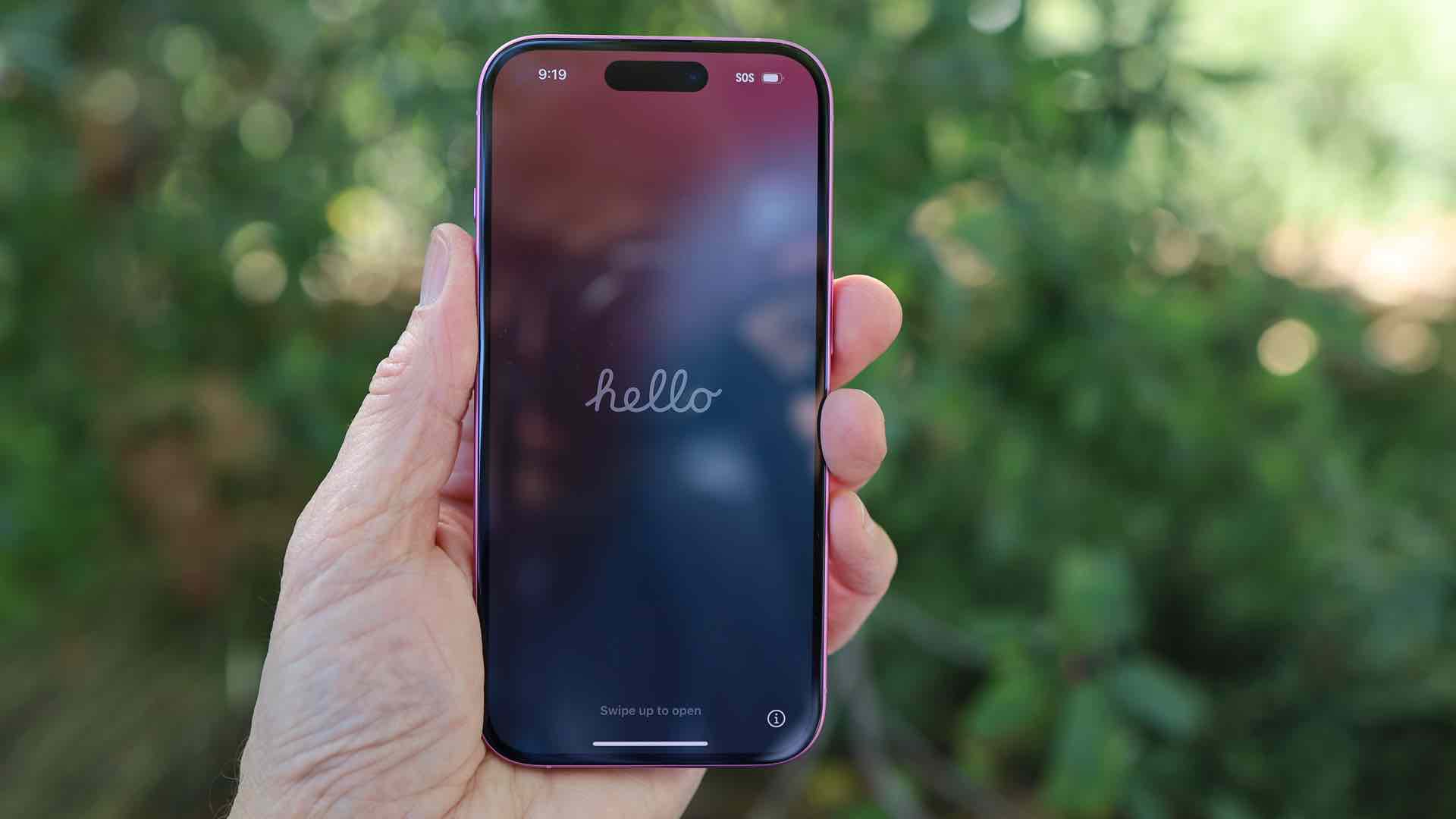
Rank 33621Upgraded MagSafe chargers have been spotted in filingsThe iPhone 17 could support up to 50W wireless chargingPrice hikes for the new models have been predictedWe're counting down the weeks until the iPhone 17 reveal, which should be sometime in September, and a couple of new leaks have caught our attention. In short: there's good news and there's bad news.First up, the positive news is that Apple's flagship phone series might be getting a boost in terms of its wireless MagSafe charging, compared to the iPhone 16 range.As spotted by 91mobiles, Apple has submitted regulatory filings in Taiwan for two new MagSafe charger models, with model numbers A3502 and A3503.Crucially, the chargers support the Qi 2.2 standard, and that means a big jump in wireless charging power: 50W, as opposed to the 25W that the current iPhones max out on (the current MagSafe tech is limited to Qi 2.0).The Qi 2.2 standard also brings with it improved efficiency, to cut down on heat generation and energy loss, as well as better magnetic alignment – so these new MagSafe chargers should snap into place better than ever before. The signs are promising that the new models will offer improved charging speeds for the iPhone 17.Price risesCurrent iPhones, like the iPhone 16e, have stayed at their original price (Image credit: Future / Lance Ulanoff)Less encouragingly, 9to5Mac reports on a prediction from the analysts at Counterpoint Research, which suggests the starting price of an iPhone will go up this year – primarily because of the ongoing US tariff situation.Some of that tariff cost is going to be passed on to consumers by Apple, Counterpoint Research says, though it doesn't specify what the price hike might be, or which models could be most affected. Up until now, Apple has resisted raising the prices of its current lineup, including the recently launched iPhone 16e.Of course, this is all unofficial for now, and the tariff situation might look a lot different in September 2025, but you might want to start saving. The iPhone 16 starting price was set at $799 / £799 / AU$1,399 when it launched last September.Rumors of an iPhone 17 price hike have been swirling all year, so this latest prediction isn't really a surprise. Insider sources and analysts from Samsung Securities have both speculated that the iPhone 17 could cost more than its predecessor – not just because of tariffs, but also because of new costs for Apple and new features in the handset.You might also likeThe iOS 19 upgrades we're really hoping for at WWDC 2025These are the best iPhones to buy right nowThe Galaxy Z Fold 7 may miss out on MagSafe for Android
-
Picture from cdn.mos.cms.futurecdn.net
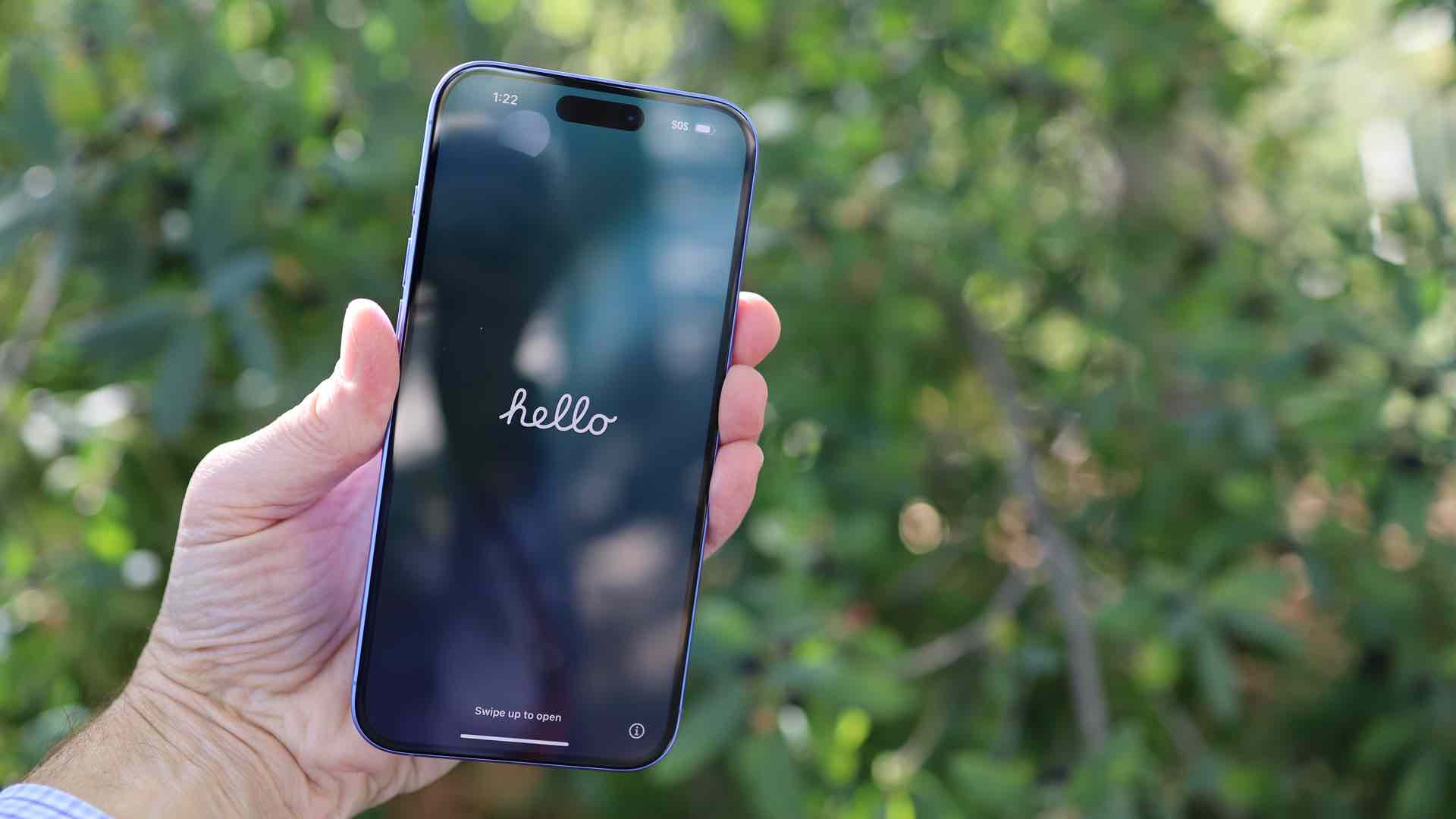
Rank 33622The iPhone 17 and iPhone 17 Air are again rumored to have 120Hz refresh ratesHowever, this time we're hearing that they might not have ProMotion screensThat would likely mean they don't have a variable refresh rate, which could be bad news for battery lifeWe’ve long expected that the entire iPhone 17 series will get 120Hz displays, with numerous sources saying the base model will finally leave 60Hz screens in the past. However, a new leak complicates this claim slightly.According to reputable leaker Fixed Focus Digital (via 9to5Mac), the base iPhone 17 and the iPhone 17 Air will indeed have 120Hz screens, but unlike on the Pro models, these won’t be ProMotion displays.You see, Apple equips its Pro models with ProMotion screens, which, as well as being able to reach 120Hz, are also able to dial all the way down to 1Hz. This means the refresh rate is never higher than it needs to be, so battery can be conserved when a high refresh rate isn’t needed.And with a 1Hz refresh rate, they can also support Apple’s always-on display feature (which would use a lot of battery if the refresh rate were stuck at a high level). But according to this source, the iPhone 17 and iPhone 17 Air won’t have a variable refresh rate.No always-on, and not enough enduranceThe iPhone 16 Pro Max has a variable refresh rate (Image credit: Future / Lance Ulanoff)So, that would likely mean the iPhone 17 and iPhone 17 Air still won’t support Apple's always-on display feature, but more troublingly, it could also mean a reduction in battery life for both models. That’s especially worrying for the iPhone 17 Air, which by virtue of being slim will probably have quite a small battery to begin with.But that makes me doubt this rumor a bit. It could make sense for Apple to do this with the base iPhone 17, as it would be a spec upgrade, but one that still keeps it behind the Pro models. The battery hit on the Air, however, would surely be too big a sacrifice.So, I'm hoping that this rumored upgrade is either totally wrong or will only come to the base iPhone 17, as in the iPhone 17 Air’s case, it might end up being more of a downgrade than just equipping it with a 60Hz screen.You might also likeiOS 19: the 5 upgrades I'm really hoping for at WWDC 2025How to watch WWDC 2025: get ready for new Apple Intelligence features, iOS 19, macOS 16 and moreBest iPhone: which Apple smartphone reigns supreme?
-

Picture from static.independent.co.uk
Rank 33623 -

Picture from static.independent.co.uk
Rank 33624 -

Picture from static.independent.co.uk
Rank 33625 -

Picture from image.cnbcfm.com
Rank 33626 -
Picture from ichef.bbci.co.uk
Rank 33627 -

Picture from static.independent.co.uk
Rank 33628 -

Picture from static.independent.co.uk
Rank 33629 -

Picture from ichef.bbci.co.uk
Rank 33630 -

Picture from assets3.cbsnewsstatic.com
Rank 33631 -

Picture from ichef.bbci.co.uk
Rank 33632 -

Picture from static.independent.co.uk
Rank 33633 -

Picture from static.independent.co.uk
Rank 33634 -

Picture from static.independent.co.uk
Rank 33635 -

Picture from image.cnbcfm.com
Rank 33636 -

Picture from cdn.mos.cms.futurecdn.net
Rank 33637Marks and Spencer CEO received communication from a ransom gangThis follows a devastating attack earlier in 2025The email confirms a link between the M&S and Co-op attacksMarks and Spencer was amongst the British retailers that suffered devastating cyberattacks earlier in 2025, with services and stores facing disruption, as well as online orders being suspended.In the midst of all this, reports from the BBC claim company CEO Stuart Machin was personally sent emails by the attackers goading him and inviting him to begin negotiating the ransom fee."We have marched the ways from China all the way to the UK and have mercilessly raped your company and encrypted all the servers," the hackers wrote. "The dragon wants to speak to you so please head over to [our darknet website]."Save up to 68% on identity theft protection for TechRadar readers! TechRadar editors praise Aura's upfront pricing and simplicity. Aura also includes a password manager, VPN, and antivirus to make its security solution an even more compelling deal.Preferred partner (What does this mean?)View Deal“Let's get the party started”The group, who call themselves “DragonForce” also claimed responsibility for the Co-op attack, which came around a similar time - making this email the first official link between the two incidents.Little is known so far about the group themselves, but the emails confirm this was a ransomware attack, something that M&S have so far refused to comment on.It was sent through a London-based Tata Consultancy Services (TCS) employee, and it appears as though this employee was also hacked as part of the wider attack - and the Indian IT service is investigating whether it was the origin for the M&S cyberattack.The email indicated a knowledge of the firm’s cyber insurance, taunting the firm; "we know we can both help each other handsomely : ))". The email also contained a link to begin ransom negotiations; "let's get the party started. Message us, we will make this fast and easy for us."We reached out to Marks and Spencer for comment, which it declined, offering the following;“We cannot comment on details of or speculation on the cyber incident, and we have been advised not to.”You might also likeTake a look at our picks for the best malware removal software aroundCheck out our choice for best antivirus softwareFBI warns Play ransomware hackers have hit nearly a thousand US firms
-

Picture from static.independent.co.uk
Rank 33638 -

Picture from static.independent.co.uk
Rank 33639 -

Picture from static.independent.co.uk
Rank 33640 -

Picture from static.independent.co.uk
Rank 33641 -

Picture from static.independent.co.uk
Rank 33642 -
Picture from ichef.bbci.co.uk
Rank 33643 -

Picture from ichef.bbci.co.uk
Rank 33644 -

Picture from static.independent.co.uk
Rank 33645 -

Picture from static.independent.co.uk
Rank 33646 -

Picture from image.cnbcfm.com
Rank 33647 -
Picture from static.independent.co.uk
Rank 33648 -

Picture from static.independent.co.uk
Rank 33649 -

Picture from static.independent.co.uk
Rank 33650
