News
This constantly updated list features the latest and most important news articles, ranked in order of significance. The top stories highlight major developments, breaking news, and critical updates across various topics, ensuring you stay informed about the most pressing issues. As new articles are added, the list adapts to reflect the latest priorities, keeping the most impactful stories at the forefront. Whether it’s global events, technology breakthroughs, or industry trends, this dynamic list ensures you always have access to the most relevant and timely information.
-

Picture from ichef.bbci.co.uk
Rank 22651 -

Picture from ichef.bbci.co.uk
Rank 22652 -

Picture from static.independent.co.uk
Rank 22653 -

Picture from static.independent.co.uk
Rank 22654 -

Picture from static.independent.co.uk
Rank 22655 -

Picture from ichef.bbci.co.uk
Rank 22656 -

Picture from static.independent.co.uk
Rank 22657 -

Picture from static.independent.co.uk
Rank 22658 -

Picture from static.independent.co.uk
Rank 22659 -

Picture from static.independent.co.uk
Rank 22660 -

Picture from ichef.bbci.co.uk
Rank 22661 -

Picture from static.independent.co.uk
Rank 22662 -

Picture from static.independent.co.uk
Rank 22663 -

Picture from assets3.cbsnewsstatic.com
Rank 22664 -

Picture from image.cnbcfm.com
Rank 22665 -

Picture from static.independent.co.uk
Rank 22666 -
Picture from cdn.mos.cms.futurecdn.net
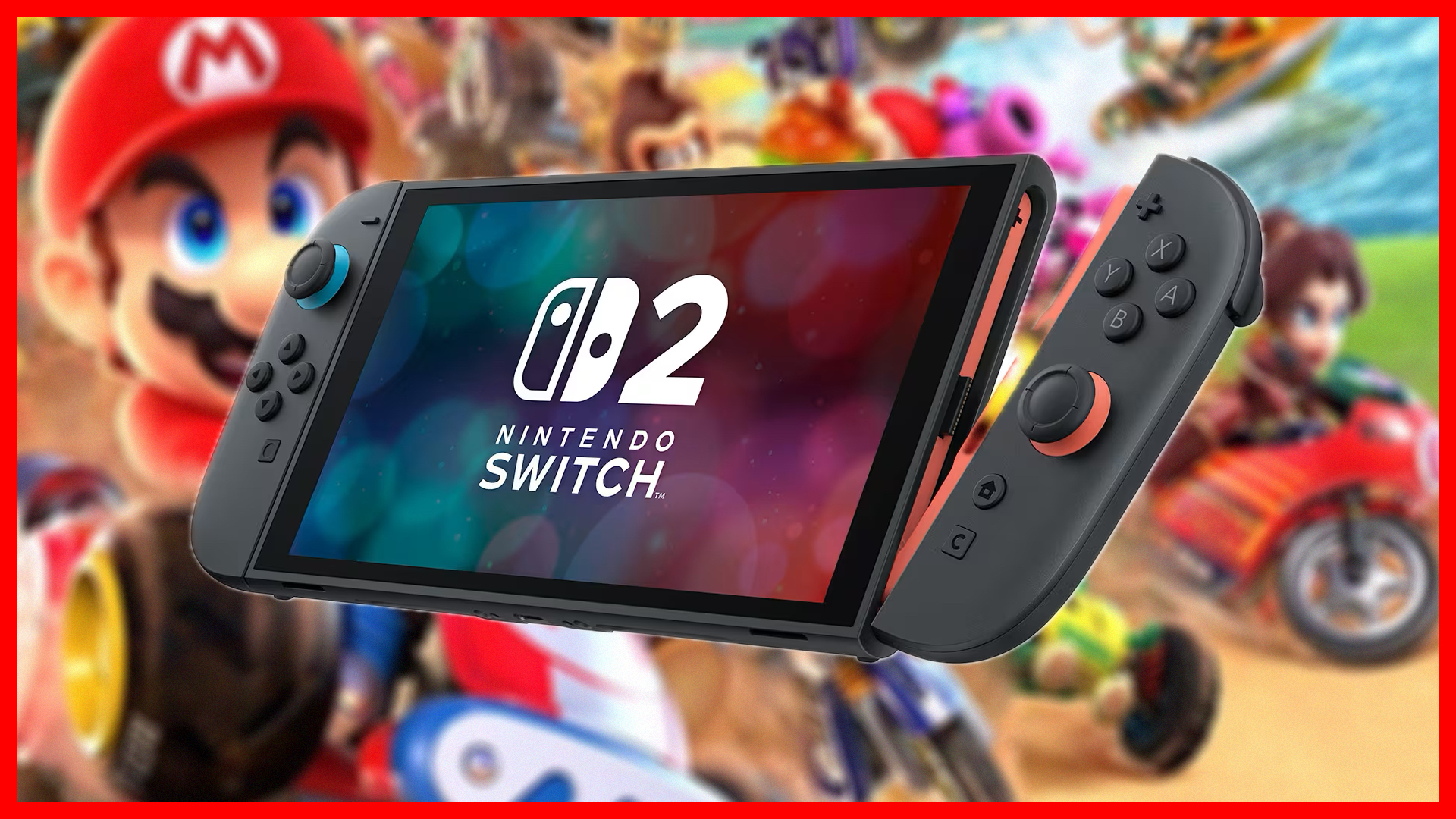
Rank 22667A Nintendo Switch 2 bundle listing has appeared on the CostCo websiteIt's the Mario Kart World bundle, with 12 months of Nintendo Switch Online + Expansion Pack subscription timeNo price as of yet, but we expect it to be around $549.99I've got some potentially great news if you're a CostCo member and still on the hunt for a Nintendo Switch 2, as the retailer is expected to have launch day (June 5) stock.The US retail giant now has a Nintendo Switch 2 bundle listed on its website. It includes the console itself, a digital copy of Mario Kart World, and a 12-month Nintendo Switch Online + Expansion Pack subscription.Stock could obviously vary depending on your location, but the webpage states that the Switch 2 "is expected to be in stock and available for purchase soon" and urges shoppers to "check back again later."There is, however, still no sign that Nintendo Switch 2 pre-orders will be available at CostCo. Furthermore, the retailer is limiting purchases to one unit every seven days. But after a week, it's realistic to expect Switch 2 stock to sell through entirely at CostCo given how difficult it has been to already secure a pre-order.As for price, CostCo hasn't disclosed this quite yet. But if I had to guess, given the addition of a 12-month NSO + Expansion Pack membership on top of the $499.99 Mario Kart World bundle, I'd expect this bundle to go on sale for around $549.99.Likely not the most affordable bundle out there, then, but certainly one worth considering if you'd like a Switch 2 console on day one, and are running out of options elsewhere.You might also like...Nintendo has updated its Switch 2 game compatibility page, identifying over 100 titles with 'start up issues' on the upcoming consoleCheck your Nintendo Switch 2 pre-order ASAP, as some retailers are reportedly cancelling themPowerA reveals new line of Nintendo Switch 2 accessories including a wired controller with Hall effect thumbsticks
-

Picture from ichef.bbci.co.uk
Rank 22668 -

Picture from ichef.bbci.co.uk
Rank 22669 -

Picture from ichef.bbci.co.uk
Rank 22670 -
Picture from static.independent.co.uk
Rank 22671 -

Picture from static.independent.co.uk
Rank 22672 -

Picture from static.independent.co.uk
Rank 22673 -

Picture from static.independent.co.uk
Rank 22674 -

Picture from static.independent.co.uk
Rank 22675 -
Picture from cdn.mos.cms.futurecdn.net
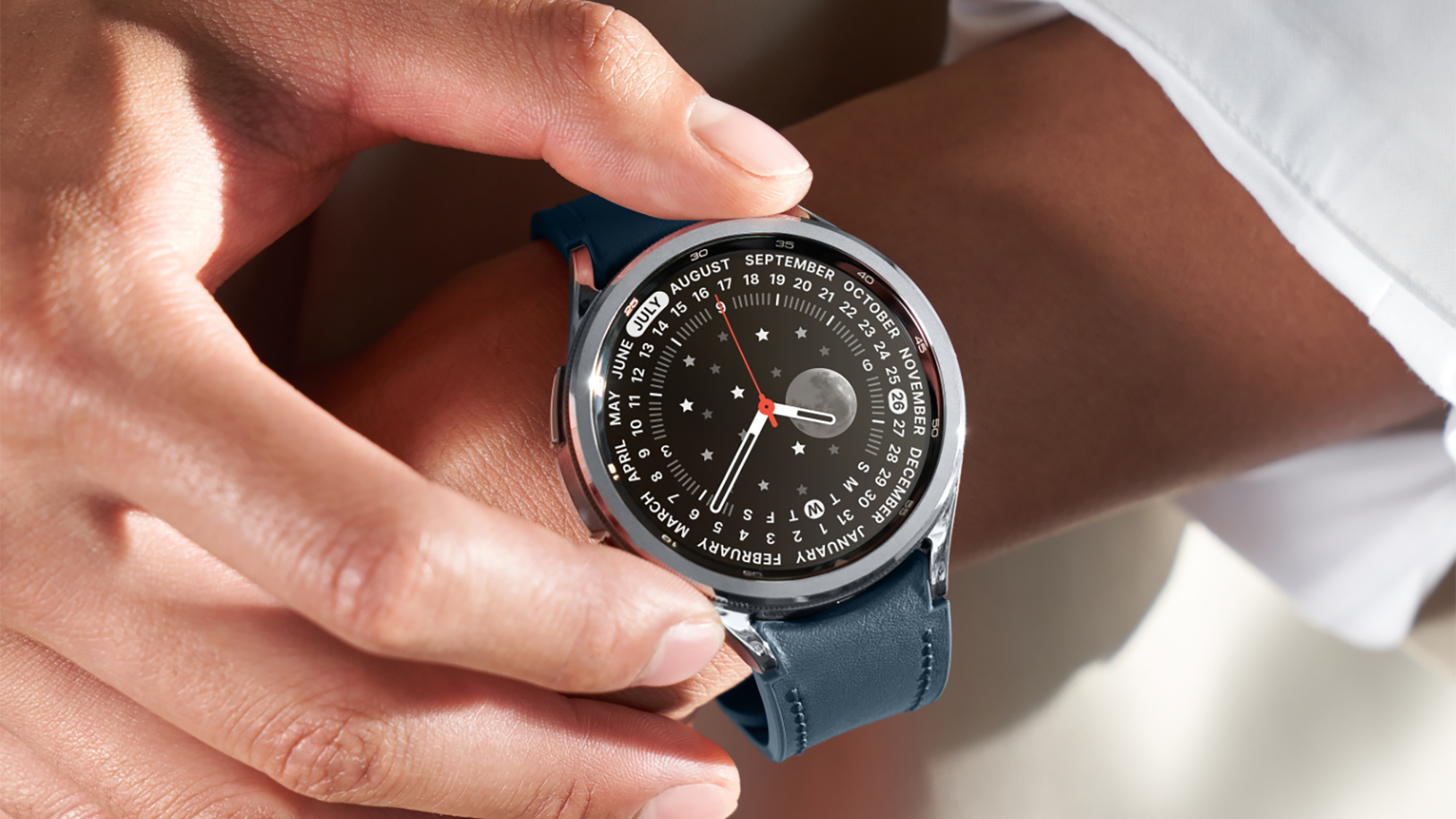
Rank 22676A Chinese telecomms certification has revealed a pair of new Samsung devices set to launch in JulyAs previously rumored, it looks like we're getting the Samsung Galaxy Watch 8 and the Watch 8 ClassicThere is no mention of a Galaxy Watch Ultra 2, indicating it may not be coming this year Samsung's Galaxy Watch line is expected to get another update in the coming months at this year's Samsung Galaxy Unpacked summer showcase. According to a recent report, it looks like there will only be two models making their debut: the Samsung Galaxy Watch 8 and a Galaxy Watch 8 Classic.The Samsung Galaxy Watch Classic series takes the standard Galaxy Watch line and adds a dive watch-style rotating bezel, which also serves as a way to engage with the watch's UI outside of the buttons and touch screens.As spotted by XpertPick, the Chinese telecomms certification board CMIIT has passed two devices labeled SM-L3350 and SM-L5050, believed to be the Watch 8 and Watch 8 Classic. It appears they'll both launch in July 2025—around the time of Samsung's Galaxy Unpacked event.The report follows previous news that generation eight of the Samsung Galaxy Watch line could bring back the Classic form factor. Classics tend to appear every other year –we got a Watch 4 Classic and a Watch 6 Classic, so it's likely we'll get a Watch 8 Classic too.However, the absence of a Watch Ultra 2 certification suggests we're not getting a Samsung Galaxy Watch Ultra follow-up this year.Samsung Galaxy Watch Ultra 2 not coming this year?While the lack of a Samsung Galaxy Watch Ultra 2 certification is a surprise, the rumor mill suggests that the standard and Classic watches are expected to get a similar squircle-style chassis that would at least mean it's there in spirit.The certification conflicts with previous rumors that made the rounds in April, suggesting that a new Ultra model would be revealed in July.Away from the Ultra-specific news, as well as the rotating bezel, the Watch 8 and Watch 8 Classic are expected to get Google's Gemini AI assistant on-wrist. Google's upcoming Wear OS 6 release will bring Gemini to more wearables, including new Samsung devices.You might also like...Use Strava? It’s just been updated with more features – and is stopping leaderboard cheats in their tracksUsers of the new Whoop MG fitness band are reporting widespread failuresI swapped the gym for a high-tech, AI-powered home gym setup and I've never been so motivated
-

Picture from ichef.bbci.co.uk
Rank 22677 -

Picture from static.independent.co.uk
Rank 22678 -
Picture from o.aolcdn.com
Rank 22679Most microSD cards are fast enough for boosting storage space and making simple file transfers, but some provide a little more value than others. If you’ve got a device that still accepts microSD cards — whether it’s an older gaming handheld, the new Nintendo Switch 2, a dash cam, a drone or an Android tablet — we’ve scoured the market and put close to 20 top contenders through a number of benchmark tests. You can find our recommendations for the best microSD cards below, alongside some general shopping advice before you buy.
Table of contents
Best microSD cards of 2025
Other notable microSD cards
What to look for in a microSD card
How we test microSD cards
Recent updates
Best microSD cards of 2025
Other notable microSD cards
The Lexar Play Pro on top of Lexar's RW540 microSD Express card reader.
Jeff Dunn for Engadget
Lexar Play Pro microSD Express Card
The Lexar Play Pro is the second microSD Express card we’ve tested, and you can think of it as a "1A" pick next to SanDisk's model. It doesn’t come in a 128GB configuration, but the 256GB model is much cheaper at $50, plus it’s available in 512GB and 1TB capacities. It’s faster when it comes to sequential writes, measuring around 720 MB/s in CrystalDiskMark and 700 MB/s in ATTO. It also managed to write our larger test file in roughly 35 seconds in certain runs, which was notably quicker than the SanDisk card.
However, its sequential reads were pretty definitively slower — even if they’re still far better than the rest of the market — and those are more important for reducing load times with the Switch 2 in theory. The improved sequential writes were also somewhat inconsistent: Sometimes it’d take closer to 50 seconds to finish our real-world test, bouncing between the low-200 MB/s range and the high-400 MB/s range along the way. At that point, it's only marginally faster than the SanDisk card. Random speeds, meanwhile, weren't hugely different, so both should be similarly adept at keeping larger games like Mario Kart World running smooth.
In the end, the Switch 2 is the only real reason to buy a microSD Express card right now, and we can’t say for sure how different models will perform on that system just yet. The “best” option may end up being whichever one is cheapest. Nevertheless, the Play Pro is worth grabbing if you must buy an Express card today and want more than 256GB of space.
Samsung Pro Ultimate
The Samsung Pro Ultimate was the closest competitor to the Lexar Professional Silver Plus across our benchmark tests, but it's tangibly worse in terms of sequential write speeds, typically costs more and doesn’t offer a 1TB option. The Samsung Pro Plus is a bit slower for sequential reads, but it’s close enough otherwise and usually easier to find at a lower price.
Lexar Professional Gold
We haven't used it ourselves, but if you’re willing to pay for a more powerful UHS-II card built for heavy-duty video recording, the Lexar Professional Gold has tested well elsewhere and should deliver significantly faster sequential write speeds than our UHS-I picks above. It’s one of the few UHS-II cards we could actually find in stock, but it’s pricey, with a 128GB model normally priced in the $35 to $40 range.
SanDisk Extreme
The SanDisk Extreme effectively matched the Pro Plus in a few of our sequential tests, but that was partly due to us only being able to secure the 256GB model, which is higher-rated than the 128GB version. It’s a fine choice if you see it on sale at a reputable seller, but it’s broadly slower than our top pick and often costs more.
SanDisk GamePlay
The SanDisk GamePlay performs similarly to the SanDisk Extreme but costs a good bit extra as of our latest update. We couldn’t get it to reach its advertised speeds with the company’s own “Pro” card reader or other third-party options, so it fell short of our top picks.
SanDisk Pokémon
The SanDisk Pokémon does outperform its advertised read and write speeds, but not by enough to outpace the Lexar Silver Plus or Samsung Pro Plus. It essentially charges extra for having a picture of Pikachu (or Gengar, or Snorlax) on a product you’ll never look at.
SanDisk Extreme Pro
The SanDisk Extreme Pro is a close analog to the Samsung Pro Ultimate but, as of this writing, is either unavailable at most trusted retailers or priced too high by comparison. The Lexar Professional Silver Plus has faster sequential write speeds as well.
PNY XLR8 Gaming
The PNY XLR8 is an affordable card that comes with up to 512GB of space. Its sequential and random writes speeds checked in a little bit above those of Samsung’s Evo Select, plus it comes with a lifetime warranty. But its sequential reads were much, much slower, putting it out of contention.
PNY Elite-X
The PNY Elite-X often goes for cheap and wasn’t too far off the random read/write performance of Samsung's Pro Plus in CrystalDiskMark. Like the XLR8, it’s also slightly above the Evo Select in write speeds. But its sequential reads were too far behind all of our top picks, and it no longer appears to be available in capacities above 256GB.
What to look for in a microSD card
Capacity
The first thing to figure out when buying a microSD card is how much storage space you need. Modern cards are commonly available in sizes ranging from 32GB to 512GB, with several models now available in 1TB or 1.5TB capacities as well. The first 2TB cards from major brands have started to arrive in recent months as well, which is exciting, but those are still fairly rare (and very expensive) by comparison.
For most, a 128GB or 256GB model should be a sweet spot between price and storage space. But if you need more room — say, for stashing a bunch of games on a Steam Deck — a 512GB card or greater could make more sense and often provides a better cost-per-GB ratio. These days, you can find a decent 128GB card for around $15, a good 256GB card for less than $30 and a solid 512GB card for around $40 (with faster models priced a little higher). There’s a starker increase when you go up to 1TB cards, which often cost closer to $100, though we’ve seen some fall into the $70 to $80 range more frequently over the last year. The first wave of 2TB cards are an even bigger leap: the 2TB SanDisk Extreme, for example, now has a list price just under $250.
Note that a microSD card’s performance may differ depending on what capacity you buy. SanDisk says its 128GB Extreme card delivers sequential write speeds up to 90 MB/s, for example, while the higher-capacity models in the same line offer up to 130 MB/s.
When we talk about microSD cards today, we generally refer to cards that use the microSDXC (eXtended Capacity) standard, which have a capacity between 32GB and 2TB. Your device needs to support this for it to work with a microSDXC card. This will almost never be an issue these days, but some older devices (a Nintendo 3DS, for instance) are only compatible with microSDHC (High Capacity) cards, which range from 2GB to 32GB.
Read and write speeds
MicroSD cards are primarily judged on their read and write speeds, which are usually measured in megabytes per second (MB/s). Generally, most microSD cards have faster read speeds than write speeds.
These metrics can then be broken down into sequential and random performance. Sequential read and write speeds matter when you’re trying to access (read) or save (write) long, constant streams of data, such as opening a large video or copying a big batch of files from a PC. If you want to use a microSD card for media storage, this is particularly important. Random performance, meanwhile, is about how quickly a card can read and write small files scattered throughout the device.
Since random read/write speeds are much lower than sequential ones, storage device makers tend not to advertise them as loudly. But they’re important if you use a card with a gaming device or a single-board computer like the Raspberry Pi, where it often has to rapidly save and access small bits of data in random locations.
Speed ratings
If you look at a microSD card, you’ll see a buffet of numbers, letters and symbols. Most of these refer to the card’s speed class and performance ratings, which are determined by the SD Association.
A card’s Video Speed Class, or V-rating, details its minimum sequential write speed, which is especially important when recording video from a camera. It ranges from V6 to V90. Most of the cards we tested had a V30 rating, so they have a sequential write speed of at least 30 MB/s. This should be enough to support up to 4K video at lower bitrates. Higher-rated V60 and V90 cards are usually better for capturing 8K, but they come at a much higher cost.
The UHS Speed Class, or U-rating, also refers to a card’s minimum sequential write speed. It comes in two varieties: U3, which mandates a minimum of 30 MB/s, and U1, which is rated for 10 MB/s.
The older Speed Class rating overlaps with the other two systems. It’s signified by a C symbol and goes from Class 2 to Class 10, with the number (again) indicating minimum sequential write speed. This rating is less relevant nowadays, but you may still see a “C10” logo on some cards.
The Application Performance spec, marked by an A symbol, is an indicator of random read/write speeds. This is measured in IOPS, or input/output operations per second, rather than MB/s. There are two categories here: A1 cards offer a minimum random read speed of 1,500 IOPS and a minimum random write speed of 500 IOPS, while A2 cards bump those up to 4,000 IOPS and 2,000 IOPS, respectively. Both ratings also guarantee sequential write speeds of at least 10 MB/s.
To keep it simple, most people should look for a card with V30, U3 and A2 ratings. It’s totally possible to get a solid card without those: A U1 card might be worth it if you just need a cheap, high-capacity option, for example. V60 and V90 cards are worth a look if you’re serious about shooting high-resolution photos and video as well. But overall, cards with the certifications above should provide the best blend of price and performance today.
It’s important to emphasize that these ratings are baselines. Most V30 cards offer significantly higher write speeds than 30 MB/s, for instance, and some A1 cards can outperform some A2 models in practice. The speeds advertised by manufacturers aren’t always 100 percent accurate, either: Sometimes the card will be slower in real-world use, other times it may actually be a bit faster.
Samsung
UHS bus speeds
The other spec to note is the card’s bus interface. Most microSD cards available today are UHS-I, which has a theoretical maximum speed of 104 MB/s. There are also UHS-II cards, which have an extra row of pins on the back and can reach up to 312 MB/s. (A UHS-III standard technically exists as well but hasn’t seen wide adoption.) These are labeled on the card with a Roman numeral I or II.
UHS-II cards are typically the ones with those higher V60 or V90 ratings. If you shoot lots of 4K to 8K video or frequently use burst mode to capture ultra high-res photos, the performance gains of a good UHS-II card can save you time.
However, these are much more expensive than UHS-I cards: This 128GB Lexar Professional Gold model, for instance, is a relative bargain at $35. While that's less than many UHS-II models we’ve seen in the past, it's still more than double the common street price of our top pick above. You need a device that’s compatible with the UHS-II interface to see any benefits, too, and stock for UHS-II cards is often spottier. For now, the higher speeds aren’t worth the price premium for most people, so we stuck mostly to UHS-I cards with our recommendations.
Unlike traditional UHS-I cards, a microSD Express card like the SanDisk model on the right comes with a second row of pins to enable its improved performance.
Jeff Dunn for Engadget
microSD Express and the Nintendo Switch 2
The absolute fastest microSD cards you can buy, however, are based on a different interface called SD Express. This has technically been around for several years and now includes its own subset of speed classes, but the gist is that it's much faster than UHS-I or UHS-II: SanDisk’s recently released microSD Express card, one of the first commercially available models, advertises sequential read speeds up to 880MB/s. That’s quicker than some older SSDs.
It’s a substantial upgrade that has largely held up in our testing, but very few popular devices natively support SD Express today. The first major exception is the Nintendo Switch 2, which is only compatible with the newer standard, as it’s needed to keep up with the performance demands of new handheld games.
Besides SanDisk, manufacturers like Samsung, Lexar and PNY have already launched microSD Express cards to go with the console. The presumption is that having such a popular device embrace the tech will only further its adoption and drive prices down.
But it’s still early days, and right now all microSD Express cards cost much more than the best UHS-I or even UHS-II options. Beyond the Switch 2, it’s possible to take advantage of these cards’ superior speeds with a dedicated SD Express card reader, but that adds even more to the final cost. It’s also worth noting that SD Express cards are not backwards compatible with UHS-II (or UHS-III), so if you try to plug one into a device with a UHS-II slot, it’ll be limited to UHS-I speeds. Still, they’re a must for Nintendo fans going forward, and the tech should have plenty of appeal if more gadgets that support the interface do arrive.
A note on card readers and reaching advertised speeds
While the UHS-I interface has a theoretical maximum of 104 MB/s, some UHS-I cards can exceed that speed through proprietary extensions. However, you need a compatible card reader and host device to take advantage of that extra performance. If you find a UHS-I card advertising speeds higher than 104 MB/s, this is what’s going on. You can see these limits in action with an original Nintendo Switch or Steam Deck: Both of those gaming devices support the UHS-I interface but don’t go beyond its official speed, flattening any sequential gains some cards may have elsewhere. (Differences in random read and write speeds can still matter, though.) The same thing will happen if you plug a more powerful UHS-II or SD Express card into a device that doesn’t accept those interfaces.
The takeaway: Your microSD card will only be as fast as the slowest link in your chain.
Warranty
Many microSD cards are designed to be durable, with protection from water, extreme temperatures, X-rays and drops. Still, in case of catastrophe, a long warranty is always good to have. Many manufacturers offer lifetime or 10-year limited warranties, though we’ve noticed that “endurance” cards marketed to withstand more hours of writing are usually covered for a shorter period of time. For example, Samsung's Pro Endurance, a model aimed at security cameras and other monitoring devices, comes with a five-year warranty.
Avoiding counterfeits
The memory card market has had a particular problem with scammers selling fake products. To guard against this, only buy from a known brand and a reputable retailer such as Best Buy, B&H Photo or Adorama. If you shop at Amazon, only buy if the shipper and seller is Amazon.com. (That said, a handful of users have reported receiving counterfeits even from Amazon directly in the past, so exercise caution.) Remember: If a price seems too good to be true, it probably is. Be wary of any retailer offering a significantly lower price than everyone else.
Once you receive a card, check its packaging for any irregularities. You can run benchmark tests like CrystalDiskMark or BlackMagic Disk Speed Test to verify its speeds aren’t drastically lower than what’s advertised (or possible, given its specs). You can also use software that’s designed to verify the true capacity and performance of your card, such as H2testw and FakeFlashTest.
A few of the microSD card readers we've used for testing.
Jeff Dunn for Engadget
How we test microSD cards
We've put about 20 microSD cards through a series of tests to verify their sequential and random performance. These included benchmarks like CrystalDiskMark, BlackMagic Disk Speed Test, ATTO Disk Benchmark and AJA System Test, as well as a few “real-world” tests. We copied and pasted a small folder of photos about 1.15GB in size to and from each card, then did the same with a larger 12.2GB folder containing multiple file types and subfolders, timing the process each time. We also checked how each card performed on the Steam Deck, downloading games of varying sizes — including Stardew Valley, Aperture Desk Job, Metal Gear Rising: Revengeance and Apex Legends — then timing how long it took to launch each game and load save files. We do multiple runs of each test to verify our findings and account for potential outliers.
Where applicable, we used a Kingston USB 3.2 UHS-II reader to test each card on both Windows 11 and macOS Sequoia. However, if a card could be bundled with (or is specifically advertised to use) a proprietary reader, we mainly tested with that, since we figure that’s the one most interested buyers will end up using. For Windows testing, we used an Alienware gaming PC with an Intel Core i9-10900F, Nvidia GeForce RTX 3080 GPU, 32GB of RAM and a 1TB SSD. For macOS, we used a 2021 16-inch MacBook Pro with an Apple M1 Pro chip, 16GB of RAM and a 512GB SSD. If a reader couldn’t connect over USB-C, we used CalDigit’s TS4 dock to test the corresponding card on the MacBook.
We tested the 128GB version of each card whenever we could, though we were only able to test higher-capacity models for a few options. We also reformatted each card before testing with the SD Association’s Memory Card Formatter tool.
Recent updates
May 2025: We’ve updated this guide to ensure our advice is accurate and to reflect the new Nintendo Switch 2’s use of microSD Express cards. We’ve also added testing notes for the Lexar Play Pro microSD Express card and the more standard PNY XLR8. We’ve removed mentions of a few cards that have seemingly been discontinued, including the original Kingston Canvas Go Plus, the Lexar Professional 1066x and the 2021 Samsung Evo Select. We plan to test more new microSD Express cards for a future update, plus a few other recent releases from Kingston, SanDisk, Lexar and PNY.
February 2025: We’ve updated this guide with a new top pick: the Lexar Professional Silver Plus. The Samsung Pro Plus, our previous recommendation, stays as a runner-up. We’ve also added SanDisk’s recently released microSD Express card as a pick for those who want the absolute fastest card possible, albeit with heavy caveats. This is one of the first microSD cards to use the SD Express bus interface, so we’ve included more details on what that entails in our “what to look for in a microSD card” section. Lastly, we’ve removed our write-up for SanDisk’s Apex Legends card, as it appears to have been discontinued, and included testing notes for a couple of the company’s more recent releases.
November 2024: We've checked back with this guide to ensure our recommendations are still accurate and made light edits for clarity.
August 2024: We’ve updated this guide to note the recently released 1TB models for three of our top picks: the Samsung Pro Plus, the Kingston Canvas Go Plus and the Samsung Evo Select. We’ve also made sure all pricing details are as up to date as they can be. This article originally appeared on Engadget at https://www.engadget.com/computing/accessories/best-microsd-card-130038282.html?src=rss
-

Picture from static.independent.co.uk
Rank 22680 -

Picture from static.independent.co.uk
Rank 22681 -

Picture from static.independent.co.uk
Rank 22682 -

Picture from static.independent.co.uk
Rank 22683 -

Picture from assets2.cbsnewsstatic.com
Rank 22684 -

Picture from image.cnbcfm.com
Rank 22685 -

Picture from static.independent.co.uk
Rank 22686 -

Picture from static.independent.co.uk
Rank 22687 -
Picture from cdn.mos.cms.futurecdn.net
Rank 22688Surfshark has just launched a new 7-day free trial for new usersThe provider previously offered a 30-day money-back guarantee as its 'trial' offeringSurfshark is now one of the few VPN providers offering a free trial optionIf you are looking for a new VPN service but don't want to invest the money blindly, good news – Surfshark now offers a 7-day free trial to all new users.Until now, you could find out if Surfshark was the right service for you only after subscribing – risk-free, though, thanks to its 30-day money-back guarantee policy. Now, while this policy remains in place, you can try the service for a whole week without putting your hands on your wallet.One of the best VPN services out there, according to TechRadar's latest testing, Surfshark is now among the very few providers that offer new users a free trial option.Surfshark – 7-day free trialTry out all that Surfshark has to offer for 7 days on up to three different devices at once, completely free of charge. You can expect a host of security and privacy features, great streaming unblocking results, and fast connection speeds. If, after that, you decide to subscribe, you'll even be able to use the VPN service across unlimited devices simultaneously. No worry too much, though, as you'll still be able to change your mind thanks to its 30-day money-back guarantee.View DealWhy use Surfshark 7-day free trialA virtual private network (VPN) is a crucial tool nowadays to boost your online experience as it allows you to enjoy a more private and secure internet, while enabling you to unlock otherwise geo-restricted content, among other things.Yet, not all VPN services are made equal. That's why we found the opportunity to test premium services without committing to a paid subscription very advantageous.As mentioned earlier, Surfshark isn't the only VPN with a free trial on the market – but it's perhaps the best option out there.For instance, CyberGhost offers some shorter free trial options for new subscribers depending on the device they use – 24 hours for Windows and Mac users, 3 days on Android, and 7 days on iOS devices. Private Internet Access also offers a 7-day free trial, but only for Android and iOS users who activate it via the official app stores. NordVPN does something similar, but only for new Android subscribers.By contrast, any new users can enjoy Surfshark's 7-day free trial – no matter the device they use – and they can do so directly from the provider's official websites. Even better, Surfshark's free trial can be active on three devices at once.TechRadar needs you! We want to know what you think about the world of VPNs. Whether you're a novice or a VPN pro, we want to hear your thoughts. Don't worry, though, your responses are completely anonymous, and it takes less than five minutes to complete!To take part, click the link below: https://futurenet.questionpro.eu/tr-vpnHow to use Surfshark 7-day free trialTaking advantage of Surfshark's new 7-day free trial couldn't be easier.You start by choosing the plan that best works for you between Surfshark Starter (which also includes its Alternative ID and CleanWeb services), Surfshark One (which also adds the provider's antivirus, Alert ID, and search engine tools), and Surfshark One+ (which includes all of the above plus the data removal service Incogni).To do so, you'll have to enter your email address and payment details "to confirm you’re a first-time user," the provider explains on its dedicated page.The next step is to create an account by filling in the login credentials.Once you do that, you can download, install, and start using Surfshark for a week free of charge.You might also likeSurfshark's Dedicated IP service now has 7 new locationsSurfshark finally adds split tunneling on macOS – making it one of the few VPNs to have itBig scam or real bargain? Lifetime VPN deals are becoming a matter of smoke and mirrors
-
Picture from cdn.mos.cms.futurecdn.net
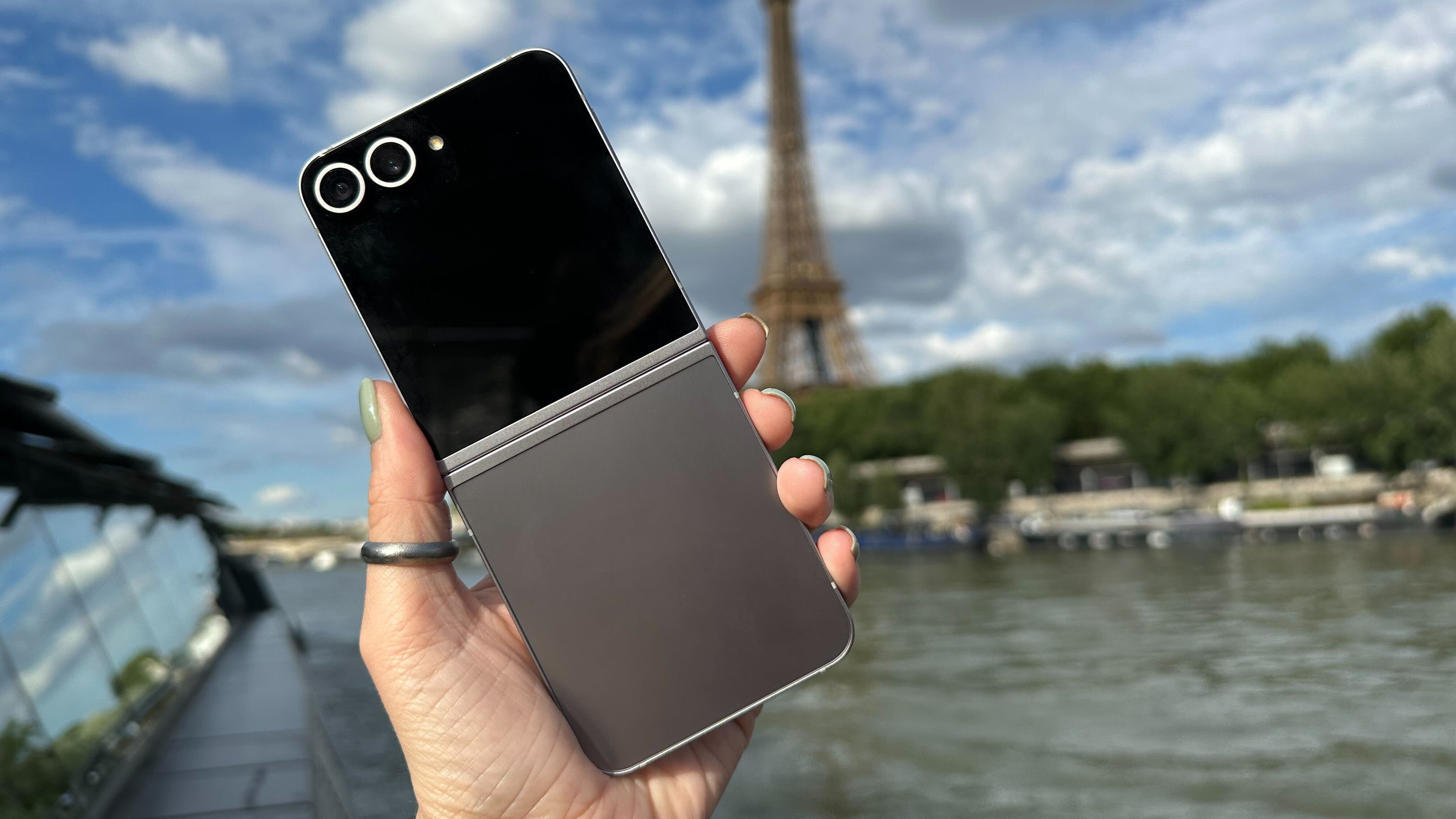
Rank 22689Samsung has confirmed it will ship its next foldable phones with Android 16That will likely make them among the first handsets to run Android 16 out of the boxSamsung's customizations are focused on AI, security, and convenienceUsually, Samsung’s new foldable phones launch with the previous year’s version of Android, as in the past Google had been launching new Android versions later in the year than Samsung’s phones. But that’s all changing this year.We already know that Android 16 will roll out soon, with June looking likely, while the Samsung Galaxy Z Fold 7 and the Samsung Galaxy Z Flip 7 will probably launch in July. So that makes it viable for them to launch with Android 16 out of the box, but until today we weren’t certain that would happen, since Samsung still needs time to make its own software modifications.However, the company has now confirmed that these phones will ship with Android 16, which is likely to make them among the first handsets to run Android 16 out of the box.Android 16 on a Samsung phone (Image credit: Samsung)Faster than normalThis is slightly surprising since Samsung can often be slow to update its handsets, but the company claims this was achieved through “open communication” and “real-time feedback” with Google.Specifically, you’ll be getting One UI 8 on the Samsung Galaxy Z Fold 7 and Galaxy Z Flip 7. This is Samsung’s customized take on Android 16, and – as you might have guessed – it puts a lot of focus on AI.That said, Samsung also highlights security and “convenient, intuitive tools” like allowing you to connect to Bluetooth audio devices effortlessly by scanning a QR code.Of course, you won’t have to buy one of Samsung’s upcoming foldables to get Android 16 and One UI 8 – the company has already launched a One UI 8 beta on the Samsung Galaxy S25 series, so those devices will also probably get access to the finished version of this software soon after it’s available.You might also likeThe Samsung Galaxy Z Flip 7 has been benchmarked, and the results are extremely disappointingThe Samsung Galaxy S26 could get a much-needed new cameraThe Samsung Galaxy S25 FE cameras have leaked, and they’re utterly underwhelming
-

Picture from static.independent.co.uk
Rank 22690 -

Picture from static.independent.co.uk
Rank 22691 -

Picture from ichef.bbci.co.uk
Rank 22692 -

Picture from static.independent.co.uk
Rank 22693 -

Picture from static.independent.co.uk
Rank 22694 -

Picture from static.independent.co.uk
Rank 22695 -

Picture from static.independent.co.uk
Rank 22696 -
Picture from cdn.mos.cms.futurecdn.net
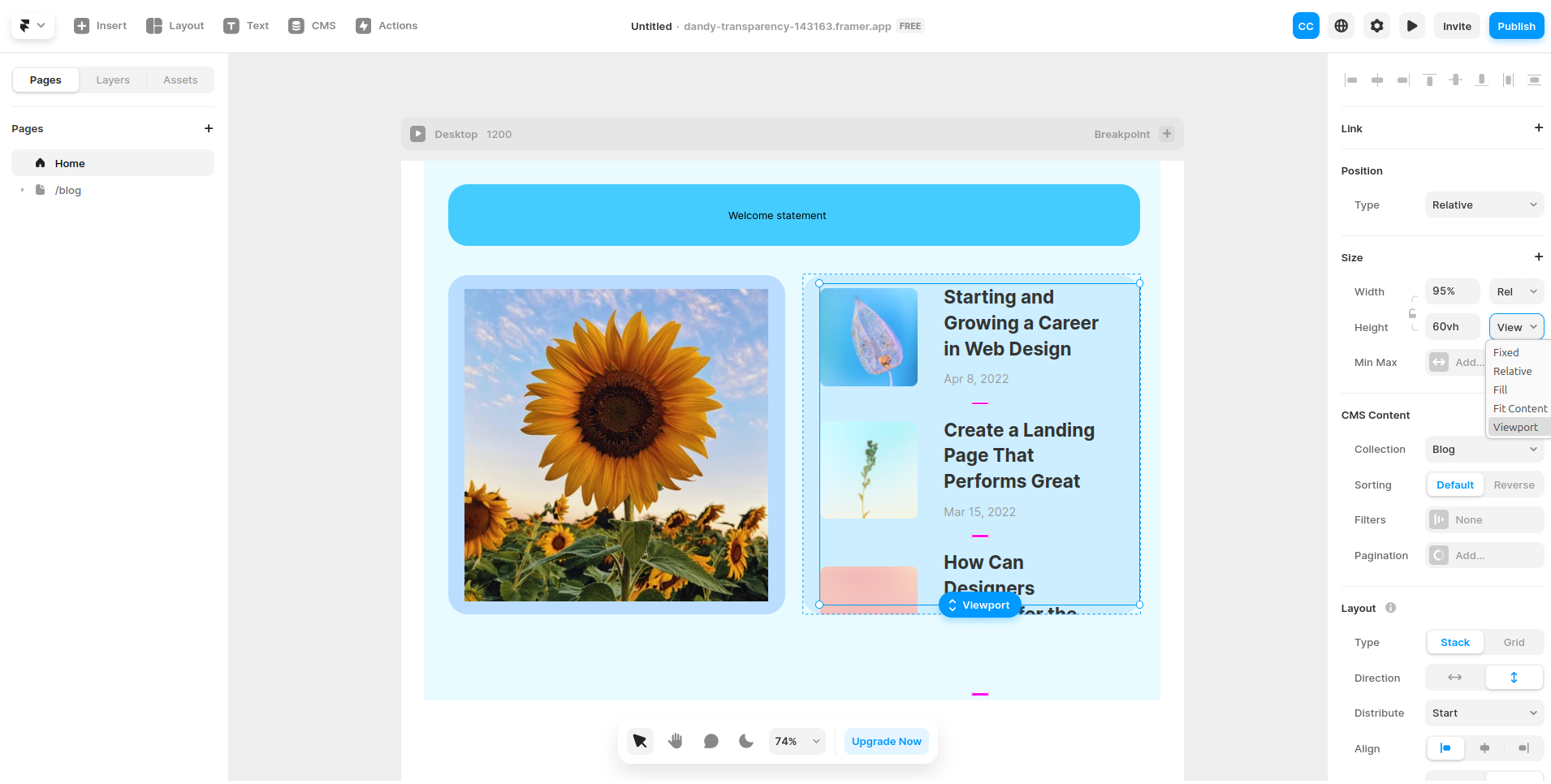
Rank 22697Framer introduced four new featuresTwo features are powered by generative AIThe company wants to simplify website creation without taking away the "magic"Website builder platform Framer has announced a new suite of features, available now to all users. The features, some of which are powered by artificial intelligence (AI), are designed to “boost productivity, enhance creativity, and remove barriers between ideas and execution”.The new features are called Wireframer, Workshop, Vector, and Advanced Analytics. As the company explained in a press release shared with TechRadar Pro, Wireframer is a “smart layout assistant” that allows users to create custom webpage structures through prompts. Workshop, the second AI-powered feature, can build custom components while keeping the site’s style in mind (think colors, fonts, layout, and more).Vector is a new set of graphics and icon drawing tools that should enable more users to start designing their site with Framer. Vectors can be animated and customized, exported, and combined into icon kits.Ideas front and centerWireframer, Workshop, and Vector are available to all users, with no Beta access needed. However the fourth feature, Advanced Analytics, is only available to enterprise customers. Advanced Analytics allows users to measure the site’s effectiveness by setting up metrics, running tests “within minutes”, and then generating comprehensive reports.Framer believes the new features make the platform friendly for both casual web builders and professional designers. According to Koen Bok, Framer’s CEO and Founder, the new features were introduced after thorough customer feedback on “how AI can support productivity without taking away the ‘magic’ of building a site.”“We’re simplifying the journey from concept to live site, so ideas can take center stage,” Bok added.Most of the best website builders around, including Wix, Hostinger, and Squarespace, have already introduced Generative AI in some capacity. The new technology allows developers to “chat” to the platforms to create everything from wireframes and sitemaps to full-blown websites, including the content and the multimedia.More from TechRadar ProSave on your Wix subscription with our Wix promo codesCheck out our roundup of the best AI website builders on the marketLearn more about Wix with our full Wix review
-

Picture from techcrunch.com
Rank 22698 -

Picture from static.independent.co.uk
Rank 22699 -

Picture from static.independent.co.uk
Rank 22700
