News
This constantly updated list features the latest and most important news articles, ranked in order of significance. The top stories highlight major developments, breaking news, and critical updates across various topics, ensuring you stay informed about the most pressing issues. As new articles are added, the list adapts to reflect the latest priorities, keeping the most impactful stories at the forefront. Whether it’s global events, technology breakthroughs, or industry trends, this dynamic list ensures you always have access to the most relevant and timely information.
-

Picture from ichef.bbci.co.uk
Rank 17201 -

Picture from ichef.bbci.co.uk
Rank 17202 -

Picture from cdn.mos.cms.futurecdn.net
Rank 17203For SaaS businesses eyeing a successful exit, particularly when engaging with sophisticated Private Equity (PE) and tech investors, the era of simply showcasing impressive top-line growth is over.Today, data reigns supreme. It's the bedrock upon which compelling value stories are built, the lens through which operational efficiency and scalability are scrutinized, and ultimately, the key to unlocking those coveted higher valuation multiples.A robust data strategy, coupled with the ability to extract meaningful insights, is no longer a ‘nice-to-have’ but a fundamental requirement for securing a lucrative exit in today’s competitive landscape.What investors are looking forSo, what exactly are these discerning investors looking for in the data of a prospective SaaS acquisition? The foundation, without a doubt, remains the ARR bridge, or what can be referred to as the ‘revenue snowball’. This isn't just about presenting a static ARR figure; it’s about demonstrating how that recurring revenue has evolved over time. Investors will dissect this data from every angle – group-wide, segmented by product, customer cohort, and geography.They want to see the trajectory, understand the drivers of growth and churn, and identify any potential vulnerabilities. Therefore, your ARR bridge needs to be more than just a spreadsheet; it needs to be a dynamic, drillable, and rigorously stress-tested tool that can withstand the intense scrutiny of due diligence.Beyond the ARR bridge, several other key insights are paramount. Sales pipeline reporting provides a crucial forward-looking perspective. Investors want to see a healthy, well-managed pipeline with clearly defined stages, realistic conversion rates, and accurate forecasting. This demonstrates the predictability and sustainability of future revenue growth. Similarly, classic FP&A reports remain essential, offering a historical view of financial performance, profitability trends, and cost management.However, some SaaS firms are now also looking to leverage product usage insights to a greater extent than ever before. Understanding how customers are interacting with the platform, identifying power users, and tracking feature adoption provides invaluable insights into customer stickiness, potential for upselling, and overall product value.Looking aheadLooking ahead, the role of data in shaping SaaS valuations will only intensify. We anticipate that the level of scrutiny and the expectation for data maturity and insightful analysis will continue to rise. Gone are the days of presenting high-level metric summaries; investors will increasingly demand granular insights and a clear understanding of the ‘why’ behind the numbers. When it comes to performance and trends; just saying profitability has grown by X% year on year is now not enough - it needs to be evidenced by granular data and solid analytics.Investors want to know what’s working now and how your company can scale post-acquisition. By providing the context behind the metrics, it makes it easier to showcase opportunities for further growth, with potential investors being able to leverage these data “assets” to underpin their investment cases. With higher investor expectations, those who fail to do so risk undermining their valuation potential or, worse still, failing to secure the deal.Furthermore, I believe that companies will need to start demonstrating how they are leveraging data to capitalize on the value that advanced analytics can bring. This could range from using AI-powered analytics to identify at-risk customers to employing machine learning to drive new business growth and customer expansion.Even while there may be applications of AI tools in the SaaS space that aren’t necessarily tied to a firm’s data, most of these revenue-driving applications of advanced analytics and machine learning are only possible when the fundamentals are already firmly in place.Building compelling valueSo, how can SaaS firms proactively use data to build a compelling value story that resonates with potential acquirers? It boils down to not just making data a strategic priority but building the data policies, expertise and infrastructure you need into the fabric of your SaaS business.Everything does not have to be in place from day one, rather you need to create a strategy that will enable you to ramp up to gathering all the critical data points you will need to answer every question an investor will ultimately ask. Doing this also lays the foundations to take advantage of the latest generative AI advances. As mentioned, AI applied to a shaky data foundation is unlikely to get you results, but applied to the right data foundations can transform the value of your business.Luckily, the data points that PE firms and other potential investors now really value are the same insights that will make a fundamental improvement to how effectively you make decisions as your SaaS startup scales. The important thing to remember with any data project is to start with the questions you want to answer. This means understanding modern investors. Ask yourself, what metrics, beyond simple revenue figures, will tell the story of your company’s success and potential?Aside from the core metrics already mentioned, it could be there are further opportunities to demonstrate differentiation. It could be the diversity of your customer base - both geographically and by sector. It could be that the cost of serving an additional customer and the automation of key processes can provide compelling evidence of scalability.When you have a clear picture of where your real strength and USP exists, the next step is to develop the data collection, management and analysis systems and policies that will prove what you know to investors.Further down the lineFurther down the line it’s likely that there will also be a strong business case for investment in upskilling and retraining staff across the boardThis should include everyone, including all senior teams. Even today, it still surprises me how few founders and business owners can understand and interpret their core business data, instead relying on a handful of experts. After all, it’s impossible to know what you don’t know – and a second-hand account of somebody else’s understanding, no matter how advanced it may be, could never substitute for your own personal analysis.By building up your own expertise now, you and your senior team will be best positioned to demonstrate a compelling equity narrative that results in the highest possible valuation at the point of exit.We've compiled a list of the best business intelligence platforms.This article was produced as part of TechRadarPro's Expert Insights channel where we feature the best and brightest minds in the technology industry today. The views expressed here are those of the author and are not necessarily those of TechRadarPro or Future plc. If you are interested in contributing find out more here: https://www.techradar.com/news/submit-your-story-to-techradar-pro
-

Picture from cdn.mos.cms.futurecdn.net
Rank 17204Today, artificial intelligence is revolutionizing virtually every industry, but its rapid adoption also comes with a significant challenge: energy consumption.Data centers are racing to accommodate the surge in AI-driven demand and are consuming significant amounts of electricity to support High-Performance Computing, cloud computing services, and the many digital products and services we rely on every day.Why are we seeing such a spike in energy use? One reason is heavy reliance on graphics processing unit (GPU) chips, which are much faster and more effective than processing tasks. More than just an advantage, this efficiency has now made GPUs the new standard for training and running AI models and workloads.Yet it also comes at a high cost: soaring energy consumption. Each GPU now requires up to four times more electricity than a standard CPU, an exponential increase that is quickly – and dramatically – changing demands for energy in the data center.For example, consider these recent findings:The New York Times recently described how OpenAI hopes to build five new data centers that would consume more electricity than the three million households in Massachusetts.According to the Center on Global Energy Policy, GPUs and their servers could make up as much as 27 percent of the planned new generation capacity for 2027 and 14 percent of total commercial energy needs that year.A Forbes article predicted that Nvidia’s Blackwell chipset will boost power consumption even further – a 300% increase in power consumption across one generation of GPUs with AI systems increasing power consumption at a higher rate.These findings raise important power-related questions: Is AI growth outpacing the ability of utilities to supply the required energy? Are there other energy options data centers should consider? And maybe most importantly, what will data center’s energy use look like in both the short- and long-term future?Navigating Power Supply and Demand in the AI EraDespite growing concerns, AI has not yet surpassed the grid’s capabilities. In fact, some advancements suggest that AI energy consumption could even decreases. Many AI companies expended vast amounts of processing power to train their initial models, but newer players like DeepSeek now claim that their systems operate far more efficiently, requiring less computing power and energy.However, AI’s sudden rise is only one factor in a perfect storm of energy demands. For example, the larger electrification movement, which has introduced millions of electric vehicles to the grid, and the reshoring of manufacturing to the U.S., is also straining resources. AI adds another layer to this complex equation, raising urgent questions about whether existing utilities can keep pace with demand.Data centers, as commercial real estate, are also subject to the age-old adage, “location, location, location.” Many power generation sites – especially those harnessing solar and wind – are located in rural places in the United States, but transmission bottlenecks make it difficult to move. That power to urban centers where demand is highest. Thus far, geodiversity and urban demand have not yet driven data centers to these remote areas.This could soon change. Hyperscalers have already demonstrated their willingness and agility in building data centers in the Arctic Circle to take advantage of natural cooling to reduce energy use and costs. A similar shift may take hold in the U.S., with data center operators eyeing locations in New Mexico, rural Texas, Wyoming, and other rural markets to capitalize on similar benefits.Exploring Alternative Energy SolutionsAs strain on the grid intensifies, alternative energy solutions are gaining traction as a means of ensuring a stable and sustainable power supply.One promising development is the evolution of battery technology. Aluminum-ion batteries, for example, offer several advantages over lithium-based alternatives. Aluminum is more abundant, sourced from conflict-free regions, and free from the geopolitical challenges associated with lithium and cobalt mining. These batteries also boast a solid-state design, reducing flammability risks, and their higher energy density enables more efficient storage, which helps smooth out fluctuations in energy supply and demand – often visualized as the daily “duck curve.”Nuclear energy is also re-emerging as a viable solution for long-term, reliable power generation. Advanced small modular reactors (SMRs) offer a scalable, low-carbon alternative that can provide consistent energy without the intermittency of renewables.However, while test sites are under development, SMRs have yet to begin generating power and may still be five or more years away from large-scale deployment. Public perception remains a key challenge, as strict regulations often require plants to be situated far from populated areas, and the long-term management of nuclear waste continues to be a concern.Additionally, virtual power plants (VPPs) are revolutionizing the energy landscape by connecting and coordinating thousands of decentralized batteries to function as a unified power source. By optimizing the generation, storage, and distribution of renewable energy, VPPs enhance grid stability and efficiency. Unlike traditional power plants, VPPs do not rely on a single energy source or location, making them inherently more flexible and resilient.Securing a Sustainable Power Future for AI and Data CentersWhile it’s hard to predict what lies ahead for AI and how much more demand we’ll see, the pressure is on to secure reliable, sustainable power, now and into the future.As the adoption of AI tools accelerates, data centers must proactively seek sustainable and resilient energy solutions. Embracing alternative power sources, modernizing grid infrastructure, and leveraging cutting-edge innovations will be critical in ensuring that the power needs of AI-driven industries can be met – now and in the years to come.We list the best web hosting services.This article was produced as part of TechRadarPro's Expert Insights channel where we feature the best and brightest minds in the technology industry today. The views expressed here are those of the author and are not necessarily those of TechRadarPro or Future plc. If you are interested in contributing find out more here: https://www.techradar.com/news/submit-your-story-to-techradar-pro
-

Picture from ichef.bbci.co.uk
Rank 17205 -

Picture from ichef.bbci.co.uk
Rank 17206 -
Picture from o.aolcdn.com
Rank 17207If you’re hunting for the best projector, there’s never been a better time to dive in. Projectors aren’t just for movie buffs anymore — they’ve become a great way to upgrade your living room setup, build a cozy home theater or even host an epic outdoor movie night under the stars. Whether you want something ultra-portable or a full-on 4K home cinema experience, there’s a projector out there to fit just about every space and budget.The cool thing about the projectors you can get today is how versatile they are. Some models are built for gaming, some are designed for streaming your favorite shows and others are tough enough to take camping or on the road. Plus, newer projectors pack in smart features, better brightness and sharper image quality than ever before, making them a real alternative to a traditional TV. No matter what you're aiming for, we'll help you find the right projector to upgrade your setup.
Table of contents
Best projectors for 2025
What to look for in a projector
Best projector FAQs
Best projectors for 2025
Some projectors are for serious cinephiles, projecting sharp 4K video with HDR brightness and hyper realistic colors to a large screen. Others are bright enough to replace your TV for sports or gaming, and some low-cost portable models can be set up for camping or outdoor fun. That’s why we’ve divided this guide into several categories to help you find the right one.
What to look for in a projector
For a deep dive on projector technology check my previous explainer, but there are few key things to keep in mind. What will the projector mainly be used for? What type of room will it be used in? And how big of an image do you want? You’ll also see a variety of specifications that may be confusing, so here are a few to consider and what they mean.
Brightness and contrast
Brightness is measured in ANSI lumens; the brighter the projector, typically the more expensive it will be. 1,500-2,500 lumens is good for darkened rooms, 3,000-4,000 lumens allows you to see with some ambient light and 4,000+ lumens is bright enough to use in direct sunlight. High contrast is important, because projectors are more sensitive to things like ambient light and reflections.
DLP vs LCD
Digital light processing units (DLPs) used by Optoma, BenQ, LG and others allow bright 4K images. The negative is that they can produce a “rainbow” effect, or red/blue/green artifacts that affect some viewers more than others. LCDs are used mainly by Epson, but also Sony and Sanyo. Those are often brighter, more color accurate and don’t produce rainbow effects, but are also more expensive and susceptible to image degradation over time.
Resolution
If you want a true 4K projector, beware: only expensive models have native 4K resolution (many movie theaters still use 2K projectors for various reasons). However, most DLP projectors and some LCD models can use pixel-shifting to attain 4K resolution.
Elite Starling
HDR and color accuracy
Projectors can’t produce anywhere close to the amount of light required to qualify as true HDR. Rather, they use a technique called tone mapping to fit the entire HDR gamut into a lower brightness range. That said, many projectors can display millions of colors, with some models surpassing the color accuracy of TVs and monitors.
UST vs. classic
Classic projectors and screens can be mounted on the ceiling so they’re great if you have no floor space. They can also project a larger video for a truly cinematic experience. UST projectors mount on the floor right next to the screen so they can take the place of a TV. They don’t beam as big an image but are generally brighter, sharper and more expensive. For best results, they require special screens.
Mounting and fan noise
Ceiling mounting requires some work and don’t forget to budget for a bracket and any necessary long cables, including extra power for a Google Chromecast or other streaming device. UST projectors require less labor, but getting the image perfectly square can still be surprisingly time-consuming. As for fan noise, some projectors (usually cheaper DLP models) generate more than others.
Optics
For more flexibility with location and image size, ceiling mounted projectors need a good zoom range. Lens shift, meanwhile, is used if the projector is mounted higher or lower relative to the screen than recommended by the manufacturer. Otherwise, you might have to use a "keystone correction" to digitally stretch part of the image, resulting in distortion or artifacts. Also, keystore correction may not work in gaming modes for some models.
Gaming and streaming
If you’re interested in a projector for gaming, look up the refresh rate and input lag figures. Some projectors offer good numbers in that regard (240Hz and <20 ms, respectively), but others designed for home entertainment have very poor input lag and refresh rates at just 60 Hz. If it’s streaming you want, be sure to pick a model either with built-in Google TV or a bundled streaming dongle.
Screens
Should you project onto a wall, roll-down screen, fixed screen or ambient light rejecting (ALR) screen? The choice depends largely on the room and what kind of projector you have. Roll down screens take up no space as they’re ceiling mounted, fixed screens can be moved easily and ALR models are perfect in rooms with a lot of ambient light.
Best projector FAQs
Are 4K projectors better?
Yes, because higher resolution is more noticeable on larger screens, so 4K is particularly useful with projectors since they beam images up to 200 inches in size. That being said, brightness and contrast are more important.
Is a projector better than a TV?
Projectors can provide a more immersive experience thanks to the large screen, but they’re not necessarily “better.” Since you usually have to dim the lights with a projector, TVs are superior for everyday use.
Is 2000 lumens bright enough for a projector?
Yes, 2000 lumens is easily bright enough, even with some ambient light in the room. However, the image will still be hard to see with the windows open on a bright day.
Should I get a 4K or 1080p projector?
That depends on your budget and needs. If your budget is below $1,000, look for a 1080p projector with the best brightness and contrast. Between $1,000-$2,000, you’ll need to weigh whether brightness or 4K resolution is most important. Above that, choose the brightest 4K projector you can afford.
What are the best projectors in daylight?
The best projectors in daylight are ultra short throw (UST) models, as they have the brightest and sharpest image. However, they generally cost more than $2,000.
Do you need a screen for a better projector experience?
Technically, you don’t need a screen to use a projector — any light-colored, smooth wall can work in a pinch. But if you want to get the most out of your projector, a screen can make a difference. Projector screens are designed to reflect light evenly and enhance contrast, so colors look more vibrant and the picture appears sharper. With a screen, you’ll notice darker blacks and brighter colors, which can give a real boost to your movie nights or gaming sessions. So while you can absolutely enjoy a projector without one, a screen can make the experience feel a bit more like your own personal theater.
Should I buy a portable or home projector?
It depends on how and where you plan to use it. If you want a projector you can easily move around, bring to friends’ houses or set up indoors or outdoors easily, a portable projector is a great choice. They’re usually smaller, lightweight and often have built-in speakers and batteries, making them convenient for on-the-go use.
On the other hand, if you’re looking for a more permanent setup for a home theater or living room, a home projector might be the way to go. Home projectors tend to be more powerful, with higher resolution and brightness, which gives you that crisp, cinema-quality experience. They’re ideal if you have a dedicated space and don’t mind leaving it set up in one spot.This article originally appeared on Engadget at https://www.engadget.com/home/home-theater/best-projectors-123004354.html?src=rss
-

Picture from ichef.bbci.co.uk
Rank 17208 -

Picture from ichef.bbci.co.uk
Rank 17209 -

Picture from cdn.mos.cms.futurecdn.net
Rank 17210Marvel has delayed the release of Avengers: Doomsday and Avengers: Secret WarsThe movies were supposed to arrive in May 2026 and May 2027Their worldwide launch dates have been pushed back seven monthsMarvel has delayed the release of Avengers: Doomsday and its sequel.In a move that won't come as a surprise to many, the comic titan has pushed back the launch dates for Doomsday and its follow-up Avengers: Secret Wars.The pair had been slated to land in theaters on May 1, 2026 and May 7, 2027. Now, you can expect to see Doomsday release in theaters worldwide seven months later than planned, with Avengers 5 now set to arrive on December 18, 2026 and Secret Wars' launch pushed to December 17, 2027.The next two Avengers movies are set to be the biggest undertakings in Marvel Studios' history. Per Deadline, sources close to the production of both films say they're among the most ambitious projects that parent company Disney has ever produced, too. To quote Thanos, then, it was inevitable that Marvel would need more time to make both flicks.Why Avengers 5 and 6's release-date delays are so significantMarvel hasn't said what impact Doomsday's delayed release will have on its other projects (Image credit: Marvel Studios)Make no mistake, Disney and Marvel have made the right call to delay the release of Doomsday and Secret Wars. The overall response to Marvel Cinematic Universe (MCU) projects since 2019's Avengers: Endgame has been mixed. While some films and Disney+ shows have been critical and commercial successes, others haven't been greeted as enthusiastically or made as much money as Marvel would have hoped.Disney and Marvel can't afford to fumble the proverbial bag with Doomsday and Secret Wars, especially given the amount of money it'll collectively cost to make them. Add in the talent behind and in front of the camera – Avengers: Doomsday's initial cast alone is 27-deep – and the pressure to deliver two more top-tier Avengers movies is most certainly on.The release of Spider-Man's next MCU adventure could be pushed back, too (Image credit: Sony Pictures/Marvel Entertainment)Their release date postponements also raise other potential issues.For starters, Doomsday and Secret Wars' delay could have a significant impact on Spider-Man: Brand New Day. The webslinger's next big-screen adventure was set to arrive between the pair, with its initial launch date penciled in for July 24, 2026. Spider-Man 4 suffered its own release setback in February, but its launch was only delayed by a week to July 31, 2026.The big question now is whether Brand New Day will swing into cinemas on that revised date. Depending on which online rumors you believe, Spider-Man 4 will either be a multiverse-style movie like Spider-Man: No Way Home was, or a more grounded, street-level flick.If it's the former, and if Brand New Day's plot is dependent on events that occur in, or run parallel to, Avengers: Doomsday, the next Spider-Man movie's launch date will likely have to be pushed back again.Should Brand New Day be moved into 2027, we could see a repeat of 2023 when only one MCU film – Deadpool and Wolverine – landed in theaters, with 2026's sole Marvel movie being Doomsday. That's on the basis that Avengers 5, aka the second Marvel Phase 6 film, doesn't suffer another release date setback.Will Marvel decide to move some of its 2025 Disney+ offerings into early 2026? (Image credit: Marvel Television/Disney Plus)These delays could have a huge knock-on effect for Marvel's small-screen offerings, too.If Brand New Day keeps its mid-2026 launch date, a whole year will have passed between the final MCU film of 2025 – The Fantastic Four: First Steps, which arrives on July 25 – and Tom Holland's next outing as Peter Parker's superhero alias. That's not necessarily a bad thing, but it means MCU devotees will look to Disney+, aka one of the world's best streaming services, for their Marvel fix.Fortunately, Marvel has plenty of TV-based MCU content in the pipeline. From Ironheart's release in late June to Daredevil: Born Again season 2's launch next March, there are currently five live-action and animated series set to debut on Disney's primary streamer.In light of Doomsday's delay, though, will Marvel tweak its Disney+ lineup and further spread out its small-screen content to fill the void?Right now, Born Again's second season is the only series confirmed to arrive in 2026. There are other shows in the works that are expected to debut next year, but they aren't likely to be ready until mid- to late 2026. To offset a potentially months-long barren spell in the MCU that Doomsday's delayed release has caused, Marvel might opt to push animated series Eyes of Wakanda or Wonder Man, the final live-action MCU TV show of 2025, into early 2026.I guess we'll find out more about any further release-schedule changes when Marvel takes to the Hall H stage for its now-annual presentation at San Diego Comic-Con, the 2025 edition of which runs from July 24-27.You might also likeNew Avengers: Doomsday behind-the-scenes images from Robert Downey Jr are getting Marvel fans excited about his portrayal of Doctor DoomNew Marvel leak might have revealed Spider-Man: Brand New Day villains – and there could be three of themThe Marvel multiverse saga isn't over yet, but these X-Men movie casting rumors are already making me rage like Wolverine
-

Picture from ichef.bbci.co.uk
Rank 17211 -

Picture from cdn.mos.cms.futurecdn.net
Rank 17212BT-owned Openreach confirms plans to speed up full fibre rollout18 million properties are connected – 25 million by 2026, 30 million by 2030BT also confirmed a deal to target "hard-to-reach" properties in South and West WalesUK broadband network and infrastructure giant Openreach has committed to rolling out full fibre broadband across the UK more quickly after acknowledging that only 37% of customers are connected to the network.The news coincides with an undisclosed "increased investment" from BT Group – Openreach's owner.According to the company, more than 18 million homes and businesses nationwide have benefitted from new infrastructure, including four million in the past year, but with an extra cash injection from BT, it hopes to eOpenreach wants more homes and businesses to have full fibreOpenreach "now expects to accelerate towards its target of reaching 25 million premises by December 2026," a press release reads, noting how the company's build rate is expected to increase by 20%.The BT-owned network and infrastructure firm says it's seen record demand over the past year, connecting one customer to its full fibre network every 17 seconds."We’re bringing life changing connectivity to all corners of the country, and we’re determined to go further and faster, so we’re proud of the confidence being shown in us through this investment," Openreach CEO Clive Selley said.That growth is expected to continue into the end of the decade. Openreach envisions 30 million properties being connected to its full fibre network by 2030, adding a further five million after its December 2026 target.BT recently confirmed a £9.8 million contract to extend its full fibre network to 1,800 "hard-to-reach sites" in Pembrokeshire, Swansea, Neath Port Talbot and Carmarthenshire.BT Group CEO Allison Kirkby added: "Our new network is helping to grow the economy, create jobs, delight customers and deliver value to our shareholders."You might also likeMake the most of strong connections with the best business laptopsWe've rounded up the best business broadband deals you can get this monthNokia is bringing ridiculously fast 50Gbps broadband to the UK as the global race for hyperfast internet heats up
-

Picture from cdn.mos.cms.futurecdn.net
Rank 17213The Nintendo Switch 2 Pro Controller's GL/GR buttons have some handy featuresYou can remap them without exiting your game sessionFurthermore, the assignments will be saved on a per-game basisThe Nintendo Switch 2 Pro Controller has a bit of an ace up its sleeve, and it relates to the remappable GL/GR buttons found on the rear of the pad.A spotlight for the Nintendo Switch 2 Pro Controller was featured on the Nintendo Today mobile app (spotted by GamesRadar), showcasing some of the functionality of these extra buttons.It confirmed that the GL/GR buttons have a couple of fantastic quality-of-life features that are sorely missing from the likes of the DualSense Edge and Xbox Elite Wireless Controller Series 2 - two premium gamepads that also house additional remappable buttons.With the Nintendo Switch 2 Pro Controller, the major difference is that the GL/GR remappable buttons can be assigned (and reassigned) without backing out of your current play session.By holding down the Home button, you'll gain access to a 'quick settings' menu, within which you can assign the GL/GR buttons instantaneously. Furthermore, the controller will remember which inputs have been assigned to these buttons on a per-game basis.This differs greatly from, for example, the DualSense Edge. While Sony's controller has a pair of exceptionally handy Function switches that let you swap button profiles on the fly, said profiles still need setting up in a separate menu on your PS5's dashboard.For Nintendo Switch 2 games, this makes it incredibly easy to quickly assign a secondary input to the GL/GR buttons, but also test it out immediately to see how it feels in-game.Quick remappable button assignment, in and of itself, is nothing new. Plenty of the best Nintendo Switch controllers feature button combination macros that let you remap on the fly. The downside here, though, is that this can be quite cumbersome, and you'll often need to dig into a controller's instruction manual to figure out what these macros are.We're now less than a couple of weeks away from the Nintendo Switch 2's launch on June 5. Be sure to check out TechRadar Gaming around that time, as we'll have plenty of coverage on the console, its hardware, and games in the months to come.You might also like...The newly revealed Logitech G522 Lightspeed could become the new mid-range wireless gaming headset to beatVertagear announces new partnership with Audi to launch a gaming chair collection and you can pre-order them right nowSecretlab's new Warhammer 40,000 sit-to-stand desk is one of the coolest pieces of licensed gear I've ever seen
-

Picture from cdn.mos.cms.futurecdn.net
Rank 17214Samsung's next budget earbuds have leaked againRegulatory filings show much bigger batteries than the Galaxy Buds FEExpect pricing around $99 / £99 / AU$149Earlier this month we reported that the incoming new pair of Samsung affordable earbuds – possibly called the Samsung Galaxy Buds Core and the likely successor to the Galaxy Buds FE – could deliver a much-needed battery boost, with significantly enhanced battery capacity in both of the buds and in the case too. That information came via leaked regulatory filings, and now another leak adds more confirmation.This time the leaks are from Samsung. As Sammobile reports, support pages for the imminent earbuds are now live on Samsung's portals including the ones in Russia, Turkey and the UAE.And in a sheer coincidence, the Samsung Galaxy Buds FE appear to be out of stock in most of those markets.There's some speculation that the new earbuds will more closely resemble the Galaxy Buds 3 (Image credit: Future)Samsung Galaxy Buds Core: what we know so farIt looks like the battery capacity is up from 60mAh per bud to 100mAh, and from 479mAh to 500mAh for the case. Factor in the expected chipset improvements from newer hardware, and that could mean a significant boost to the buds' playback time. The current Buds FE deliver about six hours with ANC on and nine with it off.The new model number is SM-R410 (the Galaxy Buds FE were SM-400) and there is speculation that we'll see a new design, possibly closer visually to the Samsung Galaxy Buds 3; that would make room for those bigger batteries.Samsung hasn't announced these buds yet, so we don't know pricing or availability, but clearly if support pages are going up then a product launch can't be too far away.We'd expect the new buds to be priced similarly to the Galaxy Buds FE, subject to tariff-related hikes: those launched at $99 / £99 / AU$149 in 2023.You might also likeSamsung Galaxy Buds 3: official price, release date and moreOur in-depth Samsung Galaxy Buds 3 Pro reviewThe best earbuds 2025 for every budget, all tested by us
-

Picture from cdn.mos.cms.futurecdn.net
Rank 17215The tri-fold Samsung phone might cost $3,000-$3,500However, it's likely to be limited to South Korea and ChinaA launch has been predicted for sometime in JulyWe've been ready and waiting for the Samsung tri-fold phone for months now – remember it was officially teased back in January – and as its launch gets closer, there's a new leak hinting at a high price for the foldable.This comes from well-respected tipster Yogesh Brar, who says we can expect a price tag of around $3,000-$3,500. With a straight currency conversion at today's rates (which Samsung won't use), that's £2,225-£2,595 or AU$4,650-AU$5,425.However, if you live in a country using any of those currencies, it sounds like you're not going to be able to spend your cash on this device. Brar reckons the handset is launching in "limited quantities", and only in South Korea and China (as previously rumored).Samsung has previous form for this, because last year's Samsung Galaxy Z Fold Special Edition has also been limited to South Korea and China. Perhaps the company isn't sure what the demand for these very expensive foldables would be like globally.One more foldGalaxy Tri-fold all set to launch in Q3 this yearSamsung is only launching it in 2 markets : South Korea & ChinaLimited quantities with a price between $3000 - 3500May 21, 2025That high price isn't much of a surprise of course. As our Samsung Galaxy Z Fold 6 review will tell you, that phone launched at a starting price of $1,899.99 / £1,799 / AU$2,749, and the new model will come with a bigger screen and an extra hinge.Then there's the Huawei Mate XT, which costs 19,999 yuan in China. That's roughly $2,775 / £2,060 / AU$4,305 at today's conversion rates. These are clearly expensive and difficult to make, and that means high prices and limited production runs.Since rumors of a Samsung tri-fold first started swirling, we've heard that the handset could be called the Galaxy G Fold, and that it'll share the same hinge technology expected to appear in the upcoming Samsung Galaxy Z Fold 7.The tri-fold, the Galaxy Z Fold 7, and the Galaxy Z Flip 7 are all expected to be announced at an Unpacked event sometime in July, though on-sale dates may vary. At the same launch, we should also see the new Samsung Galaxy Watch 8.You might also likeSamsung's next foldables tipped for a titanium upgradeHere's how big the Samsung tri-fold might beSamsung tri-fold phone could come with a folding battery
-

Picture from techcrunch.com
Rank 17216 -

Picture from ichef.bbci.co.uk
Rank 17217 -
Picture from cdn.mos.cms.futurecdn.net
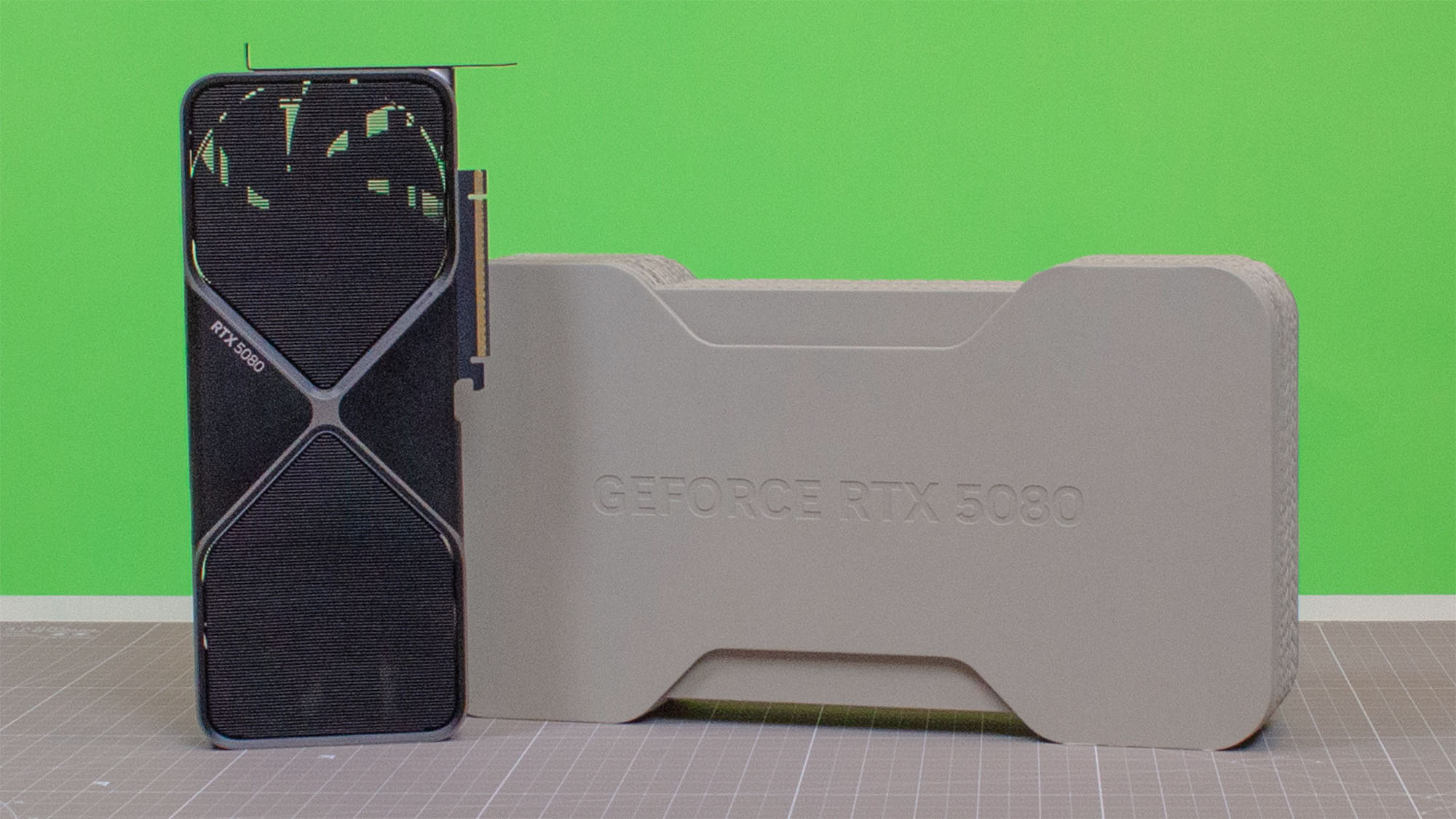
Rank 17218A leak has detailed the claimed specs of Nvidia’s RTX 5080 SuperSome gamers might see this refreshed GPU as underwhelming – it doesn’t add any extra cores into the mix, notablyHowever, there are robust upgrades elsewhere with the video memory and also clock speedsAnother rumor about Nvidia’s RTX 5080 Super has been aired and we’ve got a look at what are supposedly the full specs of this GPU.As VideoCardz pointed out, leaker Kopite7kimi has posted the claimed specs for the rumored graphics card on X, and that may mean Nvidia has just provided said details to its graphics card making partners (and they leaked from there). Or, it might mean precisely nothing, because as ever, rumors, much like demons, need considerable salting.GeForce RTX 5080 SuperPG147-SKU35GB203-450-A110752FP32256-bit GDDR7 24G 32Gbps400+WMay 20, 2025The key parts of the specifications are that the RTX 5080 Super will supposedly use the same GPU as the RTX 5080, which is the GB203 chip. As the RTX 5080 has already maxed out the cores on that chip, the core count will be the same with the Super version of this graphics card – there’s no room to maneuver to increase it.The big upgrade comes from the leap from 16GB to 24GB of video RAM (VRAM), and as well as that 50% uplift, the leaker believes Nvidia is going to use faster memory modules here (32Gbps rather than 30Gbps).We’re also told that the TDP of the RTX 5080 Super is going to sit at 400W, or it might use even more power than that.Analysis: Crunching the specs and not forgetting about clocks(Image credit: Future / John Loeffler)Looking at those specs, you might think: how is the RTX 5080 Super going to be a tempting upgrade on the vanilla version of the GPU? It has the same CUDA core count, and somewhat faster video memory, but only around 7% more VRAM bandwidth than the RTX 5080. So, what gives?Well, don’t forget that added to that VRAM boost, the RTX 5080 Super is expected to have considerably faster clock speeds. Pushing those clocks faster is why this incoming GPU is going to chug more than 400W (perhaps a fair bit more) compared to 360W for the plain RTX 5080.So, if you’re worried that the RTX 5080 Super may represent an underwhelming prospect in terms of an upgrade over the RTX 5080, don’t be. (Although you may have concerns about your PC’s power supply instead). All this is in line with previous speculation that we’ll see something like a 10% performance boost with the RTX 5080 Super versus the basic version of the GPU, or maybe even slightly more (up towards 15%, even).Plus that much bigger allocation of 24GB of VRAM is going to make a difference in some scenarios where 4K gaming coupled with very high graphics settings gets more demanding with certain games. (A situation that’s only going to get worse as time rolls on, if you’re thinking about future-proofing, which should always be something of a consideration).On top of this is the fact that Nvidia is falling out of favor in the consumer GPU world, with AMD’s RDNA 4 graphics cards making a seriously positive impact on Team Red’s chances – and sales. The latest RX 9060 XT reveal has pretty much gone down a treat, too, so I don’t think Nvidia can risk damaging its standing with PC gamers any further, frankly, by pushing out subpar Super refreshes.Speaking of refreshes – with the emphasis on the plural – previous rumors have also theorized an RTX 5070 Super graphics card with 18GB of VRAM is on the boil, but that’s notably absent from Kopite7kimi’s post here. That doesn’t mean it isn’t happening, but it could be read as a sign that the RTX 5080 Super is going to arrive first.Again, previous spinning from the rumor mill indicates a very broad 2025 release timeframe for the RTX 5080 Super, but if the specs really are decided on at this stage – and it’s a huge if – that suggests Nvidia intends to deploy this GPU sooner, rather than later, this year.You might also likeNvidia RTX 5080 vs RTX 5070 Ti: Should you spend a little more?Nvidia RTX 5080 review: nearly RTX 4090 performance for a whole lot lessAMD could be working on a faster RX 9070 Extreme graphics card
-

Picture from ichef.bbci.co.uk
Rank 17219 -

Picture from cdn.mos.cms.futurecdn.net
Rank 17220The Earfun Tune Pro cost $69.99 / £59.99 (about AU$108) at launchHi-Res Audio, dual drivers and Bluetooth 5.4Hybrid ANC to block 45dB of unwanted audioEarFun is carving out an enviable reputation for its high-quality and low-priced headphones such as the 4.5-star EarFun Wave Pro. And now there's an even higher spec pair of over-ears with a refreshingly low price.The new EarFun Tune Pro have an impressive specification and cost just $69.99 /£59.99 at launch thanks to a coupon that knocks $20 / £20 off their official $89.99 / £79.99 price – and that means this lower price is effectively the 'real' price, and whenever they're the higher price, that just means a deal is coming soon and retailers want to show a nice discount amount.• Earfun Tune Pro for $69.99 at Amazon US• Earfun Tune Pro for £59.99 at Amazon UKThat lower price for these kind of features, and a dual-driver speaker setup, is extremely tempting.We wouldn't expect these headphones to go head to head with something like a pair of Bowers & Wilkins Px7 S3. But we've been consistently impressed by EarFun's value for money, and if these new 'phones surpass the "admirable" sound quality of the Wave Pro (as described by our review) they could be a great budget buy.If they're really good, they might even restore EarFun's crown as maker of the best noise cancelling headphones for budget buyers, an honor that was recently passed to EarFun's arch-rival 1More.EarFun Tune Pro: key featuresThe Tune Pro are dual-driver headphones with a large 40mm PET composite film driver and an additional 10mm LCP polymer driver for the higher-frequency sounds.The idea of a driver pair like this is the that the large driver can focus more on low-end sounds, and the smaller driver can focus on the upper end, and the overall depth of sound should be improved compared to a single driver. But as with all audio engineering, it depends on execution.Also included is a new Theater Mode sound profile for "enhanced 2-channel stereo and 360-degree spatial sound formats".There's hybrid ANC promising noise reduction of up to 45dB, and a five-microphone setup with AI for clear voice calls. Battery life is up to 120 hours (presumably with ANC off, but that's a very impressive number in any case), and you can listen in cabled mode as well as wireless.Bluetooth is 5.4 with multi-point and a low-latency mode for gaming, and the headphones are Hi-Res Audio certified, although EarFun hasn't published details of supported audio quality or wireless codecs; if you squint at the promotional images you'll see the small print that Hi-Res certification only applies to listening in wired mode.The new EarFun Tune Pro headphones are available now from EarFun and from Amazon.• Earfun Tune Pro for $69.99 at Amazon US• Earfun Tune Pro for £59.99 at Amazon UKYou might also likeThe best cheap noise canceling headphone sales and dealsThe best over-ear headphones 2025 for all budgets, tested by usThe best cheap headphones 2025, all tested by our experts
-

Picture from cdn.mos.cms.futurecdn.net
Rank 17221Ive and Altman announced their company, io, was purchased by OpenAI yesterdayThe two entrepreneurs are working on creating the next generation of AI hardwareA new report claims the device will look like an iPod Shuffle and can be worn around your neck, like a necklaceJony Ive and Sam Altman just announced an AI device made by their company, io, is in the works. Now we've got even more info about the mysterious product, and it's rumored to look like an iPod Shuffle.According to industry insider and renowned leaker Ming-Chi-Kuo, the current OpenAI ChatGPT hardware prototype "is slightly larger than the AI Pin, with a form factor as compact and elegant as an iPod Shuffle."Kuo revealed multiple new insights into the product on X, detailing that io's product is expected to enter mass production at the start of 2027.Kuo says while the design and specifications may change before the device enters mass production, it's expected to "have cameras and microphones for environmental detection, with no display functionality."Not only is the device expected to look like an iPod Shuffle that can be worn around your neck, but it is also "expected to connect to smartphones and PCs, utilizing their computing and display capabilities."This information gives us a much deeper insight into what the io product actually is, following OpenAI's $6.5 billion acquisition of the company.In the announcement video, Ive, famous for designing the first iPhone, and Altman, OpenAI's CEO, talked for nine-minutes in a café without really giving information on what the product is, other than it's "an extraordinary moment", and that whatever the pair are working on is going to completely revolutionize the way we interact with artificial intelligence.My industry research indicates the following regarding the new AI hardware device from Jony Ive's collaboration with OpenAI:1. Mass production is expected to start in 2027.2. Assembly and shipping will occur outside China to reduce geopolitical risks, with Vietnam currently the… pic.twitter.com/5IELYEjNyVMay 22, 2025So... It's basically an AI PinAfter reading Kuo's report, it's now clearer than ever that this upcoming product is essentially going to be a better version of the Humane AI Pin. Essentially, it's ChatGPT in a small product you can throw in your pocket or wear around your neck.While this gives us further indication into what to expect, there's still a long time before io's first product enters mass production and that could mean major changes over the next year.Kuo says, "AI integrated into real-world applications, often termed "physical AI," is widely recognized as the next critical trend", and while we may not understand the necessity for these products yet, in two years time everyone might be interacting with ChatGPT and other AI models in a whole new way.You might also likeSam Altman and Jony Ive’s mysterious ‘AI-powered computer’ will be OpenAI’s magnum opus - here are 5 clues that hint at what it will beGoogle Gemini 2.5 Flash promises to be your favorite AI chatbot, but how does it compare to ChatGPT 4o?I pitched the new Google Gemini against ChatGPT for AI image generation – and the results shocked me
-

Picture from ichef.bbci.co.uk
Rank 17222 -

Picture from ichef.bbci.co.uk
Rank 17223 -

Picture from ichef.bbci.co.uk
Rank 17224 -

Picture from cdn.mos.cms.futurecdn.net
Rank 17225Java is 30 today, but remains one of the most widely used programming languages globallyJava’s design philosophy prioritizes stability and backwards compatibility over flashy language trendsThe JVM remains Java’s secret weapon, enabling true cross-platform execution for decadesOn May 23, 1995, a seemingly modest programming language called Java was released by Sun Microsystems.At the time, it introduced the catchy promise of "write once, run anywhere" - a proposition that, despite sounding ambitious, resonated deeply with a generation of developers navigating a fragmented and rapidly evolving computing landscape.Thirty years later, Java remains one of the most widely used programming languages in the world, embedded in everything from enterprise servers to cloud-native applications. But how did a language from the mid-'90s maintain its relevance amid relentless technological shifts?A runtime built for endurance, not fashionAs Java turns 30, it’s worth re-examining its trajectory not just through celebratory anecdotes but also through the lens of its actual utility, structural longevity, and measured adaptability.The occasion may call for cake and nostalgia, but the real story lies in the language’s persistent grip on serious computing tasks, and the skepticism it continues to attract from those who see it as either too slow to evolve or overly burdened by its own legacy.Java's defining characteristic has always been platform independence. It achieved this through the Java Virtual Machine (JVM), which runs compiled bytecode on any operating system equipped with a compatible JVM.This design helped Java flourish in the heterogeneous IT environments of the late '90s and early 2000s. Unlike many languages that depend on direct compilation for each target system, Java's intermediary form allowed for smoother portability.Over the decades, Java's APIs and class libraries expanded, but with an unusual level of care: backward compatibility was always a priority. Developers weren’t required to rewrite code with every version upgrade.This is a crucial advantage in enterprise systems, where uptime and reliability often outweigh syntactic novelty. Today, applications written decades ago can still run with minimal modification on modern JVMs, a level of continuity that few languages offer.A cautious evolution of language featuresJava has seen gradual enhancements, often arriving later than similar features in more agile languages. Lambda expressions, for example, only became part of Java with version 8 in 2014, long after functional programming had become mainstream elsewhere.In its early years (1995–2000s), Java established itself in enterprise and mobile development with the introduction of Java 2, which included J2SE, J2EE, and J2ME. J2EE became the standard for web and enterprise applications, while J2ME gained popularity on mobile devices.Java 5, released in 2004, marked a turning point with the addition of generics, enhanced for-loops, and annotations, moving Java closer to modern programming practices.From Java 9 onward, the language has evolved steadily. The module system (Java 9), local variable type inference with var (Java 10), pattern matching (Java 16), and improvements in memory management reinforced Java’s adaptability.Java 17, a long-term support release, reaffirmed the platform’s role as a robust and modern choice for software development.Java in the cloud and beyondDespite its age, Java has found a second wind in cloud computing. It is particularly well-suited for cloud-native applications, thanks in part to the emergence of GraalVM, a runtime that compiles Java into native machine code.GraalVM’s native images can dramatically reduce startup times and memory usage, a key consideration for containerized environments and serverless platforms like AWS Lambda.Java has also extended its reach into machine learning and high-performance computing through projects like Panama, which improves interoperability with native C/C++ libraries.With tools like Jextract, Java developers can generate bindings to foreign code easily, sidestepping the clunky and error-prone Java Native Interface (JNI).This technical depth is part of the reason Java continues to power complex systems. It's not flashy, but it's functional, and in enterprise environments, functionality beats fashion every time.Projects shaping Java’s future and the evolution of syntaxThe OpenJDK community has multiple projects aiming to refine Java’s performance and usability.Project Leyden focuses on optimizing startup times and reducing memory footprints. Project Lilliput is exploring ways to shrink the object header to as little as 32 bits. Several other projects are underway, though not all have yielded immediate results.Some, like Project Amber, show incremental but slow progress, while others, like Babylon, seem to outpace current implementations.Nevertheless, one of the more welcome modernizations has been the addition of record types, which reduce boilerplate in data-holding classes. This improvement, introduced via JEP 359, aligns with the goals of the Valhalla project.Pattern matching and enhanced switch statements are also nudging Java closer to functional programming languages in expressiveness.However, these changes are often incremental and restricted to preview status for multiple releases before becoming permanent.James Gosling, the creator of JavaJava’s 30th anniversary also brings renewed attention to 70-year-old James Gosling, the language’s creator.His reflections are both proud and critical. Gosling has expressed satisfaction in hearing from developers whose careers were built on Java.Looking back on Java’s evolution, he noted that features like lambdas, introduced in JDK 8, were ones he wished had been part of the language from the start.Still, he emphasized the importance of thoughtful language design, explaining, “I never wanted to put in something that was not right.”On AI, he’s blunt: “It’s mostly a scam,” he said, adding, “The number of grifters and hypesters in the tech industry is mind-rotting.”His views on AI-assisted coding tools are similarly sharp. While he finds them amusing for basic tasks, he notes that “as soon as your project gets even slightly complicated, they pretty much always blow their brains out.”Conclusion: Longevity through caution and clarityJava’s 30th birthday is more than a symbolic milestone, it highlights a rare achievement in software engineering: staying relevant without constant reinvention.While newer languages come with sleek syntax and flashy tooling, Java remains a trusted workhorse in sectors where stability, security, and predictability matter most.Whether it's running a logistics backend, a financial system, or a cloud-native microservice, Java’s design ethos - pragmatism over novelty - continues to prove itself.Its legacy isn’t built on hype, but on solving real problems at scale. And in that regard, it may very well be just getting started.You might also likeThese are the best NAS devices aroundWe've also rounded up the best cloud storage platforms on offerThese are the best AI writers available
-
Picture from cdn.mos.cms.futurecdn.net
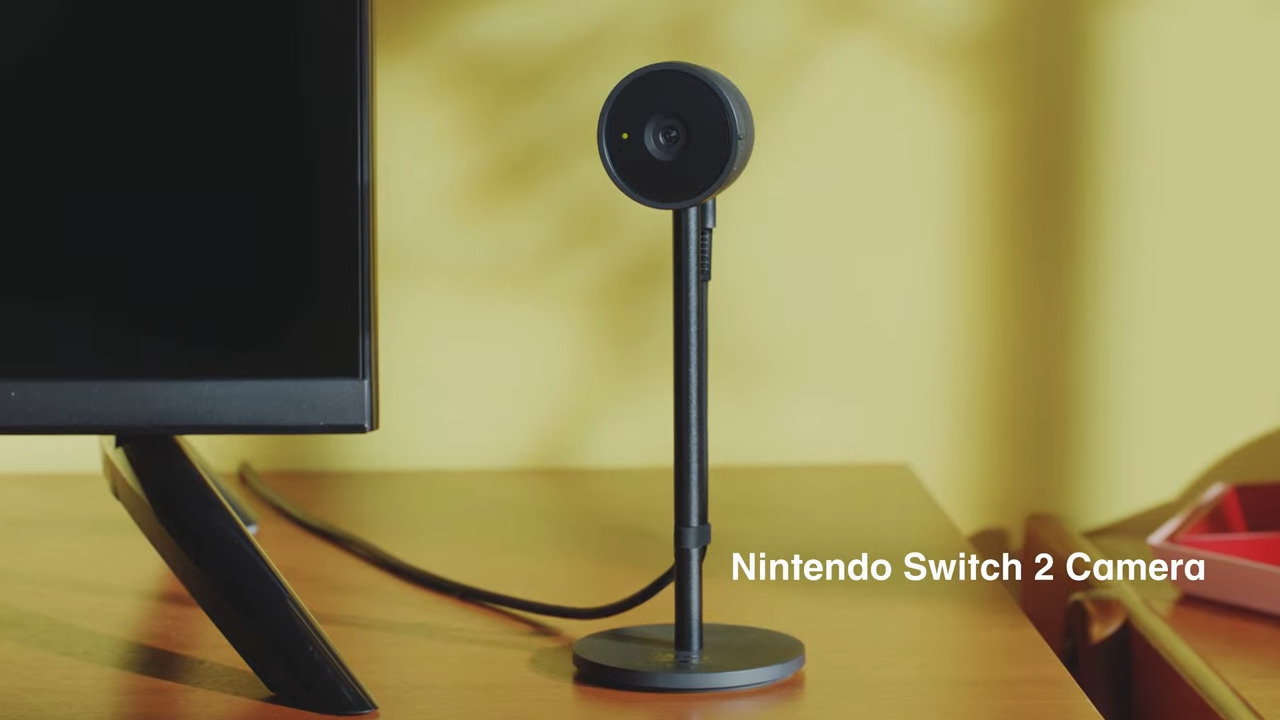
Rank 17226Nintendo Switch 2 GameChat will require a phone number to useThis will presumably help prevent children from accessing the service without permissionIt offers voice calls out of the box or video calls with the optional Nintendo Switch 2 camera accessoryThe Nintendo Switch 2 GameChat feature will require a mobile phone number to use.As spotted by Notebookcheck, this was disclosed on the 'Ask the Developer Vol. 17, GameChat – Chapter 1' interview on the Nintendo website."Mobile phone number registration required to use GameChat. Children must get approval from a parent or guardian via the Nintendo Switch Parental Controls app to use GameChat," a small notice towards the top of the page reads.The US GameChat section of the site expands on this a little further, explaining that "as an additional security measure, text message verification is required to set up GameChat."This is the same phone number registered to your Nintendo account. Presumably, those who are banned from using GameChat for poor behavior would be unable to use the same phone number to access it on another account.The requirement is also likely intended to help prevent children from accessing the service without parental permission, which is required for those under the age of 16. Children that young are unlikely to have access to a mobile phone, potentially easing some parental concerns that GameChat could be used to communicate with strangers online.Although it can be used via the console's in-built microphone, GameChat is also compatible with the Nintendo Switch 2 camera accessory. Sold separately, the Nintendo Switch 2 camera allows for video chat functionality.You are only able to start GameChat sessions with people on your Nintendo friends list, who must be invited to the session.The Nintendo Switch 2 launches globally on June 5. UK pre-orders and US pre-orders are now live.You might also like...Missed out on a Nintendo Switch 2 pre-order? GameStop and Best Buy will have more stock on the console's launch dateThe Nintendo Switch 2 Pro Controller is already doing one thing better than the DualSense Edge and other premium gamepadsThe newly revealed Logitech G522 Lightspeed could become the new mid-range wireless gaming headset to beat
-
Picture from o.aolcdn.com
Rank 17227Whether you are trying to free up storage space or just want to tidy up your system, uninstalling apps on a Mac is a straightforward process. In many cases, removing an application is as simple as dragging it to the Trash, but depending on how the app was installed, there may be a few extra steps involved. Third-party tools are an option, but in most cases, you can uninstall Mac apps easily yourself. Some apps also leave behind associated files that you may want to get rid of to free up space, or to remove every last trace for a cleaner uninstall. Here is a step-by-step guide to uninstalling apps on a Mac, covering several different methods to help you manage your device effectively.
How to uninstall apps from Launchpad
Launchpad provides a simple way to remove apps that were downloaded from the App Store.
Open Launchpad by clicking its icon in the Dock or by pinching closed with your thumb and three fingers on the trackpad.
Find the app you want to delete. You can look it up in the search bar at the top if needed.
Press and hold the app icon until it starts to jiggle.
Click the small X button in the app icon's corner.
Confirm by clicking Delete.
If you do not see an X button, the app was likely not installed from the App Store. In that case, you will need to use a different method to remove it.
How to uninstall apps by moving them to Trash
For apps downloaded from the internet or installed from a disk, you can uninstall them manually through Finder.
Open Finder.
Navigate to the Applications folder.
Locate the app you want to uninstall.
Drag the app to the Trash in the Dock, or right-click the app and select Move to Trash.
To completely remove the app, right-click on the Trash and select Empty Trash.
Some applications may require you to enter your administrator password to complete the deletion. Also, don't empty your Trash too quickly after an install. Whether it's a program or files associated with one, it can be easier to retrieve those things if they're still lingering in your Trash.
How to use an app’s uninstaller
Certain apps come with their own built-in uninstallers, especially larger programs like Adobe products, Microsoft Office or antivirus software. These uninstallers are designed to remove the app and all associated files.
Open the Applications folder in Finder.
Look for a folder associated with the app you want to uninstall.
Open the folder and find the uninstaller tool, often labeled as Uninstall [App Name] or something similar.
Double-click the uninstaller and follow the on-screen instructions.
If you do not see an uninstaller, check the app's official website for specific removal instructions.
How to delete app leftovers manually
Dragging an app to the Trash usually removes the application, but some support files, caches, and preferences can remain on your Mac. These leftover files do not typically harm your system, but they can take up unnecessary space over time.
To manually delete leftover files:
Open Finder and click Go in the menu bar.
Select Go to Folder.
Type ~/Library and press Return.
Search for any folders or files related to the app. Common places to check include:
~/Library/Application Support/
~/Library/Preferences/
~/Library/Caches/
Move any related files or folders to the Trash.
Empty Trash to permanently remove them.
Be cautious when deleting files from the Library folder. Only remove files that are clearly associated with the app you uninstalled.
How to uninstall apps using Terminal
For users comfortable with command-line tools, Terminal offers another way to remove apps. This method can be useful for stubborn apps that do not uninstall easily through other methods.
Open Terminal from Applications > Utilities.
Type the following command: sudo rm -rf (do not press return/enter just yet), then drag across the app you wish to uninstall, and Terminal will automatically paste its path. Then press enter/return.
Enter your administrator password when prompted and hit return to complete the action.
Terminal does not provide a confirmation message, so make sure you enter the correct app name before executing the command.
How to uninstall system apps and default apps
MacOS does not allow users to remove core system apps like Safari, Messages or Mail through standard methods. These apps are protected to maintain system stability.
While it is technically possible to delete system apps using Terminal commands and disabling System Integrity Protection (SIP), this is not recommended. Removing system apps can cause unexpected behavior and security vulnerabilities, and may interfere with system updates.
For apps you cannot uninstall, consider hiding them or removing them from the Dock if you want to keep your workspace tidy.
How to reinstall apps on Mac
If you change your mind after uninstalling an app, it is usually easy to reinstall it.
For apps downloaded from the App Store, open the App Store, search for the app and click Get or the Download button.
For apps downloaded from the web, revisit the official website and download the latest version.
If you deleted a default macOS app, restoring it may require reinstalling macOS or using the macOS Recovery feature.
Keeping a backup of important apps or their installers can help avoid any inconvenience if you need to reinstall them later.This article originally appeared on Engadget at https://www.engadget.com/computing/laptops/how-to-uninstall-apps-on-mac-110020116.html?src=rss
-

Picture from ichef.bbci.co.uk
Rank 17228 -

Picture from ichef.bbci.co.uk
Rank 17229 -

Picture from ichef.bbci.co.uk
Rank 17230 -
Picture from o.aolcdn.com
Rank 17231Google I/O 2025 happened earlier this week, and while there was no new hardware to speak of, the company barraged developers with new AI announcements, search features and bafflingly pricy subscriptions.
First up is the new AI Mode chatbot in search. AI Mode handles more complex queries than traditional search, somewhere between striking up a chat with Gemini and barreling into a traditional Google search. You could, for example, compare multiple cars you’re considering buying or parse travel options for your next big vacation.
AI Mode can simulate how you might look in a new piece of clothing (you have to upload a photo of yourself first to do so), and Google can even track pricing in your size and preferred color.
AI Mode augments Google’s AI Overviews, powered by Gemini. You’ve probably seen them summarizing your search requests (and often getting things wrong, in my experience). When the Overviews do get things right, it means you never have to leave Google Search, which is great for Google but not for the places where Google got the answer. In fact, the News/Media Alliance says AI Mode is theft. President and CEO Danielle Coffey said, “Google just takes content by force and uses it with no return, the definition of theft.”
The most interesting announcement for me was Google’s latest upgrades to video generation and AI video creation tools.
Google
It unveiled Veo 3, the first iteration of Google’s AI video generator that can make videos with sound slightly more realistic (less unhinged video). It’s joined by a new filmmaking app called Flow, which is based on the experimental VideoFX feature Google’s been working on for a few years.
With Flow, you can edit and extend existing shots, add and choose camera movement and perspective controls and even fold AI video content generated with Veo into projects.
But it still looks kinda weird.
— Mat Smith
Get Engadget's newsletter delivered direct to your inbox. Subscribe right here!
The news you might have missed
The Dyson PencilVac is the most stick-like stick vacuum ever
What to expect at WWDC 2025: A new look, Apple Intelligence and more
Google’s most powerful AI tools aren’t for us
The best Memorial Day tech sales from Amazon, Apple, Samsung and more
So far: laptops, speakers, cordless vacuums.
In years past, we’ve seen solid Memorial Day sales on many of our favorite tablets, headphones, charging accessories, robot vacuums and more. That’s on top of all the seasonal items that usually get discounted at this time, like smart grills, pizza ovens and outdoor tech. If you’re tempted but not entirely sold, here’s your reminder that Amazon Prime Day typically happens in July. Maybe you can wait.
Continue reading.
Google’s $250 subscription for AI
Got too much money?
Google
Maybe you want access to the most impressive AI features Google revealed this week. Maybe you want to play around with Flow. Well, you need either AI Pro ($20 a month) or the insane $250 sub to AI Ultra for some of the most intriguing, creativity-threatening features. Don’t worry, though! AI Ultra has an introductory offer of $125 for the first three months! What. A. Deal.
Google is trying to justify its pricing by including YouTube Premium and 30TB of cloud storage.
But YouTube Premium is $14 per month — what about the other $200-plus?
Continue reading.
OpenAI buys Jony Ive’s design startup for $6.5 billion
This week’s technology wildcard.
io
OpenAI is buying Jony Ive’s startup, io, for $6.5 billion. And to celebrate, it took a black and white photo on an iPhone. Ive and his design studio, LoveForm, will continue to work independently of OpenAI. However, the other cofounders will become OpenAI employees
alongside about 50 other engineers, designers and researchers. Does this mean physical OpenAI devices on the horizon? Apparently, it won’t be a phone or a wearable.
Continue reading.
The Fujifilm X Half is a tiny $850 digital camera
With an optional retro date stamp.
Fujifilm
The latest trend-baiting camera from Fujifilm is, well, adorable. The X Half is an 18-megapixel digital compact camera, but it uses half of a 1-inch sensor to shoot 3:4 vertical photos. The name comes from half-frame cameras that use a 35mm film frame sawed in half, which were popular in the ’60s, like the famous Olympus Pen F. It was great for ’60s photographers, who could double-up the shots on a single roll of film — but that’s not really an issue in the digital era.
The X Half has the same 3:4 vertical ratio as Fuji’s Instax Mini instant cameras, so you can make prints using an Instax Mini printer. Fujifilm had a viral hit with the X100 VI, so the even more unique (and tiny!) X Half could appeal to a similar group of shooters. It’s now on pre-order for $850 (in black, charcoal silver and silver) with shipping set to start on June 12.
Continue reading.
Netflix figured out a way to make ads even worse
Yeah, it’s using AI.
Netflix will roll out AI-generated ads in 2026, which will play in the middle of a show or whenever users hit pause in its ad-supported plans. Netflix has been steadily increasing subscription costs for its ad-free plans, so maybe 2026 will offer a final push to the pricier subscriptions.
Continue reading.This article originally appeared on Engadget at https://www.engadget.com/general/the-morning-after-engadget-newsletter-111549412.html?src=rss
-

Picture from ichef.bbci.co.uk
Rank 17232 -

Picture from cdn.mos.cms.futurecdn.net
Rank 17233Realistic lip-synced Veo 3 videos are flooding social mediaIt's going to be hard to spot fake videos from now onVeo 3 has a one-month free trial for US usersGoogle launched Veo 3, its new AI video generator, at the recent Google I/O event. Google DeepMind CEO Demis Hassabis introduced it with the words, "We’re emerging from the silent era of video generation," because with Veo 3, you can add synchronized sound to your AI videos with ease.As well as character dialogue with lip-syncing, the sound effects in Veo 3 also include ambient noise that matches the video. Of course, there have been graphical improvements in Veo 3 as well, including better physics, improved typography, and better prompt understanding.This means you can produce video clips of people talking that are so realistic it’s hard to tell that they aren't real, as the examples here show.How to try Veo 3 for freeYou can try Veo 3 yourself, if you are in the US, using a one-month free trial, however going beyond the one month trial will set you back $249.99 a month as part of an AI Ultra subscription. That subscription also gives you access to Google Flow, its new filmmaking tool, which helps you combine Veo 3 clips into one cohesive story.Of course, people have been quick to jump on Veo 3 video, and my social feeds have been awash with great examples that are hard to tell from real video clips. Here are the nine best examples I’ve seen from X.com:1. Street interviewFrom: @minchoiThis is perhaps the most impressive example of Veo 3 creating a realistic video for a street interview that didn’t happen:Google Veo 3 realism just broke the Internet yesterday.This is 100% AI10 wild examples:1. Street interview that never happened pic.twitter.com/qdxZVhOO3GMay 22, 20252. Pharmaceutical commercialFrom: @PJaccetturoYou can imagine the uses in the corporate world for Veo 3. This is a great example of how various Veo 3 clips can be combined together.I used to shoot $500k pharmaceutical commercials. I made this for $500 in Veo 3 credits in less than a day.What’s the argument for spending $500K now?(Steal my prompt below 👇🏼) pic.twitter.com/4UH43EXDuxMay 22, 20253. We can talk!From: @arikuschnirWhat's more refreshing than seeing AI characters realising they have the power of speech?WE CAN TALK! I spent 2 hours playing with Veo 3 @googledeepmind and it blew my mind now that it can do sound! It can talk, and this is all out of the box... pic.twitter.com/ufplpcZWbqMay 20, 20254. How much wood, would a woodchuck chuck…From: @bkvennThe eternal question of how much wood a woodchuck could chuck, if it could chuck wood, but voiced in various different AI scenes:AI video just made a huge leap with Google Veo 3. Creatives are going to have a field day. We’ve jumped from Commodore 64 to the first PC on the timeline. pic.twitter.com/oW8WTBWf9cMay 21, 20255. Action scene (Warning: NSF language, violence)From: @DiesolVeo 3 can handle tough action scenes, I wonder if Jason Statham is feeling nervous today?Created with Google Flow. Visuals, Sound Design, and Voice were prompted using Veo 3 text-to-video.Welcome to a new era of filmmaking. pic.twitter.com/E3NSA1WsXeMay 21, 20256. The reptilian rock starFrom: @fabianstelzerThis one isn’t meant to be realistic, it was created with the prompt: “1990s VHS footage of a music television feature about a reptilian rockstar from alpha centauri”, but I thought it was a great example of combining science fiction with reality.first run of Veo 3, a few clips based on this prompt:1990s VHS footage of a music television feature about a reptilian rockstar from alpha centauri this is all raw/straight out of veo3. SOUND ON! incredible how it nails the VHS texture. just incredible pic.twitter.com/goIZTEeTArMay 22, 20257. Stand up comedianFrom: @fofrAIThis is a good example of Veo 3 capturing natural human reactions:NO WAY. It did it. And, was that, actually funny?Prompt:> a man doing stand up comedy in a small venue tells a joke (include the joke in the dialogue) https://t.co/GFvPAssEHx pic.twitter.com/LrCiVAp1BlMay 20, 20258. Imagine if AI characters became aware they were living in a simulation!From: @HashemGhailiA bit of existential anguish here as AI characters decide to ask for better prompts from their creators.I did more tests with Google's #Veo3. Imagine if AI characters became aware they were living in a simulation! pic.twitter.com/nhbrNQMtqvMay 21, 20259. Fortnite streamerFrom: @mattshumer_Not only did Veo 3 create this Fortnite clip, but it also created the streamer talking about it:Uhhh... I don't think Veo 3 is supposed to be generating Fortnite gameplay pic.twitter.com/bWKruQ5NoxMay 21, 2025You may also likeWhy Google working with Warby Parker and Gentle Monster gives me confidence about the future of smart glasses5 mistakes Sam Altman and Jony Ive need to avoid to stop their ChatGPT AI device going the way of the Rabbit R1 and Humane AI PinGoogle Gemini 2.5 Flash promises to be your favorite AI chatbot, but how does it compare to ChatGPT 4o?
-

Picture from ichef.bbci.co.uk
Rank 17234 -

Picture from cdn.mos.cms.futurecdn.net
Rank 17235Microsoft is bringing new AI features to Notepad, Paint and Snipping ToolMany of these are for Copilot+ PCs only, though, as they require an NPUNotepad is getting a new AI-powered text creation ability which is coming to all Windows 11 PCs, but it needs a Microsoft 365 subscriptionWindows 11’s Notepad app is getting its AI powers expanded to include the ability to generate written content from scratch, and Microsoft is providing new AI-related functionality to two other apps in the OS, although all of this remains in testing for now.Let’s start with Notepad which, with the release of version 11.2504.46.0 (in preview, for Windows 11 testers) adds a new ‘Write’ option. Just right-click where you want some text to be inserted – or anywhere in an empty document if you’re starting with a blank slate – and tell Notepad the nature of the content you want created, and it’ll write something for you.Windows Latest has had a play with the feature in testing and observes that the AI tends to keep its generated text on the concise side.If you’re not happy with the results and feel the AI-created content could be better, you can always elect to use the option to ‘Rewrite’ in Notepad, which allows for instructions to lengthen (or shorten) the text, or change the tone (and more besides).The catch with Notepad’s new AI-powered writing is that it uses what Microsoft calls AI credits.If you aren’t a Microsoft 365 or Copilot Pro subscriber, you don’t get those credits, and so won’t be able to use this feature. Those with a Microsoft 365 Personal or Family plan get 60 AI credits per month, to be used across all Microsoft’s apps, so you are limited to the extent that you’ll be able to exercise this new power.Away from Notepad, Microsoft has also added new features to the Paint app and Snipping Tool, and yes, as noted at the outset, all of this is AI-driven stuff. Further bear in mind that as Microsoft explains in a blog post, the following abilities are mostly for Copilot+ PCs only, too (except where I’ve noted otherwise).Snipping Tool’s fresh addition is something called ‘perfect screenshot’ which lets you select an area of the screen that you wish to grab, but you only need to highlight it roughly. The AI will then refine the window that you’ve drawn to capture, say, an image on the screen. Essentially, this is doing the heavy lifting in terms of cropping an object exactly, meaning you only have to vaguely outline it, and AI does the rest – pretty nifty.A further move with Snipping Tool (coming to all Windows 11 users in this case) is a color picker ability. This is for the likes of designers who want to know precisely what any given color is on-screen (so they can match it elsewhere, and it’s possible to use HEX, RGB or HSL color codes).(Image credit: Microsoft)As for Paint, Microsoft is providing a new ‘welcome experience’ (introductory panel explaining its latest features) that’s coming to everyone, too, and there are a couple of new AI tricks here (for Copilot+ PCs only).First off, Paint is getting an object select tool which uses AI to, well, select objects on the canvas. This is (kind of) the equivalent of the Snipping Tool’s crop selection ability, meaning you can just point to an element of the image and AI will select the object precisely, allowing you to then apply edits.Secondly, there’s a new sticker generator which again does what it says on the (Paint) tin. You tell the AI that you want a sticker of a tortoise in a leather jacket playing a ‘Flying V’ guitar and it’ll produce a selection of such stickers that you can choose from.Analysis: Creative sparks and timesaving touches(Image credit: Microsoft)These are typical uses of AI, of course, encompassing content creation – from paragraphs in Notepad to stickers in Paint – to timesaving little touches in the form of easy selection of objects in Paint, or the swift cropping of an item in a screenshot with Snipping Tool.All of this should make your life a bit easier, but there are reasons to have a bit of a grumble here. You’ll need a Copilot+ PC in many cases – and okay, that’s because it has the local hardware (an NPU) required to accelerate the task so it works quickly enough – but the subscription requirement for Notepad feels less reasonable.More broadly, some folks are going to be irked by the changes to Notepad full-stop. Mainly because Notepad is supposed to be a minimalist, streamlined app to fire up to jot quick notes and the like, and it’s slowly becoming a mini version of Word. (Or indeed a new WordPad, which used to be the middle-ground between the two apps, until Microsoft killed it off).Also, if you were thinking that Notepad already had AI text creation abilities, well, no, it didn’t. While the app has already witnessed the introduction of a Rewrite facility, creating paragraphs from scratch is a new thing (for this app, anyway).Does Notepad really need it, though? On the face of it, the move can’t hurt – if you don’t want it, don’t use it. But the argument against slowly drafting in more and more features for Notepad is that this bloat will slow it down, making it less responsive (and even more sluggish to load, perhaps).All of which very much pulls in the wrong direction for those who want a tiny, quickfire jotting pad of an app, which, to be fair, was always the original intent with Notepad. Not so much, these days, that’s for certain.You might also like...Windows 11 is getting more AI shortcuts, but is Microsoft in danger of cluttering up the OS with AI creep?Can’t upgrade to Windows 11? This Linux project wants to save your old PC from the scrapheap when Windows 10 support endsBeen hiding from Windows 11 24H2 due to the fuss about all the bugs? There’s nowhere to run now as Microsoft’s made the update compulsory
-

Picture from ichef.bbci.co.uk
Rank 17236 -

Picture from ichef.bbci.co.uk
Rank 17237 -

Picture from cdn.mos.cms.futurecdn.net
Rank 17238Mozilla is closing popular read-it-later app PocketThere are several alternatives that you can use insteadThe Fakespot online shopping extension is also being shutteredMozilla is closing down the popular Pocket app, which lets you save articles from the web so that you can read them later. The company is also shuttering Fakespot, a browser extension used to expose fake product ratings to help you avoid getting misled when shopping online.Pocket lets you save articles to the app that you can then read at another time. While many of the best browsers like Google Chrome have built-in bookmarking, Pocket is different in that it tweaks the experience to make reading more enjoyable. To that end, it adds its own formatting so that articles appear in a uniform, readable style, and it also allows you to add tags and highlights for better organization.In a blog post, Mozilla said the move was made to help it focus on its Firefox web browser, adding that “the way people save and consume content on the web has evolved, so we’re channeling our resources into projects that better match browsing habits today.” The company has also posted a more detailed guide to its decision and explained what will come next on its website.Pocket will shut down on July 8, 2025. As of now, new users can no longer download the app or purchase new Pocket Premium subscriptions, with current subscribers being refunded on a pro rata basis. Existing Pocket users will be able to export their saved articles until October 8, 2025, after which time their data will be permanently deleted. Mozilla has published a guide on exporting your Pocket saves to help with the process.As for Fakespot, its apps, website and extensions will become unavailable on July 1, 2025. The Review Checker feature that’s built into the Firefox web browser will stop working on June 10, 2025.Sorely missed(Image credit: Future)I’ve used Pocket religiously for many years, and the move to shut it down came as an unwelcome surprise. Since I found out about the move, I’ve been looking for alternative apps that let me save articles and read through them at my leisure.So far, I’ve seen Instapaper come highly recommended. It’s designed to help you save articles from around the web and display them in a simple, easy-to-read format. It can even speak articles aloud so you can listen on the go.Another alternative is Readwise Reader. Like Instapaper, it’s great for saving from the web, but it also works with RSS feeds, X threads, PDFs, newsletters, YouTube videos, and more. There’s integration with Readwise’s highlighting capabilities, plus a beautiful design that’s easy on the eye.There’s also Raindrop, which some of my TechRadar colleagues wholeheartedly recommend. This bills itself as a bookmark manager, so it helps with organizing almost anything you find on the web, not just articles. It’s built for teams and will automatically back up any files and web pages you add, ensuring you can keep reading even if the original source is lost.Despite coming across these alternatives, I can’t say I’m not disappointed to lose Pocket. One of its best aspects was its suggested articles feature, which has helped me find an incredible array of fascinating stories that I’d otherwise never have discovered. Once it goes, it’ll be sorely missed.You might also likeI've finally found an app that stops the endless scrolling and I love itFirefox might one day be able to detect fake reviews written by ChatGPTFirefox is ending Do Not Track, but there are better ways to protect your privacy – here's what I recommend
-

Picture from ichef.bbci.co.uk
Rank 17239 -

Picture from cdn.mos.cms.futurecdn.net
Rank 17240Xiaomi’s YU7 is a follow-up to the massively popular SU7 sedanEnormous HyperVision Panoramic Display spans the entire windshieldHuge performance promised by 680bhp electric drivetrainHot on the heels of Xiaomi’s SU7, which sold almost 30,000 units in China in a single month when it launched last year, the smartphone and tech giant has announced the eagerly-awaited follow-up.Sporting sleek crossover looks, not too dissimilar to Porsche’s stunning Taycan Sport Turismo model, the YU7 offers more interior roominess and the added practicality of a larger and more accessible trunk. A generous 1,970 liters of total storage space are on offer.It is hotly-tipped to be a massive sales success in its domestic market of China, where it is touted to cause headaches for Tesla, further eroding Model Y sales in the country.This is down to the fact that Xiaomi products have an almost cult-like status in China, but also because its dimensions are larger than the Model Y, it charges faster and boasts a far greater range.Xiaomi says the YU7 will come in three versions (Standard, Pro and Max), which can offer up to 519 miles of range on a single charge or up to 680bhp in the most potent versions – the 0-62mph sprint takes just 3.2 seconds in Max models.Plus, charging takes just 12 minutes to achieve a 10-80% state-of-charge thanks to an 800V silicon carbide high-voltage platform architecture.(Image credit: Xiaomi)But scratch the surface and Xiaomi has gone guns-blazing with the technology on offer, with the next-generation of Nvidia’s Drive AGX Thor computing platform providing some serious digital fire power.Alongside advanced levels of autonomous driving and active safety systems, the compute power also allows for a plethora of interior screens and displays.Xiaomi says it is the first to offer a panoramic display that spans the full-width of the windscreen. Dubbed HyperVision Panoramic Display, it “intelligently adapts” to different user scenarios.The tech company says it can offer speed and navigational directions in the sightline of the driver, but will also offer infotainment details, including real-time lyrics.(Image credit: Xiaomi)If that all sounds a bit distracting, just wait until you hear that the HyperVision Panoramic Display can offer up five modular information categories, from instrument readouts and media controls to navigation and weather updates.Xiaomi intended the interior of the YU7 to mimic the cockpit of a fighter jet, with myriad information at the driver’s fingertips.Passengers are also treated to displays, with seat-back screens an optional extra and an additional remote control panel embedded into the back of the center console that allows rear passengers to take over navigation or “entertainment management” duties.There is no current word on pricing, but like the SU7, the latest Xiaomi will only be on sale in China for now. That's probably a good thing for most rival manufacturers.Analysis: Tesla's Model Y continues to be a target(Image credit: Xiaomi)Although the price is not official, the Xiaomi YU7 is rumored to arrive with a tag that slightly undercuts the Model Y – Tesla's globally best-selling vehicle and one that once dominated that Chinese sales charts.According to The Verge, Xiaomi founder, chairman, and CEO Lei Jun responded to the news of a refreshed Model Y coming to China late last year with a size comparison between the YU7 and Musk's popular electric SUV. Heck, the new Xiaomi even has a 'Y' in its name.It is clear that Chinese EVs continue to target Tesla, attempting to knock the brand off the top spot with more affordable, more technologically advanced and more practical electric vehicles.(Image credit: Xiaomi)Xiaomi has an even sharper edge, considering it is one of the most recognizable names in technology and one the biggest smartphone manufacturers in the world. The SU7 was often regarded as the Apple Car that never was and huge numbers bought into it.Considering the YU7 offers even more, particularly the practicality of improved interior space and comfort, it is highly likely it will prove a huge sales success.Tesla, on the other hand, is continuing to experience sliding sales figures, both in China and further afield. Last month, BYD sold more electric cars than Tesla in Europe for the first time in its history.You might also likeThe Xiaomi SU7 Ultra EV has been unleashed – and it’s already bagging speed recordsForget foldable phones – LG's 'stretchable' in-car display can grow physical buttons when you need them, and I can't stop watching itTesla launches cheaper Model Y in the US, but confirms it's ditched the Cybertruck's promised range extender
-

Picture from cdn.mos.cms.futurecdn.net
Rank 17241ECCO has released its second report on Broadcom, citing no improvementGermany's VOICE has brought VMware pricing to the European Commission's attentionPerpetual licenses got terminated, with many customers forced to pay upfront for three yearsBroadcom has allegedly increased VMware licensing costs by eight to 15 times for many customers after eliminating perpetual and pay-as-you-go licenses, replacing them with bundled subscriptions that require a three-year minimum contract.The European Cloud Competition Observatory (ECCO) has likened the new pricing to paying for full, continuous usage regardless of actual consumption.It was revealed that many CISPE members have signed new contracts under pressure to keep services connected while lacking viable alternatives, with some old contracts over 10 years abruptly terminated.CISPE isn't happy about Broadcom's VMware pricing"ECCO’s role includes highlighting ongoing or new unfair software licensing practices from any software vendors in the cloud sector. As such, it has already published one report critical of Broadcom’s changes to licensing practices following its acquisition of VMware in November 2023," ECCO wrote.ECCO said that Broadcom continues to enact a "increasingly litigious approach to its partners and customers," accusing the company of partaking in anticompetitive actions. Europe's Observatory stressed that it has only had one meeting with Broadcom since its VMware acquisition, but no progress was made."This second report finds that Broadcom’s wide ranging and brutal imposition of unfair contract terms for cloud infrastructure service provides continue unabated," the body added.In May 2024, CISPE criticized the company for requiring up-front payment for its three-year contracts, stating that "Broadcom must do more."Since then, Germany's VOICE, an association of IT users, has sought to file a formal complaint against Broadcom with the European Commission.CISPE Secretary General Francisco Mignorance commented: "Unlike Microsoft, Broadcom shows no interest in finding solutions, or even of working with European cloud infrastructure providers. Broadcom can report that most have signed new contracts, but we know that these are punitive and threaten the viability of service providers locked-in to the VMware ecosystem. Urgent action is needed.”TechRadar Pro has asked Broadcom to comment on the ongoing matter, but we did not receive an immediate response.You might also likeThese are the best cloud hosting providersBroadcom is cracking down on some VMware users hard - here's whyCheck out the best virtual machine software and best virtual desktop services
-

Picture from ichef.bbci.co.uk
Rank 17242 -

Picture from ichef.bbci.co.uk
Rank 17243 -

Picture from ichef.bbci.co.uk
Rank 17244 -

Picture from ichef.bbci.co.uk
Rank 17245 -
Picture from o.aolcdn.com
Rank 17246If you're on grilling duty this Memorial Day and stressing about getting the steak and veggies just right, we've got a deal for you. The MasterClass Memorial Day sale, running from May 22 to 26, offers up to 40 percent off all subscriptions to the video learning platform. Starting at $72, you can learn how to grill from legendary Texas BBQ master Aaron Franklin, then enjoy other courses for a full year. Just make sure to subscribe before the end of Memorial Day itself to take advantage of the discount.
When you take a MasterClass course, one of the world's top experts guides you through a series of videos on how to approach their craft. The Memorial Day deal drops the cost of a Standard subscription to $6 per month when billed annually, which comes out to $72 in total. That gives you access to more than 200 courses for a year, though you can only watch them on a device connected to the internet. It makes an excellent gift for someone you love — or for yourself.
MasterClass is also discounting its higher tiers for Memorial Day. With a Plus subscription, you can watch MasterClass courses on two devices at once, and download them to watch offline whenever you want. A Premium subscription boosts the number of devices to six. The latter also includes access to MasterClass On Call, which lets you chat with AI recreations of MasterClass experts (Although, as our review notes, that feature still needs a bit of polishing.)
After you've wowed your friends and family with your new grilling skills, MasterClass has plenty of other lessons that you can explore to continue your education. Creative writers can check out the BBC Maestro course that "resurrects" Agatha Christie, using her notes, an actress and AI rendering to teach the art of crafting a killer mystery. The platform also just launched a 20-episode series on healthy skin, featuring a panel of accredited dermatologists and cosmeticians.
Follow @EngadgetDeals on X for the latest tech deals and buying advice.This article originally appeared on Engadget at https://www.engadget.com/deals/masterclass-subscriptions-are-40-percent-off-for-memorial-day-121509629.html?src=rss
-

Picture from ichef.bbci.co.uk
Rank 17247 -

Picture from ichef.bbci.co.uk
Rank 17248 -

Picture from cdn.mos.cms.futurecdn.net
Rank 17249The third installment in Netflix’s landmark documentary series American Manhunt has critics raving and audiences rushing to binge the three-episode series.Since its release on May 14, American Manhunt: Osama bin Laden has shot to the top of the Netflix charts, holding the top stop not just in the US, but globally, with an estimated 12.6 million views in its first week.It's hardly surprising, considering critics are hailing it as one of the best Netflix shows around at the moment, earning the doc a 100% rating on Rotten Tomatoes.Directed by Daniel Sivan and Mor Loushy, the series details the hunt for, and eventual raid on the compound of, al-Qaida founder Osama bin Laden in the decade that followed the events of September 11, 2001.Bin Laden was eventually “compromised to a permanent end” on May 2, 2011, but, as per Netflix’s synopsis, “less is known about what happened in between, and what operatives, officials, and counterterrorism experts faced in order to capture and bring down one of the most notorious terrorists in modern history.”This is what the documentary sets out to explore, focusing on the individuals whose 10-year hunt involved tough decisions and swift actions, and transporting the viewer to the secure spaces in which intelligence operatives and Special Forces undertook a global pursuit of the world’s most wanted man.Over the three episodes, the audiences hear from some of these men and women, with interviews with former CIA, Department of Defense and FBI officials such as Leon Panetta and Henry A. Crumpton, White House staffers of the era including Ben Rhodes and the journalists, like ABC reporter John Miller, who covered the ever evolving events.The show tells “the story of the people tasked to find the world’s most wanted terrorist and bring him to justice” say Sivan and Loushy, “it [was] a hunt that changed their lives, America, and the world as we know it.”What are the critics saying about American Manhunt: Osama bin Laden?As evidenced by the doc’s perfect Rotten Tomatoes score, critics have nothing but praise for the show, which Ready Steady Cut called “absolutely stellar documentary filmmaking.”Decider’s review shows that Sivan and Loushy have hit their mark attempting to tell the untold story of the operation, saying American Manhunt: Osama bin Laden “gives insight into operations most people in the US knew nothing about,” while San Francisco Chronicle called it a “a useful, riveting documentary docuseries.”(Image credit: Netflix)What's the subscriber's verdict?However, the response from viewers has been a little more muted, with the show currently sitting at just a 56% RT Audience Score.One reviewer on the site criticized the lack of focus on the troops on the ground, saying “There is very little about the Seals [sic] who risked their lives but a great deal of preening and posturing by the politicians,” while others wished the show covered pre-9/11 US involvement with the al-Qaida leader in more depth: “Bin Laden and the US is part of history before the plane crash too. The documentary doesn’t delve into that subject nearly enough.”Reddit users had a more positive response to the show, however, with one poster calling it “a solid 10/10 series” and another saying simply “must watch” while a third stated “I got goosebumps. I cried. I clapped [...] very powerful.”Comment from r/netflixAs with the first two installments of the American Manhunt series – The Boston Marathon Bombing and O.J. Simpson – it seems one of the best streaming services have delivered a gripping documentary detailing the untold aspects of a headline-dominating event in recent U.S. history.All three episodes, along with previous seasons, can be streamed on Netflix right now.You might also likeFor more Netflix TV show-based coverage, read our guides on Stranger Things season 5, One Piece season 2, Squid Game season 3, and Knives Out 3.
-
Picture from o.aolcdn.com
Rank 17250Bandai Namco has confirmed the rumors going around that Elden Ring will be adapted into a live-action movie. The project will be produced by Bandai Namco and American film company A24, and it will be helmed by filmmaker Alex Garland, who directed Ex Machina, Annihilation, Civil War and Warfare. He was also the novelist behind The Beach and had written the movies 28 Days Later, Dredd and 28 Years Later. The film will be produced by Peter Rice, along with Andrew Macdonald and Allon Reich from DNA, as well as with George R. R. Martin and Vince Gerardis.
Elden Ring is a dark fantasy action role-playing game developed by FromSoftware, which was also the studio behind Dark Souls. Like other "Souls games," it has a reputation for being notoriously difficult, and a movie would allow people too intimidated to even touch it to experience its story and its universe. Martin, who's of course most known for the A Song of Ice and Fire novels, provided the game's backstory and world building. FromSoftware's president Hidetaka Miyazaki directed the game. Miyazaki was also the director behind the Dark Souls series, Bloodborne and Sekiro.
Not much is known about the movie adaptation at the moment other than what Bandai Namco has announced. There are no stars attached to it yet, or a target release date. Fans do have Elden Ring Nightreign to look forward to, however: The co-op survival spinoff will be available on the PC, PS4, PS5, Xbox One and Xbox Series X/S starting on May 30.
This article originally appeared on Engadget at https://www.engadget.com/gaming/an-elden-ring-movie-directed-by-alex-garland-is-in-the-works-123042735.html?src=rss


