News
This constantly updated list features the latest and most important news articles, ranked in order of significance. The top stories highlight major developments, breaking news, and critical updates across various topics, ensuring you stay informed about the most pressing issues. As new articles are added, the list adapts to reflect the latest priorities, keeping the most impactful stories at the forefront. Whether it’s global events, technology breakthroughs, or industry trends, this dynamic list ensures you always have access to the most relevant and timely information.
-

Picture from ichef.bbci.co.uk
Rank 16451 -

Picture from ichef.bbci.co.uk
Rank 16452 -

Picture from ichef.bbci.co.uk
Rank 16453 -

Picture from ichef.bbci.co.uk
Rank 16454 -

Picture from techcrunch.com
Rank 16455 -

Picture from ichef.bbci.co.uk
Rank 16456 -

Picture from ichef.bbci.co.uk
Rank 16457 -

Picture from ichef.bbci.co.uk
Rank 16458 -

Picture from ichef.bbci.co.uk
Rank 16459 -

Picture from ichef.bbci.co.uk
Rank 16460 -

Picture from ichef.bbci.co.uk
Rank 16461 -

Picture from ichef.bbci.co.uk
Rank 16462 -

Picture from ichef.bbci.co.uk
Rank 16463 -

Picture from ichef.bbci.co.uk
Rank 16464 -

Picture from ichef.bbci.co.uk
Rank 16465 -

Picture from ichef.bbci.co.uk
Rank 16466 -

Picture from ichef.bbci.co.uk
Rank 16467 -

Picture from ichef.bbci.co.uk
Rank 16468 -

Picture from ichef.bbci.co.uk
Rank 16469 -

Picture from cdn.mos.cms.futurecdn.net
Rank 16470Most consumers have strong perspectives when it comes to sharing their personal data with an organization. Some are more open, happy to share information if it equates with a more personalized product experience. Others are more guarded, hesitant to give over details, usually due to security concerns. But what determines the standpoint any given person has on data sharing?While generalizing can often be misleading, statistics reveal clear trends when examining attitudes by generation. Understanding these generational differences reveals how organizations can engage with customers of all ages in ways that build confidence and satisfaction with their data practices.
The generational gap in data sharing attitudes
Younger generations are much more open when it comes to data sharing. Research which examined how consumers feel about sharing their date of birth with an unfamiliar company backs this up. Among 18-24 year-olds, 21% feel comfortable doing this, compared to just 8% of those aged 45-54. That's nearly a threefold difference in comfort levels for sharing something as basic as a birth date. When it comes to more sensitive information, this difference becomes even more pronounced.When asked if they'd share spending habits in exchange for potential benefits such as helping them to save money, 38% of 18-24 year-olds said they would, while only 15% of those over 55 agreed. This stark contrast highlights how differently generations approach their personal information.Rather than treating data sharing primarily as a privacy and security risk, many younger consumers see it as a natural exchange that enhances their experiences. They've grown up in an environment where personalized recommendations and tailored experiences aren't just nice-to-have features, they're expected parts of everyday digital interactions.Older generations take a markedly different approach. Having witnessed firsthand how privacy concerns have evolved over decades, they tend to need stronger reassurances and clearer benefits before sharing personal details. This isn't simply resistance to technology. It reflects genuine differences in how each generation fundamentally conceptualizes privacy and what constitutes a fair value exchange for their personal information.
The evolution of trust beyond security
Despite the clear generation gap in attitudes, there's one crucial factor that unites consumers of all ages: trust. This is the foundation upon which all data sharing decisions are built. According to research, an overwhelming 94% of consumers across every age bracket point to trust as the deciding factor in whether they'll share their information. The evidence is clear: 64% would readily share personal details with an organization they trust, while only 36% would do the same with a company they're unfamiliar with.What's interesting is how the concept of trust itself has evolved over time. Basic security measures that were once seen as exceptional are now simply expected as standard practice. Today's consumers are more sophisticated in their evaluation, looking beyond just data protection. They want to know how transparent an organization is about their data practices and, perhaps most importantly, what tangible value they'll receive in return for their information.We can see this shift reflected in changing consumer attitudes. Research from the Data Protection Networks shows that while "data pragmatists" (those willing to share information for clear benefits) remain the largest group, they've declined from 53% to 46%. At the same time, "data fundamentalists" who are highly protective of their data have decreased from 31% to 23%.This doesn't mean consumers are becoming less concerned about privacy. Rather, it suggests they've developed a more nuanced understanding of the data value exchange. What modern consumers increasingly demand is transparency around "good use cases" for their data.They want organizations to clearly explain not just how their information will be protected, and the tangible benefits they'll receive in return, from relevant product recommendations and timely offers tailored to their preferences, to streamlined checkout processes and personalized content that ultimately saves them time and effort and makes for a better customer experience.
The balancing act of personalization
At the heart of this evolving landscape sits personalization – the ability to craft experiences that feel genuinely tailored to individual preferences. When done effectively, personalization creates precisely the kind of value that justifies data sharing across all age groups.Many consumers see data sharing as part of a broader economic ecosystem. Research reveals that 52% of UK consumers would be more willing to share personal data if they knew it would help smaller companies compete more effectively. This view is particularly strong among those under 45, suggesting younger generations may see their data sharing as contributing to a healthier, more dynamic marketplace – not just as a way to improve their own experience.For businesses, this creates both opportunity and responsibility. The challenge lies in developing personalization approaches that respect individual boundaries while delivering genuine value. Rather than relying on broad generational assumptions, forward-thinking companies are using their analytics capabilities to understand the specific preferences and comfort levels of each individual customer.
Data handling with care
Tomorrow's most successful organizations won't simply be those that amass the largest data repositories. They'll be those that build the most thoughtful relationships with that data – and more importantly, with the people behind it. That means creating flexible systems that allow individuals to share information on their own terms, while clearly communicating the benefits of doing so.As consumer expectations continue to shift and regulatory frameworks evolve, the organizations that combine sophisticated data capabilities with genuine respect for consumer preferences will build the trust necessary to succeed across all generational segments. The reward for getting this right? More meaningful personalization, stronger customer relationships, and business outcomes that truly reflect the full potential of our data-driven world.
We've compiled a list of the best customer feedback tools.
This article was produced as part of TechRadarPro's Expert Insights channel where we feature the best and brightest minds in the technology industry today. The views expressed here are those of the author and are not necessarily those of TechRadarPro or Future plc. If you are interested in contributing find out more here: https://www.techradar.com/news/submit-your-story-to-techradar-pro
-

Picture from techcrunch.com
Rank 16471 -

Picture from ichef.bbci.co.uk
Rank 16472 -

Picture from ichef.bbci.co.uk
Rank 16473 -

Picture from ichef.bbci.co.uk
Rank 16474 -

Picture from ichef.bbci.co.uk
Rank 16475 -

Picture from ichef.bbci.co.uk
Rank 16476 -

Picture from ichef.bbci.co.uk
Rank 16477 -

Picture from ichef.bbci.co.uk
Rank 16478 -

Picture from cdn.mos.cms.futurecdn.net
Rank 16479When it comes to the ultimate in home entertainment, bigger really is better – and there’s science behind it. Our eyes were made for wide, immersive viewing, and that means a 100-inch screen doesn’t just look amazing; it aligns with how we naturally see and focus, reducing eye strain and recreating the dynamic experience of a cinema.With living spaces evolving to include bigger homes and larger living rooms, big-screen TVs are no longer a luxury: they’re rapidly becoming the new standard. And when it comes to big, beautiful TVs, Hisense is the undisputed market leader: in 2023 and 2024 it was the global number one for TVs sized 100 inches and higher.[1]Super-sized TVs make your front room feel like the world's best cinema or stadium, and Hisense's models are packed with cutting-edge tech to make everything feel incredibly vivid, incredibly lifelike and incredibly immersive. With advanced AI picture processing, multi-channel audio, ultra-vivid Mini-LED displays and speedy, silky-smooth refresh rates they deliver a video and audio experience that's truly incredible for cinema, for gaming, for sports and more.
Discover 100 inches of wow
Hisense's ULED Mini-LED TVs bring you 100 inches of wow. At this scale movies and sports aren't things you watch; they're sensory spectaculars that transport you beyond the ordinary, delivering astonishingly vivid visuals and incredibly immersive audio.
(Image credit: Hisense)
The heart of Hisense's Mini-LED PRO models is their gorgeous Mini-LED PRO technology, where every frame comes to life with outstanding contrast and brightness. The precise backlight control ensures you never miss a single detail, no matter how dark or bright.Compared to traditional LED TVs, Mini-LED PRO technology uses thousands of tiny light sources and precise full-array local dimming to deliver deeper blacks, dazzling highlights, and exceptional contrast. Whether you’re watching an intense night match or a dark cinematic scene, every frame pops with lifelike clarity. It’s a picture that pulls you in—rich in detail, vibrant in colour, and immersive from any seat in the room.
(Image credit: Hisense)
But there’s more behind the wow. Hisense’s Hi-View AI Engine PRO brings AI-powered precision to every scene, analysing content and surroundings in real time to fine-tune brightness, contrast, and colour—delivering a viewing experience that adapts to your space and what you love to watch.Even at the recommended 3-metre (9.8-foot) viewing distance—typical in modern compact living rooms—Hisense’s AI ensures images remain sharp, vibrant, and immersive. Big screen, small room? No problem. With pixel-level analysis and intelligent optimisation, Hisense makes 100 inches of wow possible anywhere.
(Image credit: Hisense)
And for gamers, the thrill goes even deeper. Select Hisense models offer a lightning-fast 165Hz refresh rate and Auto Low Latency Mode, ensuring ultra-smooth motion and instant responsiveness—perfect for fast-paced matches, action-packed races, or cinematic adventures full of shadow and detail.
Sensational cinema and spectacular vision
(Image credit: Hisense)
Take the U8 Series, for example—it’s where Mini-LED PRO shines.The Hisense U8 Series is made for cinema lovers who demand more than just a big screen: it's a cinema-grade experience in the heart of your home. Its Mini-LED PRO has a much higher density than typical TVs, with QLED Colour, Pantone Validated Colour and IMAX Enhanced certification delivering cinema-spec colour and contrast. With Dolby Vision and Filmmaker Mode built in, it brings you an extraordinary cinematic experience in three spectacular sizes: 75, 85 and 100 inches.
AI empowers every moment
As one of the first TV brands to deeply integrate AI across its product range, Hisense is using intelligent processing to go far beyond static picture presentation. At the heart of this evolution is the Hi-View AI Engine PRO, a powerful chip that analyses content and surroundings in real time—automatically adjusting contrast, brightness, and colour to match not just what you’re watching, but where you’re watching it.In both U7 and U8 series, this powerful processor intelligently analyses scenes in real time, optimising each frame for enhanced contrast, colour and motion. Combined with AI Sound and AI Sports Mode, this ensures both visuals and audio adjust dynamically to different content types, making every movie, game, or live match incredibly lifelike. And if you like to watch live sports with friends or family you'll love how bright the U8 Series is: with up to 5,000 nits of brightness and Hisense's Anti-Reflection PRO it performs brilliantly even in the very brightest rooms.Whether it's fast-paced football or movie magic, the U8 Series's sound system will put you right where the action is. Side speakers, rear subwoofers, and upward-firing speakers combine to put you in the centre of a sensational 4.1.2 multi-channel experience that delivers truly immersive audio in perfect harmony with the on-screen visuals.
Next-gen experience for game enthusiasts
(Image credit: Hisense)
The Hisense U7 Series delivers the next level of immersive sports and gaming. It's an elite TV range designed for action lovers, and it delivers a lightning-fast 165Hz refresh rate with auto low latency mode for cutting-edge PC and console gaming. From split-second reactions on the track to high-speed football plays, every frame is rendered with fluid clarity –eliminating input lag and frame tearing for a smoother, more responsive experience from the moment you press start.In addition to delivering video and audio that'll take your breath away, the U7 Series can also help you navigate your favourite streaming services: it comes complete with Google/VIDAA TV, which pulls content from all your favourite streamers into one convenient place and helps you find great new shows based on your viewing history.
The future of fantastic
Something even bigger is coming soon. Hisense is always innovating in the super-sized TV category, and it'll soon be launching a brand new and very large flagship in the form of the UX Series with RGB Mini-LED Technology. It'll deliver a new era of display excellence and intelligent technology, and its proprietary RGB Mini-LED and ultra-large screen design will push the limits of visual performance and engineering excellence.Recognized as the global number one in the 100-inch TV category, Hisense is leading the way in picture quality, screen innovation, and immersive viewing. Aligned with global trends in big screen, AI, Mini-LED, and high refresh rates, the brand continues to drive its “Go Bigger, Aim Higher” strategy—showcasing standout advantages across its 100”, 85”, and 75” lineup and reinforcing its leadership in the premium large-screen segment.While the new UX Series is still under wraps, you don't need to wait to experience the ultimate in big-screen entertainment: whether you're a movie buff, a sports fan, a gamer or all these things and more the Hisense U8 Series and U7 Series are available right now in a range of sizes to suit your space. And with Hisense proudly serving as the official partner of the FIFA Club World Cup 2025™ this year’s matches will be more than a tournament—they’ll be a celebration of big-screen immersion. From cinematic storytelling to edge-of-your-seat action, there’s never been a better time to bring stadium-sized thrills home.If you'd like to know more about the incredible Hisense U8 Series and U7 Series or register for updates about the ultimate UX Series, click here for the big picture.
[1] Data source: Omdia
-
Picture from cdn.mos.cms.futurecdn.net
Rank 16480This year's Google I/O event is set to bring major announcements showcasing the future of Android XR, Gemini, and everything else the tech giant is working on.Google showcased Android 16 last week, leaving lots of people guessing at what to expect during its flagship keynote this year. As we expect the focus to be less about Android and more about XR and AI, this year's Google I/O could be the biggest yet.From Google's new AI Mode to Gemini Live, we expect some huge announcements that could shift the way we interact with the internet.Starting at 10 am PT / 1 pm ET / 6 pm BST, we'll be covering all the latest announcements from Google I/O 2025.
Welcome to TechRadar's Google I/O 2025 live blog! John-Anthony Disotto, Senior AI Writer, here to take you through the first few hours of today as we build up to one of Google's biggest events of the year.So grab a coffee, set this tab up to the side of your monitor, and get ready for a huge day in the world of tech!
-

Picture from ichef.bbci.co.uk
Rank 16481 -

Picture from ichef.bbci.co.uk
Rank 16482 -

Picture from ichef.bbci.co.uk
Rank 16483 -

Picture from ichef.bbci.co.uk
Rank 16484 -

Picture from ichef.bbci.co.uk
Rank 16485 -

Picture from cdn.mos.cms.futurecdn.net
Rank 16486Let's face it: software development is moving at warp speed. Between the explosion of AI and the ever-present flood of open source vulnerabilities, you'd think staying sharp with the latest cybersecurity skills would be priority number one for dev teams.Apparently not.New data from Snyk's 2024 State of Open Source Security Report just dropped, and frankly, it's raising some serious eyebrows. It shows companies are cutting back on investing in essential security tools and training.Consider this stunner: the number of organizations actively training their developers on supply chain vulnerabilities plummeted from 53% last year to just 35%.In a world grappling with sophisticated AI-driven threats and complex supply chain risks, this feels like companies are deciding to navigate a minefield without a map... or a minesweeper. If teams aren't equipped to spot, understand, and tackle new threats, they're flying blind.
Is open source security hitting a wall?
It's not just training that seems to be lagging. Efforts to improve open source security – and even broader DevOps efforts – might be stalling out.While more organizations now report tracking all their software dependencies, a sizable portion still only track direct dependencies. That leaves a massive blind spot for hidden risks. A small but significant minority aren't tracking dependencies at all. Yikes.Meanwhile, code ship frequency hasn't budged. This suggests the industry might be hitting a plateau with current DevOps methods, potentially bottlenecked by security processes.It seems teams are also struggling to adopt even the basic security toolkit. We looked at eight common AppSec methods, and each one fell worryingly short, including standard tools like Software Composition Analysis (SCA) and Static Application Security Testing (SAST). Worse still, essentials like license scanning, secrets scanning, supply chain security and dependency analysis are being used by less than half of the teams surveyed.
Are developers simply drowning?
Maybe this isn't just about budgets. Maybe developers are overwhelmed. Why? The fact that companies are setting ambitious goals for fixing vulnerabilities (SLAs), but teams just can't keep up, is a flashing red light.In many cases, security SLAs now demand fixes within days or even hours. Yet despite these ambitions, it’s clear that teams often miss the mark.Process, tech, and training issues are often to blame. If teams aren't meeting SLAs or using fundamental security tools, leaders need to ask: why? Is the tooling inadequate? Or are teams lacking the training to use what they have effectively, especially when buried under the sheer volume of open source packages?
The training gap: a foundational flaw
A lack of training is a foundational problem that makes everything else harder. Teams might be leaning too heavily on tools to automate security, perhaps without fully understanding the output or limitations. And with AI tools churning out potentially vulnerable code, a lack of training on how to validate and secure that output is just asking for trouble.Without the right skills and facing buggy code from immature AI copilots, trust in the entire software supply chain – that complex web connecting tools and organizations – is at risk.As security increasingly shifts left, developers are asked to shoulder responsibilities that previously belonged to dedicated AppSec teams. Yet many have had little formal education in secure coding practices or threat modelling, and most also need to focus on honing their use and understanding of evolving models.Job roles are changing faster than titles, training programs, or even the experience needed to keep up. Do companies actually know how to properly support developers to succeed in these expanded roles?Organizations could consider the evolving training and experience demands for their developer roles and regularly publish guidance on what new hires must aim for to succeed. When it comes to training, there needs to be a fast feedback loop as to what’s relevant and working for the business, and how it can be taken on board efficiently by busy developers. That may mean contextual, in-flow training, simulation-based learning, hackathons, or other alternatives to traditional education tactics.Finally, who's accountable for ensuring developers are adequately trained? Is it the CISO? The VP of engineering? Team leads closer to the action? Something to think about…
Time for a reality check: What companies need to do now
Ignoring this isn't an option. Organizations need to take a hard look at their approach:
Prevent burnout: Sustainable security practices are key. It's a marathon, not a sprint. Re-evaluate workloads and processes.Prioritize smarter: Focus vulnerability management on the risks that matter. Not all vulnerabilities are created equal. Use holistic risk analysis when setting those SLAs.Nail the basics: Double down on adopting fundamental security measures like SCA, SAST, dependency tracking, and secrets scanning.Invest in your people: Seriously reinvest in relevant, up-to-date training. Equip developers for the threats they face today including AI risks.Be skeptical of AI code: Treat AI-generated code with extreme caution. Implement rigorous security reviews – don't assume it's safe. It needs at least the same level of scrutiny as human code, if not more.
The bottom line: a dangerous mix
Putting too much faith in immature AI, letting training slide, and skipping basic security checks? That's a toxic brew. It creates a perfect storm for vulnerabilities to flood the software ecosystem. This isn't just a technical footnote; it's a real threat to the stability and security of our increasingly connected world. Cutting back on training might seem like saving money now, but it's a gamble companies can't afford to lose.
Check out the best online cybersecurity courses.
This article was produced as part of TechRadarPro's Expert Insights channel where we feature the best and brightest minds in the technology industry today. The views expressed here are those of the author and are not necessarily those of TechRadarPro or Future plc. If you are interested in contributing find out more here: https://www.techradar.com/news/submit-your-story-to-techradar-pro
-
Picture from o.aolcdn.com
Rank 16487Chores are just a fact of life, but there may be some chores you detest more than others. If vacuuming comes to mind for you, consider a robot vacuum cleaner. These smart home gadgets have come a long way in recent years. Previously, you’d shell out hundreds for basic dirt-sucking capabilities. Now, the best robot vacuums have gotten so advanced that even affordable machines have good suction power, and maybe even a handful of extra features like obstacle avoidance and home mapping. Prices for models with self-emptying bases and mopping capabilities are also falling. Engadget has tested dozens of robot vacuums over the years and we continue to try out the latest models as they become available. Below, we’ve collected our top picks for the best robot vacuums you can get right now.
Table of contents
Best robot vacuums 2025
What to look for in a robot vacuum
Robot vacuum maintenance tips
How we test robot vacuums
Robot vacuum FAQs
Best robot vacuums 2025
What to look for in a robot vacuum
Floor type
We recommend thinking first about the floors in your home: Do you have carpet throughout, or tile and hardwood floors, or a mix? Robots with stronger suction power will do a better job cleaning carpets as they can get into the nooks and crannies more easily. Some machines have “max” modes as well, which ups the suction power but also typically eats at battery life faster than the “normal” cleaning mode.
Vacuum suction
Suction power is an important factor to consider. Unfortunately, there isn’t a standard power scale that all robo-vacs adhere to, so it’s difficult to compare among a bunch of devices. Some companies provide Pascal (Pa) levels and generally the higher the Pa, the stronger the vacuum cleaner will be. But other companies don’t rely on Pa and simply say their robots have X-times more suction than other robots.
Wi-Fi connectivity
As we explained in our budget guide, Wi-Fi connectivity is a key feature for most robot vacuums. Some of the affordable devices aren’t Wi-Fi connected, though, so it’s best to double check before you buy cheap. Wi-Fi lets a robot vacuum cleaner do things like communicate with a mobile app, which then allows you to control the device from your phone.
Mapping features and object detection
Past a certain price threshold, you’ll find advanced perks like home mapping features, improved object detection and automatic dustbin disposal. Home mapping is exactly what it sounds like: The vacuum uses sensors to map your home’s layout as it cleans, allowing you to send it to particular rooms or areas.
Most robo-vacs have object detection, but some will be better than others at actually avoiding things like chair legs and children’s toys. Higher-end models even go so far as to promise obstacle avoidance to steer clear of things like pet poop that can potentially ruin your machine.
Robot vacuums with mopping capabilities
We’re also now starting to see more robot vacuums with mopping capabilities. Machines with this feature have a water tank either built into the robot’s chassis or as a separate piece that you swap in for the dustbin when you want to mop your floors. It makes the robo-vac more useful if you have hard floors in your home that you like to keep squeaky clean, but it does require more work on your part.
Filling and emptying the reservoir remains a human’s job for the most part (except on the most expensive machines), as does adding cleaning solutions if the mopping robot comes with this feature to ensure it uses clean water for every cycle.
Auto-empty station
Finally, for peak convenience, consider a robot vacuum that comes with a self-emptying base station. These are basically garbage bins attached to the machine’s docking station. At the end of each job, the robo-vac automatically empties its small dustbin into the large clean base – that means you won’t have to empty the dustbin yourself and you’ll only have to tend to the base once every few weeks.
Just keep in mind that most self-emptying bins require proprietary garbage bags – another long-term expense you’ll have to factor in. Also, any vac-and-mop robot with a water tank will not dump its dirty water into the clean base, so you’ll still have to clean up that yourself.
Robot vacuum maintenance tips
First and foremost, always empty your robot vacuum’s dustbin after every cleaning job. If you have a model with a self-emptying base, there’s less work for you to do yourself. If not, simply detach and empty the dustbin as soon as the robot is done cleaning. It’s also a good idea to take a dry cloth to the inside of the dustbin every once in a while to remove any small dust and dirt particles clinging to its insides.
In addition, you’ll want to regularly examine the machine’s brushes to see if any hair has wrapped around them, or if any large debris is preventing them from working properly. Some brushes are better than others at not succumbing to tangled hair, but it’s a good idea to check your robot’s brushes regardless — both their main brush and any smaller roller brushes or corner brushes they have. These parts are often easy to pop off of the machine (because they do require replacements eventually) so we recommend removing each brush entirely, getting rid of any tangled hair or other debris attached to them and reinstalling them afterwards.
Robot vacuums also have filters that need replacing every couple of months. Check your machine’s user manual or the manufacturer’s website to see how long they recommend going in between filter replacements. Most of the time, these filters cannot be washed, so you will need to buy new ones either directly from the manufacturer or from other retailers like Amazon or Walmart.
How we test robot vacuums
We primarily test robot vacuums by using them as they are intended to be used: in a home, across different types of flooring and in the face of all sorts of messes including pet hair, spilt coffee grounds and other food debris, dust bunnies and more. We set up all robot vacuums according to their provided instructions and run multiple cleaning jobs during a testing period of at least one to two weeks per machine. If the robot has mopping capabilities, we also test those as well on hardwood and tile flooring. For models with self-emptying bases, we rely on those built-in trash cans for all post-job cleaning, and we make sure to test the robot vacuum's mobile app for usability and convenience. As we're testing, we make note of things like how loud the robot and its components are, how much human attention the robot needs on a regular basis, how the robot handles large messes and big dust bunnies, if the robot gets stuck on rugs, doormats or other furniture and more.
Robot vacuum FAQs
Are robot vacuums worth it?
We tackled this question when we reviewed budget robot vacuums and the answer is yes, especially if vacuuming is one of your least favorite chores. Robots take the hard work out of cleaning your floors – just turn the thing on and watch it go. Any robot vacuum cleaner worth buying is semi-autonomous in that it will suck up dirt around your home until its battery is low and then make its way back to its charging dock. Unlike a regular vacuum, you should only have to interact with it to turn it on, empty its dustbin and untangle it if it were to get stuck somewhere.
That’s not to say robot vacuums are perfect. They’re almost always less powerful and less flexible than traditional vacuums. Since most robo-vacs are much smaller than traditional models, they often don’t have the same level of suction you’ll get in an upright machine. Plus, their dustbins are smaller, so they will need to be emptied more frequently. While Wi-Fi-connected robot vacuums give you the flexibility to start a cleaning job from anywhere using an app, targeting a small area of your home can be more complicated. Some robo-vacs have spot-cleaning features that focus the machine’s attention on a specific area, which almost – but not quite – mimics the spot-cleaning you’d be able to do yourself with a regular or cordless vacuum.
How long do robot vacuums last?
Robot vacuums can last many years, if you take care of them properly. Check out our recommendations for robot vacuum maintenance above, but in a nutshell, you should make sure that you're emptying the machine's bin after every job and periodically cleaning the interior of the bin and the brushes. It's also a good idea to check the user manual to see how often your robot vacuum's filter needs changing.
Do robot vacuums work better than handheld vacuums?
There's no straight answer to this question. Robot vacuums offer more convenience than handheld vacuums, so for those who are looking to automate a chore, that could mean one of these devices works better for them than a standard vacuum. However, handheld vacuum cleaners often have stronger suction power, and they give the user a bit more control. It ultimately depends on how you intend to use your main vacuum cleaner and what you want to prioritize most.
How often do you have to clean a robot vacuum?
Cleaning a robot vacuum isn’t too much of a chore, but you’ll want to give it a little TLC every few weeks or so, depending on how often you’re running it and how much dirt it’s picking up. The dustbin usually needs to be emptied after each cleaning run, especially if you have pets or lots of carpet where dirt can hide. Many newer models have self-emptying docks, which means you won’t have to empty the dustbin yourself after every use, but the main bin will still need a good clean once a month or so. Also, it’s a good idea to check the side brushes and main brush for any hair tangles or debris every couple of weeks to keep things running smoothly.
What are the negatives of robot vacuums?
Robot vacuums won’t work for everyone. One of the biggest drawbacks is that they usually don’t have the same suction power as a full-sized upright vacuum or even a cordless stick vacuum, so they might struggle with deep-cleaning thick carpets. They’re also designed for floors only, so if you’re looking to clean furniture, stairs or other tricky spots, you’ll still need a traditional vacuum to do that. Plus, they can sometimes get stuck or miss spots, especially if you’ve got a lot of furniture or obstacles in the way. While their sensors help, they might still bump into things or need a little help getting out of tight spots. And while most have decent dirt detection features, they’re best for keeping things tidy rather than doing heavy-duty cleaning.
Check out more from our spring cleaning guide.This article originally appeared on Engadget at https://www.engadget.com/home/smart-home/best-robot-vacuums-130010426.html?src=rss
-

Picture from ichef.bbci.co.uk
Rank 16488 -
Picture from cdn.mos.cms.futurecdn.net
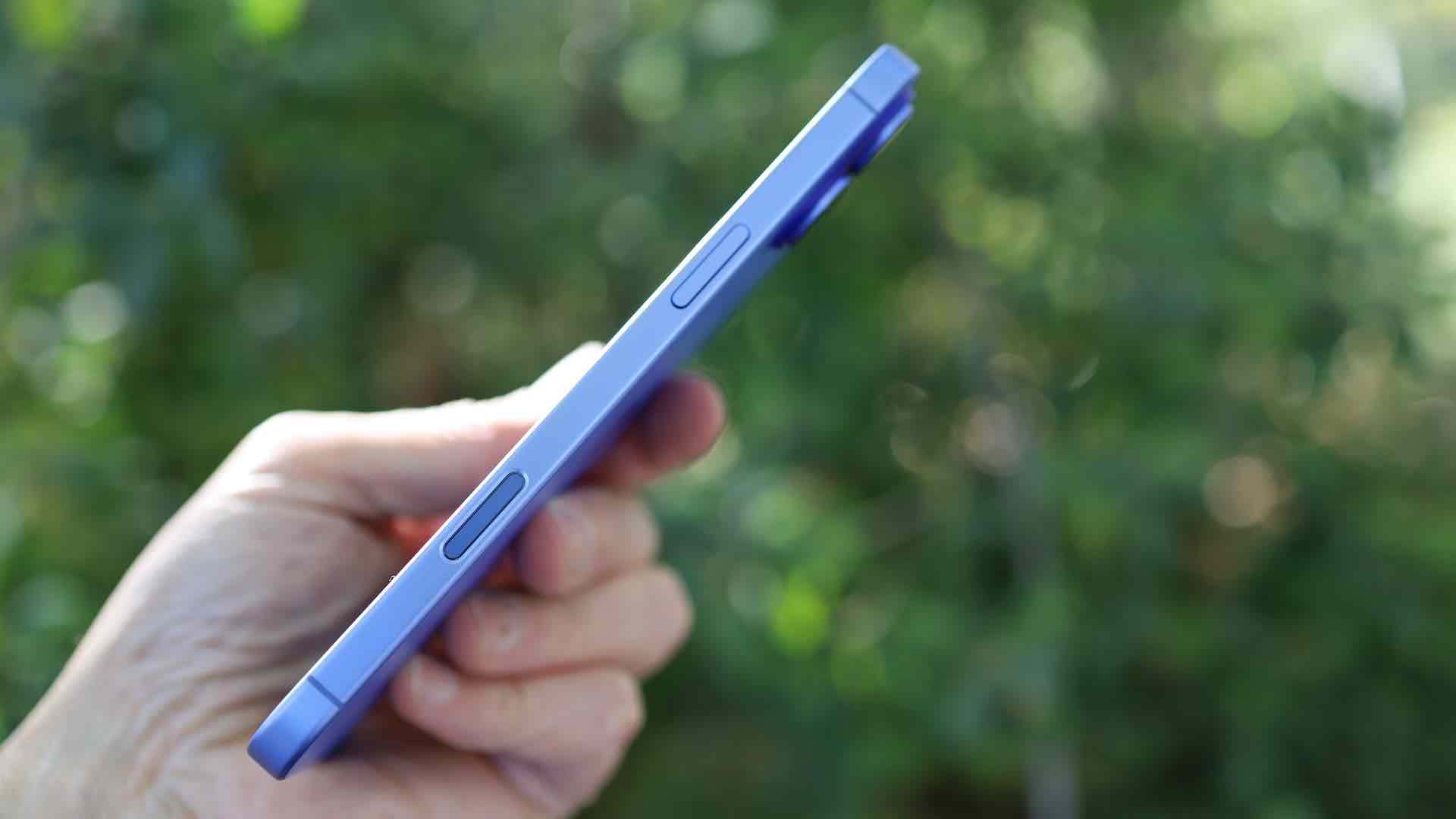
Rank 16489Photos show an iPhone 17 Air dummy unit next to an iPhone 16 PlusThe iPhone 17 Air looks far slimmer than the iPhone 16 PlusHowever, the Air's camera sticks out similarly far
We fully expect the iPhone 17 Air to be one of the slimmest phones of the year, perhaps even beating the Samsung Galaxy S25 Edge, but a new apparent leak gives us a clear look at just how thin it might be compared to one of Apple’s current phones.Leaker Majin Bu (via GSMArena) has shared photos of what’s presumably an iPhone 17 Air dummy unit alongside an iPhone 16 Plus. We say ‘presumably’ because they simply refer to it as an iPhone 17 Air, so it could instead be a prototype, but it’s more likely a non-functional dummy.In any case, in these images it appears little more than half as thick as the 7.8mm thick iPhone 16 Plus. It’s actually probably a little more than that, with leaks suggesting the iPhone 17 Air is 5.65mm thick, but it certainly appears extremely slim.
Is iPhone 17 Air a good upgrade? pic.twitter.com/AfbYZfKCmvMay 18, 2025
Camera concerns
But while the bulk of the phone is very thin, the single-lens camera juts out noticeably from the top. In fact, it looks like the bit with the lens might be around as thick as that section of the iPhone 16 Plus – meaning that at its thickest point the iPhone 17 Air wouldn’t be much if any slimmer than current iPhones.And because the rest of the body is so slim, that camera bump is far more noticeable than on the iPhone 16 Plus, so that aspect of the design arguably isn’t ideal. Of course, there's a chance the design of the phone in these images is wrong, but it lines up with previous images.Still, this problem is probably unavoidable. Apple is reportedly equipping the iPhone 17 Air with just one rear camera in order to slim the phone down, but actually reducing the size of the lens and other camera components likely isn’t possible without a reduction in quality.So the iPhone 17 Air will probably be a very slim phone – just as long as you ignore the thicker camera bar at the top.
You might also like
The iPhone Fold is apparently being tested with a feature we’ve been waiting years forThe iPhone 17 series could cost more than the iPhone 16 – and not just because of Trump's tariffsBest iPhone: which Apple smartphone reigns supreme?
-

Picture from ichef.bbci.co.uk
Rank 16490 -
Picture from cdn.mos.cms.futurecdn.net
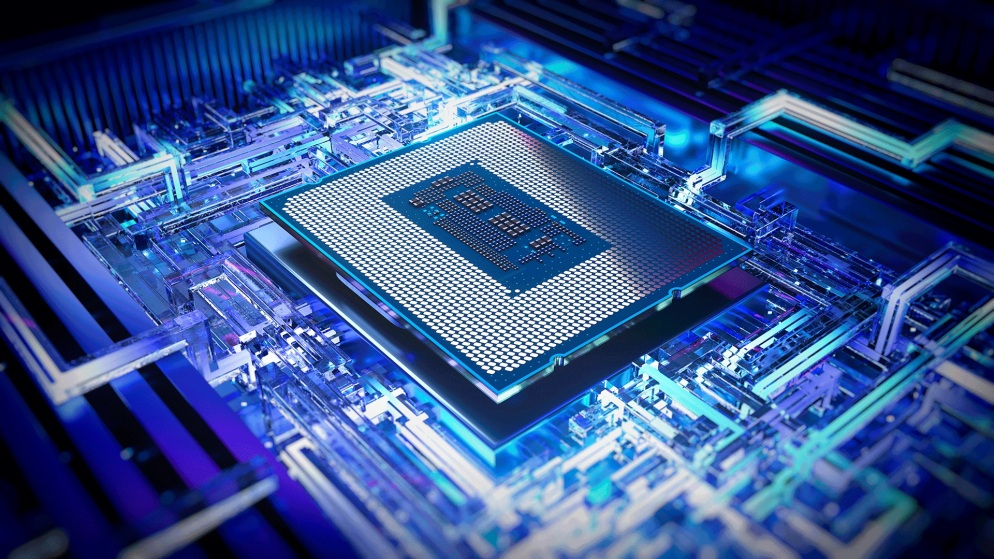
Rank 16491Intel has showcased its Panther Lake processors at Computex 2025It's hinted at a focus on power efficiency and 'next-gen iGPU performance' for the mobile processorsIt could spell great news for upcoming handheld gaming PCs and other portable gaming systems
Computex 2025 is underway, and we’re looking forward to seeing new hardware from the likes of Nvidia, AMD, and Intel – and the latter is already making an impression with its upcoming mobile processor lineup.As reported by our friends at Tom's Hardware, Intel's demos at the big computing expo in Taipei included Panther Lake-powered systems, with Team Blue focusing on the power efficiency and gaming performance of its new mobile processor lineup – ultimately, aiming to match the power efficiency of the previous Lunar Lake lineup.Intel's teasers and claims at the show add credibility to the rumors, based on leaked specifications, regarding upcoming Panther Lake processors using Cougar Cove P-cores (performance cores) and Darkmont E-cores (efficiency cores). It's also worth noting that the new processors are being built on Intel's new 18A node manufacturing process, which further helps improve performance.We've previously seen the power efficiency of the Lunar Lake lineup, in particular in the Core Ultra 7 258V used in the MSI Claw 8 AI+. Power efficiency is one of the biggest highlights of the handheld gaming PC – to put it simply, gaming at 17W power consumption still yields great performance results while saving a lot of battery. Efficiency and performance were made even better with Intel's recent drivers, allowing better frame pacing.Team Blue has also previously hinted at a “next-gen built-in iGPU”, which could prove to be a significant performance enhancer for portable gaming.While Panther Lake is set primarily for the laptop platform, there's every chance we could see one of these iGPUs in an upcoming gaming handheld.
If Panther Lake is any better than this, I'll be more than happy (Image credit: Intel)
The battle with AMD in the handheld gaming PC market is truly on
We're still awaiting the launch of a new handheld gaming PC powered by one of AMD's Ryzen Z2 Extreme processors – I'm expecting this to happen at Computex, considering the prototype reveal of the Lenovo Legion Go 2 at CES earlier this year and rumors regarding an Xbox-styled Asus ROG Ally. Until then, Intel is in the lead, in terms of a balance between power efficiency and gaming performance, with its Core Ultra 7 258V.While the AMD Ryzen 9 AI HX 370 is an absolute powerhouse for gaming, and is used in the OneXPlayer X1 Pro handheld, I doubt that the X1 Pro’s battery life lives up to that of the Core Ultra 7 258V-powered MSI Claw 8 AI+. It's also far more expensive, heading into $1,000-plus territory (depending on the configuration).Intel's Lunar Lake processor has been the most impressive to me for handheld gaming systems, as it appears to strike the perfect balance between great performance and enabling long gaming sessions thanks to its power efficiency.If its Panther Lake processors take power efficiency and performance a step further, and AMD's Medusa Point struggles to match them in that department, I can only see Team Blue dominating the mobile processor market in the coming years, as handheld manufacturers won’t be forced to compromise on battery life.
You may also like...
Intel's Panther Lake processors won't arrive until Q1 2026 - corroborates previous delay rumors despite former Intel CEO's promise of 2025 launchIntel Core Ultra 9 285K and Intel Core Ultra 5 245K ReviewCan 18A save Intel from being devoured by its rivals – and Wall Street?
-

Picture from cdn.mos.cms.futurecdn.net
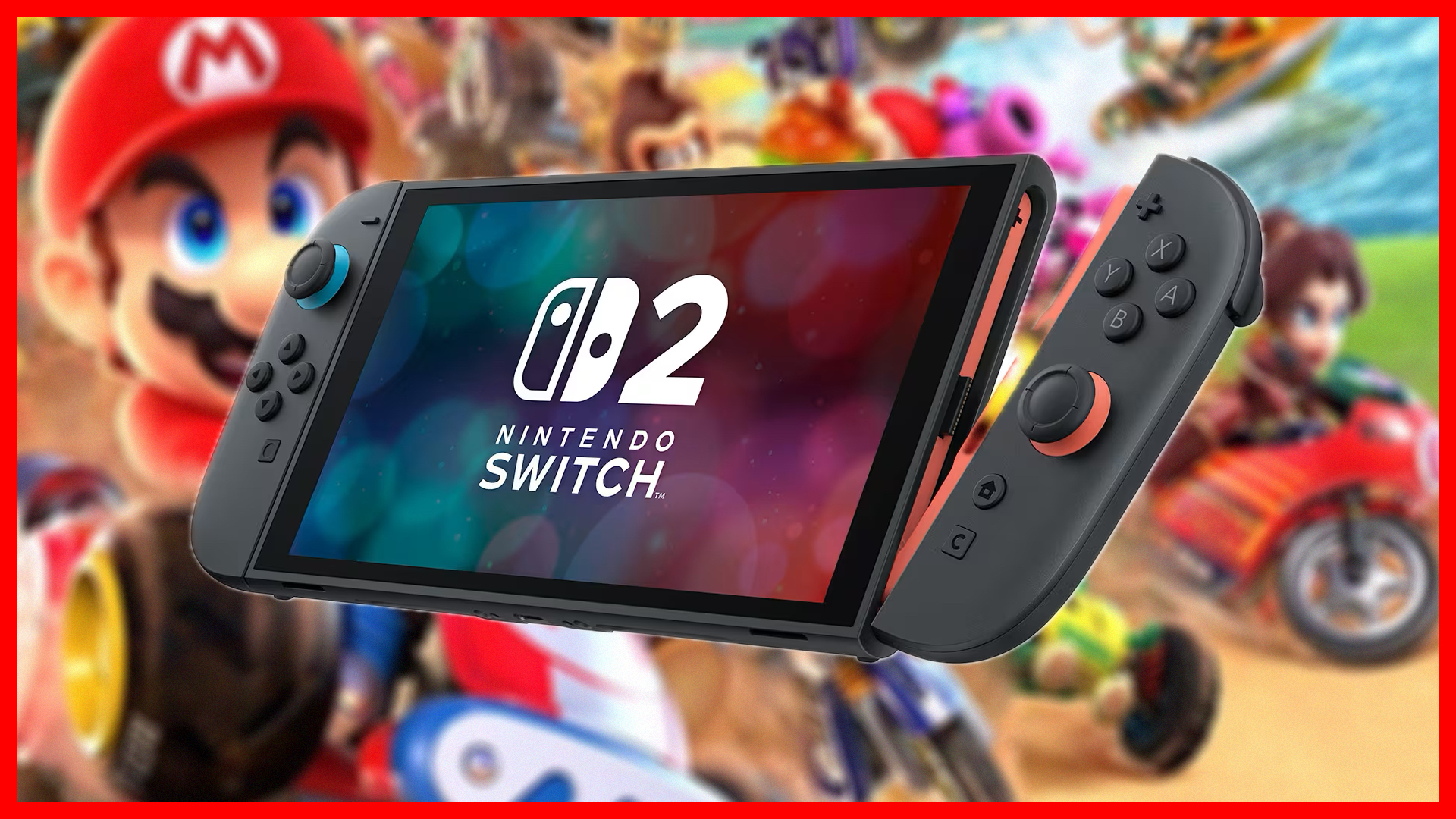
Rank 16492GameStop and Best Buy have announced they will be restocking the Nintendo Switch 2Switch 2 units will be available in-store and online at both retailers during the console's launch on June 5, 2025In-person launch events will also be hosted in stores during the release
More Nintendo Switch 2 stock will be available at GameStop and Best Buy during the handheld's launch.The Nintendo Switch 2 finally releases worldwide on June 5, 2025. Although UK and US pre-orders opened weeks in advance, some retailers have already run out of stock, and some fans have been unable to secure a console.Fortunately, some retailers like GameStop and Best Buy will be offering new Switch 2 stock to those who missed out, but they'll only be available during the console's release."Didn't pre-order? Additional Switch 2 units will be available in-store and online at launch while supplies last," GameStop said in a social media post.It will also be hosting a launch event, which begins in-store at 3 PM local time on June 4, with Switch 2 pickups starting at 12 AM EST / 9 PM PST.
Didn't pre-order Switch 2? We got you. pic.twitter.com/6Xa4QUzM3gMay 16, 2025
Best Buy also shared on its homepage that it will be hosting late-night store openings after midnight on June 5."In addition to fulfilling pre-orders, most stores will have limited inventory of systems, games and accessories for in-store purchase. Customers will also have the chance to receive a Nintendo collectible," the retailer said.Although more stock will be available, Best Buy has warned buyers of crowds and long queues."Expect to see long lines at popular Best Buy stores in US cities hours in advance of the midnight release date, and some in the crowd may not be able to get the new console," Best Buy said in a statement to The Shortcut.In case you missed it, the Nintendo Switch 2 will cost $449.99 / £395.99 or $499.99 / £429.99 for the Mario Kart World bundle which includes a digital copy of that game.
You might also like...
Nintendo Switch 2 pre-orders live: latest UK stock updates as My Nintendo Store's pre-order date arrives, while US pre-orders remain delayedHere are the Nintendo Switch 2 launch games that you'll be able to pick up and play on June 5Nintendo Switch 2 is forecasted to sell 100 million units by the end of 2029, according to industry analysts
-

Picture from ichef.bbci.co.uk
Rank 16493 -

Picture from ichef.bbci.co.uk
Rank 16494 -
Picture from cdn.mos.cms.futurecdn.net
Rank 16495Nintendo has confirmed its attendance at Gamescom 2025The annual gaming event will take place in late August in GermanyA whole bunch of Nintendo Switch 2 games are likely to be featured
Nintendo has confirmed that it will be returning to Gamescom this year. The annual event based in Cologne, Germany, is one of the largest on the gaming calendar.And now that the Nintendo Switch 2 will be out by the time Gamescom occurs between August 20 - 24, it's something of a no-brainer for the company to be in attendance this year.The news was confirmed by Nintendo's official German X / Twitter account. Using the website's built-in translation feature, the post reads: "Mark your calendar in red: Nintendo will be back at Gamescom in 2025. We look forward to welcoming you to Cologne from August 20th to 24th!"Now, if you were hoping for a rundown on what Nintendo Switch 2 games will be featured at Nintendo's booth, that unfortunately hasn't been confirmed yet. It'll likely be a round-up of the usual suspects, particularly Metroid Prime 4: Beyond if that game hasn't been released by the time Gamescom occurs. Upcoming third-party releases like Hades 2 and Borderlands 4 could also make a potential appearance.While I'm sure the likes of Mario Kart World and Donkey Kong Bananza will also be playable (even though these will have launched before August), Gamescom is also a great chance to preview games ahead of their release. That has me wondering if we can expect another Nintendo Direct presentation sometime between the Switch 2's June 5 launch and Gamescom's late-August dates.Is the news of Nintendo's attendance at Gamescom this year surprising? No, not really. The company skipped out on last year's event, presumably because it didn't have much to showcase at the time for the aging Nintendo Switch hardware. Now that it has a fresh new console on the block, a return to Europe's largest gaming event should be a given.
You might also like...
Bad news if you splashed out on an expensive gaming TV, Nintendo Switch 2 will only support VRR in handheld modeNintendo Switch 2 is forecasted to sell 100 million units by the end of 2029, according to industry analystsFull Nintendo Switch 2 specs detailed in new report – here's what you need to know
-
Picture from ichef.bbci.co.uk
Rank 16496 -
Picture from ichef.bbci.co.uk
Rank 16497 -

Picture from ichef.bbci.co.uk
Rank 16498 -

Picture from ichef.bbci.co.uk
Rank 16499 -

Picture from cdn.mos.cms.futurecdn.net
Rank 16500A leaked photo seemingly shows the back of the Samsung Galaxy Z Fold 7It's possibly wider than the Z Fold 6, but otherwise looks similarWe also get a look at the cover screen glass for the Samsung Galaxy Z Flip 7
Until now, all we’d really seen of the Samsung Galaxy Z Fold 7 was renders, but now an actual photo has reportedly leaked, seemingly showing the full back of the phone.Shared by leaker Setsuna Digital on Weibo (via NotebookCheck), the image shows the Samsung Galaxy Z Fold 7 in a silver shade and with a design that’s similar to that of the Samsung Galaxy Z Fold 6 – complete with a triple-lens camera in an oblong housing.It does look as though it might be wider than the Galaxy Z Fold 6, bringing it more in line with the Samsung Galaxy Z Fold Special Edition, but it’s hard to say for sure from this image. It being wider would however line up with a previous leak, suggesting the Samsung Galaxy Z Fold 7 will be 158.4 x 143.1 x 3.9mm when unfolded.There’s not much else to take from this image, beyond it being a sign that the Samsung Galaxy Z Fold 7 is well on the way to launching – which makes sense, since we’re expecting to get an official look at it in July.
Image 1 of 2A leaked photo of the Samsung Galaxy Z Fold 7 (Image credit: Setsuna Digital)Image 2 of 2A leaked photo of the Samsung Galaxy Z Flip 7 cover screen glass (Image credit: Setsuna Digital)
A look at the Galaxy Z Flip 7 too
However, in the same post, this source has also shared a photo that appears to show the cover screen display panel for the Samsung Galaxy Z Flip 7.This supports previous leaks that pointed to an all-screen design, just with cut-outs for two camera lenses and a flash. That would mark a major departure from the design of the Samsung Galaxy Z Flip 6, which houses the camera in a panel above the display.But switching to this design should allow for a larger screen, and while we’d take this image with a pinch of salt, this is a design we’ve heard mentioned numerous times now.We should find out for sure what design the Galaxy Z Flip 7 will have in July, as that too is expected to land then.
You might also like
The Samsung Galaxy S25 FE cameras have leaked, and they’re utterly underwhelmingSamsung Galaxy Z Fold 7 colors: every rumored and predicted shadeSamsung Galaxy Z Fold 7 rumored specs: predictions for every key spec
