News
This constantly updated list features the latest and most important news articles, ranked in order of significance. The top stories highlight major developments, breaking news, and critical updates across various topics, ensuring you stay informed about the most pressing issues. As new articles are added, the list adapts to reflect the latest priorities, keeping the most impactful stories at the forefront. Whether it’s global events, technology breakthroughs, or industry trends, this dynamic list ensures you always have access to the most relevant and timely information.
-

Picture from cdn.mos.cms.futurecdn.net
Rank 15301The modern IT landscape is growing more complex every day. It’s predicted that more than $5.61 trillion will be spent on IT this year as companies continually expand their estates.This perpetual growth means that keeping track of everything within the IT infrastructure is becoming increasingly challenging and many organizations operate with significant blind spots in their networks.This gives rise to the ‘unknown unknowns’ – devices that are unmonitored and unmanaged but can still access critical corporate assets. These are the most dangerous kinds of security gaps, creating vulnerabilities that cannot be closed because they are not even on the radar.It’s time to get past any assumption that “what you can’t see won’t hurt you” – cyber attackers are specifically hunting for the hidden vulnerabilities that organizations overlook.
The problem with traditional IT asset management
These security gaps aren’t typically the result of a lack of effort or investment, but a natural byproduct of IT and security teams either not having the right tools or not using their tools effectively. Some teams discover 15-30% more devices that were totally off their radar even though they have been conducting manual audits regularly.Much of this false sense of security is the result of traditional tools that aren’t capable of seeing the big picture. Many agent-based scanners and on-premises security tools only give a narrow view and fail to detect all assets on the network. A device might appear to be secure through the metrics of one tool but actually lack critical controls when linked with other data across the system.This is exacerbated by highly fragmented IT landscapes. Siloed teams and disconnected tools make it impossible to achieve a unified approach to security. Each team might believe they have control of what they can see, but their data doesn’t align. Without an easy way to correlate and compare data and processes, the dots won’t be connected.Inefficient, manual-heavy processes also limit teams to conducting periodic audits. With IT environments evolving on a daily basis, these audits are outdated the moment they’re completed.
Why these gaps are the biggest security risks
The cracks in security visibility can appear in multiple forms. One of the most common issues is employees accessing corporate systems via unmanaged devices. This is particularly prevalent when Bring Your Own Device (BYOD) policies are combined with flexible working but without the controls to back it up. Many people are still accessing corporate data using home laptops that are completely outside of the IT department’s control. This situation means ignoring a threat sitting right on your network.We also often find networks containing dormant or misconfigured assets that appear to be safe and compliant on the surface. Our data finds around 10% of devices lack essential cybersecurity controls, and 20% aren’t properly configured. In the worst case scenario, controls aren’t functioning at all.Audit reports may also indicate that a system is offline, but it is actually still communicating with corporate networks and, therefore, still an active security risk.These unseen and unsecured devices are highly vulnerable to cyberattacks, providing an opportunity for threat actors to gain a foothold in the network without triggering any security alerts. Compromising an unmonitored personal machine offers a cybercriminal an easy path in, enabling them to access sensitive information on the network and exploit channels like email for Account Takeover (ATO) attacks.
How organizations can close the visibility gap
If an organization doesn’t know an asset exists, it has no chance of securing it. So how do teams start finding and accounting for these dangerous unknown unknowns?The first step is to equip IT and security teams with the right tools, along with the expertise and processes to use them. We often find companies have invested heavily in a full suite of solutions, but many of them aren’t being used effectively or may be unnecessary for the company’s needs.This means that, even with these investments, they may not have a clear picture of the security health of their estate. It’s not about frequency, it’s about approach. To reliably find and close these gaps, security teams need both a complete view of their entire network and everything accessing it, and the assurance that this picture is completely accurate and up to date.A Cyber Asset Attack Surface Management (CAASM) strategy is central to achieving this visibility and control. This takes a highly automated approach to asset discovery, building a list based on what is actually connected to the network and accessing systems, rather than an outdated inventory.Once a clear and accurate picture of all assets has been established, it’s possible to start delving into how secure each device is. This means establishing if the right security controls are installed, whether they are actually functional, and if they have been properly configured. Proper validation is essential – it’s never enough to just assume controls are working.From here, it’s crucial to keep up continuous, real-time monitoring for all assets. Again, automation is key as manually correlating IT asset data is impossible at scale. Automated tools can compare access logs with IT inventories in real-time and flag inconsistencies.It’s also important to move away from device discovery alone and account for application access patterns. Security teams should have a clear view of what devices are accessing key applications and data so that they can spot anomalies such as access attempts from devices outside the managed asset list.
Eliminating the blind spots for good
Security frameworks like Cyber Essentials, ISO 27001 and NIST CSF can provide a good starting point for prioritizing security needs and improving visibility. However, organizations need to foster a culture where unidentified assets are proactively identified and secured. Even a single unmanaged device can open the door to a major breach, so detecting them must be embedded into daily operations, not treated as an annual or quarterly audit task.The reality is that many organizations are unaware of the extent of their IT blind spots and have a chance of closing the gaps with their current capabilities. If you don’t have full visibility, you’re making security decisions based on incomplete data. It’s like locking your front door while leaving the windows wide open – and then pulling the blinds down so you can’t see the issue.
Check out the best IT asset management software.
This article was produced as part of TechRadarPro's Expert Insights channel where we feature the best and brightest minds in the technology industry today. The views expressed here are those of the author and are not necessarily those of TechRadarPro or Future plc. If you are interested in contributing find out more here: https://www.techradar.com/news/submit-your-story-to-techradar-pro
-

Picture from ichef.bbci.co.uk
Rank 15302 -

Picture from ichef.bbci.co.uk
Rank 15303 -

Picture from ichef.bbci.co.uk
Rank 15304 -

Picture from ichef.bbci.co.uk
Rank 15305 -

Picture from ichef.bbci.co.uk
Rank 15306 -

Picture from cdn.mos.cms.futurecdn.net
Rank 15307As a family tech expert, I’ve seen social media and tech companies do some pretty incredible things. But Google’s plan to roll out Gemini, its AI chatbot, to users under 13, is wild. They gave notice to parents in an email, but it felt much more like a warning than a warm invitation.So, why are they doing this? No one’s really sure, although Google is simply just joining Instagram, Snapchat, and a whole host of other platforms in the race to bring AI to nearly every facet of our lives.Children, though, are much more vulnerable than adults — especially when it comes to online interactions. Here are my top 5 concerns about Google’s recent and reckless decision in opening up Gemini to kids 13 and under.
1. It’s teaching kids to outsource thinking and creativity from a very early age
Young kids need to be practicing writing, drawing, and critically thinking with their own minds — not using scraped words and images dredged up from the depths of the internet.Chat GPT is already proving to be a breeding ground for cheating and shortcuts in schools. Giving younger kids instant access to Gemini will only accelerate this introduction to cutting corners when it comes to learning and being creative.
2. Misinformation is rife on the platform
When an AI platform like Gemini provides completely wrong information, it’s called a “hallucination.” That’s a quaint way of saying “making things up that are total nonsense.”Google even says in its FAQs about Gemini in the Family Link app that “[Hallucinations are] a strange term, but it basically just means that Gemini sometimes gets things wrong or says things that aren’t true. [They] can sound real, and Gemini might even say them confidently.”For adults, these types of errors may be easy to recognize and ignore, like saying that the capital of France is Cairo. But for kids, they may not know when to double-check a simple answer — let alone something complicated or nuanced. This sort of defeats the purpose of having Gemini help with homework for children.
3. Inappropriate content can present dangers to kids
Gemini can also act as a chatbot “friend” for kids, which presents multiple dangers. Other similar chatbots have been blamed for exposure to sexual content and even one child’s suicide.Of course, Google has stated that the Gemini for kids will have safeguards, but there’s never a guarantee that inappropriate things won’t slip through the cracks — especially when these AI platforms regularly hallucinate.Fortunately, apps like Bark can monitor your child’s saved photos, videos, and even text messages for inappropriate content they may save or share from Gemini.
4. Personal info that’s shared can be hacked
Sharing personal information — from sensitive emotional states to home addresses to personal photos — with an AI platform is vulnerable because everything can be hacked. If someone were to gain access to your child’s Gemini chats, it could be stressful and even dangerous.
Hate speech and bias can be conveyed in Gemini responses
The way AI platforms like Gemini work is by scraping the totality of the internet for similar information — information that was written by other humans.That means that human biases and viewpoints can be presented by Gemini as truth, which we now know isn’t even always true.Because AI platforms provide answers based on information that humans created, it can mirror prejudices that exist in the data it’s fed with. This can include harmful positions about marginalized groups.
Final word
At the end of the day, technology is just another tool that can make our lives easier, but it’s just that — a tool, not a necessity.Even though calculators are used every day in advanced math, kids still learn how to count, add, subtract, multiply, and divide the old-school way in elementary school.The same should go with AI platforms like Gemini when it comes to writing, thinking, and being creative.
Checkout our comprehensive list of the best AI tools.
This article was produced as part of TechRadarPro's Expert Insights channel where we feature the best and brightest minds in the technology industry today. The views expressed here are those of the author and are not necessarily those of TechRadarPro or Future plc. If you are interested in contributing find out more here: https://www.techradar.com/news/submit-your-story-to-techradar-pro
-
Picture from ichef.bbci.co.uk
Rank 15308 -

Picture from cdn.mos.cms.futurecdn.net
Rank 15309The final scene of Andor season 2 was planned from the very beginningTwo members of the Star Wars show's cast have known how it would end for yearsIts final shot will make fans look at sequel film Rogue One in a new light
Diego Luna and Adria Arjona have revealed how long they've known about Andor season 2's incredibly bittersweet final scene.Speaking to TechRadar ahead of season 2's launch in late April, the pair admitted that it's been a long time since they were first told about the Star Wars series' last scene.In fact, it sounds like Luna and Arjona have been aware of its ending since development began on Andor's first season, so it's a secret they've had to keep for many years. And, as Arjona told me, holding onto that information for so long hasn't been easy.Full spoilers immediately follow for Andor season 2 episode 12 and Rogue One: A Star Wars Story.
Hang on... is that Cassian's child?! (Image credit: Lucasfilm/Disney+)
The final scene of Andor season 2 – and, with the Disney+ show ending after two seasons, the last one we'll ever see – reveals that Cassian and Bix, the characters that Luna and Arjona portray, have become parents.After we watch Cassian and his android bestie K-2SO fly off to meet Galactic Empire informant Tivik on the Ring of Kafrene – a scene that directly leads into the events of 2016's Rogue One film – we're reunited with Bix on Mina-Rau. Viewers will remember this Outer Rim world as the place that Bix, Brasso, Wilmon, and B-2EMO fled to after Andor season 1's finale.Meanwhile, in season 2 episode 9 we learn that Bix made the heart-breaking decision to leave Cassian so he could focus on helping the burgeoning Rebel Alliance topple the Empire. It's pleasing, then, that we're reunited with Arjona's fan-favorite character one final time before one of the best Disney+ shows ends.
Bix's difficult decision to leave Cassian in season 2 episode 9 makes complete sense now (Image credit: Lucasfilm/Disney+)
What many fans might not have anticipated, though, is that Bix was pregnant when she left Cassian. Season 2's final scene not only confirms this because, well, Bix is cradling their child when we're reunited with her, but it also appears old enough for months to have passed since she gave birth. Each three-episode arc in season 2 takes place a year after their forebear, which is why Bix is a mom when we meet her again.It's a big reveal, the bittersweetness of which is three-fold. For one, it's clear that Bix made the incredibly tough decision to leave Cassian to keep their baby safe. Then there's the fact that, if Cassian had learned that Bix was pregnant, he would have given up his role in the embryonic rebellion to enjoy a peaceful family life with Bix and his newborn.The most tear-jerking part of all of this, though, is that Cassian never learns he's become a father. After helping the Rebel Alliance to acquire the Death Star plans on Scarif in Rogue One, Cassian dies when the Empire's now-operational, planet-killing superweapon destroys Scarif, i.e. the planet he and numerous other rebel fighters are unable to flee after the successfully steal the Death Star's blueprints.
#andor #AndorSeason2 #andorspoilers cassian died for a sunrise he never got to see. pic.twitter.com/QxTpUZX5CRMay 14, 2025
Armed with the knowledge that Cassian is survived by Bix and a child he didn't know he had, fans won't view Rogue One in the same light ever again. That's something Luna teased at length in the lead-up to season 2's arrival and, following episode 12's release, now we know why he was so insistent on Rogue One being a completely different viewing experience once everyone had finished watching Andor on one of the world's best streaming services."I knew [how season 2 would end]," Luna, who also serves as an executive producer on Andor, told me."From the beginning, we knew what the ending was going to be and we were always aiming for it. We all knew where we were going from the outset and, with this being a prequel to Rogue One, we understood the assignment. I think that's what makes this show different – we had an ending in mind, we stuck to it, and I hope it makes people re-watch Rogue One in with an entirely new perspective."
We knew what the ending was going to be and we were always aiming for itAndor actor Diego Luna
As for Arjona's worries about slipping up and revealing Andor's official ending ahead of time, she said: "He [showrunner Tony Gilroy] told me pretty early on during season one's development. It was a big secret to keep and I'm not very good at keeping them – I get a little overexcited! But, I kept this one because it's so important to the story we wanted to tell."Tony gave me a very good idea of what season two's story was going to be when I initially signed onto the project," Arjona added. "Then, when he was writing season two, he told me it was going to end with that shot."Most showrunners or just people in the industry, they'll tell you something to get you sign up to something and then not follow through on that promise. But, everything Tony told me is exactly what happened and I'm very grateful for his honesty."Andor seasons 1 and 2 are out now in their entirety on Disney+.
You might also like
'This episode shows you what people are willing to risk': Diego Luna and Star Wars: Andor's cast break down season 2's heart-shattering eighth chapter'Everything I could have hoped for': Andor star Genevieve O'Reilly reveals why Mon Mothma's famous speech in the Star Wars show meant so much to herRead about all of the new Star Wars movies and shows that are in development
-
Picture from cdn.mos.cms.futurecdn.net
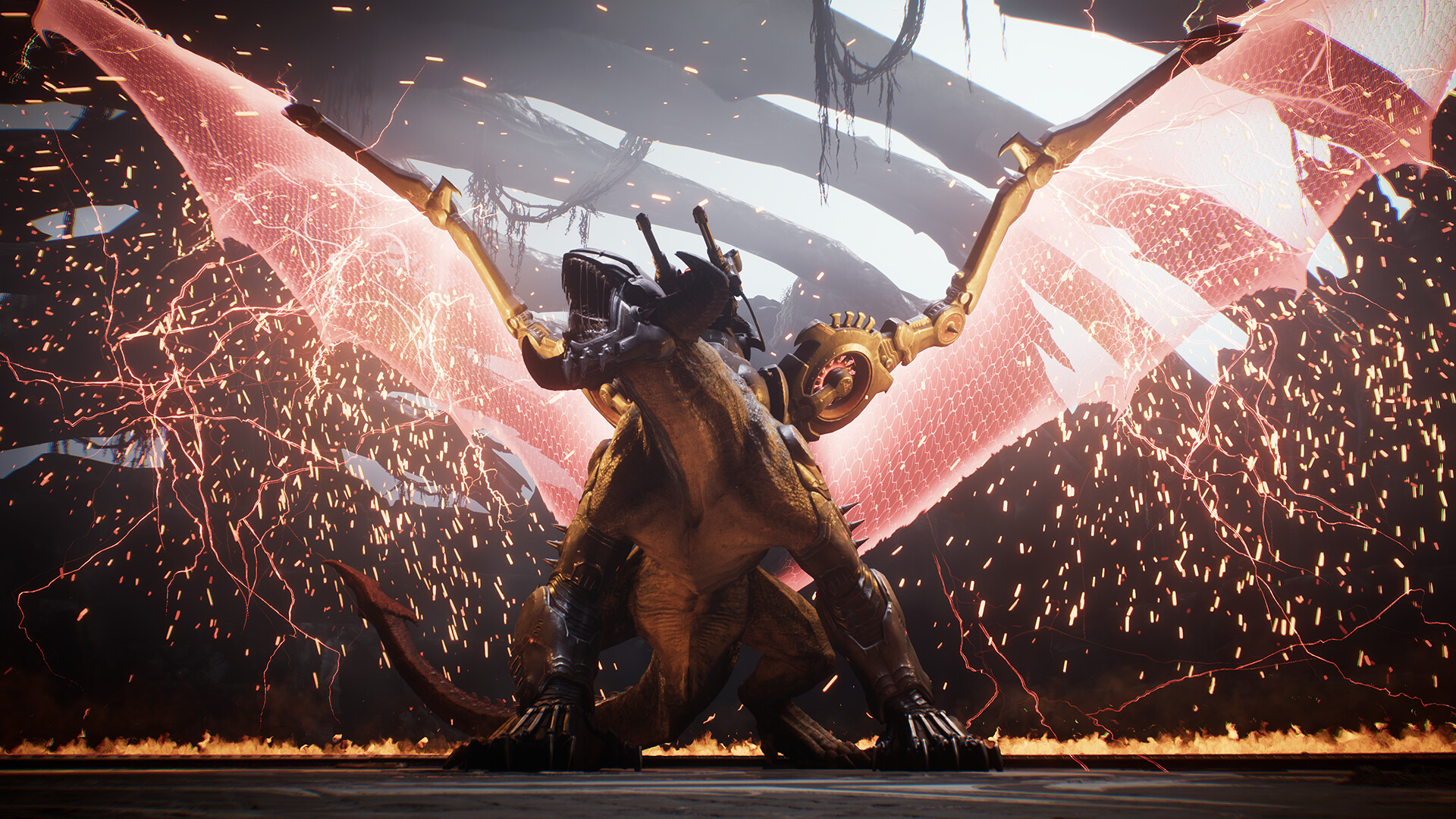
Rank 15310id Software's Doom: The Dark Ages is facing crashing issues on handheld gaming PCsThe issue appears to stem from outdated drivers on AMD Ryzen Z1-powered handhelds like the Asus ROG AllyIt seems that neither AMD nor id Software are reponsible, but rather the handheld PC vendors like Asus and Lenovo
The long wait for id Software's Doom: The Dark Ages is finally over, as the Premium Edition, providing two days of early access, is now available - but if you're using any AMD-powered handheld gaming PC, it's probably best to steer clear for now.As reported by our friends over at PC Gamer, Doom: The Dark Ages is unplayable on handheld gaming PCs, notably those using AMD's Ryzen Z1 chips, due to constant crashes. This is evident in the video provided by PC Gamer, which sees the game crash in a matter of seconds due to an AMD driver failure.I can corroborate the same crashing issues; while booting into the game's campaign was all fine (on my Asus ROG Ally Z1 Extreme), it didn't take any longer than 10 seconds for the game to come to a crashing halt. This would result in either a black screen, with the game still audible in the background, or worse, artificating - however, the blame seemingly isn't on id Software and its new title.
(Image credit: ID Software)
Since the game requires the latest AMD Adrenalin 25.5.1 graphics driver - which is the first prompt shown upon startup - the crashes are to be expected on these handhelds. And that points directly towards the issue; the Asus ROG Ally and the Lenovo Legion Go that use AMD's Ryzen Z1 Extreme processors are more often than not running on outdated graphics drivers.This lack of driver support from Asus and Lenovo has been an ongoing issue since the launch of these handhelds, resulting in games that either can't be played at all, or suffer from frequent crashes, as they require newer drivers to function well.I've seen this occur with games like Call of Duty: Black Ops 6 and The Last of Us Part 2 – the former tends to have driver crashes in the game's 'Zombies' mode, and the results can't be replicated on a desktop gaming PC that has access to the latest drivers. It's leaving some handheld gamers without a solution, as sideloading (manually installing newer drivers) doesn't always work - and can easily result in 'Code 43' errors, which I encountered numerous times.
This is one of the main reasons why my Asus ROG Ally is collecting dust
It's bad enough that Microsoft's Windows 11 and other applications like Armoury Crate have numerous bugs and slow responsiveness; throwing in the lack of driver support from handheld PC vendors literally stops users from playing certain games.You could also argue that Doom: The Dark Ages is technically not even released yet (since it's early access), but these issues don't appear to stem from the PC port. This is a support issue, and one quick look at the latest graphics driver available on Asus' ROG Ally support page will show you that the latest driver at the time of writing was in February earlier this year.I'm lucky enough to have a powerhouse gaming PC to dive into games with ease, but for those who bought a Ryzen Z1-powered handheld to be their primary gaming device this just isn't good enough. Sure, nothing is perfect, but devices that cost a lot should at the very least be supported in the long run.
You may also like...
Grand Theft Auto 6 is the first truly ‘next-gen’ console game I’ve seen and the only one that’ll make me ditch my gaming PC for monthsForget the Nintendo Switch 2 – MSI’s surprise new Steam Deck rival could be the handheld gaming device to get without costing a fortuneIntel’s latest boasts about its integrated graphics makes me less excited for the Nintendo Switch 2 - and more hyped for the MSI Claw 8 AI+
-

Picture from cdn.mos.cms.futurecdn.net
Rank 15311Universities are already under immense pressure from financial constraints, regulatory requirements, and accountability demands—the last thing they need is a cyberattack. Unfortunately, the standard approach to document management has left many of them more vulnerable than ever. With AI making cyberattacks more prolific and effective, a single misplaced document could have devastating consequences. And that’s just the tip of the iceberg.Why? Cybercriminals know that universities often lack robust cybersecurity measures. In fact, in 2024, a staggering 97% of universities experienced a cyber-attack, leading to financial losses, reputational damage, and disruptions to academic activities. In other words, attackers know where universities are most vulnerable—and they’re exploiting those weaknesses like never before.This article will explore how poor document management practices exacerbate these risks, how modern solutions can reduce cyber threats, and the critical steps universities must take to protect themselves.
When you don’t get with the times
Many universities operate with woefully out-of-date IT systems. It’s not uncommon for staff to bypass the whole system and work with reams of paper on their desks. In fact, a new report from the Higher Education Policy Institute says that universities need “an army” of IT staff to keep systems from crumbling under their own weight. Not only is this a burden on staff, but it increases cyber risk.That same report says that document management is one of the most significant failure points.Consider this: internal servers are unreliable, so staff turn to alternative solutions. Personal email accounts become makeshift storage because institutional servers can’t be trusted. Physical documents, though tangible, are easily misplaced or lost in transit—exposing confidential data and creating GDPR compliance risks. Whether it’s application forms, research papers, or emails, without proper security measures, every document is a potential vulnerability.Unsurprisingly, humans are often the weakest link. A hastily scribbled password on a sticky note, a list of student names and addresses that falls out of a plastic binder, or a shared drive that is open to anyone with a link — all represent a way into university servers for enterprising cybercriminals. Think about it: when thousands of students and faculty members are sending documents to and from, it’s essential that this is underpinned by good security systems.Another growing headache for universities is shadow AI. When employees struggle with outdated systems while managing increasing workloads, they turn to any tool that boosts efficiency—even if it’s unsanctioned or unsafe. Take the professor using ChatGPT to assess one of hundreds of essays. Hidden within a student essay might be personally identifiable information (PII). Meanwhile, freely available open source large language models (LLMs), such as China’s DeepSeek, have been altered to contain malicious code implanted before download.And once cyber criminals have access to a university server, they can observe, explore and map the network and its users. Undetected and free to roam, they can seek out and obtain login credentials that gives them access to other parts of the network. They may also set up backdoors so that they can regain access once they’ve enacted their plan.
Document management can’t be overlooked
With risks like these—and with AI and machine learning becoming more advanced and widespread—cybercriminals have more tools than ever to target universities. AI tools not only lower the technological barrier for attackers, enabling even less-skilled individuals to craft convincing phishing emails or automate malicious code generation, but it also facilitates deepfake audio and video, as well as adaptive malware designed to evade detection.More importantly, it accelerates the attack cycle. And cybercriminals know that universities are often poorly equipped to handle a barrage of attacks. According to the UK Government’s 2024 Cyber Security Breaches Survey, around 60% of UK universities had suffered a cyber breach in the past year—more than the typical large business—and this was due to inadequate cyber strategies.Proper document management systems can mitigate many of these risks. These tools store and manage documents through a central, cloud-based server, providing a secure environment for sensitive information. They also facilitate the digitization of physical documents, making them easier to manage. By automatically generating metadata for stored content, they enhance searchability and prepare information for responsible AI and automation. Most importantly, they enforce access rights, maintain audit trails, and support regulatory compliance, reducing the risk of data breaches.In other words, they ensure the right person has the right access to the right documents and the right time. Some modern document management tools have AI built in, making it easier to analyze and extract insights from university data. Additionally, having AI tools within a secure environment helps reduce the risk of Shadow AI.
Universities of the future
Document management systems help universities prepare for the future. Data indexing and classification are essential for AI and automation. However, these processes are only as effective as the data they are built upon—making it crucial to establish a strong foundation for growth.Employees also appreciate having technology that works. Cumbersome document management systems can be a drain on efficiency, impacting productivity and distracting students and staff from meaningful work. With a well-implemented document management system, staff can begin automating processes—such as student onboarding—allowing them to focus on what truly matters, engaging with students and ensuring they settle in.Imagine a world where admissions teams no longer struggle with managing electronic signatures or distributing onboarding documentation. Lecturers, too, can automate aspects of grading and reduce time spent on document management, allowing them to prioritize teaching.As AI and machine learning become more developed, universities will more clearly recognize the ROI of implementing a document management system, because they have the foundations on which to build. Content management systems are also good because staff can drive their own automation workflows through APIs and low-code applications — by leveraging ready-made templates and automation solutions from community- and vendor-driven marketplaces. This goes a long way in helping universities navigate the pressures they face today.Of course, implementing a document management system requires an initial investment. However, these systems improve over time, and the reputational and financial risks associated with a serious cyberattack can be significantly reduced. Ultimately, universities can fund these improvements by reallocating savings from reduced manual processes and avoiding the costly consequences of a data breach.
The time to update was yesterday
Universities can no longer afford to ignore document management, especially as competitors modernize and make better use of artificial intelligence and machine learning. These threats will only grow over time. By addressing these issues now, universities can save on costs, boost employee and student morale, and refocus on what truly matters: education.
We've compiled a list of the best OCR software.
This article was produced as part of TechRadarPro's Expert Insights channel where we feature the best and brightest minds in the technology industry today. The views expressed here are those of the author and are not necessarily those of TechRadarPro or Future plc. If you are interested in contributing find out more here: https://www.techradar.com/news/submit-your-story-to-techradar-pro
-

Picture from ichef.bbci.co.uk
Rank 15312 -
Picture from cdn.mos.cms.futurecdn.net
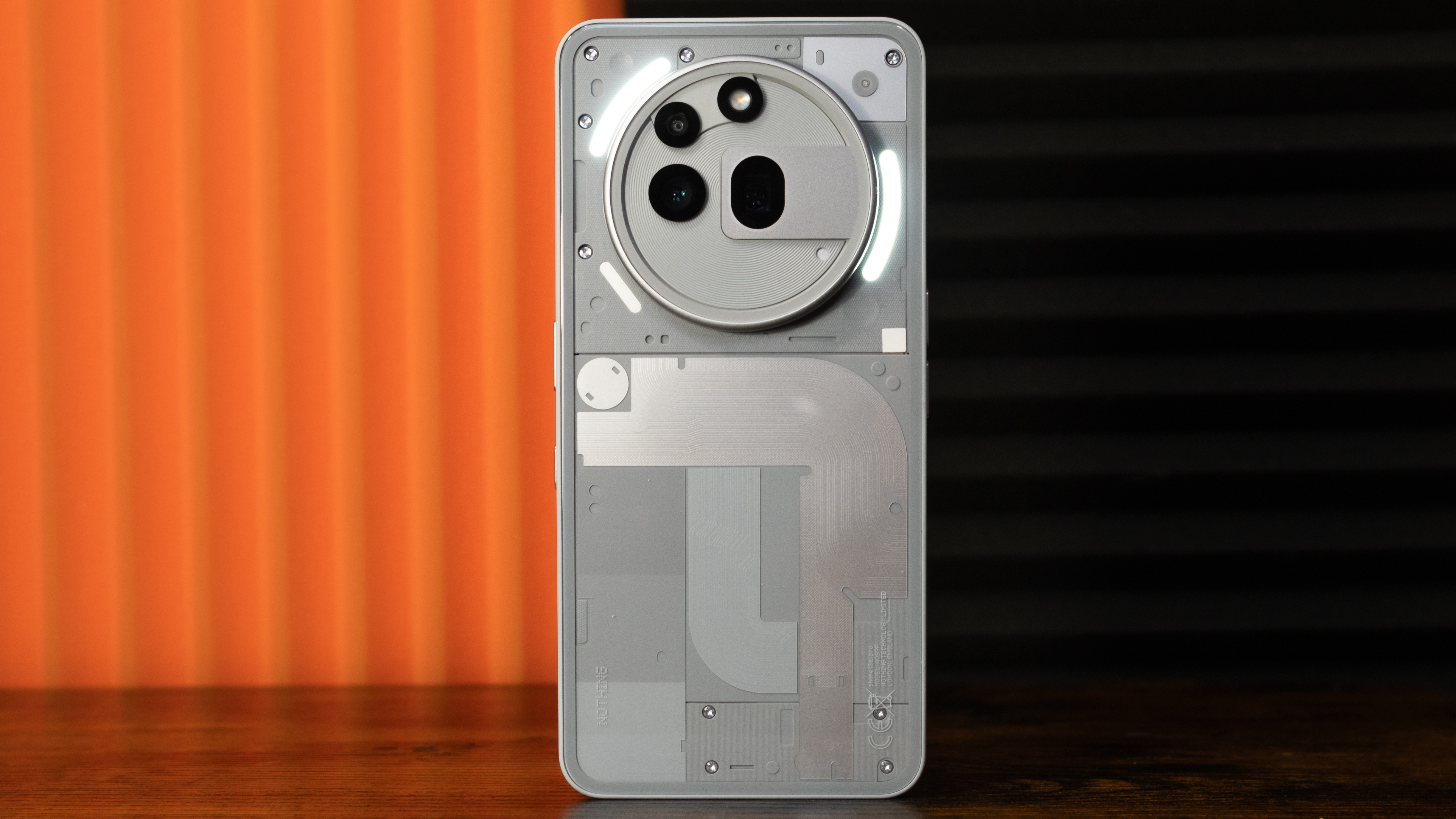
Rank 15313The Nothing Phone 3 will have "premium materials" and "major performance upgrades"It's said to be the company's first true flagship phoneHowever, it will also cost a lot more than previous models
Nothing has so far found smartphone success with eye-catching but affordable handsets that target the low-end and mid-range markets, but with the Nothing Phone 3, the company is taking a gamble on something more premium.In a video shown during the latest Android Show, Nothing’s CEO Carl Pei revealed that the Nothing Phone 3 is coming this summer (likely meaning sometime between June and August), and that it will have “premium materials, major performance upgrades, and software that really levels things up.”These will apparently combine to make this Nothing’s “first true flagship smartphone”. That all sounds promising, but unsurprisingly it'll come at a cost, with Pei adding that the Nothing Phone 3 will cost around £800.
A flagship phone with flagship competition
Converted, that’s roughly $1,060 / AU$1,640, but price conversions are rarely accurate. Given that the Nothing Phone 2 launched for $599 / £579 / AU$1,049, we’d think the US price of the Nothing Phone 3 would be similar to the UK price – so probably $800 or just over. In Australia, it’s harder to predict, but maybe around AU$1,350.That would put the Nothing Phone 3 in a similar price bracket to the Samsung Galaxy S25, the iPhone 16, and the Google Pixel 9, so it would have far more high-profile competition than previous Nothing handsets.It'll be interesting, then, to see whether the Nothing Phone 3 will offer enough to justify that price, and whether buyers will give it a chance over bigger names. We should find out soon, but in the meantime – or if you’re not in the market for a premium phone – there’s always the more mid-range Nothing Phone 3a and Nothing Phone 3a Pro.
You might also like
Best Android phones: top performing and most affordableNothing Phone 3a Pro review: the best bargain smartphoneNothing Phone 2 review: exactly what it looks like, flashy and new
-

Picture from ichef.bbci.co.uk
Rank 15314 -

Picture from cdn.mos.cms.futurecdn.net
Rank 15315Nvidia RTX 5060 partner GPUs have been spotted on Best Buy ahead of launchModels from Asus and PNY were spotted before being removedThe highest price for an overclocked RTX 5060 was $409
Nvidia's RTX 5060 is set for launch on May 19, just before one of the biggest tech events in the world, Computex 2025, begins on May 20. However, it looks like we might have an early insight into the pricing of the 8GB GPU.As reported by Wccftech, Asus TUF and Prime RTX 5060 GPUs were spotted on Best Buy (by popular leaker @momomo_us on X) ahead of launch. Most interestingly, the Asus TUF RTX 5060 OC Edition was listed for $409, which is close to the RTX 5070's $549 launch price.This comes after one of rival AMD's Radeon RX 9060 XT partner cards was leaked in a listing on a Swiss retailer, with a high price tag for a low-end GPU. However, it's important to note that this price is more than likely just a placeholder for now - at least that's what we hope.On the other hand, that might not be the case for the Nvidia GPUs. The other Asus RTX 5060 listings (which were as low as $339.99) are representative of pricing that is expected for a budget GPU, and are also consistent with the $409 price for the overclocked model (since most OC GPUs are sold at higher prices).It's also worth noting that PNY's overclocked RTX 5060 was also spotted on Best Buy, at $299.99, which might be a more reasonable proposition for gamers on a budget.These listings (which have now been removed) may very well be inaccurate with placeholder prices, but it would be hard to see retail pricing be much lower. Having said that, we’d also not like to see a price higher than $299.99 for a graphics card using 8GB of VRAM in 2025.
(Image credit: Future / John Loeffler)
Just like the Acer Nitro Radeon RX 9060 XT listings, this will be dead on arrival if true
I hate to sound like a broken record, but 8GB of VRAM isn't sufficient for gaming in 2025, and there's enough evidence out there to prove this; from poorly optimized ports, VRAM-hungry titles, and more games like Assassin's Creed Shadows forcing RTGI (Ray-Traced Global Illumination), frame rates and smoothness just aren't up to par on 8GB graphics cards.Computex 2025 and the RTX 5060's launch are now only days away, so it's still early days. However, I'm willing to believe that Team Green's partner cards on this occasion will be priced at absurd levels - especially when you consider the terrible state of the GPU market.I can almost guarantee that if any RTX 5060 GPU (including AMD's RX 9060 XT 8GB) launches at $409 or above, it's not going to sell well regardless of consumer desperation. That's not me being harsh or targeting either Team Red or Team Green; that's just the reality.Gamers need more powerful hardware to run newly-released, graphically-demanding games, and if they still have to spend that much for a weaker GPU that’s going to make too many compromises to play modern games compared to the likes of an RTX 5070 Ti or RTX 5080, then I can imagine there are going to be a lot of angry PC gamers...
You may also like...
Nvidia’s gaming GPUs could still get pricier despite tariffs truce, new report claims – here’s whyThe Nvidia Shield is getting 120fps cloud gaming support, but with a big catchNvidia’s RTX 5060 GPU looks to be imminent, but it could get a very frosty reception
-
Picture from cdn.mos.cms.futurecdn.net
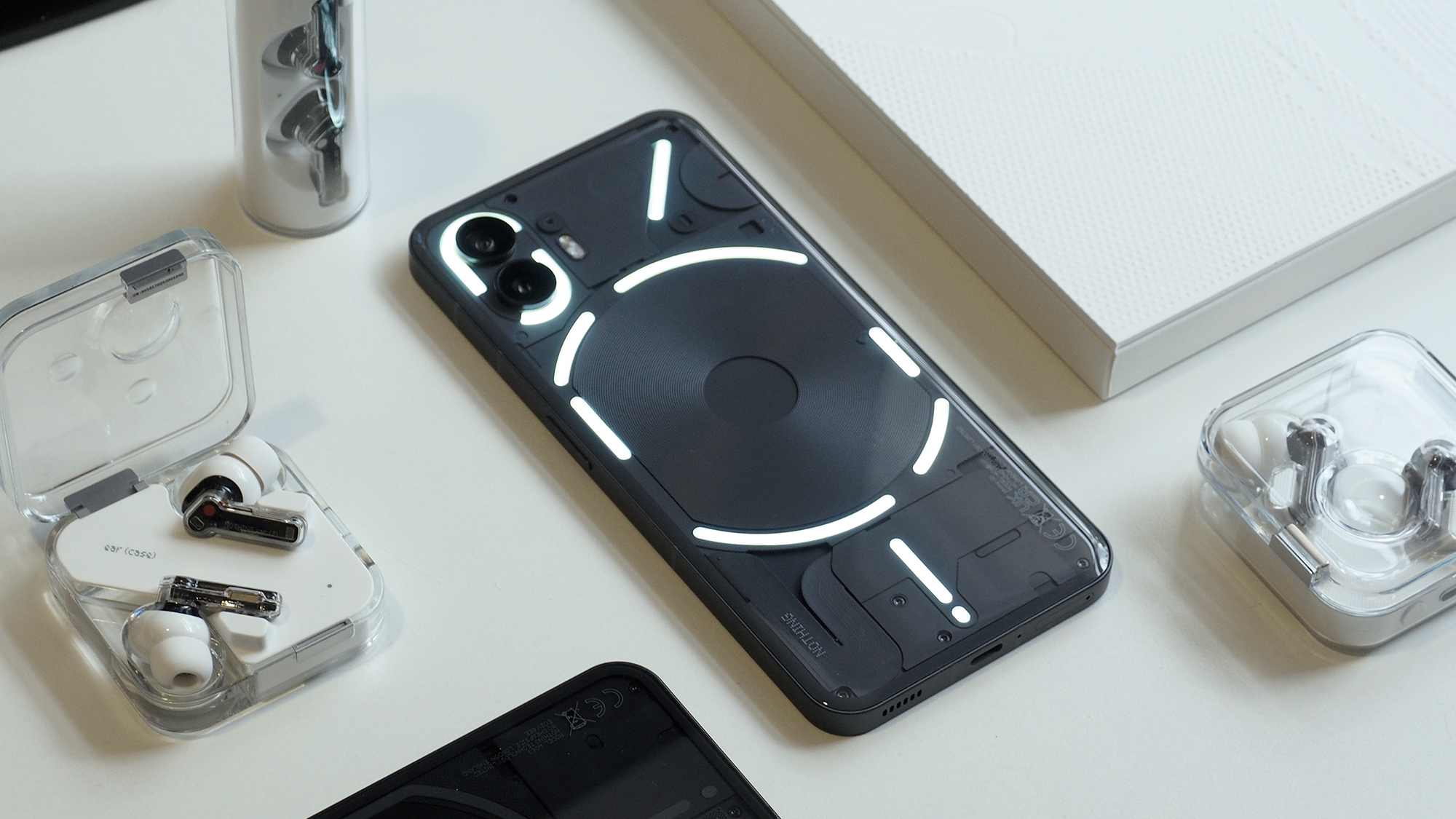
Rank 15316The Nothing brand is just a few years old, yet it’s already making a mark on the smartphone world, with distinctive Android phones that look like nothing else on the market.The Nothing Phone 2 is the latest flagship from the company, but while it impresses from a design perspective, it’s not a home run in every way. So there’s a lot that we want to see changed and improved for the Nothing Phone 3.You’ll find a list of the key things we want from the Nothing Phone 3 further down, but first, here’s a look at the hinted release date and confirmed price of the phone, along with early leaks and speculation about its specs and features.
Latest newsThe Nothing Phone 3 will be a flagship phone with a high-end price.
Cut to the chase
What is it? The next affordable flagship phone from NothingWhen is it out? Probably JulyHow much will it cost? Around £800 (roughly $1,065 / AU$1,645)
Nothing Phone 3: predicted release date and price
The Phone 3 will probably cost at least as much as the Phone 2 (Image credit: Future / Philip Berne)
The Nothing Phone 2 was announced on July 11 of 2023, and the Nothing Phone 1 was unveiled on July 12 of 2022.So based on that it’s very likely that the Nothing Phone 3 will be announced this July, and more specifically it will probably be revealed around the middle of the month. Our best guess is July 9, as that would be the Tuesday of the second full week in the month, which would line up with when the previous two models were announced.The company has also specifically said the phone will land this summer, which July falls within.As for the price, Nothing has confirmed that the Nothing Phone 3 will cost around £800. That's roughly $1,065 / AU$1,645, but based on previous regional pricing we'd expect the price to be more like $800 / AU$1,350.That's a lot more than the Nothing Phone 2, which starts at $599 / £579 / AU$1,049.
Nothing Phone 3: news and leaks
Nothing has revealed that the Phone 3 will be the company's first true flagship phone, with “premium materials, major performance upgrades, and software that really levels things up.” The Nothing Phone 3 is also expected to have lots of AI features, based on a leaked memo.Beyond that, the Nothing Phone 3 will also almost certainly retain its glyph lighting system on the back, as this helps the line stand out from rivals.And it might feature a bigger battery than the 4,700mAh Nothing Phone 2 and smaller bezels, given that even the lower end Nothing Phone 2a sports these upgrades.We've also seen the Nothing Phone 3a and Nothing Phone 3a Pro launch, and these have added telephoto cameras to the mix, so we'll almost certainly see a telephoto on the Nothing Phone 3 as well.Given that the company is positioning it as a flagship with a high-end price, it make also have a better chipset than Nothing phones tend to have, perhaps even the top-end Snapdragon 8 Elite.
Nothing Phone 3: what we want to see
There are loads of ways the Nothing Phone 3 could improve on the Nothing Phone 2, and we hope to see the following:
1. More water resistance
The Nothing Phone 2 only has minimal water resistance (Image credit: Future / Philip Berne)
The Nothing Phone 2 does have some water resistance, but with an IP54 rating it’s only certified to survive a splash. We want reassurance that the Nothing Phone 3 can withstand heavy rain and ideally even submersion in water, so we’d like to see the IP rating boosted to IP68.That would give us this reassurance, and put its water resistance in line with rivals like the Google Pixel 8.
2. Improved cameras
One of our biggest complaints in our Nothing Phone 2 review was with the cameras, with our reviewer finding that they “can’t handle dynamic lighting and lack the detail and quality of rival phones.”They’re a real weak link then, and in desperate need of improvement. Ideally we’d like to see a third lens added for telephoto shots too, and that now seems likely since the Nothing Phone 3a has a telephoto, but the priority should be improving the existing main and ultra-wide cameras.
3. Better use of the glyph lights
The Nothing Phone 2's lights are pretty but underused (Image credit: Future / Philip Berne)
Our Nothing Phone 2 review also found that the glyph lighting on the phone was underused, as few apps make use of it.This problem might be hard to solve if it requires collaboration with the developers of those apps, but it leaves the lighting system feeling more like a pretty gimmick than something that’s particularly useful. So we hope to see big improvements to the feature on the Nothing Phone 3.
4. More Android version updates
Google and Samsung have promised seven years of Android updates on their latest flagship phones, and while we don’t expect Nothing to match that, especially as its phones are cheaper, we would like to see an improvement on the three years promised for the Nothing Phone 2.Extending the support promise to five years for the Nothing Phone 3 would be great to see.
5. A less slippery design
The Nothing Phone 2 has a slippery back (Image credit: Future | Alex Walker Todd)
While we’re largely fond of the Nothing Phone 2’s design, one less appealing aspect is the rounded glass back, which while attractive is also prone to slipping off surfaces.Of course, you can always lay it with the screen downwards, and that’s probably what Nothing wants you to do since that way you can see the glyph lighting. But we’d like for the Nothing Phone 3 to at least provide the option of resting it with the screen upwards, without risking a fall.
6. A bigger battery
The Nothing Phone 2 has a 4,700mAh battery, and while its stamina is reasonable – delivering more than a day of life on average – that’s not a particularly large capacity given its big 6.7-inch screen.Given that the Nothing Phone 2a with a screen of the same size manages to squeeze in a 5,000mAh battery we’d like to see the same from the Nothing Phone 3.
You might also like
Nothing Phone 2 review: exactly what it looks like, flashy and newBest Android phones: top Google-powered phones for every budgetBest cheap phones: top budget smartphones in the US
-

Picture from ichef.bbci.co.uk
Rank 15317 -

Picture from ichef.bbci.co.uk
Rank 15318 -

Picture from ichef.bbci.co.uk
Rank 15319 -

Picture from ichef.bbci.co.uk
Rank 15320 -

Picture from ichef.bbci.co.uk
Rank 15321 -

Picture from cdn.mos.cms.futurecdn.net
Rank 15322TikTok has launched AI AliveThe new AI tool brings your images to life directly from within TikTok StoriesAI Alive is available for free
TikTok has launched a new AI feature that can turn your photos into videos, and it's available for free within TikTok Stories.The new feature, called TikTok AI Alive, allows you to transform static photos into "dynamic, immersive videos directly within TikTok Stories."TikTok says AI Alive "uses intelligent editing tools that give anyone, regardless of editing experience, the ability to transform static images into captivating, short-form videos enhanced with movement, atmospheric and creative effects."The press release for the launch emphasizes TikTok's aim to spark creativity within users, although we've yet to see how the platform's biggest creators take to this new AI tool.Some examples of how users can use AI Alive include "capturing a serene sunset photo and effortlessly turning it into a cinematic clip," or taking '"a group selfie and bringing it to life as a lively, animated memory that highlights the subtle gestures and expressions of friends or family."You can try AI Alive today for free, and it's surprisingly easy to use directly from within TikTok Stories:
How to use TikTok AI Alive
(Image credit: TikTok)
AI Alive is very easy to use – you just need a device with the TikTok app installed. Once you've logged in and have everything ready to go, follow these steps below to bring your image to life:
Open Story Camera by tapping the blue + on the top of the Inbox page or Profile page.Choose a single photo from your Story Album.The AI Alive Icon will appear on the right side toolbar on the photo edit page.After creating and posting your AI Alive Story, people can view the story from within the For You and Following feeds, as well as on your profile page, giving your followers a variety of ways to connect with your content.
You might also like
You can use the Google app to decode any eye-watering jargon you read on your iPhone – here’s howApple might kick Google Search off of Safari – reportYou can now edit images in Gemini directly
-

Picture from cdn.mos.cms.futurecdn.net
Rank 15323Researchers from ETH Zurich found a way around Spectre mitigations on IntelThe chipmaker released microcode patchARM and AMD chips are not affected this time
Spectre, a series of chip vulnerabilities affecting pretty much all processors today, doesn’t seem to go away, despite multiple vendor efforts to contain and remedy the flaws.Recently, security researchers at ETH Zurich published a new paper, claiming to have found a way around the protections released by Intel.Sandro Rüegge, Johannes Wikner, and Kaveh Razavi, the researchers behind the paper, named the vulnerabilities Branch Prediction Race Conditions (BPRC), and claim it only works on Intel’s products (all Intel CPUs since the 9th generation - Coffee Lake Refresh - as well as other chips dating back to the 7th generation Kaby Lake ones). AMD and ARM seem to have dodged this bullet, at least for now.
TechRadar Pro readers can get 60% off Premium Plans at RoboForm now!New users can take advantage of RoboForm’s exclusive deal and get 60% off the Premium Plan. With this deal, you can get unlimited password storage, one-click login & autofill, password sharing, two-factor authentication for added protection, cloud backup, and emergency access for trusted contacts. To claim this deal, visit this link and sign up for the Premium Plan to lock in this huge discount.Preferred partner (What does this mean?)View Deal
Slow updates
Spectre and Meltdown were two enormous vulnerabilities that were first spotted in 2018, and which were so severe that they had most OEMs scrambling for a fix. Some fixes were so poorly implemented that they bricked entire devices, while others were “just” slowing the computers down.At one point, Intel introduced Indirect Brach Restricted Speculation (IBRS/eIBRS), Indirect Branch Predictor Barrier (IBPB), as two techniques to control speculation and mitigate the risk.This is apparently where the new flaw lies. Branch predictions update slowly and asynchronously (in the background, not instantly). This delay creates a race condition, which means that the CPU is still updating its internal branch prediction data from earlier code while switching to a different privilege level (from user mode to kernel mode, for example).This timing means that predictions from user code can be mislabeled as coming from kernel mode, allowing the attacker to inject their own predictions. As a result, threat actors could pull sensitive data such as passwords, from the vulnerable device.Intel has released a microcode update to address the flaw, The Register reports. The chipmaker's advisory, issued Tuesday, labeled the vulnerability as CVE-2024-45332.Via The Register
You might also like
Intel and AMD chips are under attack from a new generation of Spectre threatsTake a look at our guide to the best authenticator appWe've rounded up the best password managers
-

Picture from ichef.bbci.co.uk
Rank 15324 -

Picture from ichef.bbci.co.uk
Rank 15325 -

Picture from ichef.bbci.co.uk
Rank 15326 -
Picture from cdn.mos.cms.futurecdn.net
Rank 15327An always-on display upgrade has been spotted in AndroidGoogle hasn't yet officially announced the tweaksIt could put Pixels on a par with Samsung and Apple phones
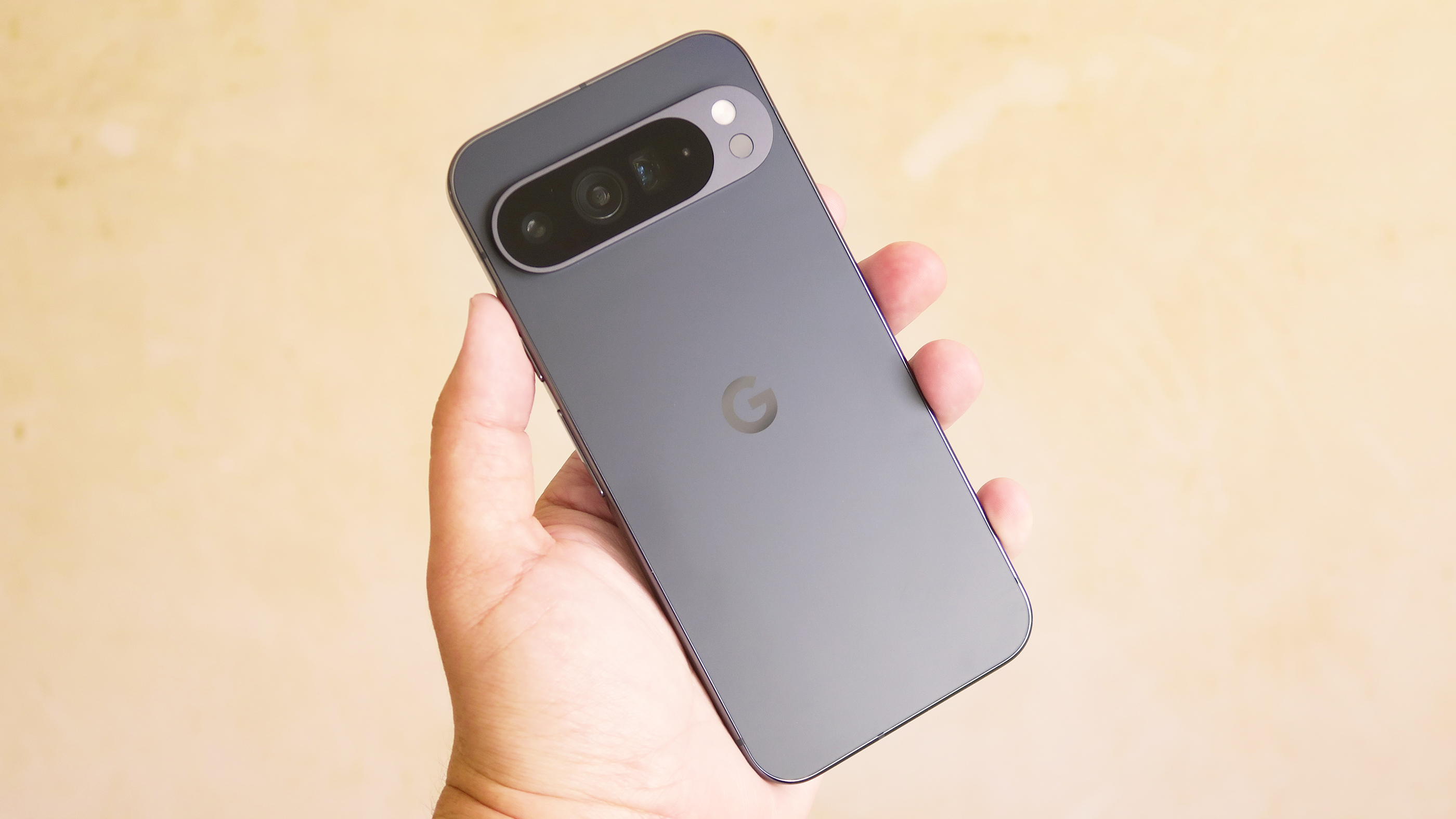
Yesterday Google announced a major revamp of the design language used in Android and its apps, but it seems there are also some changes coming to the lock screen that Google didn't specifically mention in its presentation.The team at Android Authority spotted a few tweaks to the always-on display in one of the images shared by Google, and they could finally bring Pixel handsets up to speed with Samsung Galaxy phones and iPhones in this particular department.You'll see that the always-on display shows a dimmed version of the home screen wallpaper, which isn't currently an option on Pixel phones, while the at-a-glance widget has been shifted to the right of the clock as well.That shuffling of the lock-screen widgets actually leaked last month, but this is more evidence that it's on the way. It seems likely that these changes could be applied to the lock screen with the launch of Android 16 in June.
Playing catch-up
This Pixel 9a wallpaper will disappear when the screen dims (Image credit: Zachariah Kelly / TechRadar)
I use a Pixel as my main phone, and the lack of customization options on the lock screen has been frustrating. This is a screen users see a lot of every day of course, so a bit more visual flair with wallpaper support will be very welcome.As Android Authority points out, the option to see the wallpaper on the lock screen has been available in the past on Pixel phones, but hasn't been offered from the Google Pixel 4 onwards – perhaps to maximize battery life.Head into the lock screen settings on a Pixel phone today, and you get some useful options for limiting the sensitive content that shows up in notifications, and changing the shortcut buttons shown while the phone is locked.However, you don't get the same level of control as Samsung and Apple give you, with options for showing the wallpaper, setting a different backdrop to the home screens, and choosing which widgets get shown when the phone is locked.
You might also like
Android 16 tipped to get a big health monitoring upgradeThese are the best Pixel phones you can buyAndroid 16 set to bring extra protection against USB hacks
-
Picture from cdn.mos.cms.futurecdn.net
Rank 15328Apple has released tvOS 18.5 for Apple TV devicesThe update fixes a synchronization bug with Dolby AtmosThe issue has been affecting users for months
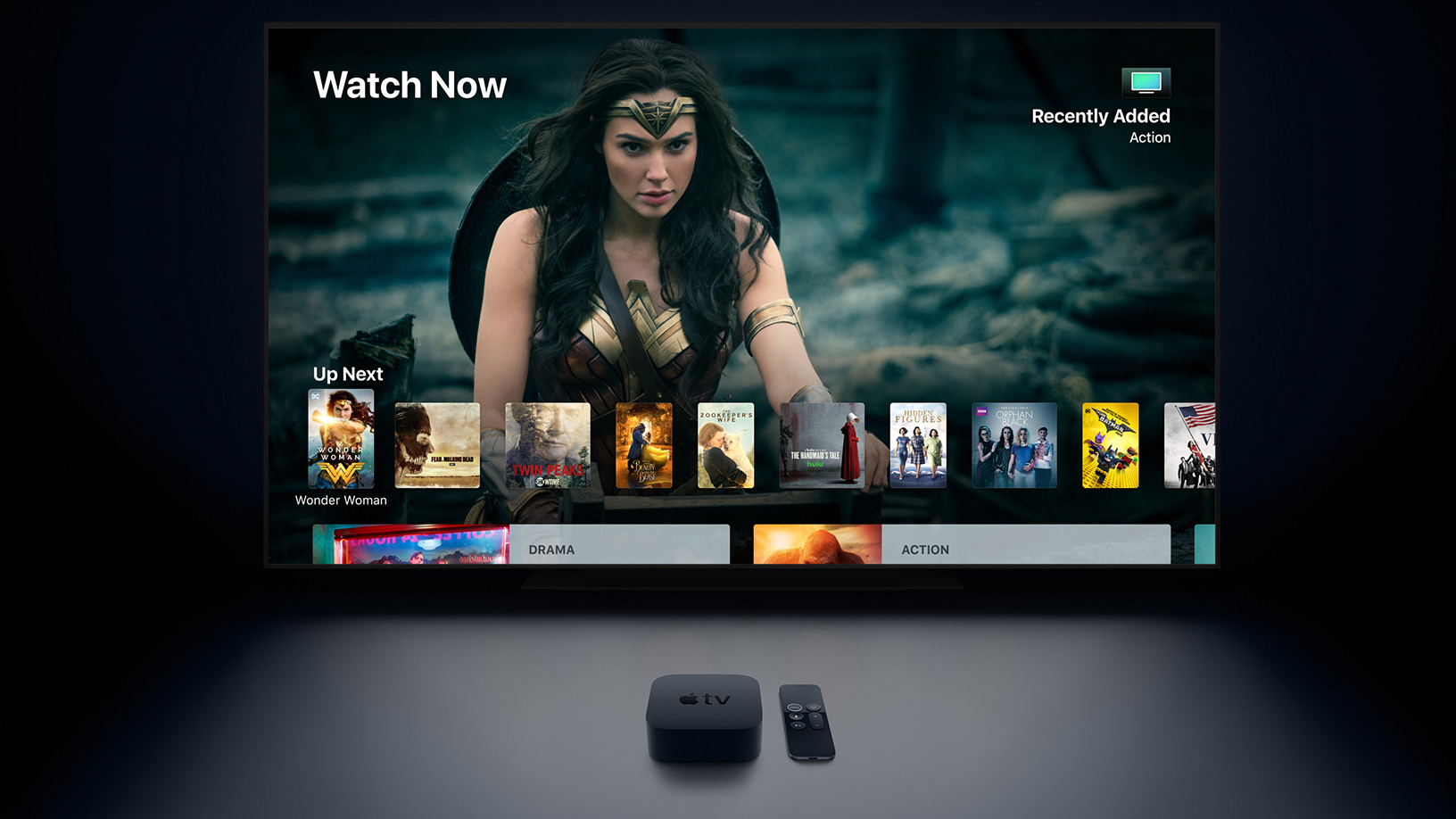
If you’ve found that the sound from your Dolby Atmos speakers is not syncing properly with your Apple TV, help is on the way in the form of the latest tvOS 18.5 update, which Apple says fixes a persistent bug that has been frustrating users for quite some time.According to user complaints on Reddit and the official Apple Support forums, Dolby Atmos playback from speakers connected to an Apple TV over AirPlay or Bluetooth is often out of sync with the visual content on-screen. That can be irritating, as dialogue might not line up correctly with characters’ facial movements. Some users have noted that switching from Dolby Atmos to 5.1 surround sound fixes the issue.Interestingly, the bug doesn’t seem to be limited to Dolby Atmos speakers, and can apparently manifest when Dolby Atmos is enabled, even if it’s not being used. For instance, Redditor LastUserStanding posted that “I disabled Dolby Atmos on the Apple TV and it resolved this problem,” despite having an entirely wired sound setup that does not include a Dolby Atmos speaker.
Time to update
(Image credit: Future)
The issue seems to have affected a wide range of speakers, including those made by third parties and even ones manufactured by Apple, such as the HomePod. Fortunately, Apple believes it has found a fix, which has been included in the tvOS 18.5 update.Apple’s tvOS 18.5 release notes say that the update “adds support for synchronizing Dolby Atmos playback to speakers over AirPlay or Bluetooth,” seemingly addressing the reported problem. To manage this synchronization, you’ll need to go to Settings > Video and Audio > Wireless Audio Sync on your Apple TV.So, if you’ve found strange syncing issues when using your Apple TV, make sure you update to tvOS 18.5. Even if you don’t have a Dolby Atmos speaker, it could be that disabling this feature puts things right for you.
You might also like
Apple TV 4K (2022) review: the best streaming device is now better and cheaperThe best Dolby Atmos soundbars 2025: home theater upgrades for all budgetsBest AirPlay speakers 2025: the top Apple-friendly wireless speakers, all tested by TechRadar
-

Picture from ichef.bbci.co.uk
Rank 15329 -

Picture from ichef.bbci.co.uk
Rank 15330 -

Picture from ichef.bbci.co.uk
Rank 15331 -

Picture from cdn.mos.cms.futurecdn.net
Rank 15332Best Buy will offer some Nintendo Switch 2 units in-store at midnight on launch dayVarious games and accessories will also be availableCustomers who attend also have the chance to obtain a collectible Nintendo item
Best Buy has revealed that it will have some Nintendo Switch 2 units, in addition to various games and accessories, available for customers to buy at midnight on launch day, June 5, 2025.Most stores will be open from 12:01AM ET on the day, and you can check whether your local one is participating via the Best Buy website.The shops will have limited stock of both the Nintendo Switch 2 and Nintendo Switch 2 Mario Kart World bundle, which retail for $449.99 and $499.99, respectively.This is on top of copies of some of the most anticipated Nintendo Switch 2 launch titles, such as Cyberpunk 2077: Ultimate Edition, Street Fighter 6 Year 1-2 Fighters Edition, and The Legend of Zelda: Tears of the Kingdom – Nintendo Switch 2 Edition.Available accessories include the Nintendo Switch 2 Pro Controller and Nintendo Switch 2 camera. Customers who attend also have a chance to receive a special collectible Nintendo item, but there's no word on what this could be quite yet.In addition to being a nostalgic throwback to the midnight game and console launches of old, this could be a great opportunity to get your hands on a Nintendo Switch 2 on launch day if you were not able to secure a pre-order.
You might also like...
Nintendo Switch 2 pre-orders live: latest UK stock updates as My Nintendo Store's pre-order date arrives, while US pre-orders remain delayedNintendo president says the Switch 2's lower than expected sales forecast is due to its high price, not US tariffsThe Nintendo Switch 2 version of Cyberpunk 2077 will address PS4 and Xbox One launch issues like texture pop-in
-

Picture from cdn.mos.cms.futurecdn.net
Rank 15333Europol have dismantled an organised crime groupThe group was carrying out investment scamsOver 100 victims lost a combined €3 million
A globally operating organised crime group has been dismantled by Eurojust and Europol in a joint operation with German, British, Cypriot, Albanian, and Israeli investigators - leading to the arrest of a suspect. Eurojust confirms the group defrauded over a hundred victims, taking over €3 million through a fake online investment platform.The group used cyber trading and was able to make "considerable profits” and to defraud the victims. The group, as criminals often do, promised substantial profits in a short period of time. Once victims transferred money to the platform, they were then shown false charts indicating they could earn much more if more is transferred to the platform.The online networks used criminals posing as brokers, using ‘psychological tactics’ to convince the victims to transfer even more finds, which of course, were never actually invested into anything, but rather were directly stolen by the group.
Save up to 68% on identity theft protection for TechRadar readers! TechRadar editors praise Aura's upfront pricing and simplicity. Aura also includes a password manager, VPN, and antivirus to make its security solution an even more compelling deal.Preferred partner (What does this mean?)View Deal
Disrupted operations
The scam was uncovered after a married couple reported the fraud to German authorities - and an inquiry uncovered an extensive network of criminals. Law enforcement seized evidence connected to the investigation like documents, electronic devices, and cash.Digital scams, particularly investment fraud, is a serious danger, and is costing internet users millions every year. New tools for cybercriminals, especially AI tools, are helping fraudsters pump out scamming campaigns in minutes, allowing criminals to access cybercrime with far fewer skills than used to be necessary.This goes beyond extensive phishing campaigns, with deepfake celebrity endorsements, deepfake calls or videos, and even AI-generated fake websites mimicking legitimate businesses“The good news is there are ways to avoid falling victim to such attacks,” said Aaron Walton, Threat Intel Analyst at Expel.“Many organisations build in technological solutions to help prevent malicious emails from landing in user’s inboxes by automatically detecting suspicious indicators. Users can also protect themselves and their organisations by flagging any emails that appear suspicious to their security teams.”
You might also like
Take a look at our picks for the best malware removal software aroundCheck out our choice for best antivirus softwareFBI warns scammers are posing as agents pretending to help recover lost funds
-

Picture from techcrunch.com
Rank 15334 -
Picture from cdn.mos.cms.futurecdn.net
Rank 15335Samsung is debuting a new Galaxy Ring in 'Two-Tone Titanium Black'The announcement was made on Samsung's Korean website, during the S25 Edge releaseThe Ring will only be available at Samsung Gangnam... for now
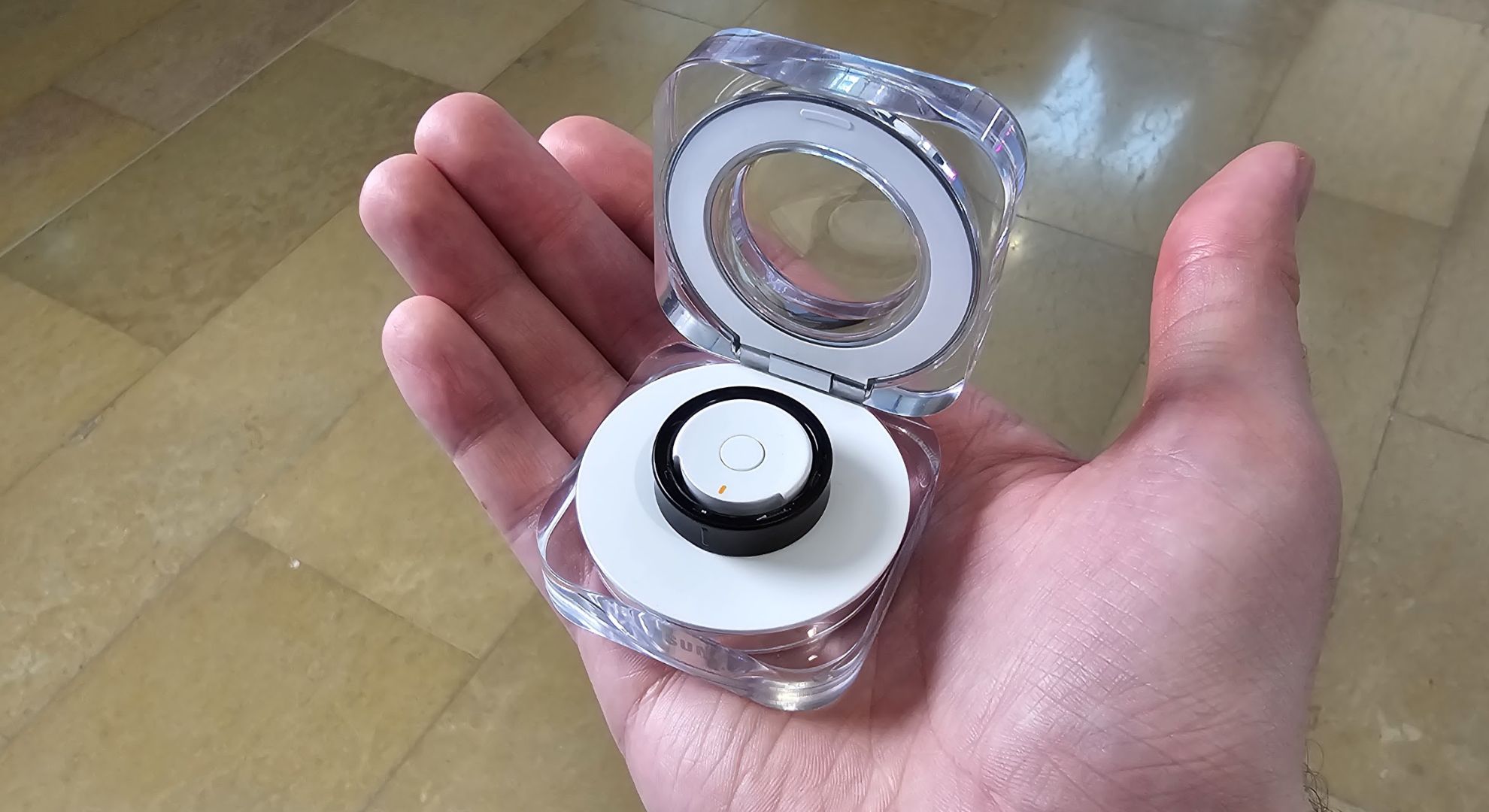
The launch of the Samsung Galaxy S25 Edge, the ultra-slim, AI-powered version of the Galaxy S25, was one of the biggest stories in the tech world yesterday. However, hidden in this announcement was the detail of a new Samsung Galaxy Ring variant.Unfortunately, those hoping for news of the Samsung Galaxy Ring 2 will be disappointed: the ring is the original, but sporting a new limited-edition color referred to as 'Two-Tone Titanium Black'.Samsung's Korean newsroom website states in a translated blog post: "Samsung Electronics will release the new 'Galaxy Ring Two-Tone Titanium Black' along with the Galaxy S25 Edge and sell a limited quantity at Samsung Gangnam from the 14th."When you purchase the newly released Galaxy Ring and Galaxy S25 Edge together, you will receive a 20% discount on the Galaxy Ring and 100,000 won in Samsung Electronics membership points."No pictures of the ring were included in the post, so we don't yet have any idea what the Two-Tone Titanium Black version will look like.
An early sign of a Ring 2?
We don't yet have any pictures of the new colorway, but this is the Titanium gold version (Image credit: Future / Matt Evans)
It sounds like the new colorway is simply an exercise to promote the new S25 Edge, and will be only available at Samsung Gangnam for a limited time. However, if it proves popular, we could see the color make its way to other stores and other regions.The Samsung Galaxy Ring has been out for nearly a year at this point. It's unknown whether a Ring 2 will be on the cards so early into the product's lifestyle: smart ring market leader Oura goes years between generations, as smart rings don't really have interactive elements like watches and phones so it's hard to introduce new features.However, rumors persist we'll see a Ring 2 proper with a solid-state battery at this year's Samsung Galaxy Unpacked. If so, perhaps the Two-Tone colorway will make its way to a wider release.
You might also like...
Samsung Galaxy Ring 2 could be on the way with a powerful solid-state battery upgradeWe've got another hint that the Samsung Galaxy Watch 8 is on the wayI didn’t think I’d care about the Samsung Galaxy S25 Edge – but then I held it next to my iPhone 16 Pro
-
Picture from cdn.mos.cms.futurecdn.net
Rank 15336Google has unveiled that Gemini will be coming to devices with Google TV later this year, starting with TCL devices The update follows Google initial announcement at CES 2025, where it teased new advancements on Gemini with Google smart TVsThe Google TV Streamer device won't receive the same treatment however, and the future of its Gemini support is unclear
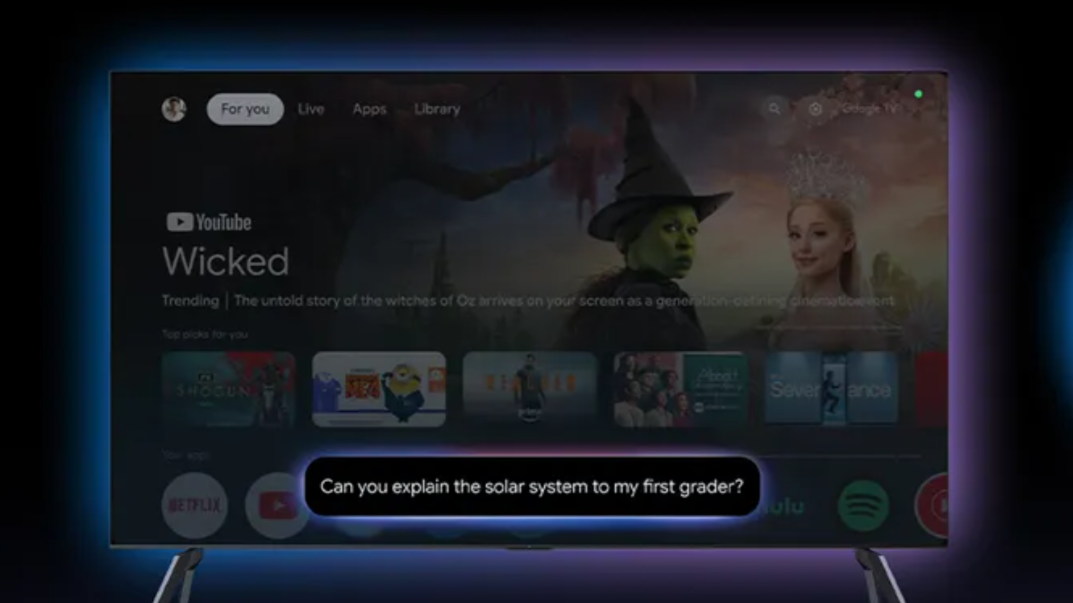
Google announced that it's integrating its AI assistant, Google Gemini, with Google TV devices – starting with TCL TVs later this year.The expansion was announced at its Android Show yesterday along with a host of other new features. In addition to teasing a new look of Android 16, Google revealed that Gemini’s smarts will be coming to devices with Google TV, cars with built-in Google and Android Auto, and its line of WearOS smartwatches.At the moment Google is keeping the exact roll-out date under-wraps, but the company has stated that Gemini support for Google TV will be rolled out to TCL TVs first, with other devices to follow.
Gemini support for WearOS smartwatches and cars with Android Auto is set to roll out 'in the coming months'. (Image credit: Google )
When Gemini makes its Google TV debut, it will replace the previous Google Assistant tool but will continue to offer content recommendations based on your voice commands. According to Google’s blog post you can use prompts such as ‘show me action movies that are age-appropriate for kids’.Gemini’s capabilities will reach beyond entertainment. You’ll also have the freedom to ask Gemini on your Google TV non-recommendation based questions. For example, Google says that Gemini will be able to ‘help your kids explore their endless questions about the solar system by answering questions and pulling up the perfect YouTube video to learn more’.However, there have been some questions about when the Google TV Streamer will receive the same treatment.
No sign of Gemini for Google’s flagship streaming device
To the surprise of many, it turns out that the Google TV Streamer won’t be the launch device for Gemini, nor has Google given word on its plans to bring the AI tool to its own devices. So as it stands, it’s a bit of a waiting game, but what do know is that Google TV devices will get their long-awaited support for Gemini before the end of the year.Owners of some of the best smart TVs with Google TV have been waiting for further announcements since the company announced the next generation of Google TV with Gemini at CES 2025. At the same time, the company also unveiled its new ‘Ambient Mode’, which has been enhanced by the introduction of its new proximity sensors to adjust the display automatically.But the future of Gemini for Google TV Streamer is still on our minds, and while we wait for further announcements from Google we’ll have our eyes peeled for any updates that might crop up elsewhere.
You might also like
Google Messages is getting another wave of updates – here are 7 you can expect to see soonYou can put Google Gemini right on your smartphone home screen – here’s howSorry Pixel owners, Google Cloud's new AI video feature will debut on another company's smartphones
-

Picture from ichef.bbci.co.uk
Rank 15337 -

Picture from cdn.mos.cms.futurecdn.net
Rank 15338SAP fixed CVE-2025-42999, a 9.1/10 vulnerability in NetWeaverThis one was chained with CVE-2025-31324, which was fixed in AprilFortune 500 companies are apparently at risk
SAP has patched a critical-severity zero-day vulnerability in NetWeaver server that was being chained in attacks targeting some of the world’s biggest enterprises.The vulnerability is tracked as CVE-2025-42999, and carries a severity score of 9.1/10 (critical). On NVD, it was said that SAP NetWeaver Visual Composer Metadata Uploader is “vulnerable when a privileged user can upload untrusted or malicious content which, when deserialized, could potentially lead to a compromise of confidentiality, integrity, and availability of the host system.”In a statement given to BleepingComputer, SAP said it discovered this flaw when it was investigating a different one, also a zero-day. This one was reported earlier in April this year, and is now tracked as CVE-2025-31324 (10/10 - critical). The two flaws were allegedly being abused in attacks since January 2025.
60% off for Techradar readersWith Aura's parental control software, you can filter, block, and monitor websites and apps, set screen time limits. Parents will also receive breach alerts, Dark Web monitoring, VPN protection, and antivirus.Preferred partner (What does this mean?)View Deal
SAP issues patch
When security researchers first discovered CVE-2025-31324 being abused, it was said that more than 1,200 SAP instances were at risk of being hijacked. Some researchers claimed the number of vulnerable endpoints was somewhat smaller - around 500 instances.Visual Composer is a development tool that allows users to build web-based business applications without writing code. It’s mostly used to create dashboards, forms, and interactive reports. The Metadata Uploader, on the other hand, is a tool for importing external data models (metadata) into the Visual Composer design environment. This allows developers to connect to remote data sources (web services, databases, or SAP systems).ReliaQuest, watchTowr, and Onapsis, are just some of the firms that observed the bug being exploited in attacks in which threat actors were dropping web shells on vulnerable servers. SAP, however, told the media that it was not aware of any attacks that impacted customer data or systems."Something like 20 Fortune 500/Global 500 companies are vulnerable, and many of them are compromised," Onyphe CTO Patrice Auffret told BleepingComputer.Via BleepingComputer
You might also like
Maximum severity vulnerability puts over 1200 SAP NetWeaver servers at risk of hijackingTake a look at our guide to the best authenticator appWe've rounded up the best password managers
-

Picture from ichef.bbci.co.uk
Rank 15339 -

Picture from ichef.bbci.co.uk
Rank 15340 -

Picture from ichef.bbci.co.uk
Rank 15341 -

Picture from ichef.bbci.co.uk
Rank 15342 -

Picture from ichef.bbci.co.uk
Rank 15343 -

Picture from ichef.bbci.co.uk
Rank 15344 -
Picture from cdn.mos.cms.futurecdn.net
Rank 15345Ivanti patched two flaws being chained to mount RCE attacksA "limited number" of companies were allegedly compromisedOnly on-prem products are affected
Ivanti has released a patch for two vulnerabilities in its Endpoint Manager Mobile (EPMM) software, that’s allegedly being chained in remote code execution (RCE) attacks in the wild.The vulnerabilities are tracked as CVE-2025-4427, and CVE-2025-4428. The former is an authentication bypass in EPMM’s API, allowing threat actors to access protected resources. It was assigned a medium-severity score of 5.3.The latter is an RCE vulnerability exploited through maliciously crafted API requests. This one was given a high severity score (7.2/10).
Save up to 68% on identity theft protection for Techradar readersTechRadar editors praise Aura's upfront pricing and simplicity. Aura also includes a password manager, VPN, and antivirus to make its security solution an even more compelling deal.Preferred partner (What does this mean?)View Deal
Updating the tools
Ivanti says it’s seen it abused in attacks: "When chained together, successful exploitation could lead to unauthenticated remote code execution,” the company said in a security advisory. “We are aware of a very limited number of customers whose solution has been exploited at the time of disclosure."To address the issue, users should install Ivanti Endpoint Manager Mobile 11.12.0.5, 12.3.0.2, 12.4.0.2, or 12.5.0.1."The issue only affects the on-prem EPMM product. It is not present in Ivanti Neurons for MDM, Ivanti's cloud-based unified endpoint management solution, Ivanti Sentry, or any other Ivanti products," the company further explained. "We urge all customers using the on-prem EPMM product to promptly install the patch."Ivanti’s EPMM software is a popular solution across different industries, including healthcare, education, logistics, manufacturing, and government. According to The Shadowserver, there are hundreds of exposed instances at the moment, mostly in Germany (992), but with a significant number in the United States (418), as well.Those that cannot apply the patch at this time can implement different workarounds. Ivanti said these users should follow best practice guidance or filtering access to the API using either the built-in Portal ACL’s functionality, or an external WAF. More details on using the portal’s ACL functionality can be found here.Via BleepingComputer
You might also like
Maximum severity vulnerability puts over 1200 SAP NetWeaver servers at risk of hijackingTake a look at our guide to the best authenticator appWe've rounded up the best password managers
-
Picture from o.aolcdn.com
Rank 15346As people continue to move away from sedans to larger vehicles, the distinction between SUVs, crossovers and MPVs has become even blurrier. But make no mistake, if you're looking for a big car with tons of power, excellent handling and a true seven-person capacity, the Lucid Gravity might be the coolest three-row EV on sale today. Just don't call it a minivan.
Not that you would be incorrect. Between its extra-long dimensions (198 inches, three inches longer than a LWB VW ID. Buzz), a smooth, sloping front end and an emphasis on aerodynamics, the Gravity certainly looks more like a Chrysler Pacifica than a brawny Rivian R1S. But as one Lucid representative told me, minivans have gotten a bad rap in recent times, due to their focus on basic practicality while eschewing anything in the way of engaging driving dynamics. This makes slapping the minivan tag on a car feel almost like a death sentence, even if the biggest difference between the Gravity and some of its cross-category rivals is the lack of sliding doors.
Sam Rutherford for Engadget
With the Gravity's Grand Touring spec (which starts at $94,900) packing a whopping 828 horsepower along with fancy features like standard air suspension and optional rear-wheel steering, this thing is anything but pokey. And that's before you consider a 0 to 60 time of just 3.4 seconds, which puts most sports cars (especially gas-powered ones) to shame. So despite how it looks, there's no doubt the Gravity offers better performance than any minivan on the planet.
The speed continues when it’s time to charge. Thanks to its 926 volt architecture, the Gravity can suck down up to 400 kW of juice, which makes this the fastest charging EV outside of China. Lucid's charging tech is also capable of adding 200 miles of driving distance in under 11 minutes. When combined with up to 450 miles of range, this vehicle is almost single-handedly upending the idea that electric cars are bad for long road trips.
The sky was cloudy that day.Sam Rutherford for Engadget
Meanwhile, for those who want to travel in luxury, the Gravity has more creature comforts than minivans too, even for a class of vehicle that can often be judged by its number of cupholders. Not only are the front and second row seats heated, Lucid's glass panoramic roof runs nearly the entire length of the car. That means unlike most rivals where the driver is stuck without a view, all you see is sky when you look up from behind the wheel. There's even a screen for second row occupants to control music and climate (among other things).
Lucid also makes great use of the Gravity's length. While I wouldn't want to ride back there as an adult all the time, it has one of the most spacious third rows I've ever sat in. Alternatively, if you need extra cargo space, the rearmost seats fold into the floor, providing you with a flat load space featuring 56.2 cubic feet of room (and that's with the second row still up). And while it's not something you'll use all the time, I love the company's optional folding cushion that transforms the frunk into a loveseat — complete with cupholders on each side. It's a fun little feature that makes me sad that drive-in movie theaters are becoming extinct.
Sam Rutherford for Engadget
The most enchanting contradiction about the Gravity is what it feels like to drive. After getting into the pilot's seat, you're greeted by a massive 34-inch 6K OLED display. And unlike some of its competitors, it's not two or three screens sandwiched together. It's all a single panel that's an absolute treat to look at. This expansiveness is only reinforced by Lucid's squircle-shaped wheel. It’s a touch smaller than you might expect on a vehicle this size, but it also gives you increased visibility at its giant infotainment system.
The hard thing to wrap your head around though, is that for a long SUV with three rows of seats, it doesn't drive like a big car. The cabin is spacious and airy and it feels like you could fit a pickleball court between its mirrors. And yet, thanks to features like the optional rear-wheel steering on my demo vehicle, it almost felt petite during a quick drive around New York City.
Now, I will admit that my route down the West Side Highway wasn't the best place to really test out its driving dynamics. But there were a few spots where I got a sense of how good the Gravity will be on the open road. For example, I had to make a U-turn down near Battery Park and I thought there was no way I was going to make it without committing to a three-point maneuver. But to my delight, it just darted around the divider in a way that defies its dimensions.
Lucid's suspension is also a work of art. For a car that weighs around 6000 pounds (depending on spec), it doesn't lumber or bounce when it goes over bumps. It just kind of floats. You can still feel the road, but it's just more of a gentle reminder that its surface texture is constantly changing rather than a jolt up your backside. Granted, my test vehicle was equipped with Lucid's Dynamic Handling Package, which includes three-chamber air suspension instead of the standard two. But, honestly, that extra $2,900 feels well worth it, especially when that option also adds the rear-wheel steering.
Sam Rutherford for Engadget
I also appreciate how the car automatically hunkers down when you set it to sport mode to improve performance. Even without room to get it up to top speed, it's impossible to escape the feeling of immense power the car gets from its dual motors (a single-motor RWD is slated to come out later). The Gravity might just have the best ride quality of any EV SUV currently on sale.
However, I do have some complaints. The most obvious one is that this thing ain't cheap at just shy of $95,000 for the initial Grand Touring version. And even when the base model eventually comes out at around $80,000, that's still a far cry from mainstream affordability. It really makes me wonder why Lucid didn't jump straight to making its rumored (and almost certainly more affordable) mid-size SUV.
Sam Rutherford for Engadget
I don't love Lucid's current color options either, which seem aimed more at boomers than younger, more EV-friendly drivers. (Though I guess that's where the money is.) The most vibrant paint choice is either a brownish bronze or a faded olive green. I was hoping that the company had learned something from the stunning blue it uses on the Air Sapphire and carried over some of that styling to the Gravity. But here we are.
Finally, Lucid won't have its version of Dream Drive 2 Pro hands-free driving tech available at launch. Furthermore, the company is running into issues sourcing components for its HUD system, which means you'll have to wait a bit longer for that option. The good news is that when (or if) Lucid eventually figures out its hand-free tech, all the hardware needed to support it will already be in the Gravity, so all you'll need is an OTA update to turn it on.
Regardless, as Lucid continues ramping production throughout the year, the Gravity already feels like the coolest big EV SUV on sale today and an immediate top contender for anyone looking for a luxurious three-row people carrier.This article originally appeared on Engadget at https://www.engadget.com/transportation/evs/the-lucid-gravity-is-the-coolest-three-row-ev-on-the-market-120024089.html?src=rss
-
Picture from o.aolcdn.com
Rank 15347Sony has sold 77.8 million PlayStation 5s since the console first went on sale in 2020 after shipping 2.8 million units in its latest quarter, the company announced. That figure lines up remarkably well with PlayStation 4 sales which hit 79.1 million units in approximately the same amount of time. However, Sony's full year fiscal 2024 PS5 sales of 18.5 million were down compared to the 20.8 million it sold in 2023.
Game sales more than made up for that though, rising nine percent and helping push the division's operating income up 43 percent year over year. That was largely due to third-party sales, as first-party sales actually fell a bit. Sony has only released one first-party game so far this year with key titles like Death Stranding 2: On the Beach and Ghost of Yōtei still to come.
Sony doesn't expect this growth to continue, though. The company is predicting a ¥100 billion ($700 million) hit to sales next year due to tariffs, given that most of its sales occur in the US — and the company had already forecast flat revenue for 2025. Another key blow was the delay of Rockstar's Grand Theft Auto VI launch that was just pushed back to May 2026.
During its earnings call, Sony said that it was considering "passing on" tariff hikes to consumers, though it didn't mention the PS5 or US specifically. The company has already raised the price of the console in other territories including Europe, but US increases are extremely rare. Sony CEO HIroki Totoki also brought up the possibility of building the PlayStation 5 in the US, saying it's something that "has to be considered going forward." This article originally appeared on Engadget at https://www.engadget.com/gaming/playstation/sony-has-sold-778-million-ps5s-to-date-but-expects-a-downturn-due-to-tariffs-120013001.html?src=rss
-

Picture from techcrunch.com
Rank 15348 -

Picture from ichef.bbci.co.uk
Rank 15349 -
Picture from o.aolcdn.com
Rank 15350Eight Sleep has launched a new sleep system called the Pod 5, which uses the power of artificial intelligence, as one would expect from a lot of new products these days. The Pod 5 system consist of a cover, a hub, a blanket and a base that works with any mattress you already have. Its cover and hydro-powered blanket cool down or heat up from 55 to 110 degrees Fahrenheit across your whole body, adjusting their temperatures based on the biometric reading from the cover's embedded sensors.
If the system detects that you're snoring through vibrations, the base automatically but gently elevates your head in response, which had been clinically proven to reduce snoring. The base is supposed to go in between your mattress and the bed frame, but it can also be used freestanding with an optional leg kit. Pod 5's base comes with a built-in surround-sound speaker that plays audio, which the company says was designed to support relaxation and recovery. The company has added a guided meditation technique to its audio options, as well as a curated selection of white noise and calming sounds. Finally, the Hub contains the water that the system uses to regulate the cover's and blanket's temperatures. It also contains tech like the WiFi that connects the Pod 5 to the internet.
The company says the whole experience is powered by its proprietary AI engine Autopilot that's trained on almost 10 million hours of sleep data. It also learns from your own biometrics and sleep patterns, so it can adjust the system as needed. In addition, Eight Sleep has launched a set of AI-powered algorithms called Health Check that monitors your heart and respiratory rates while you sleep through the sensors in the cover. If your heart rate or breathing shows some abnormality, for instance, you'll see a report in the system's accompanying app notifying you of the reading.
The Pod 5 system is now available for purchase in the US, the EU, the UK, Canada, Australia, the UAE, Mexico, Saudi Arabia, Monaco and Switzerland. Prices begin at $2,849, and you can get up to a 30-night trial and free returns in case you change your mind.
Eight Sleep
This article originally appeared on Engadget at https://www.engadget.com/home/smart-home/eight-sleep-launches-the-ai-powered-pod-5-sleep-system-130034283.html?src=rss


