News
This constantly updated list features the latest and most important news articles, ranked in order of significance. The top stories highlight major developments, breaking news, and critical updates across various topics, ensuring you stay informed about the most pressing issues. As new articles are added, the list adapts to reflect the latest priorities, keeping the most impactful stories at the forefront. Whether it’s global events, technology breakthroughs, or industry trends, this dynamic list ensures you always have access to the most relevant and timely information.
-
Picture from cdn.mos.cms.futurecdn.net
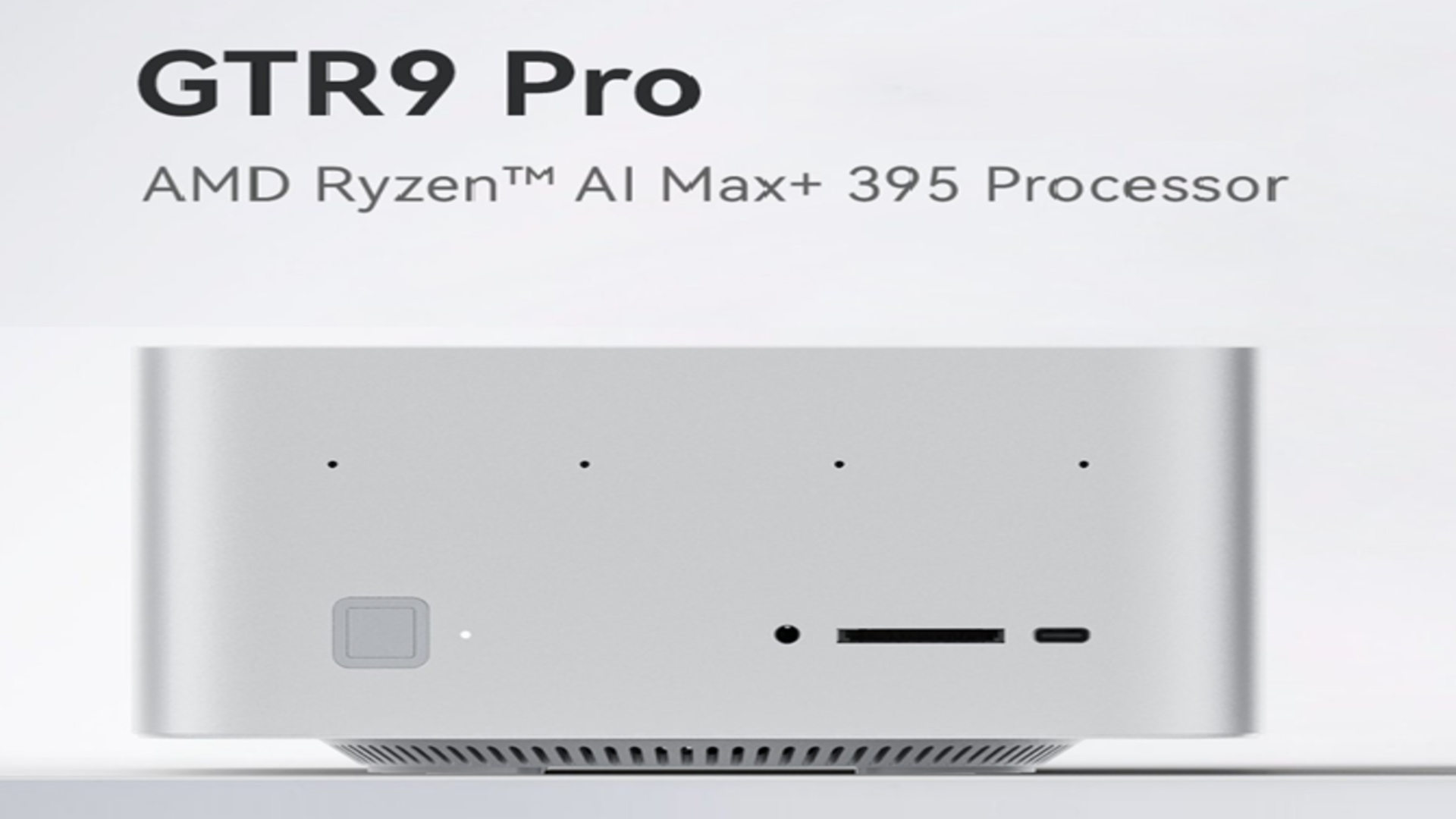
Rank 14601Beelink’s GTR9 Pro runs a Ryzen AI Max+ 395 processor and delivers 126 TOPS for next-gen AIDual 10Gbps Ethernet ports mean lightning-fast clustering and insane data transfer speedsIntegrated Radeon 8060S GPU rivals RTX 40 series without the bulk or noise
Beelink, a relatively unknown Chinese PC vendor, has introduced a compact mini PC aimed at AI workloads, gaming, and content creation.The system, dubbed the GTR9 Pro, is powered by AMD’s Ryzen AI Max+ 395 processor and is designed for high data throughput and demanding computing tasks.Beelink says the GTR9 Pro delivers processing capabilities of up to 126 trillion operations per second (TOPS) and can run AI models with as many as 70 billion parameters, including those based on frameworks like DeepSeek.
Compact AMD-based system built for AI, gaming, and creative tasks
The GTR9 Pro can function as a standalone system or be integrated into clustered computing environments.With two 10Gbps Ethernet ports and two 40Gbps USB4 ports, the device supports high-speed data transfer both between systems and to external devices.Its integrated AMD Radeon 8060S GPU features 40 cores and offers graphics performance comparable to Nvidia’s RTX 40 series. It also supports up to 96GB of dedicated video memory, positioning it as one of the more powerful workstation options available.The GTR9 Pro is capable of running modern gaming titles at high settings and handling AI tasks and media production with ease. It is part of Beelink’s “Quietly” series, indicating a low-noise thermal design.For creatives, it supports professional applications such as Adobe After Effects and Photoshop, and it is well-suited for tasks like rendering and live streaming.Beelink describes the system as “engineered for innovators, gamers, and creators who demand more performance, less noise.”The GTR9 Pro will be priced at $1,999, although Beelink has not yet announced an official launch date.
You might also like
These are the best mobile workstation you can buy right nowWe've also listed the best mini PCs for every budgetQuantum AI is becoming a popular interest for many businesses
-

Picture from ichef.bbci.co.uk
Rank 14602 -
Picture from cdn.mos.cms.futurecdn.net
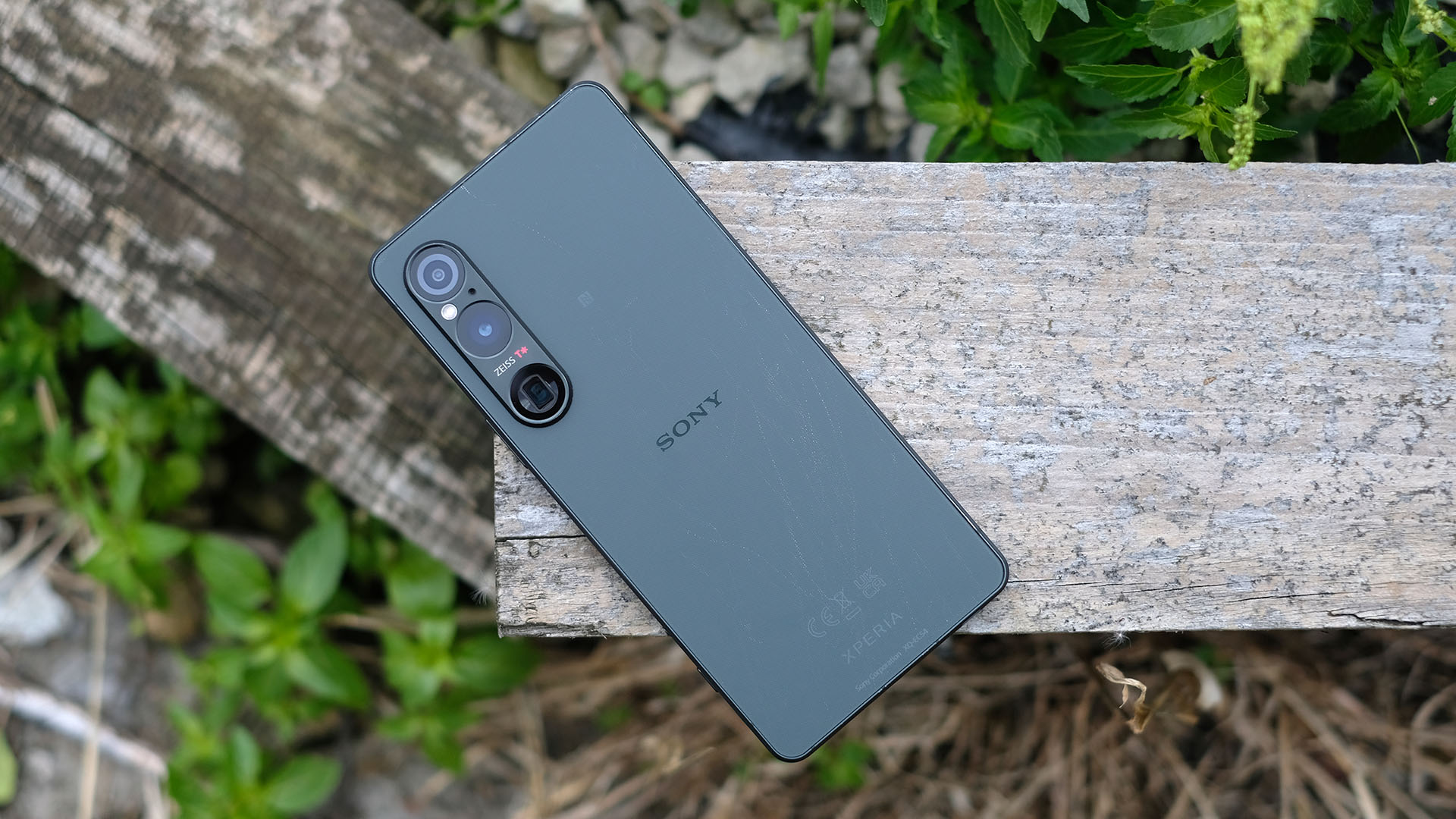
Rank 14603We have new details on the Sony Xperia 1 VIIUpgrades for the cameras and screen are promisedThe phone is set to launch on Tuesday, May 13
We're expecting a brand new flagship phone from Sony in the very near future, and a new leak has revealed plenty about the upcoming handset – including the design of the device, the colors it's going to be available in, and some of the features it'll offer.This all comes from Android Headlines, where you'll find a host of images of the Sony Xperia 1 VII, as well as some of its marketing material. We can see the standard Xperia design language in evidence here, including a flat screen and boxy corners.The three colors the phone is going to come in are apparently black, green, and purple, and there are plenty of shots of each shade. We can also see a triple-lens camera around the back, matching the Sony Xperia 1 VI released in May 2024.Only a few days ago we heard that this phone would be unveiled on May 13, and "powered by Alpha" – the name of the technology in Sony's digital cameras. It's clear that photography capabilities are going to be a big focus for the smartphone.
Battery and screen
The Sony Xperia 1 VI (Image credit: Future / Andrew Williams)
In our Sony Xperia 1 VI review, we praised the core specs of the handset, the strong photo and video performance, and the battery life. However, we did have concerns over the durability of the design and the charging speeds.For the follow-up, the materials leaked by Android Headlines suggest that we'll get a new Zeiss coating on the screen to combat glare, while there'll be a 5,000 mAh battery inside (the same as on the Xperia 1 VI) that apparently offers two-day battery life.Focus lock and macro photography features are highlighted, as well as full-stage stereo speakers, while the screen is apparently going to make some use of the same Bravia technology that Sony deploys in its television sets.This coming Tuesday everything will be made official, and of course we'll bring you all the details of the Sony Xperia 1 VII as they're announced. From what we've heard so far, it looks set to jump straight to the top of our best Sony phones list.
You might also like
Google's Pixel 9a has me questioning annual upgradesThe best Android phones on the market right nowOur full review of the newly launched CMF Phone 2 Pro
-

Picture from ichef.bbci.co.uk
Rank 14604 -
Picture from o.aolcdn.com
Rank 14605Activision Blizzard’s Overwatch team has formed a wall-to-wall union under the Communications Workers of America (CWA). The union, which has been recognized by parent company Microsoft, includes nearly 200 developers "across all disciplines," from design and production to quality assurance, the CWA said in its announcement. It’s the latest development in a broader organizing effort by video game workers, who aim to secure better job protections and improve their working conditions. Last summer, the team behind World of Warcraft announced its own union comprising more than 500 employees, and quality assurance workers at Activision joined the CWA a few months before that.
Per the CWA’s announcement on Friday, "A neutral arbitrator confirmed today that an overwhelming majority of workers have either signed a union authorization card or indicated that they wanted union representation via an online portal." Members of the new Overwatch Gamemakers Guild-CWA join over 2,000 workers from other studios owned by Microsoft who have unionized with the CWA. "Unionizing is about having a seat at the table so that we can work with leadership to build better, more sustainable working conditions," said Jess Castillo, senior test analyst II and organizing committee member, in a statement.
This article originally appeared on Engadget at https://www.engadget.com/gaming/the-developers-behind-overwatch-have-unionized-154021756.html?src=rss
-
Picture from cdn.mos.cms.futurecdn.net
Rank 14606Well, there goes Skype. Bye-bye, you garbage piece of software. I'm surprised you managed to hang around for as long as you did, frankly.Okay, I’m being a bit mean here; the impact of Skype on the global tech ecosystem shouldn’t be downplayed, as it effectively brought video communication to the mainstream - something that previously was the domain of corporate execs with money to burn on expensive early video-conferencing solutions. For a wonderful, all-too-brief period in the early 2010s, Skype was everywhere: a way to chat face-to-face with distant relatives or schoolmates who were just beyond the reach of an after-class bike ride.But I can’t pretend Skype was all sunshine and rainbows, even before the pandemic lockdowns and the rise of its chief competitor, Zoom. I remember sitting for ages waiting for a call to connect, frequent audio dropouts, and sometimes struggling to log in at all. Sure, internet connections are faster and more consistent now than they were when Skype was first conceived back in 2003, but that’s not an all-encompassing excuse for the app’s many failings.
The Microsoft problem
See, Skype’s greatest victory was also a sword of Damocles hanging over its head: its 2011 purchase by Microsoft. A multi-billion dollar deal that positioned Skype to replace Windows Live Messenger (formerly known as the ever-iconic MSN), the purchase proved to be an immediate boon for Skype, as it was widely inserted into Windows devices over the following years, thus reaching a massive global audience.Unfortunately, this deal also meant that Skype was owned by Microsoft, which is rarely a safe position to be in. Remember Zune? Yeah, me neither. The list of products and services killed off by Microsoft over the years is long and storied, and many - including myself - saw the writing on the wall long before serious external competition arrived on the scene.
Aside from a recent cameo role in the Marvel Cinematic Universe, Microsoft's attempt to beat the iPod was a colossal failure. (Image credit: Marvel Studios)
A key issue was Microsoft’s long-running and ill-placed desire to make Teams work. I’ll be honest: as someone who was, in a previous and much worse place of employment, forced to use Microsoft Teams, I can say with conviction that it sucks. Rigid settings, feature bloat, and an inexplicable ravenous hunger for RAM make it a frequently painful piece of software to use, especially on an outdated work PC.But Microsoft wanted - and still wants - it to be a Thing People Want To Use, which ultimately led to Skype taking a back seat as its features were gradually cannibalized to improve Teams. In fact, now that Skype has officially been taken out back with a shotgun, Microsoft is actively encouraging users to port their accounts over to Teams.And what did Skype get in return? A drip-feed of features that nobody asked for, most of which did little to improve the core video-calling functionality. The interface became more cluttered, frequent UI redesigns left users confused, and yet there was a paradoxical feeling of stagnation; meanwhile, the meteoric rise of social-media-driven video calling across platforms such as Facebook and WhatsApp offered a far more streamlined and pleasant user experience.
Impacts of the pandemic
Zoom has been around since 2011 (ironically, the same year Microsoft acquired Skype) but you’d be forgiven for thinking that it just popped into existence at the start of the COVID-19 pandemic. When we were collectively displaced from our offices and had to construct impromptu workspaces inside our homes, video conferencing became an everyday necessity - and as we all know, this was where the cracks in Skype’s facade really started to show.
Zoom just works - here's TechRadar's own Lance Ulanoff and Jacob Krol proving it. (Image credit: Jacob Krol/Future)
Technical debt is never an easy hurdle to overcome, and Skype’s aging software architecture - while cutting-edge back in 2003 - gradually became a weight chained around its ankle. With Teams at the forefront, investing in updating Skype never seemed like a priority for Microsoft. The app didn’t even change over to a centralized system from its outdated peer-to-peer networking until more than half a decade after Microsoft bought it.One of the worst blunders was Microsoft’s insistence on keeping it partially anchored to actual phone numbers (with a dial pad feature, no less) in an era when interlinked accounts are king and phones are more than just phones. It was no doubt a move intended to retain the crop of older users who were unaware of the alternatives, but the 100-user call capacity and streamlined interface of Zoom made it an easy choice for professionals who needed to keep their careers afloat while the world screeched to a halt outside.
Long live Zoom
It’s certainly not a universal truth that Microsoft ruins everything it touches - the Surface tablet line is finally good now! - but the tech giant has something of a reputation for enshittification. I’ve been following the gradual decay of Windows for years now, and looking at how Microsoft treats its most widely known product makes understanding the fall of Skype very easy.
Microsoft has finally achieved some success with its Surface tablets, but I'm quietly surprised the brand has lasted this long. (Image credit: Microsoft)
I’ve settled into a belief that Microsoft isn’t able to just let things be what they are. Everything had to be more! More features, more information, more settings, more AI! Forget what consumers actually want; the line must go up, the goalposts must keep moving, everything must be constantly changing and innovating or it’s worthless. Once you start to see Microsoft as a tech company incapable of sitting still, its successes and failures all start to make a lot more sense.What people needed for the remote working shift during the pandemic was an effective, straightforward video conferencing tool. They didn’t find that in Skype, which had already become a bloated shell of its former self after years of ‘innovation’ at the hands of Microsoft. So I say this now, to the creators of Zoom: if it ain’t broke…
You might also like...
Fed up with irrelevant results cluttering up your Windows 11 searches? I certainly am, and it looks like the situation’s going downhill from hereWindows 11’s big Start menu revamp is real – Microsoft has shared a first look at the redesign, and I’m very glad to see itChatGPT is getting smarter, but its hallucinations are spiraling
-

Picture from techcrunch.com
Rank 14607 -

Picture from ichef.bbci.co.uk
Rank 14608 -

Picture from ichef.bbci.co.uk
Rank 14609 -
Picture from o.aolcdn.com
Rank 14610Nintendo’s latest legal move to combat piracy may be super effective. According to a new change in the Nintendo User Agreement, the console maker can brick your Switch, or render it useless, if it’s found with pirated games or mods. While some people may have glazed over the changes since Nintendo didn’t make this a major announcement, Game File’s Stephen Totilo dug through the changes and spotted the major updates.
In Nintendo’s own words, you shouldn’t "bypass, modify, decrypt, defeat, tamper with, or otherwise circumvent any of the functions or protections of the Nintendo Account Services." The company’s previous agreement only prohibited if you "adapt, reverse-engineer, or modify a Nintendo user account," but this updated language gives exact definitions of what you can’t do with your Switch. If you do break these rules, Nintendo could make your "applicable Nintendo device permanently unusable in whole or in part." In plain English, that means if you’re found with an emulator or pirated copies of games, your Switch might just end up being a very expensive paperweight.
This latest legal leap isn’t surprising considering Nintendo’s strict stance on emulation. In March 2024, the company filed a lawsuit against the popular Switch emulator called Yuzu claiming that the developers were facilitating piracy. Later that year, another emulator called Ryujinx shut down after Nintendo offered an agreement to the development team to discontinue the project in October. This latest user agreement update comes on the heels of the upcoming release of the Switch 2 that’s planned for June 5.This article originally appeared on Engadget at https://www.engadget.com/gaming/nintendo/nintendo-grants-itself-the-power-to-brick-switches-with-pirated-games-162129077.html?src=rss
-

Picture from ichef.bbci.co.uk
Rank 14611 -

Picture from techcrunch.com
Rank 14612 -
Picture from o.aolcdn.com
Rank 14613The Food and Drug Administration has approved a new device called the Teal Wand, which its creator describes as an "at-home vaginal sample self-collection device for cervical cancer screening." It could be especially useful for women who find pap smears uncomfortable, painful and even traumatic, as well as for those who may not have time to go to a doctor or have disabilities preventing them from traveling to consult one. Users who get the Teal Wand will have to swab their vagina with the sponge tool at its tip. They then have to send the swab in to test it for HPV, or human papillomavirus, which causes most cervical cancers.
Since the user isn't scraping cells from their cervix like what's done with a speculum during pap smears, there are no samples to analyze for abnormality under a microscope. But as The New York Times noted, some authorities are now recommending HPV testing as the primary screening for cervical cancer. Last year, the National Cancer Institute launched a clinical trial network called the Cervical Cancer ‘Last Mile’ Initiative and teamed up with Roche, which provided a similar self-collection solution for participants. The cancer institute explained at the time that cervical cancer is highly preventable with HPV vaccine and regular screening, but half of all diagnosed cases in the US are of individuals who have never been or are infrequently screened. A self-collection device can vastly expand access to cervical cancer screening.
Teal Wand users will be able to dial into the company's telehealth services, with providers who can give them instructions on how to use the device. Users will then have to detach the swab from the wand, put it in a vial, label it and then mail it for testing. Teal Health claims that its solution was proven to be as accurate as in-clinic screening during its clinical study. The company will start shipping out wands to California residents in June before expanding availability across the country. It doesn't have pricing for the device yet, but it said it's working with insurance providers so that the wand could be covered by their plans. The company also intends to work with donors to subsidize costs for people without insurance, as well as to offer flexible payment options.
Teal Health
This article originally appeared on Engadget at https://www.engadget.com/science/fda-approves-at-home-pap-smear-alternative-device-for-cervical-cancer-screening-170025767.html?src=rss
-

Picture from techcrunch.com
Rank 14614 -

Picture from ichef.bbci.co.uk
Rank 14615 -
Picture from ichef.bbci.co.uk
Rank 14616 -

Picture from ichef.bbci.co.uk
Rank 14617 -
Picture from cdn.mos.cms.futurecdn.net
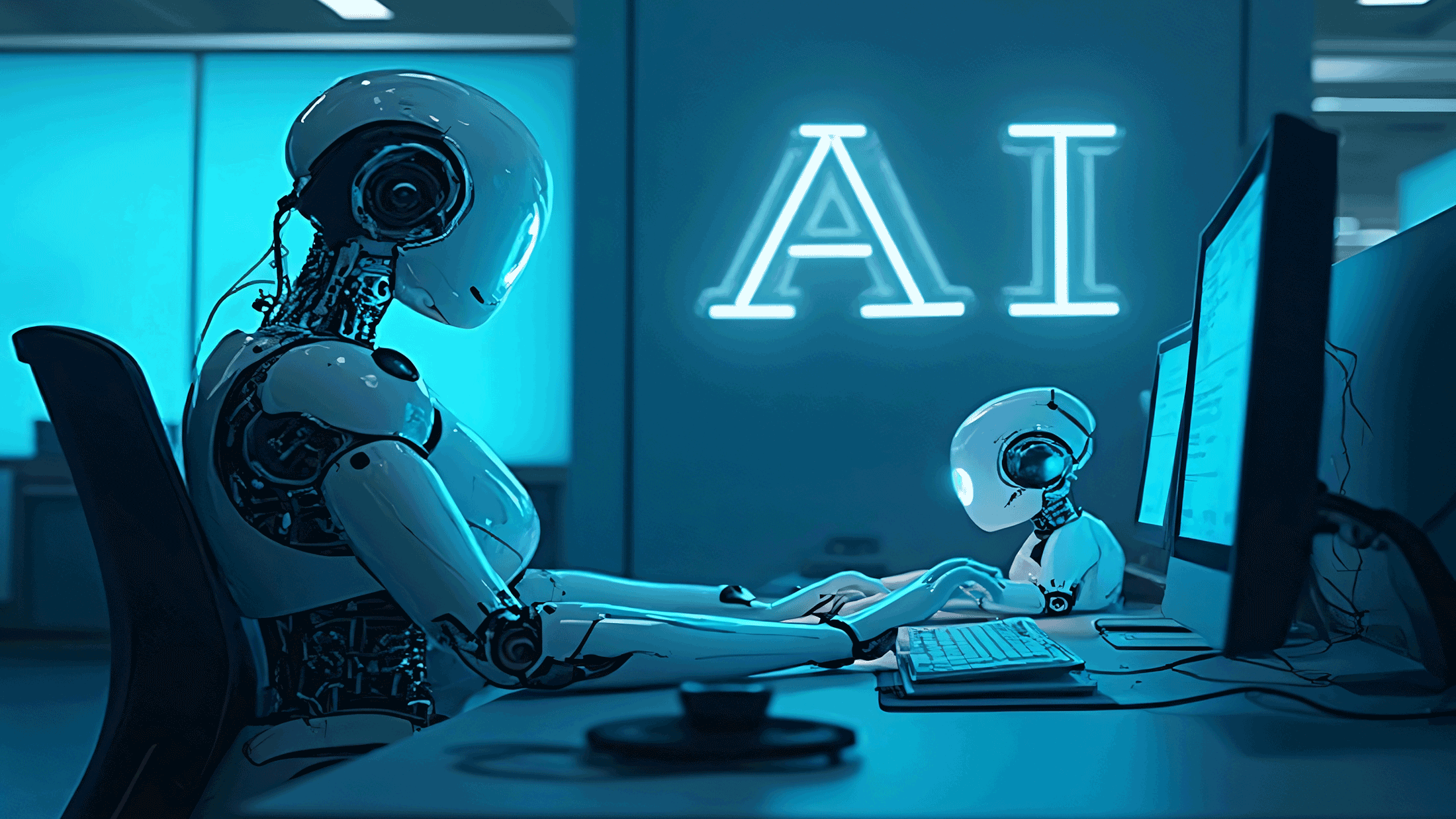
Rank 14618AI threatens jobs across sectors from routine work to skilled professionsCrowdStrike cuts 500 jobs citing efficiency and AI-driven restructuringIBM uses AI to streamline HR while increasing hires in tech roles
Many people worry the rise of AI and robotics could lead to job losses, as machines become increasingly capable of performing tasks faster, cheaper, and more accurately than humans, concerns have grown about the long-term impact on employment, wages, and job security.Even skilled professions, such as those in healthcare, finance, law, and technology, may not be immune. The growing capabilities of AI suggest that no sector is entirely safe from disruption.These concerns are no longer hypothetical, they're becoming reality for some IT workers, after CrowdStrike recently announced it is cutting 500 jobs, which equates to around 5% of its workforce.
Realigning the business
In a memo announcing the cuts, the security firm's CEO George Kurtz said, “CrowdStrike is defined by our mission to stop breaches, our disciplined execution, and our commitment to protecting customers.""Today, our customers are facing an intensifying threat landscape and growing complexity. They trust us to help them move faster and operate more securely. To keep earning that trust, we are evolving how we operate."Explained the company would be "realigning" parts of the business "to continue scaling with focus and discipline" and explained that: “AI has always been foundational to how we operate. AI flattens our hiring curve, and helps us innovate from idea to product faster. It streamlines go-to-market, improves customer outcomes, and drives efficiencies across both the front and back office. AI is a force multiplier throughout the business.”CrowdStrike isn’t the only tech firm cutting jobs because of AI.The Wall Street Journal reports IBM has, “used artificial intelligence, and specifically AI agents, to replace the work of a couple hundred human resources workers.”However, as a result of these cuts, it was able to hire more programmers and sales and marketing people.“While we have done a huge amount of work inside IBM on leveraging AI and automation on certain enterprise workflows, our total employment has actually gone up, because what it does is it gives you more investment to put into other areas,” IBM CEO Arvind Krishna told the publication.So while AI might be taking some people’s jobs, it’s resulting in an increase of opportunities in other areas.Krishna also urged the Trump administration to increase, rather than cut, federal AI R&D funding, telling TechCrunch:“We have been an extremely strong advocate - and this is both the company and me personally - on that federally funded R&D should be increased. That’s the position, which is unequivocal, and we strongly believe in that.”
You might also like
These are the best AI tools you can use right nowAI in Marketing isn’t a leap anymore – it’s the new baselineOver half of UK businesses who replaced workers with AI regret their decision
-

Picture from techcrunch.com
Rank 14619 -

Picture from ichef.bbci.co.uk
Rank 14620 -

Picture from ichef.bbci.co.uk
Rank 14621 -
Picture from ichef.bbci.co.uk
Rank 14622 -
Picture from o.aolcdn.com
Rank 14623Spoilers for “The Story and the Engine.”
Doctor Who lives and dies by the quality of its writing and acting far more than almost anything else on TV. Audiences may demand big explosions and trippy visuals but its best work is often done in small rooms. The Disney era began with an episode that, for all its glossy excess, rested its big moment on Catherine Tate’s acting. Now, as the Disney era potentially draws to its end, it’s once again highlighting what a smart script and great actors can do. “The Story and the Engine” is a stellar episode and a sign of what Doctor Who could look like a year or two from now.
Lara Cornell/BBC Studios/Disney/Bad Wolf
To get Belinda home, the Doctor takes the Vindicator to Lagos, Nigeria, to piggyback on the country’s communications network. But there’s another reason — he wants to visit his favorite barbership, Omo’s. The TARDIS can cut the Doctor’s hair, but it’s not the same — especially now he’s living for the first time (that we know of) as a Black man. A trip to Omo’s is a chance to both get a trim and feel accepted, telling stories and laughing with his friends.
Belinda stays in the TARDIS while the Doctor heads out, past missing people posters and signs warning people to stay away. As soon as the Doctor crosses the threshold into Omo’s, the TARDIS begins blaring red alert, much to Belinda’s confusion. The missing people are here, in the barbershop, but Omo is no longer in charge, having lost control to the mysterious (and unnamed) Barber.
The Barber has kept the men hostage, cutting their hair on a regular basis, with each one telling him a story as he does. Each story is broadcast on the inside of the shop’s window, and as soon as they're done, their hair grows back. The stories aren’t for entertainment, but to fuel an enormous robot spider traversing a metaversal web. Only one person is allowed to leave the shop, Abena, who brings the men food each day to keep them alive.
Naturally, an immortal time traveler is a fantastic resource for stories, but his first tale is that of Belinda staying behind after work to save a woman’s life. Whereas the other men’s stories are rendered in animation, we actually see Belinda’s story as live action. And, once the Doctor’s hair is shorn, it grows back, ready for his next turn to be an unwilling storyteller. Belinda, after asking the TARDIS to show her where to go, heads to Omo’s, where the Doctor is surprisingly happy to see her as she, too, gets trapped in the barbershop.
Abena is hiding a secret, and has been hostile to the Doctor ever since she met him. That’s because she’s really the daughter of Anansi, the spider-esque trickster god of Akan folklore. Her father defeated the Doctor many (many!) lifetimes ago, insisting they marry her, but the Doctor skipped town, leaving her on her own. [Casual viewers totally lost as to what was going on at that point and why the Doctor suddenly turned into someone else, head down to Mrs. Flood Corner for an explanation.]
At some point in history, Abena teamed up with the Barber, who isn’t a god himself, but a form of fiction-weaving figure. He told tales to entertain and sustain the gods, designing the dimensional web his giant spider robot is currently traversing. At some point, he’d outlived his usefulness and was cast out by his masters, and so he is using people’s stories to power his story engine. When it reaches its destination, he’ll wipe out all the gods of myth and legend and take their place.
Abena, horrified that her own family will be wiped out in the Barber’s revenge, opts to switch sides and tends to the Doctor’s hair. She tells the story of how African people under slavery would braid messages and maps as cornrows to evade detection. The Doctor’s hair is now a map of the story engine’s mazelike corridors, leading him to its beating heart. When the Barber tries to stop him, he (wrongly) invokes Hemingway, talking about the power of his six word story.
Oh, but we’re five minutes from the end, so the Doctor saves the day by, uh, playing a highlights reel of all his prior incarnations. The Barber, however, is a changed man, and comes back with the Doctor as the story engine itself collapses under the sheer weight of the Doctor’s life story. With everyone free, Omo declares he’s retiring, and hands the role to the Barber, who will use his powers for good. Abena opts to part ways with her friend, and the Doctor and Belinda head back to the TARDIS.
James Pardon/BBC Studios/Disney/Bad Wolf
“The Story and the Engine” is a phenomenal debut from British-Nigerian poet and playwright Inua Ellams. The rules of the barbershop and premise of the story is clear enough to grasp before the title sequence has rolled. And little time is wasted getting the Doctor through the door of Omo’s shop, enabling him to engage with the problem at hand. If there’s an issue, it’s the same one that’s dogged every episode this season: the overstuffed narrative that picks up and drops ideas in minutes that another series would have milked for weeks on end.
The narrative and thematic density here includes nods toward folklore versus the mechanical reproduction of storytelling. An exploration of the nature of community, family, safety, betrayal, love and the value of revenge. Hell, the antagonist is a writer who’s pissed off their overlords cut ‘em loose and took the credit that was theirs to claim. Not to mention, Doctor Who is having to make a case for its own continued existence given the behind the scenes rumors. That’s so much to cram into 45 minutes that you just want everything to slow down and let things breathe.
As much as Doctor Who might be seen by the majority of its audience on a streaming platform, it’s still constrained by its broadcast runtime. Like the rest of this run, this episode is just begging for more time to allow its textures to be better explored. In fact, as I lay in bed after watching the episode, I was thinking about how many of these episodes would work well in the old-school half-hour format. Three half-hours would give us more time in the barbershop and a more earned ending. “The Story and the Engine” is already a chamber piece — make the CGI spider a barely-seen matte painting and use stock footage of Lagos and this could have easily been done in the ‘80s. Again, given the rumors that, without Disney’s cash, the BBC can’t afford to produce Doctor Who, we’re seeing how great it can be when it’s just got five or six actors in a single room.
That’s not to say the extra money isn’t welcome: I also want to, again, single out how much great work the rest of the production team is doing this year. The story engine’s heart, a beautifully-made heart-tree-brain sculpture, was another great piece of design work. And any episode of anything that uses Blick Bassey’s "Aké" as a needle drop deserves a round of applause.
A Nigerian barbershop is not the usual place for an episode of Doctor Who to play out, but it’s also absolutely perfect. After all, one of the richest seams of inspiration the show has is to find the magic in the edges of the mundane. What could be more magic than people sitting around, telling stories and forming communities through nothing more than the cutting of hair.
Mrs. Flood Corner
Mrs. Flood gets a tiny cameo this episode, popping into the hospital during the Doctor’s tale of Belinda’s heroism. It’s ambiguous if the Doctor knows Mrs. Flood was there, or if her presence was only for the audience’s benefit. Given the more standalone nature of this episode, we shouldn’t ask too much of Mrs. Flood this week.
It’s certainly interesting to see what Belinda does and doesn’t know about how the world of the Doctor works. My assumption is still that the Doctor briefed Belinda on the basics and even the more advanced details off-screen. Belinda’s smart and capable enough that she’d ask the right questions to learn that the TARDIS wardrobe is also able to style hair.
I am curious, however, about why the Doctor was so happy to see Belinda as she walked into the trap. And why Belinda knew what to do when the Doctor made his break for the story engine in the conclusion. That the costumes have changed since “The Well” implies that time has passed for these two, so maybe their rapport has grown in the interim.
Dan Fearon/BBC Studios/Disney/Bad Wolf
If you’ll allow me to go out on a limb, what if the real identity of Mrs. Flood or this season’s big bad is in fact Fenric? Hear me out: “The Story and the Engine” shares a premise with 1988’s “The Greatest Show in the Galaxy.” In that episode, the Gods of Ragnarok have occupied a circus to fuel their hunger for entertainment, killing anyone who displeases them. The Barber in this story mentions he wrote stories for several Norse gods and tries to pass himself off as one of them before his real identity is revealed.
Now, if you recall, another Norse god the Doctor tussled with in that era was Fenric, the villain from 1989’s “The Curse of Fenric.” Which was one of the classic-series stories highlighted for the 60th anniversary’s Tales of the TARDIS run. Given Davies’ shot an additional episode of that run to introduce new viewers to Sutekh before he appeared in last year’s finale, maybe the groundwork was already laid to bring Fenric back.
Yeah, you’re right, it’s not going to be Fenric.
When was the Doctor a Black woman?
The 2020 season of Doctor Who made a number of controversial changes to the foundation of the series. Showrunner Chris Chibnall opted to dump the series’ original deliberately ambiguous backstory in favor of something a little more stock sci-fi. Before then, our lead character was an outsider who left their world and stumbled around learning to become something of a hero. The show’s first four seasons build to the moment when the Doctor says “There are some corners of the universe which have bred the most terrible things. Things which act against everything we believe in. They must be fought.” Like a lot of early Doctor Who, the character’s development over time wasn’t necessarily visible until you look back on the era as a whole.
Chibnall threw all of that out, insisting that the Doctor wasn’t just the most Special Time Lord Of All Time, but the figure who gave the Time Lords the power of regeneration in the first place. In one season, he’d turned the Doctor into the equivalent of Adam and Eve and Jesus all at once. He also eliminated the series’ longstanding regeneration limit, saying the Doctor can change their body an infinite amount of times. Which rather undermines the action and saps the dramatic tension from episodes like “The Caves of Androzani” and “The Eleventh Hour.”
These changes gave the Doctor an entire as-yet unseen first and second act, with the adult Doctor working for the Time Lord equivalent of the CIA before having their memory wiped before the start of the series proper. The episode “Fugitive of the Judoon” revealed the identity of one of these doctors, The Fugitive Doctor, played by actress Jo Martin — the only time the Doctor had been played by a Black actor before Ncuti Gatwa and only the second time (canonically) they’d been played by a woman after Jodie Whittaker. The Fugitive Doctor’s place in the series’ history is left ambiguous, and she mostly spent that time on deep cover missions.
When Davies’ return was announced, I was privately hoping he would very loudly unwind much of Chibnall’s Timeless Child story arc. Trapping the Doctor in the hacky sci-fi role of chosen one felt like an act of near-fatal violence against the series. There have been many other secret origin stories for the Doctor over its sixty-year tenure, but the others were mostly content to sit in implication rather than bellowed from the rooftops.
It’s here I must offer yet more praise for Russell T. Davies, who opted to Yes-And Chibnall’s hackiest impulses. He has managed to integrate the Timeless Child story in a way that serves the character of the Doctor supremely effectively. Rather than focusing on the ancestral history he’s focused on the Doctor as an orphan, taken advantage of by cruel aliens. It gives greater weight both to his relationships with his companions, and to the need for belonging that takes him to Omo’s. And the events of the Flux miniseries have broken the universe so utterly that it’s opened the door for the pantheon of gods to enter it. Not to mention, it offers a vehicle through which we can get more stories of the Fugitive Doctor that gets it out from under the more reactionary storytelling under which she was created.This article originally appeared on Engadget at https://www.engadget.com/entertainment/tv-movies/doctor-who-the-story-and-the-engine-review-just-a-trim-thanks-190010762.html?src=rss
-

Picture from ichef.bbci.co.uk
Rank 14624 -
Picture from cdn.mos.cms.futurecdn.net
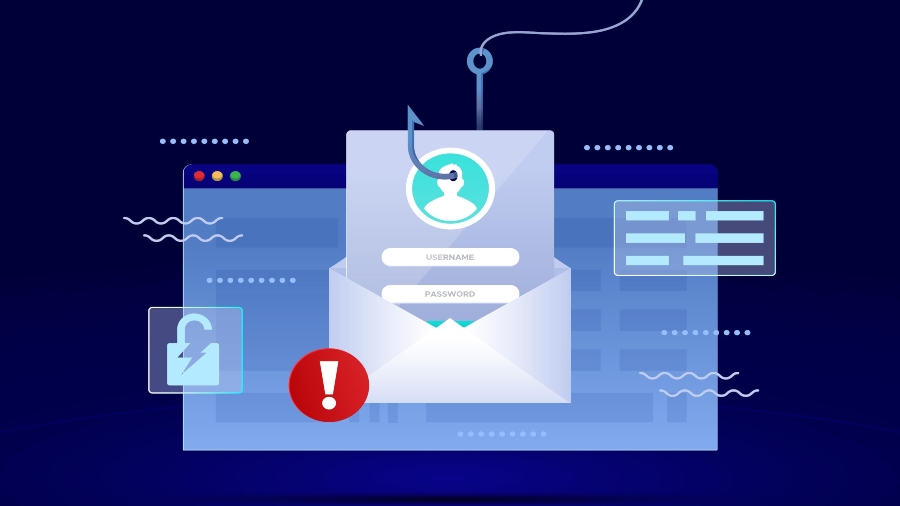
Rank 14625Experts warn AI-written phishing emails look polished and bypass traditional email filtersPolymorphic attacks shift constantly to evade detection in real time Business email compromise scams now mimic executives with near-perfect formatting
We’ve said it before, and we’ll say it again. Artificial Intelligence is changing the face of cybercrime, and phishing is one area where it's hitting the hardest.New data from security firm Cofense has warned AI-powered phishing campaigns are not only more frequent but also far more convincing than ever before.These emails are cleaner, more polished, and tailored to fool even more cautious users, and with generative AI tools now accessible to nearly anyone, threat actors are scaling their operations at a rate that many businesses simply can’t keep up with.
(Image credit: Cofense)
Highly evasive delivery system
In its latest threat intelligence report, The Rise of AI - A New Era of Phishing Threats, Cofense details how phishing tactics are evolving at a phenomenal rate.In 2024, the Cofense Phishing Defense Center detected one malicious email every 42 seconds, many of which slipped through legacy perimeter defenses.Email-based scams jumped 70% year-over-year, fueled by AI’s ability to mimic tone, spoof internal emails, and personalize messages with impressive accuracy.Messages now feature perfect grammar, accurate formatting, and realistic sender addresses. They often also impersonate C-suite executives, reply within existing email threads, and use lookalike domains such as “@consultant.com.”This shift toward business email compromise (BEC) has become a major threat. AI-generated content lacks the telltale signs that previously gave phishers away, such as typos, spelling mistakes and awkward phrasing, often clues that suggest English might not be the sender’s first language.Polymorphic phishing campaigns are another area of concern, according to Cofense. These constantly-changing attacks modify their content in real time to evade signature-based security tools. Subject lines, sender details, and text all shift dynamically, which makes detection with traditional filters all but impossible.Malware embedded in these emails has also evolved, Cofense reports, with over 40% of samples in 2024 being newly observed threats, many of them Remote Access Trojans (RATs).
How to stay safe
(Image credit: Shutterstock / MargJohnsonVA)
Scrutinize email content carefully: Be skeptical of emails involving financial actions, urgent requests, or out-of-place language, even if the formatting looks perfect.Verify internal requests: If an email claims to be from a coworker or executive, double-check using known contact methods before taking action.Don’t rely on appearance: AI-generated emails often look flawless, so focus on context, timing, and content rather than how “professional” it looks.Avoid clicking on links without verification: Hover over links to check their destination and avoid downloading files from unfamiliar or unexpected messages.Use security tools that go beyond the perimeter: Look for solutions that offer post-delivery analysis and threat response based on behavior, not just signatures.
You might also like
Stay protected with the best antivirus tools aroundWe've also rounded up the best free antivirus solutionsJapanese businesses are being bombarded with millions of phishing messages
-

Picture from cdn.mos.cms.futurecdn.net
Rank 14626If the rumors are to be believed, we are creeping closer to the launch of the Samsung Galaxy Z Fold 7, likely happening in July once we get past the launch of the Galaxy S25 Edge, which is very likely to make an appearance at a Galaxy Unpacked event on May 12.As is the case with a lot of the best phones these days, the changes expected for the next-generation Galaxy foldable phone are set to be somewhat incremental: a specs boost, an improved main camera, potentially improved battery life, and maybe a few nips and tucks to the design. Not a bad suite of upgrades, but it’s almost certainly the classic story of evolution over revolution.Now this isn't necessarily bad news. I’ve used a couple of generations of Galaxy Fold phones and rather like what they offer. I currently have a Galaxy Z Fold 4 on my desk as I write this, and genuinely enjoy using it as a secondary phone; afraid I’m still an iPhone 16 Pro Max user despite how boringly good Apple’s phones are and me missing the quirks of Android.So there’s arguably not a lot to get excited about with the next-generation Fold; it’ll almost certainly be a contender for a high spot on our best foldable phones list, but it may not be a phone I’d lust after.Unless artificial intelligence is at its core.
Aim high with AI
(Image credit: Future | Alex Walker-Todd)
Now I’m not a 100% generative AI convert, so my flirtations with Galaxy AI, ChatGPT, Google Gemini, and so on have been sporadic. But I do appreciate how AI can make my smartphone life easier. However, outside of the Google Pixel 9 series, I think AI hasn’t been well baked into smartphones; Apple Intelligence being a notably messy launch and integration, especially from a company that’s usually so good at slick software.As Senior Editor Philip Berne noted in his Samsung Galaxy S25 Ultra review, Galaxy AI has improved over the past 12 months, but still has scope to better integrate into the overall phone experience. And while Galaxy AI is evolving, it still feels like it has some way to go to be genuinely useful on a daily basis.My hope is that Samsung knows this and, with the Galaxy Z Fold 7 and Galaxy Z Flip 7, the AI tools and experience are given an overhaul. I especially think this could be the key to getting more out of the extra screen space foldable phones offer.For example, when it comes to slick multitasking and having multiple apps and windows open on the display of a Fold phone, I find it a thoroughly awkward and borderline irritating experience to get everything sized correctly and neatly positioned. So I’d love for Galaxy AI to be integrated into One UI so that it can figure out how I want my multitasking display to look, or at least serve up options.I’d also like to see some form of AI upscaling or clever resizing of videos to better fit the esoteric aspect ratios of Fold main displays, to make what I’m watching on the screen without cropping in.In short, I don’t want to hear more about how Galaxy AI can totally rework photos or better organize the Photos app, but I do want to hear how AI can help me get more out of solid foldable phone hardware and let me do more at speed.Ultimately, I want AI on all sorts of phones to go this way, but I reckon the most potential is on the foldable front; what do you think? Let me know in the comments.
You might also like
The Samsung Galaxy Z Fold 7 edges closer – 5 new things we've learned, according to the latest rumorsWith the Galaxy Z Fold 7, Samsung might have finally stopped treading waterThe Samsung Galaxy Z Fold 7 could be in line for a Galaxy S25 Ultra-level camera upgrade
-
Picture from o.aolcdn.com
Rank 14627As first reported by 9to5Mac, PS5 users now have a direct way to buy games in the PlayStation store with Apple Pay. When you purchase a game on your PS5 with Apple Pay, you'll be shown a QR code that you can scan with your iPhone or iPad to complete the transaction from there.
Previously, PS5 users had to go through the console's browser or the PlayStation App on iOS to buy games with Apple Pay. The latest update is a simple quality of life upgrade for PS5 owners since most already have a credit card tied to their PlayStation account. However, Apple Card owners can more easily take advantage of their 2 percent cash back on Apple Pay purchases when buying PS5 games.
Besides using a traditional card on file, Apple Pay joins PayPal as an alternative payment method. The Apple Pay compatibility on the PS5 was made possible through an iOS 18 update that allows users to buy things on third-party browsers like Chrome and Firefox with a unique QR code. This change lays the groundwork for more Apple Pay implementation with other browsers and devices, including support for the PS4 in a later software update, as indicated by 9to5Mac.This article originally appeared on Engadget at https://www.engadget.com/gaming/playstation/your-ps5-now-natively-accepts-apple-pay-193606732.html?src=rss
-

Picture from ichef.bbci.co.uk
Rank 14628 -

Picture from ichef.bbci.co.uk
Rank 14629 -
Picture from o.aolcdn.com
Rank 14630The Federal Trade Commission has delayed the start of a rule that aims to make the process of canceling subscriptions less of a nightmare. Last year, the FTC voted to ratify amendments to a regulation known as the Negative Option Rule, adding a new "click-to-cancel" rule that requires companies to be upfront about the terms of subscription signups and prohibits them "from making it any more difficult for consumers to cancel than it was to sign up." Surprising no one, telecom companies were not happy, and sued the FTC. While the rule was nevertheless set to be implemented on May 14, the FTC now says enforcement has been pushed back 60 days to July 14.
Some parts of the updated Negative Option Rule went into effect on January 19, but the enforcement of certain provisions were deferred to May 14 by the previous administration to give companies more time to comply. Under the new administration, the FTC says it has "conducted a fresh assessment of the burdens that forcing compliance by this date would impose" and decided it "insufficiently accounted for the complexity of compliance."
Once the July 14 deadline hits, the FTC says "regulated entities must be in compliance with the whole of the Rule because the Commission will begin enforcing it." But, the statement adds, "if that enforcement experience exposes problems with the Rule, the Commission is open to amending" it. This article originally appeared on Engadget at https://www.engadget.com/big-tech/ftc-pushes-the-enforcement-of-its-click-to-cancel-rule-back-to-july-201353413.html?src=rss
-

Picture from ichef.bbci.co.uk
Rank 14631 -

Picture from ichef.bbci.co.uk
Rank 14632 -

Picture from ichef.bbci.co.uk
Rank 14633 -

Picture from ichef.bbci.co.uk
Rank 14634 -
Picture from cdn.mos.cms.futurecdn.net
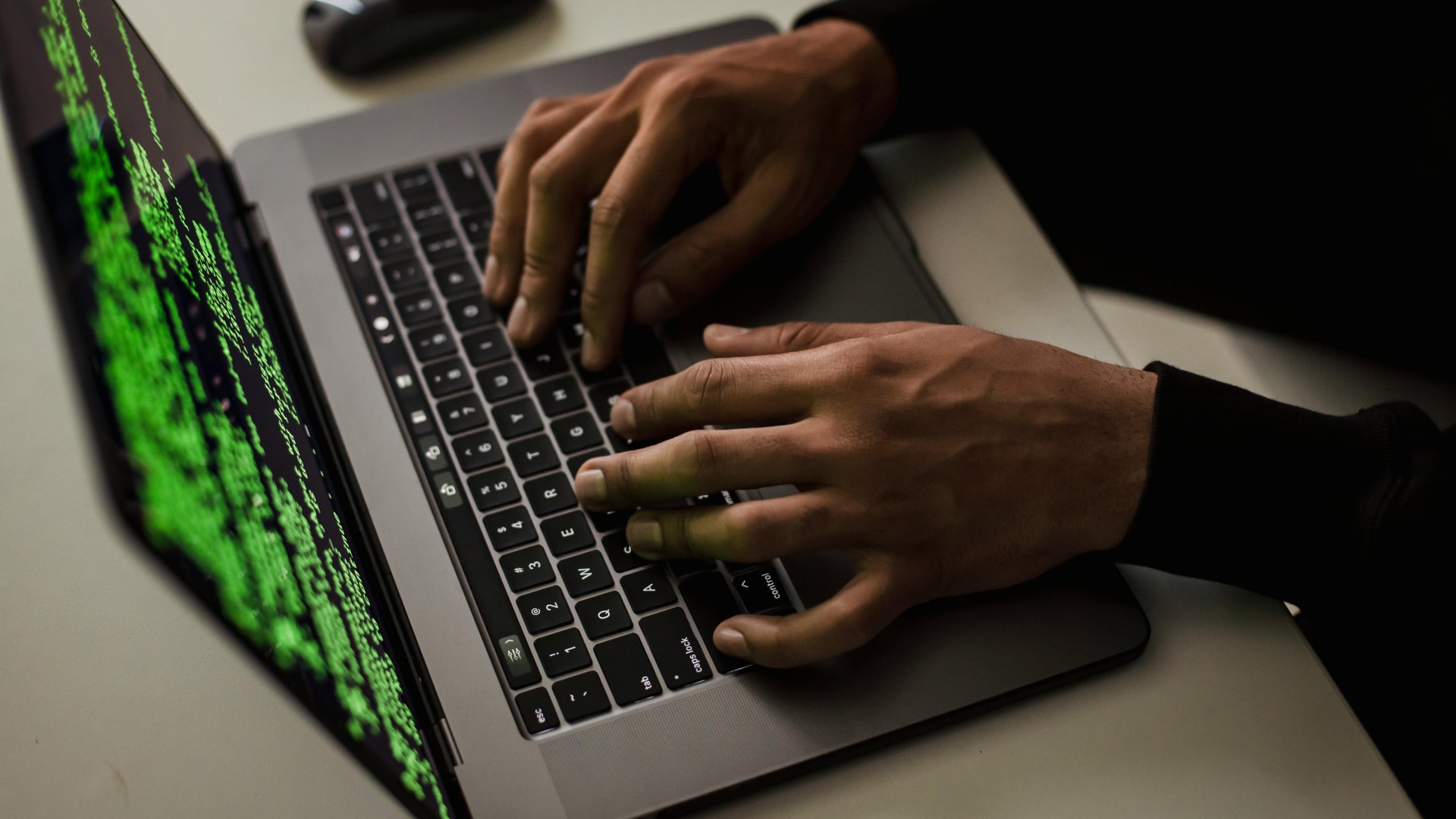
Rank 14635Bypasses email gateways and security tools by never hitting a real serverBlob URIs mean phishing content isn’t hosted online, so filters never see it comingNo weird URLs, no dodgy domains, just silent theft from a fake Microsoft login page
Security researchers have uncovered a series of phishing campaigns that use a rarely exploited technique to steal login credentials, even when those credentials are protected by encryption.New research from Cofense warns the method relies on blob URIs, a browser feature designed to display temporary local content, and cybercriminals are now abusing this feature to deliver phishing pages.Blob URIs are created and accessed entirely within a user's browser, meaning the phishing content never exists on a public-facing server. This makes it extremely difficult for even the most advanced endpoint protection systems to detect.
A hidden technique that slips past defenses
In these campaigns, the phishing process begins with an email that easily bypasses Secure Email Gateways (SEGs). These emails typically contain a link to what appears to be a legitimate page, often hosted on trusted domains such as Microsoft’s OneDrive.However, this initial page doesn’t host the phishing content directly. Instead, it acts as an intermediary, silently loading a threat-actor-controlled HTML file that decodes into a blob URI.The result is a fake login page rendered within the victim’s browser, designed to closely mimic Microsoft’s sign-in portal.To the victim, nothing seems out of place - no strange URLs or obvious signs of fraud - just a prompt to log in to view a secure message or access a document. Once they click ‘Sign in,’ the page redirects to another attacker-controlled HTML file, which generates a local blob URI that displays the spoofed login page.Because blob URIs operate entirely within the browser’s memory and are inaccessible from outside the session, traditional security tools are unable to scan or block the content.“This method makes detection and analysis especially tricky,” said Jacob Malimban of the Cofense Intelligence Team.“The phishing page is created and rendered locally using a blob URI. It’s not hosted online, so it can’t be scanned or blocked in the usual way.”Credentials entered on the spoofed page are silently exfiltrated to a remote threat actor endpoint, leaving the victim unaware.AI-based security filters also struggle to catch these attacks, as blob URIs are rarely used maliciously and may not be well-represented in training data. Researchers warn that unless detection methods evolve, this technique is likely to gain traction among attackers.To defend against such threats, organizations are urged to adopt advanced Firewall-as-a-Service (FWAAS) and Zero Trust Network Access (ZTNA) solutions that can help secure access and flag suspicious login activity.
You might also like
These are the best business laptops available to buy right nowAnd you should take a look at the best office chairs we've triedRansomware hackers target a new Windows security flaw to hit businesses
-

Picture from techcrunch.com
Rank 14636 -

Picture from ichef.bbci.co.uk
Rank 14637 -

Picture from ichef.bbci.co.uk
Rank 14638 -
Picture from ichef.bbci.co.uk
Rank 14639 -

Picture from ichef.bbci.co.uk
Rank 14640 -

Picture from ichef.bbci.co.uk
Rank 14641 -
Picture from ichef.bbci.co.uk
Rank 14642 -
Picture from cdn.mos.cms.futurecdn.net
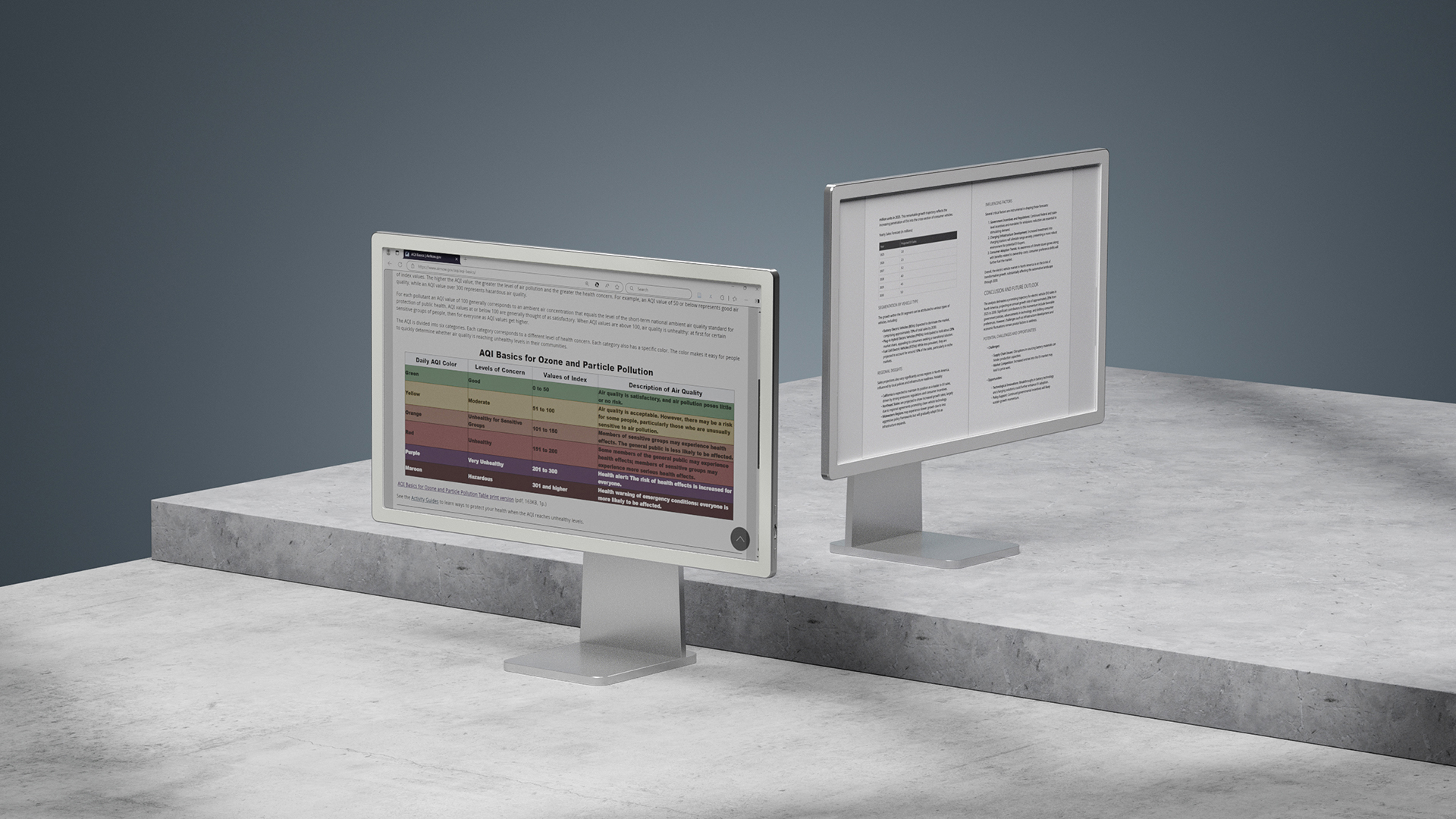
Rank 14643Boox, the maker of some of the best ereaders and E Ink writing tablets, has just announced its first ever color PC monitor. Called the Boox Mira Pro, it uses a 25.3-inch E Ink Kaleido 3 display that emulates the look of paper – a screen technology that's already in use in several popular ereaders, including the Kindle Colorsoft and the Kobo Libra Colour.Like ereaders, the Mira Pro is front lit rather than having backlighting like on LCD screens, with the ability to adjust both brightness and the light temperature (warm or cold). There's also a dedicated refresh button to minimize ghosting which can be a major problem on e-paper displays. This paper-like panel will also reduce reflections and glare.To bolster its monitor credentials, the Mira Pro also features a pair of built-in speakers and five ports, including USB-C, HDMI, mini HDMI and DisplayPort. You can also get a Mira Pro version to support the operating system you use, whether that's Windows, Mac or Linux.That's about it for the Mira Pro's main credentials, which is essentially a color version of the black-and-white Boox Mira that was launched in 2023.
(Image credit: Onyx Boox)
An easy read
I'm a huge proponent of ereaders because of the E Ink screens they use, whether in grayscale or color. For avid readers like me, they're 'easy on the eyes', allowing you to read right until bedtime. So wouldn't it be nice if there was a capable E Ink PC monitor that didn't strain the eyes as much for the approximately eight hours I spend working?As a photographer, I wouldn't use an E Ink screen to edit my photos as the colors would be too soft and unsaturated, but I can absolutely see it fitting into my workflow in the office, which is predominantly as an editor of articles for TechRadar. It would replace the aging 24-inch Dell monitor I currently have set up in the vertical orientation specifically for editing articles because it has major viewing-angle issues.Checking drafts written in a Google Document by one of the writers on my team would be fantastic on an E Ink display. I've already tried doing so on an E Ink screen, albeit on the 10-inch one on the Boox Go 10.3 as it allows me to log into my Google Drive account. However, it's not the easiest device to type on (and I can't write on Google Docs on it), so a dedicated monitor that seamlessly connects with my MacBook and other peripherals would be nice indeed.
(Image credit: Onyx Boox)
Got any spare change?
It's the limited use of an E Ink display that has me questioning its launch price of $1,899.99 / AU$2, 499 (about £1,400). I'm also a little concerned with how well the E Ink Kaleido 3 display on the Mira Pro might have been optimized to display the 4,096 colors in its palette.While color Boox ereaders are good – and I've tested many of them – I think Kobo has done a better job of making full use of the Kaleido 3 tech. So while the Mira Pro might be just enough for my specific use case, I suspect other users would find it lacking.Moreover, based on my previous experience with Boox ereaders (color or monochrome), the company hasn't always been able to minimize ghosting – except on the Boox Palma – despite offering multiple refresh rates that can be applied on a per-application basis. Would the refresh button be any better? Well, I can't say for sure as I've not tried either the Mira or the Mira Pro.As high as the price might seem, particularly taking into consideration the limitations of such a screen, it does seem to be kinda, sorta on par with ereader prices. For example, 10-inch monochrome E Ink writing tablets like the 2024 Kindle Scribe and the reMarkable 2 sell for upwards of $400 / £370 / AU$600, while the color reMarkable Paper Pro (which uses a custom version of the newer E Ink Gallery 3 technology) will set you back $579 / £559 / AU$929 with the basic Marker. Extrapolate these prices for a 25-inch display and throw in the cost of the stand and I can see why it's priced so high.And customers in the US will need to also take into consideration any potential tariffs, so expect to pay more than the listed launch price.Despite the high price, I'd be very excited to have something like that on my desk.
You might also like...
Forget E Ink – take a look at the best monitors available right nowWorking on the go? Perhaps one of the best portable monitors will suit you betterThese are the best Kindles if you just want an ereader
-

Picture from ichef.bbci.co.uk
Rank 14644 -

Picture from ichef.bbci.co.uk
Rank 14645 -

Picture from ichef.bbci.co.uk
Rank 14646 -

Picture from ichef.bbci.co.uk
Rank 14647 -

Picture from ichef.bbci.co.uk
Rank 14648 -

Picture from ichef.bbci.co.uk
Rank 14649 -

Picture from ichef.bbci.co.uk
Rank 14650


