News
This constantly updated list features the latest and most important news articles, ranked in order of significance. The top stories highlight major developments, breaking news, and critical updates across various topics, ensuring you stay informed about the most pressing issues. As new articles are added, the list adapts to reflect the latest priorities, keeping the most impactful stories at the forefront. Whether it’s global events, technology breakthroughs, or industry trends, this dynamic list ensures you always have access to the most relevant and timely information.
-
Picture from ichef.bbci.co.uk
Rank 13451 -
Picture from o.aolcdn.com
Rank 13452Nintendo Switch 2 pre-orders are technically open, but you may have a tough time grabbing the console before its June 5 release date if you haven't secured one already. As of our latest sweep, the device is still completely out of stock at Walmart, GameStop, Best Buy, Target and other retailers. This has (mostly) been the case since pre-orders first went live in the US on April 24, and it remains unclear when it'll change.
Right now, your best hope might be to order through Nintendo itself, as the console maker is set to start accepting pre-orders at its My Nintendo Store on Thursday, May 8. That said, the company is only offering the Switch 2 through an invite system. It's been accepting registrations for that since April 2, and it's prioritizing invites for past Switch players and Switch Online subscribers first. So if you're just registering today, don't be surprised if your invite doesn't arrive until some time after the initial batch. Nintendo even updated the language on its pre-order page last month to note that some invite emails may not arrive until after the console's release date.
Nevertheless, we're keeping an eye out for any surprise restocks that may pop up. If you're still hoping to get your hands on the device early, we've rounded up all the Switch 2 pre-order listings we could find for easy access and broken down what you should know about buying the console below.
How to pre-order the Nintendo Switch 2
After an two-week delay, Nintendo finally kicked off Switch 2 pre-orders in the US and Canada at midnight ET on April 24. A couple of (technically messy) hours later, stock at third-party retailers such as Walmart, Target and Best Buy promptly sold out. GameStop began taking pre-orders online and in-store at 11am ET that morning but quickly met the same fate. Some eagle-eyed buyers were reportedly able to pre-order through Walmart as late as April 26, but as of this writing, the console remains either sold out or listed as "coming soon" at each of the stores above.
We assume the Switch 2 will be available from Amazon in the future, but it's not today, and there's been no indication as to when that might change. (Even before the Switch 2 was unveiled, stock of the original Nintendo Switch and first-party Switch games had been limited on Amazon for several months in the US.) Other membership-based stores like Costco and Sam's Club have posted Switch 2 listings as well, but we haven't seen anything to suggest they will accept pre-orders. Newegg also has a Switch 2 page but isn't offering an option to buy.
As noted above, we recommend signing up via Nintendo's website if you haven't yet. It's free to register and you'll eventually get an email that lets you order the console, even if you have to wait until after the June 5 launch day. Just note that Nintendo is prioritizing invites "on a first-come, first-served basis" to those who've paid for its Switch Online service for at least 12 months and logged at least 50 hours of total Switch play time as of April 2, 2025. (For the latter, you'll need to have opted into sharing gameplay data with Nintendo, which you can confirm in your account's privacy settings.) Nintendo says it'll send invites to other registrants after those who meet this "priority criteria" receive their emails. Once you receive an invite, you'll have 72 hours to make your purchase.
If you're desperate to catch a restock, it's a good idea to create free accounts with each of the retailers above and ensure all of your shipping and billing info is up to date. Downloading each store's mobile app and signing up for notifications may help too, though that could get annoying fairly quickly.
Pre-order Nintendo Switch 2
Nintendo
Walmart
GameStop
Best Buy
Target
Amazon*
Pre-order Nintendo Switch 2 + Mario Kart World bundle
Nintendo
Walmart
GameStop
Best Buy
Target
Amazon*
*As of 11:55am ET on Monday, May 5, Amazon has not listed either Switch 2 console package for sale. We will update this article with direct links if they arrive; until then, we're linking to the site's Nintendo-focused hub.
How to pre-order Switch 2 accessories and games
Naturally, there are several Switch 2 accessories and games up for pre-order separately. While Nintendo didn't adjust the console's pricing upon announcing its revised pre-order date, it did raise the cost of several accessories. The new Switch 2 camera, for one, now costs $55 instead of its original $50, while the new Switch 2 Pro Controller costs $85 instead of $80. An extra set of Joy-Con 2 controllers is up to $95 from $90, and the official Joy-Con Charging Grip now costs $40 instead of $35. You can check out Nintendo's official statement from April 18 for all of these price adjustments.
Most (but not all) of those accessories are still up for grabs at one or two retailers at a minimum, but stock has become spottier since their initial pre-order date. Upcoming Switch 2 games like Mario Kart World and Donkey Kong Bananza, meanwhile, remain widely available.
Mario Kart World for $80
Nintendo
Walmart
GameStop
Best Buy
Target
Amazon*
Donkey Kong Bananza for $70
Nintendo
Walmart
GameStop
Best Buy
Target
Amazon*
Additional Switch 2 games
Nintendo
Walmart
GameStop
Best Buy
Target
Amazon
Samsung microSD Express Card (256GB) for Nintendo Switch 2 for $60
Nintendo
Walmart
GameStop
Best Buy
Target
Amazon
Joy-Con 2 bundle for $95
Nintendo
Walmart
GameStop
Best Buy
Target
Amazon*
Switch 2 Pro Controller for $85
Nintendo
Walmart
GameStop
Best Buy
Target
Amazon*
Switch 2 Camera for $55
Nintendo
Walmart
GameStop
Best Buy
Target
Amazon*
Hori Nintendo Switch 2 Piranha Plant Camera for $60
Best Buy
Target
Amazon
Joy-Con 2 Charging Grip for $40
Nintendo
Walmart
GameStop
Best Buy
Target
Amazon*
Joy-Con 2 Wheels (set of 2) for $25
Nintendo
Walmart
GameStop
Best Buy
Target
Amazon*
Switch 2 All-in-One Carrying Case for $85
Nintendo
Walmart
GameStop
Best Buy
Target
Amazon*
*As of 11:55am ET on Monday, May 5, Amazon has not listed any first-party Switch 2 accessories or games for sale. (Some third-party devices and games are listed, however.) We'll update this article with direct links if they arrive; until then, we're linking to the site's Nintendo-focused hub.
More Switch 2 details
We knew from its initial teaser trailer that the Switch 2 would be bigger than the original and take a new approach to the detachable Joy-Cons. The new controllers now attach magnetically and include a C button, mouse controls, plus a built-in gyroscope for tilt control. The device itself is indeed larger, with a 7.9-inch LCD screen that supports a 120Hz refresh rate (with VRR), HDR10 and a 1080p resolution. The hardware also has a built-in mic to support a new feature called GameChat that'll let you communicate with friends in-game. Nintendo says that service will be free to all Switch 2 users until March 31, 2026, at which point it'll require a Switch Online membership.
When docked, you'll be able to play at up to 4K on your TV, and Nintendo says it's improved the consoles internal speakers as well. The new dock has a built-in fan to keep the console cool and help maintain performance during long play sessions. The Switch 2 has dual USB-C ports for charging, and the internal storage amount has jumped from 32GB to 256GB. The Switch 2's storage can be expanded as before, but it'll only work with newer (and more expensive) microSD Express cards. As seen in the recent 20.0.0 update for the original Switch, the upcoming console will also utilize Nintendo's new Virtual Game Card system for lending digital games across systems, as well as a GameShare feature that lets you share select titles locally with just one copy of a game.
Tariffs and the Nintendo Switch 2
During its most recent Direct presentation at the start of April, Nintendo showed off more of the Switch 2 than it ever had before. That included the reveal of the April 9 pre-order opening date, in addition to the original $450 starting price. Shortly after, President Trump announced sweeping tariffs on China and other countries, prompting Nintendo to delay pre-orders in the US and Canada.
In a reversal, President Trump later announced a 90-day pause on steep tariffs affecting 75 countries, but also announced that the tariff imposed on China will go up even further (right now, it sits at 145 percent).
We now know that the original $450 price for the Switch 2 will remain the same in the US and Canada, but based on its official statement, it appears Nintendo is leaving the door open for potential future price increases.
We also know that Nintendo started moving some of its Switch console manufacturing to Vietnam in 2019. The increased tariff for Vietnam was set to be 46 percent, but that's temporarily on hold in favor of a 10 percent tariff that’s in effect for the 90-day pause period.
It has been speculated that Nintendo will boost production of Switch 2 consoles in Vietnam so it can stay on schedule, even if it sells the console at a loss in the short term. It appears the company will have to seriously ramp up production to keep up with Switch 2 demand: According to Nintendo, 2.2 million people entered the pre-order lottery in Japan alone, which is far more devices than it is expected to deliver in that region on launch day.
This article originally appeared on Engadget at https://www.engadget.com/gaming/nintendo/nintendo-switch-2-pre-orders-the-latest-updates-on-restocks-from-retailers-like-walmart-gamestop-target-and-best-buy-140931706.html?src=rss
-

Picture from cdn.mos.cms.futurecdn.net
Rank 13453Andor season 2 is halfway through its 12-episode run, so one of the best, if not the best, Star Wars TV shows doesn't have much road left to run.Nonetheless, there are six more episodes to enjoy this week and next. You'll want to know when you can watch them.Below, I'll reveal the launch date and time for episodes 7, 8, and 9 of Andor's second and final season. There's also a full release schedule before the end of this piece, too, which will show you when the final three installments will arrive.
What time are episodes 7 to 9 of Andor season 2 released in the US?
Star Wars fans are ready to witness one of Mon Mothma's most iconic moments in season 2 act 3 (Image credit: Lucasfilm/Disney+)
US fans of Lucasfilm's iconic galaxy far, far away can tune into Disney+ for three new episodes on Tuesday, May 6 at 6pm PT / 9pm ET. That's the same time the previous six entries dropped on one of the world's best streaming services.All three episodes will be released at the same time, too, so you can stream them back-to-back-to-back if you so desire.
When can I watch Andor season 2 episodes 7 to 9 in the UK?
Dedra will personally oversee events that transpire in this batch of episodes (Image credit: Lucasfilm/Disney+)
Andor season 2's next act will be available on Disney+ UK on Wednesday, May 7 at 2am BST.If you don't plan to stay up until then or set an alarm to wake up and stream as soon as they're released, you'll want to mute certain hashtags or phrases on social media.As I noted in my spoiler-free review of Andor season 2, I've seen all 12 episodes. So, believe me when I say this: you don't want someone ruining the next three episodes' most significant moments on X, Instagram, and more before viewing them.
What date will the next three episodes of Andor season 2 be available in Australia?
Ghorman takes center stage in episodes 7, 8, and 9 (Image credit: Lucasfilm/Disney+)
Andor season 2's penultimate batch of episodes will be released Down Under on Wednesday, May 7 at 11am AEST.Like your British counterparts, you'll want to stay off social media, or mute any words or hashtags relating to Star Wars and Andor if you won't be watching them as soon as they air. That way, you'll preserve the biggest surprises for one of the best Disney+ shows' next three chapters.
When will new episodes of Andor season 2 come out on Disney+?
As I've mentioned a couple of times in this article, there are only three more entries of one of 2025's new Star Wars TV shows. So, read on to find out when chapters 10, 11, and 12 will launch on Disney+ wherever you live.
Andor season 2 episode 1 – out nowAndor season 2 episode 2 – out nowAndor season 2 episode 3 – out nowAndor season 2 episode 4 – out nowAndor season 2 episode 5 – out nowAndor season 2 episode 6 – out nowAndor season 2 episode 7 – May 6 (US); May 7 (UK and Australia)Andor season 2 episode 8 – May 6 (US); May 7 (UK and Australia)Andor season 2 episode 9 – May 6 (US); May 7 (UK and Australia)Andor season 2 episode 10 – May 13 (US); May 14 (UK and Australia)Andor season 2 episode 11 – May 13 (US); May 14 (UK and Australia)Andor season 2 episode 12 – May 13 (US); May 14 (UK and Australia)
You might also like
Find out how to watch the Star Wars movies in order'You see the sparkle in her eye again': Andor star Adria Arjona on Bix's cathartic tale of revenge in season 2 episode 6 of the Star Wars show'Nothing else to live for': Andor season 2 star Faye Marsay breaks down episode 6's soul-crushing moment for Vel in the hit Star Wars show
-

Picture from techcrunch.com
Rank 13454 -

Picture from techcrunch.com
Rank 13455 -

Picture from cdn.mos.cms.futurecdn.net
Rank 13456Sansec found 21 Magento extensions with malicious codeThe extensions belong to three companies, who claim everything's in orderUsers are advised to take immediate action
Hundreds of ecommerce websites, including at least one major player, behemoth, have been compromised after poisoned Magento extensions woke up from a six-year slumber.Cybersecurity researchers Sansec discovered the supply chain attack after one of its clients was targeted, ultimately finding 21 backdoored Magento extensions, belonging to three companies: Tigren, Meetanshi, and MSG. Here are their names:Tigren AjaxsuiteTigren AjaxcartTigren AjaxloginTigren AjaxcompareTigren AjaxwishlistTigren MultiCODMeetanshi ImageCleanMeetanshi CookieNoticeMeetanshi FlatshippingMeetanshi FacebookChatMeetanshi CurrencySwitcherMeetanshi DeferJSMGS LookbookMGS StoreLocatorMGS BrandMGS GDPRMGS PortfolioMGS PopupMGS DeliveryTimeMGS ProductTabsMGS Blog
Get Keeper Personal for just $1.67/month, Keeper Family for just $3.54/month, and Keeper Business for just $7/monthKeeper is a cybersecurity platform primarily known for its password manager and digital vault, designed to help individuals, families, and businesses securely store and manage passwords, sensitive files, and other private data. It uses zero-knowledge encryption and offers features like two-factor authentication, dark web monitoring, secure file storage, and breach alerts to protect against cyber threats.Preferred partner (What does this mean?)View Deal
The long con
The company says some of the extensions were backdoored back in 2019. According to CyberInsider, the extensions were distributed via the vendors' official download servers, which were “breached at some point”.However, the attackers only activated the malicious code in April 2025. In the meantime, hundreds of ecommerce websites installed them, which resulted in the compromise of roughly 500 - 1,000 websites, including one owned by a $40 billion multinational corporation.Sansec says that the attackers added a PHP backdoor to the license check file of all of the extensions, which allowed the threat actors to execute arbitrary PHP code remotely.This granted them control over affected stores, compromising sensitive customer data and financial transactions in the process.The researchers said they reached out to the three vendors with their findings, but got mixed responses.Tigren denied having been breached and is allegedly still serving backdoored extensions, while Meetanshi confirmed having been breached but denied experiencing an extension compromise.Finally, MGS did not even respond to Sansec’s inquiries, even though BleepingComputer confirmed the backdoor in at least one extension that’s currently on offer, for free, on the company website.If you’re running a Magento store with any of the above-mentioned extensions, you should act immediately and secure your assets.Via BleepingComputer
You might also like
Ecommerce sites targeted by Magento payment system hackTake a look at our guide to the best authenticator appWe've rounded up the best password managers
-

Picture from techcrunch.com
Rank 13457 -

Picture from ichef.bbci.co.uk
Rank 13458 -

Picture from ichef.bbci.co.uk
Rank 13459 -

Picture from techcrunch.com
Rank 13460 -

Picture from ichef.bbci.co.uk
Rank 13461 -

Picture from ichef.bbci.co.uk
Rank 13462 -
Picture from techcrunch.com
Rank 13463 -

Picture from techcrunch.com
Rank 13464 -

Picture from techcrunch.com
Rank 13465 -

Picture from ichef.bbci.co.uk
Rank 13466 -

Picture from techcrunch.com
Rank 13467 -

Picture from ichef.bbci.co.uk
Rank 13468 -

Picture from cdn.mos.cms.futurecdn.net
Rank 13469When it comes to beginner-friendly hosting providers, Hostinger and SiteGround are often mentioned as worthy contenders and are both among the best web hosting providers. Both providers offer affordable plans, and have everything you need to create, launch, and manage websites with absolute ease.But which one is better for your needs? Based on our tests, Hostinger is more suitable for beginners who are looking for affordability and ease of use. While SiteGround is a better choice if you need servers that can deliver a bit more power and a stronger global presence.Keep reading to find the head-to-head comparison between Hostinger vs SiteGround in terms of pricing, ease of use, features, perfomance, and support.
ExclusiveHostinger free website hosting offer: $31.08 $0TechRadar Pro exclusive: Get everything you need to put your business online with a WordPress friendly web hosting package that comes with 100GB of SSD storage, unlimited bandwidth and a free domain name. Grab a full refund in Amazon vouchers when you purchase Hostinger’s single shared hosting package. Terms and conditions apply. *Initial purchase required View Deal
SiteGround provides easy website managementPerfect for more demanding websites, SiteGround's GrowBig plan includes 20GB of storage space, supports 100K monthly visits, free SSL and email, daily backup, and more. The plan is plan is $4.99/mo for first time buyers for 12 months and then $29.99/mo. View Deal
Hostinger vs SiteGround: Main similarities
If you have zero experience in anything related to making and hosting websites, Hostinger and SiteGround are great choices. For Hostinger the AI tools make building and managing a site easy and SiteGround manage servers exceptionally well helping the less tech savvy get high performing websites.Both Hostinger and SiteGround come with very similar features. Although not the same on every plan, both offer a CDN, email, SSL, a free domain, backups, and pretty much everything else. From this aspect the hosts are basically the same. One difference is that SiteGround allow you to host one site in multiple datacenters around the world from one account and its infrastructure is entirely based on Google Cloud servers.Both providers have great 24/7 customer support via live chat and email to ensure help is always available whenever you need it. SiteGround also has phone support, but it’s not available for complex issues that require heavy troubleshooting.In terms of performance, our testing shows that there isn't much between Hostinger's Premium plan and SiteGround's StartUp plan. When you start getting looking at the higher end plans like SiteGround's GrowBig and GoGeek SiteGround's performance to cost starts to show more worth.
Hostinger vs SiteGround: Price comparison
Let’s start with the most basic plans of each provider. Hostinger’s Premium web hosting plan costs $2.99/mo for 12 months and then renews at $11.99/mo.It supports 100 websites and includes a free domain name for the first year, free email accounts, unlimited SSL certificates, and automated weekly backups.In terms of resources, you’ll get unlimited bandwidth and 100GB SSD storage – enough to handle around 25,000 visitors per month.SiteGround's StartUp plan is more expensive. It costs $2.99/mo for 12 months and renews at $17.99/mo. The StartUp plan comes with free SSL, free email, and 10GB web space, but it only supports one website and 10,000 monthly visits.Although it does offer features that Hostinger’s Premium plan doesn’t, such as a free content delivery network (CDN) to speed up your website and automated daily backups instead of weekly.So, which plan should you get? If you’re just starting out, we strongly recommend Hostinger’s Premium package. You’ll get a lot more features and server resources for nearly half the cost of the StartUp plan. Yes, it doesn’t come with a CDN but at this point of your journey, a CDN shouldn't make much of a difference.Now, let’s compare the second level of plans.The Business plan costs $3.99/mo for 12 months and renews at $13.99/mo. In comparison, the GrowBig plan costs almost double at $6.99/mo for 12 months, with a renewal rate of $29.99/mo.Both Business and GrowBig plans support 100,000 visits per month and have pretty similar offerings, such as a free CDN, a WordPress staging tool, and daily and on-demand backups.However, SiteGround has the edge when it comes to caching and security features. The web host develops its own caching technology called SuperCacher and manages its own DDoS mitigation system. This allows SiteGround to deliver much faster page load times and better protection against online threats, making it the perfect choice for websites that handle a lot of traffic and customer data.VerdictHostinger’s plans are more affordable overall, but SiteGround offers more robust features for large-scale projects.
Hostinger vs SiteGround: Features
Hostinger’s web hosting solutions cater to beginners, personal bloggers, and small business owners who know nothing about website development. All plans include the easy drag-and-drop website builder, which allows you to create a website in mere minutes.If you prefer WordPress, Hostinger has also recently launched and AI website building tool for WordPress. All you have to do is describe your business or project, and wait a few seconds as AI brings your site to life.SiteGround also has a site builder, but it’s not as easy to use as the one Hostinger offers. Instead, SiteGround’s focus is to meet the needs of growing e-commerce stores and business sites.With its built-in caching mechanisms called SuperCacher, your site will not only load fast, but also has the ability to handle massive traffic spikes. If you’re running an online store, this will certainly come in handy during peak shopping seasons.SiteGround also offers strong security measures to protect your business and its customers against cyber attacks.Unlike Hostinger that uses Cloudflare for DDoS protection, SiteGround manages its own DDoS mitigation system. This gives SiteGround better control over the configuration, rules, and responses to attacks.The web host also provides a custom web application firewall (WAF), smart AI protection system, and automated daily backups with all plans. Hostinger only offers daily backups on Business plans and above.Verdict: If you’re a beginner, Hostinger is the clearly better option. But once your site grows, consider migrating to SiteGround for better performance and security.
Hostinger vs SiteGround: Account Setup
Setting up a hosting account at Hostinger is quick and easy. You just need to pick a plan, choose a subscription period, create an account, fill out your billing address, and proceed to payment.After completing the order, you will be taken straight to hPanel—Hostinger’s custom control panel—to finish the onboarding process. Once done, you can easily manage your hosting account from the hPanel dashboard.SiteGround also offers an equally easy setup experience. After selecting a plan, you’ll be asked to connect your domain or register a new one, and then review your order and complete the payment.Once successful, your login details will be sent via email. Use this information to access the SiteGround dashboard, create your website, and manage your account.
Hostinger vs SiteGround: Control panel
Hostinger cPanel (Image credit: Future)
As mentioned before, Hostinger has a custom control panel called hPanel, which is described as a more user-friendly version of cPanel. With clear menus like Websites, Domains, Emails, and Billing on the left sidebar, navigating to different sections feels seamless.SiteGround also has a custom panel called Site Tools which I think is less easy to use than hPanel. I found it harder to navigate, a little clittered, and got the feeling of being upsold to more often.Every website you create with SiteGround will have its own Site Tools, allowing you to perform tasks like creating email accounts, managing subdomains, backing up your site data, monitoring site traffic, and more.Verdict: Both Hostinger and SiteGround have moved away from cPanel and have their own panels with Hostinger's being better for beginners in my opinion.
Hostinger vs SiteGround: Website builder
Hostinger offers a drag-and-drop website builder with all of its plans. It comes with a suite of AI tools that make it easy for anyone to create, customize, and launch a website.With its AI website builder, you can simply generate a website from a single prompt, and then customize the content with AI Writer and AI Image Generator. You can also use AI Blog Generator to create blog posts and AI SEO Assistant to optimize your site for search engines.If you want to launch an online store, Hostinger Website Builder offers e-commerce features like AI-Powered Product Information Generation. All you have to do is upload your product image, and AI will create the perfect title, description, and label.SiteGround also has a free drag-and-drop website builder that requires no technical skills. It comes with responsive themes you can easily customize with the friendly site editor, as well as storefront themes and payment options for eCommerce sites.There’s also an AI Assistant that helps you write headlines, product descriptions, and website copy in no time. And if you’re short on images to use for your website, you can access over 6 million stock photos and graphics at no extra cost.Verdict: Both are equally easy-to-use, but Hostinger edges this thanks to its wide range of AI tools.
Hostinger vs SiteGround: Customer support
SiteGround customer support (Image credit: Future)
Hostinger’s 24/7 support line can be reached in several ways – live chat, email, and a ticketing system. The agents are fluent in 8 languages, including English, Arabic, French, Spanish, and Portuguese.Users are also encouraged to explore self-help channels like Hostinger Tutorials, Hostinger Academy (YouTube channel), and Hostinger Help Center.Likewise, SiteGround offers 24/7 support via live chat and helpdesk tickets, which is available in five languages: English, Spanish, Italian, German, and French. There are also phone support in English and self-help options like a smart AI chatbot and extensive knowledge base.One thing we like about SiteGround’s support is the auto support system. It recommends the best channel to use for your specific inquiry, taking into account factors like the complexity of your issue, the level of expertise on each channel, and the current agent load.For example, complex issues that require heavy troubleshooting from advanced technicians will go to the ticketing system instead of the phone channel, as it’s reserved for general and simpler questions. Unfortunately, it feels more like a barrier to support rather than something helpful.SiteGround's support also has a credit system that you can use for things outside of basic support tasks. This could be website migration, site optimization, or something else more technical. If you're a beginner it can be hard to find the right way into support without being directed to pay for additional credits. It's good that SiteGround have advanced support options but I think it could be more helpful if it was entirely separated from the support you get as standard.Verdict: Both providers have exceptional customer support but Hostinger's is more friendly for beginners and SiteGround's is more catered towards more advanced users.
Hostinger vs SiteGround: Verdict
For half the cost of SiteGround’s plans, Hostinger is a great choice for complete beginners who are just starting out. It offers an AI site builder that makes website building conveniently easy, and enough server resources and computing power to make your site run smoothly.But as your site scales, you'll need more robust hosting to handle increased traffic and protect sensitive customer data. At that point, migrating to SiteGround becomes a smart choice, as it offers more robust security features and in-house caching mechanisms built for speed. SiteGround also say that they're a lot more strict than other hosts in the amount of websites they allow on each shared server and the condition of the websites hosted on them. For example, you're obligated to update your site's requirements to the latest versions to ensure better speed and security.
-

Picture from ichef.bbci.co.uk
Rank 13470 -
Picture from cdn.mos.cms.futurecdn.net
Rank 13471Google claims its Ironwood TPU is 24x faster than the El Capitan supercomputerAn analyst says Google's performance comparison is “perfectly silly”Comparing AI systems and HPC machines is fine, but they serve different purposes
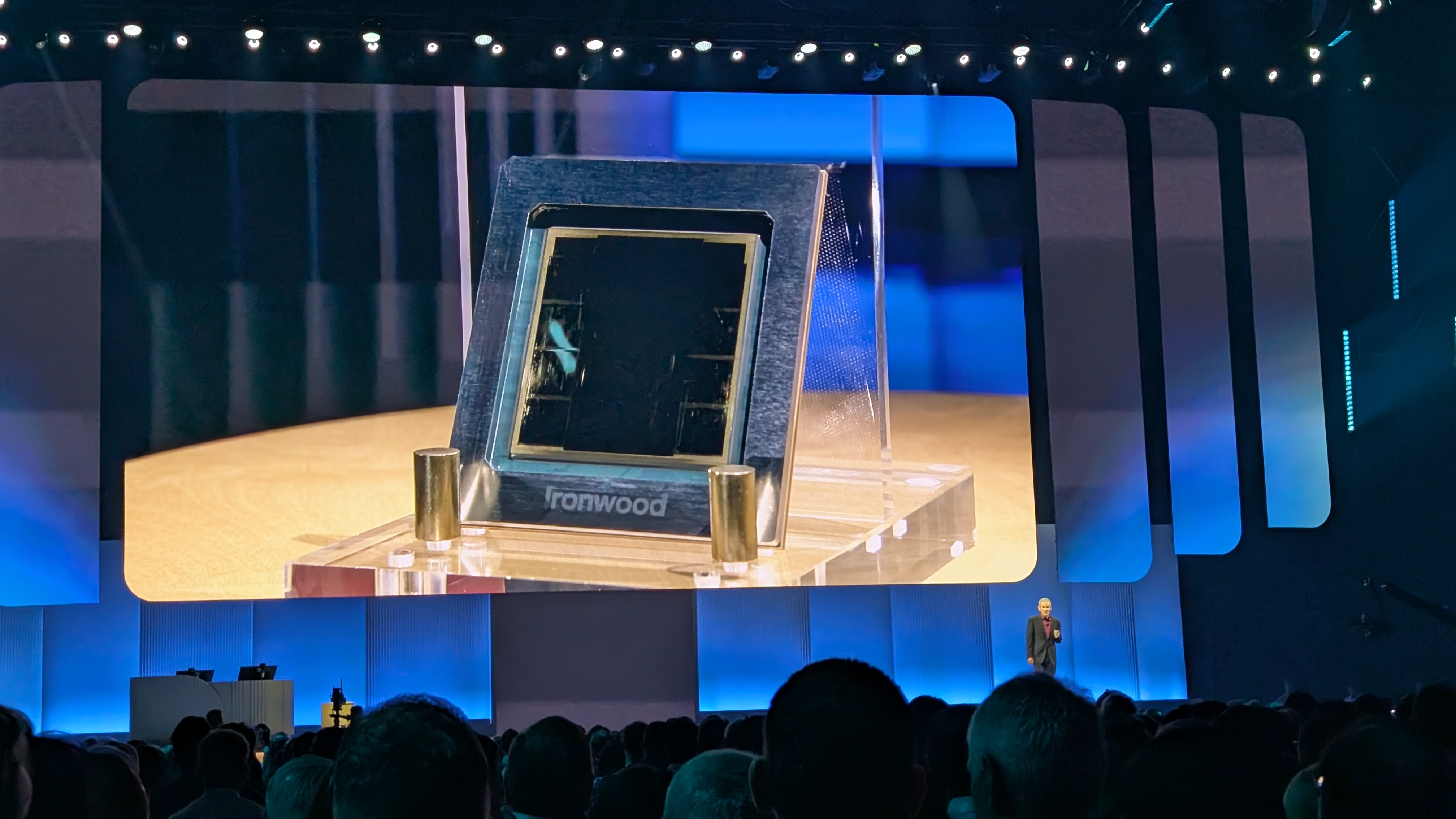
At the recent Google Cloud Next 2025 event, the tech giant claimed that its new Ironwood TPU v7p pod is 24 times faster than El Capitan, the exascale-class supercomputer at Lawrence Livermore National Laboratory.But Timothy Prickett Morgan of TheNextPlatform has dismissed the claim."Google is comparing the sustained performance of El Capitan with 44,544 AMD ‘Antares-A’ Instinct MI300A hybrid CPU-GPU compute engines running the High Performance LINPACK (HPL) benchmark at 64-bit floating point precision against the theoretical peak performance of an Ironwood pod with 9,216 of the TPU v7p compute engines," he wrote. "This is a perfectly silly comparison, and Google’s top brass not only should know better, but does."
24X the performance of El Capitan? Nope!
Prickett Morgan argues that while such comparisons are valid between AI systems and HPC machines, the two systems serve different purposes - El Capitan is optimized for high-precision simulations; the Ironwood pod is tailored to low-precision AI inference and training.What matters, he adds, is not just peak performance but cost. "High performance has to have the lowest cost possible, and no one gets better deals on HPC gear than the US government’s Department of Energy."Estimates from TheNextPlatform claim the Ironwood pod delivers 21.26 exaflops of FP16 and 42.52 exaflops of FP8 performance, costs $445 million to build and $1.1 billion to rent over three years. That results in a cost per teraflops of $21 (build) or $52 (rental).Meanwhile, El Capitan delivers 43.68 FP16 exaflops and 87.36 FP8 exaflops at a build cost of $600 million, or $14 per teraflops."El Capitan has 2.05X more performance at FP16 and FP8 resolution than an Ironwood pod at peak theoretical performance," Prickett Morgan notes. "The Ironwood pod does not have 24X the performance of El Capitan."He adds: "HPL-MxP uses a bunch of mixed precision calculations to converge to the same result as all-FP64 math on the HPL test, and these days delivers around an order of magnitude effective performance boost."The article also includes a comprehensive table (below) comparing top-end AI and HPC systems on performance, memory, storage, and cost-efficiency. While Google’s TPU pods remain competitive, Prickett Morgan maintains that, from a cost/performance standpoint, El Capitan still holds a clear advantage."This comparison is not perfect, we realize," he admits. "All estimates are shown in bold red italics, and we have question marks where we are not able to make an estimate at this time."
(Image credit: TheNextPlatform)
You might also like
AMD-powered El Capitan becomes officially the world’s fastest supercomputerTech editor takes close snaps of world's fastest supercomputerGoogle Cloud unveils Ironwood, its 7th Gen TPU to help boost AI performance and inference
-
Picture from techcrunch.com
Rank 13472 -

Picture from ichef.bbci.co.uk
Rank 13473 -

Picture from techcrunch.com
Rank 13474 -

Picture from ichef.bbci.co.uk
Rank 13475 -
Picture from cdn.mos.cms.futurecdn.net
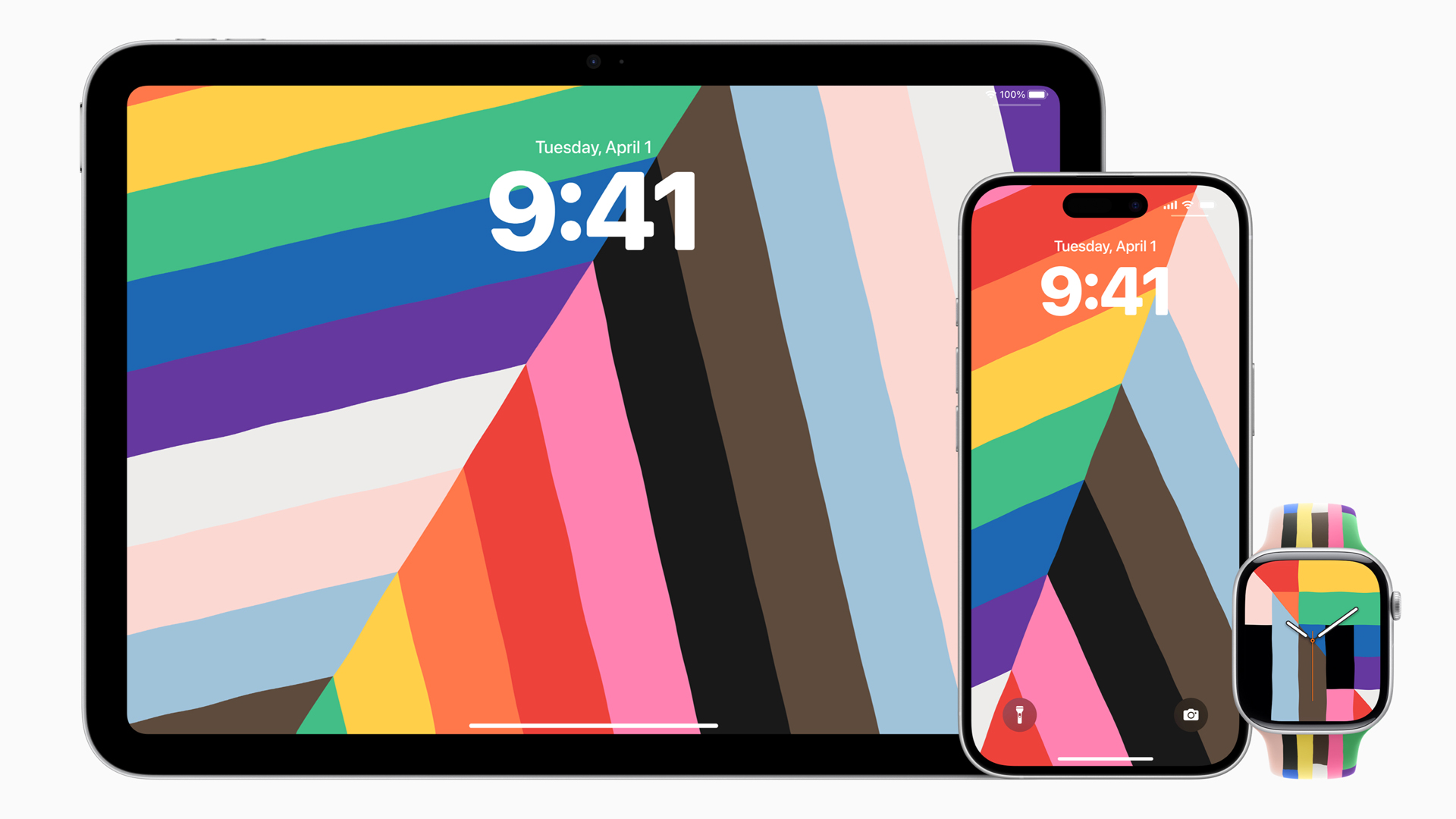
Rank 13476Apple is getting ahead of 2025 Pride Month celebrations with an early reveal of a wild new watch band and some vibrant wallpapers.Pride Month, which happens every June and celebrates LGBTQ+ communities, is always a month that embraces an array of colors, but this month's Apple Pride Month Collection adds a twist and nod to the "individuality of all members of the LGBTQ+ community," says Apple in a release.Apple explained that the rainbow colors within each Sport Edition band start as individual color stripes. The bands are assembled by hand and compressed into their final shapes. Apple claims that this means, just like people, no two bands will be alike.
(Image credit: Apple)
Those colors can also be found on the Pride Month Dynamic Apple Watch face and with special wallpapers for the iPhone and iPad. Colors and bands will move on the screen as the users and wearers move.The watch face and wallpapers are free, but the band, available in small-to-medium lengths, medium-to-large lengths, and in 40mm, 42mm, and 46mm watch face widths, will cost $49.The band goes on sale next week, and the wallpapers and watch face will arrive soon with platform updates in iOS 18.5, iPadOS 18.5, and watchOS 11.5.This latest Pride Band and face arrive as Apple is celebrating 10 years of the Apple Watch, a wearable that has become more than just a timepiece but also an important platform for supporting health, wellness, and fitness (along with personal style and maybe some social consciousness).
Apple's decision to move forward with a Pride Month collection in the US is notable as some major tech companies (looking at you, Google and Amazon) have scaled back Diversity Equity and Inclusion (DEI) efforts with moves that impact the LGBTQ+ population.Apple has not done so and seems to be signaling that it will continue its support of diversity, equity, and inclusion. The release includes a line noting that "Apple is proud to financially support organizations that serve LGBTQ+ communities."
You might also like
I've been wearing an Apple Watch for 10 years, and it ...Here's why the Apple Watch Series 10 is now my favorite ...I've been an Apple Watch user for 10 years
-

Picture from ichef.bbci.co.uk
Rank 13477 -
Picture from cdn.mos.cms.futurecdn.net
Rank 13478It is a dark time for smartphone fans. The news seems glum. Apple is sinking deeper and deeper into trouble over its failure to deliver a satisfying Apple Intelligence package. Phone makers like Motorola launch brand new phones with an hour explaining the AI features, then forget to mention the phone itself.Samsung finds itself holding hands with Google as it drops AI feature after AI feature – first it was just Circle to Search, but now Samsung has given Google Gemini the Bixby button?! Dark times indeed.The worst part is that nobody asked for these features. I don’t want these AI features on my phone. I could already drop a screenshot image into Google Search, I didn’t need to draw a circle to search. I never looked at my iPhone 14 and thought, ‘Gee, I wish this phone could inaccurately summarize my notifications for me.’For every great AI feature, like Google’s awesome call screening features, there are twice as many terrible AI features, like the image generators that are problematic on so many levels, or the news headline summaries that simply make up imaginary news.
Bad AI is distracting us from great phones
That’s sad, because if you took away this AI bloat, today’s phones are… really great?! Today’s Android phones have matured beyond most of the complaints I’ve held about Android: that it was too complex and lacked a coherent interface design.To Apple’s defense, there are so many incredible features in iOS 18, especially the features that work between iPhones and bring iPhone people together, that it seems a shame Apple wasted so much of its billboard space on features that don’t even exist, yet, like the super-intelligent Siri that unfortunately failed to graduate in time.
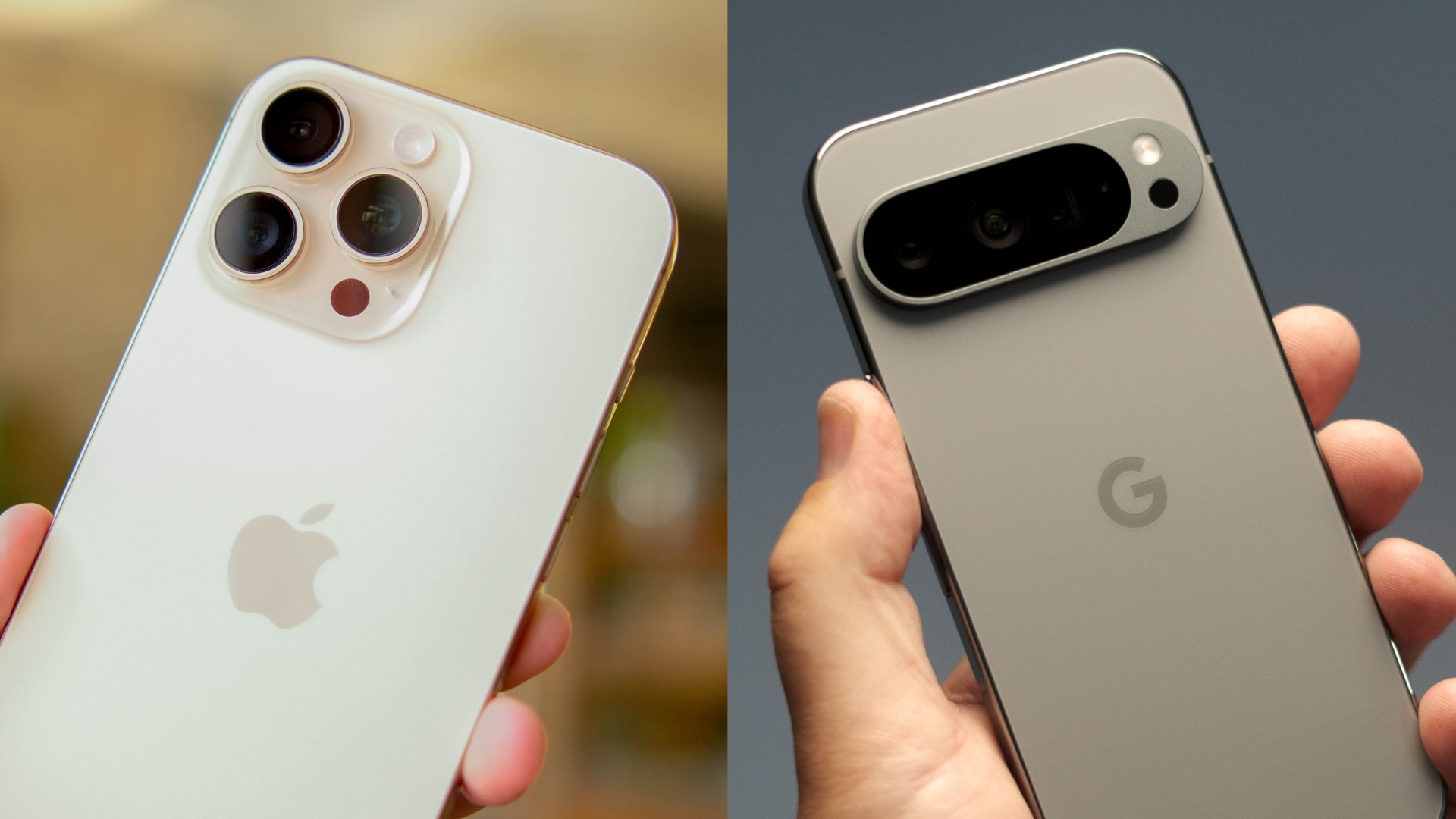
The new Pixel 9 Pro is the most polished Pixel phone ever (Image credit: Philip Berne/ Future)
Take the Google Pixel 9 series, for example. Google has a great new design, and the phone is more durable than ever before. That means it’s less likely to break, and you’ll be able to keep it longer than phones in the past. To back that up, Google also gives you seven years of Android updates. The phone shipped with Android 14, and it should last through Android 21!That’s just incredible. A few years ago, we were lucky to get any software update promised from an Android phone maker. Today, Google and Samsung both promise seven years of Android updates for their top phones, and even Qualcomm promises its Snapdragon 8 Elite chipset will be supported for the next eight years by the chipmaker.If you haven’t considered Android, or if you left the platform years ago, it’s worth a new look. Google has removed most of the confusing customization options that cluttered the home screen and app drawer. The whole interface is clean and tidy, and easier to use than ever. If you want to get complicated, you can still download a third-party homescreen launcher app, but the basic Pixel version of Android is refreshing and simplified.
Apple is just as distracted as Android
If you haven’t tried Apple’s iOS in a while, there are amazing new features that let you share between iPhones. You can share your contact information, photos, or even music playlists to let friends add songs to the party mix. You do this just by bringing two iPhones close together, and the phones do the rest using a feature called AirDrop. It works like magic, and it even has a cool magical effect on the screen to show it’s working.Apple has also added great safety features to the iPhone that let you check in with friends and family so they can know you’re safe. If you think that iOS is too simple, think again. Apple has made it easy to completely customize and rearrange your Control Panel, and the iPhone homescreen now has the same sort of widgets, folders, and layout options you’d expect from an Android phone.
(Image credit: Apple)
Best of all, Apple’s latest titanium build means the new iPhone is also more durable than ever before. Apple doesn’t promise seven years of iOS updates, but it has consistently delivered at least five years of iOS to every single iPhone, and recently, Apple has offered the latest software to iPhones that are even older.While AI seems unavoidable, you can still ignore most of the latest AI features and just enjoy a great smartphone. Apple and Google are making top-notch phones in spite of their best AI efforts, so don’t let the AI marketing and buzzwords scare you away. The Pixel 9 Pro and iPhone 16 Pro are the best phones these companies have made. Hopefully, the quest for smarter AI doesn’t keep the hardware from improving as well.
You might also like
Apple officially delays the AI-infused Siri and admits, ‘It’s going to take us longer than we thought’The Bella Ramsey Apple Intelligence ad that disappeared, and why Apple is now facing a false advertising lawsuitAI took a huge leap in IQ, and now a quarter of Gen Z thinks AI is conscious
-

Picture from ichef.bbci.co.uk
Rank 13479 -

Picture from techcrunch.com
Rank 13480 -

Picture from ichef.bbci.co.uk
Rank 13481 -
Picture from cdn.mos.cms.futurecdn.net
Rank 13482Nvidia’s RTX PRO 6000 offers 96GB of memory, enough for giant AI models and datasetsWith 24,064 CUDA cores, this GPU dominates deep learning, rendering, and scientific simulationsAt $8,200, this card is not for gamers; it’s built strictly for serious professionals
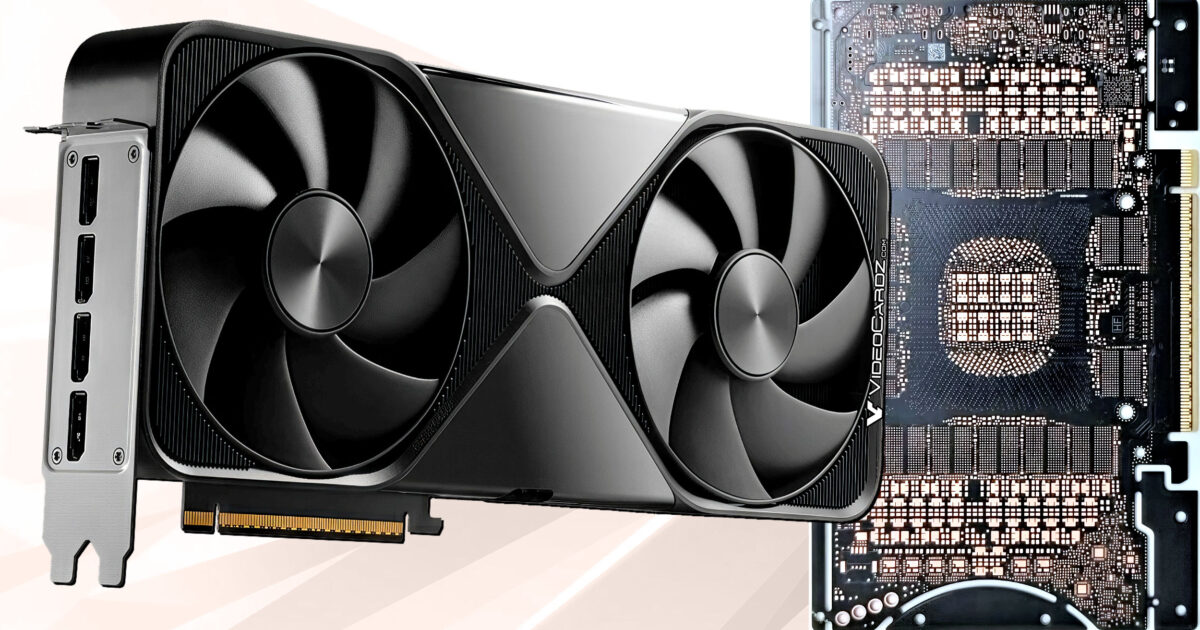
In the evolving world of professional computing, PNY Technologies has launched what might be the most powerful workstation GPU to date: the Nvidia RTX PRO 6000 Blackwell Workstation Edition.Directdial reports the card is priced at a staggering $8,200, making it firmly aimed at professionals working in AI development, simulation, or high-end content creation rather than casual users.At the heart of the GPU is Nvidia’s latest Blackwell architecture, delivering 24,064 CUDA cores to accelerate demanding workloads such as deep learning, real-time rendering, and scientific computing.
Blackwell architecture delivers massive power and memory
The RTX PRO 6000 Blackwell supports a record-breaking 96GB of GDDR7 memory, operating over a 512-bit bus with a bandwidth of up to 1.75TB/s.This is achieved using 3GB modules configured as 16×2×3GB, enabling the vast memory pool necessary for handling massive AI models and ultra-high-resolution assets. ECC memory is also onboard to improve stability in mission-critical tasks.Despite its performance, the card maintains a relatively modest 300W TDP and is considered energy-efficient for its class.The GPU supports a wide range of APIs, including Vulkan 1.3, DirectX 12, and OpenCL 3.0.Early PCB images suggest the absence of a 12V-6x2 connector, possibly pointing to a rear-mounted power input design more commonly found in servers or Max-Q setups.However, a single 16-pin connector supports the current desktop version, which uses a PCIe 5.0 x16 interface and fits into a standard dual-slot, full-length layout.Though technically a workstation GPU, the RTX PRO 6000 Blackwell opens new possibilities across a range of specialist fields. It can support up to four 8K displays and is engineered to meet the demands of professionals in VFX, CAD, and AI training environments.
You might also like
Check out the best 3D modeling software for 3D printing and moreWe've rounded up the best portable monitors available nowTSMC committed to Arizona chip plant ahead of potential tariff impact
-

Picture from ichef.bbci.co.uk
Rank 13483 -
Picture from o.aolcdn.com
Rank 13484A hacker has exploited a vulnerability in TeleMessage to breach the service and steal data, according to reporting by 404 Media. TeleMessage is an Israeli company that provides modded versions of encrypted messaging apps like Signal and Telegram.
It was revealed last week that former US National Security Adviser Mike Waltz used TeleMessage’s modified version of Signal to archive messages. Today's report indicated the presence of other high-ranking government officials in archived chats on the app, including Marco Rubio, Tulsi Gabbard and Vice President JD Vance.
The unnamed hacker was able to access archived chats, but it doesn’t look like they got into any of Waltz's conversations. The hack does, however, prove that the app’s message archiving service is not end-to-end encrypted.
The hacker also accessed contact information of government officials, login credentials for TeleMessage and data pertaining to the US Customs and Border Protection agency. Some businesses who use the service, like Coinbase and Scotiabank, were also hacked. 404 Media spoke to the anonymous hacker, who said the whole thing only "took about 15-20 minutes" and that it "wasn’t much effort at all." TeleMessage's parent company Smarsh has yet to comment on the matter.
All of this happened after Waltz accidentally revealed he used TeleMessage during a cabinet meeting last week. This led people to question what kind of information was being shared on the app and how it was being secured. Now we know it wasn’t secured all that well.
Of course, it’s only been a few weeks since Signalgate, in which it was revealed that top US officials were using the messaging app Signal to discuss active combat operations. Prior to the Trump administration, government officials typically avoided consumer-grade messaging apps to hash out military plans. Instead, they used Sensitive Compartmented Information Facilities (SCIFs) and in-house encrypted communication channels.This article originally appeared on Engadget at https://www.engadget.com/big-tech/telemessage-a-signal-clone-the-trump-administration-uses-has-been-hacked-183606147.html?src=rss
-
Picture from techcrunch.com
Rank 13485 -
Picture from o.aolcdn.com
Rank 13486Whether your mom keeps on top of the latest tech trends or still calls you for help logging into her email account, a carefully considered gadget can be a practical way to tell her thanks for, y’know, putting up with you. Sure, the usual flowers, breakfast in bed or complementary spa day will always be worthwhile Mother’s Day gifts, but if you want to take a different (and much nerdier) approach, a good piece of tech can make her life easier even after the holiday has passed. If you need some help brainstorming some gift ideas, we’ve put together a list of gadgets, services and other gear that should bring any mom a little joy.
This article originally appeared on Engadget at https://www.engadget.com/these-17-gadgets-and-subscriptions-make-great-mothers-day-gifts-131533764.html?src=rss
-

Picture from techcrunch.com
Rank 13487 -
Picture from o.aolcdn.com
Rank 13488Google plans to start producing its own films and television shows via a "production initiative" called 100 Zeros, Business Insider reports. The company is working with Range Media Partners, a talent management and production company, to identify projects that appeal to younger audiences and could "promote a positive view of [Google's] products."
Besides the obvious opportunity for product placement, the larger goal of the initiative is to fund projects that have a positive view of technology, and to get the creative industry interested in using Google's products. Immersive View, Google's 3D aerial scans featured in Google Maps, could be a tool it pushes, Business Insider writes. Veo 2, Google's AI video model, seems like a natural candidate, too. Whichever way the company goes, 100 Zeros already has a movie under its belt: The initiative reportedly helped pay for the marketing for the indie horror movie Cuckoo.
Engadget has reached out to Google to confirm the details of Business Insider's report and share more information about 100 Zeros. We'll update this article if we hear back.
Google has some experience in the entertainment industry through its defunct YouTube Red Originals program. When YouTube first launched YouTube Red, the subscription service now called YouTube Premium, it did so alongside a slate of original content featuring notable YouTube talent. The program produced a number of shows and films, including popular series that found homes on other streaming services, like Cobra Kai, but never became a true competitor to Netflix.
100 Zeros doesn't sound like another YouTube Red, and instead, a more traditional play to make original content and sell it to other distributors — just with a potentially Google-y flavor.This article originally appeared on Engadget at https://www.engadget.com/entertainment/tv-movies/google-is-reportedly-getting-back-into-film-and-tv-with-a-tech-friendly-production-initiative-185138762.html?src=rss
-

Picture from techcrunch.com
Rank 13489 -
Picture from o.aolcdn.com
Rank 13490If you’re struggling to come up with just the right gift for your mom, you’re not alone. Mothers can be particularly difficult to shop for, especially if your mom is like many we know who insist that they don’t want or need gifts. Short of giving them some time back in their day to do what they want to do instead of things they need to do, the gift ideas we collected below can help you show the mother figure in your life that you care and want to spoil them a bit even when they claim it’s not necessary — because they deserve it.
Check out the rest of our gift ideas here. This article originally appeared on Engadget at https://www.engadget.com/the-14-best-tech-gifts-for-moms-130044960.html?src=rss
-
Picture from cdn.mos.cms.futurecdn.net
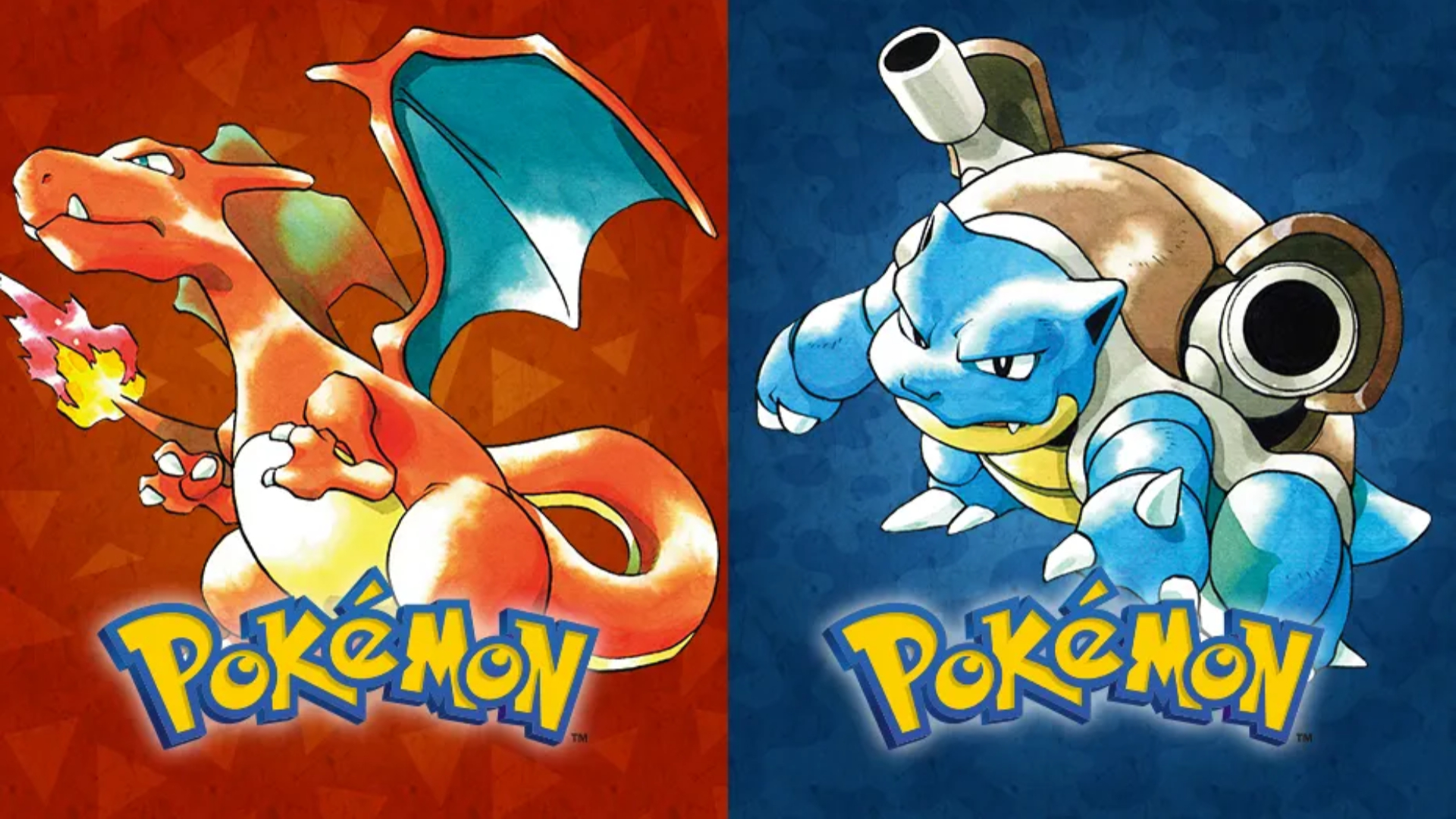
Rank 13491Google’s Gemini 2.5 Pro has officially completed Pokémon BlueThe game ran as a livestream experiment by an independent engineerGemini played the game with some light developer intervention, but mostly on its own
Google's Gemini AI may not have passed the Turing test yet, but it would be very popular in the schoolyard three decades ago after winning a game of Pokémon Blue. The Gemini 2.5 Pro is now both Google's most advanced AI model and a Pokémon Master, as demonstrated in a Twitch livestream called “Gemini Plays Pokémon” run by an engineer unaffiliated with Google named Joel Z. Even Google CEO Sundar Pichai joined the celebration, sharing a clip of the victory on X.
What a finish! Gemini 2.5 Pro just completed Pokémon Blue!  Special thanks to @TheCodeOfJoel for creating and running the livestream, and to everyone who cheered Gem on along the way. pic.twitter.com/E2pn3tpfEbMay 3, 2025
You might wonder why an AI model beating a thirty-year-old game drew so much attention. It's partly because of the spectacle, but also because of AI model rivalry. Back in February, Anthropic showcased the progress its Claude model was making in beating Pokémon Red. They used the game to show off Claude’s “extended thinking and agent training” and launched a “Claude Plays Pokémon” Twitch stream, inspiring Joel Z.Before crowning Gemini as the one true AI Ash Ketchum, it’s worth noting a few caveats. For one, Claude hasn’t technically beaten Pokémon Red yet, but that doesn’t automatically make Gemini better, as they employed different tools, known as “agent harnesses.” The models don’t play the game directly like a human with a controller would. Instead, they’re fed screenshots of the game environment along with overlays of key information, then asked to generate the next best action. That decision is then translated into an actual button press in the game.And Gemini hasn’t been going it entirely alone. Joel admitted he occasionally stepped in to make improvements, though he has made a point of doing so only to improve some of Gemini's reasoning. He also plans to continue working on the Gemini Plays Pokémon project to make further improvements.
Pokémon AI
(Image credit: Sundar Pichai/X)
What makes this more than a quirky internet stunt is what it implies about where AI is headed. Playing a game like Pokémon Blue isn’t about fast reflexes or memorizing controller inputs. It’s about long-term strategy, adapting to surprises, and navigating ambiguous challenges. These are all areas where AI usually needs improvement. That Gemini could not only hold its own but finish the game (with minimal nudging) suggests that models like it are getting better at extended strategy.It's also the kind of milestone the average person can understand. You can intuitively understand what the AI is doing when bumbling through Lavender Town or misreading a battle tactic, and compare it to the choices you'd make in that context. Of course, you shouldn't overstate what this means. AI can now finish a game you probably beat in middle school, but it also highlights how much human effort still goes into making AI seem autonomous.Whether or not Claude or Gemini become true Pokémasters doesn't matter so much as what they're playing means for AI's development. Showing that AI won't just crunch numbers or generate spam emails could change how people think of what AI can do, even with help. And if this is how AI models start learning how to operate in unpredictable, open-ended environments, well, beating Mewtwo might just be a stepping stone to something a lot more profound. Or at least, a bit more productive.
You might also like
AI video tool recreates Super Mario Bros. but it's so glitchyGoogle Gemini could soon get a super-useful 'Power up' button – here's what it doesVirtual versions of 11,000 real college football players are taking the field for EA's 'College Football 25'
-
Picture from o.aolcdn.com
Rank 13492Last week a federal judge issued a scathing ruling over Apple’s handling of fees for in-app transactions. As promised, Apple has appealed the latest decision in the protracted lawsuit brought by Epic Games over the company’s anti-competitive App Store policies. The initial 2021 ruling attempting to loosen Apple’s grip on in-app sales was all but ignored, as the company went to great lengths in attempting to circumvent the decision.
While the company complied with the judges ruling, it has now filed its promised appeal after it made clear last week that it strongly disagreed with the court's decision. It remains to be seen if there is any chance for Apple to win the appeal, as Judge Yvonne Gonzalez Rogers sternly reprimanded Apple in her latest ruling.Her ruling in part read “Apple willfully chose not to comply with this Court’s Injunction. It did so with the express intent to create new anticompetitive barriers which would, by design and in effect, maintain a valued revenue stream; a revenue stream previously found to be anticompetitive. That it thought this Court would tolerate such insubordination was a gross miscalculation.”It's not clear what Apple’s legal arguments will be or on what grounds the company is asserting its appeal. While the issue continues to be fought out in court, companies with a large presence on iOS like Epic Games and Spotify have moved quickly to establish external payment methods for their apps. There is every chance that this legal battle could continue for years as Apple continues to defend one of its prime revenue streams and insist on its authority to take a commission from any transactions originating in apps from the App Store.
This article originally appeared on Engadget at https://www.engadget.com/big-tech/apple-appeals-recent-ruling-against-anticompetitive-app-store-practices-191536385.html?src=rss
-
Picture from o.aolcdn.com
Rank 13493The Switch 2 is nearly here, which means the original Switch is entering its twilight years. It’s been eight years since Nintendo released its revolutionary hybrid console, and while many fans have spent the last couple of those itching for the device to be replaced, now seems like an opportune time to look back at what its legacy may wind up being (while acknowledging that it still has some life ahead of it).
Instead of bleating on myself, though, I turned to the rest of the Engadget staff to see what comes to mind when they think of the Switch, as just about everyone on the team has played with the console. We’ve collected our reflections below — some take a bigger-picture view, some are more personal, some contradict others’ experiences entirely. There’s plenty more that went unsaid. But I think that’s part of the Switch’s beauty; it’s a device that’s resonated with so many, in so many different ways, in its near-decade on the market.
The Switch embodied Nintendo’s lateral thinking with withered technology
Broadly speaking, you can group Nintendo consoles into two types. On one side you have devices that may be distinctive in certain ways but mostly iterate on a previous success or focus on technical upgrades first — think the SNES, GameCube, Game Boy Color, Game Boy Advance, 3DS and, by the looks of it, the Switch 2. (The N64 and original NES could go either way, but I’d put them here too.) On the other you have machines that are more out there, ones that most obviously represent “lateral thinking with withered technology,” the company’s longtime product philosophy championed by legendary designer Gunpei Yokoi.
These eschew cutting-edge technology for mature, cheaper hardware redeployed in novel ways. The worst of these have been existential disasters for Nintendo (Wii U, Virtual Boy). The best have created new forms of play, experiences you could hardly imagine before but make perfect sense in hindsight (Game Boy, DS, Wii). Not coincidentally, these are the consoles that’ve sold best in Nintendo’s history.
The Switch fell firmly in the latter camp. It didn’t really matter that the chip was from an old Android TV player. It didn’t really matter that the Joy-Cons kind of sucked, with beady buttons and thumbsticks that broke too often. It didn’t matter that there was a paltry 32GB of storage, that the (non-OLED) display was barely usable outdoors, that the triggers weren’t pressure-sensitive or that the kickstand always felt like it’d snap off. In a world that, for better or worse, increasingly demands comfort above all else, it won on sheer force of convenience. No other gaming device had ever gone so far to meet players where they live. And it won on the games, as Nintendo systems often do. Like the Game Boy and Wii, the Switch’s concept was so undeniable that its hardware only needed to be good enough for its time in the sun. So that’s all it ever was. It embodied Nintendo’s lateral thinking, blending unremarkable parts into something playful and brilliant. — Jeff Dunn, senior reporter
The Switch saw Nintendo (finally) embrace indies
The Switch was an absolute delight for fans of indie game studios. This was really the first time the company truly embraced smaller developers in a comprehensive way, and it paid off big. The console became the de facto way to experience many of the standout titles of the past generation, including stuff like Celeste, Dead Cells, Hades, Golf Story, Undertale, Stardew Valley and, of course, Hollow Knight.
The hybrid nature of the console led many gamers, myself included, to wait for a Switch release of an indie title. This was before the Steam Deck and its ilk, so there really wasn’t any other way to play most of these games on a portable machine. The company’s sudden support for indies was great for gamers, as we got to play cool stuff, but it was also great for Nintendo. Many of these titles sold really well and gave the company some breathing room between first-party releases. Remember, the Switch was woefully underpowered when compared to other consoles so it couldn’t really run many AAA third-party games. Nowadays, Nintendo loves indies so much that they get their own Direct livestreams. My, how times have changed. — Lawrence Bonk, contributing reporter
The Switch was a haven for the golden age of Metroidvanias
It’s fitting that Metroid Prime 4: Beyond will be the Switch’s swan song. Starting with the release of Hollow Knight a year after the system’s debut, the Switch has been the best place to experience the golden age of Metroidvanias. Between Animal Well, Blasphemous 2, Hollow Knight, Nine Sols and Nintendo’s own contributions to the genre, nearly every great Metroidvania since 2017 has made it to the Switch; in fact, Microsoft even released the Ori series on the console.
The Switch was my favorite place to play many of those games. With their often simpler graphics, most Metroidvanias were a perfect fit for the system. For example, Hollow Knight and Metroid Dread run at a flawless 60 frames per second and look great on the system, especially on the OLED model with its ability to produce inky blacks. The Switch’s portability is also a huge boon for these types of games. They’re great for short pick up and play sessions, and even better for longer ones when you can get lost in their worlds. — Igor Bonifacic, senior reporter
In praise of the Switch Lite, the handheld console for everyone
When I think of the Switch, the first object that comes to mind is my coral Switch Lite. No fancy OLED screen, no detachable controllers, no TV input mechanism and a maximum resolution of 720p, all wrapped up in an adorable, handheld, candy-colored package. For me, this is a highlight of the ninth console generation. The Switch Lite is effective because it’s simple: It comfortably fits in most people’s hands (ahem, Steam Deck), it offers a large selection of indie and mainstream games, its screen is just big enough, it travels well and it’s cute as hell. The audience for the Switch Lite spans children to adults, commuters to work-from-homers, and its popularity demonstrates some deep truths about what we actually love in video games. Turns out, photorealistic graphics and uncapped framerates are less important than solid game design and innovative mechanics.
I’ve owned a full-fat Switch and a Lite for years, and while I enjoy playing Mario Kart 8 with friends on the couch, nothing beats the intimacy of curling up with my little Lite. Perhaps it’s not surprising that Nintendo, the creator of the Game Boy and its numerous iterations, knows how to make a fantastic handheld console, but it’s still supremely satisfying. I’m excited about the Switch 2, sure, but the debut console — 8-inch display, detachable gamepads and all — is only responsible for half of that feeling. The other half is on pause and smothered in pastels, patiently waiting on the announcement of a Switch 2 Lite. — Jessica Conditt, senior editor
The Switch is a lesson to all developers, everywhere
Ever since I’ve been able to see how much memory a single Chrome tab uses, I’ve been obsessed with elegance. Not in the ballgowns-and-tuxedos sense, but to pursue efficiency as a form of art, to use self-imposed limitations to surpass anyone’s expectations. It may have been a brightly-colored games console, but the Nintendo Switch was a masterpiece of elegance.
It’s not that modern-day Nintendo has ever really gotten into the bigger-number-is-better wars but then, as now, people were sniffy about the Switch’s power. After all, it was using a modified and, crucially, downclocked version of NVIDIA’s Tegra X1 system on chip. It wasn’t long before everyone started (kinda) joking their smartphones could beat the console in the power metrics.
Compared to the competition? Pfft. The Xbox and PS4 were smog-billowing big rigs next to the Switch’s carbon-fiber bicycle with only one crossbar. And yet, of the three, it’s the console I’ve spent the most time playing during this whole generation. Because for all it lacked in graphical clout, it never seemed to miss out where it counted.
That’s testament to Nintendo squeezing so much damn power out of the Switch, and its willingness to put the work in. Yes, you can get Call of Murder Simulator with ultra-realistic blood spatter on the other two consoles, but it’s not as if there weren’t plenty of demanding titles on this platform too. I can call to mind games like Doom Eternal and The Witcher 3, not to mention top-tier games from the last generation, like Bioshock and Portal.
And that’s before you got to masterpieces like Breath of the Wild and Tears of the Kingdom which are, shockingly good given the hardware they’re running on. Yes, there was the odd frame drop in the latter title, but when you think about what that game was doing, a frame drop was more than forgivable. Fundamentally, the Switch is a lesson to all developers everywhere that they should be disciplined to do a lot more with a lot less. — Daniel Cooper, senior editor
The Switch had me dreaming of a higher-fidelity Hyrule
Apologies in advance if this comes off as another gamer saying Nintendo should make more powerful consoles. That’s not what I’m saying, I swear. Nintendo hasn’t chased the PlayStation or Xbox in graphics power for multiple console generations; it clearly has different priorities. And the art style and attention to detail in its first-party games is nearly unmatched. Rarely have I played any of Nintendo’s games and thought “this could use more pixels” or more “realistic” graphics.
However, in late 2017 I was engrossed in two games: Horizon Zero Dawn on the PS4 and The Legend of Zelda: Breath of the Wild for the then recently released Switch. As fate would have it, both games came out in March, and while Horizon got plenty of positive reviews, it was a bit buried by the hype around Breath of the Wild and its radical reinvention of how a Zelda game plays. And while the two have their fair share of differences, the commonality of exploring a gorgeous and vast open world where you could go to almost anywhere you can see made me think how much I’d love it if Nintendo went all-in on a console and Zelda title that could provide fidelity like in Horizon Zero Dawn.
I’m not saying I need human-realistic characters in a Zelda game — the art direction in Breath of the Wild is great. But the forests, mountains, deserts, caves and rivers in Horizon are perhaps the most beautiful rendering of the natural world that I’ve ever seen in a game. Combining the endless exploration of Hyrule in Breath of the Wild with a Hyrule that looks as good as the world in Horizon does would be an incredible combo, even though it’s not something I’m holding my breath for. That said, the Switch 2 seems like a much more capable console, and you have to imagine the next Zelda game will look a bit different than the last two. Surprise me, Nintendo! — Nathan Ingraham, deputy editor
The Switch changed me from Nintendo skeptic to Nintendo superfan
Before the Switch came out, I knew there were people who proudly wore their Nintendo fandom, but I could not understand their fascination. I think that was because I'd never had my own Nintendo hardware. Every experience I'd had of the company's games before the Switch was on a console that belonged to a friend, roommate or significant other. That meant as a player, my experience was almost entirely based on casual hangout games like Mario Kart and Mario Party. Later on, as I began writing about games, my professional opinion was that Nintendo made money by manufacturing scarcity with limited releases and a dubious attitude about preservation.
Given all the mid-to-bad feelings I had about the company, I don't remember why I decided to buy a Switch for myself. It was about a year after the hardware debuted, so maybe I'd seen enough positive buzz that I was ready to see what all the fuss was about. Whatever the reason, I'm so happy I wandered into the store to finally acquire my first Nintendo console that fateful day.
Since then, I've spent hours in Super Mario Odyssey, gleefully searching every corner of each world for sneaky hidden moons. I logged even more time in Breath of the Wild, exploring Hyrule as an escape from the doom of COVID in the real world. I've logged multiple hundreds of hours uncovering the intrigues of Garreg Mach Monastery and leading my students into battle with Fire Emblem: Three Houses. And you don't even want to know how many hundreds of hours I've spent clearing out pills in Dr. Mario. A bunch of titles that I'd now consider my favorites came from my time playing on the Switch.
I'm sure that if the SNES or the N64 had been my true introduction to the world of Nintendo, I'd have similar warm fuzzies about those generations of games. But the way my timeline has gone, the Switch is the one that introduced me to this joyful and delightful gaming ecosystem. So I see you, Nintendo fans. And now I am one of you. — Anna Washenko, contributing reporter
The Switch was the console I always wanted – until it wasn’t
I was desperately hoping for a console like the Switch before it was announced by Nintendo. That time, I was mainly gaming on the Nintendo 3DS and the PS Vita, until I discovered the Vita TV and realized that I prefer being able to play my handheld games on a bigger screen sometimes. I remember playing Fire Emblem Awakening on the 3DS and thinking of how it would be so much better if I could get a bigger view of the battlefield.
When Nintendo released the Switch years later, it was everything I wanted. You can take your game with you anywhere and then play it on the TV when you're home? Perfect. The Vita TV wasn't as seamless, since I had to move memory cards to and from the handheld Vita to play the same game.
Now, years later, my life and my eyesight have gone through some big changes. I no longer play games if I can't play them on the TV. That means for games that have both a Nintendo and a PlayStation version, I almost always get the one for PlayStation, since it has better graphics and overall quality.
But what about Nintendo-exclusive games? These days, I find myself wishing for a Switch without a screen. Just a simple console like the Vita TV with, perhaps, better specs for crisper graphics and less stuttering. Or, if that's truly not possible, just one that's cheaper than the full console. (I’m not the only person who’s called for this!) Alas, there's no version of the Switch 2 coming out without a display. It's a wish I may have to carry with me for years like my wish for the Switch's current form factor — I'll just have to wait and see if it also comes to life. For now, I'll just keep on playing on my (docked) Switch. — Mariella Moon, contributing reporter
The Switch helped make handhelds feel special again
I got my Nintendo Switch on launch day way back in March 2017 and it's the only one I've ever owned. And even though its Joy-Con started to drift over the years and its Nvidia Tegra X1 chip was already kind of dated from the get-go, I will always appreciate how that thing held it down for the better part of a decade. Plus, thanks to Nintendo's magic, it never felt like the console was held back by its less powerful hardware.
However, as we begin the transition to its successor, I really want to praise the Switch for reinvigorating people's interests in handhelds. When it came out, the Nintendo 3DS was already on its last legs while Sony had all but abandoned the Vita. But thanks to the Switch's ability to double as both a home console and a portable gaming device, it directly paved the way for so many of the handheld PCs on sale today like the ASUS ROG Ally, Steam Deck and more. This reminds me of how awesome it felt as a kid to bring games with me to help pass the time on long road trips or when the dentist would distract me with a Game Boy during cleanings. It's something that still feels special today even with the proliferation of laptops and tablets, which can't quite match that level of engagement and portability, and I will forever appreciate the risk Nintendo took when it designed that flexibility into the Switch's core identity. — Sam Rutherford, senior reporterThis article originally appeared on Engadget at https://www.engadget.com/gaming/nintendo/reflections-on-the-nintendo-switch-the-hybrid-console-that-changed-gaming-192049755.html?src=rss
-

Picture from techcrunch.com
Rank 13494 -

Picture from ichef.bbci.co.uk
Rank 13495 -

Picture from techcrunch.com
Rank 13496 -

Picture from techcrunch.com
Rank 13497 -

Picture from ichef.bbci.co.uk
Rank 13498 -
Picture from cdn.mos.cms.futurecdn.net
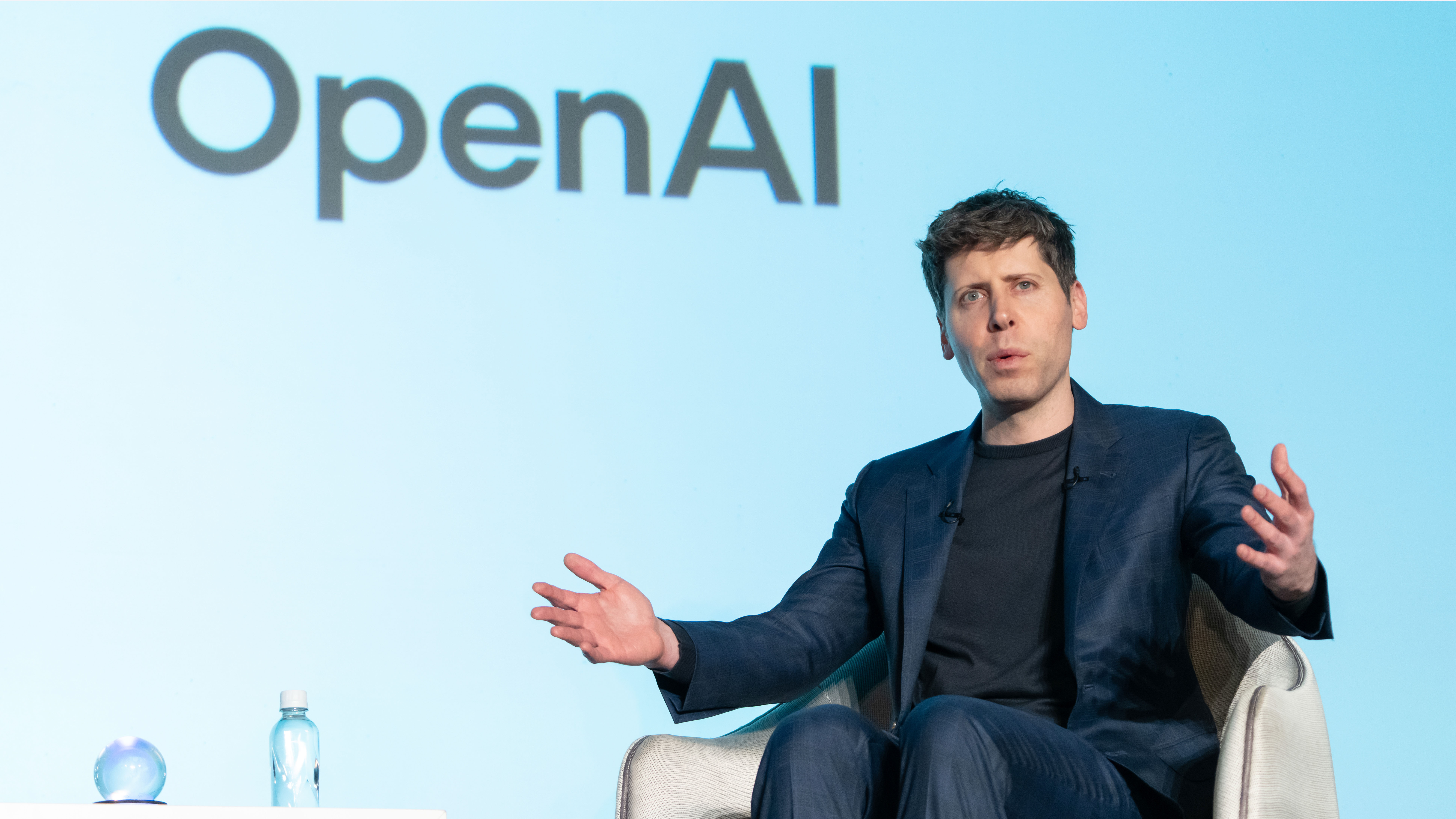
Rank 13499The question of OpenAI, its business, and intentions for the future of AI may finally be solved. In an open letter, OpenAI CEO and co-founder Sam Altman outlined plans to keep OpenAI running under the oversight of a non-profit. What's more, the profit side of the business is transitioning to a Public Benefit Corporation (PBC).A PCB is notable because it means that while that portion of OpenAI will still be interested in making a profit, it will have a larger purpose, one that's intended to serve the good of society.In more practical terms, Altman wrote, "We want to put incredible tools in the hands of everyone....We want to open source very capable models. We want to give our users a great deal of freedom in how we let them use our tools within broad boundaries, even if we don’t always share the same moral framework, and to let our users make decisions about the behavior of ChatGPT."In recent years, former partner and OpenAI co-founder Elon Musk has sued OpenAI for leaving its non-profit roots behind, and others have voiced concern about OpenAI not open-sourcing key models. Altman previously admitted that he was on the wrong side of that argument, and Musk eventually lost his case.Now, though, OpenAI and Altman seem to be moving in the direction Musk and the open-source critics want.
AI for the good
The change of heart comes as Altman admits that in the early days, "we did not have a detailed sense for how we were going to accomplish our mission" and also admitted that some at OpenAI back then thought AI "should only be in the hands of a few trusted people who could 'handle it'."The perspective now, though, especially as Artificial General Intelligence (AGI) is on the horizon, is "We want to build a brain for the world and make it super easy for people to use for whatever they want," wrote Altman.The go-forward plan is for OpenAI's non-profit to be "the largest and most effective nonprofit in history that will be focused on using AI to enable the highest-leverage outcomes for people."
Questions remain
Altman also wants to develop "beneficial AGI" and notes the importance of safety and alignment. "As AI accelerates, our commitment to safety grows stronger. We want to make sure democratic AI wins over authoritarian AI."Altman's come quite a long way since he was suddenly ousted in late 2023 by, among others, Ilya Sutskever, formerly OpenAI's Chief Scientist and co-founder. He returned just days later. There's a sense in the new letter that AI and the coming AGI are bigger than one person, one company, and one AI like ChatGPT.As for what this will mean for the future of OpenAI, ChatGPT, and AGI, it is unclear. The PCB may be focused on the public good, but it will still be interested in making a profit. How the non-profit overseer impacts that is unclear.OpenAI says it will be talking to attorneys generals in California and Delaware, who helped it come to this decision, along with its biggest commercial partner, Microsoft (Copilot's base models are GPT-based), about the implementation of its new plan."We believe this sets us up to continue to make rapid, safe progress and to put great AI in the hands of everyone," wrote Altman.We'll see.
You might also like
I asked ChatGPT, Gemini, and other AIs how to combat aging, and only one did the right thingGoodbye, ChatGPT-4 – here's why the retired AI model ...The Godfather of AI is more worried than ever about ...I've tried Google's new AI Mode and now you can too
-

Picture from techcrunch.com
Rank 13500


