News
This constantly updated list features the latest and most important news articles, ranked in order of significance. The top stories highlight major developments, breaking news, and critical updates across various topics, ensuring you stay informed about the most pressing issues. As new articles are added, the list adapts to reflect the latest priorities, keeping the most impactful stories at the forefront. Whether it’s global events, technology breakthroughs, or industry trends, this dynamic list ensures you always have access to the most relevant and timely information.
-

Picture from ichef.bbci.co.uk
Rank 13351 -

Picture from ichef.bbci.co.uk
Rank 13352 -

Picture from ichef.bbci.co.uk
Rank 13353 -

Picture from ichef.bbci.co.uk
Rank 13354 -

Picture from ichef.bbci.co.uk
Rank 13355 -

Picture from ichef.bbci.co.uk
Rank 13356 -

Picture from ichef.bbci.co.uk
Rank 13357 -

Picture from ichef.bbci.co.uk
Rank 13358 -

Picture from ichef.bbci.co.uk
Rank 13359 -

Picture from ichef.bbci.co.uk
Rank 13360 -

Picture from ichef.bbci.co.uk
Rank 13361 -

Picture from ichef.bbci.co.uk
Rank 13362 -
Picture from ichef.bbci.co.uk
Rank 13363 -

Picture from ichef.bbci.co.uk
Rank 13364 -

Picture from techcrunch.com
Rank 13365 -

Picture from ichef.bbci.co.uk
Rank 13366 -

Picture from ichef.bbci.co.uk
Rank 13367 -
Picture from cdn.mos.cms.futurecdn.net
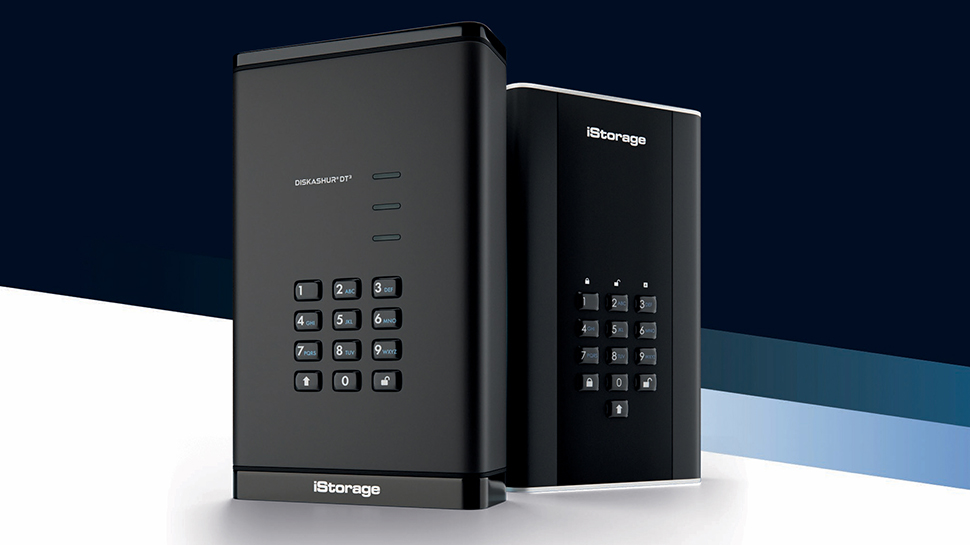
Rank 13368iStorage launches world’s first 26TB PIN-authenticated encrypted desktop storagediskAshur DT3 offers FIPS 140-3 security and Common Criteria certified microprocessor Aimed at businesses, governments, and users needing top-tier offline data protection
While cloud storage offers convenience and accessibility, it may not always provide the level of security some users need, especially when dealing with private data you simply cannot afford to lose or have fall into the wrong hands.If security is a priority, and you have large volumes of sensitive files to protect, a PIN-authenticated, hardware-encrypted secure drive like iStorage’s diskAshur DT3 or diskAshur DT2 could be the answer, especially as both models are now available with a massive 26TB capacity.iStorage, a global leader in hardware-encrypted data storage, has built these drives (and others) to deliver government-grade protection for organizations that require reliable, offline security.
Not an unreasonable outlay
The diskAshur DT3 is one of the first encrypted hard drives currently pending certification under the new FIPS 140-3 Level 3 standard, the latest benchmark for cryptographic security.It features TAA compliance, FIPS PUB 197-validated AES-XTS 256-bit hardware encryption, and a Common Criteria EAL5+ certified microprocessor.The DT2 remains a strong option too, holding certifications from NCSC CPA, FIPS 140-2 Level 3, NLNCSA BSPA, and NATO Restricted.“At iStorage, innovation and security go hand in hand," noted John Michael, CEO of iStorage/Kanguru. "Launching the world’s first 26TB PIN-authenticated, hardware encrypted desktop drive is not just a milestone for us, it’s a statement to the industry. As cyber threats grow more sophisticated, so too must our solutions.""The diskAshur DT3 and DT2 represent the highest standards in data protection, and with our recent acquisition of Kanguru, we are now even better positioned to provide organizations around the world with the most secure, reliable and scalable data storage solutions available.”While these drives offer exceptional protection, they also place responsibility squarely on the user. If you forget your PIN or lose your backup data, there are no reset options or cloud recovery here.The new models are available now via iStorage, Kanguru, and select global partners. The 26TB diskAshur DT3 is priced at $1,814, while the diskAshur DT2 comes in at $1,541.
You might also like
These are the best secure drives you can buy right nowAnd these are largest SSDs and HDDs on the planetiStorage Group acquires Kanguru Solutions as it looks to expand security offering
-

Picture from techcrunch.com
Rank 13369 -

Picture from ichef.bbci.co.uk
Rank 13370 -

Picture from ichef.bbci.co.uk
Rank 13371 -

Picture from ichef.bbci.co.uk
Rank 13372 -

Picture from cdn.mos.cms.futurecdn.net
Rank 13373In 2024, the adoption of cloud computing by organizations has reached remarkable levels, with around 94% of companies now utilizing cloud-based services, according to Rightscale’s report. However, cloud solutions bring significant security challenges, as they rely on shared resources and connectivity, making them susceptible to data breaches, misconfigurations, and account hijacking. Let’s explore essential rules that can help minimize these risks and protect cloud environments effectively.Cloud infrastructure offers organizations an average savings of 40% on physical space and reduced operational expenses. Furthermore, these environments enable faster time-to-market and improve overall business agility. Over half of organizations have stated that cloud adoption has accelerated their product and service delivery, allowing them to respond more promptly to customer needs.Security is another major reason for businesses to migrate to the cloud. Approximately 60% of business executives believe that cloud computing enhances their security posture, particularly as it enables automated updates and reduces the risks of human error.
The common threats to cloud environments
Despite all the advantages, there are still some risks associated with cloud computing. For instance, last year, MITRE, a U.S.-based non-profit organization renowned for its work in technology and defense research, experienced a significant cloud security incident. In April 2024, attackers exploited two zero-day vulnerabilities in Ivanti’s Connect Secure VPN, gaining unauthorized access to MITRE’s Networked Experimentation, Research, and Virtualization Environment platform.This breach resulted in the exposure of sensitive research data, including technical findings, development methodologies, and simulation results related to cybersecurity frameworks MITRE ATT&CK® and CALDER, which are widely used by government agencies and private organizations. It is unlikely that national security data was directly compromised.Subsequent investigation revealed that the incident was perpetrated by a foreign nation-state threat actor. The successful breach was attributed to unpatched software and compromised devices, which provided the attackers with unauthorized access to sensitive areas within the cloud environment.Another major cloud security incident in 2024 involved the popular project management tool Trello. In January, the company experienced a data breach, compromising 15 million user accounts. Hackers utilized a public API to connect an existing database of email addresses with Trello account information, which included usernames, full names, and other details.Overall, according to the 2024 Cloud security report by Check Point Software, 61% of organizations experienced at least one security incident related to public cloud use in 2024 - a significant increase compared to the 24% figure in 2023. Out of these incidents, 21% resulted in data breaches.Among other common vulnerabilities in cloud environments are misconfigurations, which can lead to the exposure of sensitive data if not promptly addressed, and insider threats, where employees or contractors inadvertently or maliciously compromise cloud security. Additionally, companies often struggle to keep pace with the rapid proliferation of cloud solutions, and a lack of staff skills to operate in the cloud environment becomes a significant security threat in itself.
Ways to protect your cloud
Luckily, businesses that rely heavily on cloud infrastructure can avoid such devastating attacks. The key is to follow seven essential rules. Each of them provides a specific approach to securing a critical aspect of the cloud environment, from access management and data encryption to monitoring and employee training. They complement each other and contribute to a well-rounded cloud security posture.
Rule 1: continuously monitor and log all cloud activities
In 2024, according to SailPoint, around 83% of organizations reported that continuous monitoring helped them catch security incidents early, preventing potential data leaks and system compromises.Effective network monitoring helps identify threats such as unauthorized access, data exfiltration, and misconfigurations that might expose sensitive data. By continuously tracking activities and analyzing logs, organizations can quickly pinpoint unusual behaviors, such as access attempts from unknown locations, unusual data transfers, or unauthorized use of privileged accounts.
Rule 2: implement strong identity and access management (IAM) policies
Effective IAM ensures that only authorized users have access to specific cloud resources. A key component of these policies is multi-factor authentication, which requires users to verify their identity through two or more authentication methods, such as a password and a one-time code sent to a mobile device. This ensures that potential attackers would need more than just a password to gain entry.Role-based access control (RBAC) is another critical IAM strategy, assigning permissions based on user roles within an organization. For example, an employee in the finance department might have access to financial records but be restricted from viewing IT infrastructure details. With RBAC, users are given the minimum level of access required for their roles, significantly reducing the risk of misuse of sensitive data.
Rule 3: encrypt data in transit and at rest
It's important to encrypt data both when it's being transmitted (in transit) and when it's stored (at rest). This ensures that even if attackers intercept or access the data, it remains unreadable without the correct decryption keys.To implement encryption effectively in your cloud environment, you should use both transport layer encryption (like transport layer security, TLS) for data in transit and disk encryption for data at rest. Many cloud providers offer built-in encryption tools that facilitate these practices.
Rule 4: regularly update and patch cloud resources
Cloud environments, like any other IT infrastructure, are susceptible to vulnerabilities as software ages or new exploits are discovered. When systems remain unpatched, they become easy targets for attackers who often scan for outdated software and exploit known vulnerabilities. A recent study found that approximately 60% of cloud breaches could be attributed to unpatched or misconfigured systems.Regular updates help protect cloud resources from these risks by addressing known issues before attackers can take advantage of them. Cloud platforms typically make it easy to set up automated backups for persistent resources like databases or virtual machines. These backups ensure that, even in the event of a major attack or human error, data can be recovered without significant disruption.
Rule 5: use data retention policies
To protect against malicious attacks, such as ransomware, it’s essential to establish policies that prevent the immediate deletion of resources in the cloud. Many cloud providers offer this feature, allowing you to configure a delay period. This ensures that even if an attacker gains access to your account and attempts to delete critical resources, those resources won't be removed right away.For instance, with a 30-day delay, a resource marked for deletion would remain recoverable for that entire period. This delay provides two key advantages: it allows time to detect and respond to unauthorized actions, and it gives you the opportunity to restore data before it is permanently lost. If your cloud provider does not offer this safeguard, it may be worth reconsidering whether they meet your security needs.
Rule 6: keep your costs down
In the event of a DDoS attack, cloud infrastructure can manage the surge in traffic by automatically scaling resources. However, this scaling can rapidly increase costs, potentially putting a strain on the company’s finances. To avoid these unexpected expenses, ensure that your cloud provider offers strong DDoS protection and mitigation options.These measures can help absorb and filter attack traffic, minimizing the impact without leading to excessive resource scaling. If your provider’s built-in protections are inadequate, consider using third-party DDoS mitigation tools. This approach will help safeguard both your systems and your budget during an attack.
Rule 7: train employees on cloud security awareness
According to the Ponemon Institute, 82% of data breaches are caused by staff mistakes, such as clicking on phishing links, using weak passwords, or falling for social engineering attacks. To prevent these issues, it's essential to invest in ongoing, thorough security training programs. In fact, companies with comprehensive training programs can save an average of $2.66 million per breach.What these programs might include? Phishing simulations that help employees identify suspicious emails and avoid disclosing sensitive information. Additionally, providing cloud-specific security training, which focuses on secure data handling, password management, and understanding cloud-specific threats, ensures that employees are well-prepared to handle security challenges effectively.
We've compiled a list of the best identity management software.
This article was produced as part of TechRadarPro's Expert Insights channel where we feature the best and brightest minds in the technology industry today. The views expressed here are those of the author and are not necessarily those of TechRadarPro or Future plc. If you are interested in contributing find out more here: https://www.techradar.com/news/submit-your-story-to-techradar-pro
-

Picture from ichef.bbci.co.uk
Rank 13374 -

Picture from cdn.mos.cms.futurecdn.net
Rank 13375Percy Jackson and the Olympians season 2: key information- Coming to Disney+ in December- Filming has officially wrapped- No official trailer, but a short teaser announcement- Main cast to return- Lots of new cast announcements revealed- Already renewed for season 3
Percy Jackson and the Olympians season 2 is on its way — and it's set for a December release date on Disney+. Based on the iconic teen fantasy novels by Rick Riordan, Percy's story was brought back to life on the streamer, after movie adaptations fell a little short.And what a life it's had so far, quickly becoming one of the best Disney Plus shows and topping charts as one of the top five most-watched original series across all streaming upon season 1's release. And so, one of the best streaming services is bringing the show back for more. Here's everything we know about Percy Jackson and the Olympians season 2 from release date, to cast, to plot, rumors and more.
Percy Jackson and the Olympians season 2: is there a release date?
A post shared by Percy Jackson (@percyseries)A photo posted by on
Disney officially announced that Percy Jackson and the Olympians season 2 would debut on the streamer in 2025.And, as per Deadline, it has been announced that the show will land in December. Though no specific release date has been revealed yet, we'll update here as soon as we know.But, filming has wrapped. In February 2025, Percy Jackson author Rick Riordan revealed in a Bluesky post that principal photography was complete, so all good signs for December.
Percy Jackson and the Olympians season 2: has a trailer been released?
There's no full trailer for Percy Jackson and the Olympians season 2, but for now, there is a teaser. Though it's mainly filled with clips from season 1, it does confirm one thing that was highly suspected and that's that season 2 will follow Riordan's second Percy Jackson novel, The Sea of Monsters. Once there's a full trailer, we'll be sure to share it.
Percy Jackson and the Olympians season 2: confirmed cast
A post shared by Percy Jackson (@percyseries)A photo posted by on
With the cast and crew having officially wrapped filming for Percy Jackson and the Olympians season 2, a post on the show's Instagram confirmed some of the main cast returning and there's been plenty of cast announcements for new characters, too:
Walker Scobell as Percy JacksonLeah Sava Jeffries as Annabeth ChaseAryan Simhadri as Grover UnderwoodCharlie Bushnell as Luke CastellanDior Goodjohn as Clarisse La RueDaniel Diemer as TysonTamara Smart as Thalia GraceCourtney B. Vance as ZeusTimothy Simons as TantalusSandra Bernhard, Kristen Schaal, and Margaret Cho as the Grey SistersRosemarie DeWitt as C.C.Aleks Paunovic as PolyphemusBeatrice Kitsos as Alison SimmsKevin Chacon as Chris Rodriguez
A post shared by Percy Jackson (@percyseries)A photo posted by on
As far as new cast announcements are concerned, there's been a lot. Firstly, Daniel Diemer is joining as a series regular role playing Percy's half-brother Tyson, a Cyclops and son of Poseidon, as revealed by Deadline.Deadline also shared that Tamara Smart has joined the cast as Thalia Grace, daughter of Zeus. And there's been a recasting following the death of Lance Reddick who played Zeus, as Courtney B. Vance will be taking on the role.In a statement on an official Instagram post, executive producer Dan Shotz said: "Finding someone to step into this role going forward was not an easy task, but when icon Courtney B. Vance answered the call, we knew the Gods were listening."Other cast announcements include Timothy Simons as Tantalus, as revealed by Variety, as well as Sandra Bernhard, Kristen Schaal, and Margaret Cho as the Grey Sisters. And there's Rosemarie DeWitt as C.C., Aleks Paunovic as cyclops Polyphemus, Beatrice Kitsos as Alison Simms and Kevin Chacon as Chris Rodriguez.In the final piece of exciting news, Andra Day will play Annabeth's mother, the goddess Athena, as seen above.
Percy Jackson and the Olympians season 2: story synopsis and rumors
Percy Jackson and the Olympians season 2 follows the second book, The Sea of Monsters (Image credit: 20th Television/Disney Plus)
Full spoilers for Percy Jackson and the Olympians seasons 1 to follow. Plus, potential spoilers for season 2.
The second season of Percy Jackson and the Olympians will follow on with Rick Riordan's award-winning series. This time, adapting his second novel, The Sea of Monsters. For this, Percy will return to Camp Half-Blood a year later to find everything a little bit... off. As per the book's official synopsis, it's revealed: "Percy Jackson's seventh-grade year has been surprisingly quiet. Not a single monster has set foot on his New York prep-school campus."But when an innocent game of dodgeball among Percy and his classmates turns into a death match against an ugly gang of cannibal giants, things get . . . well, ugly. And the unexpected arrival of Percys friend Annabeth brings more bad news: the magical borders that protect Camp Half-Blood have been poisoned by a mysterious enemy, and unless a cure is found, the only safe haven for demigods will be destroyed."So, a whole new adventure awaits for Percy and his friends, old and new. Sure, Percy completed his quest, but there's plenty more to do.
Another epic quest for Percy, Annabeth and Grover awaits (Image credit: Disney Plus)
And the official logline matches, unsurprisingly, with the book: "[Percy's] friendship with Annabeth is changing, he learns he has a cyclops for a brother, Grover has gone missing, and camp is under siege from the forces of Kronos. Percy’s journey to set things right will take him off the map and into the deadly Sea of Monsters, where a secret fate awaits the son of Poseidon."As the Percy Jackson and the Olympians season 1 finale concluded, viewers watched as trio Percy, Grover and Annabeth split up.With Percy hoping to reconnect with his mother returning from the underworld, Annabeth going to see her father and Grover finally amble to embark on his quest to find Pan, they agreed to meet again at the Thalia tree after a year.And it all seemed pretty idyllic as Percy awoke in the final scene to his mother, Sally, greeting him as promised. Of course, there's also Luke's shocking betrayal and disappearing act, the repercussions of defeating Areas, and a Zeus reunion to contend with.But, as The Sea of Monsters sets the pathway for season 2, for any avid readers of the series, you'll know what's coming. And if you don't, then December 2025 will reveal all.
Will there be more seasons of Percy Jackson and the Olympians?
A post shared by Percy Jackson (@percyseries)A photo posted by on
Yes, there will definitely be more from the show as Disney Plus renewed Percy Jackson and the Olympians for season 3 in March 2025. Alongside the announcement, made before season 2's launch, it was revealed that season 3 will be based on Rick Riordan's third book, The Titan's Curse.Riordan told Disney that the third season "will be new territory for the screen, bringing fan favorites like the Hunters of Artemis and Nico di Angelo to life for the first time."Adding: "It's a huge sign of commitment from Disney, and speaks volumes about the enthusiasm with which the fandom has embraced the TV show. Thank you, demigods worldwide."Speaking to The Hollywood Reporter, co-showrunner Dan Shotz said around hopes of more seasons: "Being able to get to book five — and I know Walker loves book five — would [be amazing]. That culmination is just very exciting to think about. We have the benefit of, even in making season one, we have all those books to look forward to and tease and play into all those elements that we know are to come."Considering there's seven books in Riordan's Percy Jackson series, if the show continues to impress on the streamer, we'd hope to see many more seasons in the years ahead.
For more Disney+ TV-based coverage, read our guides on Daredevil: Born Again season 2, Only Murders in the Building season 5, and The Bear season 4.
-
Picture from cdn.mos.cms.futurecdn.net
Rank 13376The effects of the recent cyberattack against Co-op could be much more damaging than previously thought after the apparent hackers boasted of stealing huge amounts of company data, including customer information.The "DragonForce" hackers contacted the BBC, sharing screenshots of their communication with the company, where they claim to have stolen "customer database, and Co-op member card data".Co-op later appeared to confirm the theft, saying in a statement to BleepingComputer, ""As a result of ongoing forensic investigations, we now know that the hackers were able to access and extract data from one of our systems."
Co-op customer data stolen
"The accessed data included information relating to a significant number of our current and past members," Co-op's statement continued."This data includes Co-op Group members' personal data such as names and contact details, and did not include members' passwords, bank or credit card details, transactions or information relating to any members' or customers' products or services with the Co-op Group."In an attempt to prove itself, the BBC says DragonForce shared databases including usernames and passwords of all Co-op employees, as well as a sample of 10,000 customers data including Co-op membership card numbers, names, home addresses, emails and phone numbers.The hackers say as many as 20 million people have registered, or have registered in the past, with the Co-op's rewards program, meaning the range of affected users could be huge.DragonForce said they contacted Co-op's head of cybersecurity and other executives via Microsoft Teams, sharing screenshots of the extortion messages with the BBC.Co-op had told employees to keep their cameras on while using Microsoft Teams for meetings, as well as being told not to record or transcribe calls, and to verify that all participants were genuine Co-op staff - which suggested the hackers were indeed able to access internal systems.Co-op has more than 2,500 supermarkets as well as 800 funeral homes and an insurance business, and employs around 70,000 staff across the UK.The attack on Co-op was the third in a range of incidents to affect major UK retailers, with Marks and Spencer and Harrods also hit in recent days.DragonForce told the BBC they were also responsible for other attacks, but apparently did not share any evidence proving this, and refused to elaborate.
How can I stay safe?
While it's still not yet known how accurate the DragonForce claims are, Co-op customers should be cautious over the next few days just to be on the safe side, and to get ahead of any repercussions if their information has been affected.In an incident like this where it isn't clear what, if any, data has been affected - the first thing to do is to change your password linked to your Co-op account, as well as any other sites with the same credentials - we’ve put together a guide on how to create a secure password to make sure you’re as safe as possible.The next, and probably most important step, is keeping vigilant. With your name and email address, a criminal can send sophisticated social engineering attacks, aimed to trick you into handing over more information, or into inadvertently downloading malware.Make sure you double check any unexpected communications and email addresses - especially cross referencing these against the legitimate email addresses (these can be found on Google).Be especially wary of any email that asks you to enter any information, click a link, or scan a QR code. Phishing attacks using QR codes are becoming more common, and are more dangerous than ever before, so make sure anything you scan is verified beforehand.If a criminal does email you, there will most likely be signs. The first, is the email address the communication comes from - if it's G00gle or M1crosoft instead of their legitimate addresses, just delete the email. If you get an unexpected text, email, or phone call from anyone claiming to be a “friend”, from a number or address you don’t recognise, especially one that asks you to sign in, send money, buy a gift card, be very very suspicious.
You might also like
Take a look at our picks for the best malware removal software aroundCheck out our choice for best antivirus softwareM&S checkout chaos persists as cyberattack fallout continues
-

Picture from ichef.bbci.co.uk
Rank 13377 -

Picture from ichef.bbci.co.uk
Rank 13378 -

Picture from cdn.mos.cms.futurecdn.net
Rank 13379The recent controversy known as “Signal-Gate” has exposed a glaring truth: even the highest-ranking national security officials sometimes behave like everyday people scrambling through a group chat. In this case, top Trump administration figures unwittingly invited The Atlantic’s editor-in-chief, Jeffrey Goldberg, to a Signal thread discussing a live military operation in Yemen. Details ranged from takeoff times for F-18 strikes to surveillance data on key Houthi targets. By any traditional measure, this is precisely the type of information meant for restricted channels—and absolutely off-limits to random add-ins.Administration leaders insisted that the conversation—despite its clear operational value—was never formally classified. If the Secretary of Defense says it’s “unclassified,” so be it. But for those of us who’ve worked in military or intelligence operations, that’s a semantic sidestep, not a legitimate defense. Revealing real-time strike data isn’t just a security lapse; it could easily compromise missions and endanger lives. Encryption on Signal might protect messages from hackers, but it offers no defense against carelessness—like adding the wrong person to a conversation.Jeffrey Goldberg, the accidental observer of this unfolding operation, says he originally assumed the messages were fake. A hoax or maybe a foreign intelligence plant. But then the details in the chat began to line up with real-world airstrikes. What started as disbelief gave way to concern—and yet, Goldberg stayed in the thread for days before bowing out. Critics say he should’ve left immediately.Others argue he was within his rights to confirm what was happening before acting. Legally, he likely did nothing wrong. He didn’t sneak in. He didn’t steal access. He simply opened an invitation that should never have arrived. But ethically, the water’s murkier. If you believe you’re witnessing a potential breach in real time, do you alert someone? Or do you wait it out and report when the story is whole?
Deeper problems
The deeper problem here isn’t just Goldberg’s decision-making, or even the apparent nonchalance of senior officials discussing war like weekend logistics. It’s a familiar pattern in the United States: a kind of bipartisan amnesia when it comes to accountability for mishandling sensitive information. Before Signal-Gate there was the controversy behind Hillary Clinton’s private email server. Clinton, a former secretary of state, infamously used personal email for official business, with federal agencies ultimately finding that hundreds of her emails contained information that should have been deemed classified.While her actions caused a political firestorm, she was never prosecuted. The broader pattern repeats across presidencies and party lines: from Donald Trump’s boxes of documents in Mar-a-Lago to Joe Biden’s classified files in a Delaware garage parked next to his corvette. We’ve seen it all—top-secret records stored in bathrooms, basements, and glove compartments. And through it all, one thing remains consistent: no one goes to jail.We tell ourselves that classification matters. That secrecy protects lives. That mishandling classified information is serious. But when violations occur at the highest levels, we treat them like PR problems instead of national security failures. Federal employees have been fired or prosecuted for far less than what’s now become routine for political leaders.And in this case, there was no dark-web intrusion or zero-day exploit. Just a group chat. Just one mistaken invite. That’s all it took to put the details of a live military operation into the hands of a journalist. Secretary of Defense Pete Hegseth was reportedly posting blow-by-blow updates: drone deployments, missile launch schedules, surveillance feeds.If the Houthis had gained access to this chat—even hours before the first strike—the outcome could’ve endangered lives or compromised the operation. That data should have never seen the light of day, let alone appeared on a consumer messaging platform. It’s the kind of information you’d expect locked down in a SCIF—where digital devices are banned, access is tightly controlled, and no one accidentally adds a reporter to the call sheet.
Heroes and villains
Signal, for what it’s worth, isn’t the villain here. The app boasts strong end-to-end encryption and has even been endorsed by the Cybersecurity and Infrastructure Security Agency (CISA). CISA’s 2024 guidance specifically lauded end-to-end messaging apps like Signal for “highly targeted officials,” emphasizing that no single tool is foolproof but that strong encryption can significantly mitigate threats. Yet the meltdown here wasn’t about hacking—it was about a reckless group chat invitation. If even the most advanced secure platforms can’t guard against user errors, do we have any hope of fully protecting sensitive data?This is not just a government issue. Corporate America is just as guilty of letting convenience trump security. Financial data gets sent over Slack. Trade secrets get texted instead of encrypted. Confidential reports accidentally go to the wrong “Steve” in Gmail. We’ve built a culture that prizes speed over caution, where “just shoot me a quick note” is the norm—even when it involves details that could cost companies millions or, in the case of Signal-Gate, risk a classified operation.At the end of the day, no one in this saga is likely to be prosecuted. The White House swiftly brushed off accusations, claiming no official classification was assigned, and the Yemen strike itself was an outstanding success. Jeffrey Goldberg’s slow departure from the chat may raise eyebrows, but his decision to document it all likely remains protected journalism. The entire drama serves as a reminder that humans, no matter their rank, are prone to careless oversights when it comes to handling precious information.If we want stricter accountability, we need more than sporadic outrage. We need consistency in enforcing rules and a cultural shift that values caution over convenience. It’s easy to point fingers, but the next data breach—be it from a top official or a small-town entrepreneur—could be just one careless invite away. Signal-Gate might become a footnote in the broader saga of national security mishaps, but it leaves us with one unassailable truth: if even the national-security leadership of the world’s most powerful country can’t secure a chat, the rest of us need to double-check before we hit “send.”
Signal is one of the best encrypted messaging apps for Android - see more.
This article was produced as part of TechRadarPro's Expert Insights channel where we feature the best and brightest minds in the technology industry today. The views expressed here are those of the author and are not necessarily those of TechRadarPro or Future plc. If you are interested in contributing find out more here: https://www.techradar.com/news/submit-your-story-to-techradar-pro
-
Picture from o.aolcdn.com
Rank 13380Foldable phones have gone from futuristic novelties to genuinely useful devices that blend portability with big-screen versatility. Whether you're into multitasking, mobile gaming or just love having a phone that turns heads, the best foldable phones you can buy offer powerful performance, durable designs and impressive displays that unfold to reveal more room for apps, videos and productivity.From book-style designs to flip-style clamshells, the best foldable phone for you depends on how you like to use your device. Some models focus on flagship-level power and multitasking features, while others aim to keep things compact and stylish. Either way, these folding handsets are pushing the boundaries of what smartphones can do.Note: For this guide, we’re focusing on devices that are widely available in North America and Europe. That’s because while there are even more options for people who live in Asia (especially China), they are often difficult to buy from abroad and may not support your local carriers.
Table of contents
Best foldable phones for 2025
How we test foldable phones
Are foldable phones worth it? A note on durability
Foldable phone FAQs
Best foldable phones for 2025
How we test foldable phones
When evaluating new foldable phones, we consider the same general criteria as we do when we’re judging the best smartphones. Devices need to have good battery life (at least a full day’s use), bright inner displays (peaks of at least 1,000 nits), sharp cameras and responsive performance. That said, foldable phones come in different shapes (and sizes); there are varying designs that may appeal to different types of people.
For those who prefer more compact and stylish devices, flip phone-style foldables resemble old-school namesakes but with flexible interior displays (typically six to seven inches diagonally) and smaller outer screens, often referred to as the cover display. Alternatively, for power users and people who want to maximize mobile productivity, there are larger book-style foldables (with seven to eight-inch main displays) that can transform from a candy bar-style phone to essentially a small tablet when opened.
Are foldable phones worth it? A note on durability
Aside from their displays, the biggest difference between foldable phones and more traditional handsets is durability. That’s because while some models like the Pixel 9 Pro Fold and Samsung’s foldables offer IPX8 water resistance (which is good for submersions of up to five feet for 30 minutes), their flexible screens – which are largely made from plastic – present some unique challenges.
Most foldables come with factory-installed screen protectors. However, unlike regular phones, users are instructed not to remove them without assistance from approved service centers. Thankfully, Samsung phones do offer one free screen protector replacement for its foldables, while Google charges between $29 and $129 depending on the warranty status of your device. That said, while we can’t do long-term testing for every new foldable phone on the market, after personally using the Galaxy Z Fold 3 and Galaxy Z Fold 4 each for a year, I’ve found that Samsung’s pre-installed screen protector tends to start bubbling nine to 12 months after purchase. So you’ll probably want to factor in that your foldable may need some sort of servicing after about a year unless you plan on removing the screen protector entirely (which is possible, but goes against most manufacturers' instructions).
Furthermore, foldable phone owners need to be mindful about keeping sharp objects away from their flexible displays, as rocks, keys or even pressing down very hard with a fingernail can leave permanent marks. In the event that you need to get a flexible screen serviced, you’re potentially facing a much higher repair bill when compared to a typical phone (up to $500 or more depending on the model and the severity of the damage). In short, while the ruggedness of foldable phones has improved a lot, they're still more delicate than traditional handsets, which is something you need to account for.
However, foldables continue to evolve, with better AI features, improved specs and a more refined form factors that makes them even more practical. Whether you’re after a flip phone for nostalgia or a big screen device for multitasking, today’s foldable phones offer exciting possibilities — you just have to decide if they’re the right fit for you.
Foldable phone FAQs
What is the difference between a foldable phone and a flip phone?
Foldable and flip phones both use flexible displays, but the way they fold — and what that means for usability — is different. A foldable phone typically opens like a book, giving you a larger tablet-like screen inside, which is great for multitasking or media. A flip phone, on the other hand, folds vertically to become more compact, kind of like the classic clamshell phones of the early 2000s. Flip phones are more pocket-friendly, while foldables offer more screen real estate when open.
What is the disadvantage of a foldable phone?
The biggest trade-offs with foldable phones are price and durability. They're often more expensive than traditional smartphones, thanks to the complex hinge mechanisms and flexible displays. Battery life can sometimes take a hit too, especially with larger screens. And while the tech has come a long way, foldables can still be a bit bulkier and not quite as seamless as regular slab phones when it comes to everyday use.
Are foldable phones less durable than other phones?
Generally, yes — at least for now. Foldable phones use flexible displays and intricate hinges, which can be more prone to wear and tear over time compared to standard phones with solid glass screens. That said, newer models have gotten tougher with improved hinge designs, water resistance and stronger ultra-thin glass. They're definitely more durable than they used to be, but they still require a bit more care than your average smartphone.
Georgie Peru contributed to this report.This article originally appeared on Engadget at https://www.engadget.com/mobile/smartphones/best-foldable-phones-160030013.html?src=rss
-

Picture from techcrunch.com
Rank 13381 -
Picture from cdn.mos.cms.futurecdn.net
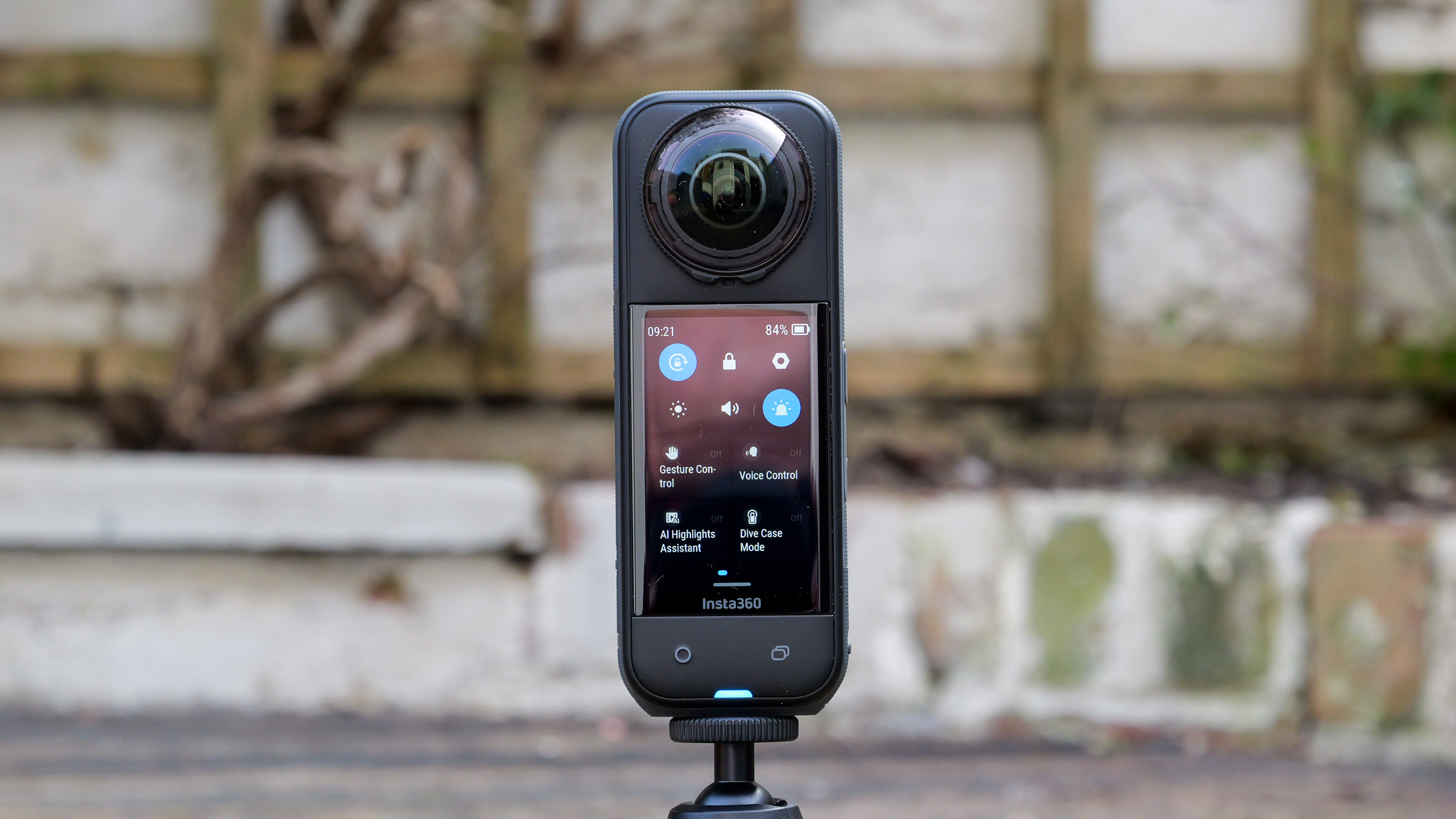
Rank 13382More DJI Osmo 360 imagery leaks outWe see the inside and the outside of the cameraThe launch of the device is in doubt
The Insta360 X5 has only just arrived on the scene, but it seems we might get another flagship 360-degree camera very soon: dozens of images of the DJI Osmo 360 have now leaked, together with its instruction manual.These leaks come from @Quadro_News and @hakasushi (via Notebookcheck), and give us a very detailed look at both the outside and the inside of the camera. The pictures seem to be from Federal Communications Commission (FCC) testing in the US.We first heard about the DJI Osmo 360 arriving at the FCC back in October, so this compact 360-degree camera has been a long time coming. We then saw further leaked images appear online in February, apparently showing the camera with the DJI Osmo Action 6.The most recent leak around this camera came in March, when we got another unofficial shot of the DJI Osmo 360, together with the news that it could well have a 1/1.3-inch image sensor for capturing high-resolution photos and videos.
Will we ever see it?
👉To break your boredom, here are some photos of the DJI Osmo 360 prototype💁♂️#dji #djiosmo360 pic.twitter.com/Ywi3cChOeDMay 4, 2025
We don't actually learn too much from the latest leak, though the instruction manual does mention a 1,950 mAh battery. There's also confirmation that the camera will have an on-board touchscreen, and work with the DJI Mimo app.However, tipster @JasperEllens suggests we may not actually see the DJI Osmo 360 after all. He points to a lack of retailer leaks and ongoing uncertainty over tariffs in the US as reasons why DJI might have put this particular product on pause.It would be a shame if DJI wasn't able to give the likes of the Insta360 X5 and the GoPro Max some extra competition, but times are tough for hardware companies right now – we know that the GoPro Max 2 has also seen several issues and delays.Everything considered, DJI would be forgiven for concentrating on making the best drones in the business, rather than any new action cameras. However, these leaks show that the DJI Osmo 360 is a long way down its development road, so we'll have to wait and see.
You might also like
Our full review of the Insta360 X5These are the best action camerasDJI Mini 5 drone image leaks
-
Picture from ichef.bbci.co.uk
Rank 13383 -

Picture from ichef.bbci.co.uk
Rank 13384 -

Picture from cdn.mos.cms.futurecdn.net
Rank 13385Windows 11’s 24H2 update is now in the last phase of its rolloutSome users may find the upgrade automatically pushed to their PC very soonThat (should) mean Microsoft is confident that it’s fully shipshape, though some PCs may still have issues, and will be blocked from the upgrade
Windows 11’s 24H2 update is now rolling out to all users as Microsoft has announced that the final phase of deployment has now kicked off.Windows Latest reports that Microsoft must have the 24H2 update in good enough shape that it evidently considers it fit to be pushed out to every Windows 11 user – with a slight exception.Microsoft says that: “Windows 11, version 24H2, also known as the Windows 11 2024 Update, is broadly available. We have reached the last phase of the gradual rollout for version 24H2 via Windows Update on Settings.”The mentioned exception is that Windows 11 PCs which have a compatibility hold in place won’t see the 24H2 update.What this means is that the system has a known issue with hardware or software conflicting with version 24H2 that Microsoft hasn’t resolved, so because of this, those devices won’t get the upgrade (not yet, anyway – but they will when said problem is fixed).
(Image credit: Future)
Analysis: What does this mean in practice?
As Microsoft makes clear, what this means is that when you next check for updates in Windows Update, you’ll see an option to download the 24H2 update (assuming your PC isn’t blocked by a compatibility hold as noted above).However, as Windows Latest further observes, on some PCs, 24H2 may start automatically downloading in Windows Update. Also, if Windows 11 checks for updates in the background itself, the update may also start automatically downloading, too.Microsoft tells us: “Devices running Home and Pro editions of Windows 11, versions 23H2, 22H2, and 21H2 that are not managed by IT departments will receive the update to version 24H2 automatically.”Of course, that means most everyday consumers (this won’t happen in business settings, as the IT staff manage the deployment of updates).However, a ‘forced’ update – where 24H2 will download in the background, and pop up announcing that it’s ready for installation, at which point, there’s no turning back – doesn’t happen for everyone, by any means.But in theory, it can, and Microsoft will force any given update through to your PC eventually. As the software giant makes clear elsewhere in its Windows update FAQ: “You can’t stop updates entirely – because they help keep your device safe and secure, updates will eventually need to be installed and downloaded, regardless of your update settings.”On Windows 11 Home, you don’t have much room to maneuver, but what you can do is pause updates (temporarily, to buy you a little time) when one pops up on Windows Update. Also, ensure you haven’t selected the option to ‘Get Windows updates as soon as they’re available for your device’ (in Windows Update > Advanced options) because that will usher all updates onto your PC as soon as possible.(I should note that Windows Latest provides some instructions on how to fudge your way into avoiding the 24H2 update, but that process goes into the technical weeds somewhat, and involves resurrecting elements Microsoft has stripped out of its desktop OS, so I really wouldn’t advise this course of action).In short, it’s time to get ready for version 24H2 on your Windows 11 PC before too long – which might be a worry for some folks given the amount of bugs and complaints of all sorts of oddities that have been associated with this particular feature upgrade. Microsoft must be confident enough that it’s been hammered into better shape at this point, though, to open the 24H2 update to this broad general deployment.
You might also like...
Microsoft could be working on the next update for Windows 11 – but 25H2 could end up being a disappointmentWindows 11 is getting a very handy change to the taskbar, as Microsoft takes a leaf from Apple’s Mac playbookWindows 11 fully streamlined in just two clicks? Talon utility promises to rip all the bloatware out of Microsoft’s OS in a hassle-free way
-

Picture from ichef.bbci.co.uk
Rank 13386 -
Picture from cdn.mos.cms.futurecdn.net
Rank 13387Hacker claims they broke into messaging service TeleMessageTeleMessage is a clone of Signal, a popular privacy-oriented chat app used by the likes of JD VanceHacker stole some files from the platform, but no US government data was taken
TeleMessage, an instant communications app used by some US Government officials, has reportedly been hacked, with private messages stolen.A report from 404 Media says a hacker broke into, and stole messages found on the platform, which were then shared with the publication, allowing it to confirm the authenticity of at least some parts of the stolen archives.In May 2025, TeleMessage gained media attention after it was revealed that Mike Waltz, former US National Security Advisor, was using an unofficial version of Signal called "TM SGNL," created by TeleMessage.
Get Keeper Personal for just $1.67/month, Keeper Family for just $3.54/month, and Keeper Business for just $7/monthKeeper is a cybersecurity platform primarily known for its password manager and digital vault, designed to help individuals, families, and businesses securely store and manage passwords, sensitive files, and other private data. It uses zero-knowledge encryption and offers features like two-factor authentication, dark web monitoring, secure file storage, and breach alerts to protect against cyber threats.Preferred partner (What does this mean?)View Deal
Waltz dismissed
TeleMessage is a modified version of the Signal app, developed by an Israeli company. Reuters describes the firm as “obscure”.The app is built as both an enterprise messaging and archiving platform for SMS, MMS, voice calls, and messages from apps like WhatsApp, WeChat, Telegram, and Signal. The archiving is for regulatory compliance and eDiscovery purposes.Now, after the hack everyone is asking the same question - did the hacker steal US government communications? The answer is apparently, no.404Media says the hacker did not steal any messages from Waltz or anyone else in the Trump administration. We also don’t know how the hacker accessed the information, if any zero-day vulnerability was abused, or if any malware was deployed in the process.So far, all parties, including TeleMessage, and the US Government, have not commented on the news. A Signal spokesperson told Reuters that the company “cannot guarantee the privacy or security properties of unofficial versions of Signal.”Mike Waltz was dismissed from his role as US National Security Advisor on May 1, 2025, following a significant security incident in which he inadvertently added journalist Jeffrey Goldberg to a Signal group chat where senior officials were discussing classified military plans for a strike against Houthi militants in Yemen.
You might also like
US government warns this popular CMS software has a worrying security flawTake a look at our guide to the best authenticator appWe've rounded up the best password managers
-

Picture from techcrunch.com
Rank 13388 -

Picture from ichef.bbci.co.uk
Rank 13389 -

Picture from cdn.mos.cms.futurecdn.net
Rank 13390Mass production may have started on the next Galaxy foldablesWe're expecting a launch event sometime in JulyThe Z Flip 7 might be the only model to get a battery boost
We're expecting the Samsung Galaxy Z Fold 7 and the Samsung Galaxy Z Flip 7 to arrive in July, and a couple of fresh rumors suggest the launches are on schedule – but that only one of these foldables is going to get a battery upgrade this year.First up, tipster @PandaFlashPro (via SamMobile) says that mass production has now started on the Galaxy Z Fold 7 and the Galaxy Z Flip 7, as previously predicted. That fits in nicely with a launch date inside the next couple of months.Secondly, The Tech Outlook (via SamMobile again) has uncovered certifications for these foldable phones that give away their battery sizes: 4,400 mAh for the Galaxy Z Fold 7 (matching the Galaxy Z Fold 6) and 4,300 mAh for the Galaxy Z Flip 7 (up from the 4,000 mAh battery in the Galaxy Z Flip 6).Changes in battery capacity don't always equate to changes in battery life of course, but the indications are that the Galaxy Z Flip 7 is going to last longer between charges, while the Galaxy Z Fold 7 will again offer 10-11 hours of battery life (based on our comprehensive Samsung Galaxy Z Fold 6 review).
Here's what's coming
Another Galaxy Unpacked 2025 showcase is expected (Image credit: Samsung)
We've heard plenty of rumors around these two flagship foldables already, of course. When it comes to the Galaxy Z Fold 7, there's been talk of improved dust resistance and a major 200MP camera upgrade. Its processor is expected to be the Snapdragon 8 Elite, and we've also seen unofficial renders of the device.As for the Galaxy Z Flip 7, it seems likely that it's going to get a full-sized cover screen, like the Motorola Razr phones – which would definitely be a welcome improvement. A battery life boost has also been mentioned in previous leaks, with other tipsters agreeing that 4,300 mAh will be the capacity on the 2025 model.There might be an interesting twist in terms of the software here too: the word is that the phones could come with One UI 8 (based on Android 16), even though One UI 7 (based on Android 15) has only just made it out to the majority of Galaxy handsets.If Samsung does hold another Unpacked launch event sometime in July, it should be quite a show. Besides the Galaxy Z Fold 7 and the Galaxy Z Flip 7, we're also expecting to see a new tri-fold device, the Galaxy Watch 8 models, and maybe the Galaxy Ring 2.
You might also like
5 recent rumors around Samsung's next foldableShould you wait for the Samsung Galaxy Z Fold 7?The Z Fold 7 and Z Flip 7 may be more efficient
-

Picture from ichef.bbci.co.uk
Rank 13391 -

Picture from ichef.bbci.co.uk
Rank 13392 -

Picture from ichef.bbci.co.uk
Rank 13393 -

Picture from cdn.mos.cms.futurecdn.net
Rank 13394Lots of the best web hosting providers offer cloud hosting and we’re used to seeing the word ‘cloud’ stuck in front of basically every technological term out there. And while tech-savvy individuals have a decent grasp of what ‘the cloud’ is, the same can’t be said for all its potential applications.So, before your read on let’s briefly touch on what is the difference between cloud hosting and shared hosting. Cloud hosting allows your website to be hosted on multiple synced servers all sharing resources. Shared hosting has multiple websites on a single server sharing resources.Cloud hosting, for example, is not simply shared website hosting with a cloud badge stuck on the front of it. Cloud hosting is in a league of its own when compared to more traditional forms of shared hosting, and offers many unique advantages that qualify its existence.
What is cloud hosting?
At its most basic level, the critical differentiator of cloud hosting is the cloud. No prizes for that part. Just like cloud computing, cloud hosting gets its name because it draws computing power from “the cloud,” i.e. a pool of dynamically allocated resources across a large network of physical components, instead of a fixed set of hardware.Cloud hosting is, in theory, infinitely scalable because it allows an unlimited number of machines to effectively act as one system. By leveraging virtualization, multiple physical servers are pooled together and presented to the website or application as one machine.The benefits of cloud hosting mirror many of the benefits of other cloud computing services, such as improved reliability and redundancy, higher performance, and on-demand scalability. All of these are particularly well suited to websites, where a major new product launch or the unexpected success of a viral video can send flocks of new customers to a website in a matter of minutes.Where regular hosting might break under the jump in workload (dependent on how much resource is permanently allocated to the site of course), with cloud hosting, the website’s resources can automatically scale up to meet the demand. This means that your website is always ready for the unexpected.The pooling of resources also lends itself well to the website’s redundancy. With your website hosted over multiple servers instead of just one, the failure of one server will not mean the failure of your site.Any slack left by a downed server is automatically picked up by the other servers in the cloud. If those servers are struggling then additional servers are automatically brought online to accommodate. Ultimately, cloud hosting is designed to deliver the guaranteed service level that your website needs.
Advantages of cloud hosting
Highly scalable resources that can be adjusted on-demandOffers distributed server networks and dynamic resource allocationMinimal downtime due to server redundancy and failover capabilitiesPay-as-you-go pricing modelAdvanced security features with enterprise-grade protection
Disadvantages of cloud hosting
Generally more expensive than shared hostingAdvanced knowledge required for custom configurationsPotential vendor lock-in can make it difficult to switch providersLimited customization and control compared to dedicated serversRisk of data breaches despite enhanced security measures
What is shared hosting?
Shared hosting on the other hand is a web hosting solution where each customer receives a portion of the same physical server hardware to run their website or application.Shared hosting is often the most economical way to get a project online, because the service provider houses multiple customers on a single web server, resulting in lower costs overall.While shared hosting can be perfect as a cost-effective platform for less demanding projects, it certainly has its limits.With several customers sharing one set of physical hardware, individual users can’t rely on a guaranteed level of server performance.This might not be an issue for sites and applications with minimal requirements or low visitor numbers, but when it comes to running intensive, business-critical processes, many users find that shared hosting isn’t up to snuff.
Advantages of shared hosting
Most cost-effective hosting solution with low monthly feesUser-friendly management through simple control panelsPre-installed software and one-click installations for popular applicationsTechnical support and maintenance handled by the hosting providerIdeal for beginners with minimal technical knowledge requirements
Disadvantages of shared hosting
Limited resources and performance due to sharing server spaceSecurity vulnerabilities from sharing server space with other websitesLack of customization options and server controlPotential downtime if other sites on shared server experience issuesLimited scalability options for growing websites
How does cloud hosting work?
A major misconception about cloud hosting is that it doesn’t offer any significant performance boost when compared to a normal shared hosting solution. This couldn’t be further from the truth.With cloud hosting, every single resource you configure is dedicated to you alone. Processors, RAM and SSD storage provide guaranteed performance on cloud hosting, exactly the same way they do on complete servers. In practice this means your WordPress blog or Drupal site can run with the same high level of performance you’d get from a dedicated server. Expecting higher visitor numbers? It’s a simple case of configuring increased server resources.Like a shared platform, everything can also be managed from one central control panel, but with the flexibility to manage files via SFTP, install and update applications (e.g. WordPress), manage databases and DNS, and manipulate source code. Cloud hosting can be administered in just the same way as a physical, shared platform because the website and applications view it as such.Virtualisation tricks the website into thinking it is still hosted on one piece of hardware — with the processors, RAM etc. that have been allocated to it. The fact that these resources are actually split among four different servers in two different data centres doesn’t matter.But of course, as mentioned before, the biggest difference is that unlike shared hosting, cloud hosting offers fully dedicated resources that can be scaled on demand for guaranteed performance. A kind of ‘dedicated hosting’ option for users who want the increased power of their own server, but don’t want to deal with server management.
How does shared hosting work?
The reason shared hosting isn’t suitable for intensive applications? In a word: contention. The full power of the hardware will always be pulled in several directions at once, with different websites and applications in constant competition for processing power.Imagine one customer on a shared platform gets a sudden spike in traffic. Luckily, other websites on the same server are quiet, so some resources can be allocated to cope with the extra visitors. But what happens when several websites are popular at once?The server only has a finite amount of resources to parcel out, so intensive applications will regularly struggle to get what they need. The end result is inconsistent performance, slow loading times and a shoddy experience for the end-user. If your website is a major source of leads or sales, this presents a serious shortcoming.Even with high contention, shared hosting can still use sophisticated technology to provide decent performance, at least for sites with low or medium requirements. But the fact remains: demanding sites will never get predictable, consistently high performance on anything other than a dedicated platform.
Cloud hosting vs shared hosting: How to choose the right option?
Choosing between cloud and shared hosting depends primarily on your business needs, technical requirements, and growth expectations. Cloud hosting offers superior performance and scalability but comes at a higher cost, while shared hosting provides an affordable entry point for smaller websites with basic needs.Consider your website's current traffic levels, expected growth rate, and performance requirements. Small businesses and personal websites can often start with shared hosting, while enterprises requiring consistent performance and scalability should opt for cloud hosting.Choose cloud hosting if you:• Run an ecommerce site or business-critical application requiring consistent performance• Expect significant traffic growth or experience seasonal traffic spikes• Need advanced security features and reliable uptime• Have the budget for premium hosting servicesChoose shared hosting if you:• Are launching a small business website or personal blog• Have limited technical knowledge and prefer simple management• Operate with a restricted budget• Don't expect significant traffic growth in the near future• Run a basic website without complex functionalityNeal Thoms is a content editor at Fasthosts. His main focus is cloud technology and how it’s transforming everything we do online. He’s worked in the web hosting industry for over five years.
We've also highlighted the best managed web hosting.
-

Picture from cdn.mos.cms.futurecdn.net
Rank 13395Wordfence researchers uncover a new piece of WordPress malwareThreat actors used AI to create legitimate-looking toolsThe malware pretends to be an anti-malware product
Security researchers have discovered a piece of WordPress malware pretending to be an antimalware solution. In late April, Marko Wotschka from the Wordfence team published a new blog post detailing an “interesting WordPress malware”: it appears in the file system as a normal WordPress plugin, often with the name ‘WP-antymalwary-bot.php’.While looking inconspicuous at first, the researchers discovered that this plugin contains several functions that allows attackers to persist on the target website, hide the plugin from the dashboard, and remotely execute code.“Pinging functionality that can report back to a Command & Control (C&C) server is also included, as is code that helps spread malware into other directories and inject malicious JavaScript responsible for serving ads,” Wotschka explained.
Get Keeper Personal for just $1.67/month, Keeper Family for just $3.54/month, and Keeper Business for just $7/monthKeeper is a cybersecurity platform primarily known for its password manager and digital vault, designed to help individuals, families, and businesses securely store and manage passwords, sensitive files, and other private data. It uses zero-knowledge encryption and offers features like two-factor authentication, dark web monitoring, secure file storage, and breach alerts to protect against cyber threats.Preferred partner (What does this mean?)View Deal
Compromised hosting accounts
Wordfence first discovered the malicious plugin during a January 2025 site cleanup, when they discovered a modified ‘wp-cron” php file.It created and programmatically activated the malware which was also found to have been using the names “addons.php”, “wpconsole.php”, “wp-performance-booster.php”, and “scr.php”.If the website admin deletes the plugin, wp-cron recreates and reactivates it automatically.Wordfence couldn’t determine who the threat actors behind the attacks are, or how they managed to compromise these websites.There were no logs to analyze, which is why the researchers speculated that the infection happened either via a compromised hosting account, or FTP credentials. They also managed to determine that the C2 server is located in Cyprus, and that a similar attack was already seen back in June 2024.Another thing that makes this malware interesting - as Wordfence put it - is the apparent use of Generative Artificial Intelligence (AI) in code writing.It’s not the use of AI per se that’s interesting, but rather the fact that AI helps threat actors create “more legitimate appearing malware”.Via BleepingComputer
You might also like
US government warns this popular CMS software has a worrying security flawTake a look at our guide to the best authenticator appWe've rounded up the best password managers
-

Picture from cdn.mos.cms.futurecdn.net
Rank 13396A bug that broke jump links in the Start menu was previously flagged up with Windows 10’s April updateThat glitch was actually floating about in earlier updates (going back to February)Microsoft has fixed the problem, which related to a change to bring a Microsoft account-related panel to the Start menu in Windows 10
Remember that odd Windows 10 problem where the April update for the OS broke part of the Start menu for some people? The good news is that Microsoft has resolved this bug.If you missed this one, it was a glitch that meant jump lists – extra options that pop up with a right click on an icon – no longer worked properly for some apps in the Start menu.Windows Latest caught an update from Microsoft about the issue, which both confirmed that this bug is (or was) present in Windows 10, and also that it’s now fixed, thankfully.In a release health dashboard update, in the known issues section, Microsoft acknowledged the bug and admitted it was more widespread than just the most recent April cumulative update for Windows 10. In fact, this Start menu faux pas has been present since the February preview (optional) update.Microsoft explains that the problem related to bringing in Microsoft account “control experiences” to the Start Menu, a limited rollout that began in March 2025. (So, it would also have been present in the late February update, which was a preview of the March full release.)Whatever was happening with introducing that feature caused the jump list functionality to vanish for some Windows 10 users. Upon realizing this, Microsoft paused the rollout of that Microsoft account-related addition to the Start menu on April 25. A fix was piped through, as well.Microsoft says: “This [jump link] issue was resolved by a service change that was rolled out on April 25, 2025. If you are still facing this issue, please ensure that your device is connected to the internet to receive the automatic resolution that has been rolled out. After the next reboot, this issue should be resolved.”
(Image credit: Microsoft)
Analysis: Backporting blues
Windows Latest, which experienced this problem on some of its Windows 10 PCs, has confirmed that the bug is now cured on those devices, so that’s good to hear.While jump lists – which provide extra context-sensitive abilities for certain apps on the Start menu, like opening recently used files, ‘jumping’ straight to them – might sound like a pretty minor thing, some people use them a lot. And this functionality getting broken really messed with the workflows of those Windows 10 users, and seriously annoyed them (as you could see from some of the complaints aired online).Back when this bug was first reported, I guessed that it could be the result of backporting features from Windows 11, and that turned out to be the case. The Microsoft account panel being introduced to the Start menu is already in Windows 11, and is being brought to Windows 10 – or it was, anyway, though that work is now paused.It may be (and probably is) still inbound, then, although I’m not quite sure why Microsoft is providing additions for Windows 10 at this point, when the operating system has less than half a year left on the clock before support runs out. Perhaps that’s a measure of just how important the company feels it is to promote visibility for Microsoft accounts.
You may also like...
Been hiding from Windows 11 24H2 due to the fuss about all the bugs? There’s nowhere to run now as Microsoft’s made the update compulsoryHere's why you should reinstall Windows 11 every two months - no, I'm not kiddingWindows 11 fully streamlined in just two clicks? Talon utility promises to rip all the bloatware out of Microsoft’s OS in a hassle-free way
-

Picture from ichef.bbci.co.uk
Rank 13397 -

Picture from ichef.bbci.co.uk
Rank 13398 -
Picture from o.aolcdn.com
Rank 13399Graduating college is a major milestone — then comes the not-so-fun part: learning to be an adult. If you know a recent grad and want to celebrate, there are countless gadgets and services you can give them to make the next step in their life a little less daunting. We spend our days testing exactly these kinds of products and figuring out which ones are actually good; if you need a hand coming up with something, we’ve rounded up a few of our favorite college graduation gift ideas below.
This article originally appeared on Engadget at https://www.engadget.com/best-graduation-gifts-111518948.html?src=rss
-
Picture from o.aolcdn.com
Rank 13400In a development that can only be seen as positive, non-consensual deepfake porn site Mr. Deepfakes has shut down for good, reports 404 Media. This news comes due to the site losing one of its service providers.
"A critical service provider has terminated service permanently. Data loss has made it impossible to continue operation," a notice on the site reads. "We will not be relaunching. Any website claiming this is fake. This domain will eventually expire and we are not responsible for future use. This message will be removed around one week."
As sites continued to crack down on non-consenual deepfake porn, Mr. Deepfakes became an open space for it. Users could upload videos and connect with creators to commission videos. People also used it as a way to collaborate on new techniques, share their methods and provide datasets. All of it was with the goal of creating this non-consensual media, sometimes with a strong likeness to real people.
The creator of Mr. Deepfakes is still technically anonymous. However, German newspaper Der Spiegel reportedly tracked down one of the individuals behind it, a 36-year-old in Toronto.
Governments across the world have been taking steps to make sexually explicit deepfakes illegal. Last week, the US Congress passed a bill criminalizing the "publication of non-consensual, sexually exploitative images," including deepfakes. The UK has made multiple attempts in recent years to make it illegal to create sexually explicit deepfakes. Currently, it's illegal to share this content, but not to produce it. In early 2024, the European Commission proposed new rules to criminalize sharing non-consensual intimate images, including deepfakes. This article originally appeared on Engadget at https://www.engadget.com/ai/leading-deepfake-porn-site-is-shut-down-for-good-120018413.html?src=rss


