News
This constantly updated list features the latest and most important news articles, ranked in order of significance. The top stories highlight major developments, breaking news, and critical updates across various topics, ensuring you stay informed about the most pressing issues. As new articles are added, the list adapts to reflect the latest priorities, keeping the most impactful stories at the forefront. Whether it’s global events, technology breakthroughs, or industry trends, this dynamic list ensures you always have access to the most relevant and timely information.
-

Picture from cdn.mos.cms.futurecdn.net
Rank 9301Change Healthcare suffered a huge cyberattack in 2024Disruptions from that attack cost organizations millionsThe firm is now chasing repayment of loans to cover losses from these disruptions
UnitedHealth Group is “aggressively” going after small healthcare organizations that borrowed money following a huge cyberattack on its subsidy Change Healthcare.The attack is said to have affected almost 190 million Americans, and was the largest US healthcare data breach ever, and was incredibly disruptive, with systems only fully restored 9 months later, costing over $2 billion to recover from.After the attack, interest-free loans were offered by Change to help medical practices with short-term cash flow needs. The firm is now demanding these funds be “immediately” repaid, with some organizations asked to repay hundreds of thousands of dollars in just a few days.
Monitor your credit score with TransUnion starting at $29.95/monthTransUnion is a credit monitoring service that helps you stay on top of your financial health. With real-time alerts, credit score tracking, and identity theft protection, it ensures you never miss important changes. You'll benefit from a customizable online interface with clear insights into your credit profile. Businesses also benefit from TransUnion’s advanced risk assessment tools.Preferred partner (What does this mean?)View Deal
Lost revenue
Optum, UnitedHealth’s financial arm, has now confirmed it will withhold separate funds until these loans are repaid.Doctors with their own private practices used these loans to cover losses from the disruption following the cyber incident, which cost some hundreds of thousands - and some reportedly used personal savings to keep practices afloat.It’s worth noting UnitedHealth has a net worth of over $470 billion (at the time of writing), and CEO Andrew Witty made over $23 million in compensation in 2023.Optum has collected over $4.5 billion of the $9 billion debt, but since many practices lost so much in downtime thanks to the disruption, many will struggle to repay the money owed in the just 5 day timeframe Optum have imposed, with one doctor describing it as a “shakedown.”UnitedHealth paid the ransomware attackers $22 million in cryptocurrency to recover its data - but the operation was still shut down in its entirety, and Change never got its data back. Medical data is, of course, extremely sensitive, and put anyone exposed at risk of identity theft or fraud.Via CNBC
You might also like
Take a look at our picks for the best malware removal software aroundCheck out our choice for best antivirus softwareCl0p resurgence drives ransomware attacks to new highs in 2025
-

Picture from techcrunch.com
Rank 9302 -
Picture from o.aolcdn.com
Rank 9303Intel is selling off its majority share in chip-maker Altera as part of its new CEO's first steps toward stabilizing the company. The 51 percent stake sold today for $4.46 billion in a deal that is expected to close in the second half of this year. "Today's announcement reflects our commitment to sharpening our focus, lowering our expense structure and strengthening our balance sheet," CEO Lip-Bu Tan said of the sale.
Altera makes field programmable gate array chips, which are often used to power retro gaming hardware such as the Analogue consoles. The company's other products have applications ranging from military to telecom sectors. Intel acquired Altera in 2015 for a hefty $16.7 billion, which means its current valuation has taken quite a dive since that purchase. However the sale should still provide some cash flow to Intel at a critical juncture.
Tan was appointed Intel's CEO in March, following the departure of Pat Gelsinger as the company's top exec. He is expected to help change course for the company following a long string of poor decisions, and from the start of his appointment, it seemed likely that Intel would see some streamlining of its business.This article originally appeared on Engadget at https://www.engadget.com/big-tech/intel-is-selling-off-a-majority-stake-in-chip-maker-altera-for-446-billion-205015269.html?src=rss
-

Picture from cdn.mos.cms.futurecdn.net
Rank 9304GenAI can hallucinate open source package names, experts warnIt doesn't always hallucinate a different nameCybercriminals can use the names to register malware
Security researchers have warned of a new method by which Generative AI (GenAI) can be abused in cybercrime, known as 'slopsquatting'.It starts with the fact that different GenAI tools, such as Chat-GPT, Copilot, and others, hallucinate. In the context of AI, “hallucination” is when the AI simply makes things up. It can make up a quote that a person never said, an event that never happened, or - in software development - an open-source software package that was never created.Now, according to Sarah Gooding from Socket, many software developers rely heavily on GenAI when writing code. The tool could write the lines itself, or it could suggest the developer different packages to download and include in the product.
Monitor your credit score with TransUnion starting at $29.95/monthTransUnion is a credit monitoring service that helps you stay on top of your financial health. With real-time alerts, credit score tracking, and identity theft protection, it ensures you never miss important changes. You'll benefit from a customizable online interface with clear insights into your credit profile. Businesses also benefit from TransUnion’s advanced risk assessment tools.Preferred partner (What does this mean?)View Deal
Hallucinating malware
The report adds the AI doesn’t always hallucinate a different name or a different package - some things repeat.“When re-running the same hallucination-triggering prompt ten times, 43% of hallucinated packages were repeated every time, while 39% never reappeared at all,” it says.“Overall, 58% of hallucinated packages were repeated more than once across ten runs, indicating that a majority of hallucinations are not just random noise, but repeatable artifacts of how the models respond to certain prompts.”This is purely theoretical at this point, but apparently, cybercriminals could map out the different packages AI is hallucinating and - register them on open-source platforms.Therefore, when a developer gets a suggestion and visits GitHub, PyPI, or similar - they will find the package and happily install it, without knowing that it’s malicious.Luckily enough, there are no confirmed cases of slopsquatting in the wild at press time, but it’s safe to say it is only a matter of time. Given that the hallucinated names can be mapped out, we can assume security researchers will discover them eventually.The best way to protect against these attacks is to be careful when accepting suggestions from anyone, living or otherwise.
You might also like
What are AI Hallucinations? When AI goes wrongTake a look at our guide to the best authenticator appWe've rounded up the best password managers
-
Picture from o.aolcdn.com
Rank 9305In a decision almost certainly informed by the recent tariff chaos, NVIDIA is going to start making some of its AI chips and supercomputers in the US. The company announced that it's building and testing its Blackwell chips in Arizona and it plans to manufacture its AI supercomputers — presumably the recently announced DGX Spark and DGX Station — in Texas.
NVIDIA says TSMC is already making Blackwell chips in Phoenix, Arizona and the company is partnering with Amkor and SPIL for testing and packaging. In Texas, the company's supercomputers will be made by Foxconn in Houston and Wistron in Dallas. "Mass production at both plants is expected to ramp up in the next 12-15 months," NVIDIA says.
It's not entirely clear which version of NVIDIA's Blackwell chips TSMC will actually be building, but the chip maker plans to be equipped to handle a wide variety of manufacturing for US tech companies, including Apple and Qualcomm. TSMC received $6.6 billion in funding from the CHIPS Act under the Biden administration and committed to spending an additional $100 billion to expand its US operations in March.
NVIDIA has benefitted most directly from the current AI boom, and stood to be harshly impacted by the latest round of tariffs announced by President Donald Trump. As of April 11, some of those tariffs have been "paused" for computers and chips, saving companies like NVIDIA from some financial strife, but moving some manufacturing to the US is a much more permanent way to avoid the ongoing trade war.This article originally appeared on Engadget at https://www.engadget.com/computing/nvidia-is-going-to-make-ai-chips-and-supercomputers-in-the-us-213534618.html?src=rss
-

Picture from techcrunch.com
Rank 9306 -

Picture from ichef.bbci.co.uk
Rank 9307 -
Picture from cdn.mos.cms.futurecdn.net
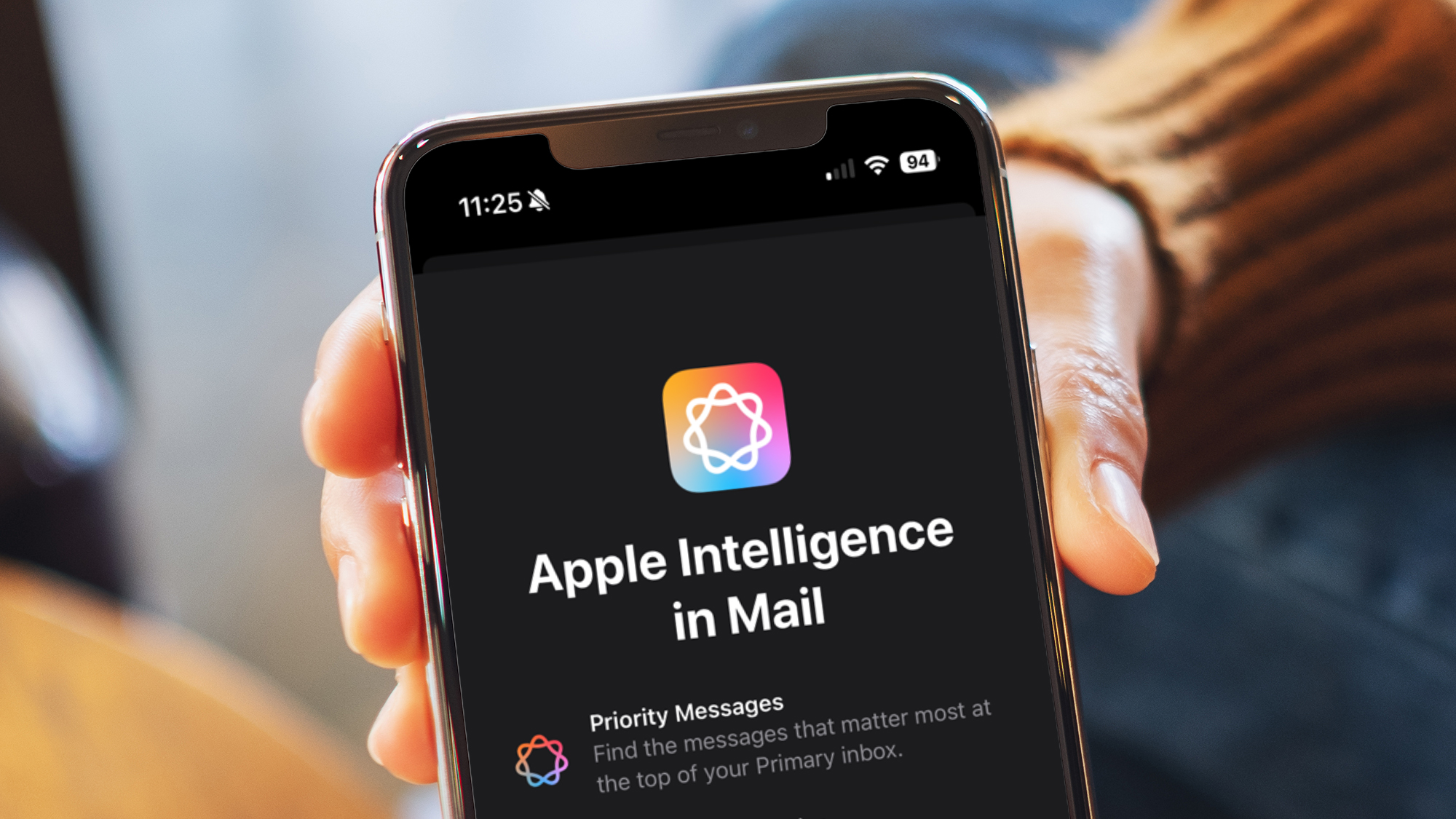
Rank 9308Apple Intelligence has not had the best year so far, but if you think Apple is giving up, you're wrong. It has big plans and is moving forward with new model training strategies that could vastly improve its AI performance. However, the changes do involve a closer look at your data – if you opt-in.In a new technical paper from Apple's Machine Learning Research, "Understanding Aggregate Trends for Apple Intelligence Using Differential Privacy," Apple outlined new plans for combining data analytics with user data and synthetic data generation to better train the models behind many of Apple Intelligence features.
Some real data
Up to now, Apple's been training its models on purely synthetic data, which tries to mimic what real data might be like, but there are limitations. In Genmoji's, for instance, Apple's use of synthetic data doesn't always point to how real users engage with the system. From the paper:"For example, understanding how our models perform when a user requests Genmoji that contain multiple entities (like “dinosaur in a cowboy hat”) helps us improve the responses to those kinds of requests."Essentially, if users opt-in, the system can poll the device to see if it has seen a data segment. However, your phone doesn't respond with the data; instead, it sends back a noisy and anonymized signal, which is apparently enough for Apple's model to learn.The process is somewhat different for models that work with longer texts like Writing tools and Summarizations. In this case, Apple uses synthetic models, and then they send a representation of these synthetic models to users who have opted into data analytics.On the device, the system then performs a comparison that seems to compare these representations against samples of recent emails."These most-frequently selected synthetic embeddings can then be used to generate training or testing data, or we can run additional curation steps to further refine the dataset."
A better result
It's complicated stuff. The key, though, is that Apple applies differential privacy to all the user data, which is the process of adding noise that makes it impossible to connect that data to a real user.Still, none of this works if you don't opt into Apple's Data Analytics, which usually happens when you first set up your iPhone, iPad, or MacBook.Doing so does not put your data or privacy at risk, but that training should lead to better models and, hopefully, a better Apple Intelligence experience on your iPhone and other Apple devices.It might also mean smarter and more sensible rewrites and summaries.
You might also like
3 things Apple needs to do at WWDC 2025 to save Apple IntelligenceHow to turn off Mail categories on iPhone, or customize them to your needsApple officially delays the AI-infused Siri
-

Picture from ichef.bbci.co.uk
Rank 9309 -
Picture from cdn.mos.cms.futurecdn.net
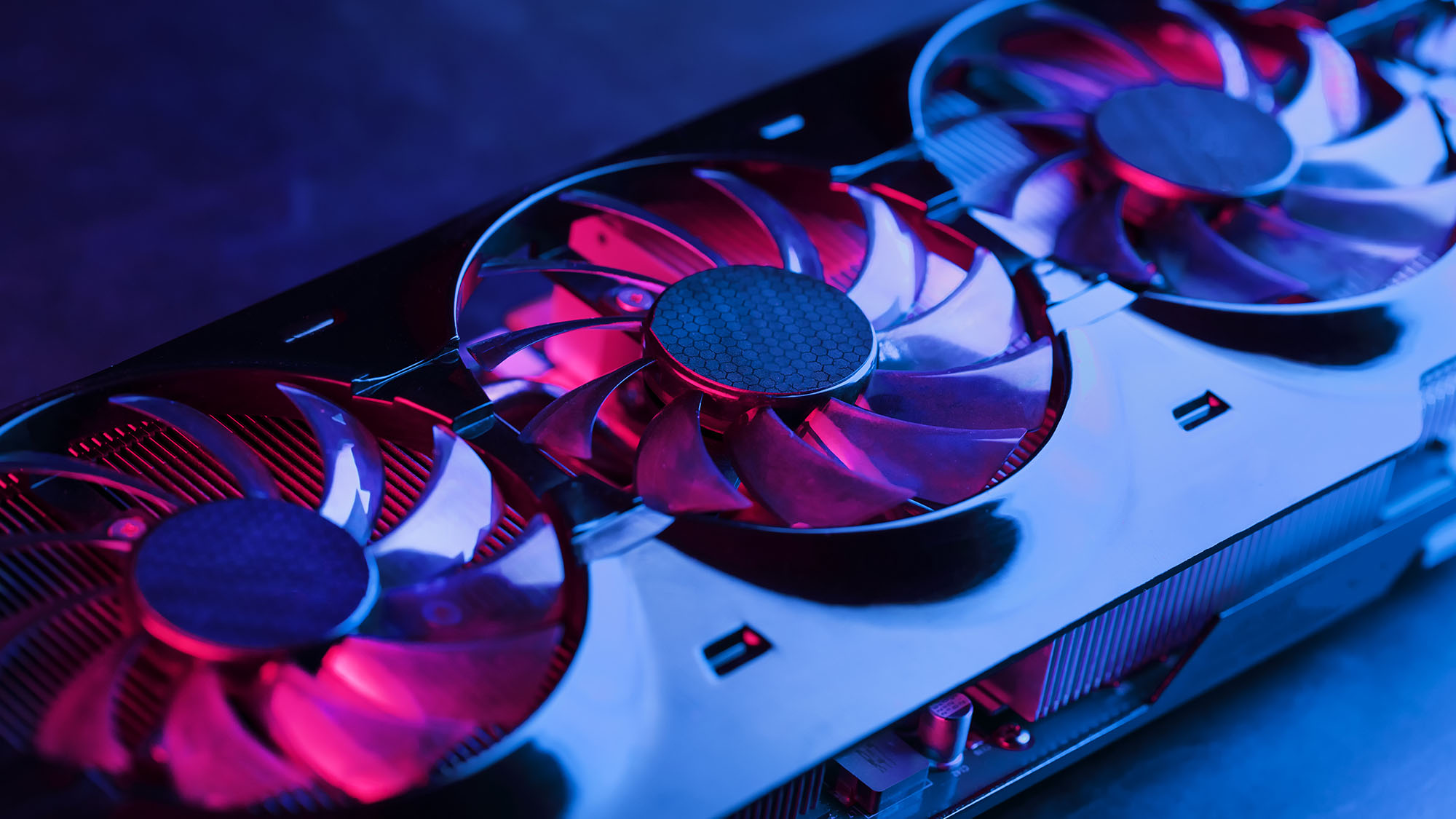
Rank 9310A new leak claims to detail the specs and pricing of AMD's upcoming Radeon RX 9060 XT GPUThe price could be as low as $269 in the US for the 8GB modelPerformance is claimed to sit between the Nvidia RTX 4060 Ti and AMD Radeon RX 7700 XT
We might finally have a proper idea of what AMD's long-awaited Radeon RX 9060 XT GPU is going to be capable of - and it's looking like it could be worthy of induction into the best graphics card hall of fame.Thanks to leaked information shared by Moore's Law Is Dead (MLID) on YouTube, we now know that the RX 9060 XT could be shipping with 32 compute units, a 128-bit memory bus with both 8GB and 16GB VRAM models available, and a TDP between 150W and 200W.Now, that's not a whole lot to go off at this point, but MLID's leak also notes that performance is 'above RTX 4060 Ti, but likely below RX 7700 XT'. Okay, so that doesn't sound that impressive, but here's the thing: the leak also includes pricing details, and it's looking very attractive on that front.The 8GB model will reportedly cost between $269 and $299, while the 16GB version is claimed to be priced at $329-379. It's unclear whether these are potential price ranges AMD itself is still contemplating, or projected price ranges for AIB partner cards. For reference, the RTX 4060 Ti - which it supposedly outperforms - originally retailed at $399, and that was almost two full years' worth of GPU price inflation ago.
Battle of the budgets
Even if AMD hits us with the high end of these price estimates, it'll be a seriously competitively priced desktop GPU. Although Nvidia has been dominating the high-performance end of the market with its RTX 5000 cards, there's no denying that AMD's biggest rival has been fumbling its budget game lately, leaving Intel (isn't that weird) as one of the best options in the affordable PC gaming space thanks to its excellent Arc B580 card.If Team Red can deliver RXT 4060 Ti-beating performance at a $269 price point, well, it's game set and match for the budget GPU market - at least, for the time being. It's worth noting, though, that MLID's source does say 'original plan as of a month ago' regarding these projected prices, likely in reference to the recent tech pricing carnage caused by Donald Trump's tariff war. So... watch this space, I guess.
(Image credit: AMD)
Another interesting point raised by the leaker was that the RX 9060 XT might lack hardware encoders - it's possible that to keep the price down, AMD has opted to include only the free-to-implement AV1 video encoder, not the (arguably better) H.264 and H.265 encode functions, since those require a licencing fee.The leaker claims there are no plans for a 'non-XT' RX 9060 card, which tracks given the two different VRAM versions and the suggested $269 base price. Additionally, AMD might be considering a Radeon RX 9050 XT, presumably priced somewhere in the $200-250 range.
You may also like...
Microsoft is digging its own grave with Windows 11, and it has to stopWindows 11 is getting a very handy change to the taskbar, as Microsoft takes a leaf from Apple’s Mac playbookMicrosoft looks to be making a big change to how you install and log in to Windows 11 – and I’m not happy about it at all
-
Rank 9311
-

Picture from ichef.bbci.co.uk
Rank 9312 -

Picture from ichef.bbci.co.uk
Rank 9313 -

Picture from ichef.bbci.co.uk
Rank 9314 -

Picture from ichef.bbci.co.uk
Rank 9315 -

Picture from ichef.bbci.co.uk
Rank 9316 -

Picture from ichef.bbci.co.uk
Rank 9317 -

Picture from ichef.bbci.co.uk
Rank 9318 -

Picture from ichef.bbci.co.uk
Rank 9319 -
Picture from o.aolcdn.com
Rank 9320Espresso Displays makes some of our favorite portable monitors, but up until now, it felt like there was a hole in its portfolio. That's because aside from its flagship model — the $800 Espresso 17 Pro — the other members of the family are slightly more affordable fare like the $469 Espresso Touch 13 and $499 Touch 15. Today, the company is plugging that gap with the Espresso 15 Pro, which packs everything I like about its bigger sibling in a more portable package for $699 (with a stand included).
Design and display
One of the things I appreciate about Espresso is that it doesn't try to do too much. The 15 Pro features an ultra minimalist design made from simple sheets of matte black aluminum along with glossy glass in front (if you prefer matte displays, you can always add one of the company's textured screen protectors). Granted, the monitor does have a bit of a chin, but aside from two USB-C ports stashed in the corner, that's really the 15 Pro's only defining exterior feature, so I'm not that bothered. All told, the display weighs 1 pound and 11 ounces, which sounds a lot heavier than it feels.
As for its specs, the Espresso 15 Pro's 4K LCD panel delivers nearly everything you want and then some. Brightness tops out at 550 nits (it was actually 556 nits according to my light meter), which is higher than the 450 nits on the 17-inch model. It also covers 100 percent of the Adobe RGB spectrum with 10-bit color (8-bit + 2-bit frame rate control). The one thing I wish Espresso included was a 120Hz refresh rate instead of being capped at 60Hz. That said, unless you're gaming or editing videos, that limitation may not be a huge factor.
Setup and special features
Sam Rutherford for Engadget
Getting the 15 Pro up and running couldn't be easier. Each USB-C port has enough bandwidth to carry power and data over a single cable, so you just need to plug in the included cord, and off you go. The one exception is for laptops that can't send out much power via USB-C, but I tested the monitor with 4 different laptops (both Mac and PC) and none of them had issues. The display even automatically downloaded the EspressoFlow software, which adds touch support to your Apple notebooks. You also get the new Glide feature that automatically positions the monitor in the right place depending on how you have it arranged next to your laptop. And by some black magic, the 15 Pro nailed it when it correctly laid out the monitor to the left of my notebook's built-in screen.
As someone who has recently been forced to use a Mac for work, the ability to quickly and easily add touch support to Apple's laptop is super nice. And while I'm far from a digital Degas, you can even use the display for drawing and sketching as the monitor also works with the company's optional stylus. This makes the 15 Pro an ideal travel companion for both people who want more screen real estate or a portable way of creating art on the go.
Accessories
In addition to screen protectors and pens, there are also a couple of important stand accessories for the 15 Pro. The first is the $49 Espresso Case, which is more of a magnetic folding cover that protects the screen while in transit that can also flip around back to become a kickstand when you're working. Like the display itself, it's a fairly simple affair that does exactly what you expect it to.
However, for those who want something more substantial, the 15 Pro also works with Espresso's $69 Stand+. It's more like what you'd see on a traditional desktop monitor, except that it can fold up for improved portability while also packing a really strong magnet that allows you to mount the monitor in a variety of positions. This thing might be too pricey for some, but I've quickly grown to appreciate how easy it makes putting the 15 Pro in the perfect position. It's more well-built than a lot of the desktop monitor stands I have. The obvious drawback is that at 1 pound and 4 ounces, the Stand+ weighs almost as much as the display itself, which is rather hefty.
Wrap-up
Sam Rutherford for Engadget
The Espresso 15 Pro has nearly everything I look for in a premium portable monitor. It features well above average brightness, a sleek but sturdy design and super simple setup. It also comes with a few special features like Glide and added touch support for Macs that help you get more out of the devices you already own. And thanks to a wealth of accessories, it can adapt to almost any use case.
While I'd like a higher refresh rate, not having it is far from a deal-breaker. That would almost certainly increase its price, and considering that the 15 Pro is already somewhat costly, starting at $699 for the monitor and the Stand+, I'm not sure the added expense would be worth it. Regardless, if you want a really portable monitor that's also more than good enough to use at home, there aren't many other displays that can match the Espresso 15 Pro.This article originally appeared on Engadget at https://www.engadget.com/computing/accessories/espresso-15-pro-review-just-a-really-nice-though-pricey-portable-monitor-230046315.html?src=rss
-

Picture from ichef.bbci.co.uk
Rank 9321 -

Picture from techcrunch.com
Rank 9322 -

Picture from ichef.bbci.co.uk
Rank 9323 -

Picture from ichef.bbci.co.uk
Rank 9324 -
Picture from ichef.bbci.co.uk
Rank 9325 -

Picture from ichef.bbci.co.uk
Rank 9326 -

Picture from ichef.bbci.co.uk
Rank 9327 -

Picture from ichef.bbci.co.uk
Rank 9328 -
Picture from cdn.mos.cms.futurecdn.net
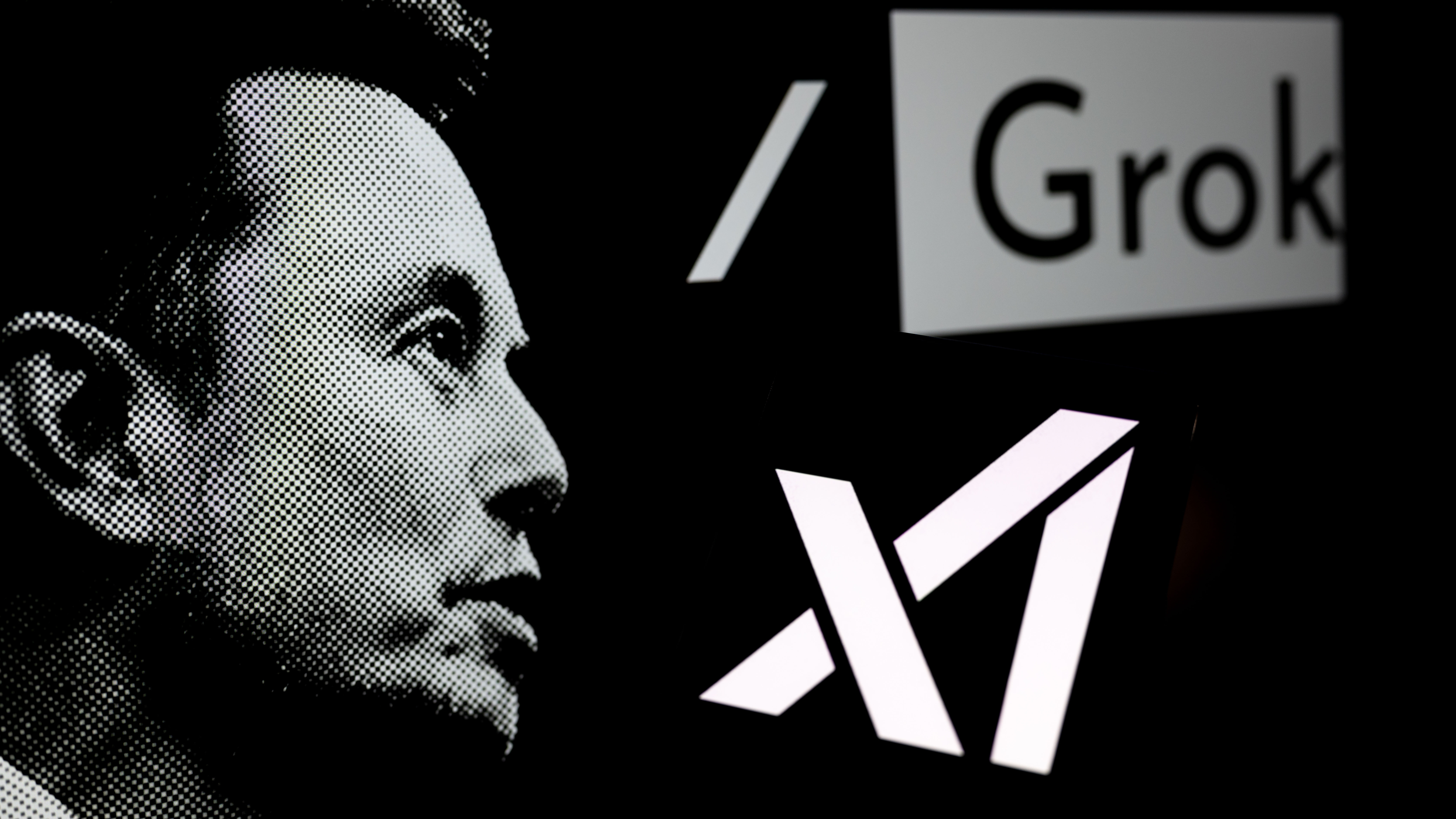
Rank 9329xAI’s Grok 3 chatbot has added a voice mode with multiple personalitiesOne personality is called “unhinged” and will scream and insult youGrok also has personalities for NSFW roleplay, crazy conspiracies, and an “Unlicensed Therapist” mode
xAI’s Grok may be about to start remembering your conversations as part of a broader slate of updates rolling out, all of which seek to match ChatGPT, Google Gemini, and other rivals. Elon Musk’s company tends to pitch Grok as a plucky upstart in a world of staid AI tools; it also seems to be aiming for parity on features like memory, voice, and image editing.As spotted by one user on X, it appears that Grok will get a new "Personalise with Memories" switch in settings. This would be a big deal if it works and mark a shift from momentary utility to long-term reliability. Grok's reported memory system, which is still in development but already appearing in the web app, will allow Grok to reference previous chats.This means if you’ve been working with it on something like planning a vacation, writing a screenplay, or just keeping track of the name of that documentary you wanted to watch, Grok could say, “Hey, didn’t we already talk about this?”Grok’s memory is expected to be user-controlled as well, which means you’ll be able to manage what the AI remembers and delete specific memories or everything Grok has remembered all at once. That’s increasingly the standard among AI competitors, and it’ll likely be essential for trust, especially as more people start using these tools for work, personal planning, and remembering which child prefers which bedtime story.This should put Grok more or less on par with what OpenAI has done with ChatGPT’s memory rollout, albeit on a much shorter timeline. The breakneck pace is part of the pitch for Grok, even when it doesn't quite work yet. Some users have reported already seeing the memory feature available, but it's not available to everyone yet, and the exact rollout schedule is unclear.
Remember Grok
Of course, giving memory to a chatbot is a bit like giving a goldfish a planner, meaning it’s only useful if it knows what to do with it. Even so, xAI seems to be layering memory into Grok Web in tandem with a handful of other upgrades that lean toward making it feel more like an actual assistant and less like a snarky trivia machine.This memory update is starting to appear as a range of other Grok upgrades loom on the horizon. Grok 3.5 is expected any day now, with Grok 4 slotted for the end of the year.There’s also a new vision feature in development for Grok’s voice mode, allowing users to point their phones at things and hear a description and analysis of what's around them.It's another feature that ChatGPT and Gemini users will find familiar, and Grok’s vision tool is still being tested. Upgrades are also coming to the recently released image editing feature that lets users upload a picture, select a style, and ask Grok to modify it.It’s part of the ongoing competition among AI chatbots to make AI models artistically versatile. Combine that with the upcoming Google Drive integration, and Grok starts to look a little more serious as a competitor.Also on the horizon is Grok Workspaces, a kind of digital whiteboard for collaborating with Grok on a more significant project. These updates suggest that xAI is pivoting to make Grok seem less like a novelty and more like a necessity. xAI clearly sees Grok’s future as being more useful than just a set of sarcastic and mean voice responses.Still, even as Grok gains these long-awaited features, questions remain about whether it can match the depth and polish of its more established counterparts. It’s one thing to bolt a memory system onto a chatbot. It’s another thing entirely to make that memory meaningful.Whether Grok becomes your go-to assistant or stays a curious toy used only when some aspect goes viral depends on how well xAI can connect all these new capabilities into something cohesive, intuitive, and a little less chaotic. But for now, at least, it finally remembers your name.
You might also like
ChatGPT's memory upgrade might just be the biggest AI improvement we see all yearI tried Grok’s new AI image editing features – they’re fun but won’t replace Photoshop any time soonGrok 3’s voice mode is unhinged, and that’s the point
-
Picture from cdn.mos.cms.futurecdn.net
Rank 9330When TV manufacturers announce their new ranges each year, I'm often left feeling conflicted. I can’t help but wonder how much better the best TVs can become.If a TV is worthy of a five-star rating from me and my fellow reviewers, is that same TV suddenly redundant when its successor earns the same star rating? On the other hand, I do get excited by new technologies and features that are designed to improve image quality in the pursuit of true perfection.That second statement can certainly be applied to the Samsung S95F, the company’s flagship 4K OLED screen for 2025. Not only does it boast the same processor as its higher-end 2025 8K TVs – which should result in more impressive upscaling of non-4K content – but it also features Samsung’s second-generation Glare Free anti-reflection technology.Introduced with the S95D last year, the Glare Free technology promises to banish pesky light reflections from the screen. I saw it myself on the S95D and can comfortably say it was a big reason – combined with its overall performance – that it was awarded the TV of the year 2024.However, while it was certainly an innovative introduction, I didn't think it was quite perfect. I found blacks weren’t as deep as I'd seen in other 2024 OLED TVs without this tech, instead looking a little washed out and grey.So when I was made aware that the technology had been further refined in the S95F, I jumped at the opportunity to see it in action on both the 83-inch and 77-inch models to see if black levels had been improved.
Improvements across the board
Even with overhead lights on, no reflections can be seen on the screen of the Samsung S95F. (Image credit: Future / Max Langridge)
Samsung had set up a viewing experience of both TVs for the media in a hotel room in Sydney where I’m based. The weather wasn’t the usual bright sunshine that one would normally associate with Australia, but there was still some daylight to test the screen’s anti-reflection capabilities, along with bright overheard lights throughout the room.As I expected, the Glare Free technology on the Samsung S95F worked flawlessly, making the entire screen viewable no matter how bright the room was. It really is an impressive feat that makes it a superb screen for brightly lit homes (including those in Australia, because we do have more sunny days than overcast ones, honestly).However, I personally think the anti-glare layer does still have some impact on the overall picture quality. I admit that the second-generation panel is an improvement over the S95D – a sentiment shared by my colleague Al Griffin, who’s said that black levels are definitely elevated compared to last year’s model – but, for me, the image looks a little flat in comparison to OLED TVs from other brands.
Head-to-head
I have the LG G4 OLED TV at home, for example, which I use daily. It too has an anti-reflective coating of sorts, but I’m not going to lie and say it isn’t susceptible to reflections from overhead lights, ambient lighting or from the sun pouring in through my windows.Having said that, I’ve rarely had a major issue with reflections and I’m still able to watch content with little interference.
Image 1 of 2I find blacks to be 'more' black on the LG G4, resulting in a deeper, more cinematic image. (Image credit: Future / Max Langridge)Image 2 of 2The LG G4 does show up more reflections, although they're not as pronounced as my phone camera makes out. (Image credit: Future / Max Langridge)
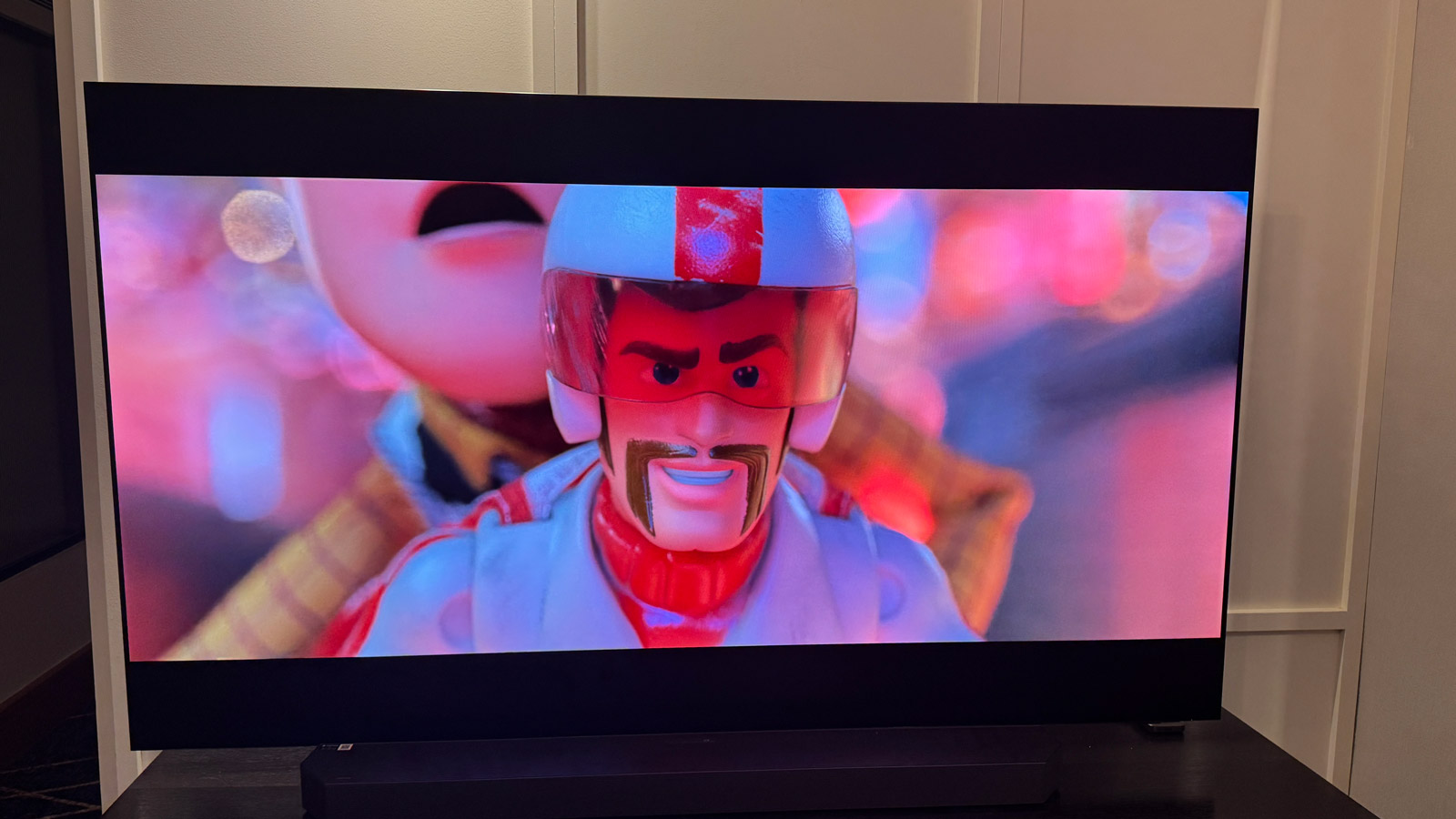
I’m also OK with the reflections it does suffer from because the image quality makes up for it in my opinion. Following my short time with the Samsung S95F, I watched the same movies on the LG G4 when I got home, which included Abigail for its dark scenes and shadow detail.At the end of Abigail when the lead character Joey leaves the house at night and gets into her van, a large tree can be seen in the background. When comparing this scene on both the Samsung S95F and LG G4, it looked more grey on the Samsung screen than on the LG. Plus, when Joey gets into the van and turns a light on, revealing dark blood on her face, I thought the scene had greater depth on the LG TV.I can't say the same for more colorful scenes, however. I watched Toy Story 3 on both screens and found much less to separate the two. Both were vibrant and punchy and an enjoyable watch overall. It's just the darker scenes that I find don't have quite the impact on Samsung's TV.In other words, I find the picture of the LG to be more cinematic than the Samsung. Don't get me wrong, though: I’m not for one moment saying the S95F is a bad TV, because it absolutely isn’t – it just doesn’t suit my personal preferences.
Waiting for the competition
All this brings me to the headline of this feature: TVs I'm more excited for that have been released, or will be released, this year. First up, perhaps unsurprisingly, is the replacement to my current TV – the LG G5.This year LG has introduced a new ‘four-stack’ OLED panel (which, as it happens, is the same screen used in the 83-inch version of the Samsung S95F) that promises higher brightness and improved color reproduction.I’ve already had a brief introduction to the G5, viewing it at LG’s offices in Sydney side by side with the G4, and my colleague Al has recently published our LG G5 review, giving it a glowing five-star rating.
The LG G5 gets a brightness boost this year, enabling it to hold up much better in brightly lit rooms. (Image credit: Future)
I can't argue with this score, as based on the content that LG was showing on the two screens, there were noticeable differences in color and detail.One video was of some models walking down a runway in dresses of various colors and one that stood out in particular to me was a red dress. The difference in the shade of red on both screens was clear as day, with the LG G5 looking punchier, yet more natural.The G5 also revealed more creases in the middle of the dress compared to the G4, indicating that it should also be capable of picking out greater detail in other content.My only concern with the G5 is the way it handles Dolby Vision, something my colleagues at What Hi-Fi? mention in their review. The vast majority of content I watch at home is mastered in Dolby Vision, so naturally I’m now worried when I get to see it properly myself. What Hi-Fi? has said LG is aware of the issue and a fix is on the way.I, of course, will have to reserve full judgement until I can watch content I’m familiar with on the G5. Still, it’s without a doubt the TV I’m most excited for this year.
But wait, there’s more…
Actually, there's still some doubt. The LG G5 was the most exciting launch for me this year… until Sony announced the Bravia 8 II QD-OLED TV – expected to begin shipping within the next couple of months.When I published my Sony Bravia 8 review, I was impressed by its beautiful, natural-looking images and brightness levels, considering it was a ‘standard’ WOLED panel with no additional brightness-boosting technology.That’s all set to change in the Bravia 8 II, which will be sold as a step-up model over the Bravia 8, rather than a full replacement. In fact, Sony has said the new model is a replacement for the A95L that’s been on sale since 2023.
(Image credit: Future)
TechRadar's entertainment-channel Managing Editor, Matt Bolton, has already seen the Bravia 8 II in action and noticed how it’s able to unearth subtle details in content and produce colors that appear more saturated. He also reaffirmed that, despite getting a brightness boost thanks to the addition of quantum dot (QD) technology, it’s the company’s latest processor and how it’s used that will likely have the greatest impact.I have also now seen the Bravia 8 II myself during a media briefing at Sony’s offices in Sydney, where it was placed side-by-side with the Bravia 8. Indeed, there was a clear difference in HDR performance, with particularly bright parts of an image – a lit-up sign, for example – being noticeably brighter on the new model.It’s these smaller details that can actually have the greatest impact on the content you watch, making Sony’s new screen one to consider.2025 is an exciting year for TVs. Samsung and LG continue with their innovation and now Sony is throwing its hat into the ring to compete in the premium OLED space. If you’re loyal to a particular brand, then I have no doubt you’ll continue to be impressed, but if you’re planning to invest in a new screen this year, then it’s clear you won't be short of talented options.
You might also like
I love LG’s new Magic Remote design for its OLED TVs – too bad only certain regions are getting itSamsung, Sony and LG OLED TVs for 2025 now have Australian pricing, and one brand is already offering huge discountsAs a home theatre fanatic, I'm thrilled that Kaleidescape's cult movie players are finally coming to Australia
-
Picture from cdn.mos.cms.futurecdn.net
Rank 9331If you’ve managed to steer clear of ChatGPT all this time, just know you might be using an OpenAI AI model soon without even realizing it.OpenAI unveiled a new suite of models aimed at developers looking to embed some AI into their software. The GPT-4.1, GPT-4.1 mini, and GPT-4.1 nano models might not declare themselves, but they seem purpose-built for subtle inclusion in other products.These aren’t the chatbots you open for conversation and then close after getting your trivia question answered to go back to your email inbox. These models power your inbox, to-do list, or budgeting app. They could fuel a recipe manager and adjust ingredient portions for any last-minute additions to the dinner party.What makes GPT-4.1 and its smaller, slightly speedier siblings different from past releases is that it is explicitly designed for developers rather than for developers in addition to a role with ChatGPT. These are workhorse models optimized for instruction-following, coding, and reasoning from vast chunks of information.That means they are very good at doing exactly what you tell them to do in a format familiar to any software developer. OpenAI also boasts about its speed and cost relative to its power, making it even more enticing for developers with an ingenious app idea but limited resources.OpenAI has ideas about apps getting much smarter thanks to its models and the clever way developers can deploy them. Picture your expense tracker automatically and accurately, immediately categorizing purchases or your notes app, producing a summary of everything that happened during a particularly chaotic day at work. Your photo editor might offer captions that don’t sound like they were written by a robot or at least like a robot that has spent some time around people.This is AI as infrastructure – not a product, not a personality, but a quiet presence that makes everything run smoother and better.
OpenAI inside
We’ve seen glimmers of this before. Gmail’s autocomplete, Photoshop's image suggestions, and other tools have plenty of AI underlying their features. However, what OpenAI is semi-obliquely promising with GPT-4.1 is that plugging AI into an app will be easy, fast, and cheap.Of course, relevant questions are raised about whether users should be alerted about the AI model since they might consciously avoid it in its more visible form. Plus, the usual privacy questions about apps get more complex with AI involved. If your grocery app starts predicting your purchases before you search, is that convenience or surveillance?Many apps might never tell you they’re using GPT-4.1 under the hood if they don't have to, especially if it’s just powering something like a search function or summarizing your reading list. There’s a good chance millions of people will be using OpenAI models every day without ever realizing it, for good or ill.Broad adoption of the models by developers might actually help with public acceptance. If AI is more like a utility and not an in-your-face feature, people might be more comfortable with it. It could be like Wi-Fi.You don’t think about the Wi-Fi noting your location when you check the weather; you simply expect it to work. AI moves from spectacle to plumbing, annoying when it fails and invisible when it works.That also means who we define as an AI used will change. Instead of someone who opens ChatGPT or Midjourney, an AI user will just be someone using an app, like how everyone using an app is technically a software user.For OpenAI, there's also a possible shift in power in their favor. By moving away from direct engagement and toward app integration, you’re ultimately relying on OpenAI whether you signed up for ChatGPT or not. Smarter tools are often more helpful, less annoying, and better at dealing with whatever task they're assigned.But it also means more of your digital life will be shaped by a handful of foundational models operated by companies that aren’t always transparent about how those models are trained, what data they’ve consumed, or what they might get wrong.So, if you’ve been proudly avoiding AI tools, get ready to either massively extend your list of software to avoid or be prepared to parse some user agreements to check for GPT-4.1's quiet reshaping of your digital world.
You might also like
ChatGPT's memory upgrade might just be the biggest AI improvement we see all yearWill Adobe's AI agents cause the death of creativity?I refuse to jump on ChatGPT’s Studio Ghibli image generator bandwagon because it goes against everything I love about those movies
-

Picture from ichef.bbci.co.uk
Rank 9332 -

Picture from ichef.bbci.co.uk
Rank 9333 -
Picture from ichef.bbci.co.uk
Rank 9334 -

Picture from ichef.bbci.co.uk
Rank 9335 -

Picture from ichef.bbci.co.uk
Rank 9336 -

Picture from ichef.bbci.co.uk
Rank 9337 -

Picture from ichef.bbci.co.uk
Rank 9338 -

Picture from ichef.bbci.co.uk
Rank 9339 -

Picture from ichef.bbci.co.uk
Rank 9340 -

Picture from ichef.bbci.co.uk
Rank 9341 -

Picture from ichef.bbci.co.uk
Rank 9342 -

Picture from ichef.bbci.co.uk
Rank 9343 -

Picture from techcrunch.com
Rank 9344 -

Picture from cdn.mos.cms.futurecdn.net
Rank 9345More than 250 companies have signed the “Secure-by-Design” (SBD) pledge from the Cybersecurity and Infrastructure Security Agency (CISA). By committing to the voluntary pledge, software manufacturers are promising to increase multi-factor authentication (MFA) for products; better enable customers to do their own patching; reduce default passwords; and decrease vulnerabilities, among additional proactive, protective practices.By embedding cyber defense from the outset of product development and system architecture, SBD is intended to transform cybersecurity from an afterthought to an essential, core element of design. Companies that fail to adopt this approach run the risk of falling behind in their security and compliance maturity, while losing consumer trust. They also could run into some very expensive problems, as the average cost of a data breach has increased to $4.88 million – up from $4.45 million in 2023.
Implementing an SBD strategy
So how do organizations effectively implement an SBD strategy? They can start by looking at the financial services sector, which is often more willing to invest in innovative approaches to security upskilling and additional preventative measures than other industries. These institutions are taking such steps because, frankly, they have to, given the immense challenges they face:Increasing – and more costly – threatsIf history has taught us anything, it’s that cyber criminals always follow the money. Financial organizations are experiencing 1,115 breaches a year, which ranks #4 among all verticals.Regulatory pressuresThe Payment Card Industry Data Security Standard (PCI DSS) and the European Union’s General Data Protection Regulation (GDPR) require financial organizations to achieve higher levels of governance and security. As part of the ongoing compliance process, the industry’s developers must bring verified skills to properly configure sensitive databases, payment gateways and portals.The critical – and fragile – state of consumer trustFinancial service firms’ customers expect no less than the absolute fortification of their personal data and transactions. If an institution suffers an attack that compromises any of this, it runs the risk of losing consumer trust with potentially devastating market/revenue consequences – if not extinction.
SBD developer readiness
Fortunately in our research, we have found that the financial industry is doing an exceptional job of positioning for SBD developer readiness. There is no quality that is more “make or break” in significance than the upgrading of the skills and tools of the people who innovate, develop and disseminate code at the heart of our digital systems.Indeed, in taking a closer look at what these companies are doing, we get a better sense of the level of developer risk management this industry is pursuing– and can help lift other industries as they “shift left” in seeking to make good on the CISA pledge.Investments in upskillingOn average, in organizations, there are less than four software security group (SSG) specialists for every 100 developers. Given how few of these specialists are on board, it’s no wonder that code-level vulnerabilities continue to plague most verticals.This speaks to the urgency of developer upskilling, with a focus on flexible, dynamic training programs that align learning within the context of “real life” threats – a “learning by doing” approach. The financial sector is considered an early adopter of these and other initiatives aimed at building security into the software development life cycle (SDLC), and has achieved high maturity rates here as a result.BenchmarkingTo ensure upskilling initiatives are working, organizations must establish baselines and benchmarks to assess whether SBD is recognized as an indispensable part of their DNA. Such benchmarking should cover the state of developers’ security skills, awareness and the measurement of their success profile against that of other industry members. With this, these leaders will truly know if their teams have earned a “license to code,” and that the inherent risk of developers with low security skills is being managed and effectively improved.Proactive threat modeling and testingFinancial services providers are quite good at regularly conducting threat modeling to address risks sooner rather than later – preferably before an attack ever has a chance to strike. The industry also relies upon strict code reviews, testing and audits to reveal vulnerabilities and additional areas of concern.By following financial institutions’ lead in establishing a baseline for developer risk management activities and implementing the described best practices, organizations across the board will cultivate a winning developer-driven security culture. This environment will prepare developers to implement robust, secure code from start to finish, to the point in which this emerges as a habit they can perform at speed.That’s when companies of all kinds will demonstrate they’re doing far more than simply signing CISA’s pledge – they’re delivering on its promise to make SBD a universal norm by acting now to defend the future.
We rate the best school coding platform.
This article was produced as part of TechRadarPro's Expert Insights channel where we feature the best and brightest minds in the technology industry today. The views expressed here are those of the author and are not necessarily those of TechRadarPro or Future plc. If you are interested in contributing find out more here: https://www.techradar.com/news/submit-your-story-to-techradar-pro
-

Picture from ichef.bbci.co.uk
Rank 9346 -

Picture from ichef.bbci.co.uk
Rank 9347 -

Picture from ichef.bbci.co.uk
Rank 9348 -

Picture from ichef.bbci.co.uk
Rank 9349 -

Picture from ichef.bbci.co.uk
Rank 9350


