News
This constantly updated list features the latest and most important news articles, ranked in order of significance. The top stories highlight major developments, breaking news, and critical updates across various topics, ensuring you stay informed about the most pressing issues. As new articles are added, the list adapts to reflect the latest priorities, keeping the most impactful stories at the forefront. Whether it’s global events, technology breakthroughs, or industry trends, this dynamic list ensures you always have access to the most relevant and timely information.
-

Picture from ichef.bbci.co.uk
Rank 9101 -

Picture from ichef.bbci.co.uk
Rank 9102 -

Picture from ichef.bbci.co.uk
Rank 9103 -

Picture from ichef.bbci.co.uk
Rank 9104 -

Picture from ichef.bbci.co.uk
Rank 9105 -
Picture from ichef.bbci.co.uk
Rank 9106 -

Picture from techcrunch.com
Rank 9107 -

Picture from ichef.bbci.co.uk
Rank 9108 -
Picture from o.aolcdn.com
Rank 9109Bungie finally took the wraps off its upcoming team-based extraction shooter, Marathon, sharing a look at gameplay and a cinematic short during its showcase this weekend. We also now know the release date: September 23. Marathon will be available on Steam, PlayStation 5, and Xbox Series X/S, and support full cross play and cross save.
Marathon, a reboot of Bungie’s 30-year-old FPS series, was first announced back in 2023, and we’ve heard little more about it until now. Now, Bungie says:
In Marathon, players inhabit a Runner, a cybernetic mercenary scouring the remains of a lost colony of Tau Ceti IV for fortune and power. Players team up in crews of three as they battle rival Runner teams and hostile security forces for weapons and upgrades. Survive and everything they’ve scavenged is theirs to keep for future runs on Tau Ceti IV — or if they’re brave enough, a journey to the derelict Marathon ship that hangs above.
If you missed the live Gameplay Reveal Showcase on Saturday, you can catch up on all the highlights now on Bungie’s website and the official Discord. The team says there will be a “fairly small” Closed Alpha Test from April 23 to May 4, ahead of bigger tests leading up to the release in September.
This article originally appeared on Engadget at https://www.engadget.com/gaming/bungie-shares-first-looks-at-gameplay-from-its-new-shooter-marathon-alongside-a-release-date-213530509.html?src=rss
-

Picture from ichef.bbci.co.uk
Rank 9110 -

Picture from ichef.bbci.co.uk
Rank 9111 -

Picture from ichef.bbci.co.uk
Rank 9112 -

Picture from ichef.bbci.co.uk
Rank 9113 -

Picture from ichef.bbci.co.uk
Rank 9114 -
Picture from ichef.bbci.co.uk
Rank 9115 -

Picture from ichef.bbci.co.uk
Rank 9116 -

Picture from techcrunch.com
Rank 9117 -

Picture from ichef.bbci.co.uk
Rank 9118 -

Picture from ichef.bbci.co.uk
Rank 9119 -

Picture from ichef.bbci.co.uk
Rank 9120 -

Picture from ichef.bbci.co.uk
Rank 9121 -

Picture from ichef.bbci.co.uk
Rank 9122 -

Picture from ichef.bbci.co.uk
Rank 9123 -

Picture from ichef.bbci.co.uk
Rank 9124 -

Picture from ichef.bbci.co.uk
Rank 9125 -

Picture from ichef.bbci.co.uk
Rank 9126 -
Picture from o.aolcdn.com
Rank 9127Spoilers follow for The Last of Us season two, episode one
The heart of all things The Last of Us, whether it’s the games or the first season of the HBO adaptation, is the relationship between Joel and Ellie. It was brought to life in remarkable fashion by Pedro Pascal and Bella Ramsey in season one; the pair’s chemistry was the show’s undeniable high point. So it’s a bit of a shock that they only share a few minutes of screen time together in the season two premiere “Future Days” — and that their time together is strained to say the very least.
That all comes near the end of the episode, though. Backing up a bit, the show resumes exactly where we left off, with Ellie saying “okay” to Joel’s lies about what happened in the season one finale. That episode saw him decimate the Fireflies to save the immune Ellie. The Fireflies were hoping to make a cure for the cordyceps infection that devastated the world, but it would have killed her in the process. “Okay” meant that she was accepting his story, even if she didn’t quite believe it. Fast forward five years, and things are tense — so tense that our hardened Joel is in therapy.
We get to eavesdrop on a session with Joel’s therapist Gail, played by the always-wonderful Catherine O’Hara. I’ve been looking forward to seeing how she’d be used since Gail was revealed in an early trailer, and both her and Joel are having a day when they get together. Joel’s relationship with Ellie is apparently what drove him to meet with Gail, and he’s going on about the distance in their relationship — she barely talks to him, sulks and acts distant, and Gail isn’t exactly impressed. She notes that Ellie is acting like every other 19-year-old acts towards their father, and also says it's clear there’s a lot more going on between them.
Pedro Pascal and Catherine O'Hara in HBO's The Last of Us season twoPhotograph by Liane Hentscher/HBO
Gail then opens up to Joel in an effort to get him to be honest (and because she’s a few drinks in) and drops a bit of a bomb in the process: Joel shot her husband Eugene (a character from The Last of Us Part II who we never met in the game). She says she understood that he had to do it — an implication but not confirmation that Eugene had been infected — but can’t forgive him for the way she found out and can’t help but hate him for what he did. Not the kind of thing you usually hear from your therapist, but that’s The Last of Us for you. She then gets Joel to tearfully admit he did something to Ellie, but when she asks if he hurt her, he responds by saying he saved her and then gets the hell out of her house. Season one showed Joel as a more vulnerable person than his game counterpart, a change that benefitted him given the expanded drama and depth of the show, and I’m glad season two is emphasizing that in a way that’s pretty unconventional for the post-apocalypse world.
We also get a hint at the discord between Joel and Ellie via Dina, a new character introduced as Ellie’s best friend through a conversation she has with Joel. The two of them are getting along just fine; Joel even calls her “kiddo,” showing a similar dad-like affection for Dina that he usually does with Ellie. After a little chat she asks him point blank why Ellie’s angry with him, and he responds with more vagaries about the two of them figuring out what it’s like being a father and daughter at her age while asking Dina to keep the therapy sessions he’s having a secret — his therapy-speak when discussing how he’s dealing with everything was just too on the nose for her to miss.
Isabela Merced and Bella Ramsey in The Last of Us season twoPhotograph by Liane Hentscher/HBO
But the most pivotal scene in this exposition-heavy episode is the New Year’s Eve party where Dina and Ellie share a dance, share a kiss and get shouted at by the drunk town bigot. Just as Ellie is about to treat him like a clicker, Joel intercedes, shoves Seth to the ground and asks if she’s okay — which gets him a disgusted look and verbal smackdown from Ellie, after which he slinks away in decidedly un-Joel fashion.
Things are decidedly unwell between the pair, and while it’s an intriguing note to start the story on, it’s also hard not to be disappointed about the lack of time together for Pascal and Ramsey. Having them at odds is a totally reasonable story beat — even if she was a normal 19-year-old, they’d be having their share of challenges. But the loss of their connection and the lack of interactions between the two put a subdued mood over everything, something that episode writer / director and showrunner Craig Mazin certainly intended and will exploit throughout the season.
Photograph by Liane Hentscher/HBO
Mazin also paid tribute to the game in some lovely ways in this episode, particularly with the town party scene. Right from the start of season one, I expected to see more scenes from the game done nearly note-for-note in the show, and my expectations have been largely defied throughout, right from the start of the series’ first episode. It’s been clear that the goal of the show is not to reproduce all of the game’s iconic scenes but expand on it while still picking the right moments to deploy some tributes to the source material. The party scene is a perfect example, starting off with a shot of Ellie’s back as she looks over the merriment in front of her; what follows is nearly identical to the pivotal game scene in dialog, set design and framing. What is different, though, is the timing — we’re getting this right off the bat rather than much later in the story as you’d find in the game.
Similarly, the episode’s other most significant scene takes place right at the beginning. After that quick flashback, we’re immediately introduced to Abby, one of the second game’s playable characters. We learn that she and her friends are survivors of Joel’s Firefly massacre at the hospital in Utah, and that Abby in particular is keen on revenge. Mazin and co-showrunner Neil Druckmann have already discussed how they wanted to introduce Abby and get into her motivations quicker in the show than in the game, largely because players build a relationship with her through gameplay. In this case, though, we already know that Abby is after Joel, and the episode ends with her crew reaching Jackson. While “Future Days” focused more on scene-setting than action (with the exception of some pretty tense scenes of Ellie and Dina against some Infected), things are clearly going to ratchet up next week — and not just with Abby, as the show also teased a major Infected threat as well. Let’s get those flamethrowers ready for next Sunday.
Infected score: 6/10
One of the main complaints from fans of the video games during season one was a relative lack of Infected. The showrunners say they’ve changed things up in season two — let’s see if they’re sticking to their word.
Episode one was mostly an exposition episode without a ton of action, but we did see Ellie and Dina stealthily take down a pair of Clickers. But the most exciting bit was seeing a Stalker in action for the first time in the show. It had Ellie completely fooled, even giving her another bite that she had to hide from Dina. Here’s hoping we see more of these creepers as the season goes on. And, of course, the threat of tendrils lurking in the pipe in the middle of Jackson promises bigger problems soon, but we’re not there yet. I’m giving this episode a 6 of 10 — there wasn’t all that much action, but the stalker reveal was intense enough to up this episode’s rating.This article originally appeared on Engadget at https://www.engadget.com/entertainment/tv-movies/the-last-of-us-season-two-premiere-future-days-highlights-the-fracture-between-ellie-and-joel-020029565.html?src=rss
-

Picture from ichef.bbci.co.uk
Rank 9128 -

Picture from ichef.bbci.co.uk
Rank 9129 -

Picture from ichef.bbci.co.uk
Rank 9130 -

Picture from ichef.bbci.co.uk
Rank 9131 -

Picture from ichef.bbci.co.uk
Rank 9132 -

Picture from ichef.bbci.co.uk
Rank 9133 -
Picture from cdn.mos.cms.futurecdn.net
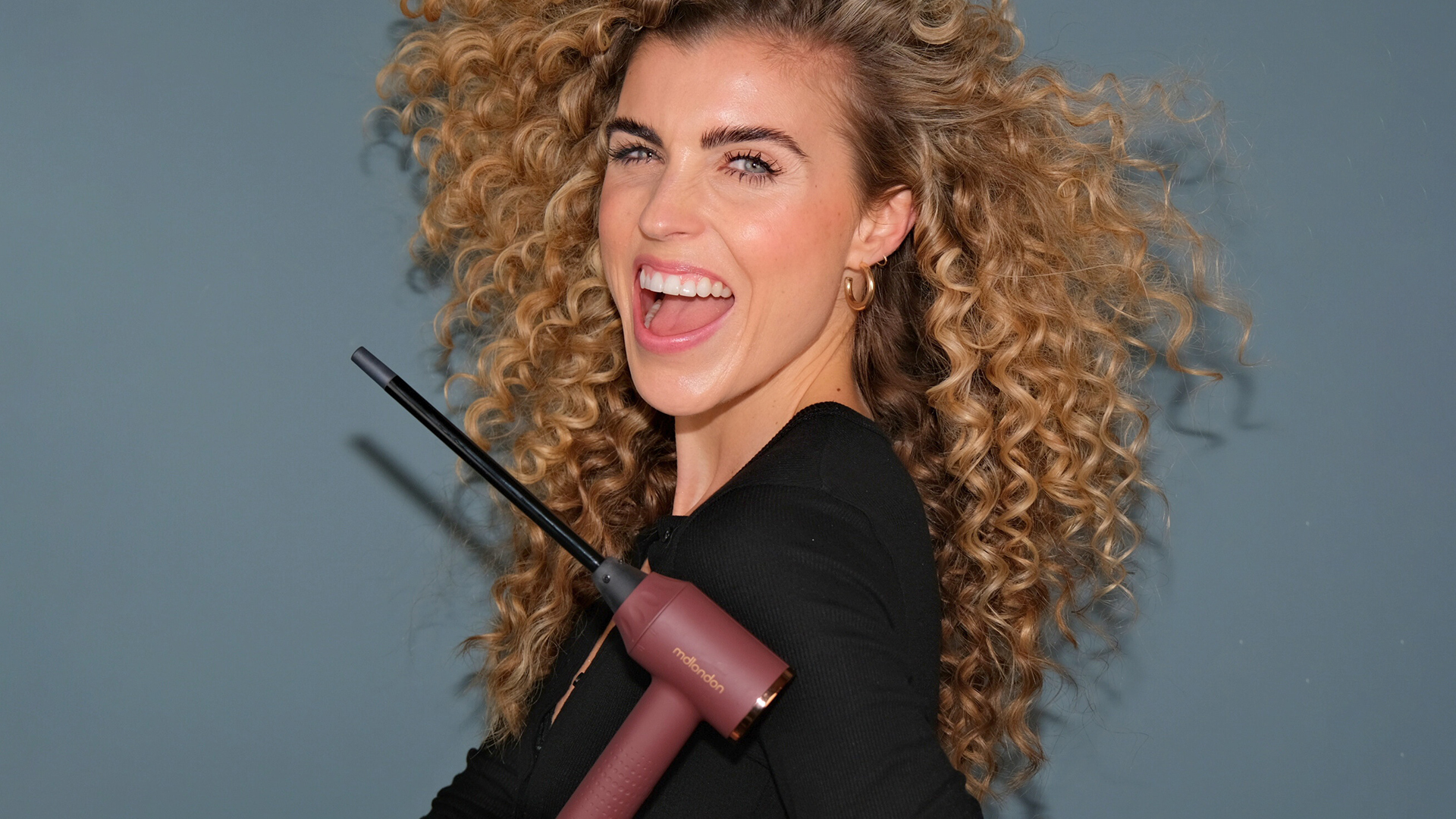
Rank 9134The MDLondon Curl is a curling wand with a difference. For one, it looks more like something you'd find in a tool box than on a dressing table. That right-angled wand is designed to be more comfortable to hold, for a styling experience with more control and less arm-ache. Unfortunately, the only demo video I can find shows someone having their hair done, and I'm struggling to envisage how you might use it on yourself.The main body of the curler is shaped very similarly to most of today's best hair dryers. It's not a hair dryer, though – there's no air blowing out. The ceramic barrels simply heat up to set the hair into place, like a traditional curling tong.Another cool upgrade is that the curl barrel is swappable. The Curl comes with four different barrel styles, and you can simply switch them out for different looks. There's a fairly standard 25mm barrel, a chunkier 31mm one for bigger curls, an ultra-thin 10mm one for super-tight corkscrews and an intriguing reverse conical one (pictured below) that the brand says will give you a relaxed, beachy look.
(Image credit: MDLondon)
While I'm still a little unsure about the right-angled design, I am fully sold on the idea of swappable barrels. In a market flooded with multi-stylers, it's starting to feel old-fashioned to have a tool that just does one thing, and this is a clever way to add versatility. Tiny curling wands (to create tight curls) are having a bit of a moment right now, but for most people that'll just be an occasional look rather than something for every day. Adding it as an option alongside more relaxed curl barrel options saves you from having to buy a whole separate gadget that you just might not need that often.We've tested MDLondon hair gadgets before and been consistently impressed – the MDLondon Strait features in our best hair straightener roundup, and we found the MDLondon Blow hair dryer "lightweight yet luxurious, compact yet powerful". Both have some slightly out-of -the-ordinary design tweaks, although neither are quite as head-turning as the Curl. I'm interested to see how it holds up in practice, and if other haircare brands start to follow suit.
Heat vs air
It's a little unusual to see a traditional heated tong (albeit within a non-traditional design) being launched these days. The current focus seems to be all about Dyson Airwrap-style tools that use directed air to create curls using the Coanda effect. The idea is that it's better for your long-term hair health because there's less extreme heat.While I do like that approach – I've just reviewed the Dyson Airwrap i.d. and was very impressed, and today's best Airwrap dupes are increasingly capable too – I will concede that it does have its drawbacks. Curls created using air still tend to drop more quickly than those created using heat, the styling process takes longer (and especially if you're diligent about using a cold shot to help set each curl) and it can be fiddly, too – hair is attracted to the barrel and wraps around automatically, but you have to be precise or you'll end up with strands from other curls getting pulled into the curl you're currently working on. It might be that a revamped traditional tong is just what we need.The MDLondon Curl curling wand is only currently available in the UK, and it costs £129 (but that would make it around $168 or AU$270, as a rough estimate).
You might also like...
Dyson Supersonic vs Airwrap: do I need both?Browse the hottest haircare trends for 2025Shark FlexStyle review: a versatile multi-styler to rival the Airwrap
-

Picture from ichef.bbci.co.uk
Rank 9135 -
Picture from ichef.bbci.co.uk
Rank 9136 -
Picture from ichef.bbci.co.uk
Rank 9137 -

Picture from ichef.bbci.co.uk
Rank 9138 -

Picture from ichef.bbci.co.uk
Rank 9139 -

Picture from ichef.bbci.co.uk
Rank 9140 -
Picture from a1.api.bbc.co.uk
Rank 9141 -

Picture from ichef.bbci.co.uk
Rank 9142 -
Picture from o.aolcdn.com
Rank 9143Whether you're listening to playlists on your daily commute or zoning out with a podcast at home, wireless headphones can make your audio experience much more comfortable. With no cords to untangle or get caught on your bag, they’re a great pick for anyone who wants convenience without compromising on sound quality. If comfort and immersive audio are high on your priority list, over-ear wireless headphones are often the way to go — they wrap around your ears to help block out the world and deliver rich detailed sound that earbuds can sometimes miss.There’s a wide range of over-ear wireless headphones to choose from, whether you want active noise cancellation, long battery life or a comfy fit for marathon listening sessions. Of course, if you're after something a little more compact or tailored to a specific use case, we also have you covered with our buying guides for the best earbuds, the best gaming headsets and the best budget earbuds. But if wireless headphones with top-tier sound and a comfortable, over-ear design are what you're after, read on — we’ve tested the top options to help you find the right pair.
Table of contents
Best wireless headphones for 2025
How to choose the best wireless headphones for you
How we test over-ear headphones
Other wireless headphones we tested
Wireless headphones FAQs
Best wireless headphones for 2025
How to choose the best wireless headphones for you
When it comes to shopping for a good pair of wireless headphones, the first thing you’ll need to decide on is wear style. Do you prefer on-ear or over-ear headphones? For the purposes of our buyer’s guide, we focus on the over-ear style as that’s what most noise-canceling headphones are nowadays. Sure, you can find on-ear models with ANC, but over-ear designs are much more effective at blocking sound. Speaking of noise cancellation, you’ll want to determine early on if you even want that. If you frequently crank up the beats in noisy environments, you’ll want to not only make sure it’s there, but also make sure it’s good, preferably with adaptive ANC. If you plan to use your new headphones in quieter spaces, skipping ANC can save you some money.
The next area to consider is features. We recommend trying to get the most bang for your buck, but as you’re shopping around you should determine which items are must-haves and what you can live without. And don’t take basic things like automatic pausing and Bluetooth multipoint connectivity for granted, as not all companies include them. We also suggest reading reviews to see how well a company’s more advanced features work. This will help you decide if those are something you’re willing to (likely) pay extra for. Keep an eye on better battery life estimates to avoid disappointment, as some manufacturers promise more hours than real-world testing delivers. And don’t be easily swayed by lofty promises about call quality without verifying them.
Sound can be subjective, so we recommend trying before you buy if at all possible. We understand this isn’t easy at a time when we’re doing most of our shopping online. But trying on a set of headphones and listening to them for a few minutes can save you from an expensive case of buyer’s remorse. We also recommend paying attention to things like Spatial Audio, Dolby Atmos, 360 Reality Audio and other immersive formats. Not all headphones support them, so you’ll want to make sure a perspective pair does if that sort of thing excites you. If you plan to use your headphones for other media besides music, checking for latency is also a must — some delay can impact playback for things like movies or games, even if most true wireless headphones now offer minimal lag.
How we test over-ear headphones
The primary way we test wireless headphones is to wear them as much as possible. We prefer to do this over a one- to two-week period, but sometimes embargoes don’t allow it. During this time, we listen to a mix of music and podcasts, while also using the earbuds to take both voice and video calls. Since battery life for headphones can be 30 hours or more, we drain the battery with looping music and the volume set at a comfortable level (usually around 75 percent). Due to the longer battery estimates, we’ll typically power the headphones off several times and leave them during a review. This simulates real-world use and keeps us from having to constantly monitor the process for over 24 straight hours.
To judge the best Bluetooth headphones, we focus on higher-quality audio by listening to a variety of genres and paying close attention to how each style sounds. We also test at both low and high volumes to check for consistency in the tuning. To assess the quality of phone calls, we’ll record audio samples with the headphones’ microphones as well as have third parties call us.
When it comes to features, we do a thorough review of companion apps, testing each feature as we work through the software. Any holdovers from previous models are double checked for improvements or regression. If the headphones we’re testing are an updated version of a previous model, we’ll spend time getting reacquainted with the older set. Ditto for the closest competition for each new set of headphones that we review.
Other wireless headphones we tested
AirPods Max
Apple’s AirPods Max are premium, well-designed over-ear headphones that incorporate all of the best features you find on standard AirPods: solid noise cancelation, spatial audio and easy Siri access. However, their $550 starting price makes them almost prohibitively expensive, even for Apple users. There are better options available at lower prices, but if you can pick up the AirPods Max at a steep discount, they might be worthwhile for the biggest Apple fans among us.
Dyson On-Trac
The On-Trac headphones have an almost infinitely customizable design, and that’s what’s most unique about them. The sound profile offers some nice detail, but lacks dynamic range overall. ANC is average at best and there aren’t any advanced features that will make your life easier. Well, except for the hearing health monitor which is actually handy. All told, that’s not a lot in a set of $500 headphones.
Sonos Ace
The Sonos Ace is an excellent debut for the company’s first headphones. The combination of refined design, great sound quality and home theater tricks creates a unique formula. However, ANC performance is just okay and key functionality is still in the works for many users.
Sony ULT Wear
If most headphones don’t have the level of bass you desire, the ULT Wear is an option to consider. The low-end thump isn’t for everyone, but there are also plenty of handy features and a refined look to make the $200 set more compelling than many in this price range.
Sony WH-CH720N
While the WH-CH720N are a great affordable option, we prefer the Audio-Technica in the budget category. Sony’s cans are lightweight with good sound quality, but ANC struggles at times and they’re made with a lot of plastic.
Beats Studio Pro
The Studio Pro lacks basic features like automatic pausing, and multipoint connectivity is only available on Android. Moreover, they’re not very comfortable for people with larger heads. Overall sound quality is improved, though, and voice performance on calls is well above average.
Bose QuietComfort Ultra headphones
Bose’s latest flagship model has a lot to offer, but its trademark Immersive Audio feature can be inconsistent across different types of music. There’s still world-class ANC, excellent comfort and a clearer transparency mode, but for the price, the non-Ultra model is a better choice right now.
Master & Dynamic MH40 (2nd gen)
The MH40 are a great set of headphones if you favor crisp, clear and natural sound that isn’t overly tuned. This pair showcases the company’s affinity for leather and metal too, but limited customization and short battery life for non-ANC cans kept this set from making the cut.
Bowers & Wilkins Px8
The company’s trademark pristine sound is on display here, but the Px8 are more expensive and not nearly as comfortable as the Px7 S2.
Wireless headphones FAQs
How can you tell the quality of wireless headphones?
I typically look at three factors: design, sound quality and features. In terms of design, I’m usually looking to see if the build quality of the headphones feels cheap and plasticky. Plenty of companies use plastic, but they can do so in a way that doesn’t look or feel like budget models. For sound quality, I want to hear a nice, even tuning where highs, mids and lows are all well represented. No overly boomy bass or scooped out mids. I also want good clarity where you can pick up fine details and an open, immersive soundstage. Features is typically a distant third, but if a company doesn’t cover basic functionality (automatic pausing, transparency mode, multipoint Bluetooth, etc.) it can be an indication of overall quality.
How do I choose the best quality wireless headphones?
“Best” can be pretty subjective, but I always recommend going to a place where you can listen to the headphones you’re thinking about buying before you commit. Sometimes this isn’t possible, so you’ll want to check return policies. I also recommend doing some research to determine what your priorities are in a new set. Are you an audiophile who wants the best sound quality? Is powerful active noise cancellation (ANC) the most important? Would you rather have conveniences like automatic pausing?
Which brand has the best wireless headphones?
Sony consistently tops our list with its 1000X line. This is mostly due to the combination of sound quality, ANC performance and the truckload of features these headphones pack in. I’ll be the first to tell you that there are better sounding options and other companies, like Bose, offer more effective noise cancellation. But when you add everything up, no one comes close to the full slate of tools Sony puts in its premium headphone line.
Do expensive wireless headphones sound better?
Exorbitant price tags don’t mean better audio quality. Bowers & Wilkins’ headphones are on the high end for wireless noise-canceling models and they sound amazing. However, Audio-Technica’s M50xBT2 is much more affordable and doesn’t have ANC, but these headphones have a warm, natural sound profile that I find very inviting. At the end of the day, it will come down to personal preference, but you don’t need to spend a lot to find great headphones.This article originally appeared on Engadget at https://www.engadget.com/audio/headphones/best-headphones-wireless-bluetooth-120543205.html?src=rss
-

Picture from ichef.bbci.co.uk
Rank 9144 -

Picture from ichef.bbci.co.uk
Rank 9145 -

Picture from ichef.bbci.co.uk
Rank 9146 -
Picture from cdn.mos.cms.futurecdn.net
Rank 9147The first few months of the new year have already proven transformative for the AI sector, with rapid advancements reshaping the industry landscape. As we close out the first quarter of the year, let’s look ahead at how emerging trends are likely to evolve throughout 2025.From reasoning models with enhanced critical thinking capabilities to agentic systems operating with greater autonomy, we are entering a new era where AI implementation moves from experimental to essential.From tailored model training to groundbreaking advances in IT infrastructure, the focus has shifted towards solving real-world problems at scale. However, addressing the substantial costs of acquiring, operating, and maintaining GPU compute remains a critical challenge for long-term sustainability. Organizations that can implement more energy-efficient solutions will not only optimize computational resources but also significantly reduce utility expenses.2025 will also push the AI industry to redefine innovation and accessibility. With heightened attention to sustainability, regulatory oversight, and hardware specialization, the stage is set for a new wave of breakthroughs with AI tools that will impact industries across the board.
AI gets personal for enterprises
The era of one-size-fits-all AI is coming to an end. In 2025, enterprises will accelerate their efforts to fine-tune AI models using proprietary data, creating hyper-targeted tools that transform industry-specific workflows. Large-scale AI adoption will move beyond proof-of-concept to fully integrated systems designed for efficiency and measurable impact.From an infrastructure perspective, as AI models grow more complex, demand for advanced GPUs and high-performance computing (HPC) clusters will continue to rise. Meeting this demand will require not only innovation in hardware but also significant improvements in data center power efficiency, cooling, and network capabilities.
The compute divide persists and innovators step in
Access to high-powered computing resources remains uneven, with large enterprises and well-funded AI labs enjoying privileged access to superclusters, while startups, independent researchers, and universities struggle to secure the latest chips at reasonable costs.This imbalance presents an opportunity for specialized providers to step in and level the playing field. Some companies are addressing this challenge by offering flexible, affordable access ranging from on-demand GPU rentals to dedicated, high-performance clusters. By making AI infrastructure more accessible, it ensures that innovation is available to a broader ecosystem of builders and researchers.
Green is the new gold
As AI adoption skyrockets, so too will its energy demands. The computational requirements of training and running increasingly sophisticated models are straining already overburdened power grids and challenging sustainability commitments.This growing energy footprint is prompting organizations to pursue innovative cooling techniques, renewable energy partnerships, and more efficient model architectures that deliver comparable performance with reduced computational resources. As industry leaders recognize that addressing AI’s energy consumption is not only an environmental imperative but also a significant cost factor, sustainability will drive innovation in more efficient chips, data center design, and AI model optimization.
AI systems will evolve and become autonomous
AI is evolving beyond simple tools into self-directed agents capable of handling complex, multi-step tasks with minimal human intervention. The shift will move beyond model fine-tuning and prompt engineering towards fully integrated AI solutions that can automate entire workflows, creative processes, and business operations.We'll see more focus on developing specialized chips designed specifically for AI tasks. These chips will make AI systems faster, more efficient, and more affordable to deploy across various industries. Having hardware for specific AI functions will enable businesses to run generative AI solutions at scale without the high costs or performance issues that come with general-purpose hardware. This will enable a wider range of applications, from healthcare to entertainment, and could make advanced AI more accessible to companies of all sizes, and for their final customers.
Regulation homes in on dataset copyright
With AI permeating every sector, legal and ethical scrutiny will intensify. Expect stricter regulations around data ownership, licensing, and privacy, with an emphasis on transparency and accountability. These changes will likely mean more clear guidelines on who can access and use data, and how it should be handled by different parties.
Open-source video models will reshape content creation
The availability of open-source tools for video generation will make advanced video creation more accessible to everyone, fueling a new wave of creativity and innovation. In the coming years we will see major advancements in real-time, interactive, and personalized video generation, enabling new forms of media, entertainment, and marketing experiences. In terms of creativity the possibilities will be endless. Things we haven’t seen or even thought about will be possible through video and image generation tools accessible to everyone.
Future-forward AI
As we progress through 2025, AI is continuing to evolve at a rapid pace, shaped by enterprise-driven innovation, sustainability imperatives, and increasing regulatory oversight. While compute access disparities persist, new players are stepping up to bridge the gap. AI systems are becoming more autonomous, open source video generation is unlocking new creative frontiers, and specialized hardware is making large-scale AI adoption more efficient.The organizations that adapt to these shifts, investing in tailored AI solutions, sustainable infrastructure, and regulatory compliance will be the ones leading the next wave of technological transformation. Meanwhile, AI builders of all sizes will benefit from increased access to high-performance infrastructure, unlocking new levels of creativity and innovation. With these forces converging, 2025 is not just a turning point, it is a proving ground for the future of AI.
We've listed the best Active directory documentation tool.
This article was produced as part of TechRadarPro's Expert Insights channel where we feature the best and brightest minds in the technology industry today. The views expressed here are those of the author and are not necessarily those of TechRadarPro or Future plc. If you are interested in contributing find out more here: https://www.techradar.com/news/submit-your-story-to-techradar-pro
-

Picture from ichef.bbci.co.uk
Rank 9148 -

Picture from ichef.bbci.co.uk
Rank 9149 -

Picture from techcrunch.com
Rank 9150


