News
This constantly updated list features the latest and most important news articles, ranked in order of significance. The top stories highlight major developments, breaking news, and critical updates across various topics, ensuring you stay informed about the most pressing issues. As new articles are added, the list adapts to reflect the latest priorities, keeping the most impactful stories at the forefront. Whether it’s global events, technology breakthroughs, or industry trends, this dynamic list ensures you always have access to the most relevant and timely information.
-
Picture from assets2.cbsnewsstatic.com
Rank 83551 -
Picture from assets1.cbsnewsstatic.com
Rank 83552 -

Picture from ichef.bbci.co.uk
Rank 83553 -
Picture from ichef.bbci.co.uk
Rank 83554 -
Picture from o.aolcdn.com
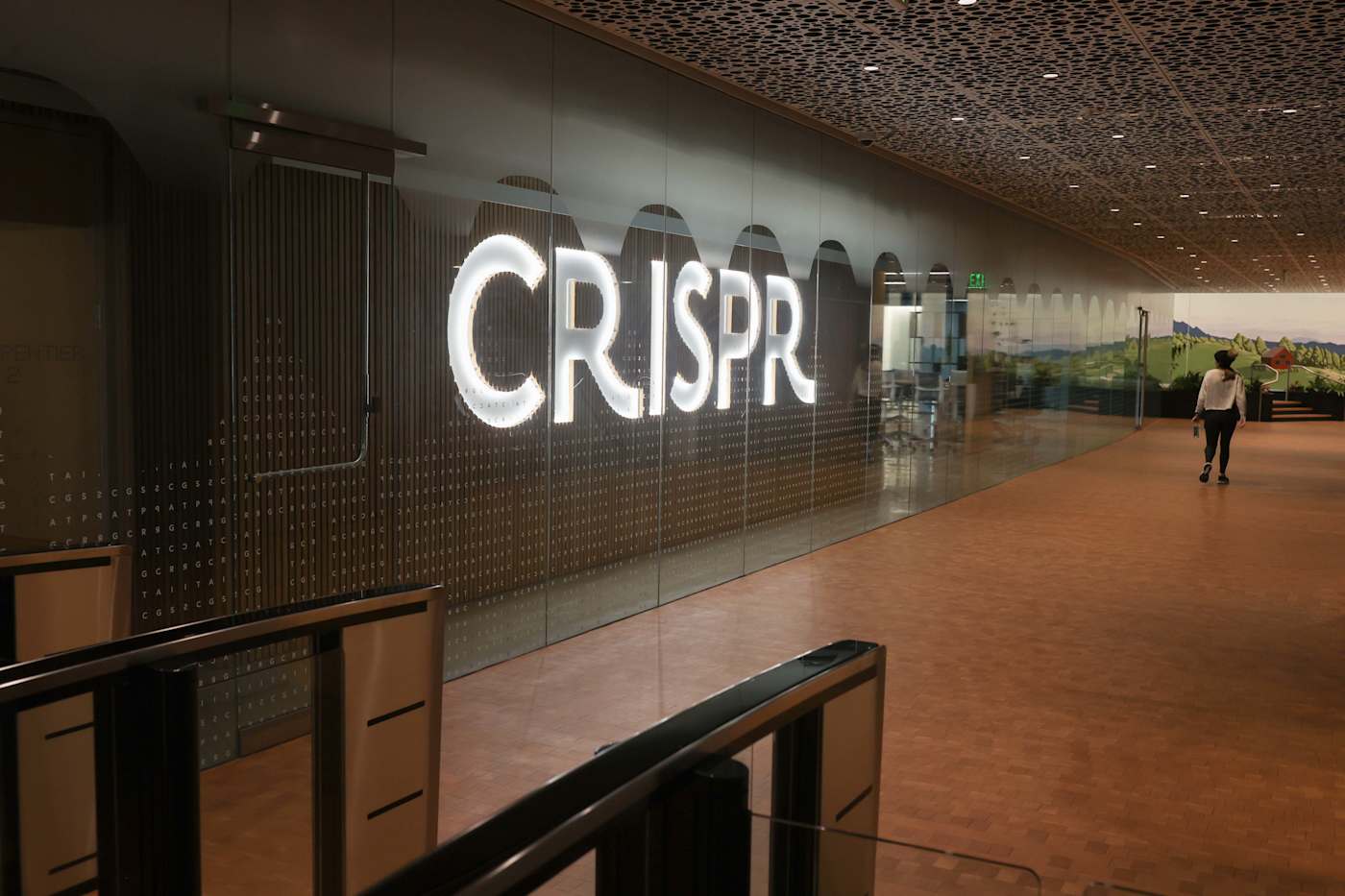
Rank 83555CRISPR gene-editing therapy has shown great potential to treat and even cure diseases, but scientists are now discovering how it can be used to prevent them as well. A team of researchers found a way to edit a single gene in a mosquito that prevented it from transmitting malaria, according to a paper published in Nature. These genetically modified mosquitos could eventually be released into the wild, helping prevent some of the 600,000 malaria deaths that occur each year.
Mosquitos infect up to 263 million people yearly with malaria and efforts to reduce their populations have stalled as late. That's because both the mosquitos and their parasites that spread malaria have developed resistance to insecticides and other drugs.
Now, biologists from UC San Diego, Johns Hopkins and UC Berkeley universities have figured out a way to stop malarial transmission by changing a single amino acid in mosquitos. The altered mosquitos can still bite people with malaria and pick up parasites from their blood, but those can no longer be spread to others.
The system uses CRISPR-Cas9 "scissors" to cut out an unwanted amino acid (allele) that transmits malaria and replace it with a benign version. The undesirable allele, called L224, helps parasites swim to a mosquito's salivary glands where they can then infect a person. The new amino acid, Q224, blocks two separate parasites from making it to the salivary glands, preventing infection in people or animals.
"With a single, precise tweak, we’ve turned [a mosquito gene component] into a powerful shield that blocks multiple malaria parasite species and likely across diverse mosquito species and populations, paving the way for adaptable, real-world strategies to control this disease," said researcher George Dimopoulos from Johns Hopkins University.
Unlike previous methods of malarial control, changing that key gene doesn't affect the health or reproduction capabilities of mosquitos. That allowed the researchers to create a technique for mosquito offspring to inherit the Q224 allele and spread it through their populations to stop malarial parasite transmission in its tracks. "We’ve harnessed nature’s own genetic tools to turn mosquitoes into allies against malaria," Dimopoulos said. This article originally appeared on Engadget at https://www.engadget.com/science/crispr-can-stop-malaria-spread-by-editing-a-single-gene-in-mosquitos-133010031.html?src=rss
-

Picture from ichef.bbci.co.uk
Rank 83556 -
Picture from static.independent.co.uk
Rank 83557 -

Picture from ichef.bbci.co.uk
Rank 83558 -
Picture from ichef.bbci.co.uk
Rank 83559 -
Picture from static.independent.co.uk
Rank 83560 -

Picture from static.independent.co.uk
Rank 83561 -
Picture from assets2.cbsnewsstatic.com
Rank 83562 -
Picture from static.independent.co.uk
Rank 83563 -
Picture from o.aolcdn.com
Rank 83564The annoying thing about coffee is that its ideal temperature is fleeting. Get caught up in a particularly lively debate in your morning meeting and by the time you return to your cup of joe, it’s cooled right down. That’s where Ember’s smart heated mugs come in, and right now one of its best models is $30 off.
The Ember Travel Mug 2 — this one is the 12-ounce variant — usually costs $130, but right now can be snagged for $100 when purchased online from Walmart. It can keep your beverage of choice at your preferred temperature between 120-145 degrees Fahrenheit for up to three hours on a full charge, thanks to the extended battery life. If that isn’t long enough, the included charging coaster can maintain optimum heat all day.
You can pair your mug with the Ember app to tweak the temperature (there’s also a touch display on the cup itself if you don’t want to open your phone), and this model also supports Apple’s Find My service, so you can locate it on your Apple device using the Find My app’s map if you misplace it.
The Ember Travel Mug 2+ is IP67-rated but bear in mind that it’s washable by hand only. This model is available in black.
Follow @EngadgetDeals on X for the latest tech deals and buying advice.This article originally appeared on Engadget at https://www.engadget.com/deals/embers-travel-mug-2-with-find-my-is-30-off-right-now-135059507.html?src=rss
-
Picture from static.independent.co.uk
Rank 83565 -

Picture from static.independent.co.uk
Rank 83566 -

Picture from static.independent.co.uk
Rank 83567 -

Picture from static.independent.co.uk
Rank 83568 -

Picture from image.cnbcfm.com
Rank 83569 -
Picture from static.independent.co.uk
Rank 83570 -
Picture from o.aolcdn.com
Rank 83571New Jersey citizens will now be able to flash their driver's license from their smartphones after Governor Phil Murphy signed a digital ID measure into law, joining the ranks of over a dozen other states to do so. The law also allows for digital non‑driver identification cards for those without driver's licenses.
The bill also enshrines privacy and security protocols for those using the digital IDs, including safeguards to prevent unauthorized access to the underlying data. It outlines protections when using them, prohibiting any entities from requiring users to hand over their devices when presenting the digital ID. The bill clarifies that presenting a digital ID does not imply consent to a search or access to any other data on the device.
“Digital driver's licenses will make life easier for drivers across New Jersey,” said Governor Murphy. “Innovation has always been at the core of who we are as a state, and my administration has embraced that spirit to deliver practical solutions that improve everyday life for our people. By bringing government services into the digital age, we’re setting a new standard for how the public interacts with state agencies.”
Participation in the program is voluntary, so those who wish to keep using their physical IDs may do so. The state has set aside $1.5 million toward launching the program. It remains unclear whether these digital IDs will be compatible with Google Wallet and Apple Wallet, or if New Jersey intends to create its own digital ID app like Louisiana, New York and others.This article originally appeared on Engadget at https://www.engadget.com/mobile/new-jersey-is-the-latest-state-to-embrace-digital-ids-140408431.html?src=rss
-
Picture from o.aolcdn.com
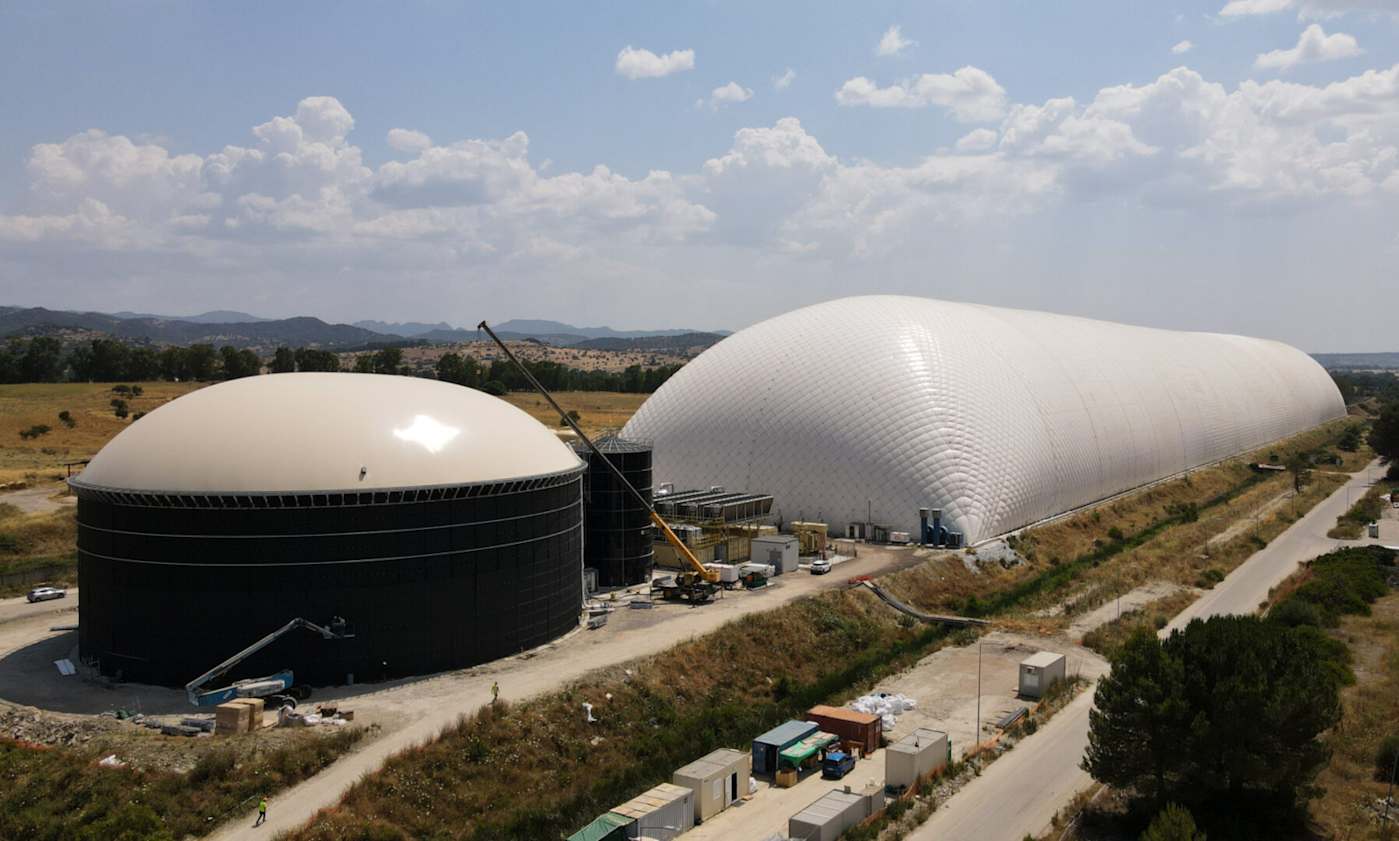
Rank 83572Google has announced that it has signed a global commercial partnership with Milan-based startup Energy Dome and has also invested in its long duration energy storage (LDES) tech for renewable energy. The deal, its first investment in LDES tech, entails using Energy Dome's carbon dioxide battery for the grids that power Google’s operations around the world. Batteries are used to keep excess energy generated by renewable sources, such as solar and wind, during peak production and when demand is low. But lithium-ion batteries can only store and dispatch energy for fours hours or less.
Energy Dome explained that its CO2 battery can store and continuously dispatch energy for 8 to 24 hours, so Google can rely on renewable power more even when there's no wind or sun. Its technology uses carbon dioxide held inside dome-shaped batteries, which you can see in the image above. When there's excess renewable energy being generated, the batteries use that power to compress the carbon dioxide gas inside them into liquid. And when that energy is needed, the liquid carbon dioxide expands back into a hot gas under pressure. That gas spins a turbine and generates energy that's fed back into the grid for a period lasting up to a whole day.
Google said that Energy Dome's technology has the potential to "commercialize much faster" than some of its other clean tech investments, and it aims to "bring this technology to scale faster and at lower costs." It also said that it believes the partnership and its investment in Energy Dome can help it achieve its goal of operating on renewable energy 24/7 by 2030. This article originally appeared on Engadget at https://www.engadget.com/big-tech/google-invests-in-carbon-dioxide-battery-for-renewable-energy-storage-140045660.html?src=rss
-
Picture from o.aolcdn.com
Rank 83573Samsung’s annual foldable refresh includes a trio of devices this year. While the Z Fold 7 comes with a top-tier processor and cameras, the Z Flip 7 carries over many technical details from its predecessor. In fact, the most significant upgrade this year is a more expansive front display, or Flex Window, as the company prefers to call it.
Samsung has also, somehow, added an even bigger battery to a slimmer foldable, which is technically impressive. However, the company made minimal software additions and modest improvements in places. The upgrades are good, but are there enough of them?
Hardware
Mat Smith for Engadget
Samsung has caught up to one of its few foldable rivals by substantially increasing the front display from 3.4 inches to 4.1 inches. The two camera cutouts are the only things interrupting this bright, vivid display.
Despite bigger screens (and battery), the Flip 7 is also thinner than last year’s model. It measures 6.4mm (0.25 inches) thick, down from 6.9mm (0.27 inches). That's equal to the Galaxy S25 edge, where the major selling point is its thinness. I shouldn’t have to say this, but that thickness doubles when you fold it away: Samsung says it’s 13.7mm (0.54 inches) when closed. However you measure it, this is the thinnest Flip yet.
The Flex Window now has a 120Hz refresh rate, can reach peak brightness levels of 2,600 nits (matching the S25 Ultra) and features the thinnest bezel yet (1.25mm) of any Samsung smartphone display. The brightness increase is a crucial upgrade on a screen that’s used mainly to glance at your device from across a desk or outside in sunlight. Samsung said it was able to further extend the display to the edges by applying a waterproof coating on components beneath the AMOLED display. This meant less bezel is needed around the screen’s perimeter.
Samsung also expanded the foldable’s main screen to 6.9 inches — a notable step up from the previous model’s 6.4 inches. The company also wisely shifted closer to a more typical smartphone display ratio of 21:9. While it’s not quite the same as, say, the Galaxy S25 or iPhone 16, video content now fits better.
Previous Z Flips had more elongated screens, making it hard to reach the upper corners when using one hand. While the Z Flip 7 has a better aspect ratio, it’s also bigger, which unfortunately means it has the same issue. If Samsung had changed the aspect ratio while keeping the screen size, it might have struck the ergonomic sweet spot.
Not for the first time, Samsung says it’s further strengthened the Flip's hinge mechanism. While I can't attest to its longevity, the Flip 7 does close with a beefier 'thunk' than its predecessors.
I like that it takes a little bit more strength to open because it makes the whole device feel more solid. If you’re hoping this is the year where the display crease disappears, I’m afraid that isn’t happening. For those who have never owned a foldable though, the Flip 7’s crease is largely unnoticeable.
The cameras
Mat Smith for Engadget
The story of this year's Flip's cameras? More of the same. The Flip 7 has the same 50-megapixel f/1.8 primary setup with optical image stabilization (OIS) and a 12MP ultra-wide lens with a 123-degree field of view. There’s a 10MP camera on the inside, too, but with the Flip’s improved front screen, you really should be using the primary camera duo.
The best images come from well-lit scenes. Samsung’s Night Mode is a little aggressive, but it’s still great for nighttime shots, even if it leaves an over-processed look on skin tones and faces. The Flip 7 defaults to 12.5-megapixel images, but you can switch to 50MP stills if you want all the detail — and you have a steady hand. There’s no dedicated telephoto camera, which means the zoom is limited to a 2x crop, hindering the Z Flip 7’s versatility. Once again: if you want a foldable with the best cameras, you’ll have to go with the Fold series.
Mat Smith for Engadget
In regard to video capture, the Flip 7 can record video in 10-bit HDR, up from 8-bit, for more color accuracy and detail. And you can still hold the Z Flip 7 like a retro camcorder, which remains far more enjoyable than it should be.
Software
Mat Smith for Engadget
Despite the bigger screen, Samsung hasn’t really evolved its Flex Window's software this year. There are a few improvements, though. When using the front display to take selfies and videos, interface icons and mode buttons will float around the display to get out of the way of what it detects you’re trying to take photos of. If you’re looking to use a special filter on your shots, the Z Flip 7 can show a live preview of each filter before you apply them.
Two other software additions to the Flip series are the Now Bar and Now Brief, introduced in this year’s S25 series. The Now Bar is Samsung’s spin on the iPhone’s Dynamic Island, displaying pertinent ongoing or time-sensitive information that isn’t quite a notification, but something you might want to know about. This includes fitness metrics, weather or live updates from ride-share apps like Uber.
You can tap into the Now Bar without opening the phone, and you won't have to unfold it if you’re looking to interact with Google’s Gemini Live either. It’s another Android feature that seems well-suited to foldables, as you can talk to Gemini with minimal physical interaction on the Z Flip 7.
To use most other apps, you’ll still need to install the Multistar launcher (which is made by Samsung) in order to view and use basic software like Gmail and Chrome. This is the workaround for now, as Samsung hasn’t expanded the approved list of six apps that are allowed to run on the Z Flip 7’s Flex Window — a short list which bafflingly includes Netflix.
Battery life and performance
Mat Smith for Engadget
Despite being even slimmer than last year’s model, the Flip 7 has a 4,300mAh battery that’s 300mAh larger than its predecessor’s. That, along with a new processor (its homemade 3nm Exynos 2500), has led to a leap in longevity.
In our standard battery rundown tests, the Flip 7 played continuous video for 18 and a half hours. That’s a big jump from the 13-hour rundown I got from the Flip 6. I was so surprised I ran the test two more times to confirm and got similar results.
The new chip never felt particularly sluggish, either, whether I was gaming, using Galaxy AI features or completing other taxing activities. That said, the phone would get warm, both in my hand and in my pocket, during camera testing and location-based tasks, like using Google Maps and CityMapper.
In my day-to-day use, with heavy testing, I’d get through a solid day and a half before I had to think about recharging. Unfortunately, the Galaxy Z Flip 7's wired charging speeds still top out at 25W, which Samsung has the gall to call Super Fast Charging. It’s the same speed as the Z Flip 6 (and the base S25), but when other phones are using 45W charge speeds (or higher), it’s a little underwhelming, especially on a premium device like this.
Wrap-up
Mat Smith for Engadget
By refreshing the design and further slimming down the Z Flip, Samsung has made its smaller foldable easier to handle. At the same time, it’s accomplished an engineering marvel by squeezing in larger screens and a more substantial battery. However, certain aspects of the Flip 7 are lacking, most notably the cameras, which haven’t been changed since last year.
Samsung also needs to put more work into its Flex Window. While the ability to use most apps on the smaller front display is here, it’s still a fussy implementation and most of them aren’t tailored for the tinier screen. There’s untapped potential here and the Z Flip 7 doesn’t push its category of foldables forward by much.This article originally appeared on Engadget at https://www.engadget.com/mobile/smartphones/samsung-galaxy-z-flip-7-review-140022250.html?src=rss
-

Picture from ichef.bbci.co.uk
Rank 83574 -
Picture from ichef.bbci.co.uk
Rank 83575 -
Picture from static.independent.co.uk
Rank 83576 -
Picture from static.independent.co.uk
Rank 83577 -

Picture from static.independent.co.uk
Rank 83578 -

Picture from static.independent.co.uk
Rank 83579 -

Picture from static.independent.co.uk
Rank 83580 -

Picture from assets2.cbsnewsstatic.com
Rank 83581 -

Picture from image.cnbcfm.com
Rank 83582 -
Picture from assets3.cbsnewsstatic.com
Rank 83583 -

Picture from assets1.cbsnewsstatic.com
Rank 83584 -

Picture from image.cnbcfm.com
Rank 83585 -

Picture from techcrunch.com
Rank 83586 -

Picture from ichef.bbci.co.uk
Rank 83587 -
Picture from static.independent.co.uk
Rank 83588 -

Picture from static.independent.co.uk
Rank 83589 -

Picture from static.independent.co.uk
Rank 83590 -
Picture from static.independent.co.uk
Rank 83591 -
Picture from static.independent.co.uk
Rank 83592 -
Picture from static.independent.co.uk
Rank 83593 -
Picture from static.independent.co.uk
Rank 83594 -

Picture from static.independent.co.uk
Rank 83595 -

Picture from assets2.cbsnewsstatic.com
Rank 83596 -

Picture from image.cnbcfm.com
Rank 83597 -
Picture from techcrunch.com
Rank 83598 -

Picture from static.independent.co.uk
Rank 83599 -
Picture from static.independent.co.uk
Rank 83600