News
This constantly updated list features the latest and most important news articles, ranked in order of significance. The top stories highlight major developments, breaking news, and critical updates across various topics, ensuring you stay informed about the most pressing issues. As new articles are added, the list adapts to reflect the latest priorities, keeping the most impactful stories at the forefront. Whether it’s global events, technology breakthroughs, or industry trends, this dynamic list ensures you always have access to the most relevant and timely information.
-

Picture from static.independent.co.uk
Rank 81001 -
Picture from static.independent.co.uk
Rank 81002 -

Picture from assets2.cbsnewsstatic.com
Rank 81003 -

Picture from assets2.cbsnewsstatic.com
Rank 81004 -
Picture from o.aolcdn.com
Rank 81005The British government has announced plans to move forward with a law that would bar public organizations from paying off ransomware attackers. The proposed legislation would add schools, town councils, National Health Service (NHS) hospitals and critical infrastructure managers to a ban which already applies to the national government.
The logic behind banning payments is simple. If cybercriminals know a ransomware attack against a UK school or hospital won't get them paid, they'll look somewhere else for a more lucrative target. Security Minister Dan Jarvis said that the government is "determined to smash the cyber criminal business model," and added that laws in the proposed package will require even private businesses to seek guidance from the government before paying a ransom.
Since the WannaCry attack on the NHS in 2017 launched the modern era of ransomware attacks, the UK has suffered a number of serious incidents. In the last two years alone, attacks have hit the British Library, the BBC and the Ministry of Defence. This may explain why, according to the government's announcement, "nearly three quarters" of public comments on the ban legislation were supportive.
Although bans on ransom payments are a popular solution to the ever-increasing scourge of ransomware, there's currently not much data on whether they work. Two US states, North Carolina and Florida, have enacted similar bans, but it's hard to say what impact they've had. Critics argue that some organizations, especially hospitals, can't afford the long-term disruption of leaving the ransom unpaid, and may choose to pay in unaccountable ways. Furthermore, some hacking groups have aims other than money, and may continue ransomware attacks to sow political chaos.
The UK is moving into uncharted territory as the first nation to pass a ransomware payment ban. We'll be interested to see whether it helps get attacks under control. Either way, the outcome is likely to inform how other countries respond to the continuing threat of cybercrime.This article originally appeared on Engadget at https://www.engadget.com/cybersecurity/new-uk-law-would-ban-ransomware-payments-by-publicly-funded-orgs-210851334.html?src=rss
-

Picture from static.independent.co.uk
Rank 81006 -

Picture from image.cnbcfm.com
Rank 81007 -

Picture from image.cnbcfm.com
Rank 81008 -

Picture from image.cnbcfm.com
Rank 81009 -

Picture from image.cnbcfm.com
Rank 81010 -

Picture from static.independent.co.uk
Rank 81011 -

Picture from static.independent.co.uk
Rank 81012 -

Picture from static.independent.co.uk
Rank 81013 -

Picture from static.independent.co.uk
Rank 81014 -

Picture from static.independent.co.uk
Rank 81015 -

Picture from static.independent.co.uk
Rank 81016 -
Picture from cdn.mos.cms.futurecdn.net
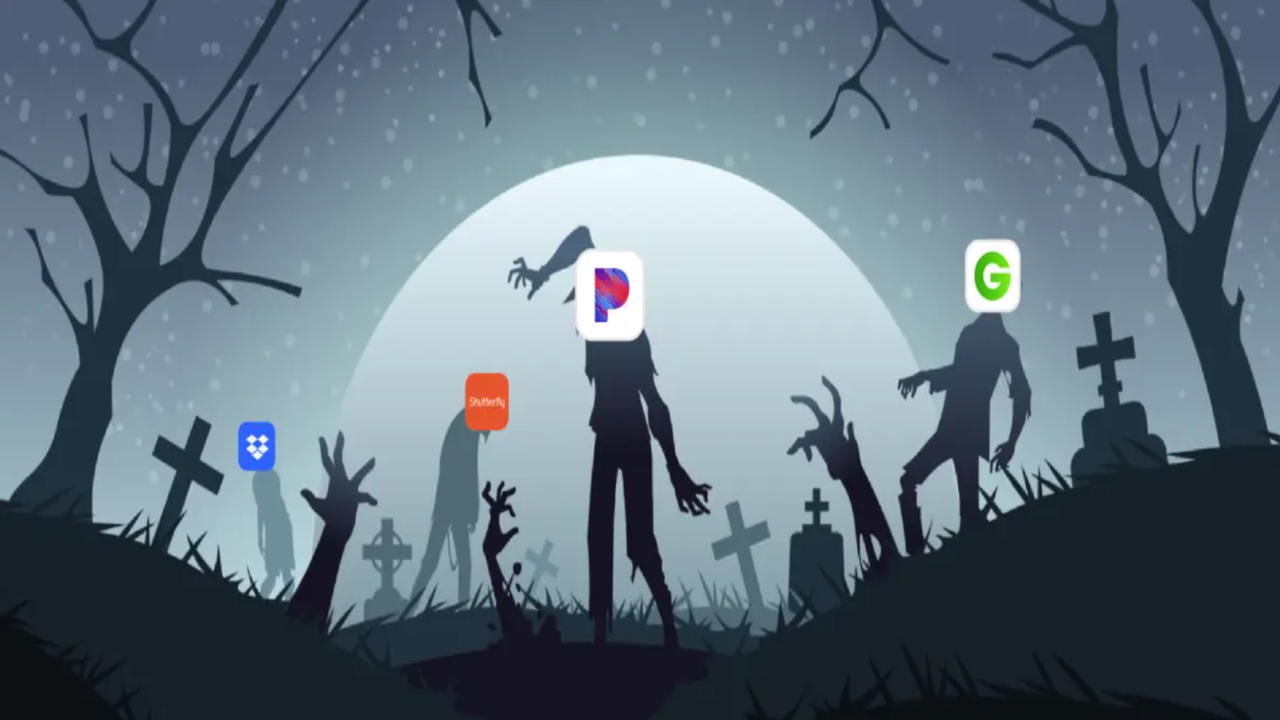
Rank 81017Most people forget their old accounts, but criminals never forget how to exploit them, report warnsZombie accounts are digital weak spots just waiting for password reuse to ruin everythingPlatforms like Groupon and Pandora are packed with logins that no one’s watching anymoreForgotten accounts for apps you no longer use might not seem like your most pressing security concern, but new research has claimed they can be far more than digital clutter.A study by Secure Data Recovery found 94% of respondents admitted to having one or more zombie accounts - accounts left unused for at least 12 months.These neglected profiles often remain active and vulnerable, giving cybercriminals a quiet back door into users’ digital lives.Pandora, Groupon, and Shutterfly lead the list of forgotten servicesPandora tops the list of abandoned services, with 40% of respondents admitting they still have unused accounts, with Groupon and Shutterfly following closely, reflecting a wider trend of users drifting away from once-popular platforms.“That account you haven’t logged into for over a year? It’s still there,” the study notes, warning that abandoned profiles are ripe for hijacking.These unused accounts aren’t limited to music or shopping, as photo-sharing platforms like Dropbox, Tumblr, and Flickr are also frequently forgotten - and the trend even extends to more sensitive categories, with dating apps such as Tinder, OkCupid, and Bumble ranking highest in abandonment. In the financial space, Acorns, Mint, and YNAB are often left idle, despite potential access to personal or financial information.Many users simply forget these accounts exist, assuming that inactivity means deletion. In other cases, disinterest drives abandonment.Facebook ranks highest in dissatisfaction, followed by Twitter/X and Amazon Prime Video. Some platforms failed to keep up with expectations, while others, like Prime Video, alienated users by adding ads.Interestingly, Prime Video also appears on the list of most-missed services, suggesting users are divided in their views.The consequences of ignoring these accounts go well beyond clutter.Reusing passwords across sites, especially between zombie accounts and work or banking logins, creates serious risk.Secure Data Recovery warns: “Having the same login for that eight-year-old Tumblr account and your active work email might not be in your best interest.”How to stay safeTo reduce risk, review the services you’ve signed up for - if you no longer use an app or website, delete the account.Never reuse passwords. A compromised old account using the same login as your current one can put your data at risk.Create strong, unique passwords for every account. A password manager can help you keep track of them.Also, check the privacy settings on accounts you still use. Some may be sharing more than you think. Adjust those settings to limit how much information is visible.Whenever possible, enable two-factor authentication for extra protection.Finally, use antivirus tools, especially on Android phones.A good free antivirus can warn you about unsafe apps and detect if your device has been compromised.You might also likeThese are the best ransomware protection tools to keep you safeNail the basics with the best firewalls available nowMcDonald’s AI recruiting platform had a really embarrassing security flaw
-

Picture from static.independent.co.uk
Rank 81018 -

Picture from static.independent.co.uk
Rank 81019 -

Picture from static.independent.co.uk
Rank 81020 -

Picture from static.independent.co.uk
Rank 81021 -

Picture from static.independent.co.uk
Rank 81022 -

Picture from static.independent.co.uk
Rank 81023 -

Picture from ichef.bbci.co.uk
Rank 81024 -

Picture from ichef.bbci.co.uk
Rank 81025 -

Picture from ichef.bbci.co.uk
Rank 81026 -

Picture from ichef.bbci.co.uk
Rank 81027 -

Picture from ichef.bbci.co.uk
Rank 81028 -

Picture from static.independent.co.uk
Rank 81029 -

Picture from static.independent.co.uk
Rank 81030 -

Picture from static.independent.co.uk
Rank 81031 -

Picture from static.independent.co.uk
Rank 81032 -

Picture from static.independent.co.uk
Rank 81033 -

Picture from static.independent.co.uk
Rank 81034 -

Picture from assets1.cbsnewsstatic.com
Rank 81035 -

Picture from image.cnbcfm.com
Rank 81036 -

Picture from image.cnbcfm.com
Rank 81037 -

Picture from image.cnbcfm.com
Rank 81038 -

Picture from ichef.bbci.co.uk
Rank 81039 -
Picture from o.aolcdn.com
Rank 81040Amazon's latest move in the AI space is an acquisition. The company is purchasing a startup called Bee, which makes a wearable and an Apple Watch app that can record everything the wearer says. Amazon said that the deal has not closed and that the terms of the acquisition are confidential. Although the company did not provide specific numbers, it added that all Bee employees received offers to join Amazon. TechCrunch first reported this news based on a LinkedIn post from Bee founder Maria de Lourdes Zollo.
Bee presents its platform as a personalized AI assistant that passively learns from its wearer by listening to all of their conversations and activities. While the wearable does have a button to mute recording, it can theoretically observe every single thing the owner does or says. The app can then summarize daily activities, suggest to-do items or recall previously discussed details. Bee's website also gives examples of using the assistant for personal growth, such as tracking successes or possible improvements as a parent.
Amazon has had a mixed bag with wearables endeavors. It still sells Echo Frames smart glasses, but shuttered its Halo health tracker in 2023. The AI angle of Bee may be of particular interest for Amazon, especially as the company pushes its Alexa+ generative AI assistant. The always-listening aspect of Bee also harkens back to Amazon's privacy debacle of a few years back when it had to address concerns that employees were reviewing conversations recorded by Alexa, including some recorded by accident.This article originally appeared on Engadget at https://www.engadget.com/ai/amazon-is-acquiring-an-ai-wearable-that-listens-to-everything-you-do-221103233.html?src=rss
-

Picture from ichef.bbci.co.uk
Rank 81041 -

Picture from static.independent.co.uk
Rank 81042 -

Picture from static.independent.co.uk
Rank 81043 -

Picture from static.independent.co.uk
Rank 81044 -

Picture from assets3.cbsnewsstatic.com
Rank 81045 -

Picture from image.cnbcfm.com
Rank 81046 -
Picture from o.aolcdn.com
Rank 81047Welcome to Video Games Weekly on Engadget. Expect a new story every Monday or Tuesday, broken into two parts. The first is a space for short essays and ramblings about video game trends and related topics from me, Jess Conditt, a reporter who's covered the industry for more than 13 years. The second contains the video game stories from the past week that you need to know about, including some headlines from outside of Engadget.
Please enjoy — and I'll see you next week.
This week, I’m fried. Maybe it’s the plodding and ever-present crumbling of society and human decency, or maybe it’s because Love Island USA just ended so I’m feeling extra listless. It’s a familiar summer sensation, but this year everything is exaggerated and extra tense, the stakes of every action seem higher, and instead of melting into the warmth of the season with a popsicle and a smile, I often find myself frozen and numb. I am the popsicle, coo coo ca choo.
I’m not sure exactly what I’m trying to convey here, but I think it’s clear that I shouldn’t be writing anything too serious at the moment. I’m working on a few reports and trying to keep my composure amid the chaos, and all the while, the video game headlines keep rolling on. I’ve included a few more than usual this week, as penance for my popsicle state.
The news
The Chinese Room escapes from Tencent
UK studio The Chinese Room, creator of Still Wakes the Deep and Everybody’s Gone to the Rapture, is independent once again. The Chinese Room leaders completed a management buyout with help from VC firm Hiro Capital to fully split the studio from Tencent subsidiary Sumo Digital, which acquired it in 2018. A number of people were laid off as part of the transition and the studio is left with a total of 55 employees. The Chinese Room is still working on Vampire: The Masquerade — Bloodlines 2 for Paradox Interactive, and it also has original projects in development.
Still Wakes the Deep was one of my absolute favorite games of 2024. Whether you’re a fan of beautiful paranormal horror or you're just really into oil rigs, give it a go.
Read these stories that Vice censored
Vice’s owner, Savage Ventures, doesn’t want you to read this story. Or this one.
Vice removed two articles about Steam’s new ban on certain “adult-only” content and the organization that pushed for the change, Collective Shout, which has the support of prominent anti-pornography groups with conservative religious foundations. The stories were written by contributor Ana Valens, who said the removals were “due to concerns about the controversial subject matter — not journalistic complaints.” Valens has vowed to never write for Vice again and a handful of reporters there have resigned in solidarity.
Censoring stories about censorship is certainly a choice, Vice.
Supermassive delays Directive 8020 and shrinks its team
The home of Until Dawn and The Dark Pictures Anthology, Supermassive Games, is laying off 36 people, restructuring its team and delaying one of its projects into 2026. A statement from the studio says the decisions were in response to the video game industry’s “challenging and ever-evolving environment.” It’s estimated that Supermassive had more than 300 employees before the layoffs.
Directive 8020, the fifth installment in the Dark Pictures Anthology, is now due to come out in the first half of 2026, rather than this fall. Honestly, I’m not surprised to hear Supermassive needs more time to work on Directive 8020. I watched Engadget UK bureau chief Mat Smith play the demo at Summer Game Fest in June, and while it looked great, we were both surprised by how short and non-interactive the segment was. He summed up this feeling in his preview with the line, “Finally, I got to play (but only for a few minutes).”
Supermassive is also working on Little Nightmares III, a series that it took over from Tarsier Studios. Tarsier created Little Nightmares and its sequel, but lost the rights to the IP when the team was acquired by a subsidiary of Embracer Group in 2019. Series publisher Bandai Namco kept the Little Nightmares brand and commissioned Supermassive to build the third game, while Tarsier is working on its own project, Reanimal.
It makes sense that Supermassive would prioritize Little Nightmares III in order to fulfill its obligations with Bandai. The game has already been delayed once, and it’s set to hit PC and consoles on October 10.
FBC: Firebreak is getting less busted
I still have high hopes for FBC: Firebreak to be the Left 4 Dead revival we’ve always wanted, but fact is, it’s not quite there yet. Remedy Entertainment is aware of this hard truth and has a plan to fix it. The studio laid out its pipeline for making FBC: Firebreak easier to jump into, more fun to play and less confusing overall, with most major changes coming in an update this winter.
Valve is still the best retirement community in game development
PCGamesN published an interview with Counter-Strike co-creator Minh Le, who left Valve years ago to try out independent development. One sentiment stuck out to me.
“They didn't force me out or anything,” Le told PCGamesN. “But a part of me kind of regrets it. Looking back, my decision to leave Valve was, financially, kind of a poor decision. If I had stayed with Valve, I would have been able to retire by now.”
It’s not presented as an indictment of Valve, but I find it notable that Le describes the studio as a place to retire, rather than a space to innovate and create the next generation of video games. At this rate, Valve will never outrun its reputation as the studio where talented game developers go to die (professionally speaking).
But, hey, at least they're not getting laid off en masse. Which, unfortunately, brings us to the next headline.
Your favorite studio’s favorite studio faces layoffs
Cyberpunk 2077, Sea of Thieves and Dune: Awakening support studio Virtuos is laying off 270 developers, which is about seven percent of its staff. Virtuos is currently best known as the studio behind The Elder Scrolls 4: Oblivion Remastered alongside Bethesda, and it has more than 4,000 employees across Asia, Europe and North America. The cuts affect developers in Asia and Europe, with “fewer than 10” in France, where work on Oblivion Remastered was headquartered.
Heck yeah, there’s gonna be a Hellraiser game
Make sure to pin this one on your calendar. Saber Interactive is making Clive Barker's Hellraiser: Revival, a first-person, action-survival horror game that features actor Doug Bradley as Pinhead for the first time in nearly 20 years. Barker himself provided input on the story, too. It’s coming to PlayStation 5, PC and Xbox Series X/S, with no release date yet.
"The Hellraiser universe is defined by its unflinching exploration of pain, pleasure, and the thin and terrifying line that separates the two," a description from Saber Interactive reads. "That essence is at the heart of our game."
An inside look at the fallout of the Zenimax layoffs
Game Developer reporter Chris Kerr spoke with a number of employees at Zenimax who are still reeling from the layoffs that Microsoft enacted in early July. The vibes there sound pretty terrible.
“This carcass of workers that remains is somehow supposed to keep shipping award-winning games," one senior QA tester told Kerr. The developer continued, “Microsoft just took everything that could have been great about the culture and collaboration and decimated it. Morale is terrible. It's grotesque. People are stressed. They're crying.”
Xbox cloud play anywhere
When Xbox isn’t firing thousands of employees in one blow, it’s quietly laying the groundwork for the future of video game distribution. An update for Xbox Insiders this week introduces cross-platform cloud support, bringing your cloud library and play history to the Xbox PC app. This means you can access cloud activity on an Xbox console, PC or Windows handheld, and seamlessly play cloud games across devices. This is just how video games are going to work in the coming decades, and it’s interesting to watch our future slowly roll out in blog posts and software updates.
Subnautica 2 scandal catch-up
Did you miss all of the mess around Subnautica 2 last week? Or, more accurately, this past month? To quickly summarize, Subnautica publisher Krafton is being sued by the series creators after it fired them and then delayed their game, allegedly sabotaging a $250 million bonus payout due to developers. To not-quickly summarize, see my complete breakdown of the drama.
My Melody & Kuromi hits Netflix this week
I don’t know who else needs a little levity in their life right now, but I certainly do. Thankfully, the stop-motion show My Melody & Kuromi is coming to Netflix on July 24, and there’s already an adorable tie-in music video by LE SSERAFIM to enjoy. Zen out, watch all of the Sanrio sweetness and finally settle the debate: Are you more of a Kuromi or a My Melody?
Additional reading
Kris Holt's weekly indie game roundup
Have a tip for Jessica? You can reach her by email, Bluesky or send a message to @jesscon.96 to chat confidentially on Signal.This article originally appeared on Engadget at https://www.engadget.com/gaming/video-games-weekly-censorship-shrinkage-and-a-subnautica-scandal-221839722.html?src=rss
-

Picture from ichef.bbci.co.uk
Rank 81048 -

Picture from static.independent.co.uk
Rank 81049 -

Picture from static.independent.co.uk
Rank 81050