News
This constantly updated list features the latest and most important news articles, ranked in order of significance. The top stories highlight major developments, breaking news, and critical updates across various topics, ensuring you stay informed about the most pressing issues. As new articles are added, the list adapts to reflect the latest priorities, keeping the most impactful stories at the forefront. Whether it’s global events, technology breakthroughs, or industry trends, this dynamic list ensures you always have access to the most relevant and timely information.
-

Picture from static.independent.co.uk
Rank 65101 -

Picture from static.independent.co.uk
Rank 65102 -

Picture from cdn.mos.cms.futurecdn.net
Rank 65103Identity theft has evolved rapidly into a high-stakes battlefield, one where criminals operate like well-funded startups with R&D budgets, strategic playbooks, and sophisticated technology. What was once dominated by lone hackers has now evolved to a multi-billion-dollar ecosystem that continues to adapt and outsmart even the most robust security systems.According to recent Federal Trade Commission (FTC) data, American consumers reported losing more than $12.5 billion to fraud in 2024, a sobering 25% increase from the previous year. As digital transactions and AI-driven technology become more embedded in our daily lives, more entry points are created for malicious hackers.These bad actors are no longer simply scammers in a basement, but employees of a structured organization with goals that extend far beyond just stealing credit card numbers.How Identity Fraud Organizations Operate Today’s identity fraud groups operate with the same precision as modern tech companies. Their objectives can vary from financial gain or data exploitation to influence and control, and each member has a clearly defined role – either acquiring data, laundering stolen funds, or developing new tools to evade detection.Their first step is to decide whether to steal, buy or create the identity data they need. This is usually influenced by cost, risk level, and the quality of data required. Professional fraudsters prefer to use real data, but some large-scale outfits like Nigerian fraud ring Scattered Canary also utilize sophisticated synthetic IDs created through methods like credit‑building or “Frankenstein” PII. Credit building involves gradually establishing a fake identity’s legitimacy by opening and managing accounts over time, while “Frankenstein” PII refers to synthetic identities stitched together from pieces of real and fake PII.Once they have the information they need, their targets typically fall into three categories:Weak targets, including organizations and individuals with lax security and identity verification (IDV) systems. Americans 30 to 39 years old are most likely to fall victim to identity theft, with younger and older generations least likely.Trending markets such as cryptocurrency, which attract many users and make it easier to remain anonymousIndustry insiders with inside knowledge of business operations, an approach that enables fraudsters to evade detection systemsSome real-world case studies of successful fraud organizations include Lazarus Group, FIN7, Scattered Canary, Wizard Spider, and Evilnum. Lazarus, believed to be backed by the North Korean government, targets financial institutions and global cryptocurrency exchanges, conducting cyber espionage and financial theft to fund state objectives. Their attack on cryptocurrency firm Bybit resulted in a staggering $1.5B theft, making it the largest digital currency heist in history.Other fraud groups, such as FIN7, operate more like a criminal conglomerate targeting enterprises in the U.S. hospitality and retail sectors. Their specialty is selling stolen payment card data on the dark web for financial gain.How They Acquire Stolen Identities and Evade DetectionCredit card fraud remains the most common type of identity theft in 2024, but professional fraud organizations have an entire toolkit for gathering personal information, relying on tactics that include:Social media harvesting: Collecting information from public profiles, including names, birthdays, locations, and voice recordingsData leaks and breaches: Exposing sensitive data, which is frequently traded on dark web forums and encrypted channelsPhishing and social engineering attacks: Using fake emails, texts, and calls to trick individuals into revealing sensitive informationHowever, more advanced tactics used by professional groups have become “the norm”:Card skimming: Installing devices on ATMs or point-of-sale systems to steal payment card informationAccount takeover services: Purchasing verified accounts from illegal marketplacesInsider theft: Hiring or bribing employees at financial institutions and retailers to leak customer dataProfessional fraud organizations continuously adapt their techniques and avoid detection by using VPNs, injection tools, and methods to erase file markers– such as deleting logs and altering timestamps and metadata. By understanding the mechanics of fraud detection systems, malicious actors can find ways to evade capture.The Startup Model of Organized Crime Modern fraud organizations have embraced a startup mentality. They invest in R&D, rapidly adapt their attack methods, and even offer Fraud-as-a-Service (FaaS) solutions, bundling open-source tools for criminals who want to launch automated identity scams.Some popular darknet fraud tools include phishing kits, Remote Access Trojans (RATs), keyloggers, identity spoofing kits, real-time injection tools for ID fraud, and deepfake databases with synthetic faces. Essentially, fraud organizations now resemble lean, agile startups capable of shifting direction quickly and scaling efforts as needed.Deepfakes and Generative AI: A New Era of DeceptionThe global deepfake market is expected to reach $13.89 billion by 2032, and fraudsters are already heavily using the technology to their advantage. Initially, cybercriminals used deepfake tools during onboarding processes to fool verification systems. Now, deepfakes are increasingly used at points of access– impersonating real customers using fake faces or voices, often injected in real time during video verifications. These “live-session attacks” are on the rise, with deepfake-driven cybercrime growing over 700% in a single year. Some organizations even create deepfake-generated identity databases full of hyper-realistic digital personas ready to be used in fraud attempts.Generative AI is another modern technology that is increasingly being used by bad actors to develop fraudulent documents, scripts for bots, and fake behaviors that mimic humans, making it difficult to determine what’s real and what’s not. Companies’ use of genAI in business automation can inadvertently open pathways for fraudsters, as well.Organizational Risks and Resistance The implications for businesses are far-reaching; financial losses are only the beginning. Reputational damage, erosion of customer trust, and regulatory scrutiny follow closely behind.Current defenses such as real-time liveness detection, biometric verification (such as facial recognition and injection detection) and AI-powered fraud detection are generally reactive and designed to detect individual cases of fraud at the user level. But modern fraud organizations focus on creating a single, perfect fake ID -- one that will fool case-level detection -- and use it in automated mass attacks against hundreds or thousands of businesses simultaneously.One proven way to detect this type of sophisticated mega-attack is through traffic-level detection, which uses advanced algorithms and machine learning to detect suspicious patterns and anomalies based on incoming and historical traffic patterns. On the individual level, these IDs are indistinguishable from the real thing, but through a macro view, the fraud can be identified and intercepted.Other viable detection methods include:Risk Signals: Assessing the likelihood of fraud based on multiple factors, including IP geolocation, login patterns, and transaction anomaliesDevice Reputation: Evaluating the trustworthiness of a device based on its fraud historyBehavioral Analytics: Tracking user behavior such as typing speed, mouse movement, and search habits to detect anomaliesShared Consortium Intelligence: Pooling anonymized fraud data across organizations to identify and proactively stop attacksThe Evolving Battle Against Fraud: What Organizations Must Do NowThe fight against identity fraud is no longer about catching individuals, but staying one step ahead of enterprise-level adversaries. Raising awareness on common tactics used by cybercriminals is crucial to understanding how to strengthen identity security. As long as identity remains the key to access, cybercriminals will continue to pick the lock.To keep up, businesses must shift from reactive, case-by-case detection to proactive, system-wide defense strategies. This means investing in traffic-level anomaly detection, behavioral analytics, and layered identity verification methods that can spot synthetic identities, deepfakes, and other fraud attempts before they can cause damage.Also, just as fraud groups exchange tools and tactics with each other, organizations must counter by sharing intelligence and gathering threat data across industries. By adopting these methods, businesses can evolve as quickly as the threat landscape and outsmart their adversaries.We list the best identity theft protection for families.This article was produced as part of TechRadarPro's Expert Insights channel where we feature the best and brightest minds in the technology industry today. The views expressed here are those of the author and are not necessarily those of TechRadarPro or Future plc. If you are interested in contributing find out more here: https://www.techradar.com/news/submit-your-story-to-techradar-pro
-
Picture from o.aolcdn.com
Rank 65104You may not be looking to spend big on tech this Prime Day, but it's still a good idea to look for tech essentials during the shopping event while you can get some at good discounts. Anker makes some of our favorite charging gear and I always end up picking up an accessory or two during Prime Day to ensure I have what I need when I need it most, and I feel better knowing I didn't spend full price on it.
Last year, for example, I picked up a couple of extra USB-C charging cables so I could keep one in my carry-on luggage so I always have one when I travel. Also, every year it seems I need yet another surge protector, so even though I picked one up last year, I'll probably do the same this year, too. Here, we've collected all of the best Prime Day deals on Anker devices we could find, and we'll update this post as the event goes on with the latest offerings.
Prime day deals: Power banks
Power banks come in all shapes and sizes, so it’s worth taking a moment to think about how you plan on using the one you want to buy. Smartphones don’t need huge-capacity bricks to power up a couple of times over; a 5K or 10K portable charger should be plenty if that’s all you’re looking to support. If you want a more versatile accessory that can charge a tablet, laptop or gaming handheld, consider a brick with a higher capacity — and more ports so you can charge multiple devices simultaneously.
Anker Laptop Power Bank (25K, 100W) for $95 (30 percent off)
Anker MagGo power bank (10K, 15W) for $67 (25 percent off)
Anker MagGo ultra-slim power bank (10K, 15W) for $60 (25 percent off)
Prime day deals: Wireless chargers
We all have plenty of cables in our lives, so a good wireless charger (or two) can eliminate a few of the ones you use the most. Think about where you’ll use the wireless charger you want to buy before deciding. Those outfitting a home office with new tech may want a wireless charging stand that puts their phone in an upright position that’s easier to see while it’s powering up, while those who want a wireless charger for their nightstand might prefer a lay-flat design or a power station that can charge a smartphone, smartwatch and pair of earbuds all at once.
Anker MagGo 3-in-1 foldable charging station for $77 (30 percent off)
Anker MagSafe 3-in-1 charging station (Qi2, 15W, includes adapter and USB-C cable) for $63 (30 percent off)
Anker MagSafe 3-in-1 charging stand (Qi2, 15W, includes adapter and USB-C cable) for $71 (36 percent off)
Prime day deals: Charging cables, speakers and other gear
Plenty of other charging gear is on sale for Prime Day. It’s never a bad idea to pick up a few 30W USB-C adapters so you always have what you need to reliably power up your phone. Same goes for extra USB-C (or USB-A) cables that can live in your car, in your office at work or by the couch.
Anker Soundcore Space A40 wireless earbuds for $45 (44 percent off)
Anker Soundcore Select 4 Go Bluetooth speaker for $19 (46 percent off)
Anker Nano USB-C charger (30W) for $13 (35 percent off)
Anker Prime docking station (14-port, 160W) for $190 (30 percent off)
Anker Prime charger (3-port, 100W) for $46 (34 percent off)
This article originally appeared on Engadget at https://www.engadget.com/deals/the-best-prime-day-deals-on-anker-power-banks-chargers-and-mobile-accessories-084925449.html?src=rss
-
Picture from o.aolcdn.com
Rank 65105Amazon’s Prime Day is always a great time to consider a TV upgrade (aside from Black Friday, of course). So we've gathered the best selection of Prime Day TV deals we could find. While the prices for big screen TVs have fallen quite a bit over the years, even for coveted tech like OLED, there’s always room for additional discounts.
For this July Prime Day, we’re seeing prices slashed on Samsung, Sony and LG sets, in addition to several other manufacturers. And as usual, we’ve also collected a few solid deals on streaming devices and soundbars to upgrade your setup even more. Who needs to shell out for the cinema when you can get an enormous screen and bombastic sound at a huge discount?
Best OLED TV deals
Sony Bravia 8 II (65”) QD OLED for $2,998 (down from $3,500): Sony’s top of the line set has everything you’d want in a high-end TV, like quantum dots for improved color and brightness, as well as the inky dark blacks and infinite contrast of a modern OLED panel. You’ll always pay a bit of a premium for Sony TVs, but partially that’s due to their world-class image processing – in this case, that’s handled by Sony’s XR chip. (You can also snag the 55-inch model for $2,500.)
LG OLED Evo C5 (65-inch) for $1,797 (down from $2,700): LG has steadily improved its C-series over the years, and the C5 Evo is its best model yet. In addition to the usual benefits of OLED, it also sports a brightness booster that can help it work well in bright rooms, as well as LG’s own “Perfect Color” technology. It doesn’t have quantum dots like Sony and Samsung’s OLEDs, but it’s also coming in significantly less than those models. The C5 Evo also has a fast 144Hz refresh rate for gaming, as well as support for NVIDIA’s G-SYNC and AMD FreeSync variable refresh rate technology. (If you’re looking for something larger, the 77-inch model has also been discounted to $2,800.)
Best Mini LED TV deals
TCL QM8K (65-inch) QD Mini LED for $1,500 (down from $2,500): TCL's QM8 sets feature the company's best and brightest Mini LED screens with Quantum Dots. It has an ultra-thin bezel, 144Hz refresh rate for fast gaming and one of the best contrast ratios you'll see outside of an OLED screen. Basically, it's one of the best screens you'll find that's not an OLED. While we think the 65-inch model is a great deal for most rooms, you can also step up to the 75-inch for $2,000, the 85-inch for $2,500 and the massive 98-inch set for $3,000.
TCL QM6K (98-inch) QD Mini LED for $1,800 (down from $3,000 MSRP): The QM6K is one of the best deals we’ve seen on a 98-inch TV under $2,000, and it’s not a low-quality LCD either. It has a bright Mini LED screen with quantum dots for enhanced color, and it sports a fast 144Hz refresh rate for gaming. It’s also a pretty solid Prime Day deal, coming in much lower than the previous $2,200 low price. (If you don’t have the wall space for a nearly 100-inch set, the 65-inch model is similarly great and is down to $550, nearly half off its $1,000 MSRP and $100 off its lowest price. The 75-inch model is also a great deal at $850.)
Sony Bravia 5 (85-inch) Mini LED for $2,298 (down from $2,800): The Bravia 5 pairs a bright Mini LED panel with Sony’s excellent XR image processing chip. It won’t reach the deep dark black levels of OLED, but Mini LED achieves something close, and it can also get much brighter than OLED panels. That makes this model, as well as any Mini LED TV, a good option for bright rooms. (You can also scale down to the 65-inch and 75-inch Bravia 5 for $1,300 and $1,800, respectively. And there’s also the truly massive 98-inch model, which is now $1,000 off at $5,000.)
Best Samsung Frame TV deals
Samsung The Frame (75-inch, 2024) for $1,498 on 7/8 (down from $3,000), $1,699 for the rest of Prime Day week: If you want a TV that doesn't actually look like a TV, the Samsung's Frame sets are the best option. They offer painting-like bezels, and they can display art work when you're not watching anything. This deal is one of the best we've seen on a large-screen Frame set — while it's a 2024 model, it still offers a sharp QLED panel, slim wall mounting and an anti-reflective coating to prevent window glare. (If you're looking for something smaller, the 65-inch 2024 Frame TV is down to $1,199, and the 55-inch is on sale for $799.)
Samsung The Frame Pro (65-inch) for $1,899 (down from $2,200): New for 2025, Samsung's Frame Pro sets offer brighter and higher-quality Mini LED panels for a superior TV watching experience. The 65-inch Frame Pro is a great option for most living rooms since it's large enough to deliver an immersive viewing experience, and it also comes with Samsung's wireless One Connect box for less cable clutter. While there's still no OLED Frame TV yet, this Mini LED set is the closest you'll get today. (If you're looking for something larger, the 75-inch Frame Pro is down to $2,699, and the 85-inch is $3,799.)
Best budget TV deals
Amazon Fire TV (50-inch) for $260 (down from $400): Amazon’s budget Fire TV sets handle the basics just fine, and at this price the 50-inch model is a compelling deal as a second or third TV set. It supports HDR10 (but not Dolby Vision), and as you’d expect, it also has the Amazon Fire TV OS built-in, giving you access to over 23,000 apps. It also sports Amazon’s Alexa Voice Remote to help you find content quickly. (You can also go up and down in size, depending on your needs. The 43-inch model is now down to $220, and it’d be a solid choice for a small bedroom or office.)
Best soundbar and speaker deals
Sony Bravia Theater Quad for $2,000 (down from $2,500): Leave it up to Sony to do something different in the world of home entertainment. The Bravia Theater Quad are a set of four flat modules, containing a total of sixteen speakers, which deliver truly enveloping surround sound. They’re the ideal solution for anyone who wants a theatrical experience, but doesn’t want to see gigantic tower or bookshelf speakers in their space. They support Sony’s 360 Spatial Sound Mapping, as well as Dolby Atmos and DTS:X.
Sony Bravia Theater Bar 9 for $998 (down from $1,400): The Bravia Theater Bar 9 is Sony’s most capable self-contained soundbar, with 13 speakers and support for virtualized surround sound with Dolby Atmos, DTS:X and Sony’s own 360 Spatial Sound Mapping technology. It’s the best option if you want to enjoy your favorite movies and music loud, but also don’t want to see speakers all over your living room. (The Bravia Theater 8 is also discounted to $698 and very well-equipped, with 11 speakers and the same surround sound support. )
Sony Bravia Theater System 6 for $568 (down from $770): If you want real surround sound from an actual subwoofer and satellite speakers spread around your room, the Bravia Theater System 6 is a solid choice. It pairs together a compact soundbar, wireless subwoofer and two rear satellites (connected by a wireless amplifier).. It’s a great option for apartments and small living rooms where you just can’t live with virtualized surround sound. (You can also snag the soundbar on its own for $448, down from $650.)
Best streaming deals
Amazon Fire TV Stick 4K for $25 (down from $50): Amazon’s Fire TV Stick 4K is a simple way to add some streaming smarts to any TV with an HDMI port. Alternatively, you can load it up with your favorite streaming apps and bring it on the road – it sure beats fighting with apps built into hotel or AirBnb TVs. As a bonus, you can also play Xbox cloud streaming games when you pair a controller (Xbox GamePass membership required).
Roku Ultra for $69 (down from $100): Roku's ultimate set-top box is the best streamer for home theater enthusiasts who want to avoid the more expensive Apple TV. It handles every video and audio format you'd want — including Dolby Vision, Atmos and HDR 10+ — and it also comes with Roku's rechargeable Voice Remote Pro. The Roku Ultra is also the fastest device from the company, so you can expect to zip around Roku's interface and apps far faster than the cheaper streamings sticks.
Roku Streaming Stick+ for $30 (down from $40): The Roku Streaming Stick+ is the easiest way to bring Roku's robust app selection to any 4K TV. It's a great option for first-generation 4K sets that either had no streaming apps, or are way too slow by now. And it's a great gadgets to bring on trips to maintain access to all of your favorite streaming services.
Roku Streaming Stick HD For $20 (down from $30): The basic HD Roku Streaming stick is a solid option for bringing streaming apps to older TVs, which likely don't support 4K or any fancy HDR standards. Sure, it's as no frills as you can get, but for $20 it's worth having a backup streaming device. (or one you won't mind losing during a trip). And if you have an older TV that's still working, it's definitely worth investing a bit to get modern apps.
This article originally appeared on Engadget at https://www.engadget.com/deals/best-prime-day-tv-deals-2025-from-sony-lg-samsung-and-others-084705164.html?src=rss
-

Picture from ichef.bbci.co.uk
Rank 65106 -

Picture from ichef.bbci.co.uk
Rank 65107 -

Picture from static.independent.co.uk
Rank 65108 -

Picture from static.independent.co.uk
Rank 65109 -

Picture from static.independent.co.uk
Rank 65110 -

Picture from static.independent.co.uk
Rank 65111 -
Picture from o.aolcdn.com
Rank 65112A Wi-Fi mesh system is one of the best upgrades you can make to improve your home’s internet coverage, especially if you’ve ever struggled with dead zones, buffering or dropped video calls. Unlike a single router that broadcasts from one central point, a mesh system uses multiple access points spread throughout your space to blanket your entire home with a strong, seamless Wi-Fi signal. Whether you're working on multiple laptops, streaming 4K video in the living room or gaming online in the basement, a mesh setup helps ensure you get reliable Wi-Fi wherever you are.These systems are designed to handle the demands of modern households, offering features like dual-band or even tri-band connectivity to balance your bandwidth across devices, and automatic updates to keep your firmware current. Many also support high-speed internet plans and include options for a wired connection if you need extra stability for gaming or work. With easy setup, smart app controls and long-term future-proofing, the best mesh Wi-Fi router systems can eliminate the need for clunky Wi-Fi extenders and give you fast, dependable Wi-Fi connections across your whole home.
Table of contents
Best mesh Wi-Fi systems for 2025
What to look for in a mesh Wi-Fi system
Other mesh Wi-Fi router systems we tested
How we test Wi-Fi routers
Best mesh Wi-Fi systems for 2025
What to look for in a mesh Wi-Fi system
Linksys’ CEO Jonathan Bettino told Engadget why mesh systems are an “advancement in Wi-Fi technology” over buying a single point router. With one transmitter, the signal can degrade the further away from the router you go, or the local environment isn’t ideal. “You can have a small [home], but there’s thick walls [...] or things in the way that just interfere with your wireless signal,” he said.
Historically, the solution to a home’s Wi-Fi dead zone was to buy a Wi-Fi extender but Bettino said the hardware has both a “terrible user experience” and one of the highest return rates of any consumer electronics product. Mesh Wi-Fi, by comparison, offers “multiple nodes that can be placed anywhere in your home,” says Bettino, resulting in “ubiquitous Wi-Fi” that feels as if you have a “router in every room.”
Rather than having one main router in your home, having a “router in every room” is the biggest selling point for mesh Wi-Fi given how reliant we all are on the internet. Each node is in constant contact with each other, broadcasting a single, seamless network to all of your connected devices. There’s no separate network for the 2.4GHz and 5GHz bands, just a single name that you connect to.
It’s a good time to buy a mesh Wi-Fi system since the latest standard, Wi-Fi 6E, represents a big leap in the technology. Matt MacPherson, Cisco's Chief Technology Officer for Wireless, said Wi-Fi 6E is a big “inflection point,” using much more of the wireless spectrum than its predecessors. “If you’re using that spectrum with a Wi-Fi 6 [device],” he said, “you’re going to get significant gains [in speed.]”
MacPherson added Wi-Fi 6E will likely “carry you for a long time” thanks to the fact its “top throughputs now typically exceed what people can actually connect their home to.” In short, with a top theoretical per-stream speed of 1.2 Gbps, Wi-Fi 6E is fast enough to outrun all but the fastest internet service.
What do all these Wi-Fi numbers and letters mean?
I’m sorry folks, we need to get boringly technical for one paragraph, but I promise you it’s worth it.
Wi-Fi is governed by International Standard IEEE 802.11, and every few years a letter gets added onto that name when the technology evolves and improves. Until 2019, routers were sold under their IEEE name, leaving users to pick through the word soup of a product labeled 802.11 b/g/a/n/ac and so on.
Mercifully, wiser heads opted to rebrand the letters as numbers, so rather than 802.11 b/g/a/n/ac, we have Wi-Fi 1, 2, 3 4 and 5. Right now, we’re in the middle of one of those Wi-Fi generations, with most of the gear on sale right now supporting either Wi-Fi 6 or Wi-Fi 6E.
What’s the difference between Wi-Fi 6 and Wi-Fi 6E?
Wi-Fi uses chunks of the radio frequency spectrum, with Wi-Fi 6 using the 2.4GHz and 5GHz bands to pump data around. In fact, back in the old days, it was likely your home router would offer you the choice of the 2.4GHz or the 5GHz network, as separate bands to access. These days, all of the spectrums are tied together as one thing, and Wi-Fi 6E has the added ability to use the 6GHz band as well. That’s a big chunk of extra wireless real estate that isn’t as cluttered up as the 2.4 and 5GHz bands.
You’re going to talk about wireless frequencies now, aren’t you.
Each Wi-Fi band had tradeoffs, because the slower radio frequencies have greater range but less speed. 2.4GHz signals will travel a long way in your home but aren’t quick, while 6GHz is blisteringly fast but can be defeated by a sturdy brick wall. A lot of Wi-Fi-enabled gear you own, like smart home products, only use the 2.4GHz band because the range is better and it’s a lot cheaper. But it means that the band is also overcrowded and slow, making it great for your doorbell and robovac, but lackluster for Twitch streaming.
So, what am I looking for?
Right now, the market is full of mature Wi-Fi 6 and 6E devices, and most new systems available to buy are capable of taking advantage of the faster speeds they offer. This guide focuses on Wi-Fi 6E gear since it’s what we think it’s more than enough to satisfy almost everyone’s at-home Wi-Fi needs.
What about Wi-Fi 7?
We’re now seeing the first generation of Wi-Fi 7 devices available to buy, but we don’t recommend you do so immediately. The Wi-Fi 7 standard is still so new that there’s little to no reason for you to rush out and buy one for your home. The hardware is tremendously expensive and while Wi-Fi 7 will, eventually, offer some great benefits over 6E, it’s not as transformative an upgrade as 6E. Not to mention, Wi-Fi 7 is so new that almost none of your home’s devices will be able to take advantage of its big-ticket features. I’d estimate you won’t need to worry about upgrading to Wi-Fi 7 for at least five years, if not longer.
Range and speed
All Wi-Fi routers boast a theoretical broadcast range and a theoretical top speed, and in some cases external antennas to boost signal directionality — but these figures don’t mean much. After all, manufacturers can’t control your ISP’s real speed, the materials and layout of your home or where you put your Wi-Fi gear. Raw speed isn’t everything, either, and you likely need a lot less than the internet speeds your provider is advertising. What matters more is how consistent your connection is between rooms and across devices.. After all, Netflix needs just 15 Mbps to push a single 4K video stream to your home. As cool as it is to say you’ve got all these hundreds of Mbps, factors like latency and reliability are far more crucial to a happy internet life. And unless you have Gigabit internet that can reach speeds of up to 1 Gbps, you won’t need a mesh router that offers that spec.
Backhaul
Mesh Wi-Fi systems work by connecting every hardware node to a single wireless network, letting them all communicate with each other. Imagine four people in a busy, noisy restaurant all trying to order their dinner from a weary staff member, all at once. Now imagine, while this is going on, that four more people at that same table are also trying to tell a funny anecdote. It’s no surprise that it might take a long time for the right information to reach its intended destination.
To combat this, higher-end mesh routers offer dedicated wireless backhaul; a slice of the spectrum for node-to-node communication. So rather than everyone talking at once in the same space, the conversations are essentially separated, reducing the invisible clutter in the air. Because there’s less confusing cross-chatter, everything moves faster, offering a significant performance boost to those systems.
Connectivity
These days, even your washing machine can have a wireless connection, but that doesn’t mean you should ignore the joys of wired internet. No matter how fast Wi-Fi is, a hard line will always be faster, and some gear, like Philips’ Hue bridge, still needs an ethernet connection. Plenty of routers can also use these hard connections as backhaul, eliminating further wireless clutter.
It’s convenient for spread-out systems and power users, but it will mean running more wires through your home. The most common standard is Cat 5e, or gigabit ethernet which, unsurprisingly, has a top speed of 1 Gigabit per second (Gbps). Since Ethernet cables are backward compatible, you should be able to easily find one that works with your system. However, to get the most out of your mesh routers, it’s worth investing in an Ethernet cable that meets the standard your router uses — if it’s Cat 5e, use a Cat 5e cable. You can check your router’s specs via the manufacturer’s website to be sure.
Flexibility and scalability
Mesh routers enable you to add (or subtract) modules from your home network to suit your needs. D-Link’s Alan Jones said users should “check how scalable the prospective product is” before you buy. This sense of scale doesn’t just apply to the number of nodes on the network, but how many simultaneous connections it can handle.
It’s also worth looking at ASUS’ AiMesh products, which can combine mesh Wi-Fi gear and its standard “spider” Wi-Fi routers. If you’ve got a tricky part of your home, you can bolt on an ultra-power standalone Wi-Fi router to a compatible mesh.
Placement
Mesh networks replace one big piece of hardware with a series of identical nodes that you scatter around your home. You connect one to your modem (usually over ethernet), and then scatter the rest around the place for the best coverage. A good rule of thumb is to place each node no more than two rooms away from the last one, rather than sticking them at the far ends of your home.
Bear in mind, every physical obstacle between a Wi-Fi node, its siblings and your devices will hurt your overall performance. You should aim to place them, at the very least, at waist height on furniture in open air, without too many obstructions. The reason many mesh Wi-Fi products are designed to look like an inoffensive white doodad is so you don’t feel compelled to hide them behind your TV.
Other mesh Wi-Fi router systems we tested
Amazon Eero Pro 7
Eero built its reputation on easy to use yet powerful mesh systems that offer a lot of good in a relatively small and affordable package. Setup is effortless, the app running things is clean and simple, and you get the added benefit of backwards compatibility with older hardware. Sadly, the issue with every Eero system is that so many basic management features, like parental controls, are paywalled behind the company’s Eero Plus subscription for $100 a year.
Amazon Eero 6E
Eero Pro 6E is an “easy” device, the sort a total novice can set up on their own and thrive with for years on end. There’s little brainwork required to get things set up, and the app has a clean UI with plenty of hand-holding. But, as with the Eero Pro 7, the fact that so many basic management tools are paywalled irks me, especially since you can get plenty of them for free with Google’s rival offering.
Netgear Orbi 960
The Orbi 96T0 (RBKE963) is Netgear’s flagship mesh Wi-Fi product, which the company calls the “world’s most powerful Wi-Fi 6E system.” It’s also one of the most expensive consumer-level kits on the market, setting you back $1,499.99 for a three pack. It's a fantastic piece of gear, but it's worth saying that the subset of people who could, would or should buy it remains far smaller than you might expect. Ultimately, I feel that if you’re paying luxury prices, you should expect a luxury product. There were plenty of times during testing that I went looking for a feature that was either only available via the web client, or behind a paywall. While, yes, much of your cash is going to the superlative hardware, but for this sort of money, the fact you have to pay extra for some table-stakes features is insulting. If you’re looking for a new Wi-Fi system and aren’t prepared to spend almost $1,500, it’s worth considering our other top picks for the best Wi-Fi routers and mesh systems.
How we test Wi-Fi routers
My home covers around 2,200 square feet across three stories with the office on the third floor. It’s relatively long and thin, with the living room at the front of the house, the kitchen at the back and the three bedrooms on the first floor. Its age means there are a lot of solid brick walls, old-school lathe and plaster as well as aluminum foil-backed insulation boards to help with energy efficiency. There are two major Wi-Fi dead zones in the house: The bathroom and the third bedroom behind it, since there’s lots of old and new pipework in the walls and floors.
For mesh routers with two nodes, I place the first in my living room, connected via ethernet to my cable modem with the second on the first floor landing in the (ostensible) center of the house. For three-node sets, the third goes in my kitchen, which I’ve found is the optimal layout to get the bulk of my house covered in Wi-Fi. Fundamentally, my home poses enough challenges that if it succeeds here, it stands a very good chance of succeeding in your place.
Each mesh is judged on ease of setup, Wi-Fi coverage, reliability, speed and any additional features that it advertises. I look at how user-friendly each companion app is from the perspective of a novice rather than an expert given you shouldn’t need to be a network engineer to do this sort of thing. Tests I do include checking for dead zones, moving from room to room to measure consistency of connectivity and streaming multiple videos at once to replicate common usage patterns.This article originally appeared on Engadget at https://www.engadget.com/home/smart-home/best-mesh-wifi-system-130028701.html?src=rss
-
Picture from o.aolcdn.com
Rank 65113July's Prime Day sale is here, which means Amazon is offering sharp discounts on some of the best speakers money can buy. Whether you're after a portable bluetooth speaker, a compact yet powerful soundbar or a smart speaker to help around the house, something probably just dropped into your price range. Our audiophiles have combed through the sales and put together a list of the best Prime Day speaker deals that stand out from the herd, including top brands like Beats, Marshall, Bose and Sonos. So if you're sick of missing important dialogue in your shows, or you want to listen to music like it's live, check out the list below.
Best Prime Day Bluetooth speaker deals
Our portable bluetooth speaker picks are some of the best all-around mobile music devices to ever hit the shelves: smaller and lighter than a boombox, better audio than an iPod, and way easier in the long run than learning to play guitar. We've sifted through Prime Day offerings to find the best portable speakers in all shapes and sizes.
Anker Soundcore 2 for $29 (35 percent off): The Soundcore 2 is an older bluetooth speaker, but it holds up — fully waterproof, with 24 hours of battery life and bass you can hear on the other side of a pool. It's on sale for less than $30.
UE Everboom for $200 (25 percent off): If you want something stronger than the Wonderboom but the Hyperboom isn't portable enough, the Everboom is a great middle ground. Its ideal range is a little narrow, but it makes up for that with 360-degree sound and extreme durability (i.e. so waterproof it literally floats).
JBL Xtreme 2 for $255 (80 percent off): The Xtreme 2 is an older model, dating back to 2018 — but as they say on the internet, it checks out. With a maximum output of 40 watts, it's actually more powerful than the Xtreme 4. Even better, this deal includes a pair of speakers that can work together through JBL connect+.
JBL Go 3 for $28 (30 percent off): The JBL Go 3 improves on its predecessor with a carabiner-friendly design, five hours of battery life, and IP67-rated waterproofing and dustproofing. It's not exactly powerful, but it's way better than a phone speaker for driving, trekking or camping.
JBL Go 3 Eco for $28 (30 percent off): This is the same as the JBL Go 3, but made from mostly recycled materials — 90 percent of the plastic and 100 percent of the fabric is post-consumer.
Bose SoundLink Flex 2nd Gen for $99 (33 percent off): This mini speaker from Bose is one of our favorites on the list for hands-free phone calls. It supports both Google Assistant and Siri and runs up to 12 hours on one charge, all while being smaller than a clutch purse. It also kills as a portable music player, though the sound doesn't stretch far enough to fill a room.
Bose Soundlink Revolve+ Series II for $179 (40 percent off): The Revolve series was Bose's first line of 360-degree outdoor speakers, and they're still a strong choice today. The Revolve+ weighs about two pounds and can run for 17 hours without recharging.
Bose Soundlink Max for $299 (25 percent off): Bose's Soundlink Max marries a classic carrying-case design with audio that sounds like it's coming from a much bigger unit. It comes with a 20-hour battery and IP67-rated protection against the elements.
Marshall Emberton II for $95 (47 percent off): Marshall has been making audio equipment for more than 60 years, and still has a thing or two to teach the young'ns. The Emberton II looks like a classic amp, but weighs a quarter of a pound and provides balanced sound for more than 30 hours per charge.
Best Prime Day smart speaker deals
Smart speakers aren't just about getting a disembodied voice to do your bidding (or at least as much of your bidding as Alexa can do without hands). On top of assistant support, the picks below serve up legitimately great audio quality alongside useful extra features. The only downside is that they're often overpriced, but that's what Prime Day is for.
Amazon Echo Pop for $22 (45 percent off): The latest Echo Pop release continues the trend of making Alexa's best features available on a mini-sized, reasonably priced device. Its half-spherical design fits on any desk or shelf, and its sound output is consistently clear — and gets louder than you might believe.
JBL Authentics 200 for $200 (47 percent off): JBL's Authentics line is modeled after a product it sold in the 70s. Its old-school bookshelf-friendly design belies its advanced feat of running Google Assistant and Alexa simultaneously (as opposed to other smart speakers where you have to pick just one).
JBL Authentics 300 for $300 (33 percent off): The JBL Authentics 300 can host both Alexa and Google Assistant at the same time, which impressed us enough that we gave it a full review. While we had some issues — namely its tendency to over-emphasize vocals — we can't quibble with its high-range performance or retro design.
Best Prime Day soundbar deals
Flatter, lighter and larger TV screens are nice for visuals, but often sacrifice sound quality to lose weight. If you've found yourself turning on the subtitles for your shows more often lately, you might need a soundbar to augment your TV's built-in speakers. We found a few of the best on sale for Prime Day — Sonos leads this space, but it's not without competitors.
Bose Smart for $400 (20 percent off): In our full review of the Bose Smart, we noted that two drivers in the center make its sound feel directional without any other speakers needed — simply cranking up those makes any audio more immersive. You can also link it to a pair of Ultra Open Earbuds (not included) for a private surround sound experience.
Bose Smart Ultra for $700 (22 percent off): The Smart Ultra upgrades the Bose Smart with a more sophisticated calibration system which adjusts sound settings to fill whatever room it's in. If you want the Smart's personal surround experience for more than one person, the Smart Ultra is for you.
Sonos Beam for $369 (26 percent off): The Sonos Beam is a fantastic choice for a mid-budget soundbar. It's one of the most accessible Dolby Atmos systems, and uses careful audio alterations to achieve a much more immersive sound than other bars of its size.
Sonos Ray for $169 (15 percent off): If you're looking to pay a bit less, go with the Sonos Ray to maximize sound quality on a budget. The audio won't wrap around your room like it might from a more premium model, but it's still a vast improvement on nearly all built-in TV speakers.
Sony HT-S400 for $178 (41 percent off): Sony built the HT-S400 for everyone who wants a soundbar but not an entire home theater. It's a 2.1-channel system that still manages immersive surround sound and is easy to integrate with Sony TVs. Right now, it's 40 percent off, one of the best prices we've seen on any soundbar.
VIZIO 2.0 for $80 (20 percent off): Vizio's budget soundbar makes a worthy alternative to the Sonos Ray. It punches above its weight and gets as close as possible to Dolby Atmos surround sound as a single unit can manage. For less than $100, you'll never mishear a line of dialogue again.
This article originally appeared on Engadget at https://www.engadget.com/deals/best-prime-day-speaker-deals-on-jbl-bose-sonos-and-others-085948443.html?src=rss
-
Picture from o.aolcdn.com
Rank 65114Summer is a great time to play games because no matter how hot it is outside, you can chill inside with your favorite titles and explore all sorts of virtual worlds. But even when you have a big backlog of titles to chew through, if your gaming machine and accessories aren't on point, it might feel like you aren't really maximizing your entertainment time. So in order to help you upgrade your gaming setup during Amazon Prime Day, we've combed through hundreds of products ranging from controllers to battery packs, headphones, monitors and more to figure out the best deals around.
Best Prime Day deals on video games
Star Wars Outlaws - Limited Edition (Amazon Exclusive), PlayStation 5 for $29 ($30 off)
At full price, this game was easy to skip. But now that it's available for just $29 (half off its normal retail price), Star Wars Outlaws suddenly becomes a lot more interesting for fans of the franchise. You get to live out your dreams of being an intergalactic scoundrel while taking down bounties or battling secret crime syndicates. And because this is the limited edition, the game includes some pre-order rewards like the Kessel Run bonus pack and the Rogue Infiltrator bundle.
Assassin’s Creed Shadows - Limited Edition for PS5/XBOX for $48 ($20 off)
If you missed the latest entry in Ubisoft's most well-known franchise, this might be the time to jump in because for Prime Day, Assassin's Creed Shadows is available for $48, more than $20 off its regular retail price. This installment has you explore feudal Japan as either the shinobi Naoe or the legendary samurai Yasuke while encountering some notable figures from the time period. If all you want is a wonderful world to sneak around in, it's hard to go wrong with Assassin's Creed on a discount.
Best Prime Day deals on PCs and PC components
ASUS ROG Strix G16 Gaming Laptop with RTX 4060 for $1360 ($340 off)
While an RTX 4060 isn't the most powerful GPU on the market, getting a whole new laptop with solid specs for just $1,350 isn't something you can just ignore, especially if you're on a budget. This ROG Strix G16 comes with 16GB of RAM and 1TB of storage. And while its Intel Core i9-14900HX CPU is one generation old, it's still plenty fast enough for gaming, video editing or pretty much anything else you need to do. I also appreciate small features like a MUX switch that lets the laptop connect directly to the GPU for increased performance, though if you want, you can also enable automatic switching for better battery life. And with a 16-inch 240Hz QHD display with 100% DCI-P3 coverage, everything on screen is sure to look great.
Corsair Vengeance RGB DDR5 RAM 32GB (2x16GB) RAM for $95 ($25 off)
Adding some extra memory to your desktop can help unlock its full potential. So for Prime Day, Corsair is offering two 16GB sticks of its Vengeance DDR5 RAM for just $95. Not only do you get built-in RGB lighting, Corsair's onboard voltage regulation makes it simpler to overclock your system. And for those who don't want to mess around in BIOS settings, you can control almost everything from the easy-to-use free iCue app.
Thermaltake GF1 (2024) Fully Modular ATX 850W Power Supply for $80 ($30 off, lowest ever price)
Even though power supplies aren't the most exciting component you can put in your desktop, the importance of a good one can't be understated. For just $80, which is the lowest price we've seen to date for this product, the Thermaltake GF1 is fully modular (which means you can add or remove power cables as you need them) and has an ample max power of 850 watts along with an 80 Plus Gold rating for efficiency. And thanks to its 140mm fan, it should be pretty quiet so it won't cause a ruckus if you decide to play some games at night.
Samsung 990 EVO Plus 2TB PCIe M.2 SSD for $120 ($57 off)
If you're like me and are constantly running out of storage, this deal for one of Samsung's 990 EVO Plus 2TB M.2 SSDs is a fantastic way to add extra room on the cheap. With a 35% discount for Prime Day down to $120, this is the lowest price we've ever seen. And it's not like you're cutting corners on speed either, as the SSD supports both PCIe 4.0 x4 and PCIe 5.0 x2 and read/write rates of up to 7,250/6,300MB/s.
AMD Ryzen 5 9600X 6-Core, 12-Thread Unlocked Processor for $165 ($110 off)
The Ryzen 5 9600X isn't super flashy, but it's a really solid budget CPU. And now, it’s even more affordable during Prime Day where it's going for just $165, which is $110 off its normal retail price. It features six cores and 12 total threads with a max boost speed of 5.4GHz and support for DDR5 RAM and PCIe Gen 5. It's also unlocked, so you have the freedom to overlock if you want. That said, you will need to buy a CPU cooler separately, as one doesn't come in the box.
AMD Ryzen 9 9950X 16-Core, 32-Thread Unlocked Desktop Processor for $434 ($215 off)
The biggest issue with the Ryzen 9 9950X CPU was that at launch, it was a bit overpriced. But during Prime Day, that problem is being addressed thanks to a $215 discount that brings its cost down to under $500. The CPU features 16 cores and 32 threads along with 80MB of cache and support for DDR5 RAM and PCIe Gen 5. However, like some of AMD's other processors on sale this week, you will need to get a CPU cooler separately.
Best Prime Day deals on gaming peripherals
Razer Enki Gaming Chair for $450 ($50 off)
If you're going to be spending all day in front of a screen gaming, you better make sure whatever you're sitting on is super comfy. And as I've been using the Razer Enki every day for the last four years, I can attest that this chair is worth the money. It has a ton of adjustability for things like the arm rests, seat height and more. For more flexible folks, it was even designed so people can sit cross-legged. I also appreciate that in homes where neon green might not fit your vibe, there's an all-black model (plus a pink one too, though that one is currently sold out).
Elgato Stream Deck MK.2 for $120 ($30 off, lowest ever)
If you've ever dreamed about becoming a gaming streamer or simply want some extra customizable controls for your PC, Elgato's Stream Deck MK.2 could make a great addition to your setup. It has 15 programmable macro keys with built-in LCD displays so you can make custom buttons for switching scenes, turning on lights and so much more. Elgato also has plugins for services like YouTube, Twitch, Discord, so it'll play nicely with all the major streaming platforms. In short, it's like a command center for all your content creation and livestreaming needs.
Logitech G305 LIGHTSPEED Wireless Gaming Mouse for $30 ($20 off)
The Logitech G305 Lightspeed gaming mouse is just a simple PC peripheral done well. And at just $30, it's super affordable during Prime Day too. It features six programmable buttons, compatibility with both PCs and Macs and a sensor with sensitivity of up to 12,000 DPI. Meanwhile, thanks to a battery that lasts up to 250 hours between charges, you can go weeks between needing to plug it in. And because it's wireless, there won't be any cords or cables to get in your way.
8BitDo Ultimate 2C Wireless Controller for Windows PC and Android for $21 ($9 off)
If you just need an all-around solid gamepad for Windows or Android, it's hard to do better than 8BitDo's Ultimate 2C Wireless Controller — especially now that it's available for as little as $21 (depending on color) during Prime Day. Not only does it have precise Hall Effect joysticks, you also get a strong 2.4GHz wireless connection and BT support for added flexibility. The extra buttons for L4 and R4 are fully remappable and you can configure them without the need for additional software, which is a nice touch.
8BitDo Retro Mechanical Keyboard for $80 ($20 off)
With its Retro Mechanical Keyboard, 8BitDo strikes a great balance between a nostalgic design and support for more modern features like wireless connectivity (both BT and 2.4GHz). There are several different versions to choose from, though the one inspired by the classic NES is the model I'd choose. The keyboard features an 87-key layout with PBT keycaps and Kailh Box switches, though because the PCB is hot swappable, you can always change them out for something else.
Sony INZONE H9 Wireless Gaming Headset for $198 ($100 off)
For anyone looking for a new pair of over-the-ear wireless gaming headphones to pair with a PS5, it's hard to do better than Sony's INZONE H9 headset. Not only does it have a similar design to the console, they are the only other headphones besides the official Pulse cans that support on-screen status notifications for volume, mic mute, game/chat balance and more. They also share a lot of the underlying tech used in Sony's iconic WH-1000XM line, so you'll get fantastic audio quality and active noise cancellation. But the best part is that at $198, you're looking at a serious discount of 34%, which is more than $100 off its regular retail price.
Seagate Storage Expansion Card 2TB Solid State Drive for $210 ($20 off)
Games are getting bigger every day, so if you need some extra storage for your Xbox Series S or X, you'd be silly not to pick up one of Seagate's 2TB Expansion Cards for just $210. That's enough room for a dozen or more digital titles (or like three versions of Call of Duty) and it's the biggest SSD storage module that slots into the back of the console without the need for a separate box.
Razer Enki Gaming Chair for $450 ($50 off)
If you're going to be spending all day in front of a screen gaming, you better make sure whatever you're sitting on is super comfy. And as I've been using the Razer Enki every day for the last four years, I can attest that this chair is worth the money. It has a ton of adjustability for things like the arm rests, seat height and more. For more flexible folks, it was even designed so people can sit cross-legged. I also appreciate that in homes where neon green might not fit your vibe, there's an all-black model (plus a pink one too, though that one is currently sold out).
Amazon Basics UPS Battery Backup & Surge Protector 800VA/450W for $65 ($10 off)
I'm not here to nag, but if you have a desktop PC, you really ought to consider adding a UPS (uninterruptible power supply) to your setup as they prevent power surges or momentary outages from knocking your system offline. Plus, this one has a beefy 450-watt battery backup and 12 outlets so you can connect all of your other PC gadgets to it. So if you're going to do the smart thing by adding some extra electrical protection to your home during Prime Day, you might as well save some money in the process.
Best Prime Day deals on mobile gaming gear
Samsung Galaxy S25 Ultra (512GB) for 1,070 ($350 off)
With Samsung's next Unpacked event expected to show off new foldables, it looks like some of the existing models are getting some serious discounts for Prime Day including the Galaxy S25 Ultra. And at $1,070, this is the lowest price we've seen for Samsung's current flagship phone yet. For gamers, thanks to its Snapdragon 8 Elite chip, the S25 Ultra offers some of the best performance you can get in a phone right now, while its built-in vapor chamber should help prevent throttling. Its 6.9-inch AMOLED display is also one of the best mobile screens on the market today.
Google Pixel Tablet for $249 ($150 off, lowest price ever)
The Pixel Tablet isn't meant to be a dedicated gaming device, but as something that can play casual titles (my current favorite is Sword of Convallaria) while also offering some nifty smart home features, this is a great shared device that can live on your coffee table. Plus, at just $249, this is the lowest price we've seen for the Pixel Tablet yet. And if you go for Google's optional speaker dock, you get a well-rounded device for playing music, browsing the web or watching shows that you can easily carry from room to room.
Razer Kishi Ultra for $100 ($50 off)
Razer doesn't normally run a ton of deals for Prime Day, but it seems this year the company is making an exception as there are discounts on everything from gamepads to headsets and more. That said, one of the standout deals is for the Kishi Ultra gaming controller. On top of just being a well-built gamepad add-on for phones and tablets, its larger dimension and USB-C port means it works with a huge range of devices — both Android and iOS. This even includes more niche devices like foldables like the Galaxy Z Fold series, which often don't fit inside other mobile gamepads due to their unique design.
Best Prime Day deals on gaming monitors and TVs
Sony 85-Inch Class 4K Ultra HD BRAVIA 3 LED TV for $1,098 ($500 off)
There's no better way to upgrade your living room gaming setup than with a brand new big ass TV. Granted, the Bravia 3 is one of Sony's entry-level models (fancier sets get higher numbers), but with a discounted price of $1,098 for a massive 85-inch panel, this deal represents one of the biggest screens you can get for the money. It also has Google TV built in, so you'll get a very simple and straightforward way to stream your favorite shows and movies from services like Netflix, HBO and more. But perhaps most importantly is that for PS5 owners, the Bravia 3 supports exclusive features when connected to a PS5 such as Auto HDR Tone Mapping and Auto Genre Picture mode.
Alienware AW2725DF 26.7-inch OLED gaming monitor for $600 ($300 off)
For anyone who has been waiting for prices of OLED gaming monitors to drop, this may be your chance to pounce on a great deal. That's because at $600, Alienware's 26.7-inch OLED display strikes a good balance between price and performance with a 360Hz refresh rate, 2560 x 1440 resolution and support for AMD FreeSync Premium Pro. And of course, you get those lovely pure blacks and vivid colors that OLED panels have become known for.
Samsung Odyssey Neo G9 Series 57-inch 4K 240Hz 4K gaming for $1,600 ($700 off)
This 57-inch monitor isn't for people with limited space. But if you've got the room, at $1,600, this is the lowest we've ever seen the Neo G9 as this deal represents a whopping $700 savings compared to its regular list price. This thing features a solid 240Hz refresh rate along with support for AMD FreeSync Premium Pro, a 1000R curve and Quantum mini LED tech with 2,392 local dimming zones. For people who love ultra-wide displays, this should be at the top of your upgrade list during Amazon Prime Day.
Best Prime Day deals on batteries and power packs
UGREEN Magnetic Power Bank 10,000mAh fast charging battery pack for $20 ($15 off)
The Switch 2 is a fantastic handheld, but its longevity could be better. So if you're planning to take it on a long trip, pick up UGREEN's 10,000mAH fast charging battery pack to help keep running when you're away from a plug. This power pack almost has enough juice to fully refill a Switch 2 twice, which can add between 5 and 12 hours of additional game time (depending on the title). It also has an output of 20 watts, which is as much as the Switch 2 can suck down at once, but it's still super pocketable measuring just four inches long and 0.7 inches thick. And if you need a convenient way to recharge your phone, the battery pack also comes with Qi wireless Qi support.This article originally appeared on Engadget at https://www.engadget.com/deals/the-best-prime-day-gaming-deals-from-laptops-and-peripherals-to-the-latest-video-games-085719478.html?src=rss
-

Picture from ichef.bbci.co.uk
Rank 65115 -

Picture from static.independent.co.uk
Rank 65116 -

Picture from static.independent.co.uk
Rank 65117 -

Picture from static.independent.co.uk
Rank 65118 -

Picture from assets1.cbsnewsstatic.com
Rank 65119 -
Picture from o.aolcdn.com
Rank 65120Portable storage devices and external hard drives may not be the sexiest hardware on offer this Prime Day, but anyone who's used one to boot an operating system or reduce a game's load times knows what a difference they can make. Anytime you work with massive files — and most of us do, given the size of software these days — a solid-state drive (SSD) can improve on a built-in hard drive in almost every way. The SSDs gathered below can boost processing speeds while keeping computers cool and quiet, and they're all discounted from the usual price. Check out our list to find your next PS5 SDD deals and more.
Best Prime Day SSD deals
Crucial P310 1TB for $60 (20 percent off): This deal on the Crucial P310 is one of the best we've seen so far for a Gen 4 SSD. At the 1TB capacity, it reads up to 7,100MB per second for noticeably faster performance. Just be warned that the deal doesn't include a heatsink.
WD_BLACK SN850X for $150 (25 percent off): Our current favorite Gen4 NVMe drive is on sale for Prime Day, making a read speed of over 7,000 MB/s more accessible than ever. In our tests, we found the 1TB SN850X significantly boosted our Windows operating speeds without adding much heat.
WD Blue SN5000 for $210 (30 percent off): Here's a great deal on an internal SSD with 4TB capacity and compatibility with the fast-performing NVMe protocol. Western Digital, the same brand behind the WD_BLACK (see above) claims the Blue model can hit read speeds of 5,500 MB/s.
Sabrent Rocket 2230 for $150 (45 percent off): The Sabrent Rocket 2230 is a thumbnail-sized NVMe card that we found to be perfect for the M.2 slot on a Steam Deck. Thanks to this deal, you can save a lot by buying a lower-end Steam Deck and upgrading it with one of these.
Samsung Fit Plus for $23 (34 percent off): The Fit Plus is our favorite thumb drive, and it's not close. Running on USB 3.1 with transfer speeds between 300 and 400 MB/s, it even comes with a keychain hook. The current deal takes 34 percent off an already cheap product.
Samsung 990 Pro for $150 (29 percent off): The whole Samsung Pro line of SSDs is excellent for gamers, with PS5s in particular seeming to run much faster with one installed. The 990 Pro can reach read speeds of up to 1,400 KB/s — and yes, that's kilobytes, not megabytes.
Samsung 9100 Pro for $220 (31 percent off): Samsung's first NVMe SSD dropped earlier this year, and currently, they're still a bit faster than most people can use. However, if you want to get a jump on the next console generation with 14,800 MB/s sequential reading speed, this deal is your opportunity.
Kingston Fury Renegade for $420 (33 percent off): Although it sounds like a Jamaican kung fu movie we'd watch the hell out of, the Kingston Fury Renegade is actually a 5th-gen NVMe SSD that can reach hardcore read speeds of up to 14,800 MB/s. It's expensive, but Prime Day discounts knock off 33 percent.
Best Prime Day portable SSD deals
Samsung T7 for $114 (39 percent off): The T7 spent a long time as our reigning champion portable SSD, and it's still an amazing deal — being technically outdated means record-low prices on hardware that's more than fast enough for a Steam Deck or Switch.
Samsung T9 for $170 (43 percent off): We once named the Samsung T7 as our favorite portable SSD, but the T9 handily outdoes it, nearly doubling data transfer speeds. It's marked down 43 percent from now until the end of Prime Day on the 11th.
Crucial X9 Pro 1TB for $75 (17 percent off): As a Gen 2 USB drive, the Crucial X9 Pro loses out to some newer competitors on speed — but it's much cheaper, and far more compatible with everyday personal computers. The 1TB model is on sale at 17 percent off its normal price.
Crucial X9 Pro 2TB for $120 (33 percent off): The Crucial X9 Pro with 2TB storage space is marked down 33 percent for Prime Day.
Crucial X9 Pro 4TB $260 (10 percent off): If you're after the highest-capacity model of the Crucial X9 Pro, you can grab it for 10 percent off through the end of Prime Day.
Crucial X10 1TB for $82 (41 percent off): The Crucial X10 is a portable SSD for power users, only working at full strength on devices that support the latest version of USB 3.2. If that's what your build needs, you're not likely to see it much cheaper than this.
Crucial X10 2TB for $135 (18 percent off): A 2TB version of the X10 is almost 20 percent off right now.
Crucial X10 Pro 2TB for $150 (28 percent off): The Crucial X10 Pro is perfect for a fairly small range of users. If your PC build currently works with USB 3.2 Gen 2x2 but isn't yet handling USB4 or Thunderbolt, you won't find a faster portable SSD for your needs.
Kingston XS1000 for $80 (15 percent off): We named the Kingston XS1000 the second-best portable SSD in our current roundup, so it's great to see it going for 15 percent off today. It's almost as fast as the Crucial X9 Pro, just not quite as tough.
ADATA SE920 for $142 (5 percent off): The piddly 5 percent off is disappointing, but there's nothing disappointing about the ADATA SE920 itself. This is the ideal model for anyone regularly making huge downloads. The SE920's maximum read speed of 3,800 MB/s would be impressive for a full-size SSD, but it's fully portable, weighing less than half a pound.
Best Prime Day microSD card deals
Lexar Professional Silver Plus for $40 (45 percent off): Our tests showed this to be the fastest microSD card on the market, beating out the whole Samsung line. Not only is it fast enough to download and upload 4K files without trying your patience, it's also waterproof, cheap and squeezes in both USB-A and USB-C ports.
Samsung Pro Plus for $17 (35 percent off): The Samsung Pro Plus is a great microSD card for most needs, so if it's cheaper than the Lexar option, go for it. We've found that it's particularly good in handheld game systems. Just make sure to get the version rated for 180 MB/s, nothing less (it should say on the package).
SanDisk 128GB microSDXC for $18 (25 percent off): If you're still rocking the Switch 1 (thanks, Target) and want a cheap storage expander with some fun branding, this deal on a SanDisk 128GB microSD card is for you. It's going for $18 right now, far less than most of the games you're likely to store on it.
Best Prime Day external hard drive deals
Seagate Portable for $65 (18 percent off): All the Seagate hard drives we've used are refreshingly good at combining thin, light hardware with consistent speeds, and the Portable is no exception. At 4TB, this is a great deal on an external HDD with no tradeoffs.
Seagate Game Drive for $76 (15 percent off): Seagate's Game Drive is a prime choice for adding extra space to a PS5 or Xbox Series X. Formerly overpriced, it's now dropped down to $90 for 2 TB, and that's before Prime Day makes it even cheaper.
WD My Passport for $153 (17 percent off): The Western Digital My Passport line is ancient by computer hardware standards, but it's been updated as far as USB 3.0 and 3.1, and remains one of the cheaper options for a 6 TB hard drive. This version includes automatic backup software.
WD Elements for $149 (15 percent off): The Elements HDD from Western Digital has gotten consistently positive feedback from our staff over the years, and as an older model, it's now wildly cheap for 6 TB of storage. It's compatible with both PC and Mac out of the box.
WD_BLACK P10 Game Drive for $161 (15 percent off): We're big fans of the WD_BLACK SSD, and the gaming-focused external P10 is a worthy companion. It comes with 6 TB of storage for your PC, PS5, or Xbox gaming library.
This article originally appeared on Engadget at https://www.engadget.com/deals/the-best-prime-day-ssd-and-external-hard-drive-deals-on-samsung-crucial-and-more-090355162.html?src=rss
-

Picture from static.independent.co.uk
Rank 65121 -

Picture from static.independent.co.uk
Rank 65122 -

Picture from static.independent.co.uk
Rank 65123 -

Picture from cdn.mos.cms.futurecdn.net
Rank 65124Report finds nearly two in five (38%) businesses have no cybersecurity budgets, or no plans to increaseSmall companies are less likely to have cybersecurity budgetsReputational damages can be as bad as financial lossesDespite the fact cyberattacks are coming closer to home, new research has claimed many companies are still failing to allocate enough time, money and resources to protection.A report from ESET found as many as 15% of UK businesses don't even have a cybersecurity budget, with a further one in four (23%) confirming they have no plans to increase cybersecurity investments despite growing threats.All of this despite the fact UK businesses have lost a staggering £64 billion to cyberattacks over the past three years, with recent attacks on M&S and Co-op highlighting the severity of threats.Businesses aren't adapting to emerging cyber threatsNearly half (45%) of the companies surveyed said they manage cybersecurity internally, without any third-party expertise, and only 8% have a standalone cyber insurance policy with around one-third (35%) banking on cyber threats being covered by broader insurance policies, and more than half not even having any such cover.Smaller businesses are the least likely to have a dedicated cybersecurity budget (58%), while nearly all large companies have one (96%), suggesting this area is still being thought of as a luxury for those with spare cash and not a necessity.Besides huge financial losses, like the £25 million a week M&S reportedly lost following its recent attack, ESET Global Cybersecurity Advisor Jake Moore explained that it can take months, even years, for businesses to recover from reputational damages."While some major brands have the recognition to weather the storm, many don’t, and for them, the damage can be far more difficult to undo," Moore said.Looking ahead, Moore calls for widespread collaboration between industries, cybersecurity providers and governments for countries like the UK to strengthen digital defenses.You might also likeCheck out our roundup of the best business VPNsProtect your machines with the best endpoint protection softwareMicrosoft launches free cybersecurity protection for European governments against AI threats and more
-

Picture from static.independent.co.uk
Rank 65125 -

Picture from static.independent.co.uk
Rank 65126 -

Picture from static.independent.co.uk
Rank 65127 -

Picture from static.independent.co.uk
Rank 65128 -
Picture from cdn.mos.cms.futurecdn.net
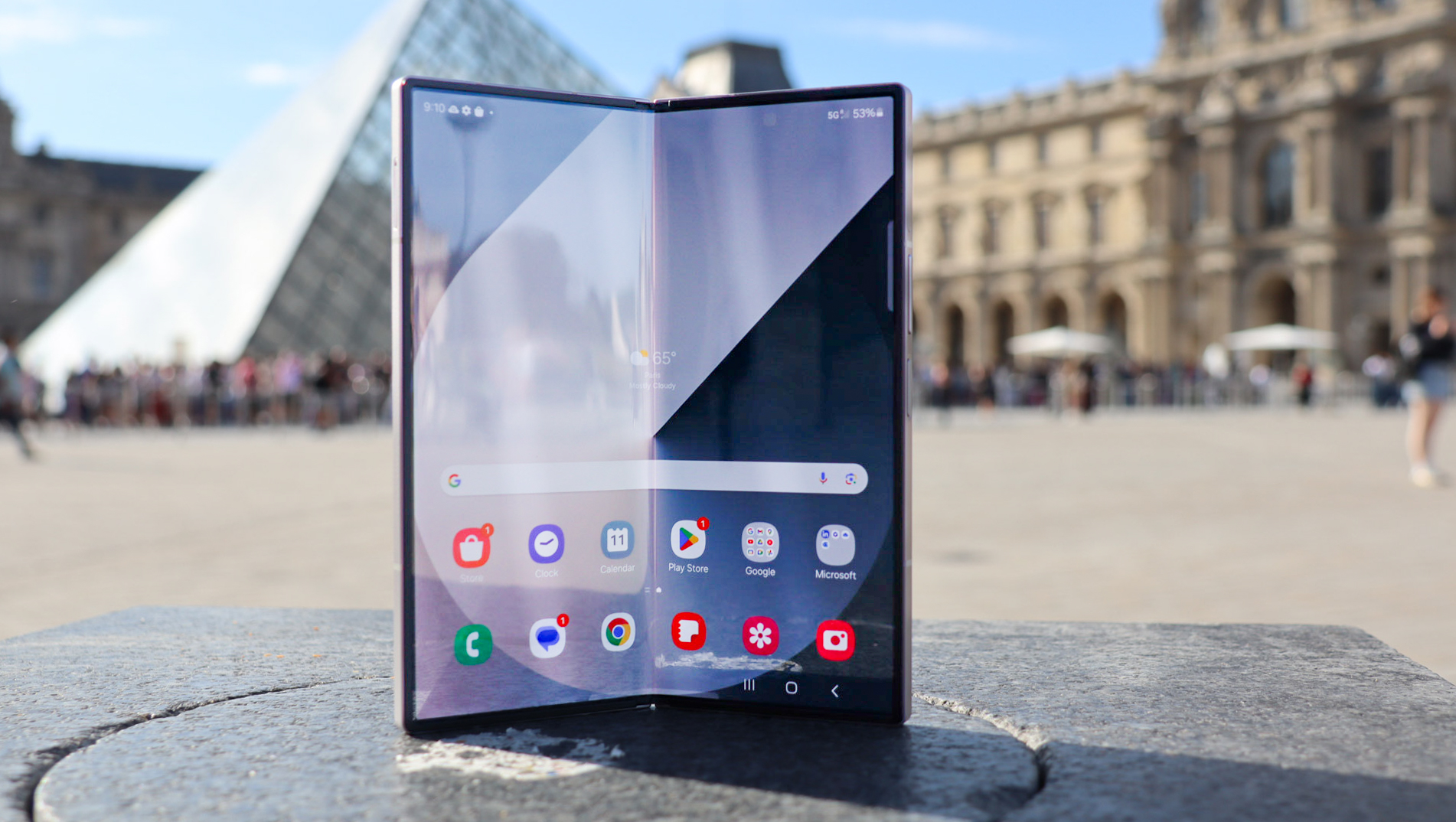
Rank 65129Leaked marketing materials provide a close look at the Samsung Galaxy Z Fold 7 and Z Flip 7They also mention various specs, and reveal possible colors these phones will be available inSpecs lists have also separately leaked, revealing possible resolutions and other detailsThe Samsung Galaxy Z Fold 7 and Samsung Galaxy Z Flip 7 are set to be unveiled tomorrow, July 9 (check out our guide on how to watch the event). But, as is often the case, almost every detail about these phones has leaked ahead of launch – and now we’ve seen leaked marketing materials.Roland Quandt – a leaker with a great track record – has shared numerous images of both phones over on Bluesky, and these look very much like official marketing materials.The images largely show what we’ve seen before, but they provide more evidence that the Samsung Galaxy Z Fold 7 doesn’t have an under-display camera, as a punch-hole is visible instead. They also show this phone in three shades – Silver Shadow, Jetblack, and Blue Shadow.bonus #1 #zfold7— @rquandt.bsky.social (@rquandt.bsky.social.bsky.social) 2025-07-08T09:20:05.479ZAs for the Samsung Galaxy Z Flip 7, you can see it in Coralred, Jetblack, and Blue Shadow.There are some specs included on these images too, with the Samsung Galaxy Z Fold 7 said to have a 200MP main camera, a much faster chipset (which isn’t named but which we expect to be the Snapdragon 8 Elite), and a 4,400mAh battery, with the promise of up to 24 hours of life when watching videos.bonus #3 #zflip7— @rquandt.bsky.social (@rquandt.bsky.social.bsky.social) 2025-07-08T09:20:05.529ZFor the Samsung Galaxy Z Flip 7, there’s mention of a 50MP camera and a display that can reach up to 2,600 nits of brightness, both of which are a match for the Samsung Galaxy Z Flip 6.However one of the images also mentions a 4,300mAh battery (up from 4,000mAh on the current model), which apparently allows for up to 31 hours of video viewing.From marketing materials to retailer listingsThat isn’t the only new leak about Samsung’s upcoming foldables, as @MysteryLupin has also posted specs lists for both phones.These details appear to be taken from a retailer listing, and in the case of the Samsung Galaxy Z Fold 7 they mention a triple-lens rear camera, with 200MP, 12MP, and 10MP sensors, along with a 10MP front-facing camera.This particular unit supposedly has 12GB of RAM and 256GB of storage, though other configurations are sure to be offered too, and it mentions a 4,400mAh battery and a 1968 x 2184 screen resolution. For comparison, the Samsung Galaxy Z Fold 6 has a 1856 x 2160 foldable screen.🦋 pic.twitter.com/JxyiqbORdDJuly 7, 2025The Samsung Galaxy Z Flip 7 is listed as having 50MP and 12MP cameras on the back, a 10MP camera on the front, 12GB of RAM, 256GB of storage, an Exynos 2500 chipset, a 4,300mAh battery, and a 1080 x 2520 resolution, which oddly is actually slightly lower than the 1080 x 2640 of its predecessor.We’d take these specs lists with a pinch of salt, since the retailer might have been working off rumors or made some mistakes, but they’re largely in line with things we’ve heard before, and the marketing materials are almost certainly accurate as they look official, as well as matching previous leaks.We'll find out for sure very soon, as the next Samsung Galaxy Unpacked starts at 7am PT / 10am ET / 3pm BST on July 9, which is midnight July 10 in Australia.We expect to see both phones there, along with the Galaxy Watch 8 and perhaps a Galaxy Watch Ultra 2, among other announcements, and TechRadar will be covering the event in full.You might also likeHow to watch Samsung Galaxy Unpacked on July 9: get ready for new foldable phones and moreWhoops! Samsung just accidentally shared some key Galaxy Z Fold 7 and Z Flip 7 specsGorgeous leaked photos give us our best look yet at the super-slim Samsung Galaxy Z Fold 7
-

Picture from ichef.bbci.co.uk
Rank 65130 -

Picture from static.independent.co.uk
Rank 65131 -

Picture from static.independent.co.uk
Rank 65132 -

Picture from image.cnbcfm.com
Rank 65133 -

Picture from static.independent.co.uk
Rank 65134 -

Picture from ichef.bbci.co.uk
Rank 65135 -

Picture from static.independent.co.uk
Rank 65136 -

Picture from static.independent.co.uk
Rank 65137 -

Picture from static.independent.co.uk
Rank 65138 -
Picture from o.aolcdn.com
Rank 65139The 2025 edition of Prime Day is upon us and, as expected, Amazon is offering Prime members an extra batch of games at no additional cost. Four more PC titles are now available to Prime Gaming subscribers, namely Star Wars Jedi Knight: Dark Forces II, Amnesia: The Dark Descent, Marvel’s Midnight Suns and Football Manager 2024. All of these are redeemable via the Epic Games Store save for Dark Forces II, which you can snag via GOG.
The highly acclaimed Dark Forces II carries on the story of Kyle Katarn, a young mercenary who has infiltrated the Empire and learns he has a connection to the Force. Amnesia: The Dark Descent is a first-person survival horror title from 2010. Critics praised its novel “sanity" gameplay feature, smart writing and immersive nature, and it is regarded as one of the most influential games in its genre.
Marvel’s Midnight Suns is a much more recent game. This is a 2022 turn-based tactical RPG from Firaxis, which is also known for the Civilization and XCOM series. Although the game struggled commercially, it was broadly critically acclaimed.
As for Football Manager 2024, that remains the most recent entry in the long-running (and time-absorbing) soccer management sim series. Sports Interactive cancelled the 2025 edition in February after months of delays due to development issues. The next instalment should arrive later this year, including the major technical and visual upgrades that were promised for FM25.
In the meantime, you can scoop up the previous edition for zilch if you’re a Prime member. However, you’ll only have until 11:59PM PT on July 11 to do so. The other three titles will remain in the Prime Gaming lineup for the rest of the month.
Along with these freebies, Amazon is offering various discounts on the Luna Controller during Prime Day in the US, Canada, UK, Germany, France, Italy, Spain, the Netherlands, Poland, Sweden and Belgium. In the US, Amazon has slashed the price of the Luna Controller by 43 percent to $40. A bundle that includes one month of Luna+ access is the same price (also 43 percent off). Meanwhile, a bundle of the controller and the Fire TV Stick 4K will currently run you $60, which is half off. Remember that you'll need to be a Prime member to take advantage of these deals.
This article originally appeared on Engadget at https://www.engadget.com/gaming/pc/amazon-offers-four-more-free-games-for-prime-day-including-marvels-midnight-suns-093708420.html?src=rss
-

Picture from static.independent.co.uk
Rank 65140 -

Picture from static.independent.co.uk
Rank 65141 -

Picture from static.independent.co.uk
Rank 65142 -

Picture from static.independent.co.uk
Rank 65143 -
Picture from o.aolcdn.com
Rank 65144It's Prime Day and that means steep discounts on many of our favorite consumer gadgets, including the Apple iPad Air with M3 chip. The M3-powered iPad is on sale at a record low price of $480. Considering its normal retail value is $599, that's an almost 20 percent discount. That's generous considering this model was just released in March of this year.
This model remains our overall pick for best iPad, and we gave it a score of 89 out of 100 in our review. The powerful M3 chip was the star of the show. Testing shows the M3 is about 16 percent more powerful in both single- and multi-core performance than the M2. The iPad Air is still Apple's most affordable large-screen iPad, which makes multitasking easier than on the base iPad. The M3 iPad Air is also compatible with the new Magic Keyboard for iPad Air, which is a much-improved design based on the keyboard that was introduced alongside the iPad Pro M4.
This is the lowest we've ever seen the iPad Air with M3, so if you're in the market for an iPad, you'd be hard-pressed to find a better deal than this one.This article originally appeared on Engadget at https://www.engadget.com/deals/apples-ipad-air-m3-is-120-off-for-prime-day-094516489.html?src=rss
-

Picture from ichef.bbci.co.uk
Rank 65145 -

Picture from static.independent.co.uk
Rank 65146 -

Picture from static.independent.co.uk
Rank 65147 -

Picture from static.independent.co.uk
Rank 65148 -

Picture from cdn.mos.cms.futurecdn.net
Rank 65149A new mysterious mode has appeared on some users' ChatGPT accounts"Study together" lets you learn subjects with ChatGPT, with AI asking you questions on the subject matterNo release date is confirmed as of yet, but the initial response seems positiveA mysterious new ChatGPT mode has appeared on some accounts this week, as many ask the question: What is "Study together"?The new "Study together" mode is available in the "Tools" dropdown menu on some accounts, although it's unclear exactly what the new mode does.One user on Reddit who has access to "Study together" said, "Seems kind of cool. Ask it to teach you something, and it asks you a few questions (like Deep Research does) before taking you through a topic. But it makes you give the answers, and tests you!"It's not clear how OpenAI has selected users for this trial, as in the same Reddit thread discussing the new mode, there's a variety of Plus account users and free users who are able to use "Study together".Considering how useful ChatGPT is as a study tool, this new feature could make learning new topics a breeze, rather than requiring a custom prompt like the one I tried last week, which can help you learn everything about a subject.ChatGPT has the Study Together in some accounts. What is it for? pic.twitter.com/wOcPlsxtBYJuly 7, 2025Studying, powered by AIThere's no information on when "Study together" will be made available to the wider public, but considering the positive response from testers so far, we could get access to the mysterious new ChatGPT mode sooner rather than later.Last month, Sam Altman hinted at GPT-5 arriving during the Western Hemisphere's Summer months, and "Study together" could be part of that launch.With a new school year fast approaching, OpenAI will want to launch "Study together" for all students just in time for the next academic semester. That said, AI is an excellent learning tool in general, so don't be put off by this upcoming feature purely because it sounds targeted at students."Study together" could transform the way many of us use AI, especially if ChatGPT's way of quizzing you on the subject helps to cement info in your brain. I, for one, love learning about new things on a regular basis, so I can't wait to give this new tool a try.You might also likeChatGPT crosses a new AI threshold by beating the Turing testAI took a huge leap in IQ, and now a quarter of Gen Z thinks AI is consciousChatGPT model matchup - I pitted OpenAI's o3, o4-mini, GPT-4o, and GPT-4.5 AI models against each other and the results surprised me
-

Picture from cdn.mos.cms.futurecdn.net
Rank 65150A leaker has claimed the iPhone 17 will get a new Dynamic IslandThis could feature a smaller, narrower designHowever, not every leaker agrees that the Dynamic Island will changeThe Dynamic Island in the iPhone 16 is a handy little area that stores information about your apps, such as timer durations and scores for your favorite football team, so that you can keep an eye on important information. With the iPhone 17 just a couple of months away, however, there could be significant changes coming to the Dynamic Island.We’ve gleaned this information from leaker Digital Chat Station on Chinese social media site Weibo. There, the poster claimed that the iPhone 17 series “has a new smart island UI,” according to a machine translation.Digital Chat Station didn’t share any more details about the Dynamic Island this time, but they’ve previously stated that it will be the smallest-ever iteration in the iPhone 17 series. That smaller design could also come to a foldable iPad and future iPad Pro, the leaker said, suggesting a much wider rollout in future Apple products.However, Apple analyst Ming-Chi Kuo has offered an alternative possibility, stating in January that the Dynamic Island will “remain largely unchanged across the 2H25 iPhone 17 series.” Who will be correct is anyone’s guess.Island life(Image credit: Future | Alex Walker-Todd)Since upgrading from my iPhone 12 Pro – with a solid, static notch at the top of the screen – to an iPhone 16 Pro, I’ve become a big fan of the Dynamic Island. I love how flexible it is and how it makes multitasking far easier than it was on my old phone, all without hindering my experience or adding any unnecessary complexity.Its size doesn’t bother me, as I value its utility more than its appearance. But if Apple can shrink it down without losing any of the functionality, that’s a winning situation in my mind. It wouldn’t be enough on its own to tempt me to upgrade to the iPhone 17 series, but anyone experiencing it will likely be pleased with the result.The Dynamic Island was not the only subject of Digital Chat Station’s post. The leaker also hinted that the Pro models in the iPhone 17 series will feature a “horizontal large matrix new design” (presumably referring to the rumored horizontal camera bar) and a “5X High-Pixel Periscope” zoom lens.All will become clear when the iPhone 17 series arrives in September, and we’ll finally get a glimpse of the new (or not) Dynamic Island. That will settle the question of whether it’s been shrunk down to ever-smaller proportions or remains exactly as it currently is.You might also likeIgnore the haters – I'm a big fan of the iPhone 16 Pro's Dynamic IslandNew iPhone 17 Pro rumor predicts bizarre new camera bar design, but we're far from convincedThe latest iPhone 17 leak hints at one iPhone 16 feature that might not change


