News
This constantly updated list features the latest and most important news articles, ranked in order of significance. The top stories highlight major developments, breaking news, and critical updates across various topics, ensuring you stay informed about the most pressing issues. As new articles are added, the list adapts to reflect the latest priorities, keeping the most impactful stories at the forefront. Whether it’s global events, technology breakthroughs, or industry trends, this dynamic list ensures you always have access to the most relevant and timely information.
-

Picture from static.independent.co.uk
Rank 59151 -

Picture from assets3.cbsnewsstatic.com
Rank 59152 -

Picture from techcrunch.com
Rank 59153 -
Picture from cdn.mos.cms.futurecdn.net
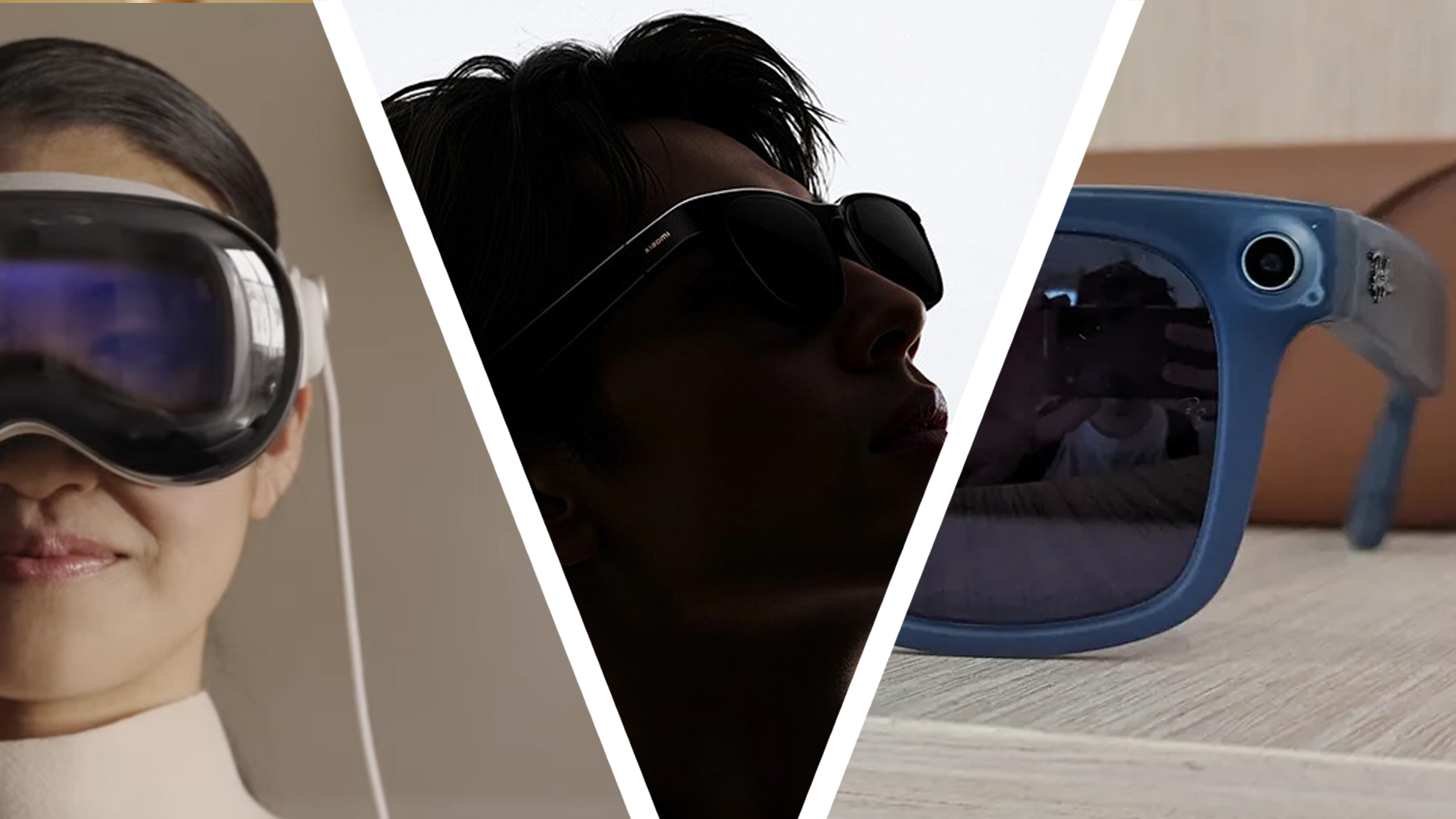
Rank 59154Apple has seven virtual reality devices in the works, a report claimsThat includes both smart glasses and Vision Pro-style headsetsThe first device won’t launch until 2027, howeverApple’s Vision Pro headset hasn’t yet proved to be the success story that Apple was hoping for, while much more lightweight smart glasses like the Ray-Ban Meta Wayfarers have proven way more popular. Now, though, a fresh report has spilled the beans on how Apple hopes to follow up on the Vision Pro – and how it might eventually displace Meta’s glasses from their lofty perch.The news comes from Apple analyst Ming-Chi Kuo, who published a new report claiming that Apple is currently working on seven different head-mounted devices. That’s far more than many people previously realized and suggests that Apple has not been put off by the Vision Pro’s struggles.Notably, Kuo believes that the first of these devices to gain any real traction will be Apple’s Ray-Ban Meta competitors. According to Kuo, they could ship 3-5 million units in 2027, the first year they go on sale. That could push total market sales of augmented reality (AR) glasses to over 10 million units a year, Kuo says, suggesting that Apple’s specs could sell like hot cakes and eat up significant market share.Apple Vision Series and Smart Glasses Roadmap (2025–2028): Smart Glasses Set to Drive the Next Wave in Consumer ElectronicsFull story: https://t.co/41Moxlj1Ai pic.twitter.com/U2nQhBmEYgJune 29, 2025In fact, although Apple might be a little late to the party, Kuo doesn’t seem to think its rivals will score many significant successes.That’s because while Apple is struggling with the “AI-powered operating system and software” aspect (as we’ve seen with Siri recently), its “robust hardware development capabilities and ecosystem integration” give it a big advantage. That could mean Apple’s AR glasses prove to be a hit, despite other companies getting there first.Seven products in development?(Image credit: Future)All in all, Kuo says Apple is working on seven different head-mounted products. Five of them have a solid release timeline, he believes, while two are still to be determined.Three of the upcoming devices will be full-on headsets like the Vision Pro. That includes a Vision Pro with M5 chip, which should launch around the third quarter of 2025. It’s only going to come with a new chip and no other changes, which means it’ll remain a niche product, Kuo says.There will then be a lightweight “Vision Air” headset in the third quarter of 2027 with a lower price, 40% lighter frame, and an iPhone chip on the inside. Then in the second half of 2028 we should see a second-generation Vision Pro with a new, lighter design, a Mac chip, and a lower asking price.On the smart glasses side, we’ll see the aforementioned Ray-Ban-style specs in the second quarter of 2027. Here, you’ll get “audio playback, camera, video recording, and AI environmental sensing,” plus “voice control and gesture recognition,” but no display functionality.(Image credit: Future / Lance Ulanoff)In the second half of 2028, Apple will launch a pair of smart glasses that add the display capabilities missing from its Ray-Ban-esque specs. Kuo also says there’s an “additional variant” of this product in development with a “later production timeline and lower visibility.”Finally, Apple is also working on a “display accessory,” Kuo believes, but its release date is less certain. It’s apparently been paused since the fourth quarter of 2024 and is “under review for repositioning and specification refinement.”It would feature a “tethered connection to display content from Apple devices” (like an iPhone), but Apple has put it on hold because it lacks a real competitive advantage against other products. Kuo believes it’s possible that Apple might restart production, but there’s no estimation for when that might be.All in all, then, it looks like Apple has a wide slate of reality devices under development in its secret labs. Yet if you were hoping for a quick follow-up to the Vision Pro – or the swift arrival of a cheaper headset – you’re out of luck. With the first of these products not launching until 2027, we’ve still got some waiting to do.You might also likeThe 6 biggest Vision Pro upgrades unleashed in Apple's visionOS 26 updateThe cheaper Apple Vision Pro could come with these big trade-offs – and make the Meta Quest 3 look a bargainNew leak claims Apple Vision Pro 2 is headed into mass production, contrary to recent reports
-
Picture from o.aolcdn.com
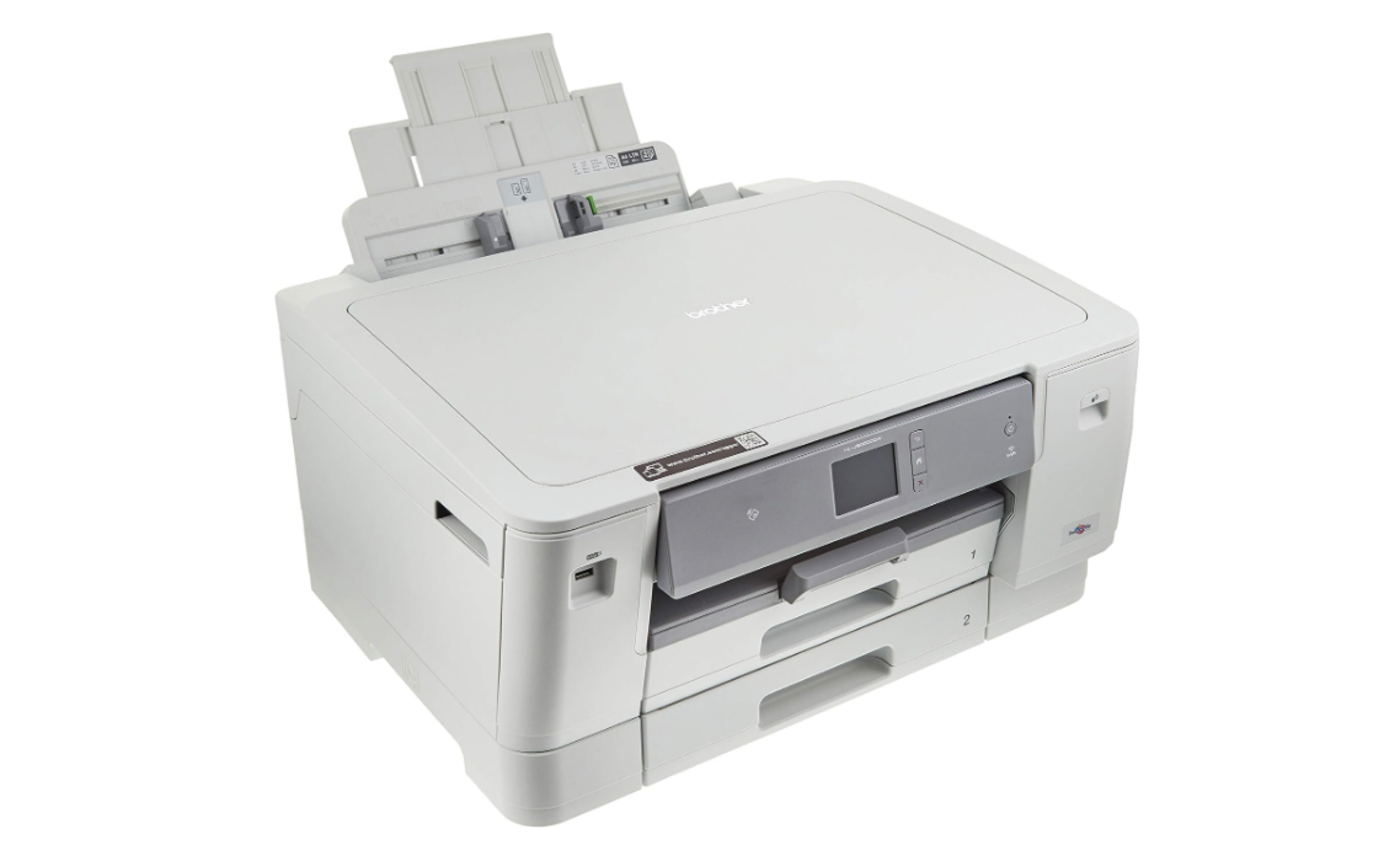
Rank 59155A security company has found eight security vulnerabilities that impact hundreds of Brother printer models. The company has released firmware updates to handle seven of these vulnerabilities, but one security flaw cannot be patched.
Brother has indicated that it'll fix the remaining issue during the manufacturing process of future printers, which doesn't help current owners. The company recommends that users change the default main password. Otherwise, bad actors could remotely access impacted devices. Though primarily impacting around 700 Brother printers, 59 units manufactured by Fujifilm, Toshiba, Ricoh and Konica Minolta are also at risk.
🚨 Rapid7 discovered 8 new vulnerabilities while researching multifunction printers. 742 models across 4 vendors are affected by some or all of these vulns. Rapid7 and @jpcert_en worked with #BrotherIndustries to coordinate the vulnerability disclosure: https://t.co/AOupYHaBqm pic.twitter.com/dig0LInkTg— Rapid7 (@rapid7) June 25, 2025
The security flaw is called CVE-2024-51978 in the National Vulnerability Database, and has a 9.8 “Critical” CVSS rating. Simply put, attackers could generate the default admin password so long as they know the serial number of the printer.
Once this has been done, bad actors would be able to exploit the other seven vulnerabilities if the user didn't patch them up. These remaining flaws allow hackers to retrieve sensitive information, crash the device, open TCP connections, perform HTTP requests and reveal passwords for connected networks.
So what should you do? Check this list of impacted printers to see if you're at risk. Most importantly, change the default password. This article originally appeared on Engadget at https://www.engadget.com/cybersecurity/hundreds-of-brother-printer-models-have-security-flaw-that-cant-be-patched-165402227.html?src=rss
-

Picture from ichef.bbci.co.uk
Rank 59156 -

Picture from static.independent.co.uk
Rank 59157 -

Picture from static.independent.co.uk
Rank 59158 -

Picture from assets3.cbsnewsstatic.com
Rank 59159 -

Picture from static.independent.co.uk
Rank 59160 -

Picture from static.independent.co.uk
Rank 59161 -

Picture from assets3.cbsnewsstatic.com
Rank 59162 -

Picture from techcrunch.com
Rank 59163 -

Picture from static.independent.co.uk
Rank 59164 -

Picture from static.independent.co.uk
Rank 59165 -

Picture from static.independent.co.uk
Rank 59166 -

Picture from static.independent.co.uk
Rank 59167 -

Picture from static.independent.co.uk
Rank 59168 -

Picture from static.independent.co.uk
Rank 59169 -

Picture from assets3.cbsnewsstatic.com
Rank 59170 -

Picture from assets2.cbsnewsstatic.com
Rank 59171 -

Picture from assets1.cbsnewsstatic.com
Rank 59172 -

Picture from image.cnbcfm.com
Rank 59173 -

Picture from ichef.bbci.co.uk
Rank 59174 -

Picture from ichef.bbci.co.uk
Rank 59175 -

Picture from ichef.bbci.co.uk
Rank 59176 -

Picture from static.independent.co.uk
Rank 59177 -

Picture from assets3.cbsnewsstatic.com
Rank 59178 -

Picture from static.independent.co.uk
Rank 59179 -

Picture from static.independent.co.uk
Rank 59180 -

Picture from static.independent.co.uk
Rank 59181 -
Picture from assets2.cbsnewsstatic.com
Rank 59182 -

Picture from image.cnbcfm.com
Rank 59183 -

Picture from image.cnbcfm.com
Rank 59184 -

Picture from static.independent.co.uk
Rank 59185 -

Picture from assets2.cbsnewsstatic.com
Rank 59186 -

Picture from ichef.bbci.co.uk
Rank 59187 -

Picture from ichef.bbci.co.uk
Rank 59188 -

Picture from static.independent.co.uk
Rank 59189 -

Picture from assets2.cbsnewsstatic.com
Rank 59190 -

Picture from image.cnbcfm.com
Rank 59191 -

Picture from cdn.mos.cms.futurecdn.net
Rank 59192Half of employees hold excessive rights across AI and SaaS estates, CloudEagle report findsInvisible IT hides 60% of apps undermining traditional identity controlsStudy recommends AI governance plus just in time access and reviewsHalf of enterprise staff now hold excessive privileges to critical applications, new research has claimed.CloudEagle.ai’s latest identity governance report surveyed 1,000 CIOs and CISOs and found 60% of SaaS and AI tools sit outside IT’s oversight.Invisible IT is expanding insider risk, driving breaches, audit failures, and compliance headaches, the report says.Privilege creepIt found 70% of leaders listed unsanctioned AI tools as a leading data worry, while 48% admitted former staff still hold access, even months after leaving.Privilege creep is common, yet only five percent of organizations actively enforce least privilege settings, and just fifteen percent use just in time access company wide, despite mounting proof that temporary credentials cut risk and audit scope.“Traditional IAM [Identity and Access Management] tools can’t keep up with today’s SaaS and AI-driven environments because not all apps are managed by IT, and not everything sits behind a centralized IAM system. IGA [Identity Governance and Administration] is at a tipping point, and enterprises must shift to AI-driven access management to stay secure and compliant,” says Nidhi Jain, CEO and Founder, CloudEagle.ai.CloudEagle.ai’s platform positions itself as an AI-centric answer, yet the report stresses that technology alone is not enough.It recommends appointing a Chief Identity Officer to coordinate policies across business units and automate provisioning, reviews, and removals. Zero trust, context-aware controls should replace broad standing access, while behavioral analytics help flag anomalies before they become incidents.The study also suggests continuous access reviews powered by machine learning can shrink privilege windows without slowing work.With shadow SaaS use rising and insider-led events now dominating breach reports, the era of annual checklists appears to be over.Analysts say boards pay closer attention as regulators fine organizations for permission sprawl that exposes customer records and intellectual property. Without time view of every identity, leaders concede they cannot meet zero trust goals or prove compliance under cyber insurance questionnaires.You might also likeI am a cybersec expert and this is why we should be talking more about Data Loss PreventionBuilding a resilient workforce security strategyWhy digital identity is the ultimate battleground in cybersecurity
-
Picture from static.independent.co.uk
Rank 59193 -

Picture from static.independent.co.uk
Rank 59194 -

Picture from static.independent.co.uk
Rank 59195 -

Picture from assets1.cbsnewsstatic.com
Rank 59196 -

Picture from ichef.bbci.co.uk
Rank 59197 -

Picture from static.independent.co.uk
Rank 59198 -

Picture from static.independent.co.uk
Rank 59199 -

Picture from static.independent.co.uk
Rank 59200