News
This constantly updated list features the latest and most important news articles, ranked in order of significance. The top stories highlight major developments, breaking news, and critical updates across various topics, ensuring you stay informed about the most pressing issues. As new articles are added, the list adapts to reflect the latest priorities, keeping the most impactful stories at the forefront. Whether it’s global events, technology breakthroughs, or industry trends, this dynamic list ensures you always have access to the most relevant and timely information.
-

Picture from static.independent.co.uk
Rank 55901 -

Picture from image.cnbcfm.com
Rank 55902 -

Picture from image.cnbcfm.com
Rank 55903 -
Picture from o.aolcdn.com
Rank 55904Liquid Glass is a huge new change coming to iOS 26. (Apple)
It's true: Apple's iOS 26 (not iOS 19) is coming your way this fall with some cool new features you'll want to try. Here's what we're excited about: the iPhone is finally getting a fresh home and lock screen redesign dubbed Liquid Glass, a look and feel that will extend across all of Apple's upcoming operating systems. The overhaul was one of several big changes coming to iOS, macOS, iPadOS and the rest of Apple's software suite, all of which were showcased during the company's WWDC keynote on June 9. If you're a developer, you can check out the iOS 26 beta 2 now; the public beta coming in July.
After overpromising on AI plans at WWDC 2024, Apple kept its iOS roadmap focused more on basic quality of life improvements this year. There are multiple useful additions coming to the Phone and Messages apps on your iPhone, for instance: Apple execs outlined the ability to weed out spam texts or other unknown senders and an option to hold your spot on a phone call when you've been waiting for a representative to pick up. Plus, a treasured feature that we took for granted is coming back (hint: it's in the Photos app).
Keep reading to check out the most notable features coming to your iPhone this fall, according to Apple. Also, make sure your iPhone is eligible to download the iOS 26 update (thankfully, most recent models are).
What is iOS 26?
While the current iPhone operating system is iOS 18, Apple is skipping the numbering ahead to iOS 26 later this year. The company has decided to line up its iOS version numbers with a year-based system, similar to car model years. So while iOS and its sibling operating systems will be released in late 2025, they're all designated "26" to reflect the year ahead.
It's official, we're moving to iOS 26. (Apple)
What is Liquid Glass design?
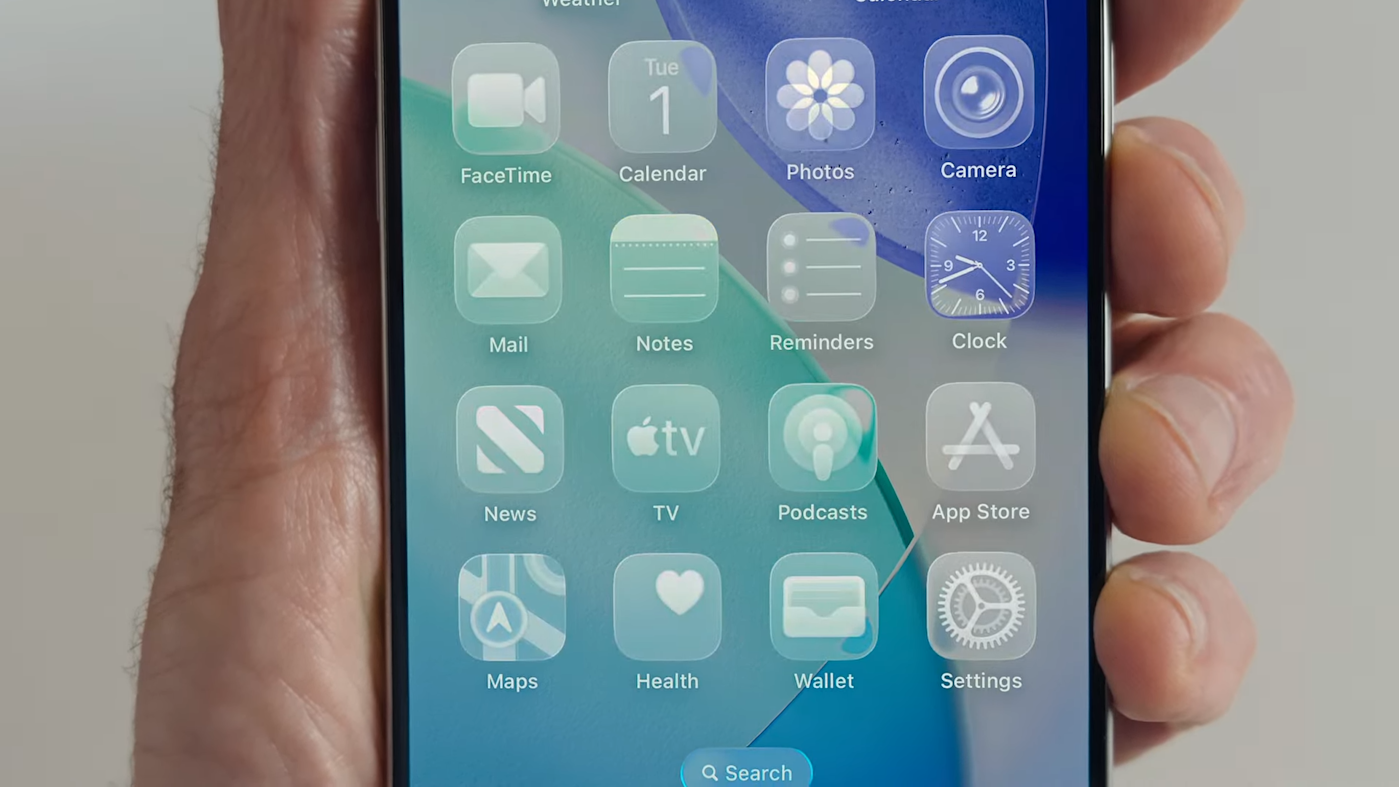
Let's be honest. Out of everything announced at WWDC this year, the new Liquid Glass design was the star of the show. The iPhone's home and lock screens have looked pretty much the same year after year — the last exciting thing (in my opinion) was the option to add your own aesthetic to your home screen by customizing your apps and widgets. So seeing the home and lock screens' new facelift is refreshing.
So what exactly is Liquid Glass? Apple calls it a "new translucent material" since, well, the apps and widgets are clear. However, the screen can still adapt to dark and light modes, depending on surroundings. You'll also notice buttons with a new floating design in several apps, like Phone and Maps. They're designed to be less distracting than the current buttons, but are still easy to see. While the design overhaul has proven to be controversial since its announcement, some — including Engadget's own Devindra Hardawar — like the new direction, even if it's somewhat reminiscent of Microsoft's translucent Windows Vista Aero designs from nearly twenty years ago.
That said, as of the newly released iOS 26 beta 2, Apple has already incorporated some user feedback into the design, dialing back the transparency in at least some places. And while it will continue to evolve, Apple users won't be able to escape it: Liquid Glass was designed to make all of Apple's OSes more cohesive. Here's a look at how the translucent aesthetic will look with the new macOS Tahoe 26 on your desktop.
What are the new and notable features of iOS 26?
iOS 26 has a laundry list of new features. Among the most worthwhile:
Phone app redesign: You'll finally be able to scroll through contacts, recent calls and voicemail messages all on one screen. It also comes with a new feature called Hold Assist that'll notify you when an agent comes to the phone so you can avoid the elevator music and continue on with other tasks.
Live Translation in Phone, FaceTime and Messages: iOS 26 is bringing the ability to have a conversation via phone call or text message with someone who speaks another language. Live Translation will translate your conversation in real time, which results in some stop-and-go interactions in the examples Apple shared during its presentation.
Polls in group chats: Tired of sorting through what seems like hundreds of messages in your group chat? You and your friends will soon be able to create polls in group messages for deciding things like which brunch spot you're eating at or whose car you're taking on a road trip.
Filtering unknown senders in Messages: If you haven't received spam texts about unpaid tolls or other citations, you're lucky. For those of us who have, those annoying messages will soon be filtered away in a separate folder.
Visual Intelligence: Similar to a reverse Google image search, this new feature will allow you to search for anything that's on your iPhone screen. For instance, if you spot a pair of shoes someone is wearing in an Instagram photo, you can screenshot it and use Visual Intelligence to find those shoes (or similar ones) online.
Photos tabs are back: For anyone who's still frustrated with the Photos changes made last year, you'll be happy to know that your tabs are coming back. Library and Collections will have their own separate spaces so you don't have to scroll to infinity to find what you're looking for.
Apple's Hold Assist will be nifty for those pesky services that put you on hold for 10 or more minutes. (Apple)
Which iPhones will be able to upgrade to iOS 26?
A few iPhone models that run the current version of iOS — iPhone XR, XS and XS Max — won't be compatible with the latest upgrade. But any iPhones released in 2019 or later will be eligible for the iOS 26 update.
iPhone SE (second generation or later)
iPhone 11
iPhone 11 Pro
iPhone 11 Pro Max
iPhone 12
iPhone 12 mini
iPhone 12 Pro
iPhone 12 Pro Max
iPhone 13
iPhone 13 mini
iPhone 13 Pro
iPhone 13 Pro Max
iPhone 14
iPhone 14 Plus
iPhone 14 Pro
iPhone 14 Pro Max
iPhone 15
iPhone 15 Plus
iPhone 15 Pro
iPhone 15 Pro Max
iPhone 16e
iPhone 16
iPhone 16 Plus
iPhone 16 Pro
iPhone 16 Pro Max
Not listed here are the presumed new iPhone 17 models (or maybe iPhone 26?) that are all but certain to be announced and released in September.
When will the iOS 26 beta be available?
The iOS 26 public beta will become available in July via the Apple Beta Software Program. If you're not already a member, you'll need to sign up to try out all the latest features. Just visit beta.apple.com and sign up with your phone number or email address. It's free.
Once you're in and the beta is available, you can install it by going to Settings > General > Software Update and selecting iOS 26 public beta.
A word of caution: Don't sign up with your main iPhone unless you're OK with any risks that occur with using an OS that isn't finalized.
When will the final version of iOS 26 be released?
iOS 26 will be released to the public this fall. It usually comes in September, within a week of the Apple iPhone event. Last year, it rolled out to iPhone users on September 16 — exactly one week after the iPhone 16 lineup was announced.
If you're more interested in the Apple Intelligence features coming, here's everything Apple revealed for iOS, macOS and more during WWDC. Also, check out how iOS 26 screenshots could be an intriguing preview of Apple's delayed Siri rework.
Update, June 25: Noted changes added in iOS 26 beta 2. This article originally appeared on Engadget at https://www.engadget.com/mobile/apple-released-ios-26-beta-2-heres-everything-you-need-to-know-about-the-iphone-operating-system-135749886.html?src=rss
-

Picture from static.independent.co.uk
Rank 55905 -

Picture from assets1.cbsnewsstatic.com
Rank 55906 -

Picture from assets3.cbsnewsstatic.com
Rank 55907 -

Picture from assets1.cbsnewsstatic.com
Rank 55908 -

Picture from static.independent.co.uk
Rank 55909 -

Picture from static.independent.co.uk
Rank 55910 -

Picture from static.independent.co.uk
Rank 55911 -
Picture from ichef.bbci.co.uk
Rank 55912 -
Picture from assets1.cbsnewsstatic.com
Rank 55913 -

Picture from static.independent.co.uk
Rank 55914 -

Picture from static.independent.co.uk
Rank 55915 -

Picture from static.independent.co.uk
Rank 55916 -

Picture from static.independent.co.uk
Rank 55917 -

Picture from static.independent.co.uk
Rank 55918 -

Picture from static.independent.co.uk
Rank 55919 -

Picture from image.cnbcfm.com
Rank 55920 -

Picture from static.independent.co.uk
Rank 55921 -

Picture from static.independent.co.uk
Rank 55922 -
Rank 55923
-
Picture from o.aolcdn.com
Rank 55924Senators Marsha Blacburn (R-Tenn.), Mike Blumenthal (D-Conn.), Amy Klobuchar (D-Minn.) Dick Durbin (D-Ill.) and Mike Lee (R-Utah) have reintroduced a bill that would force app store owners like Apple and Google to allow third-party payment systems and sideloading apps, among a collection of other developer-friendly changes. The bill, called the Open App Markets App, was originally introduced in 2021, but it never came up for a vote after passing through the Senate Judiciary Committee in 2022.
The Open App Markets Act applies its changes to app stores with 50,000 monthly users or more, most obviously applicable to the Apple App Store and the Google Play Store. Like the original bill, the reintroduced Open App Markets Act wants covered companies to allow things like sideloading, third-party app stores and alternative payments systems, while protecting developers ability to "tell consumers about lower prices and offer competitive pricing." It would also prevent app store operators from privileging their own apps and services in app store search results.
While the aims of the new bill are largely the same as the original one, the legal environment is meaningfully different. Apple has been forced to allow third-party app stores and alternative payment systems in the European Union following the introduction of the Digital Markets Act in 2022. Thanks to its failure to make good on the small concession Epic won via its lawsuit, Apple has also been forced to allow developers to direct customers to pay for things outside of the App Store and its in-app payments system. The Open App Markets Act would make these kinds of changes the law in the US.
It seems possible the bill could pass, too. Regulatory pressure on tech companies has only increased since 2021. For example, Utah recently passed an age-verification law that would require app stores to only allow users 18 and up to make an account.This article originally appeared on Engadget at https://www.engadget.com/big-tech/us-senators-reintroduce-bill-to-open-apple-and-googles-app-stores-215037373.html?src=rss
-

Picture from static.independent.co.uk
Rank 55925 -

Picture from static.independent.co.uk
Rank 55926 -

Picture from assets3.cbsnewsstatic.com
Rank 55927 -

Picture from image.cnbcfm.com
Rank 55928 -

Picture from ichef.bbci.co.uk
Rank 55929 -

Picture from static.independent.co.uk
Rank 55930 -
Picture from cdn.mos.cms.futurecdn.net
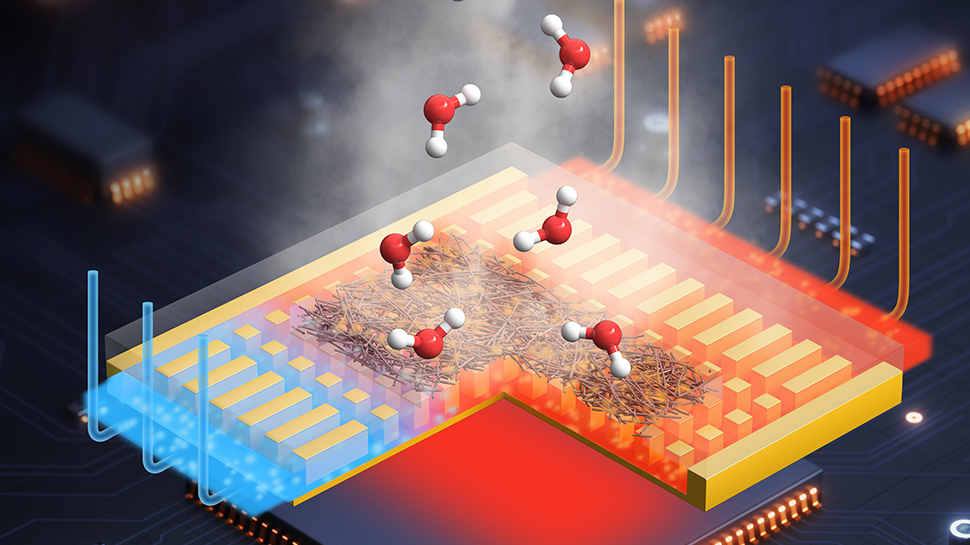
Rank 55931Evaporative cooling, like sweating, could reduce energy use in data centersNew fiber membrane handles heat with zero added energy useResearchers retool filtration material to cool electronics passivelyAs AI and cloud computing grow, the rising demand for data processing is driving up heat output, with cooling already making up nearly 40% of a data center's energy use and projected to more than double worldwide by 2030.Researchers at the University of California San Diego have developed a new cooling technology that mimics the way animals regulate body temperature… through sweating.The passive system removes heat from electronics using evaporation, offering a potential alternative to traditional cooling methods in data centers and other high-powered computing environments.Finding the “sweet spot”The core of the system is a fiber membrane with a network of tiny, interconnected pores that use capillary action to draw cooling liquid across the surface.As the liquid evaporates, it efficiently removes heat without requiring extra energy.“Compared to traditional air or liquid cooling, evaporation can dissipate higher heat flux while using less energy,” said Renkun Chen, a professor in the Department of Mechanical and Aerospace Engineering at UC San Diego. Chen co-led the project with professors Shengqiang Cai and Abhishek Saha.The research was published in the journal Joule, explaining how Chen’s team, including Ph.D. student Tianshi Feng and postdoctoral researcher Yu Pei, tested the membrane under variable heat conditions.It handled over 800 watts per square centimeter of heat, a record for this type of cooling system. It also performed consistently over several hours.Traditional porous membranes have often failed due to clogging or boiling. Chen explained that the team found a “sweet spot” with the membrane’s pore size and structure.“These fiber membranes were originally designed for filtration, and no one had previously explored their use in evaporation," said Chen. "We recognized that their unique structural characteristics - interconnected pores and just the right pore size - could make them ideal for efficient evaporative cooling. What surprised us was that, with the right mechanical reinforcement, they not only withstood the high heat flux–they performed extremely well under it.”The researchers believe the membrane is still operating below its full potential.They are now refining the design and working on ways to integrate it into cold plates, flat devices used to cool chips like CPUs and GPUs.The group is also preparing to commercialize the technology through a startup. Their goal is to provide scalable, low-energy cooling solutions as global data demand continues to grow.Via Tech XploreYou may also likeOne of world's largest oil companies just launched a unique cooling fluid for data centers and AI chipsI sat down with two cooling experts to find out what AI's biggest problem is in the data centerCooling high-density data centers with coolant distribution units
-

Picture from static.independent.co.uk
Rank 55932 -

Picture from static.independent.co.uk
Rank 55933 -

Picture from image.cnbcfm.com
Rank 55934 -

Picture from static.independent.co.uk
Rank 55935 -

Picture from assets1.cbsnewsstatic.com
Rank 55936 -
Picture from o.aolcdn.com
Rank 55937We're getting yet another Hollywood sequel. Deadline reports that Aaron Sorkin will be directing The Social Network II, a follow-up to the film that chronicled the development of Facebook and the ensuing lawsuit against Mark Zuckerberg. The next movie will take its inspiration from a 2021 investigation by The Wall Street Journal into the harms caused by Facebook and the company's failure to address those problems.
Sorkin has a long career as a writer, including the screenplay for The Social Network, but only three credits as a director on his resume. There's no production date for the movie at this time, and it's unknown whether actors from the original will return to their roles, most notably Jesse Eisenberg as Zuck.
Facebook certainly provides no shortage of potential inspiration for a biopic. Just in the past six months, the platform dug a deeper hole for itself when it tried to quash a tell-all memoir with some pretty wild behind-the-scenes stories from a former employee. Facebook also eliminated its third-party fact checkers and gutted its own hate speech policy, which was unsurprisingly followed by an increase in violent content and harassment. But given all the negative hits for Facebook's reputation, viewers may not be too excited about spending two hours or more stewing in all the crappy stuff the network has done.This article originally appeared on Engadget at https://www.engadget.com/entertainment/tv-movies/aaron-sorkin-is-making-a-second-social-network-movie-221555267.html?src=rss
-

Picture from static.independent.co.uk
Rank 55938 -

Picture from static.independent.co.uk
Rank 55939 -

Picture from static.independent.co.uk
Rank 55940 -

Picture from static.independent.co.uk
Rank 55941 -

Picture from static.independent.co.uk
Rank 55942 -

Picture from static.independent.co.uk
Rank 55943 -

Picture from assets3.cbsnewsstatic.com
Rank 55944 -

Picture from assets1.cbsnewsstatic.com
Rank 55945 -
Picture from ichef.bbci.co.uk
Rank 55946 -

Picture from ichef.bbci.co.uk
Rank 55947 -

Picture from static.independent.co.uk
Rank 55948 -

Picture from static.independent.co.uk
Rank 55949 -

Picture from static.independent.co.uk
Rank 55950