News
This constantly updated list features the latest and most important news articles, ranked in order of significance. The top stories highlight major developments, breaking news, and critical updates across various topics, ensuring you stay informed about the most pressing issues. As new articles are added, the list adapts to reflect the latest priorities, keeping the most impactful stories at the forefront. Whether it’s global events, technology breakthroughs, or industry trends, this dynamic list ensures you always have access to the most relevant and timely information.
-

Picture from static.independent.co.uk
Rank 52251 -

Picture from image.cnbcfm.com
Rank 52252 -

Picture from cdn.mos.cms.futurecdn.net
Rank 52253US text message scam claims that unpaid toll fees are owedMessages include a malicious link to steal payment informationFBI warns users to delete and report messages from unknown sendersThe FBI has warned of a new phishing scam sweeping smartphones in the US. The con is targeting drivers with convincing fake texts which claim to be from the Department of Motor Vehicles (DMV). It’s part of a growing trend of SMS toll scams designed to trick recipients into clicking malicious links and handing over their credit card information.As reported by local Memphis TV station WREG and later picked up by Men’s Journal, the FBI has issued a warning to anyone who receives a suspicious SMS. The bureau has urged smartphone users not to click on links from unknown sources and to delete these text messages immediately.Speaking to WREG, FBI Supervisory Special Agent David Palmer described the scam as a “copycat” of the widespread toll scams which surfaced earlier this year. Those attacks also used fake unpaid toll notices to lure victims into handing over sensitive personal details.What makes these toll scams so dangerous is the ease with which they can be distributed, as well as what they can gather. “It costs next to nothing for them to…send these messages and calls out,” Palmer told WREG. “In return, they can…go in and steal information from your device, or collect your payment information.”How the scam works – and how to spot it(Image credit: Guardio)How to spot a fake textWhile some scam text messages are surprisingly polished, there are several common signs to watch out for:• Generic greetings with no personal details• Urgent or threatening language such as “your account will be suspended”• Unusual links or email addresses, often ending in strange domains or unrelated names• Obvious mistakes including typos or formatting errors• Unknown senders, such as random numbers or clearly fake email handlesMost toll scam texts follow a similar format. The message usually claims that you have outstanding toll charges and urges you to follow a link to settle the balance. The link typically leads to a fake payment site designed to steal your information. This will be a convincing replica of a real government website, using similar fonts, colors and logos, all of which appear to be official.Most messages include the threat of late fees or legal action if you don’t act quickly. This is intended to create a sense of urgency and panic, triggering an emotional response which may cause the recipient to overlook inconsistencies and act without verifying whether the message is legitimate.Palmer reportedly received one of the fake texts himself – and quickly spotted several red flags. “A couple of things that I noticed immediately…the text message I received said it was from the North Tennessee Department of Motor Vehicles,” he said. “Obviously, there is no North or South Tennessee.”Inconsistencies like these are a clear hallmark of a message which is trying to dupe you. So are sender details which don’t add up. Agent Palmer gave an example: “The message I received was from email address @catlover.com, obviously that is not a government address.”Other signs to watch out for include spelling and grammatical errors, as well as generic greetings that don’t reference your name or license plate. If you’re uncertain, don’t engage with the message. Instead, contact the relevant agency directly for clarification. Or as Palmer put it: “If you don’t know who it’s from, don’t click the link.”Suspicious messages should be deleted immediately. You can also report them to the FTC and the FBI’s Internet Crime Complaint Center.You might also like...A massive SMS toll fee scam is sweeping the US – here’s how to stay safe, according to the FBIText spammers are getting creative and trying to play on your emotional needs – don't fall for it‘Smishing’: the new SMS fraud
-

Picture from techcrunch.com
Rank 52254 -

Picture from ichef.bbci.co.uk
Rank 52255 -

Picture from static.independent.co.uk
Rank 52256 -

Picture from static.independent.co.uk
Rank 52257 -

Picture from assets3.cbsnewsstatic.com
Rank 52258 -

Picture from assets2.cbsnewsstatic.com
Rank 52259 -

Picture from assets1.cbsnewsstatic.com
Rank 52260 -

Picture from assets1.cbsnewsstatic.com
Rank 52261 -

Picture from static.independent.co.uk
Rank 52262 -

Picture from techcrunch.com
Rank 52263 -

Picture from assets3.cbsnewsstatic.com
Rank 52264 -

Picture from static.independent.co.uk
Rank 52265 -

Picture from image.cnbcfm.com
Rank 52266 -

Picture from cdn.mos.cms.futurecdn.net
Rank 52267Cybersecurity experts recommend we rethink the way we name attackersNames like Salt Typhoon and Fuzzy Bear are misleading, they argueMicrosoft and CrowdStrike have agreed to align their naming conventionsA co-written article from former heads of the UK and USA cybersecurity agencies, Jen Easterly (CISA) and Ciaran Martin (NCSC), has called for the naming conventions of threat actors to be reconsidered, calling the current names ‘misleading’.“These names aren’t just confusing—they’re misleading. They obscure attribution, mystify the public, and often glamorize dangerous adversaries,” the Just Security article urges.“That’s why we welcome the news that cybersecurity leaders Microsoft and CrowdStrike are teaming up to better align how they name and categorize cyber threat actors.”The latter sentence refers to a new strategic collaboration in which Microsoft and CrowdStrike will align in their threat actor taxonomies, which it hopes will help improve confidence in threat actor identification, ‘streamline correlation’ between reports, as well as ‘accelerate defender action in the face of active cyberthreats.’Objectively ridiculousEasterly and Martin believe while this collaboration will help, it won’t ‘fundamentally reform’ the naming convention in the way that’s needed.“Here’s the problem: we still lack a shared, vendor-neutral, public taxonomy that enables global alignment and interoperability," they added.“In the meantime, we’re still using names that sound more like comic book characters than what they really are: nation-state hackers and cybercriminals actively trying to disrupt hospitals, paralyze governments, and hold businesses hostage.”The security experts believe that giving cybercriminals names like 'Scattered Spider' or 'Volt Typhoon' contribute to a sort of brand identity for the groups, running de-facto marketing campaigns for them and misleading the public on the severity of the threats.The article calls for security experts to stop naming groups in ways that ‘mystify, glamorize, or sanitize their nefarious activities’, and even goes as far as to call it an ‘objectively ridiculous way to inform the public’ about dangerous organized crime gangs.Organizations like Scattered Spider have done serious damage and have disrupted public life in a measurable way, as it did with the alleged ransomware attack targeting British retailers - and their name should reflect the danger they pose.“These actors don’t deserve clever names," the article notes. "Calling them dirtbags would frankly be more appropriate, or if creative branding is aimed at making them more memorable, we’d suggest names like Scrawny Nuisance, Weak Weasel, Feeble Ferret, or Doofus Dingo.”You might also likeTake a look at our picks for the best malware removal software aroundCheck out our choice for antivirus software out thereWorrying attack sees 10,000 records allegedly belonging to VirtualMacOSX leaked
-

Picture from static.independent.co.uk
Rank 52268 -

Picture from static.independent.co.uk
Rank 52269 -

Picture from static.independent.co.uk
Rank 52270 -

Picture from assets2.cbsnewsstatic.com
Rank 52271 -

Picture from static.independent.co.uk
Rank 52272 -

Picture from static.independent.co.uk
Rank 52273 -

Picture from static.independent.co.uk
Rank 52274 -

Picture from assets1.cbsnewsstatic.com
Rank 52275 -

Picture from assets2.cbsnewsstatic.com
Rank 52276 -

Picture from image.cnbcfm.com
Rank 52277 -

Picture from static.independent.co.uk
Rank 52278 -

Picture from image.cnbcfm.com
Rank 52279 -

Picture from static.independent.co.uk
Rank 52280 -

Picture from static.independent.co.uk
Rank 52281 -
Picture from cdn.mos.cms.futurecdn.net
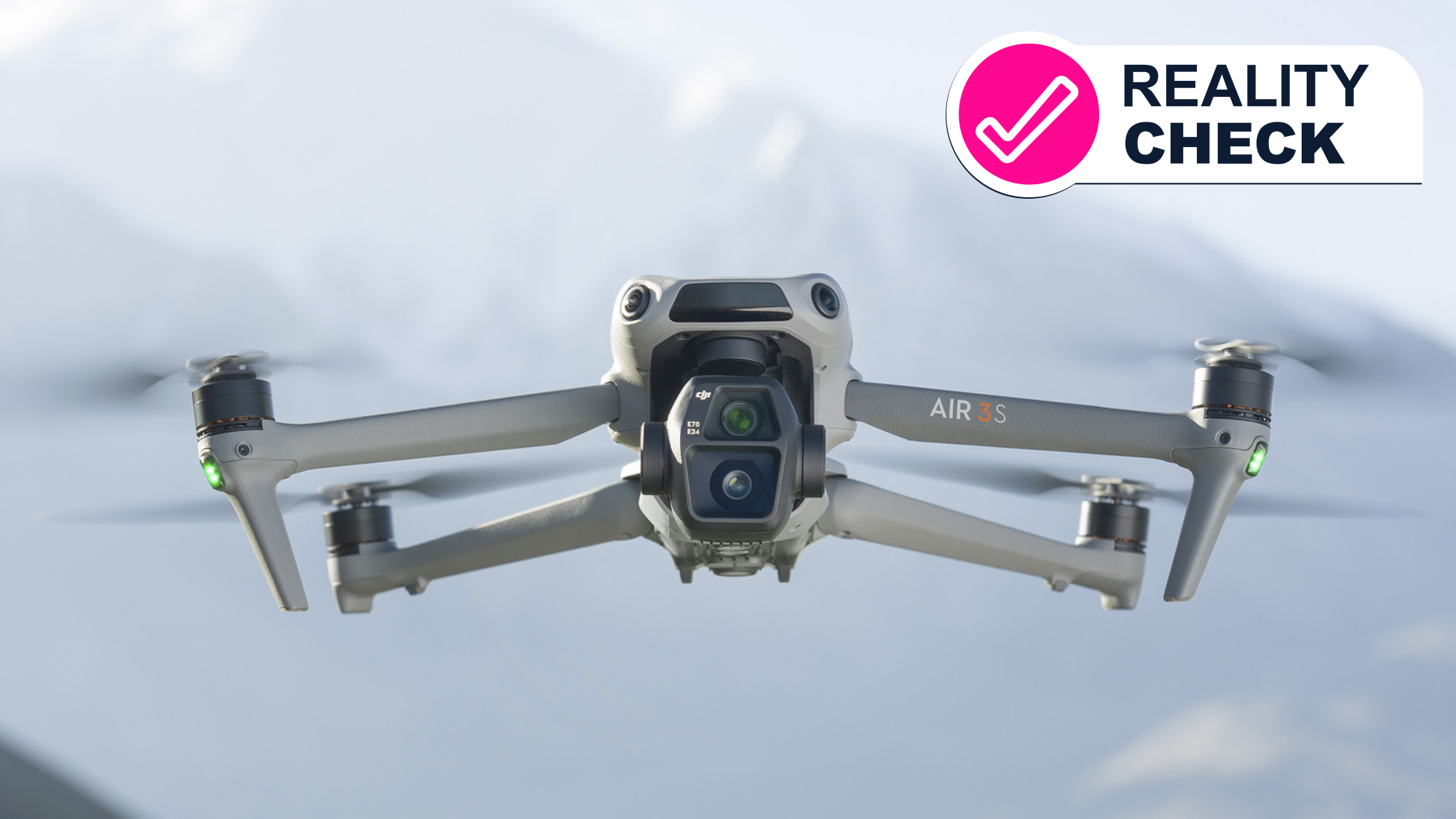
Rank 52282An act passed by Congress requires security review by DecemberDJI says it's willing to co-operate, but no agency has started the processIf the audit is not completed, a ban on DJI drones will come into forceDJI drones are the most popular flying cameras in the US. Both its consumer and professional quadcopters sell in huge numbers, and they also rank among the best drones you can buy. Yet a huge question mark still looms over their immediate future. By the end of 2025, DJI drones could be banned in the US – and that's prompted the Chinese giant to raise the alarm bells about the obstacles it's flying into.We have reached out to the relevant agencies to fulfill this obligation set out by Congress. However, more than six months have passed, and that process still hasn’t begun.DJI spokespersonTalk of a ban on DJI drones has been circulating for more than year, as the Countering CCP Drones Act made its way through the halls of US Congress. It’s motivated by national security concerns and specifically targets drones made by Chinese companies, including DJI.The risk of a ban came closer to reality late last year, when Congress passed an act which legally mandated a review of DJI drones. If that fails to happen by December 2025, customers in the US might no longer be able to buy the best DJI drones. How likely is that? We’ve unpacked DJI's latest statement on the subject and all of the details below.What the law saysAt the center of the issue is the FY25 National Defense Authorisation Act (NDAA), passed by Congress in December 2024. Section 1709 requires an “appropriate national security agency” to assess whether drones manufactured in China – which includes drones made by DJI – pose an “unacceptable risk” to US national security. This must be completed within a year.Crucially, the legislation doesn’t specify which agency must undertake the required assessment. If no agency takes up the mantle and completes that audit by the end of 2025, DJI drones could be added to the FCC’s “Covered List”. This would automatically restrict future DJI product approvals in the US.In practical terms, that could mean:No new DJI drones sold in the USNo FCC certification for updated modelsPotential disruption to support for existing customers.And so far, more than six months since the act was passed, no agency has started the review.What DJI says(Image credit: James Abbott)DJI has become increasingly vocal on the issue, warning that the clock is ticking to avoid a US ban on DJI drones.In an official statement shared with TechRadar, the company said: “DJI has repeatedly said publicly that we welcome and embrace the opportunity to demonstrate our privacy controls and security features. We stand ready to cooperate with any rulemaking processes or investigations.”The statement continues, “We have also reached out to the relevant agencies to fulfill this obligation set out by Congress. However, more than six months have passed, and that process still hasn’t begun.”On 13 June 2025, six months until the NDAA deadline, DJI published a blog post calling for action on the “overdue security review”. The post states that “America’s drone community deserves due process” and called on DJI operators to speak up.It issued a rallying cry to the “thousands of businesses, public safety officials, farmers, entrepreneurs, and others” who “use DJI technology to serve your community, protect lives, grow your business, or deliver essential services.”The post echoed an earlier article shared in December 2024, when the NDAA was first approved, which emphasized the risk that “DJI would be prevented from launching new products in the U.S. market through no fault of its own, but simply because no agency chose to take on the work of studying our products.”Verdict: no ban yet – but the countdown is on(Image credit: DJI)For the time being, DJI drones are still legal to buy and fly in the US. But if no national security agency initiates and completes the audit required by law, expect to see a ban on new models in late 2025. Existing owners might still be able to use their drones, but support and future updates could be cut off.The impact of that would be huge, both for DJI and its customers. Speaking to Rest Of World, Elsa Kania, a researcher at the Center for a New American Security, said “Among the downsides of a ban are the near-term impacts on a range of users and consumers, considering DJI’s comparative advantage relative to most competitors in price and performance.”So the threat isn’t imaginary. Whether it comes to pass depends entirely on bureaucratic follow-through. With no guarantee of that happening, US drone users may need to advocate for action if they want to continue buying and flying DJI drones.That’s exactly why DJI is asking its users to petition their elected representatives, via coalitions like the Drone Advocacy Alliance. But clock's ticking is now getting louder and time is running out ahead of DJI's potential US ban.You might also like...Worried about the DJI drone ban? Fear not – here are the four best DJI alternativesDJI says it ‘welcomes’ imminent US drone ban review – here’s whyBest DJI drone 2025: the finest flying cameras from its impressive range
-

Picture from static.independent.co.uk
Rank 52283 -

Picture from static.independent.co.uk
Rank 52284 -

Picture from image.cnbcfm.com
Rank 52285 -

Picture from image.cnbcfm.com
Rank 52286 -

Picture from static.independent.co.uk
Rank 52287 -

Picture from static.independent.co.uk
Rank 52288 -

Picture from static.independent.co.uk
Rank 52289 -

Picture from assets3.cbsnewsstatic.com
Rank 52290 -

Picture from assets2.cbsnewsstatic.com
Rank 52291 -

Picture from static.independent.co.uk
Rank 52292 -

Picture from static.independent.co.uk
Rank 52293 -

Picture from static.independent.co.uk
Rank 52294 -
Picture from cdn.mos.cms.futurecdn.net
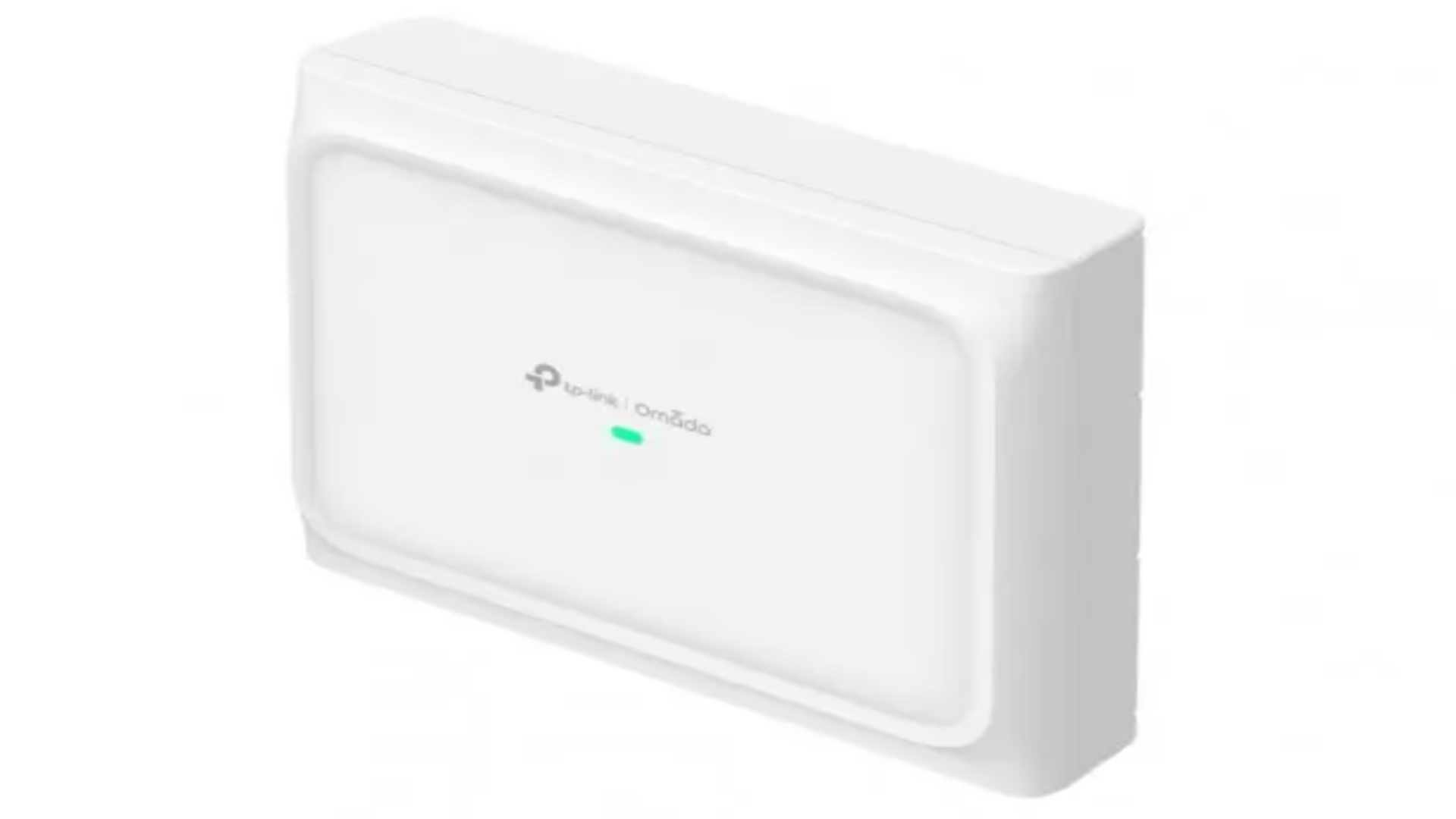
Rank 52295TP-Link’s EAP772-Outdoor survives immersion, but the signal won’t follow it into the waterBuilt to endure harsh elements, but not the hype surrounding underwater wireless capabilitiesEnterprise users might love it, but it feels like overkill for your average Wi-Fi needsTP-Link has announced a new Wi-Fi 7 access point that not only supports the latest wireless standard, but also boasts an IP68 rating which allows it to withstand full water immersion.On paper, this rugged Wi-Fi 7 access point looks great, with tri-band wireless speeds up to 9.3Gbps, support for over 380 connected devices, and 2.5Gbps Power over Ethernet (PoE) for streamlined setup.However, the decision to highlight full immersion capabilities invites a more skeptical look, especially considering the known limitations of wireless communication in water.How relevant is the IP68 rating?The device is equipped with two 4 dBi antennas for the 2.4GHz band and two 6dBi antennas each for the 5GHz and 6GHz bands.It operates across the 2.4GHz, 5GHz, and 6GHz bands, offering maximum theoretical speeds of up to 688Mbps, 2.88Gbps, and 5.76Gbps, respectively, and supports a coverage area of around 300 square meters and a five-year warranty by the company.So, while the router might physically survive immersion, the idea of underwater Wi-Fi remains questionable.Standard Wi-Fi is inherently ineffective underwater. Radio frequencies, especially at 2.4GHz and above, are quickly absorbed by water, leaving little room for practical transmission beyond a few feet.Water blocks the very signals the device is designed to emit, raising doubts about how the LAN port would even be protected from moisture once submerged.If we momentarily entertain the concept of underwater wireless use, the practical applications are narrow and not well served by conventional Wi-Fi.Divers, for instance, would benefit from the ability to send data or communicate without relying on hand signals or physical boards.Real-time image sharing or sensor readings from underwater drones to surface computers could be useful in scientific or military operations.However, these needs are already being addressed by emerging technologies like Aqua-Fi, which uses LED, laser, or acoustic waves for underwater data transmission, none of which involve standard Wi-Fi frequencies.TP-Link has not suggested any integration with such systems, nor has it indicated that the EAP772-Outdoor is intended for submerged deployment beyond mere survivability.That raises the question of why the waterproof feature is being emphasized at all. For outdoor venues, where rain, dust, and heat are threats, weatherproofing makes sense.But full immersion? Unless the router is accidentally dropped in a pond or installed in a highly flood-prone area, it’s difficult to see the value.For users seeking the best Wi-Fi router, the EAP772-Outdoor may excel in terms of outdoor reliability.Enterprise clients needing tough gear for open-air deployment might also make sense out of this device, but for anyone shopping for a mobile hotspot or switch for home or office use, this might seem more like overengineering.The TP-Link EAP772 is expected to retail around $565 when it launches in June 2025.Via Guru3dYou might also likeThese are the best firewalls at the momentTake a look at the best antivirus for your protectionSmartwatches could potentially be used to steal data from or launch attacks on air-gapped systems
-

Picture from techcrunch.com
Rank 52296 -

Picture from ichef.bbci.co.uk
Rank 52297 -

Picture from static.independent.co.uk
Rank 52298 -

Picture from assets1.cbsnewsstatic.com
Rank 52299 -
Picture from o.aolcdn.com
Rank 52300Remedy has shared its plans to improve FBC: Firebreak, the new multiplayer Control spinoff, following a string of less-than-stellar reviews that criticized the game's rough early hours. FBC: Firebreak was announced in October 2024 as the first online multiplayer game from Remedy, and another pitstop on the way to an eventual Control 2.
The full patch notes for Remedy's first update are available to view on Steam, but in brief, the biggest change the developer is making is to how missions are unlocked. Previously, Firebreak required players to play a simpler, shorter version of the game's missions (like dealing with multiplying post-it notes or pink goo, for example), before a more complex version of the mission became available. Now those full-fat missions are available from the start, and completing one unlocks the next type. Remedy's update also rebalances the cost of cosmetics and makes it easier to see and find in-game collectibles, among other tweaks.
The developer is planning to make larger changes to how FBC: Firebreak explains the synergies of in-game weapons and abilities, but those onboarding improvements will take longer to implement. Future updates adding new missions and cosmetics where already planned for the game, so fixes will presumably be worked into the existing roadmap.
We enjoyed our hands-on time with FBC: Firebreak, but reviewers report a less rosy picture after playing the game over a longer period of time. Eurogamer found Firebreak charming in Remedy's typical oddball way, but also inconsistent in terms of difficulty. GameSpot noted similar messiness in the game's mission design, and also the general lack of explanation for weapons and abilities. The more damning and existential problem highlighted by TechRadar is the dearth of story in the game, something that Control generally excelled at. Remedy doesn't appear to have a plan to address any perceived narrative shortcomings in FBC: Firebreak, and since it's a multiplayer game, the company may just have different goals.
FBC: Firebreak is available now for $40 on PlayStation 5, Xbox Series X/S and PC. If you pay for Xbox Game Pass Ultimate or PlayStation Plus Game Catalog, you can play the game at no additional cost.This article originally appeared on Engadget at https://www.engadget.com/gaming/remedy-is-trying-to-fix-fbc-firebreak-in-response-to-middling-reviews-and-player-feedback-203805921.html?src=rss
