Best writers of all time
A good book can take us to places we've never been before, but it can also take us back to our childhoods and help us relive nostalgic moments or make us laugh at silly jokes we've heard a million times before. It can even help us realize new things about ourselves and others around us.
That's why books are so important: they can inspire us to try something new or make us feel like we're right back where we started after all these years! But how do writers manage this? How do they create such vivid worlds for readers? How do they bring characters alive on paper?
These people are true wizards! They wield their pens like magic wands, conjuring up worlds out of thin air, stirring up emotions we didn't know were there before until now ... and changing lives in the process!
-
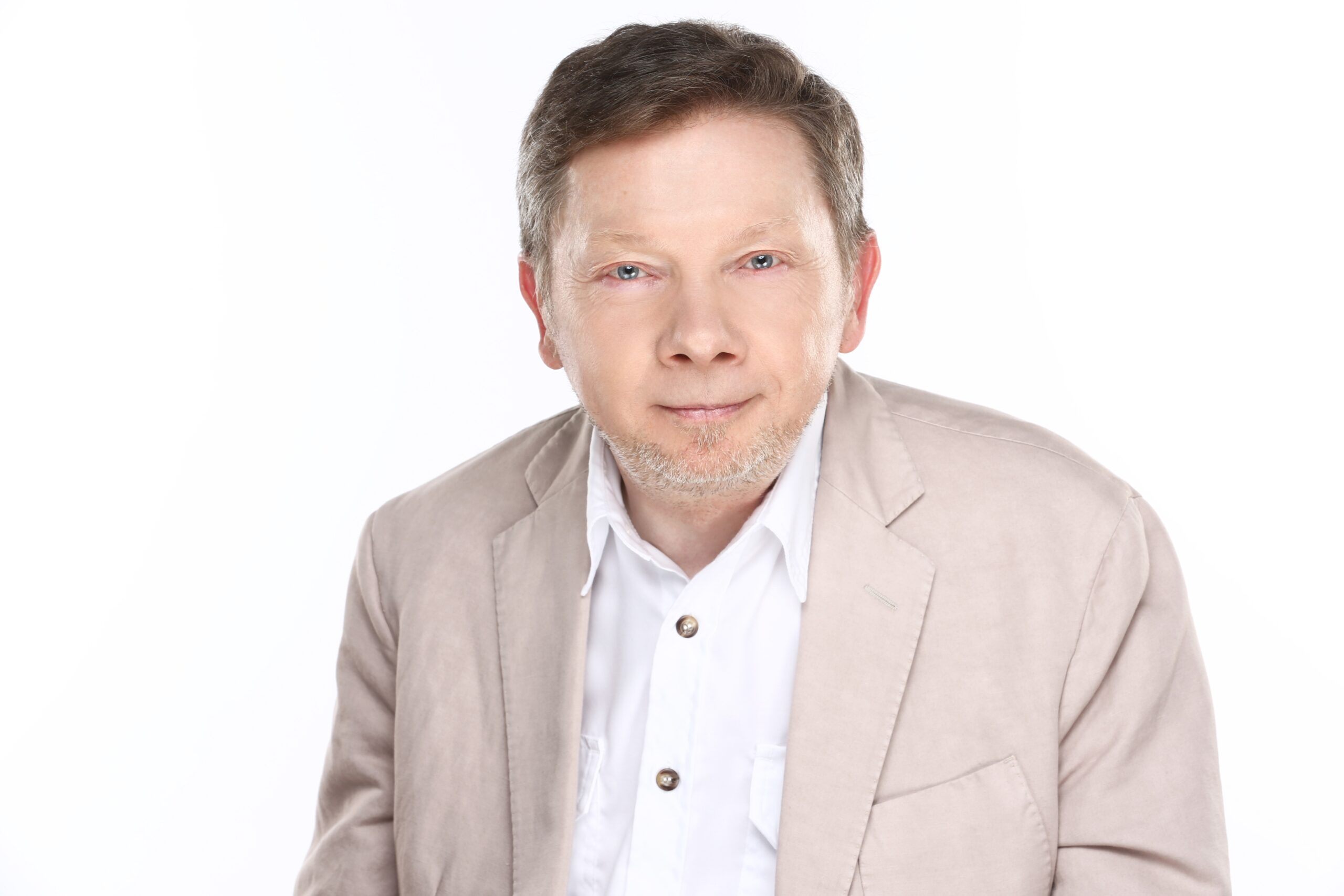
Picture from eckharttolle.com
Rank 51Here are some key points about Eckhart Tolle:
Early Life: Eckhart Tolle was born Ulrich Leonard Tölle on February 16, 1948, in Lünen, Germany. He later changed his name to Eckhart as a reflection of his spiritual awakening.
Spiritual Awakening: Tolle experienced a profound spiritual transformation in his early thirties after a period of intense depression and personal crisis. This awakening led to a fundamental shift in his consciousness, and he entered a state of profound inner peace.
Teaching and Writing: Tolle began teaching and sharing his spiritual insights with others in the late 1990s. He gained widespread recognition and popularity through his books and public lectures.
"The Power of Now": Published in 1997, this book became a bestseller and is considered a classic in the field of spiritual literature. It emphasizes the importance of living in the present moment and offers practical guidance for achieving a state of mindfulness and presence.
"A New Earth: Awakening to Your Life's Purpose": Published in 2005, this book further explores themes of consciousness, ego, and the collective human condition. It discusses the idea of a "new earth" and offers insights into finding one's life purpose.
Public Speaking: Eckhart Tolle travels around the world, delivering talks and spiritual teachings to diverse audiences. His lectures often focus on the nature of human suffering, the ego, and the path to inner peace and spiritual awakening.
Influence: Tolle's teachings have had a profound impact on individuals seeking spiritual and personal growth. His emphasis on mindfulness, presence, and the importance of transcending the ego has resonated with people from various backgrounds and spiritual traditions.
Philosophy: Tolle's teachings are rooted in the belief that true happiness and spiritual awakening are found in the present moment and that identifying with the egoic mind leads to suffering. He encourages individuals to practice mindfulness and become aware of their thought patterns to attain a state of inner peace and enlightenment.
Legacy: Eckhart Tolle's work has contributed significantly to the contemporary spiritual and self-help literature. His books and teachings continue to inspire individuals to seek a deeper understanding of themselves and their relationship with the present moment.
Eckhart Tolle's message of mindfulness, presence, and spiritual awakening has resonated with people around the world, and his books and lectures continue to be valuable resources for those on a spiritual and personal growth journey.
-

Picture from resizing.flixster.com
Rank 52Burr began his career in stand-up comedy and gradually gained popularity with his appearances on various talk shows and comedy specials. His comedic style often involves addressing personal experiences, societal issues, and delivering his opinions in a straightforward and humorous manner.
-

Picture from www.blackpast.org
Rank 53With a career that spans stand-up, acting, radio, and television, Hughley has become a respected and beloved figure in the world of comedy.
Known for his sharp wit, candid observations on life, and fearless approach to tackling social issues, D. L. Hughley's stand-up performances are a compelling blend of humor and thought-provoking commentary. His ability to navigate through various topics with intelligence and humor has made him a significant voice in the comedy landscape.
Beyond stand-up, Hughley has achieved success in television with his own sitcom, "The Hughleys" as well as hosting radio shows and participating in political commentary. His versatility as an entertainer and his unwavering commitment to addressing important issues through humor have earned him a prominent place in the hearts of audiences.
-

Picture from assets.vogue.com
Rank 54“How to Be Less Useful: The Joy of Inefficiency” is out now from Knopf.
-
Picture from i.guim.co.uk
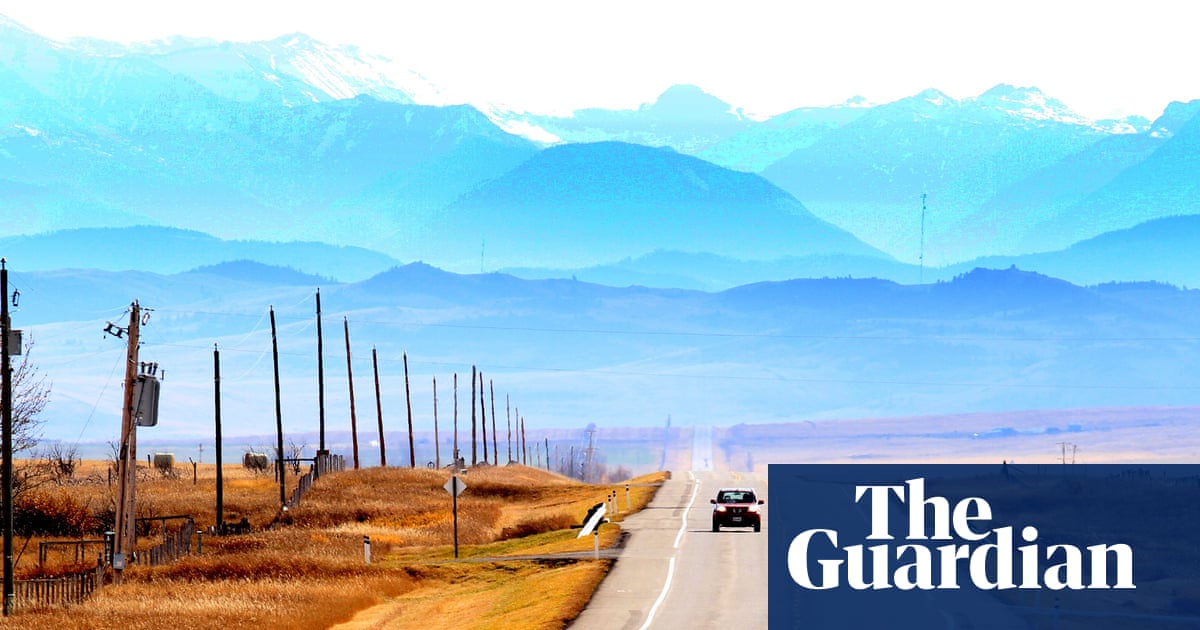
Rank 55The veteran travel writer turns his eye for detail on his northern neighbour and its people Paul Theroux’s arrival in Canada doesn’t go well. An immigration officer called Sweeney finds a small pocketknife in his car and fines him $500 for failing to declare a weapon. “I’m going to make you famous,” he angrily tells her, stumping up. Maybe he will, with this book. Canadians are reputed to be polite and easygoing, “slaves to their courtesy”, but the country has changed enormously in recent years. Will Theroux find it stuffed with Sweeney-ites? Luckily the answer is no. He issues a warning that, after 11 previous travel books, this may be his last; global overtourism appals him and so does much travel writing. But he shares Jack Kerouac’s delight in being on the road, and from his home in Massachusetts it’s just a four-hour drive to the border. His purpose is less to check out “the strangers next door” than to visit the village of Yamaska, in Quebec. It was there that a Frenchman called Antoine Theroux settled in the 17th century; a dozen or more Theroux families still live there; one local street is called Rue Theroux. The author isn’t only made welcome but presented with a certificate of honour by the local mayor. He repays the honour with a long chapter of family history. Continue reading...
-

Picture from i.guim.co.uk
Rank 56The Indian-Irish poet on the Mahabharata retelling that inspired her to write, Arundhati Roy’s courage, and the poetry of Lucille Clifton My earliest reading memory My father was a sailor and my mother a teacher. They were both voracious readers. I was lucky enough to come from a home full of books and when we joined my father out at sea for extended periods of time, my mother carried plenty of books for me to read. I remember sitting by the porthole in our cabin, looking out at the sea on a sunny day, the ship moving calmly through the waters. I was reading The Tale of Peter Rabbit by Beatrix Potter, a book that still feels like a dream. I was four years old. My favourite book growing up There were so many, but when I was a child experiencing the death of my great-grandmother, a maternal figure who I adored, The Neverending Story by Michael Ende became the most essential read for me. I must have read that book a hundred times. I also loved the Winnie-the-Pooh books, Enid Blyton’s Faraway Tree series, the Panchatantra tales, Malgudi Days by RK Narayan and the Asterix comics by René Goscinny and Albert Uderzo. Continue reading...
-
Picture from static.independent.co.uk
Rank 57Through the Writers’ Block initiative, the Fleabag creator and Jack Thorne provide a rent‑free flat and financial support to emerging playwrights struggling with London’s high housing costs
-
Picture from assets3.cbsnewsstatic.com
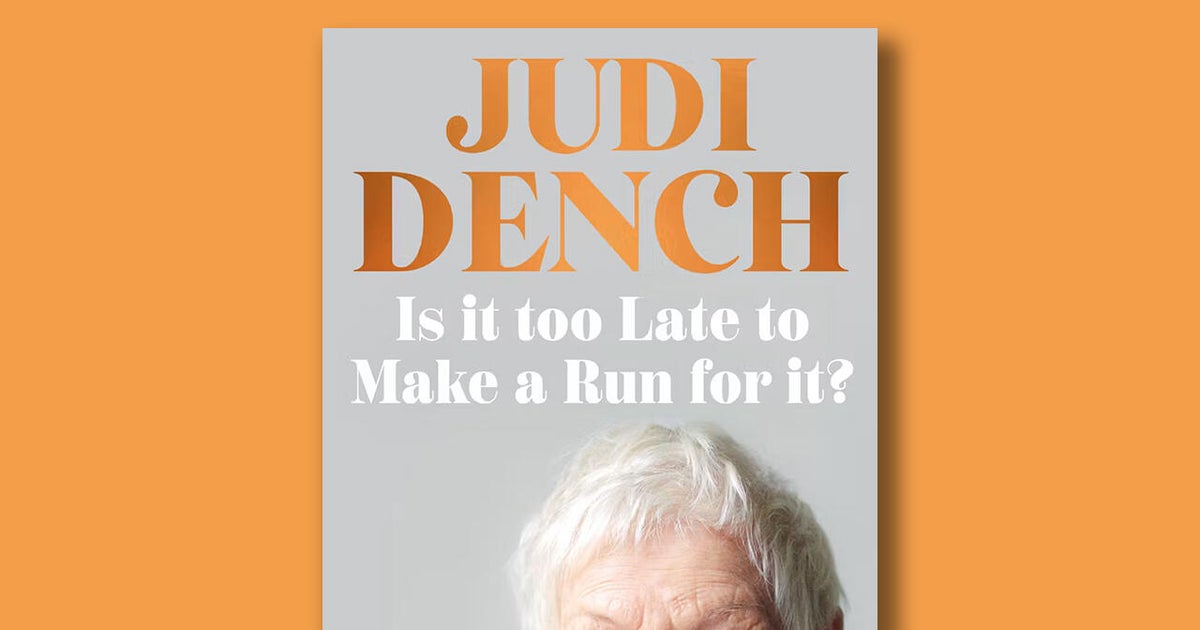
Rank 58The celebrated actress' latest book – conversations with friend and fellow actor Brendan O'Hea – revisits an extraordinary career and a remarkable life.
-
Picture from i.guim.co.uk
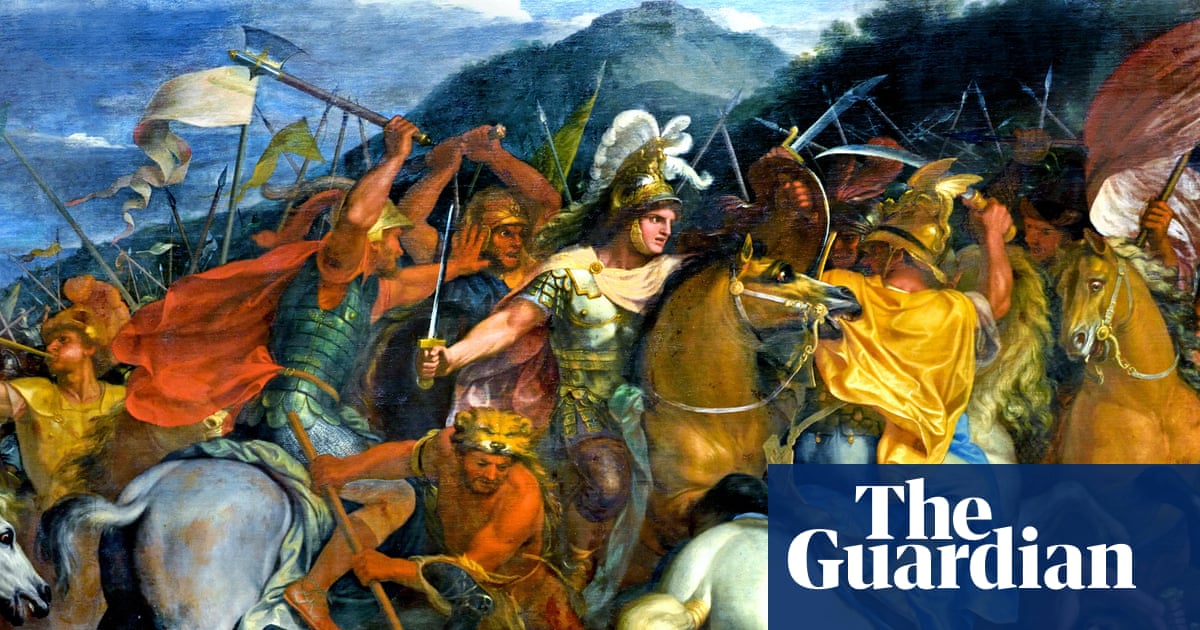
Rank 59He is the most powerful ruler ever – and his first biographer was crucified. What drew Edmund Richardson, winner of the £50,000 Baillie Gifford prize, to his short tumultuous life? He was the most powerful man in the world but he was brought down by one battle too many after a decade at the top. The story of Alexander the Great might be more than 2,000 years old, but it seems timely that a new biography of the ancient ruler won the Baillie Gifford prize for nonfiction just as President Trump took a battering in the US midterms. “This is a moment,” says its author Edmund Richardson, “where people are finding that there are limits to what unlimited wealth and power can do, and that humanity catches up with you, whether you like it or not. Alexander wants to transform the world – and he leaves it in ruins.” Wearing a purple velvet jacket, purple scarf and matching socks, with a high forehead and corona of auburn curls, Richardson himself might have stepped out of an earlier age. It is hard to imagine anyone less like history’s favourite mob boss than this softly spoken professor of classics. We are having coffee at the offices of the PR company for the Baillie Gifford prize, the view of the City of London skyline from the floor to ceiling windows a reminder of 21st-century power and economics. Continue reading...
-
Picture from i.guim.co.uk
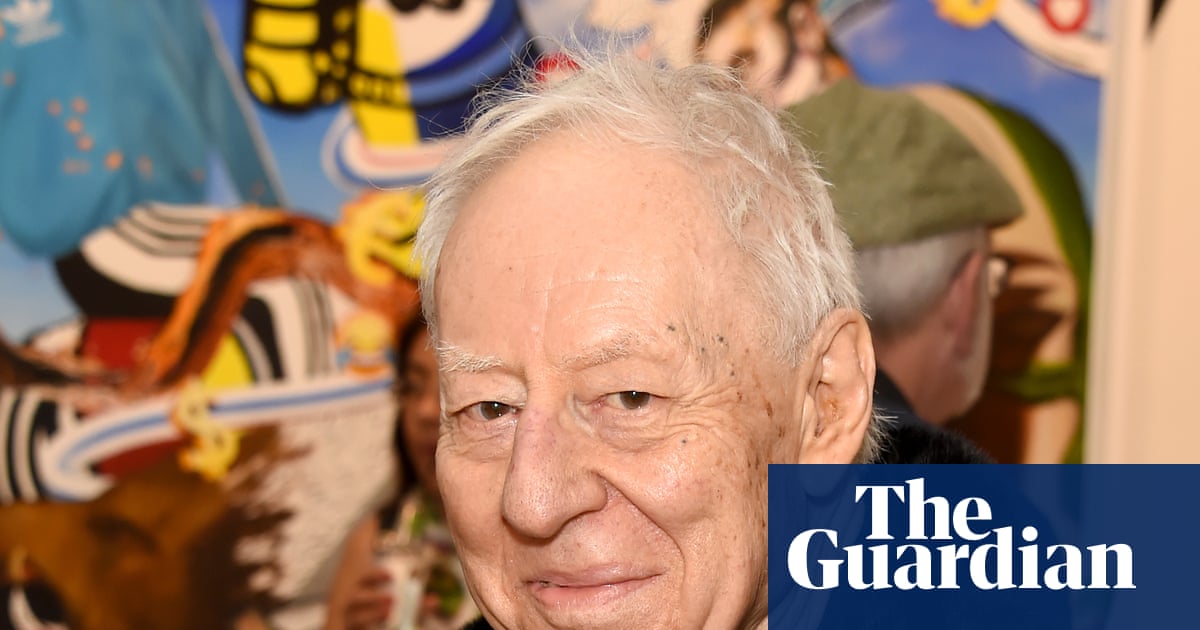
Rank 60Art historian, critic and poet who hosted ‘the Group’, a literary workshop of the 1950s and 60s The poet, art critic and historian Edward Lucie-Smith, who has died aged 93, was both prolific and polymathic. He wrote almost 100 full-length books, including studies of individual artists and large-scale historical surveys, among them The Male Nude: A Modern View (1985), Impressionist Women (1989) and Art and Civilization (1992). His suspicion of contemporary pieties did not lead him to any quick dismissal of contemporary work; rather, he remained permanently excited by the new, and keen to communicate what he saw in it. In an interview in 2017, he gave his account of what he saw as the value of an art critic: “1. Pointing out what they think is good. 2. Saying why they think it’s good, in terms transparent enough for the audience they are addressing to understand.” His own work more than fulfilled this simple manifesto. Continue reading...
-
Picture from static.independent.co.uk
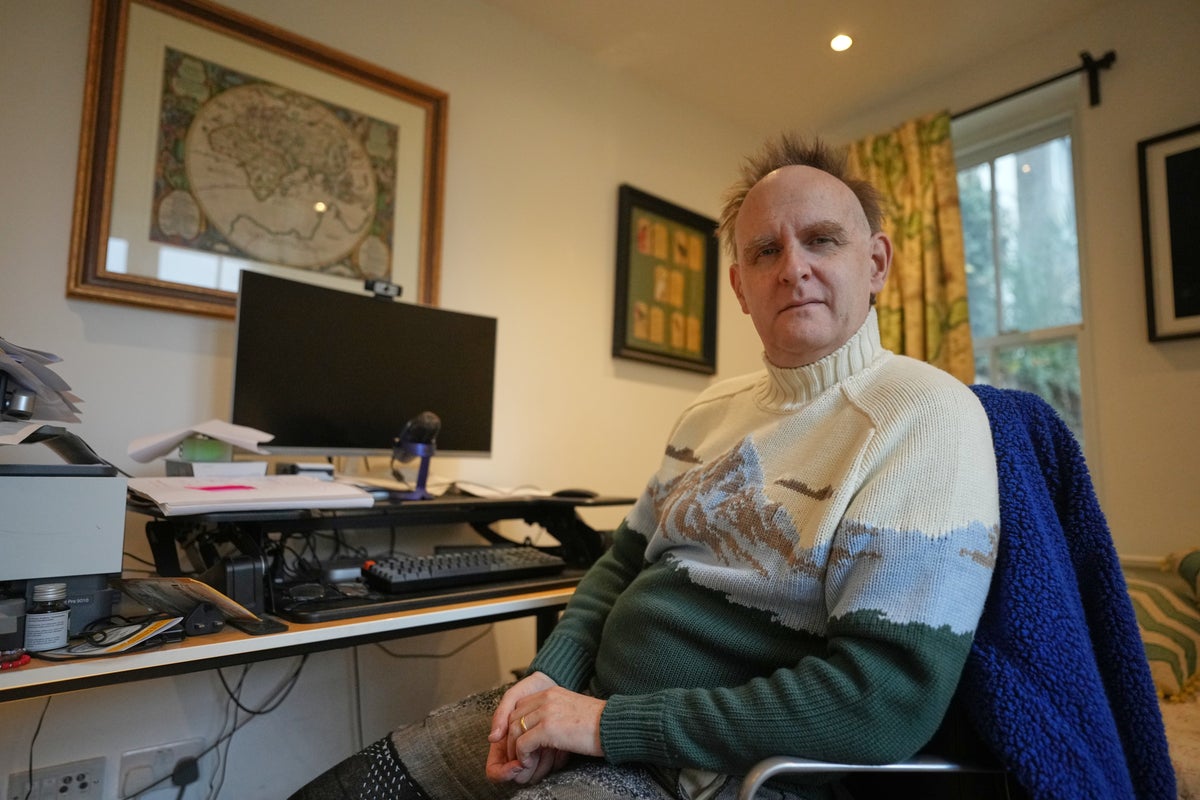
Rank 61Fictional spymaster George Smiley is back in "The Taper Man," a new thriller set in the world of John le Carré and written by his son, Nick Harkaway
-
Picture from i.guim.co.uk
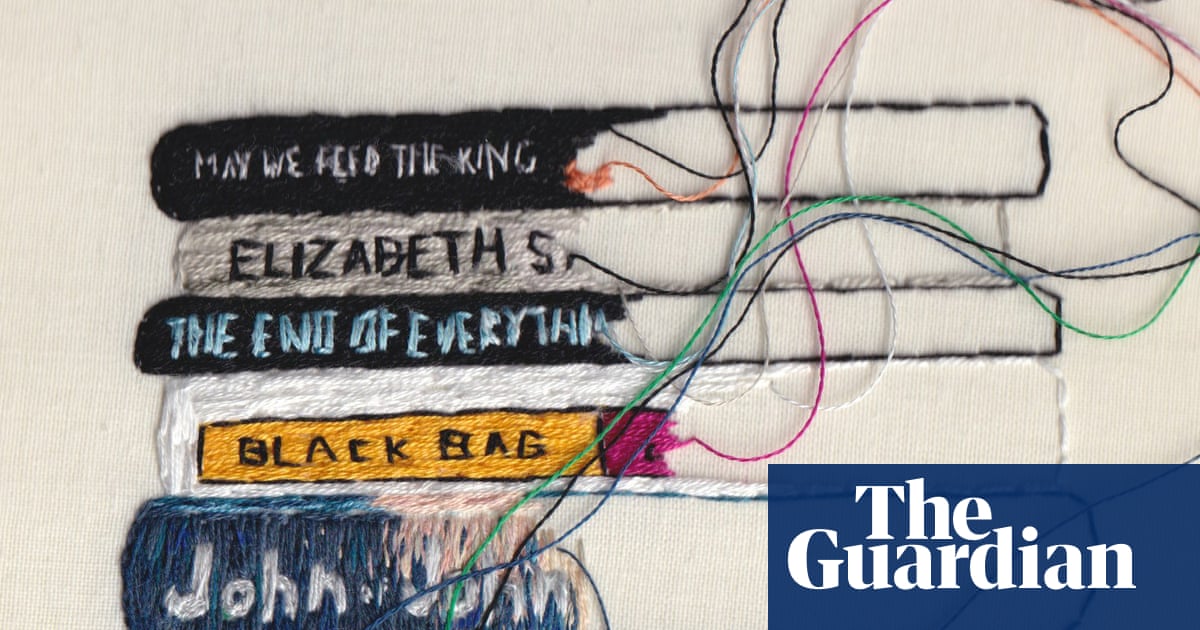
Rank 62A trip to the Scottish islands, a psychological experiment, a chance encounter in a drugstore… the finalists for this year’s Booker prize reveal their inspirations Who knows where a novel really comes from? I spend years gathering loose threads and then, when I feel like the cloth will hold, I start to weave them into a narrative. I suppose I began internalising John of John back in 1994, the year I went to college and chose to become a weaver myself. Continue reading...
-

Picture from media.newyorker.com
Rank 63The translator discusses his work on “The Death of a Certain Woman,” by the late Japanese writer Yasushi Inoue.
-

Picture from media.newyorker.com
Rank 64Every child in the village knew about Omitsu and had learned the unfamiliar word “mistress.”
-

Picture from i.guim.co.uk
Rank 65As her long-running children’s book series turns 15, Liz Pichon talks about overcoming dyslexia to become a bestselling author If you ever find yourself in an airport newsagent, it might be worth peering inside one of Liz Pichon’s books. “I do guerrilla signings,” she tells me conspiratorially. “They let me go in and I sign all the books, just in case. I love the idea of kids buying a book, going on holiday and seeing that I’ve signed it. Sometimes I write ‘surprise!’” It’s a wonder that she hasn’t got sore hands. Pichon is one of the UK’s foremost children’s authors, and this is a big year for her. Not only has she just published the 25th book in her Tom Gates series, Tom Gates Is Not Famous (Yet), but this is the 15th anniversary of the first instalment. She has, at last count, sold 16.5m books in 47 languages, and her work has been adapted for both stage and screen. Continue reading...
-

Picture from deadline.com
Rank 66British writer Tom Rob Smith led an enlightening Q&A session on the difference between writing prose fiction and writing for the screen this afternoon at the Thessaloniki Film Festival, where he is one of the headline speakers. During the session, the Emmy winner, best known for the novel Child 44 and the series The Assassination […]
-

Picture from www.rollingstone.com
Rank 67A tangent-filled conversation with Martin McDonagh, John Malkovich, and Sam Rockwell about conspiracy theories, America, and their new movie
-
Picture from i.guim.co.uk
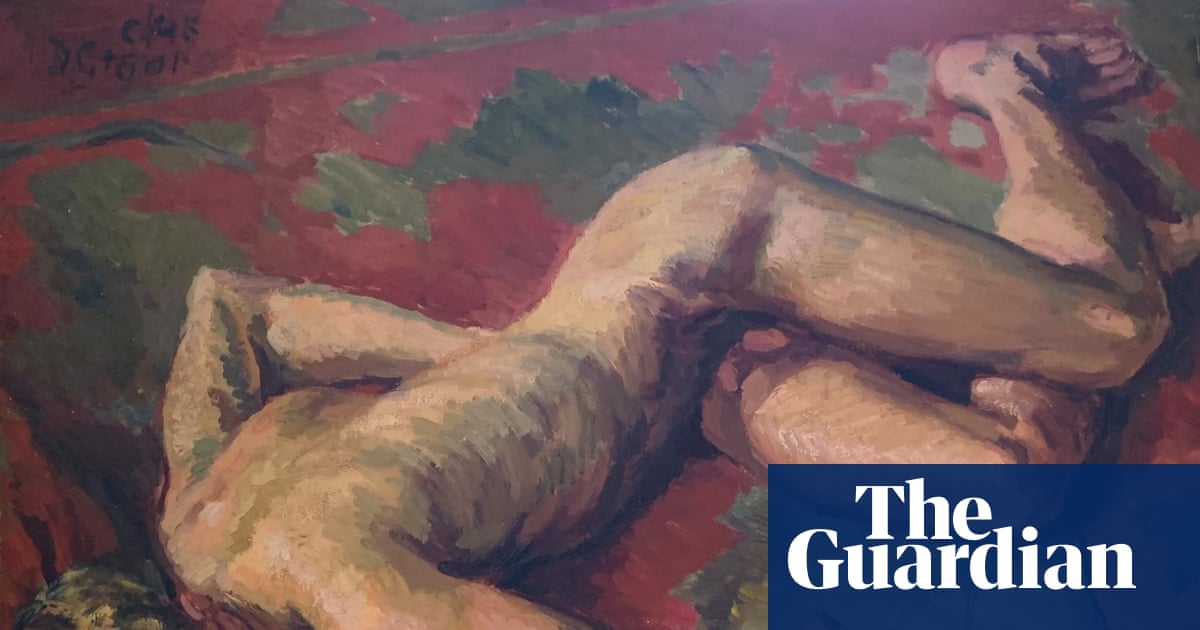
Rank 68As the work of Bloomsbury artist Duncan Grant features in a major exhibition, Cordelia Roche reflects on her father’s decades-long relationship with the painter – as friend, muse, but never lover After Duncan Grant died in our house, in Aldermaston in Berkshire, at the age of 93, I remember my father’s knees buckling and him falling to the ground. It was 1978, the end of their 32-year relationship, and the end of an era. My father Paul Roche, a poet, writer and translator of Greek plays, seemed to crumble before my eyes. He was 61, a father of five, and I was the youngest. Duncan, the painter, designer and a key figure of the Bloomsbury group, had been his beloved friend for more than half his life. Continue reading...
-
Picture from i.guim.co.uk
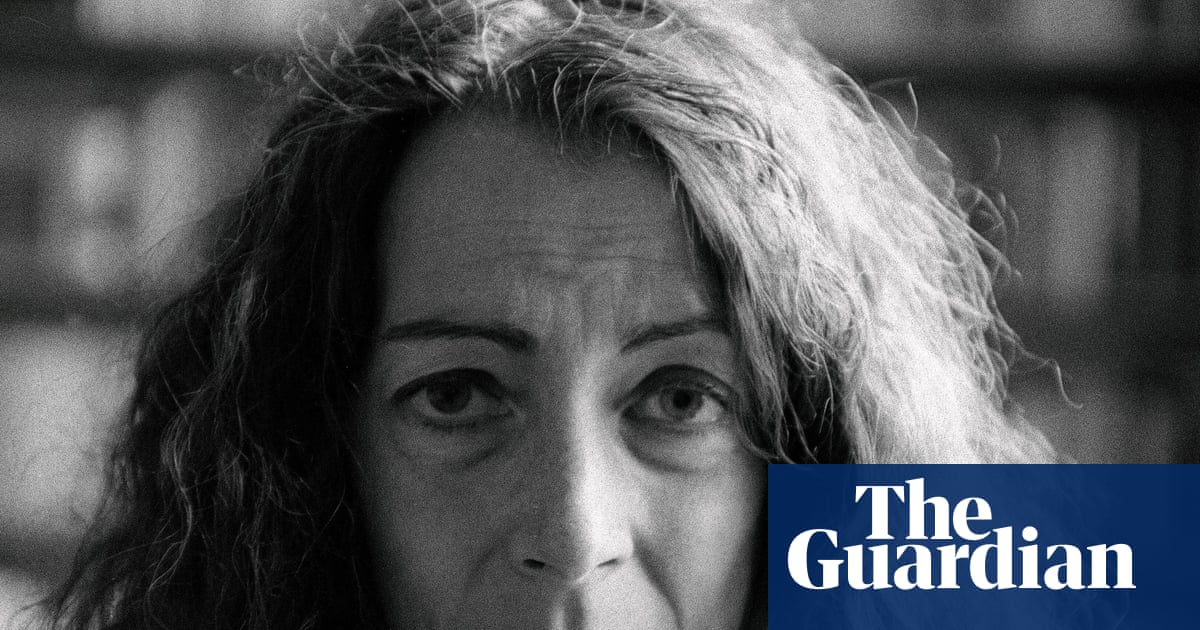
Rank 69The connections between the author’s sister and the German Jewish philosopher Edith Stein are vividly imagined in alternating chapters of a fictional biography In a long and distinguished career as a feminist cultural critic, Jacqueline Rose has combined psychoanalysis, politics, human rights and literature in her work. Among her books are The Haunting of Sylvia Plath and Women in Dark Times, and a novel, 2001’s Albertine, focusing on Albertine Simonet, a character from Proust’s In Search of Lost Time. Her second novel, Two Women, similarly draws on biography and, in this case, memoir, to explore the lives of Edith Stein, the German Jewish philosopher turned Carmelite nun who was murdered in Auschwitz in 1942, and Gillian Rose, Jacqueline’s older sister, a sociologist and philosopher who died of ovarian cancer in 1995, aged just 48. On her deathbed, Gillian converted from Judaism to the Anglican church, a journey outlined in her slim, elaborately erudite and gorgeously frank memoir, Love’s Work. The book gained cult and then classic status, and is probably better known than her radical philosophical works such as Hegel Contra Philosophy, although it is comparable to all her output as a manifesto on how to suffer and how to live. Like Stein, Gillian felt a deep frustration that her groundbreaking work as a philosopher would not be recognised in her lifetime. In the case of Stein, a phenomenologist who studied under Edmund Husserl and was doubly thwarted by being a woman and a Jew in Nazi Germany, posthumous ascendancy to sainthood took the place of professional accolades in life. She was canonised by Pope John Paul II in 1998. When she made her perpetual vows in 1938, a quote from St John of the Cross adorned Stein’s devotional picture: “Henceforth my only vocation is to love.” Continue reading...
-

Picture from media.newyorker.com
Rank 70His TV series “Ways of Seeing” popularized a Marxist view of art and made him a star. In his centennial year, his wide-ranging output continues to inspire and infuriate.
-

Picture from media.newyorker.com
Rank 71At the hundredth-birthday party of the illustrator of the “Eloise” books, testimonials poured in from such pals as Bernadette Peters, Anderson Cooper, and the reputed inspiration for Eloise herself, Liza Minnelli.
-

Picture from static.standard.co.uk
Rank 72The long-awaited Booker Prize winner is announced this evening – and two novels are leading the predictions
-
Picture from static.independent.co.uk
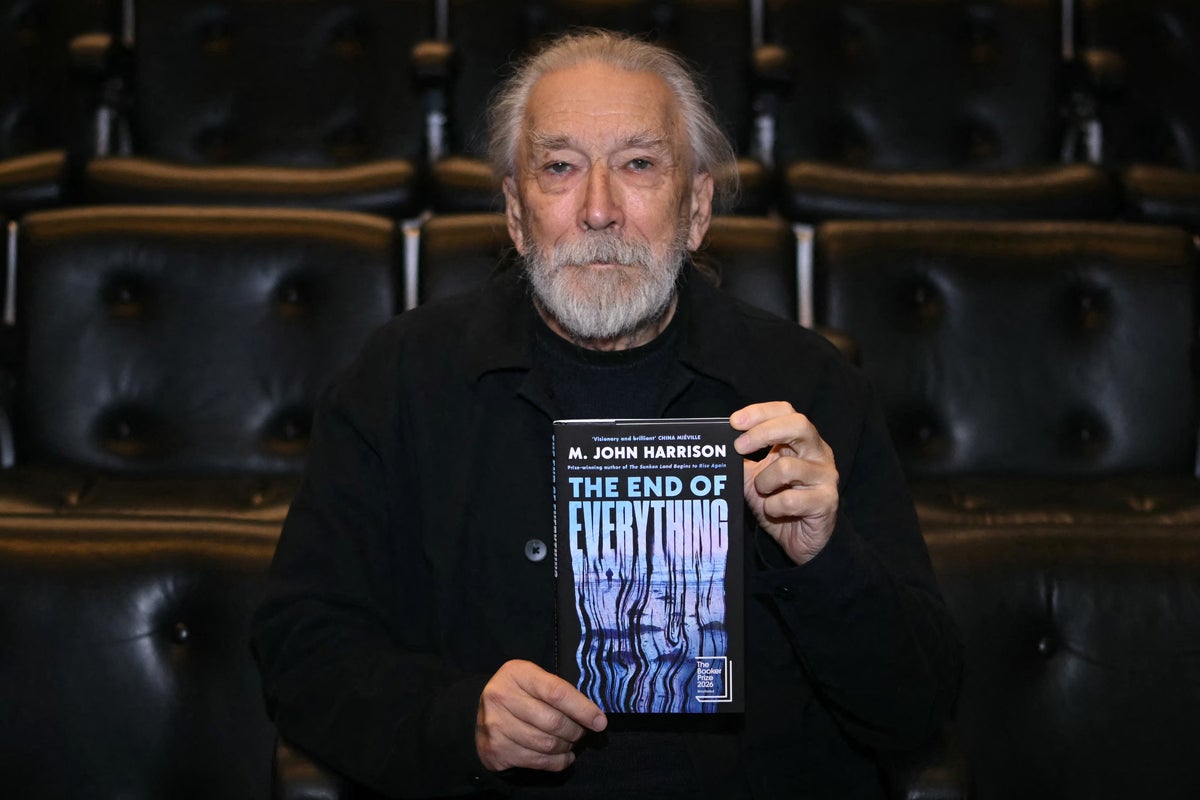
Rank 73Judges of the £50,000 prize said that Harrison’s ‘apocalypse novel’, set in a Kentish seaside town after societal collapse, still contained a sense of hope
-
Picture from i.guim.co.uk
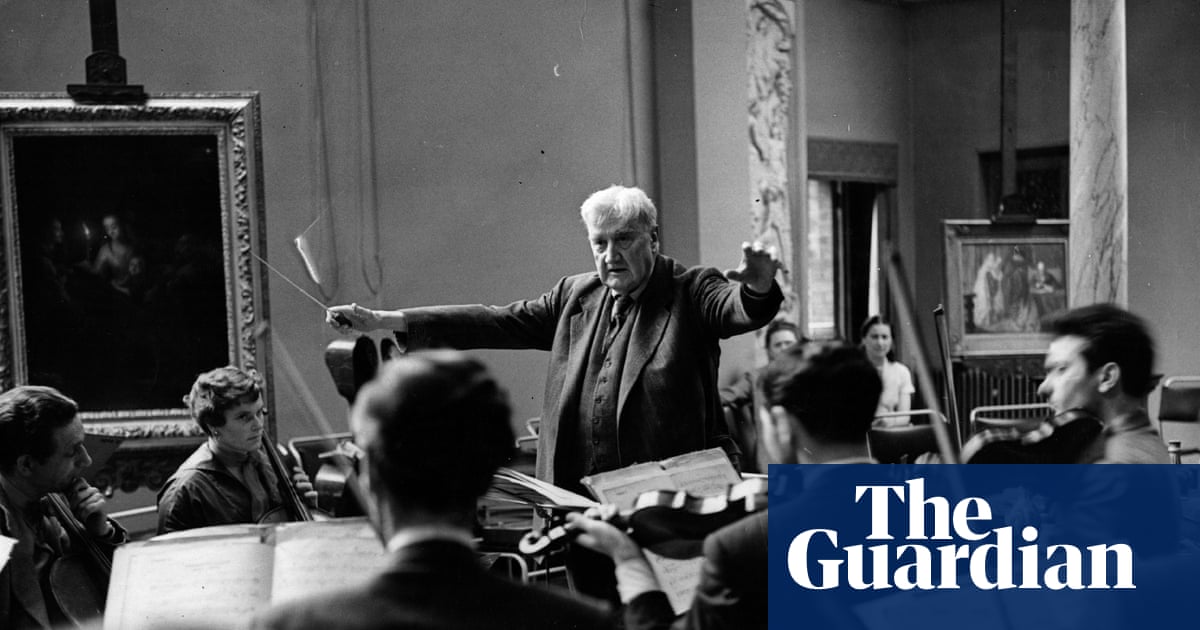
Rank 74The unlikely friendship between French and English composers Maurice Ravel and Ralph Vaughan Williams has inspired a tender and generous novel In 1907, composer Ralph Vaughan Williams confided to the critic Edwin Evans that he was finding his own music “lumpy and stodgy”. His musical education at the Royal College of Music, and indeed classical music in England in general at that time, had tended towards the Teutonic – Bach, Brahms, Beethoven, Wagner – and their heavy contrapuntal style dominated his work. To free himself, he told Evans, he planned to spend some months studying under French composer Vincent d’Indy, who taught at the Paris Conservatoire. Evans’s colleague, Michel-Dimitri Calvocoressi, had other ideas. He proposed that, rather than the traditionalist d’Indy, Vaughan Williams should take lessons with his close friend Maurice Ravel, by then one of the most admired young composers in France. The two men could hardly have been more different: Ravel petite, fastidious, intensely private, an avid collector of intricate mechanical toys; Vaughan Williams bulky, dishevelled, bluffly nonconformist, and possessed of a fascination for English folk music that Ravel found incomprehensible. But though they got off to a poor start (in their first lesson Ravel set Vaughan Williams to compose a little minuet in the style of Mozart, an exercise the Englishman refused in no uncertain terms to consider), the three months they spent together in Paris marked the start of a friendship that would profoundly touch both men and their music. Continue reading...
-

Picture from i.guim.co.uk
Rank 75The singer on how being in Pulp prepared him for judging a literary prize, reading 163 books while on tour, and feeling like the odd one out on the panel • M John Harrison becomes the first science fiction author to win the Booker prize Judging the Booker prize is like being in a band. A band will often bring together a very disparate set of people, their only thing in common the fact they’re in the same group. And a good band takes account of the interests and strengths of its members – that’s how you get a unique sound. Being part of this year’s Booker prize judging panel – chaired by Mary Beard, and featuring the writers Patricia Lockwood, Raymond Antrobus and Rebecca Liu – felt much the same. We were all very different, but we had a common cause: to pick a good winner. Both bands and Booker prize panels are, at least ostensibly, democracies (though in Pulp, I’m the singer, so I make more noise than everybody else). But they shouldn’t be bland democracies. Mary didn’t expect us to toe a party line, and our panel managed to avoid what can sometimes happen when you’re on a jury and you end up agreeing on the least offensive option. Continue reading...
-
Picture from static.independent.co.uk
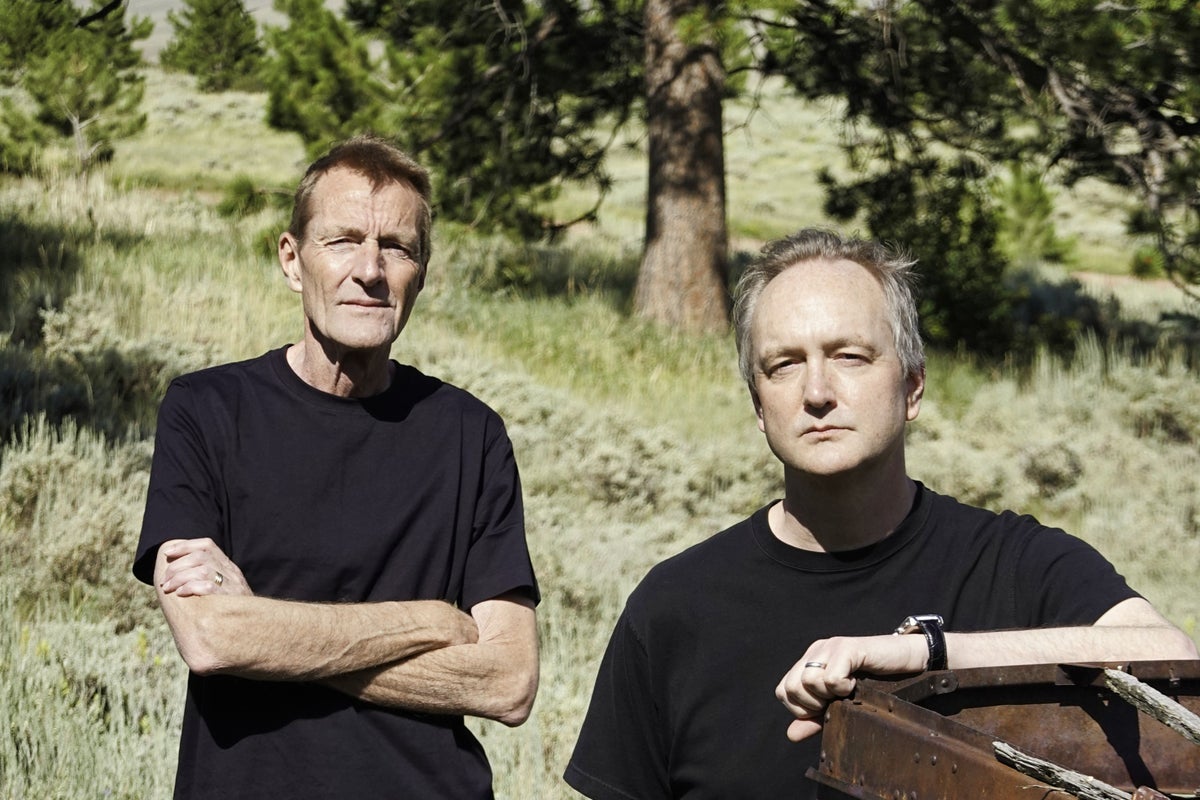
Rank 76The bestselling Jack Reacher author tells Hannah Stephenson about his return to England
-
Picture from assets.vogue.com
Rank 77Kennedy spoke to Vogue over Zoom from her home in Sligo about being a late bloomer, Irish-granny maximalism, and why the Troubles have been taking off.
-

Picture from deadline.com
Rank 78EXCLUSIVE: The Black List has named the six filmmakers for its 2026 Projects Lab. They are Mike Ambs (Falling Forward), Sierra Falconer (Cry For Me, Baby), Georgia Fu (Approximate Joy), Seth Kelman (Vessels), Megan Spatz (North) and Brandon Tyson (Ta Ta Dear). Now in its third year, the program provides creative mentorship and professional support […]
-

Picture from deadline.com
Rank 79EXCLUSIVE: Don Mancini, the writer, director and producer best known as the creative force behind the iconic Chucky horror franchise, has signed with Independent Artist Group for representation. Mancini introduced audiences to the murderous doll Chucky in the original 1988 Child’s Play. He has since written every sequel in the original film franchise and directed […]
-

Picture from variety.com
Rank 80Sylvester Stallone wrote “Rocky” in three days. Figuring out which Oscar screenplay category the movie about him writing it belongs in is taking a lot longer. Amazon MGM Studios’ “I Play Rocky” has been the subject of multiple conversations among the studio, the Writers Guild of America, the Academy of Motion Picture Arts and Sciences […]
-
Picture from i.guim.co.uk
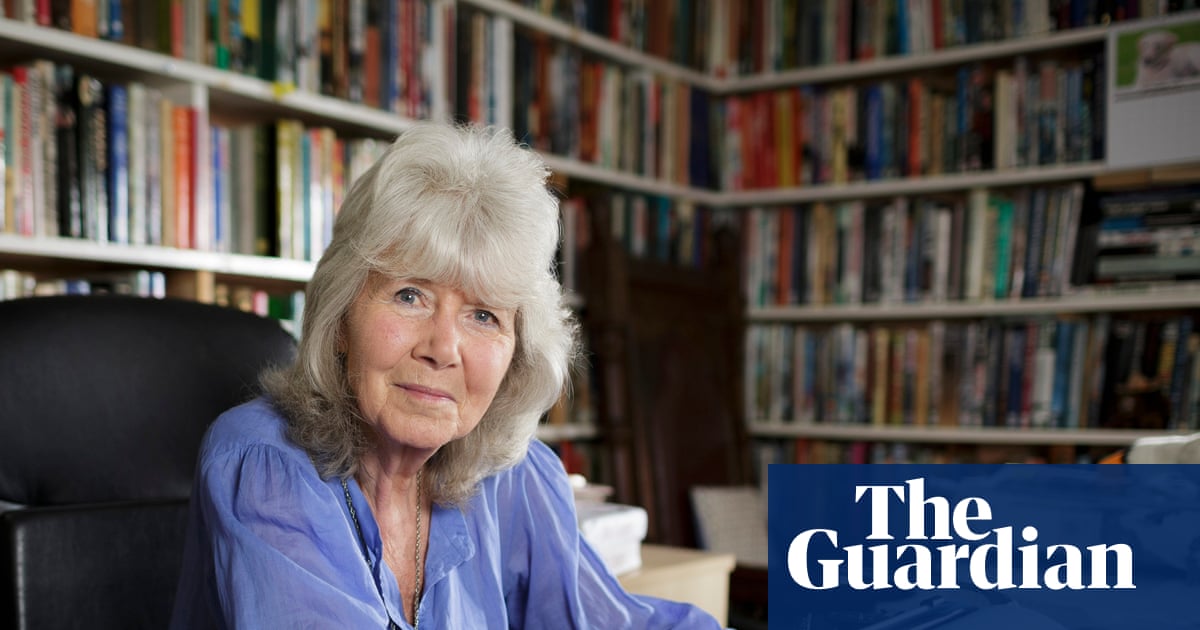
Rank 81Trusty Olivetti machine named ‘Monica 2’ was used for writer’s racy Rutshire chronicles One of Jilly Cooper’s beloved manual typewriters – used to write her bestselling, scandal-filled Rutshire chronicles – is to go under the hammer at auction. The Olivetti Underwood Lettera 32, which has a guide price of £10,000 to £15,000, was affectionately known by the late author as Monica 2. Continue reading...
-
Picture from i.guim.co.uk
Rank 82This collection of 40 short stories from the International Booker winner is full of invention and warmth In the titular story of Georgi Gospodinov’s short-story collection The Man With Many Names, the narrator reveals: “Telling our personal stories is the only move we can make … that allows us to postpone for at least a little while this game’s foregone ending.” It’s as good a description as any of the Bulgarian author’s preoccupation with stories and their power to upset life’s linear course. Like his idol Jorge Luis Borges, Gospodinov tends towards subversion in his fiction: he takes the “game” and rewrites the rules, turns the board upside down to find new ways of looking and seeing. If the ending is a foregone conclusion, Gospodinov’s magic is to make his stories feel like beginnings with endless possibilities. The Man With Many Names comprises 40 stories made up of two collections previously published in Bulgarian. Ranging from post-Communist realism to experimental fables set in unfamiliar worlds, these magnificently imaginative pieces trade in many of the same themes – childhood, the labyrinthine qualities of language, the push and pull of fantasy and reality – as his best-known work, Time Shelter, for which he won the International Booker prize in 2023, shared with translator Angela Rodel, who also translated this collection. Here too Rodel expertly conveys Gospodinov’s economy of language, as well as his playfulness and warmth as a storyteller. Continue reading...
-
Picture from static.independent.co.uk
Rank 83Allegations of grooming and sexual assault against the author have once again cast a spotlight on his controversial books
-
Picture from i.guim.co.uk
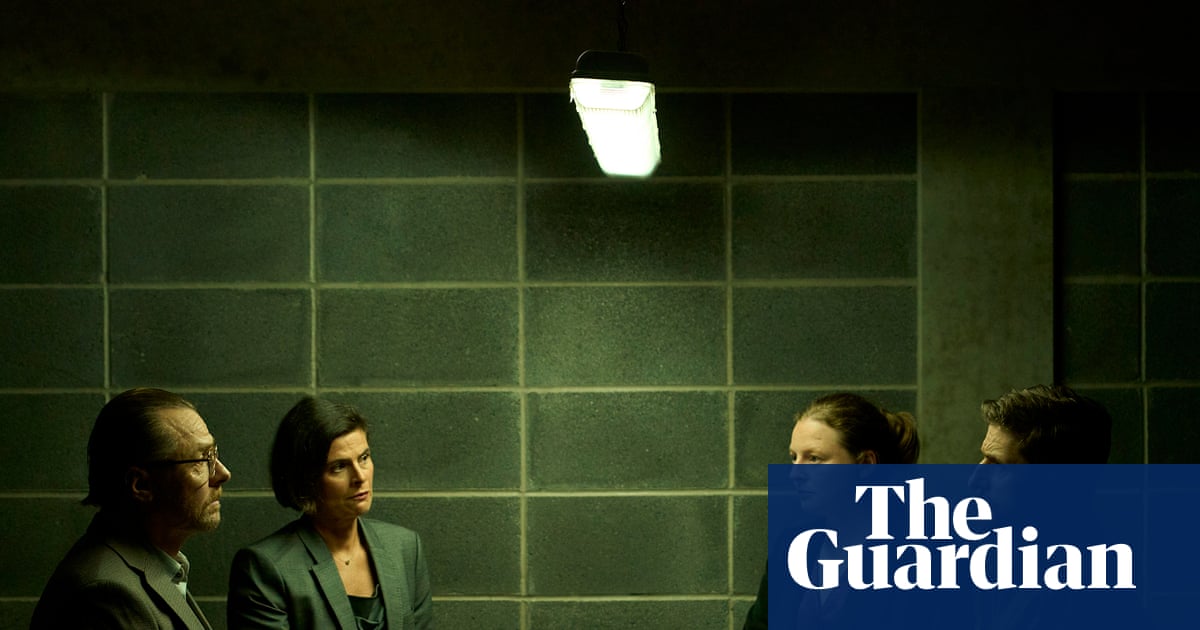
Rank 84As co-writer of new thriller Hunting Alice Bell, our film critic entered the hallowed Room – and was struck by its support, buzz, abrasion and chocolate snacks. He asks legendary showrunners about their experience ‘Write, write, write until your fingers break!” That was Chekhov’s advice to writers. Until I started writing for television I thought I understood what he meant. I thought I knew what writing was: the solitude, the making yourself do it, the finger-shattering pain of doing it seriously, on your own. As well as being chief film critic for the Guardian, I have written fiction and in some ways the basic technical challenge has not been so very different from cinema criticism; after having had the idea, or having seen the film, you have to go away on your own and turn the computer on. Continue reading...
-

Picture from deadline.com
Rank 85With interest in a big-screen adaptation, M. John Harrison has told Deadline he wanted to call his Booker Prize-winning novel ‘The End of Everything: A Film’, but got cold feet at the last minute. Harrison won the Booker for ‘The End of Everything’, to give his book its final title. It follows a beachcomber living […]
-

Picture from static.standard.co.uk
Rank 86M John Harrison, 81, became the oldest winner of the coveted prize on Monday.
-
Picture from gizmodo.com
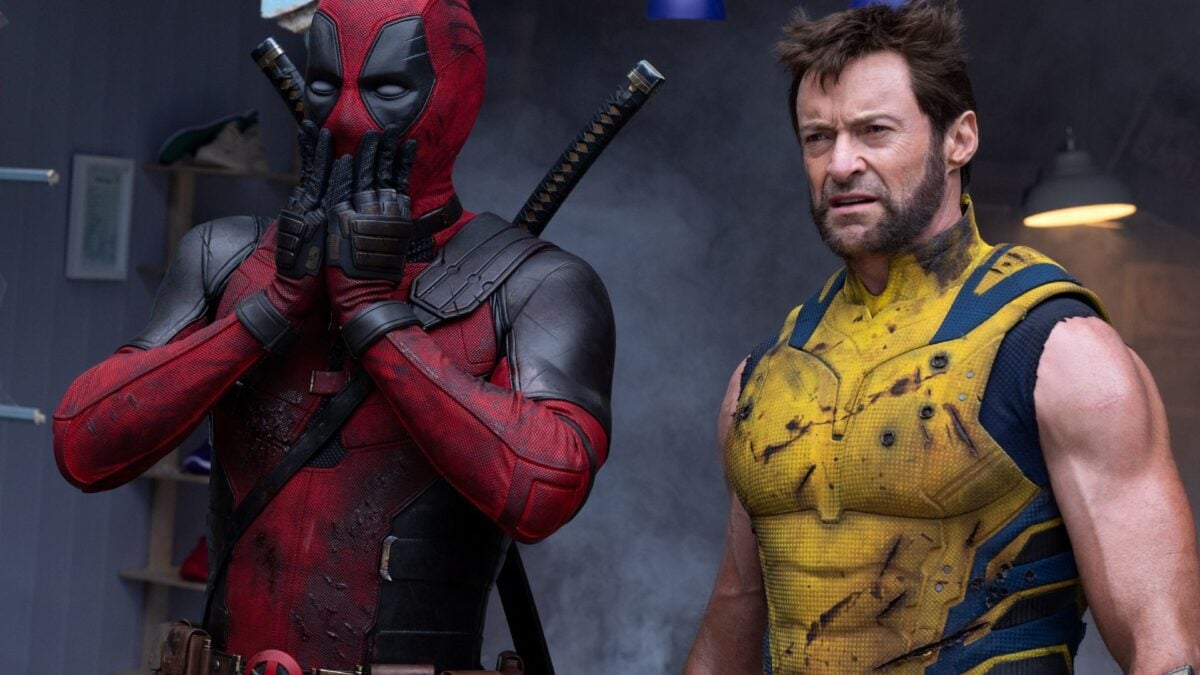
Rank 87Both Ryan Reynolds and Hugh Jackman's work on the film was recognized by the Writers Guild of America.
-

Picture from platform.vox.com
Rank 88The world is full of unanswered questions and strange ideas. Do parallel universes exist? What would it look like if a pandemic wiped out life as we know it? Is time travel possible? I host the science podcast Unexplainable, where we often speak to scientists about their attempts to puzzle through life’s greatest mysteries, but […]
-

Picture from media.newyorker.com
Rank 89After my memoir, “Huna,” was nominated, I made plans to attend the ceremony in New York—only to be found ineligible for a visitor visa.
-

Picture from i.guim.co.uk
Rank 90It is important to understand just how effectively perpetrators of abuse have used lawyers as their shields. A challenge to that can’t come soon enough There will be empty shelves in many bedrooms this weekend, where the David Walliams books once stood. For parents of a certain era, there was no escaping that particular publishing-industrial complex, and I certainly did my share of wearily reading Gangsta Granny or Mr Stink on repeat. At his peak, Walliams was the bestselling children’s author in Britain for 100 weeks straight, to say nothing of the spin-off theatre productions, Christmas specials, countless World Book Day costumes, and that family-friendly stint as a judge on Britain’s Got Talent during which we now learn he was reportedly inviting teenagers to his dressing room. “What I try and do most of all in my books is encourage reluctant readers,” he told breakfast TV’s Lorraine Kelly in 2024, the year before publisher HarperCollins finally dropped him after allegations over his behaviour towards junior female staff. But it’s parents who would have been reluctant to bring his books anywhere near bedtime had we known earlier about the young girls claiming that Walliams exploited his fame to prey on them, and then threatened legal action if they tried to speak out. Continue reading...
-
Picture from i.guim.co.uk
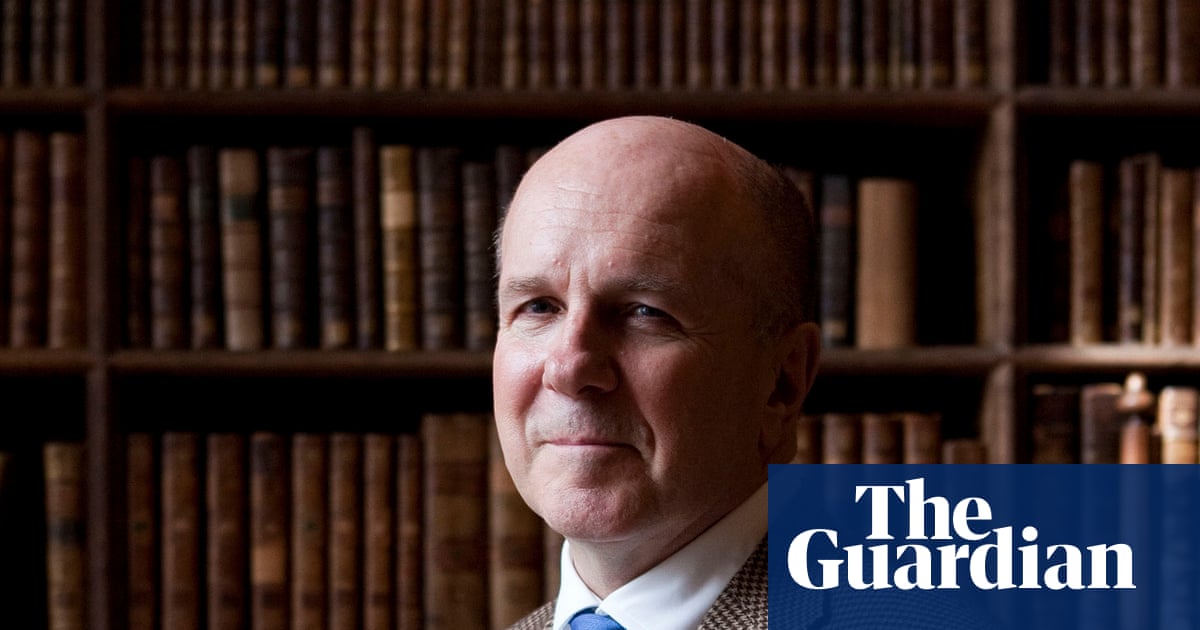
Rank 91Intrepid writer and journalist who reported on the Troubles and Watergate, and whose string of bestsellers began with The Surgeon of Crowthorne The author and journalist Simon Winchester, who has died after a heart attack aged 82, thought himself lucky to have enjoyed “a pretty interesting, world-wandering life”. Those wanderings yielded a harvest of 30 books across a vast spectrum of subjects: from the land beneath to the wind above; from earthquakes to dictionaries, oceans to engines. The globe-trotting polymath, an American citizen from 2011, loved to take an everyday “invisible thing” in culture or nature – such as the winds of his final book, The Breath of the Gods (2025) – and show how it shapes private and public histories. We first knew about the Chornobyl disaster, which hastened the end of the USSR and a new geopolitical order, because an aberrant wind allowed Swedish scientists to measure the radioactive fallout freakishly blowing from Ukraine. Continue reading...
-
Picture from assets3.cbsnewsstatic.com
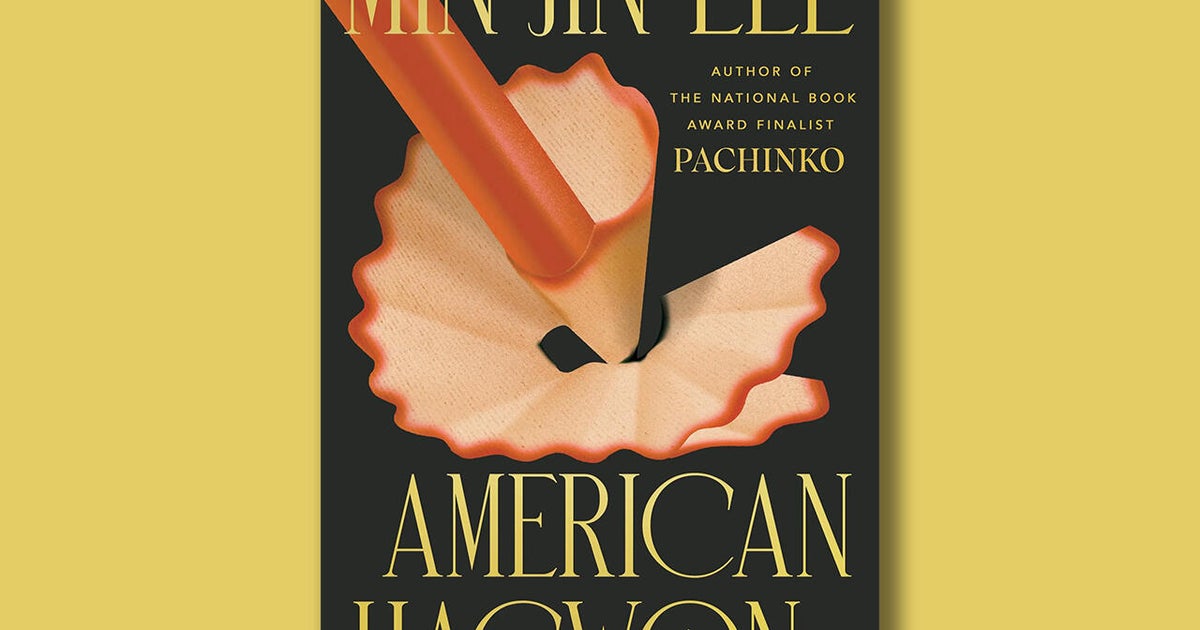
Rank 92The bestselling author of "Pachinko" returns with her third novel, about Korean immigrants emphasizing education to best prepare their children's future in America.
-

Picture from variety.com
Rank 93The writers and creators behind some of television’s most popular limited series joined Variety’s A Night in the Writers Room to discuss their creative processes behind adapting stories for television. Moderated by Variety’s senior artisans editor Jazz Tangcay, the limited series panel featured Nick Antosca of “Cape Fear,” Silka Luisa of “Blade Runner 2099” and […]
-
Picture from static.independent.co.uk
Rank 94Hilary K
-
Picture from i.guim.co.uk
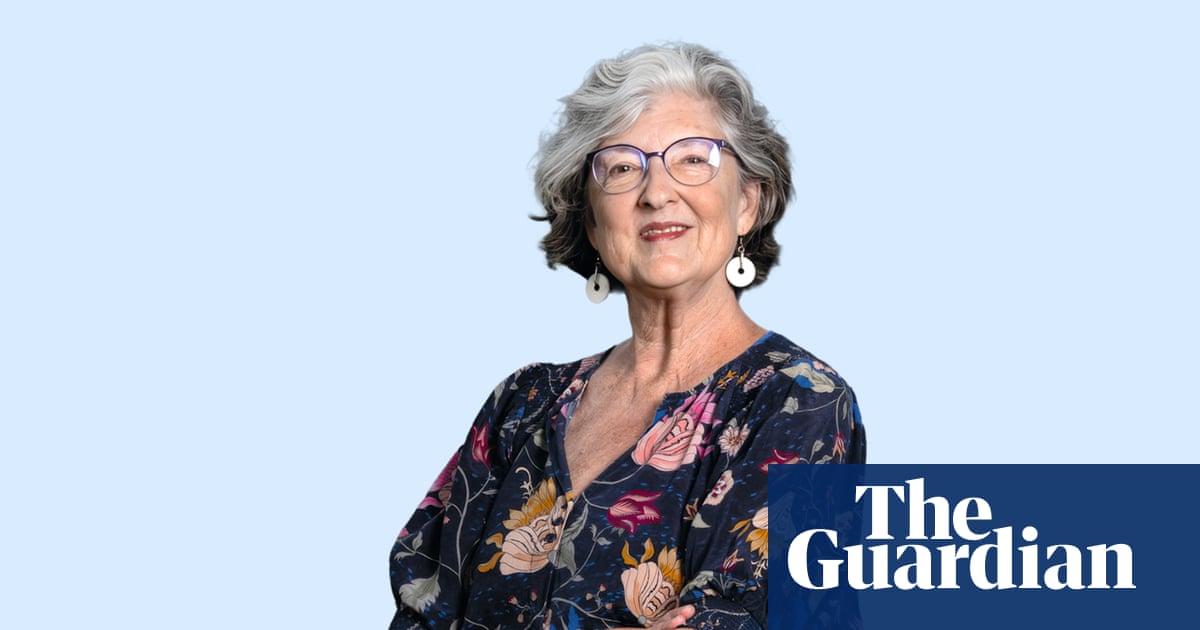
Rank 95The author on the FBI tapping her phone, teaching herself to read aged three, and why she knits in meetings Born in Maryland, in the US, Barbara Kingsolver, 71, won a music scholarship to DePauw University in Indiana. She became a journalist and published her first novel, The Bean Trees, in 1988. Her award-winning books include The Poisonwood Bible, The Lacuna and Demon Copperhead, which was published in 2022 and won the Pulitzer, the James Tait Black prize and the Women’s prize for fiction. In 2025, she founded the Higher Ground Women’s Recovery Residence in Lee County, Virginia, where the novel is set. Her latest novel is Partita. She lives in Virginia with her second husband and has two children. When were you happiest? Right after the births of my children. Those hormones are strong medicine: they erase all memory of recent gruelling events and crown you goddess, author of divine creation. Continue reading...
-
Picture from static.independent.co.uk
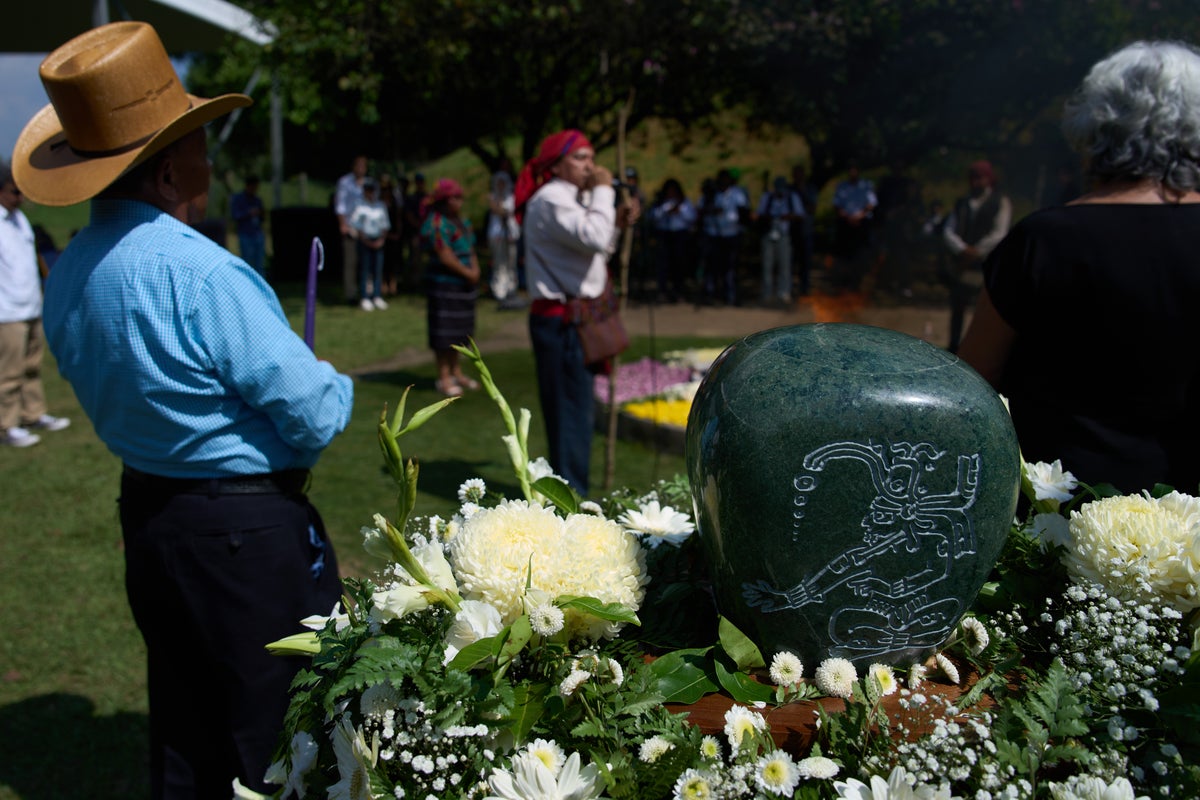
Rank 96A Mayan ceremony at an archaeological site in Guatemala City has honored Nobel Prize-winning author Miguel Ángel Asturias
-

Picture from static01.nyt.com
Rank 97More than anything, I am grateful. For life, especially.
-

Picture from i.guim.co.uk
Rank 98After a childhood of grief, hardship and hunger, the Guardian food writer’s father Raj always resisted going back to Uganda. What happened when he finally agreed to accompany her on a bittersweet journey into the past? The moment I step off the plane and on to the soil of Entebbe it hits me. Uganda is in my blood. This country that had once existed only in my imagination is finally real. The heat is heavy, the earth bright and rich like dark terracotta. I want to capture this moment – me with my 75-year-old dad, back where he was born. A place he never imagined he would return to. I whoop and reach for my camera, turn it towards my father’s face. “You’re back!” I say. Continue reading...
-

Picture from media.newyorker.com
Rank 99The author reads his story from the November 23, 2026, issue of the magazine.
-

Picture from media.newyorker.com
Rank 100The author discusses his story “Trude.”


